


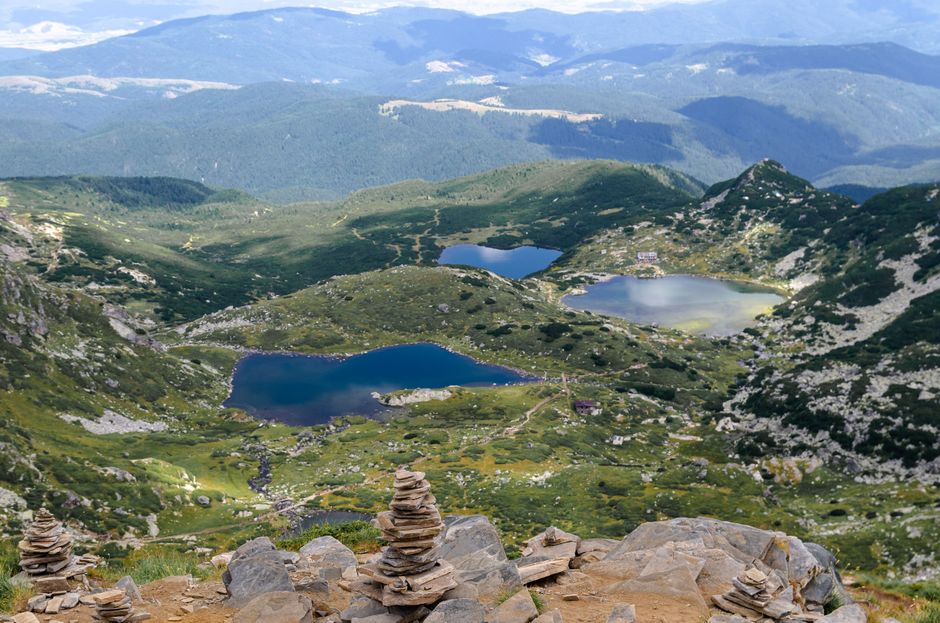
The wind up here doesn't just blow; it bites. I'm sitting on a slab of granite that's been here since the last ice age, my fingers numb around a lukewarm bottle of water, staring at a mirror of water so still it looks like liquid glass. This isn't a postcard. This is Pirin National Park, a jagged, toothy spine of rock in southwestern Bulgaria that feels less like a national park and more like a geological argument frozen in time. I didn't come here for the scenery. I came because someone told me the lakes whisper. Not metaphorically. Locals swear the higher you climb, the more the water sounds like voices. I'm here to find out if it's just the wind in the pines or if the mountains have a memory.
Below me, the cloud layer is thinning, revealing the deep, unnatural blue of Yastan Lake. It's the lowest of the Seven Rila Lakes? No, wait, wrong mountain. That's Rila. This is Pirin. The Seven Lakes of Pirin are different. They're sharper, colder, and surrounded by peaks that look like they were carved by a madman's chisel. I'm not alone. A group of hikers in neon jackets is trudging up the trail, their breath pluming in the thin air. They look exhausted. I look tired too, but there's a thrill in the exhaustion. This is the kind of place that breaks you down and builds you back up, one steep kilometer at a time.
Glacial Scars and Stone Bones
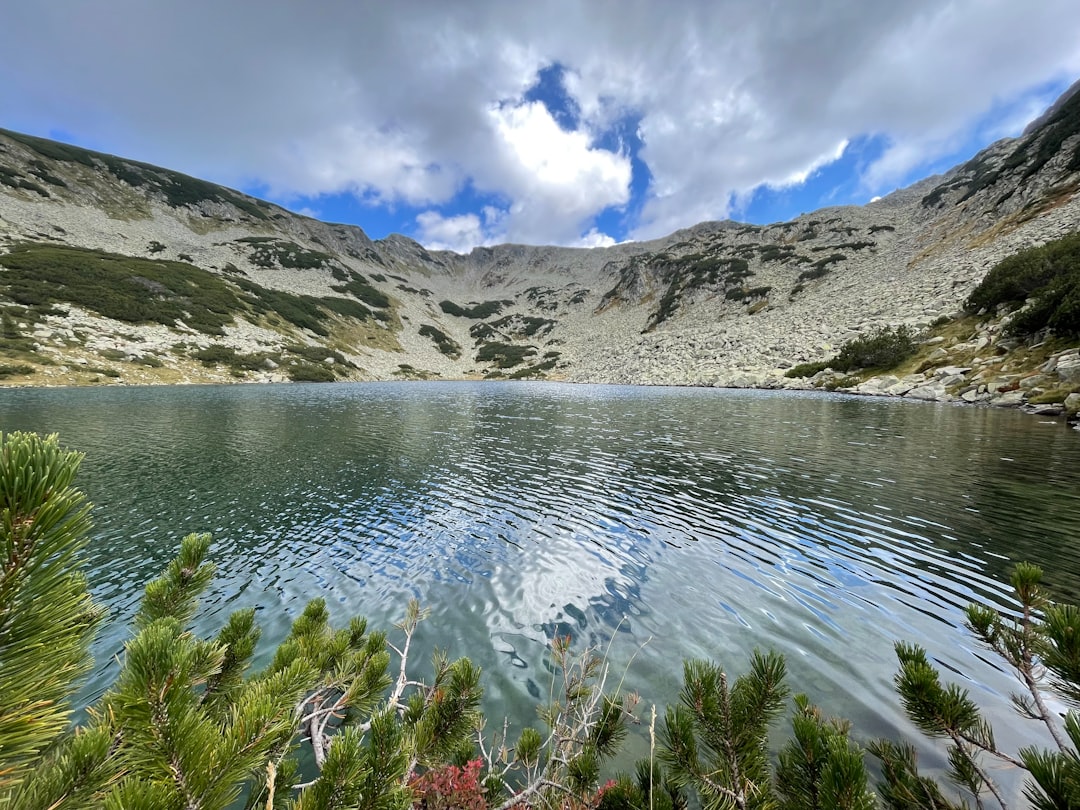
To understand the Seven Lakes, you have to understand the violence that made them. This isn't gentle erosion. This was a glacier. Ten thousand years ago, a massive river of ice carved through the Pirin massif, scraping away softer rock and leaving behind these deep, bowl-shaped depressions. When the ice melted, the water filled the bowls. What you're looking at is a glacial cirque, a U-shaped valley with steep walls and a flat bottom. The lakes are the scars left behind.
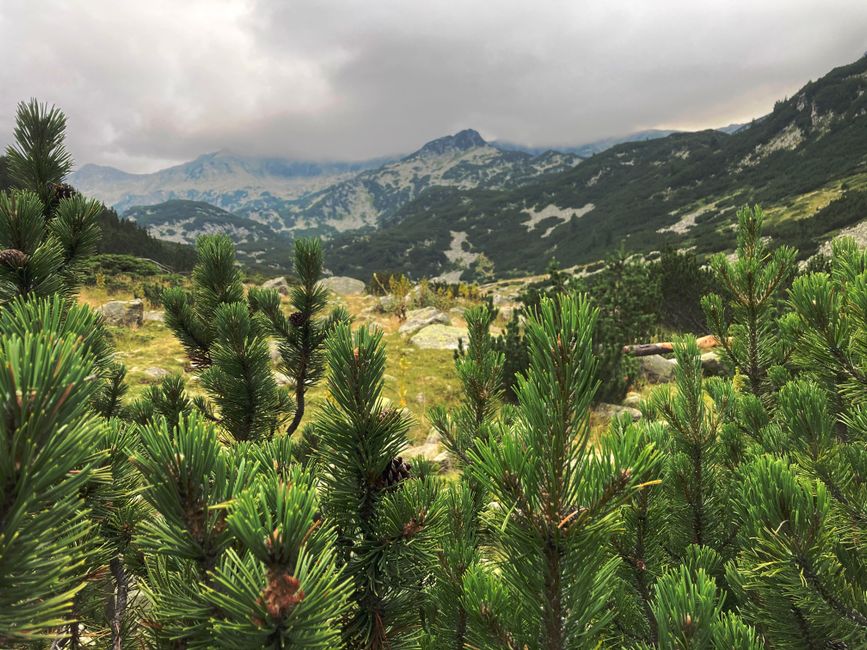
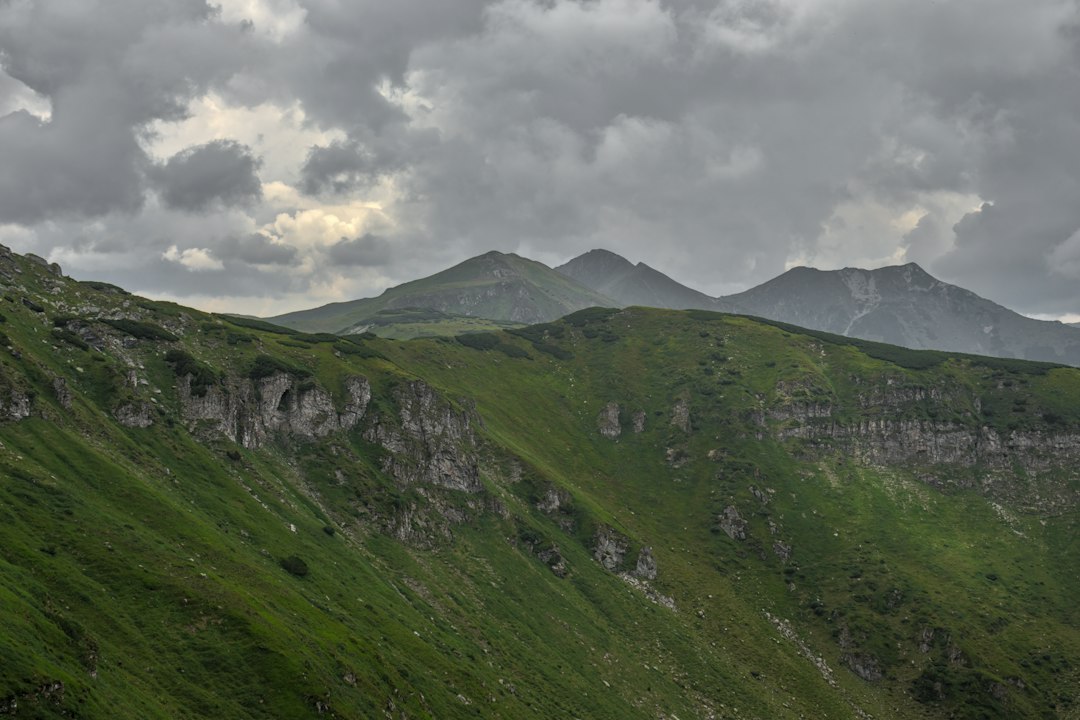
The geology here is mostly granite and gneiss, rocks so hard they laugh at your hiking boots. The peaks around the lakes, like Vihren, the highest point in Pirin, are jagged and unforgiving. The landscape is monochromatic: grey rock, green pine, and that impossible blue water. There's no softness here. No rolling hills. Just sharp angles and hard edges. It's a place that demands respect. You don't conquer these mountains. You survive them.
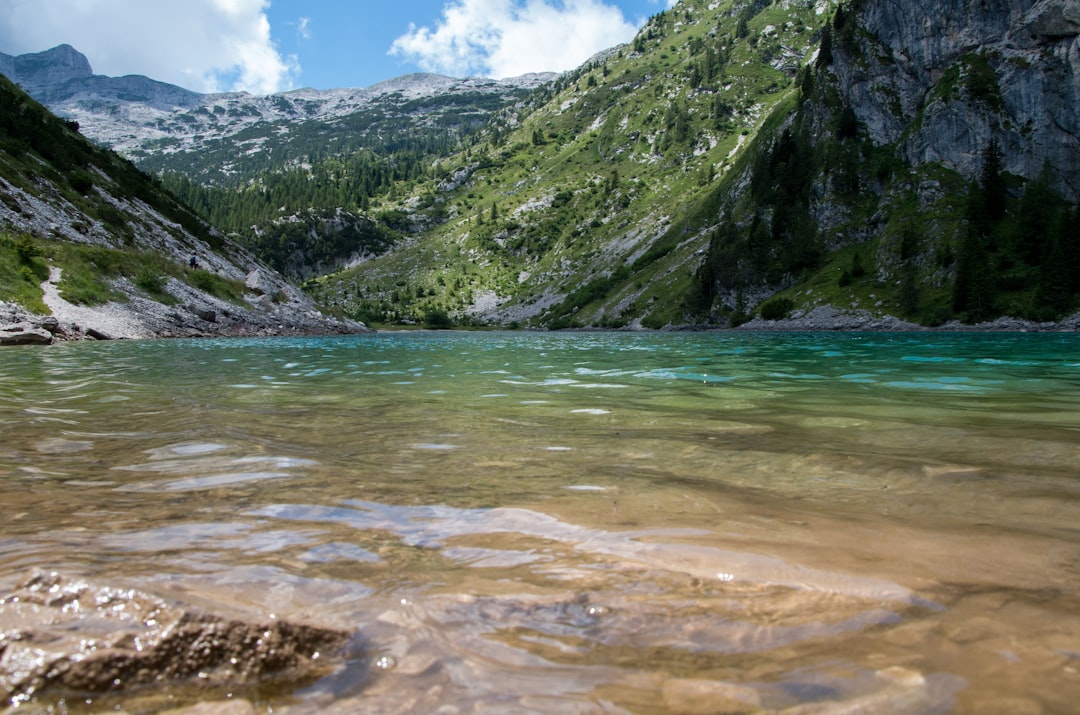
The lakes themselves are arranged in a cluster, connected by narrow streams and waterfalls that tumble down the granite walls. The water is cold, fed by snowmelt and underground springs. It's clear enough to see the bottom, even in the deeper parts. The clarity is unsettling. It feels like the water is watching you. And maybe it is. The locals have stories about the lakes, stories that predate the glaciers.
The Legend of the Seven Brothers
Geology explains the shape. Legend explains the soul. The most famous story about the Seven Lakes involves seven brothers. The tale goes that a father had seven sons, all strong and proud. One day, they argued over who was the strongest. The argument turned into a fight, and the fight turned into a tragedy. In the end, the brothers killed each other. Their father, heartbroken, turned them into lakes to preserve their memory. The lakes are their tears.
Another version says the brothers were heroes who fought against invaders. They were betrayed and killed, and their bodies were buried in the mountains. The lakes formed over their graves, and their spirits still guard the waters. If you listen closely, you can hear them singing. It's a dark story, but it fits the landscape. Pirin isn't a happy place. It's a place of beauty and danger, of light and shadow. The legends reflect that duality.
There's also the story of the White Lady, a spirit said to haunt the higher peaks. She's said to be a woman who was betrayed by her lover and threw herself from a cliff. Her spirit now wanders the mountains, looking for redemption. Hikers claim to see her on foggy days, a white figure standing on a ridge, watching them. It's probably just a trick of the light, but it's easy to believe when you're alone in the dark.
Routes & Trail Info
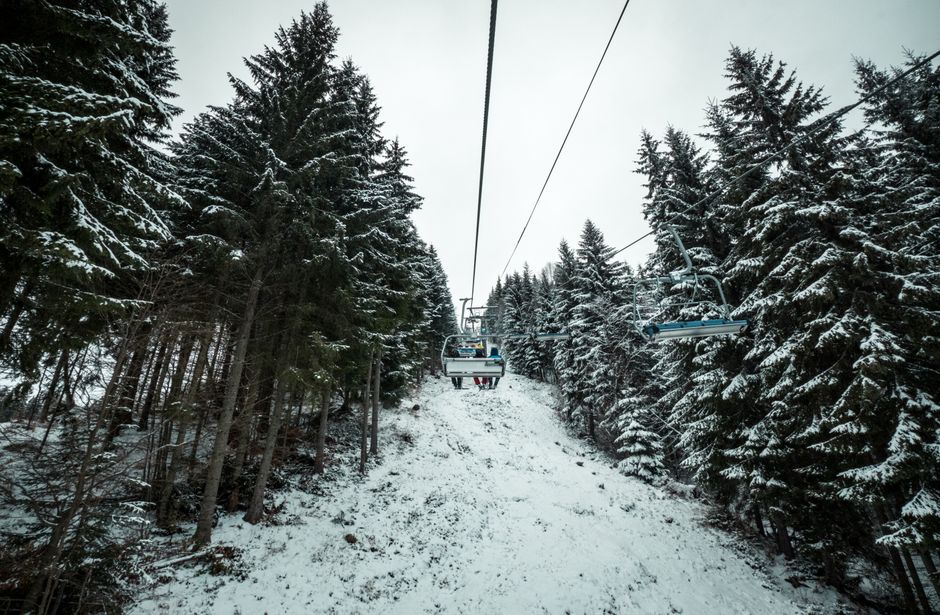
Getting to the Seven Lakes isn't a walk in the park. It's a hike. The main trail starts from the Yastan Ski Resort, which is accessible by road. From there, you can hike up to the lakes, or you can take a cable car part of the way. The trail is well-marked, but it's steep. You'll be climbing over 1,000 meters of elevation gain. It's not for the faint of heart.
Here are the main routes:
Route 1: Yastan to Seven Lakes
Starting point: Yastan Ski Resort parking area. Distance: 8 km round-trip. Elevation gain: 600 m. Duration: 3-4 hours. Difficulty: Intermediate. This is the most popular route. It's straightforward, but the last kilometer is steep. You'll pass by several smaller lakes before reaching the main cluster.
Route 2: Kamenitsa to Seven Lakes
Starting point: Kamenitsa village. Distance: 12 km round-trip. Elevation gain: 900 m. Duration: 5-6 hours. Difficulty: Experienced. This route is longer and more challenging, but it offers better views of the surrounding peaks. It's less crowded, which is nice if you want some solitude.
Route 3: Vihren Peak to Seven Lakes
Starting point: Vihren hut. Distance: 10 km round-trip. Elevation gain: 1,100 m. Duration: 6-7 hours. Difficulty: Experienced. This is the hardest route, but it rewards you with the best views. You'll be hiking along the ridge, with the lakes below you. It's not for beginners.
Getting There & What to Expect
The nearest town with road access is Bansko, a ski resort town at the foot of Pirin. From Bansko, you can take a bus or a taxi to the Yastan Ski Resort. The bus takes about 30 minutes and costs around 2 EUR. A taxi will cost you 15-20 EUR. From Yastan, you can hike up or take the cable car. The cable car costs 15 EUR round-trip and takes you part of the way up. It's a good option if you're short on time or energy.
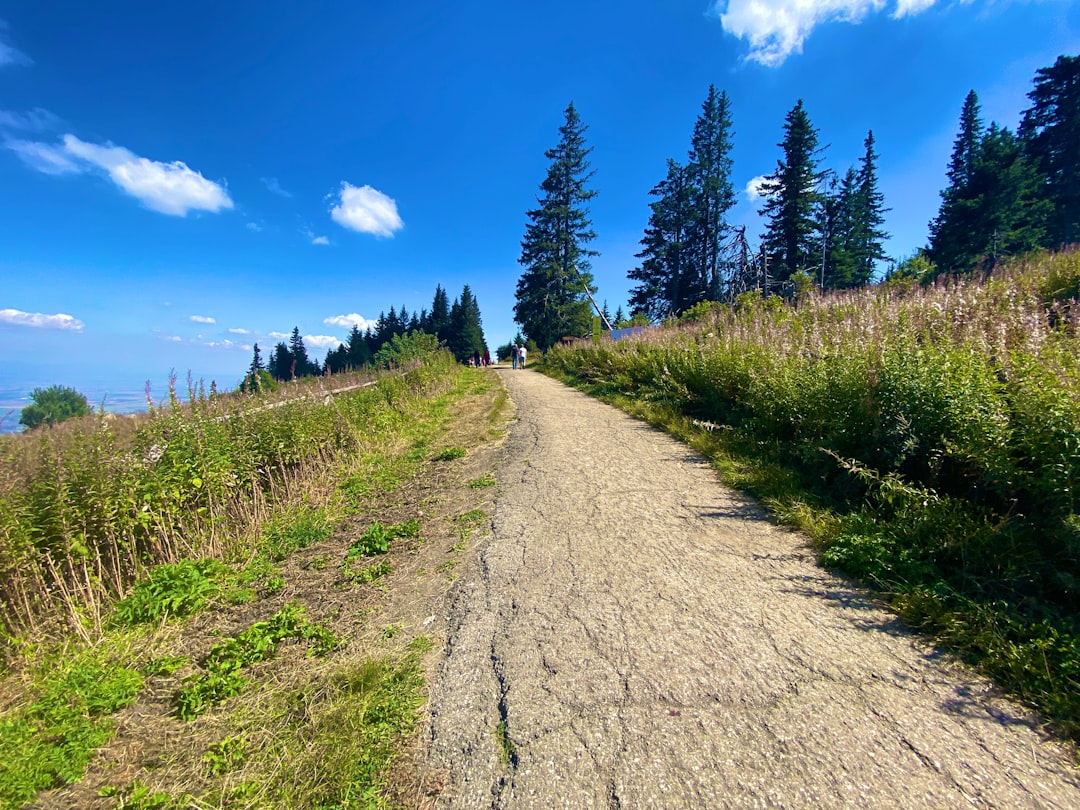
The trailhead is at the Yastan Ski Resort parking area. It's well-marked, and there are signs in Bulgarian and English. You can also hire a guide in Bansko if you're not comfortable navigating on your own. Guides cost around 50-80 EUR for a day. They're worth it if you want to learn more about the geology and legends, or if you're worried about getting lost.
Children can do the hike, but only if they're old enough to handle the steep terrain. I wouldn't recommend it for kids under 10. The trail is rocky and uneven, and there are no guardrails. You need to be able to walk for several hours without complaining.
Accmodation in Bansko ranges from budget hostels at 20-40 EUR per night to mid-range hotels at 80-150 EUR per night. There's also a mountain hut near the lakes, the Seven Lakes Hut, which offers basic accommodation for 30-50 EUR per person. It's crowded in summer, so book in advance. Meals at the hut cost around 10-15 EUR for a main course. It's not gourmet, but it's hot and filling.
The Last Breath of the Mountains
I'm sitting by the lake now, the sun setting behind the peaks. The water is turning dark, and the wind has died down. It's quiet. Too quiet. I can hear my own heartbeat. I think about the glaciers, the brothers, the White Lady. I think about how small we are in the face of all this history. The mountains don't care about us. They'll be here long after we're gone. And maybe that's the point. Maybe the legends aren't about the lakes. Maybe they're about us. About our need to find meaning in the chaos. To make stories out of silence.
I stand up, brush off the dirt, and start the hike back down. My legs are shaking. My lungs are burning. But I'm smiling. Because I've been here. I've seen the scars. I've heard the whispers. And I know the truth. The lakes don't whisper. They scream. And if you listen closely, you can hear them.
Comments