


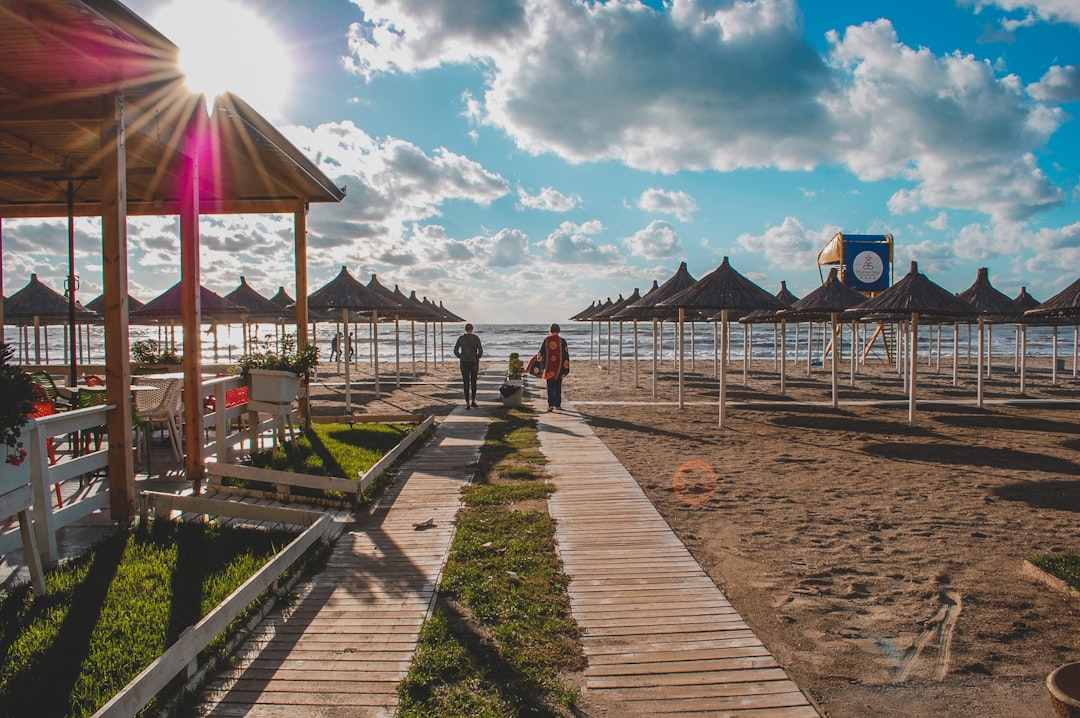
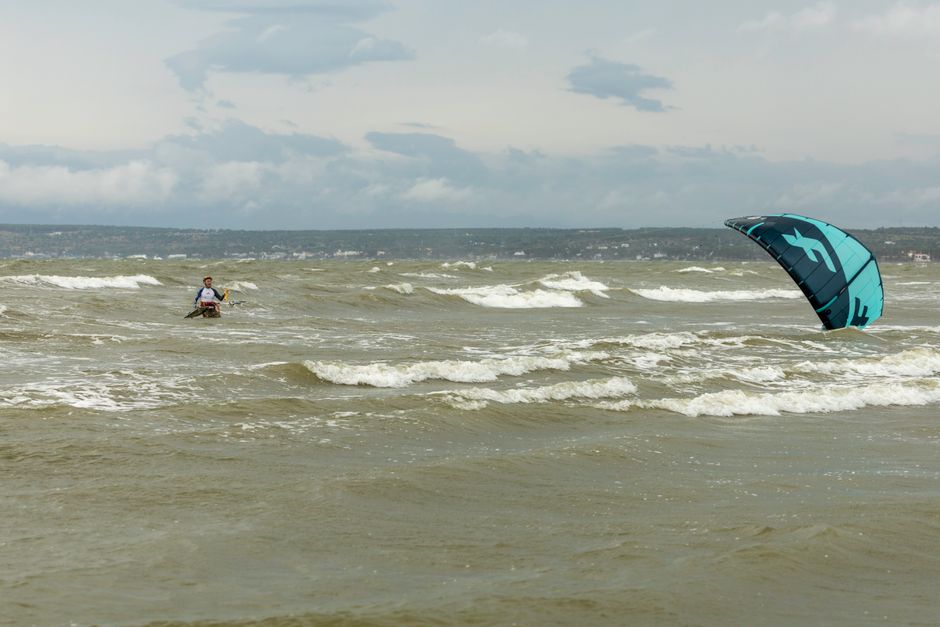
The wind off the Adriatic doesn't ask permission. It hits you at the gate of Durres Beach like a wet towel thrown by an angry god, stinging your eyes and flattening your hair before you've even untied your shoes. I stood there at 7 AM, watching a guy in a neon wetsuit wrestle a kite into the sky while a group of local fishermen watched with the detached amusement of people who have seen the sea behave worse. The salt spray is thick enough to taste, mixing with the diesel fumes from the ferries chugging toward Italy. This isn't some pristine, silent lagoon. This is the gritty, loud, wind-scoured edge of Durres, Albania, and if you want to fly on water, this is the place to do it.
There's no pretense here. No manicured lawns, no polite staff offering you a towel and a smile. Just sand, wind, and a growing community of kite surfers who have realized that while the Mediterranean coast is famous for its calm waters, the stretch right outside Durres offers something else entirely: consistent, reliable gusts that turn the sea into a choppy, thrilling playground. I grabbed a cheap coffee from a kiosk, the cup trembling in my hand as a gust nearly knocked me into a pile of driftwood, and knew I was in the right spot.
History & Identity
Durres has always been a city of arrivals. For millennia, it was the gateway to the ancient world, the port where Roman ships docked to reach the interior of the Balkans. Today, it serves a different kind of transit. It is the primary ferry terminal connecting Albania to Italy, a bustling, chaotic hub where tourists, locals, and cargo mix in a haze of heat and humidity. But beneath the layers of Ottoman ruins and communist-era concrete, a new identity is forming. Durres is no longer just a place to pass through; it is becoming a destination for adrenaline.
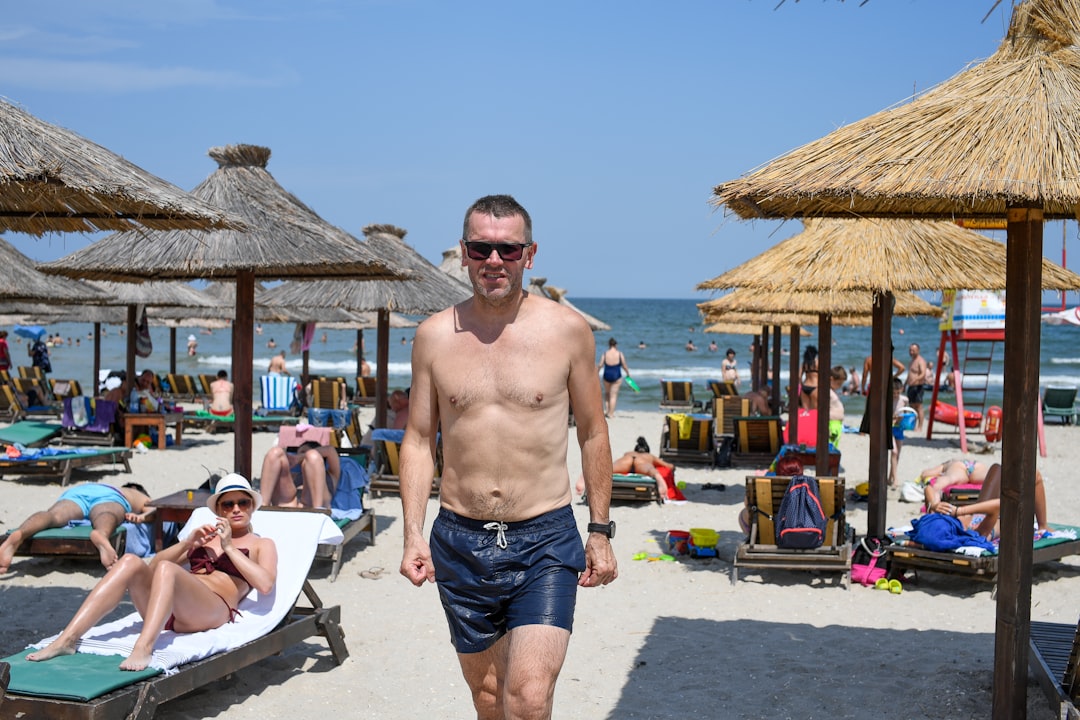
The city's history as a port means it is built to handle the elements. The wide, sandy beach is a natural breakwater, protecting the inner harbor while exposing the outer shore to the full force of the Adriatic winds. For years, the beach was primarily a spot for sunbathers and families, crowded in the summer months. But kite surfers, always scouting for the perfect conditions, found that the Adriatic Sea off Durres offers a unique combination of shallow water near the shore and stronger winds further out. This has transformed a section of the beach into a dedicated sports zone, creating a vibrant subculture that contrasts sharply with the city's more traditional tourism.
The identity of Durres is shifting. It is no longer just about the Amphitheatre of Durres or the Eyamet Mosque. It is about the sound of kites snapping in the wind, the sight of colorful boards cutting through the water, and the energy of a community that has turned a windy, somewhat industrial coast into a premier sports destination. This is a city in transition, and the kite surfers are leading the charge.
Where to Go
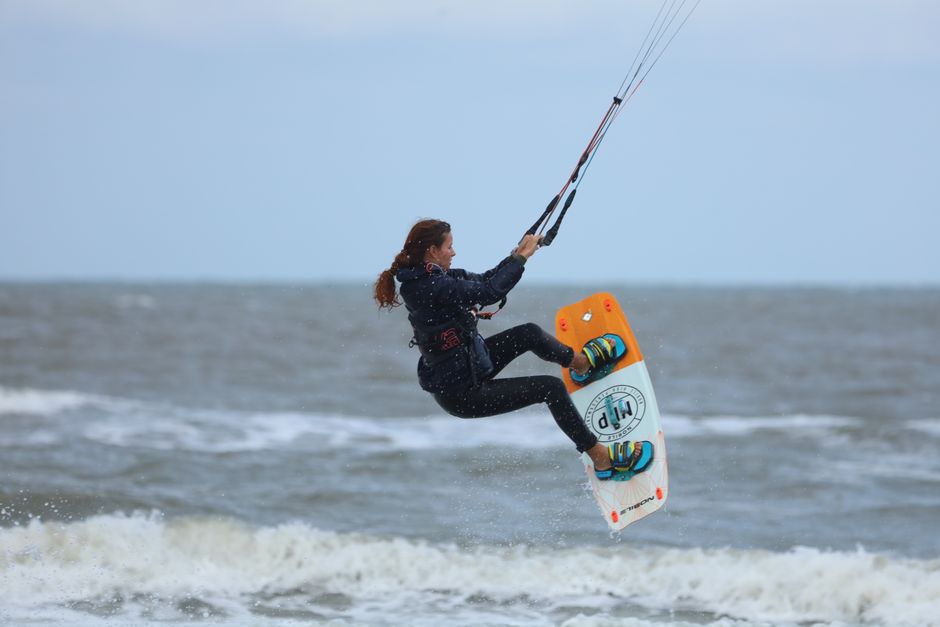
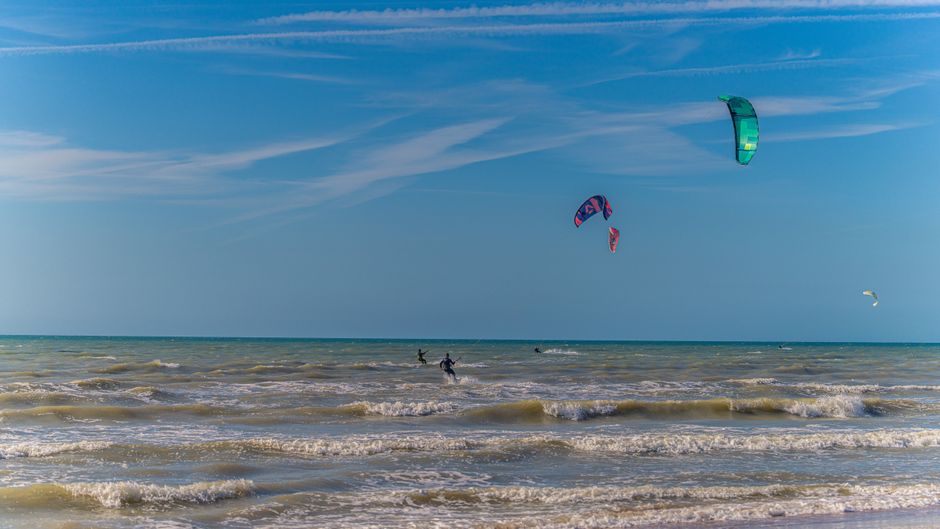
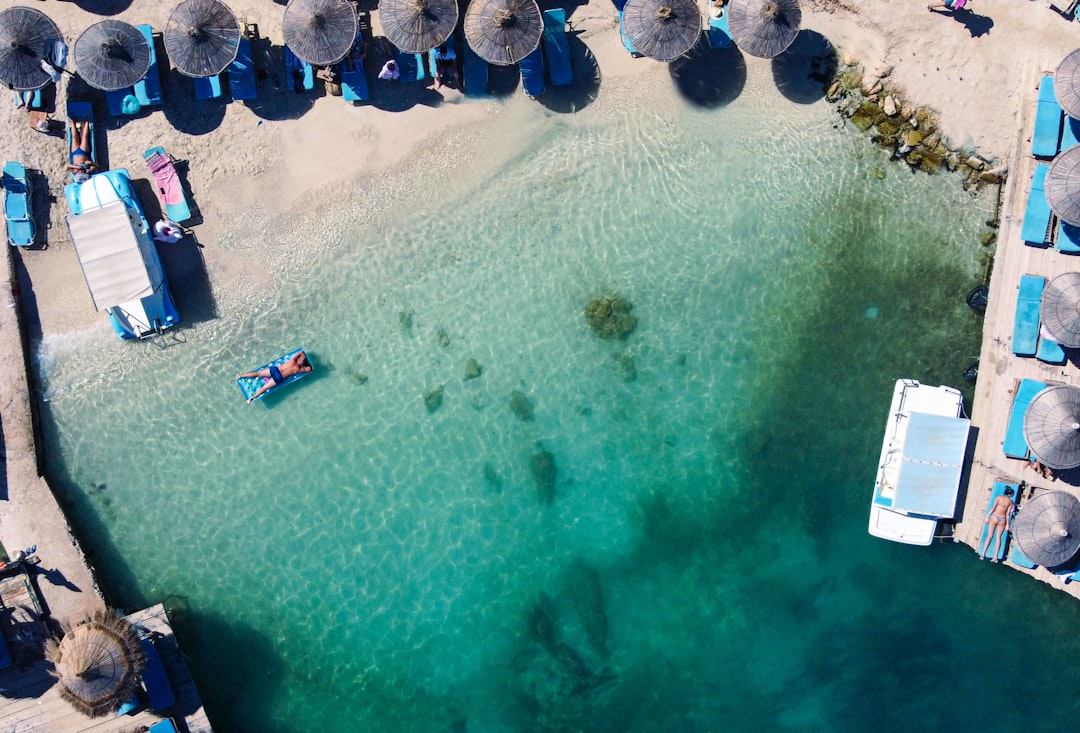
Durres Main Beach — The entire coastline is the playground, but the central section, stretching from the ferry terminal eastward, is the epicenter of kite surfing activity. The water is shallow for a good distance, making it ideal for beginners, while the deeper sections further out offer more challenge. There are designated zones for kitesurfing to keep things safe, and you'll find numerous rental shops and schools set up along the promenade. Entry is free, but expect crowds in the summer. Best to go early morning or late afternoon for the best wind conditions.
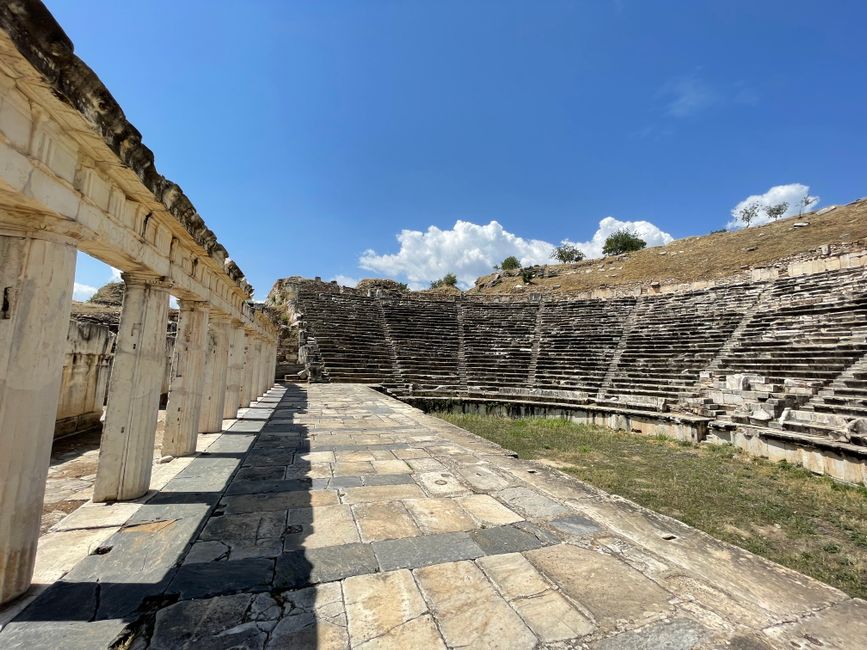
Amphitheatre of Durres — After a day of battling the wind, you need some perspective. This ancient Roman amphitheatre, dating back to the 2nd century BC, is one of the best-preserved in the Balkans. It sits right on the waterfront, offering a stark contrast between the ancient world and the modern kite surfing scene. You can watch the sun set over the sea from the top rows, feeling the history beneath your feet. Entry is 2-3 EUR. Best visited in the late afternoon when the light is golden and the crowds thin out.
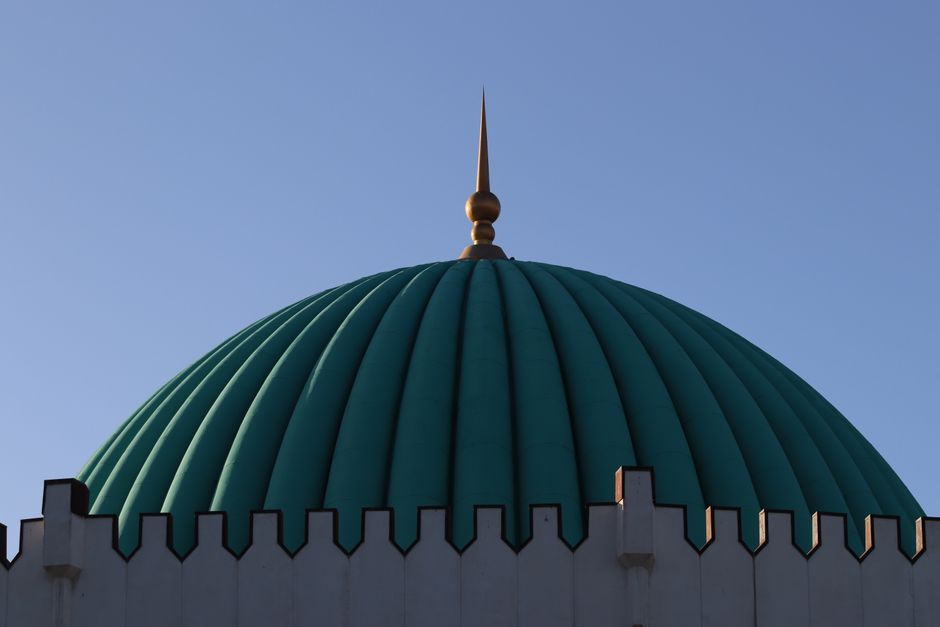
Eyamet Mosque — A beautiful example of Ottoman architecture, this mosque stands near the beach, its green dome a striking landmark against the sky. It's a place of quiet reflection, a welcome respite from the noise and energy of the beach. The courtyard is peaceful, and the architecture is intricate and well-preserved. Entry is free for respectful visitors. Best visited during the day when the mosque is open to non-Muslim visitors.
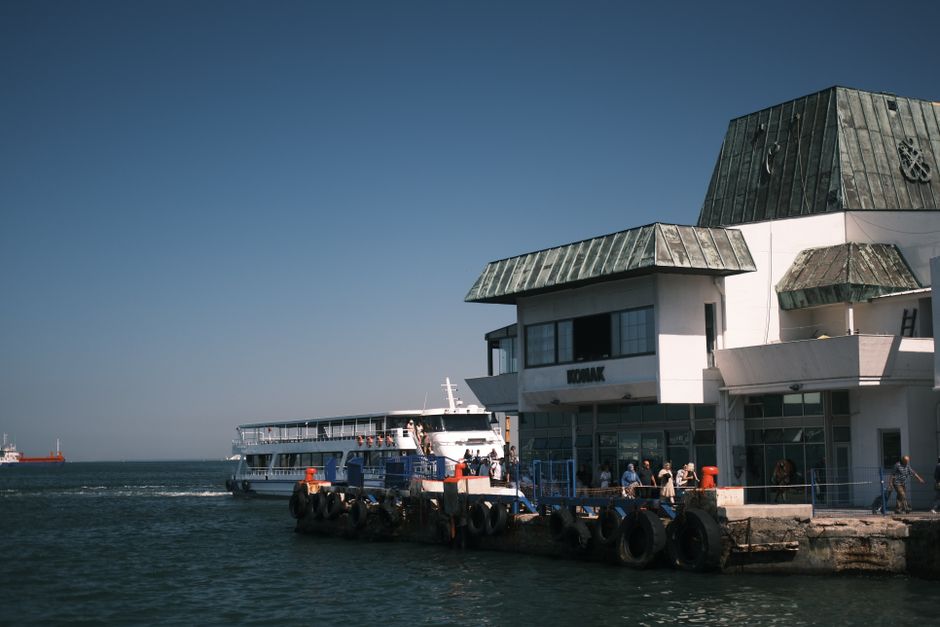
Durres Ferry Terminal — While not a tourist attraction in the traditional sense, the ferry terminal is a vital part of the Durres experience. Watching the massive ferries depart for Italy is a spectacle in itself, and the area around the terminal offers a good view of the kite surfers from a distance. It's a reminder of Durres' role as a gateway, connecting Albania to the rest of Europe. Entry is free, but you'll need a ticket if you're planning to board a ferry.
What to Eat & Drink
Eating in Durres is about fresh seafood and simple, hearty Albanian cuisine. After a day of kite surfing, you'll need fuel, and the local restaurants deliver. Look for grilled fish — often sea bass or sea bream — served with potatoes and lemon, priced around 10-15 EUR per person. Octopus salad is a local favorite, fresh and lightly dressed, typically 5-8 EUR. For a lighter option, grilled sardines are cheap, delicious, and abundant, usually 3-5 EUR.
Breakfast is often a simple affair: bread with olive oil and tomato and a strong Turkish coffee, costing 2-3 EUR. For lunch, many kite surfers opt for grilled chicken or lamb kebabs from street vendors near the beach, priced at 4-6 EUR. Dinner is the main event, with sit-down restaurants offering a wider variety of dishes. A full meal with wine might cost 15-25 EUR per person. The Durres Waterfront is lined with restaurants, many with outdoor seating overlooking the sea, making it a popular spot for dining after a day on the water.
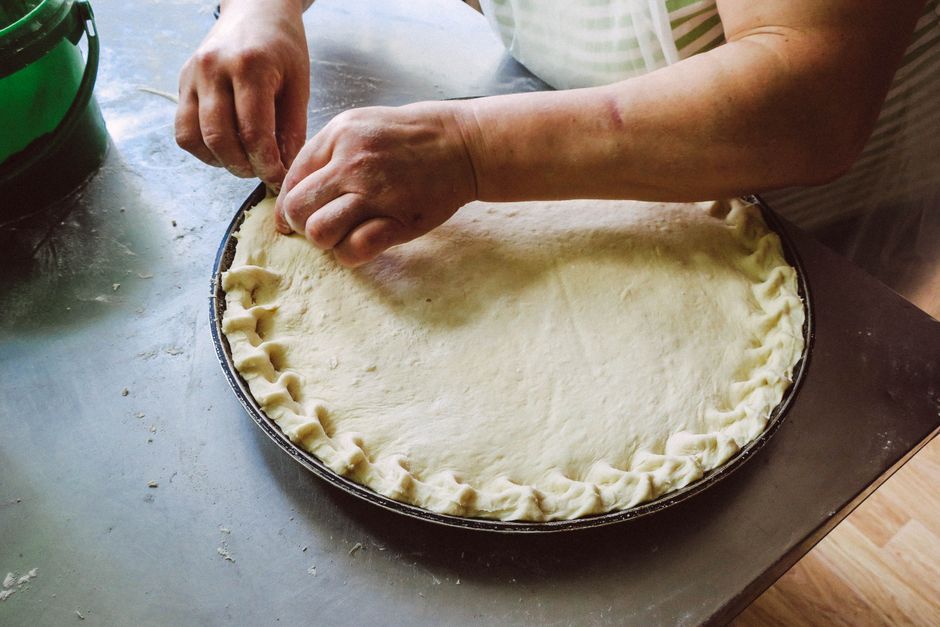
For budget travelers, there are food courts and take-away options near the ferry terminal, where you can grab a pitë (a traditional Albanian pie) or a byrek for 1-2 EUR. These are perfect for a quick, filling snack. The Old Bazaar area also has some affordable eateries, though they are more focused on traditional Albanian dishes than seafood.
Nightlife
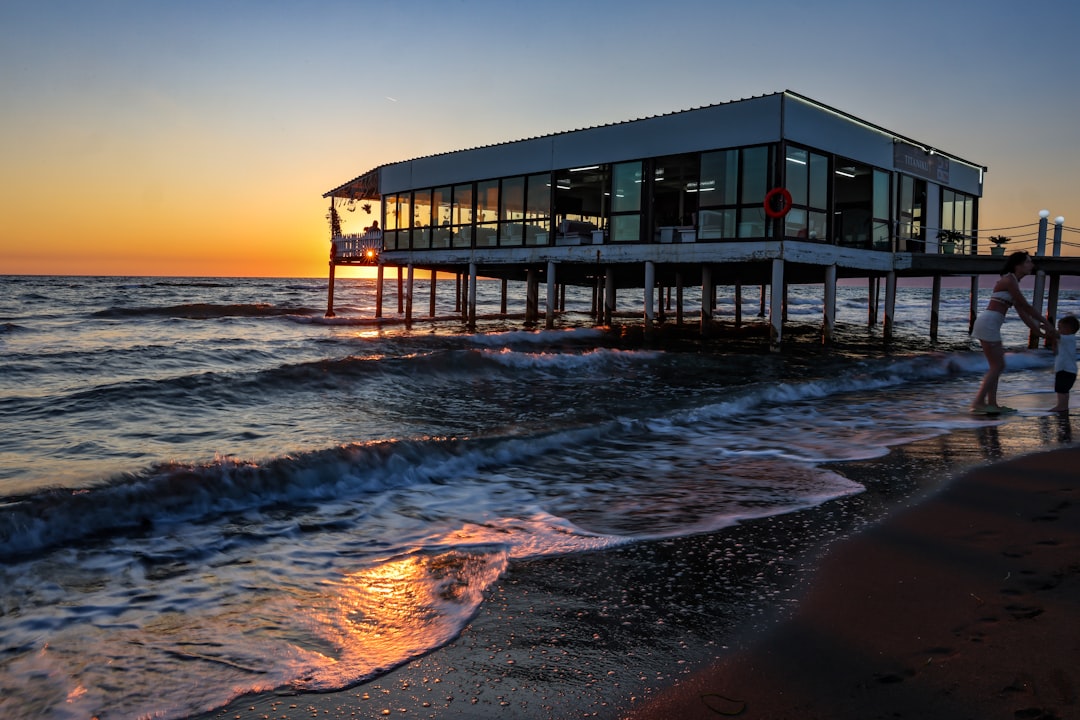
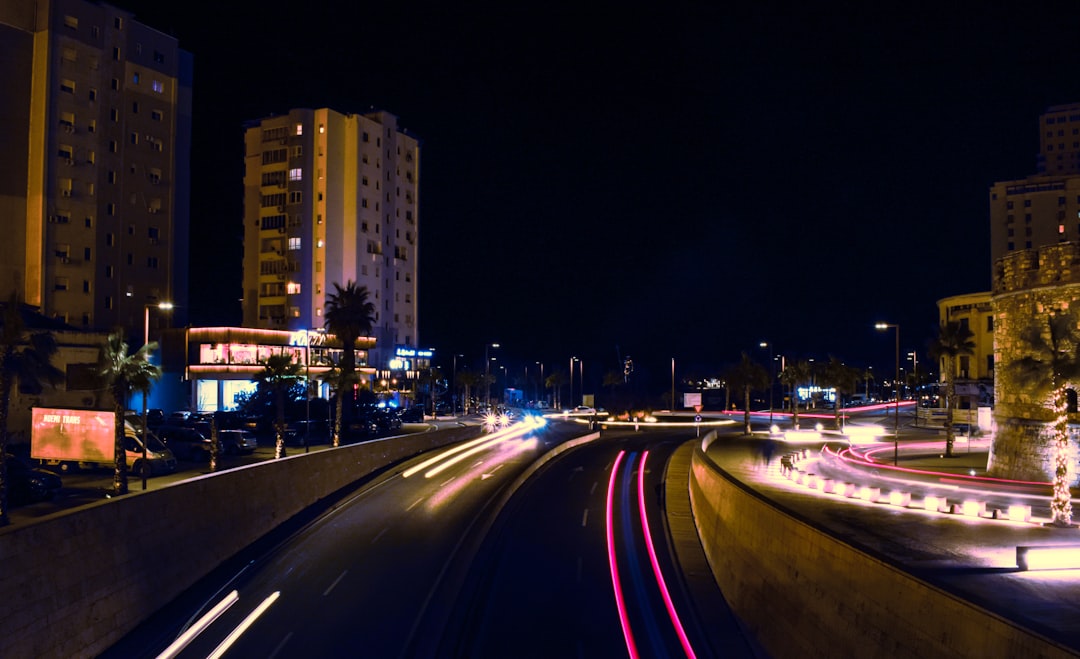
Durres nightlife is centered around the Durres Promenade, a long stretch of beachfront lined with bars, clubs, and cafes. The atmosphere is lively, with music spilling out onto the sand and people enjoying the sea breeze. It's a mix of locals and tourists, creating a vibrant, energetic scene. Most bars have outdoor seating, perfect for people-watching and enjoying a drink after a day on the beach.
Bar Kite is a popular spot for kite surfers, with a casual, sporty vibe. They serve a range of drinks, including local raki and imported beers, and the music is usually upbeat. Cover charge is free, but expect to spend 5-10 EUR on drinks. Club Lagoon is a larger venue, with a dance floor and a DJ playing electronic music. It's more expensive, with drinks starting at 8-12 EUR, and the cover charge can be 5-10 EUR depending on the night. Cafe Beach is a more relaxed option, with soft music and a chill atmosphere, perfect for winding down after a busy day. Drinks are reasonably priced, around 3-6 EUR.
The nightlife in Durres is not as intense as in some other European destinations, but it has its own charm. It's more about socializing and enjoying the sea breeze than partying until dawn. Most venues close around midnight, though some clubs stay open later on weekends. It's a place to unwind, meet new people, and enjoy the vibrant energy of Durres after dark.
Getting There & What to Expect
The nearest major airport is Tirana International Airport Nënë Tereza, located about 30 kilometers from Durres. You can take a bus from the airport to Durres, which takes about 45 minutes and costs 2-3 EUR. Taxis are also available, costing around 15-20 EUR. From Tirana, you can take a bus or a train to Durres, with the journey taking about 45 minutes to an hour. Bus tickets cost 1-2 EUR, while train tickets are slightly more expensive at 2-3 EUR.
From other Balkan hubs, Shkodër is about 150 kilometers north, with a bus journey taking around 3 hours and costing 5-7 EUR. Thessaloniki, Greece is about 200 kilometers south, with a bus journey taking around 4 hours and costing 10-15 EUR. Driving is also an option, with well-maintained roads connecting Durres to major cities in the region.
Accommodation in Durres ranges from budget hostels to mid-range hotels. A budget hostel room costs 15-25 EUR per night, while a mid-range hotel room costs 40-70 EUR per night. There are also many apartments and guesthouses available, offering more space and kitchen facilities. The best time to visit for kite surfing is from April to June and September to October, when the winds are consistent and the water is warm enough for comfortable sessions. July and August are hot and crowded, but the wind can still be strong.
Search accommodation in Durres on Booking.com →
Expect a lively, energetic atmosphere, with a mix of locals and tourists. The beach is well-maintained, with facilities like showers, changing rooms, and toilets available. There are also numerous kite surfing schools and rental shops, making it easy for beginners to get started. The weather is generally sunny and warm, with occasional rain showers in the spring and autumn. Overall, Durres is a great destination for kite surfers, offering a perfect combination of wind, water, and vibrant local culture.
The Wind Never Stops
As the sun dips below the horizon, painting the sky in shades of orange and pink, the wind finally begins to die down. The kites are packed away, the boards are stored, and the beach empties out, leaving only the sound of the waves lapping against the shore. I sit on the sand, my body aching from the day's exertion, and watch the lights of the ferries flicker in the distance. Durres is not just a place; it's a feeling. It's the sting of salt in your eyes, the rush of adrenaline as you catch the wind, and the sense of freedom that comes with being out on the open water. It's raw, it's real, and it's unforgettable. And tomorrow, the wind will be back, calling me again.
Comments