


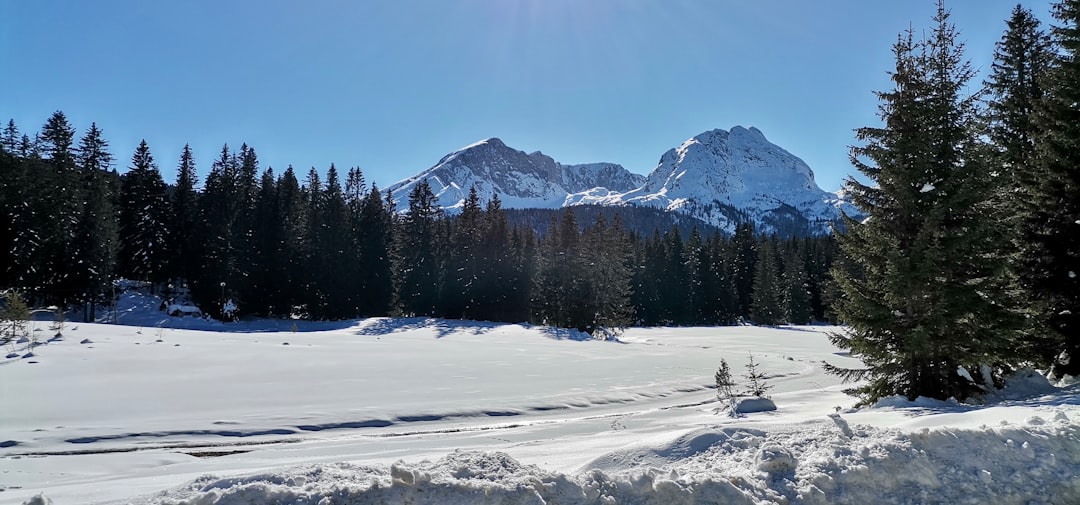
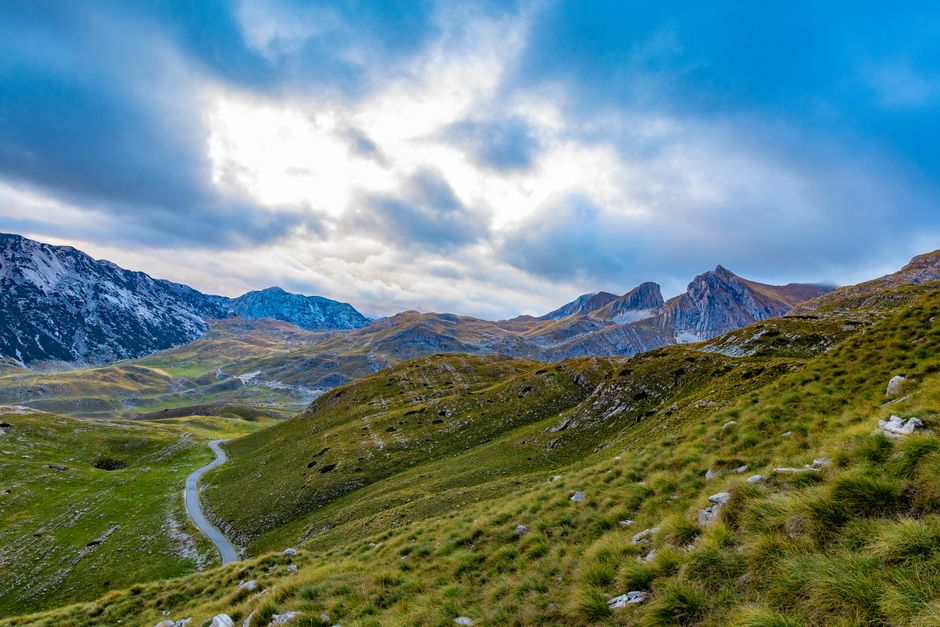
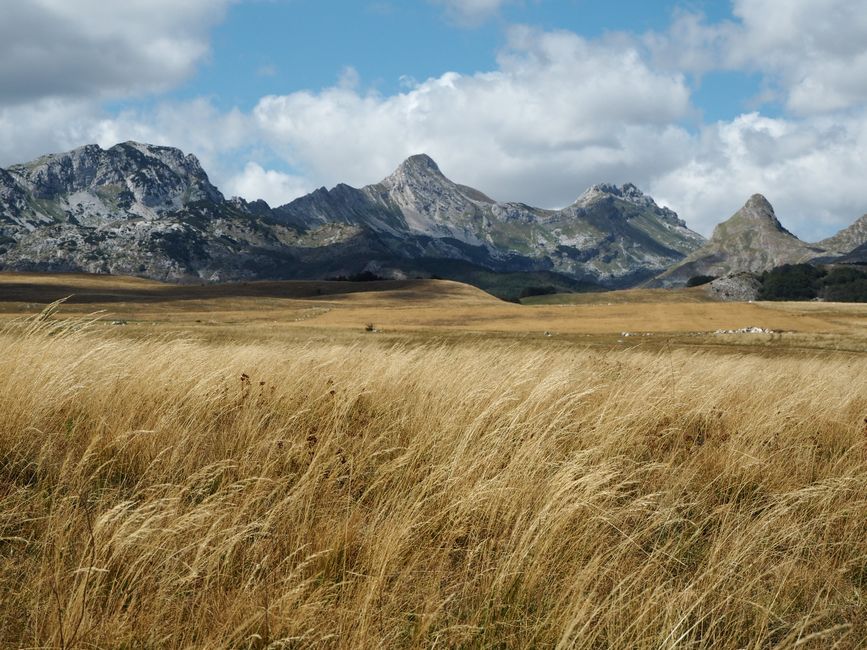
The wind in the Durmitor National Park doesn't just blow; it hunts. I stood on the ridge above the Black Lake, my jacket flapping like a wounded bird, while a shepherd in a woolen vest watched me with the detached curiosity of a man who has seen tourists freeze in their own sweat. The air here tastes of pine resin and ancient granite. It is not the polished, hotel-balcony view of the Adriatic coast. This is the raw, unfiltered spine of the Balkans, where the mountains don't care if you are tired, hungry, or lost. I came for the postcard shots of the Tara River Canyon, but I stayed because the silence here has weight. It presses against your ears, forcing you to listen to the crunch of your own boots on the scree. This is not a vacation; it is an endurance test wrapped in a landscape so brutal it feels holy.
I spent three days trying to out-climb the peaks of this UNESCO World Heritage site. I failed. The mountains won. But in losing, I found something the guidebooks don't sell you: a sense of scale that shrinks your ego to the size of a pebble. The locals here, the gornjaci or highlanders, move through this terrain with a casual grace that makes my GPS look like a joke. They don't navigate by coordinates; they navigate by the shape of the light on the rock faces. If you want to see Montenegro's soul, you don't go to the beach. You come here, into the stone teeth of the Dinaric Alps, and you let the cold remind you that you are alive.
History & Identity
Durmitor is not just a geological formation; it is a fortress of memory. The name itself, derived from the Slavic word for "cloud," speaks to the volatility of its weather and the mystique that has shrouded these peaks for millennia. For centuries, these mountains were the last refuge of the Montenegrin tribes, who used the labyrinthine canyons and sheer cliffs to defend their independence against the Ottoman Empire. The rugged terrain was their ally, a natural barrier that repelled invading armies and preserved a distinct cultural identity. Even today, the spirit of resistance and self-reliance permeates the villages scattered in the valleys below.
The park's modern identity was forged in the mid-20th century. Established as a nature reserve in 1952 and elevated to national park status in 1952, it was later inscribed as a UNESCO World Heritage site in 1980. This recognition wasn't just for its beauty, but for its unique glacial landforms, including the famous Black Lake and the deep cirques carved by ancient ice. The park became a symbol of national pride, a place where Montenegrins could connect with their wild heritage. Today, it stands as a testament to the enduring power of nature, a place where the past is not buried but carved into the very rock.
Where to Go
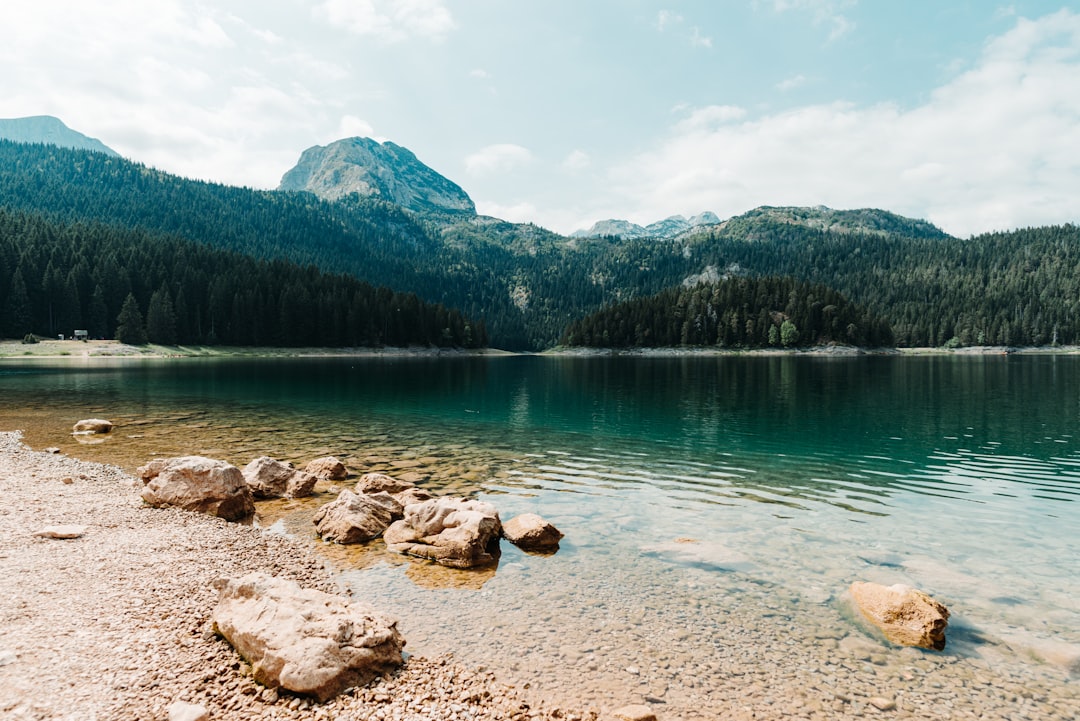
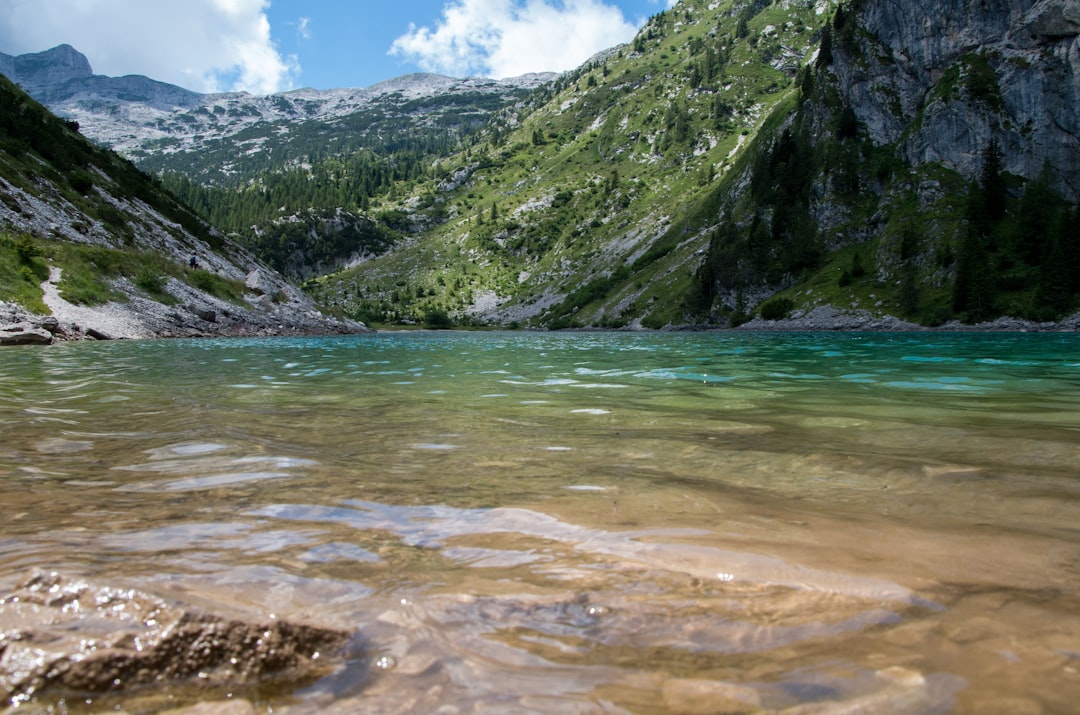
Crno Jezero (Black Lake) — The jewel of the park. This glacial lake sits in a vast cirque, surrounded by seven peaks over 2,500 meters. You can rent a rowboat for a few euros, but the real experience is walking the wooden boardwalk around the shore. In summer, the water is a shocking turquoise, reflecting the jagged peaks above. In winter, it freezes solid, turning into a natural ice rink. Entry is free, but the parking lot fills up by 10 AM.
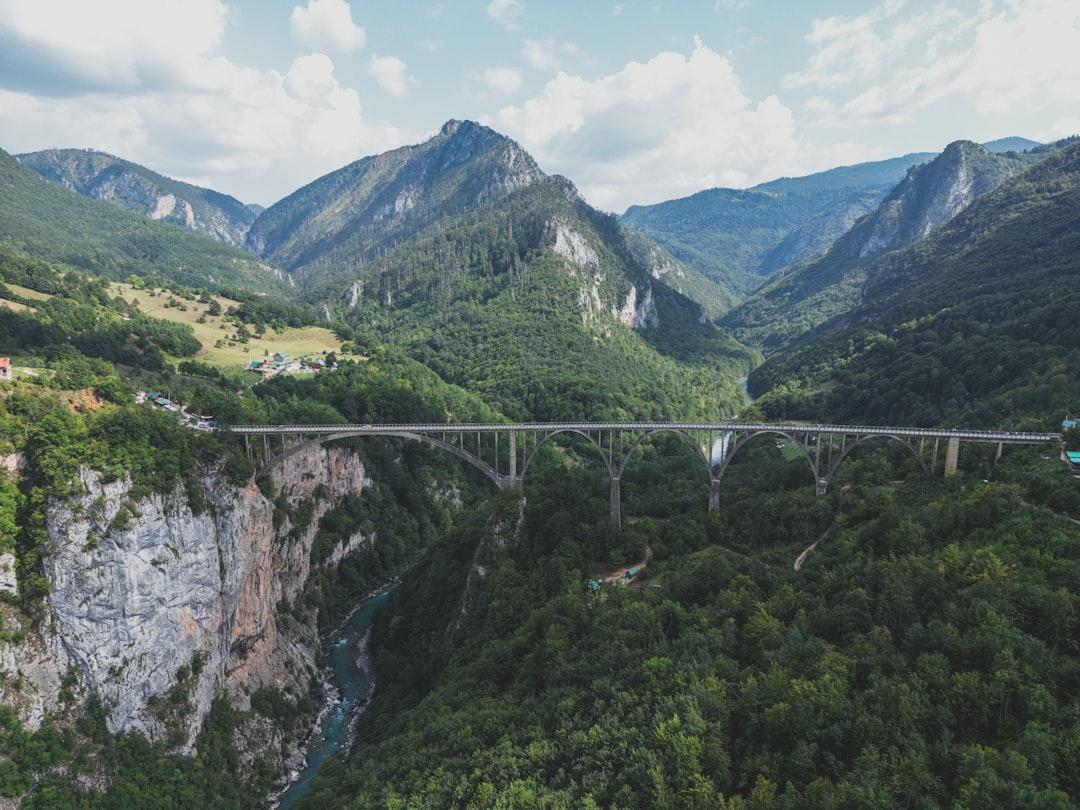
Tara River Canyon — One of the deepest canyons in Europe, plunging 1,300 meters below the bridge that spans it. The Tara River itself is a wild, untamed force, popular with rafters and kayakers. The best view is from the Tara Bridge, a concrete arch that seems to defy gravity. Standing on the bridge, you feel the dizzying drop below, a reminder of the raw power of nature. There is no entry fee, but the views are priceless.
Žabljak — The main town in the park, perched at 1,456 meters. It's a hub for hikers and climbers, with a mix of modern hotels and traditional guesthouses. The town itself is small, with a few cafes and shops, but it serves as the perfect base for exploring the park. In the evenings, the air is crisp, and the stars are incredibly bright. It's a place to rest your legs and refuel before hitting the trails.
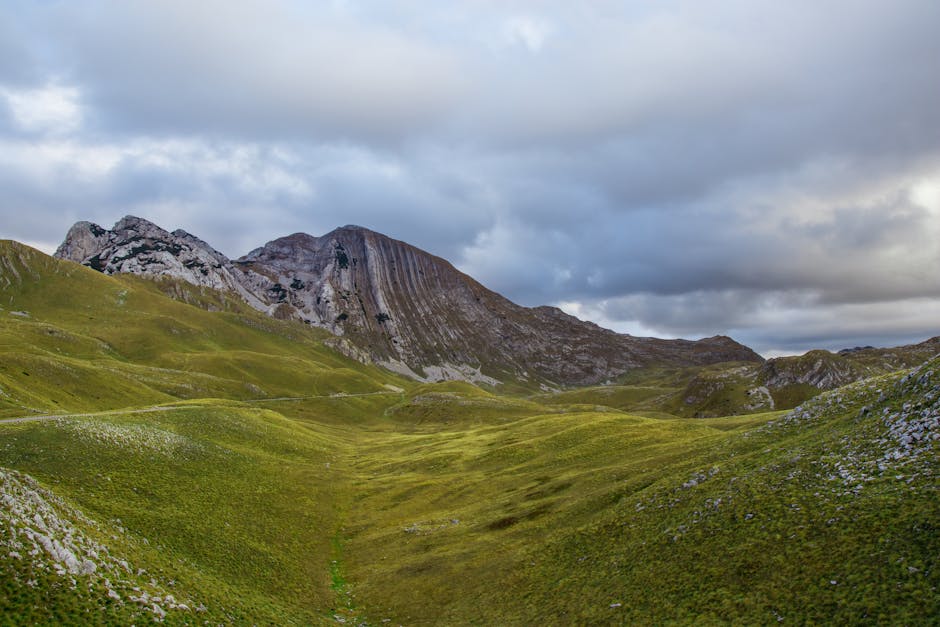
Sedlo Pass — A high mountain pass that offers panoramic views of the entire Durmitor massif. It's a popular spot for sunrise and sunset, with the peaks bathed in golden light. The drive up the pass is winding and steep, but the views are worth it. It's also a starting point for several hiking trails, including the ascent to Bobotov Kuk, the highest peak in the park.
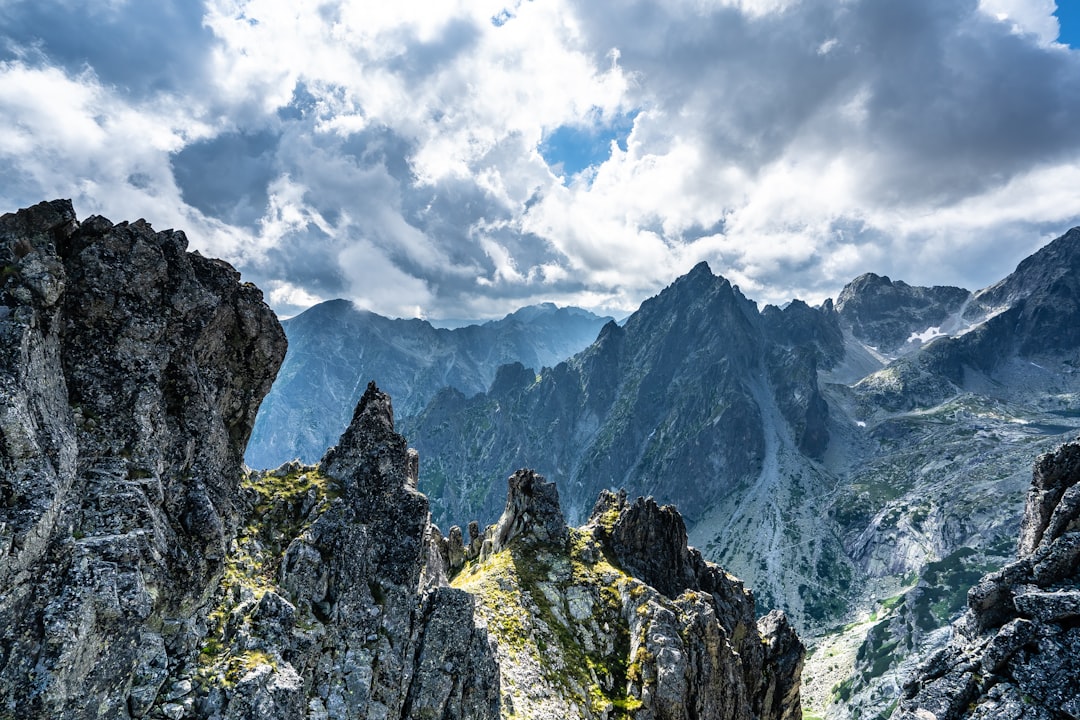
Bobotov Kuk — The highest peak in Durmitor, standing at 2,522 meters. The climb is challenging, with steep ascents and rocky terrain, but the view from the top is unparalleled. You can see all the way to the Adriatic Sea on a clear day. It's a serious hike, not for the faint of heart, but for those who make it, the sense of achievement is immense. Start early, as the weather can change rapidly.
What to Eat & Drink
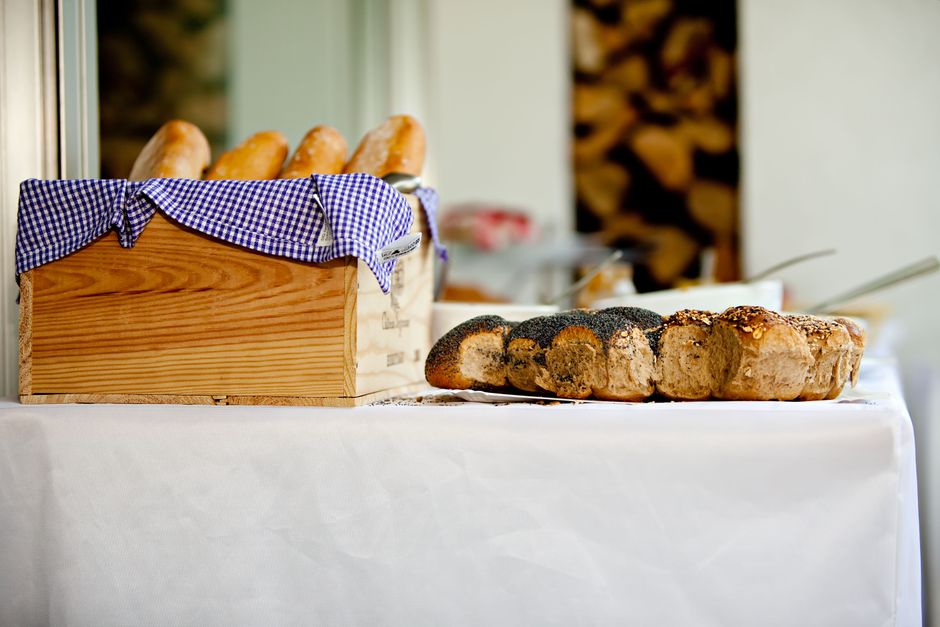
Food in Durmitor is hearty, designed to fuel long days in the mountains. You won't find fancy gourmet restaurants here; instead, you'll find simple, delicious dishes made from local ingredients. Kajmak, a creamy dairy product, is a staple, often served with bread. Pršut, a dry-cured ham, is another local specialty, perfect for a quick snack. For a full meal, try janjetina, roasted lamb, which is slow-cooked until it falls off the bone. Prices are reasonable, with a main course costing around 10-15 EUR.
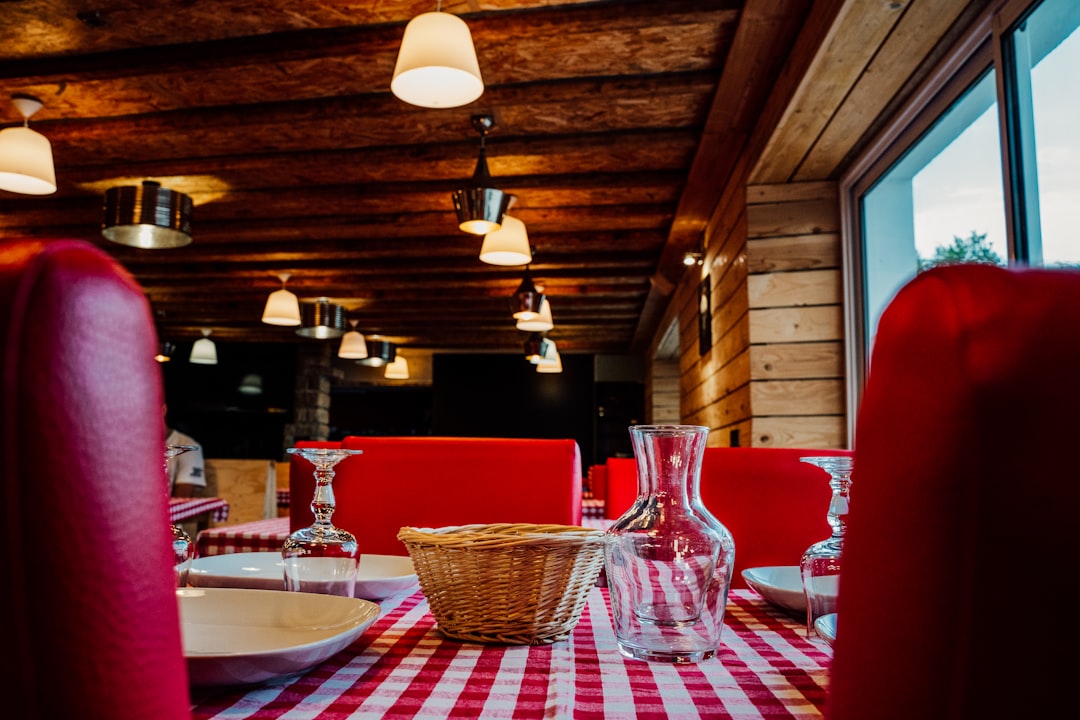
In Žabljak, there are a few cafes and restaurants along the main street. Kafe Bar Durmitor is a popular spot for coffee and cake, while Restoran Crno Jezero offers traditional Montenegrin cuisine with a view of the lake. For a more authentic experience, try the Sveti Stefan guesthouse, where the owner serves home-cooked meals in a traditional setting. Don't miss the Montenegro wine, particularly the Vranac, a red wine that pairs well with the local dishes. A glass of wine costs around 3-5 EUR.
Getting There & What to Expect
Getting to Durmitor National Park is part of the adventure. The nearest airport is in Podgorica, about 150 kilometers away. From there, you can take a bus or rent a car. The drive is scenic but winding, with steep climbs and sharp turns. Buses run regularly from Podgorica to Žabljak, taking about 3-4 hours. The bus fare is around 10-15 EUR. If you prefer to drive, rental cars are available in Podgorica for around 30-50 EUR per day.
Accommodation in Žabljak ranges from budget hostels to mid-range hotels. A hostel bed costs around 15-25 EUR per night, while a mid-range hotel room is around 40-60 EUR. There are also several guesthouses and campsites in the park, offering a more rustic experience. The best time to visit is from June to September, when the weather is warm and the trails are clear. In winter, the park is a haven for skiers and snowboarders, with several ski lifts operating on the slopes of Durmitor.
Search accommodation in Zabljak on Booking.com →
The Last Word
I left Durmitor with mud on my boots, aching muscles, and a head full of memories. It's not a place for the faint-hearted, but for those who are willing to push themselves, it offers a reward that few other places can match. The mountains here are not just scenery; they are a challenge, a test of your limits, and a reminder of the beauty of the natural world. If you go, go with an open mind and a willingness to get lost. The mountains will take care of the rest.
Comments