


The Black Mountain's Iron Grip
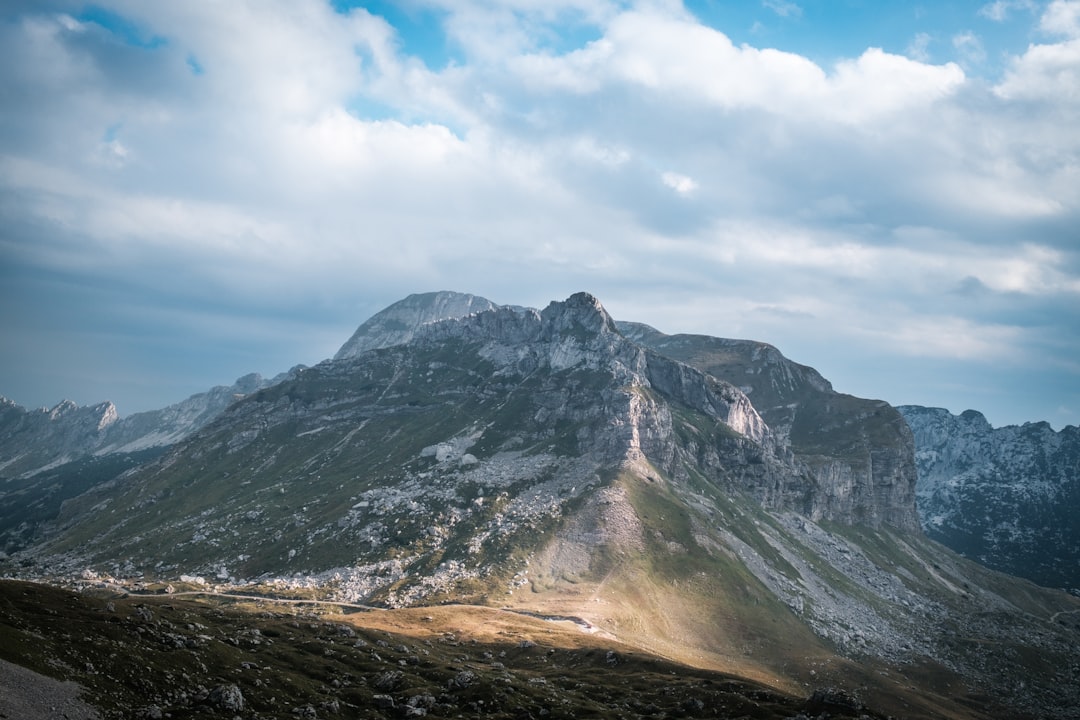
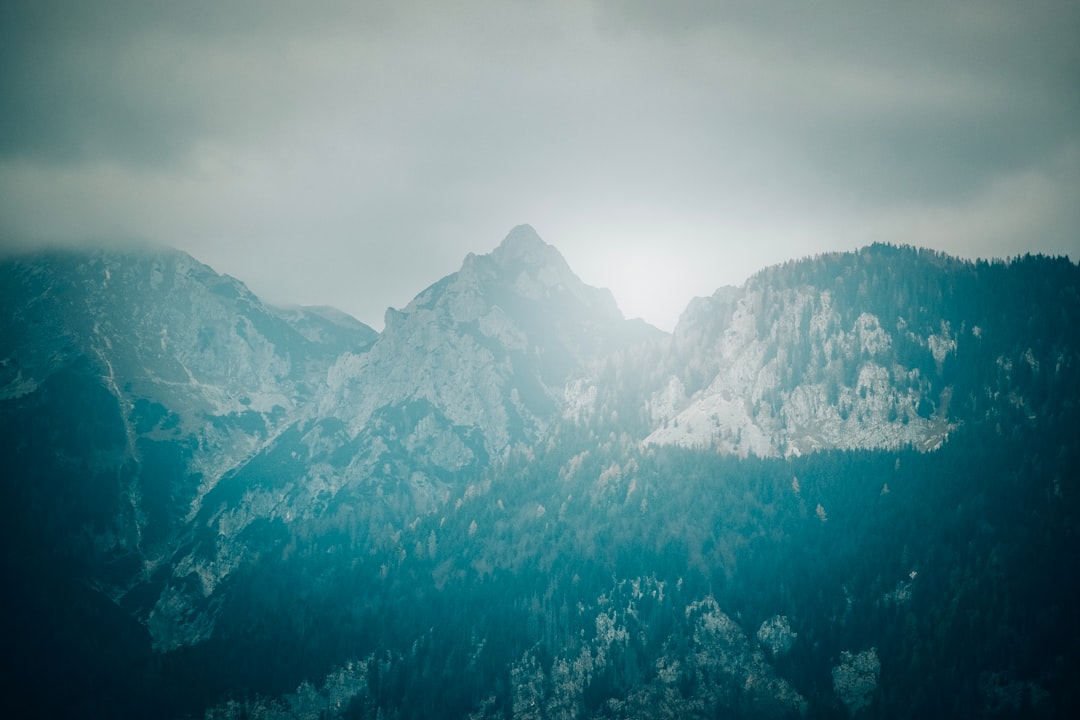
The wind doesn't just blow in Durmitor National Park Durmitor National Park; it screams. I was standing on a ridge above Žabljak Žabljak, Montenegro's highest town, watching clouds tear through the limestone teeth of the Black Mountain Durmitor like a pack of wolves. My lungs burned with air so cold it felt like swallowing glass. A local shepherd, wrapped in a wool coat that smelled of woodsmoke and wet dog, looked at me with eyes the color of old coffee and said, "You think you are visiting. The mountain thinks you are trespassing."
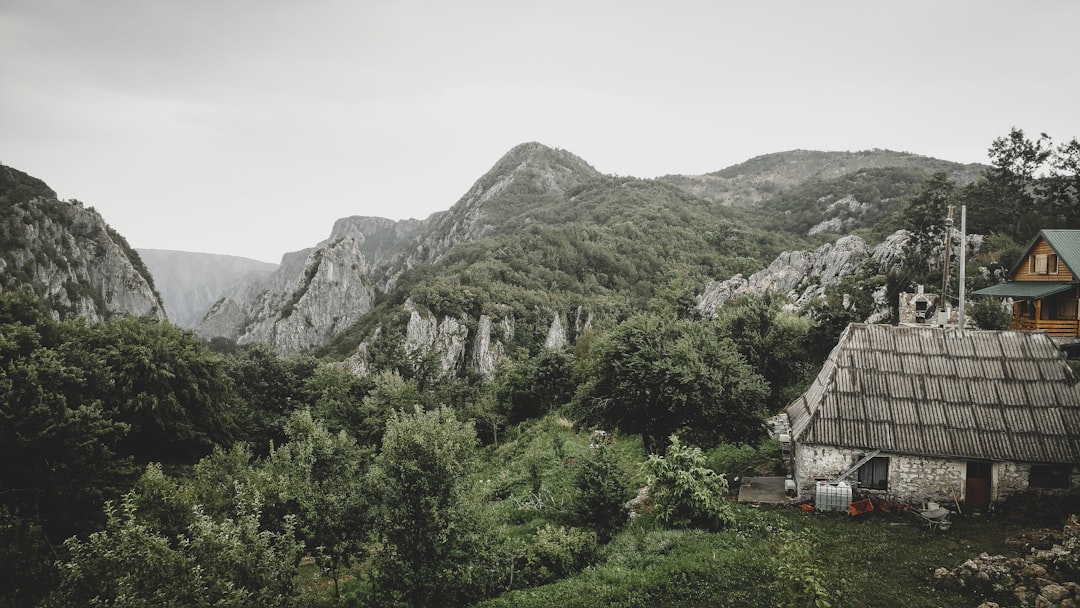
He was right. This isn't a place for gentle strolls or Instagram poses. It's a raw, jagged wilderness where the Tara River Tara (river) has carved a canyon so deep it swallows sound. The rocks here are older than memory, and the weather changes faster than a politician's promise. I came for the views, but I stayed for the feeling of being small. In a world that's been sanitized and packaged, Durmitor Durmitor National Park remains gloriously, dangerously wild.
History & Identity
Durmitor National Park Durmitor National Park wasn't always a playground for hikers. For centuries, it was a fortress. The high peaks and deep valleys provided perfect cover for Montenegrin rebels fighting Ottoman rule. The park's history is written in blood and stone. The Black Mountain Durmitor — the literal meaning of Durmitor — earned its name from the dark, brooding peaks that dominate the horizon, but also from the fierce independence of the people who called these slopes home.
In 1952, the park was officially established, making it Montenegro's first national park. But the real identity of this place comes from the Shepherds' Way Shepherd's Way, the ancient transhumance routes that crisscross the high pastures. Every summer, thousands of sheep and goats are driven up the mountain, and every autumn, they come down. This rhythm has shaped the landscape, the culture, and even the cuisine. The people here are tough, direct, and deeply connected to the land. They don't just live in Durmitor Durmitor National Park; they survive it.
Where to Go
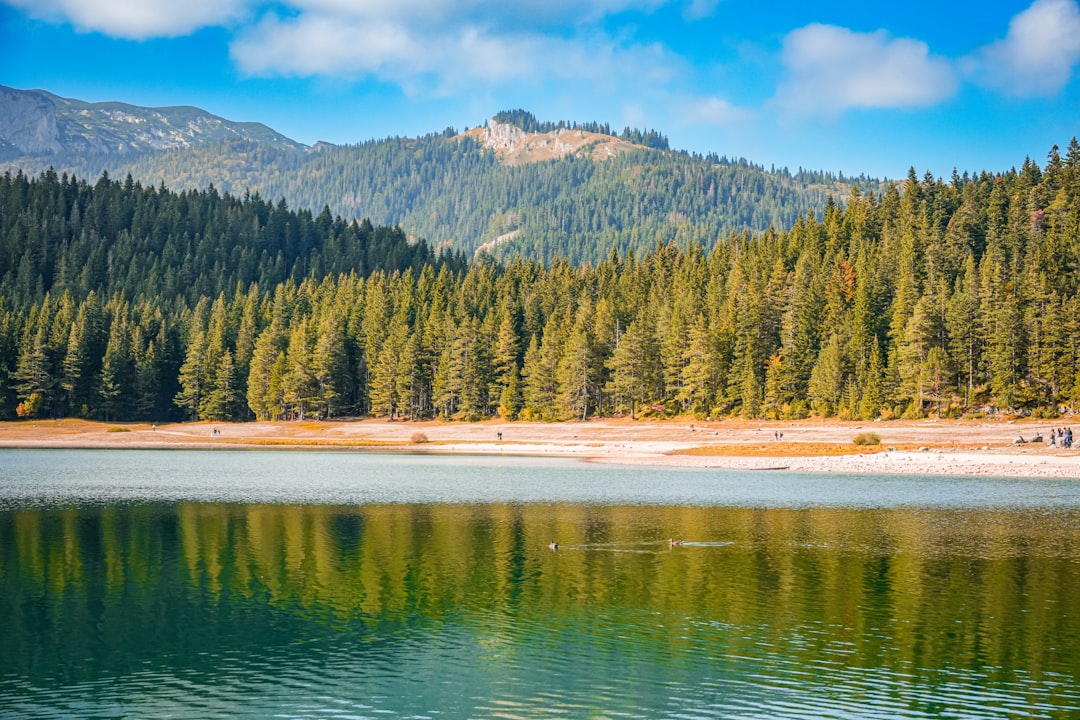
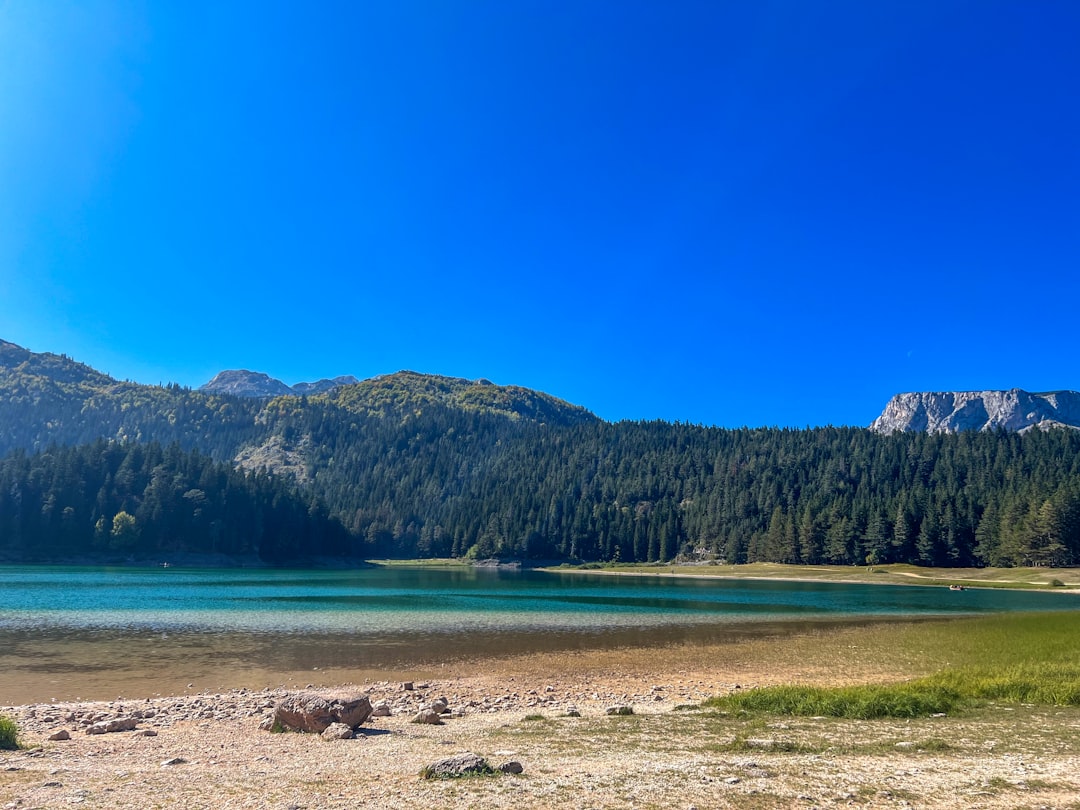
Black Lake (Crno Jezero) — A glacial lake at the foot of the Black Mountain Durmitor, it's the park's most iconic spot. The water is impossibly blue, and you can rent a rowboat for a few euros to paddle around the island. It's a perfect starting point for hikes into the Željeznica Željeznica valley. Entry to the park is ~4 EUR, and boat rentals are ~3 EUR per person for an hour.
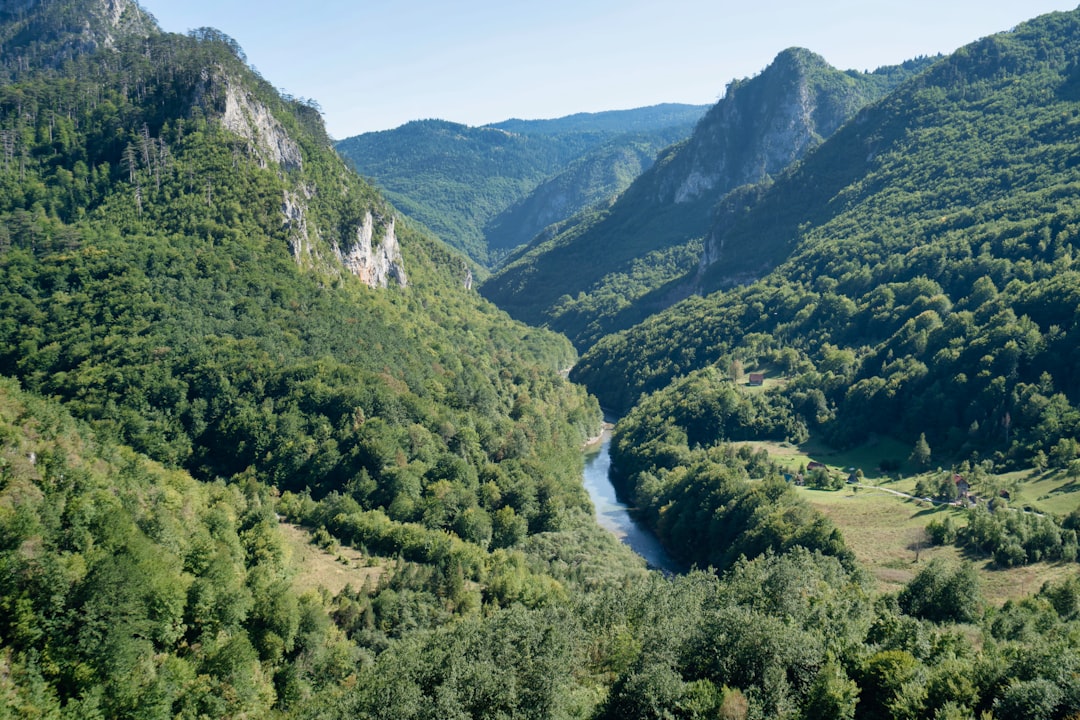
Tara River Canyon — The deepest canyon in Europe, plunging 1,300 meters into the earth. The Tara River Tara (river) cuts through the rock like a knife, and the views from the rim are vertigo-inducing. You can walk along the trail that follows the edge, or take a cable car down to the river for a swim in summer. The cable car costs ~8 EUR for a round trip.
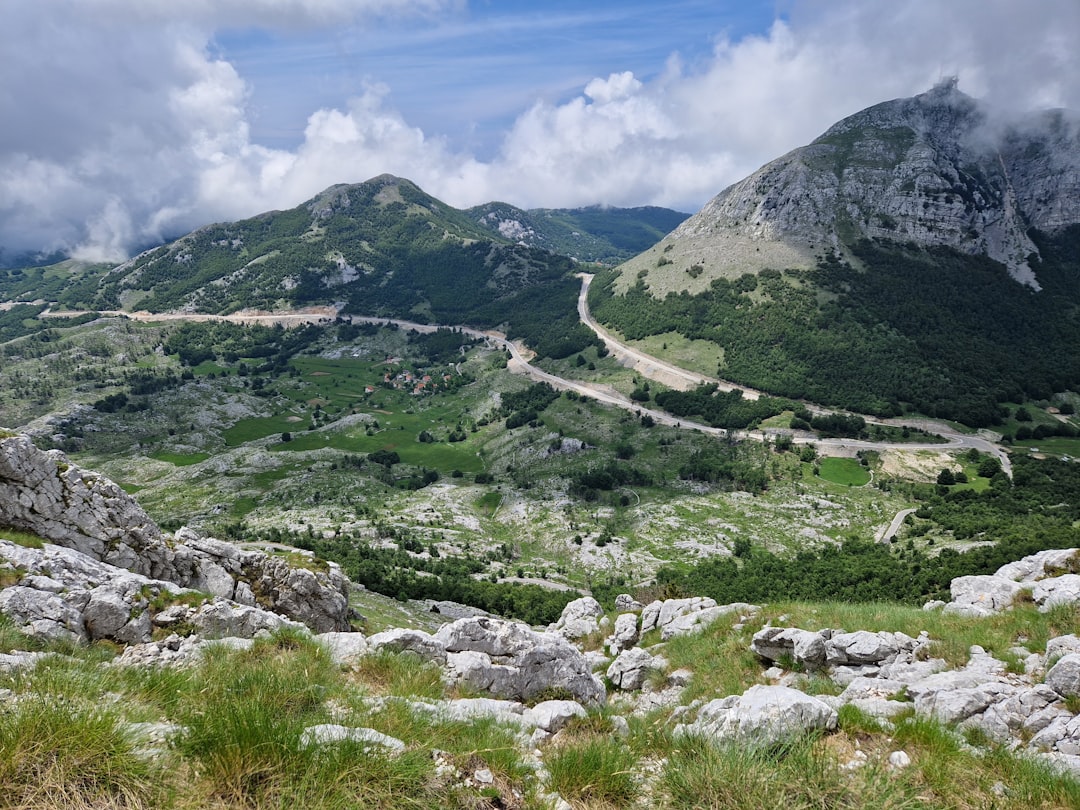
Sedlo Pass — This high mountain pass connects Žabljak Žabljak to the village of Senjski Jezera Senjski Jezera. It's a great spot for a short hike with panoramic views of the Seven Sisters peaks. The road is paved, so you can drive up, but the real experience is walking along the ridge. It's exposed and windy, but the sense of achievement is worth it.
Željeznica Monastery — Nestled in a narrow gorge, this 17th-century monastery is a testament to Montenegrin resilience. It's a small, quiet place with frescoes that have survived wars and earthquakes. The entry fee is ~2 EUR, and it's a short walk from the Black Lake Crno Jezero. It's a stark contrast to the wild landscape outside, offering a moment of peace and reflection.
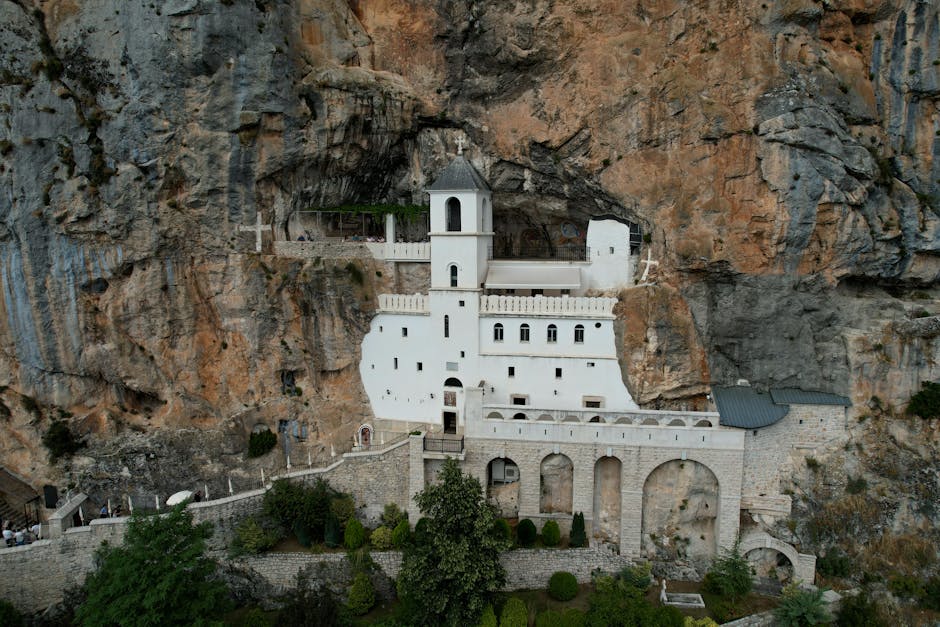
Morsko Oko — A hidden gem for hikers, this glacial lake sits high in the Željeznica Željeznica valley. The hike is moderate, taking about 2-3 hours from the valley floor, but the reward is a pristine, mirror-like lake surrounded by towering peaks. It's far less crowded than Black Lake Crno Jezero, and the silence is profound.
What to Eat & Drink
Eating in Durmitor Durmitor National Park is about hearty, simple food that fuels your body for the mountain. The local cuisine is a blend of Balkan and Alpine influences, with a heavy emphasis on meat, cheese, and bread. Here's what you need to try:
Kajmak — A creamy, spreadable dairy product that's a staple in Montenegrin cuisine. It's rich, tangy, and goes with everything. You'll find it on almost every table. Price: 2-4 EUR for a small portion.

Ćevapi — Small grilled sausages made from minced meat, served with onions and flatbread. They're juicy, flavorful, and the perfect post-hike meal. Price: 3-5 EUR for a plate of 10.
Pršut — A dry-cured ham similar to prosciutto, but with a distinct local flavor. It's often served as an appetizer with cheese and bread. Price: 4-6 EUR for a plate.
Kuvano vino — A spiced, boiled wine that's served hot in winter. It's sweet, warming, and the perfect way to end a cold day in the mountains. Price: 2-3 EUR per cup.
Budget breakdown: Street food and take-away options like ćevapi or burek are 3-5 EUR per meal. A sit-down meal at a local restaurant will cost 8-15 EUR per person, while a mid-range meal with wine can run 15-25 EUR. The main restaurant district is in Žabljak Žabljak, around the main square and along the river. There are also several food courts and take-away spots for budget travelers.
Nightlife
Forget clubs and neon lights. Nightlife in Durmitor Durmitor National Park is about cozy bars, live music, and good company. The main action is in Žabljak Žabljak, where the bars are concentrated around the main square and along the Tara River Tara (river). Here are a few spots to check out:
Kod Vuleta — A traditional tavern with live folk music, homemade food, and a warm, welcoming atmosphere. It's the place to go for an authentic Montenegrin experience. Cover charge: None, but expect to spend 10-20 EUR on food and drinks.
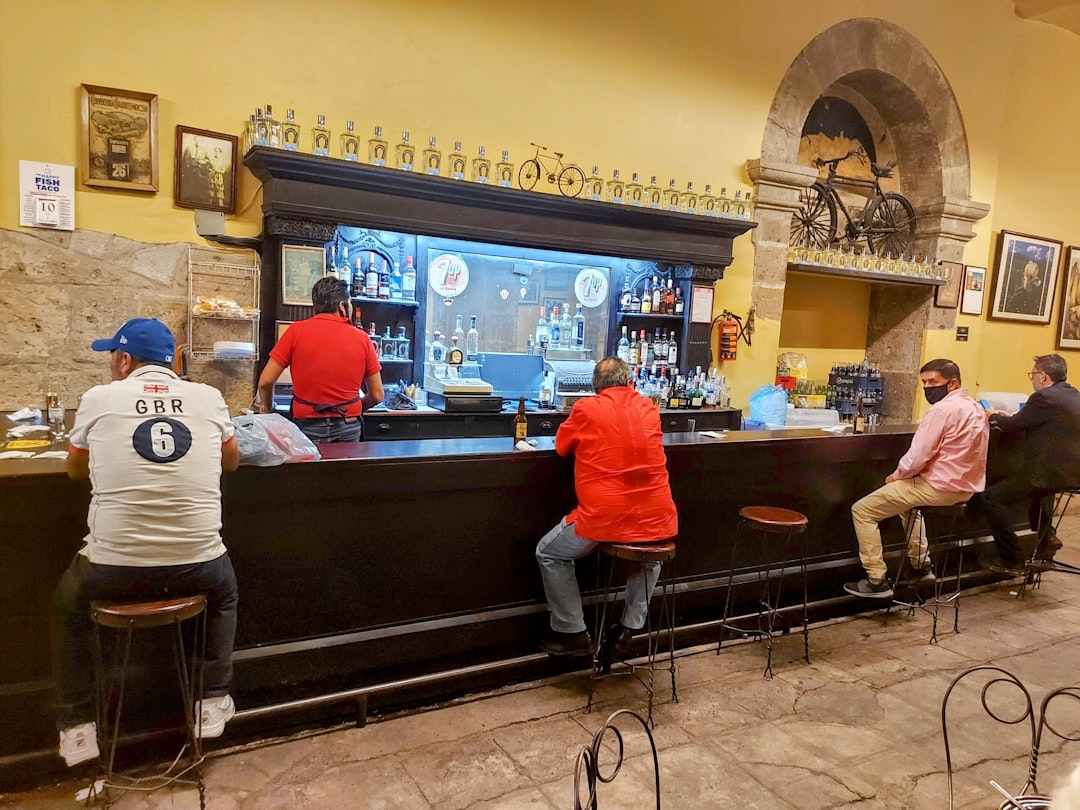
Pub 4 — A more modern bar with a mix of local and international beers, and a relaxed vibe. It's popular with hikers and backpackers, and the staff are friendly and helpful. Cover charge: None.
Hotel Durmitor Bar — Located in the main hotel, this bar has a nice view of the Black Lake Crno Jezero and serves a good selection of cocktails and wines. It's a bit more upscale, but the atmosphere is pleasant. Cover charge: None.
Getting There & What to Expect
Getting to Durmitor National Park Durmitor National Park is straightforward, but it's not exactly easy. The nearest airport is in Podgorica Podgorica, Montenegro's capital, which is about 150 km away. From there, you can take a bus or rent a car. The bus ride takes about 3 hours and costs ~10 EUR. Renting a car is more flexible and costs 30-50 EUR per day, plus fuel.
From Belgrade Belgrade, Serbia, it's about 300 km, taking around 5-6 hours by car. From Split Split, Croatia, it's about 250 km, taking around 4-5 hours. Buses run from both cities, but they're infrequent and can be slow.
Accommodation in Žabljak Žabljak ranges from budget hostels at 15-25 EUR per night to mid-range hotels at 40-70 EUR per night. There are also several mountain refuges and camping sites for budget travelers. The best months to visit are June to September, when the weather is warm and the trails are clear. Winter is also popular for skiing, but the roads can be treacherous.
Search accommodation in Žabljak on Booking.com →
The Mountain Doesn't Care
I left Durmitor Durmitor National Park with blisters on my feet and a head full of memories. But the most lasting impression was the feeling of insignificance. The mountain doesn't care about your job, your bank account, or your social media followers. It only cares that you respect it. If you do, it will give you everything. If you don't, it will remind you, quickly and painfully, who's in charge. That's the beauty of Durmitor Durmitor National Park. It's not a place to conquer. It's a place to survive. And if you're lucky, it might just change you.
Comments