


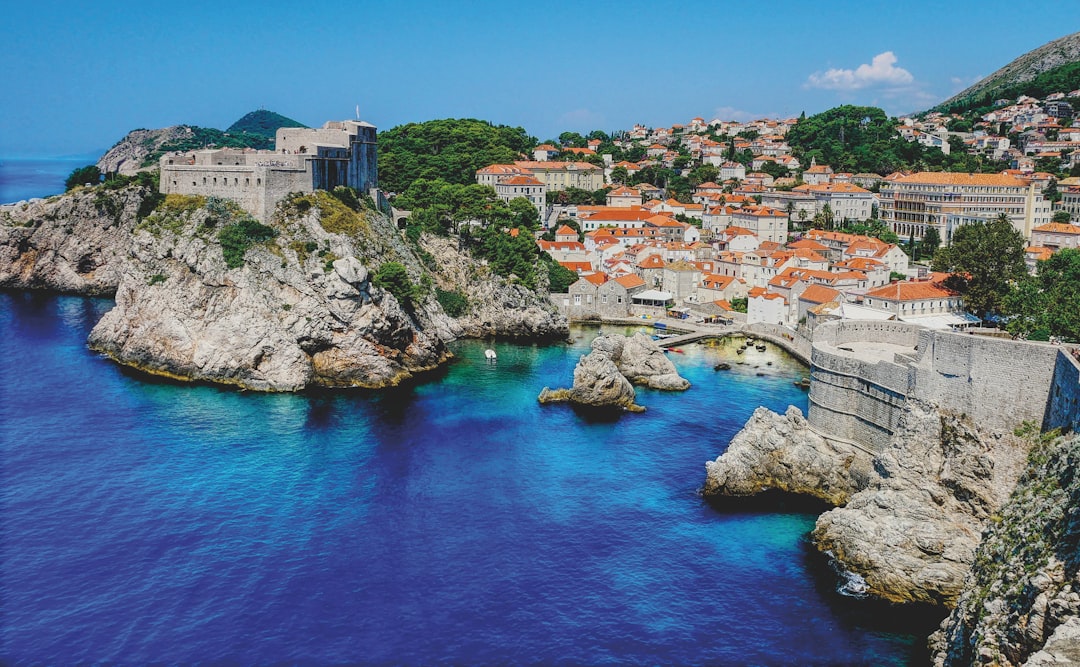
The ferry cuts through the Adriatic like a knife, leaving the suffocating tourist crush of Dubrovnik behind. On the mainland, the heat radiates off the stone walls, and the air smells of sunscreen and desperation. But thirty minutes later, the engine dies. We are on Lokrum. The silence is absolute. A goat stares at me from a thicket of cypress trees, chewing with the slow, deliberate indifference of an island creature that has never seen a credit card. I drop my rental bike on the dock. There is no Wi-Fi here. There is no tour guide shouting into a headset. There is just the salt air, the green canopy of the island, and the faint, distant sound of a church bell. This is not a destination you plan. It is a place you escape to.
Most people come here for the botanical garden or the ruined abbey. They walk the paved paths, take a selfie, and leave. I came for the dirt. I came for the sweat. I came to pedal through the undergrowth and find the hidden coves that the cruise ship passengers never see. This is the Balkan way: find the beauty, ignore the brochure, and keep moving.
History & Identity
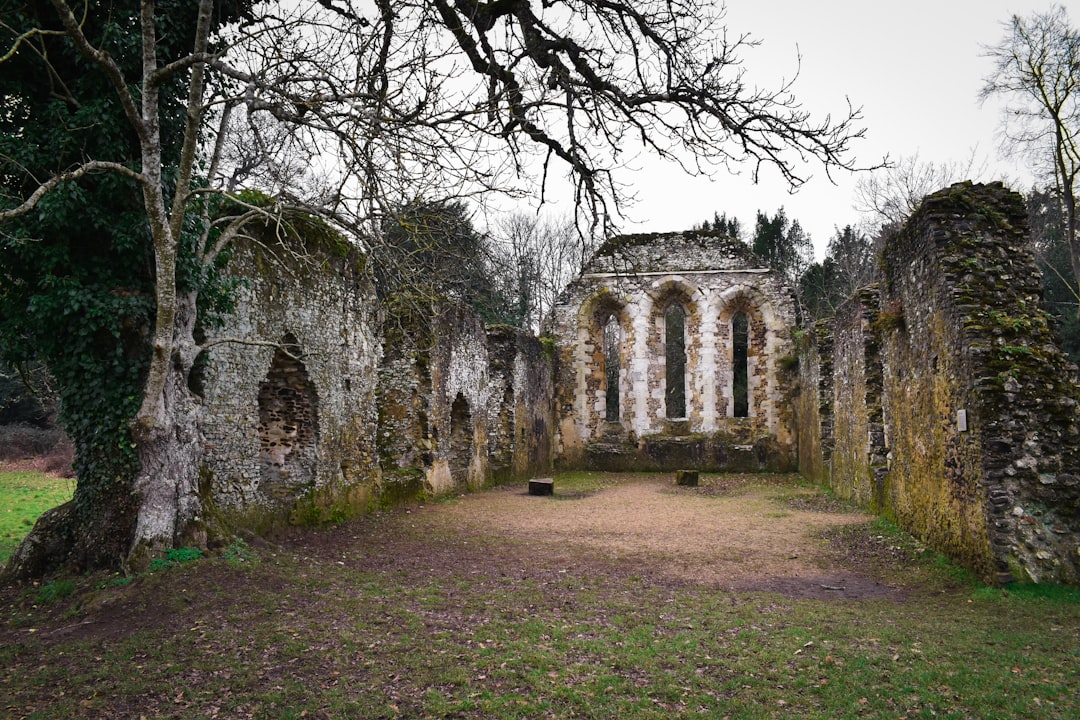
Lokrum is not just a park; it is a graveyard of empires. For centuries, this small island was a strategic choke point in the Adriatic. The Benedictine monks arrived in the 11th century, turning the rugged terrain into a spiritual retreat. They built the Abbey of St. Mary and St. George, a structure that has survived Ottoman cannons, Venetian wars, and the chaos of the 1990s. Today, the ruins are overgrown with ivy and bougainvillea, a testament to nature's ability to reclaim human ambition. The island was later used as a quarantine station and a military base, but it never lost its soul. It remains a place of quiet reflection, a stark contrast to the commercial frenzy of the Old Town just a kilometer away.
The identity of Lokrum is defined by its isolation. It is a UNESCO Biosphere Reserve, which means no cars, no noise, and no development. The island is a living museum of flora and fauna, home to rare orchids, ancient olive trees, and a population of wild goats that roam free. It is a place where history is not displayed behind glass cases but is embedded in the landscape itself. To walk here is to step back in time, to a moment before the modern world invaded the Balkans.
Where to Go
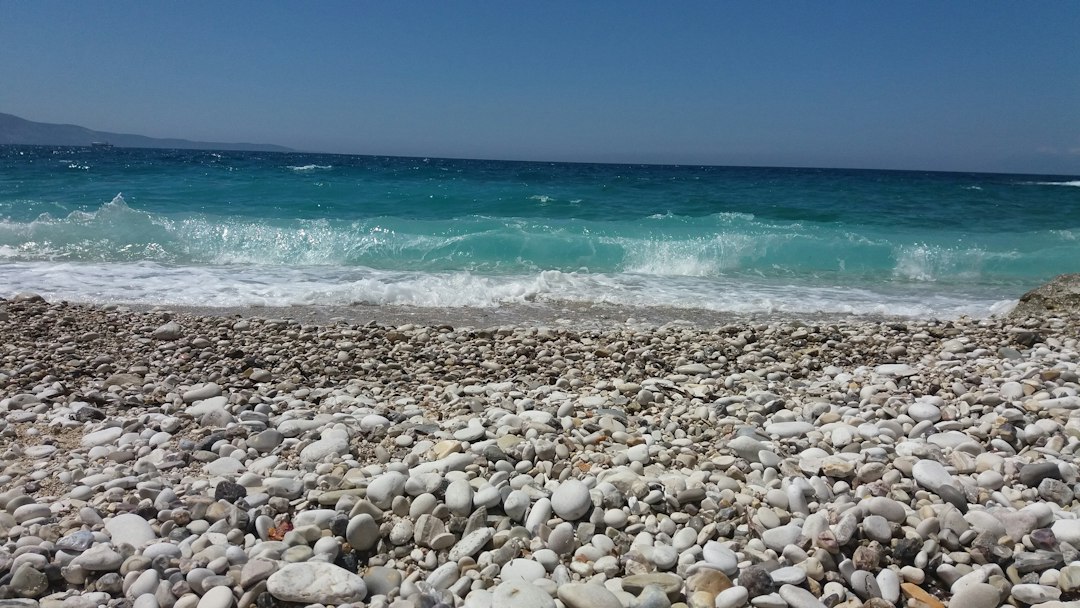
Kraljica Marine — This is the heart of the island's beach culture. A small, pebble beach surrounded by pine trees, it offers clear, turquoise water and a relaxed atmosphere. You can rent a sunbed for 5-8 EUR or just bring a towel. The water is calm, making it ideal for swimming, especially for families. It is the most popular spot on the island, so arrive early if you want shade.
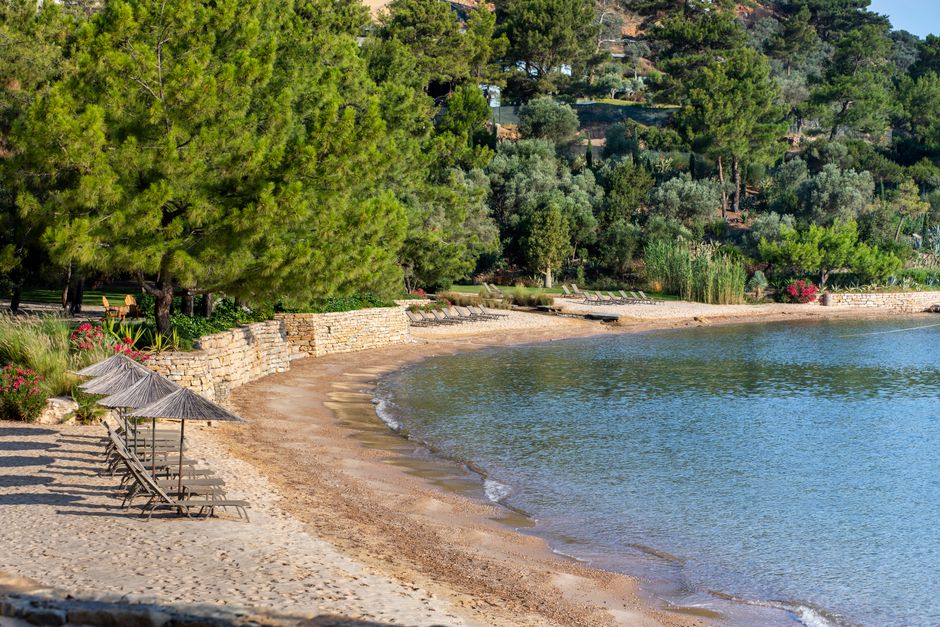
The Benedictine Abbey — A 11th-century ruin that dominates the island's landscape. The church interior is still intact, with a simple, austere beauty. The surrounding garden is filled with exotic plants and ancient trees. It is a place of profound silence, where you can hear the wind rustling through the leaves. Entry is included in the ferry ticket, but donations are appreciated.
The Botanical Garden — Established in the 19th century, this garden is a treasure trove of rare and exotic plants. It is home to a giant fig tree, a century-old olive tree, and a collection of orchids. The garden is laid out in a series of terraces, offering panoramic views of the Adriatic. It is a peaceful place to wander, with benches scattered throughout for rest and reflection.
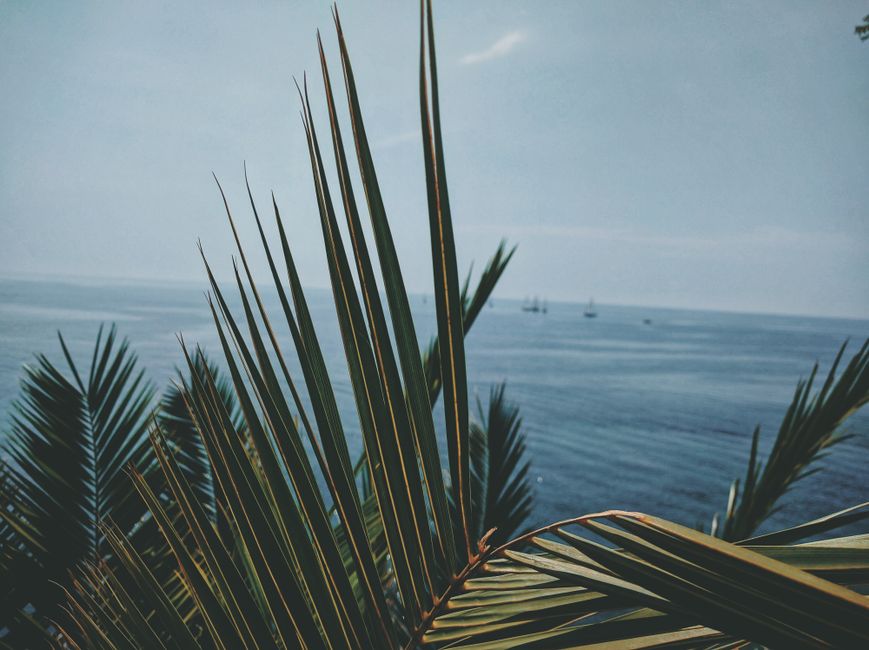
The Shipwreck Museum — A small, quirky museum housed in a former chapel. It displays artifacts from shipwrecks found in the surrounding waters, including pottery, anchors, and even a cannon. The collection is modest, but it provides a fascinating glimpse into the maritime history of the region. It is worth a quick visit if you have time.
What to Eat & Drink
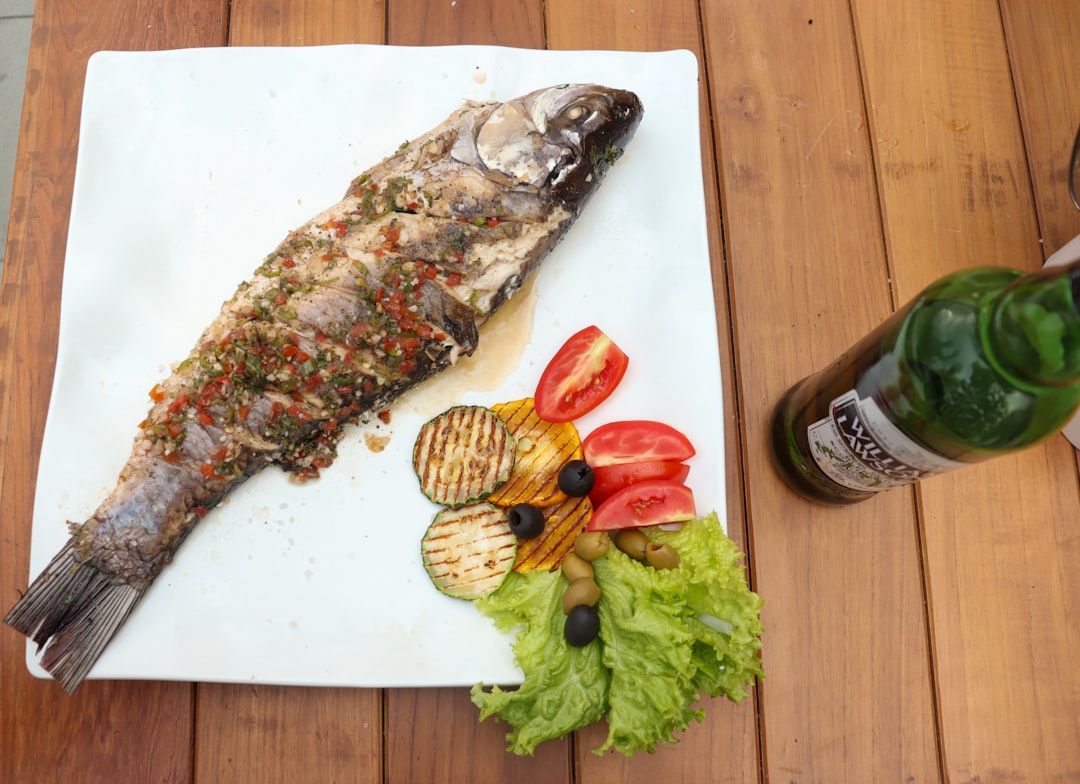
Food on Lokrum is simple and unpretentious. There are no Michelin-starred restaurants here, just a few small cafes and kiosks. The Restaurant Lokrum near the ferry dock serves basic Dalmatian fare: grilled fish, seafood risotto, and pršut (cured ham). A main course will cost you 15-25 EUR, which is reasonable for the location. For a budget option, head to the Kraljica Marine kiosk, where you can grab a šopska salata for 4-6 EUR and a bottle of local wine for 5-8 EUR.
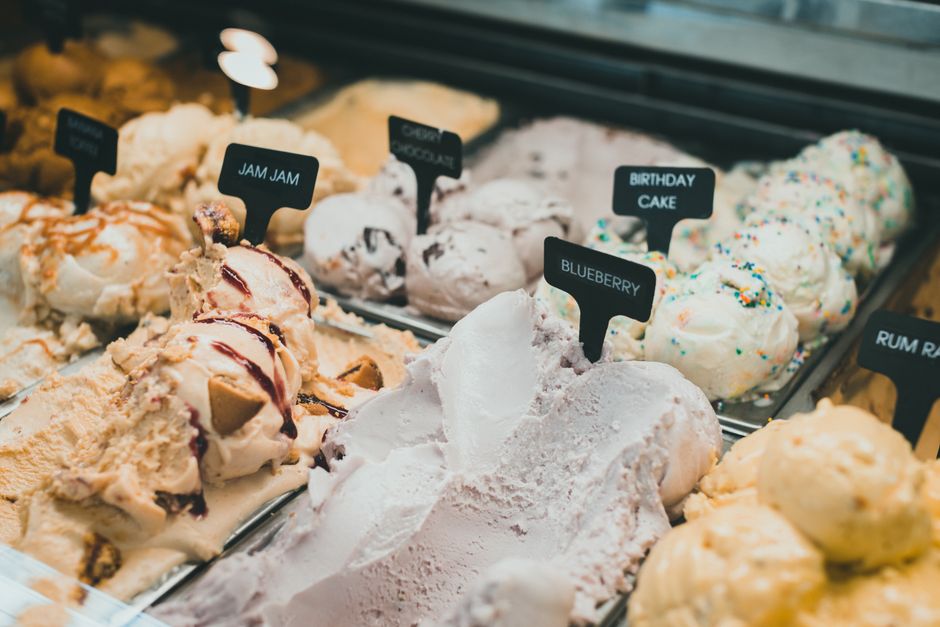
The island is also home to a few ice cream parlors, which are essential for beating the heat. Gelateria Lokrum serves some of the best gelato in Dubrovnik, with flavors like fig and honey and rosemary and lemon. A scoop costs 2-4 EUR. For a drink, try the local Lošinj wine, a crisp white that pairs perfectly with the sea breeze. It is available at most cafes and costs 3-5 EUR per glass.
Nightlife
There is no nightlife on Lokrum. The island closes at sunset, and all visitors are required to leave by the last ferry. This is not a place for partying; it is a place for peace and quiet. If you want to dance, go back to Dubrovnik. If you want to sleep under the stars, pitch a tent in the Kamp Lokrum campground. It is a simple, rustic experience, with no electricity or running water, but it is a unique way to end the day.
Getting There & What to Expect
The easiest way to get to Lokrum is by ferry from Dubrovnik. The ferry departs from the Gruž Port and takes 20 minutes. Tickets cost 15-20 EUR for a round trip, which includes access to the island's attractions. Ferries run frequently during the summer months, every 30-60 minutes, but less frequently in the off-season. You can also take a water taxi, which is faster but more expensive (30-40 EUR round trip).
Once on the island, you can explore on foot or by bike. Bikes can be rented at the dock for 10-15 EUR per day. The island is small, so you can easily cover the main attractions in a few hours. Accommodation is available at Kamp Lokrum, where a tent site costs 10-15 EUR per night. There are no hotels on the island, so most visitors stay in Dubrovnik and take the ferry daily.
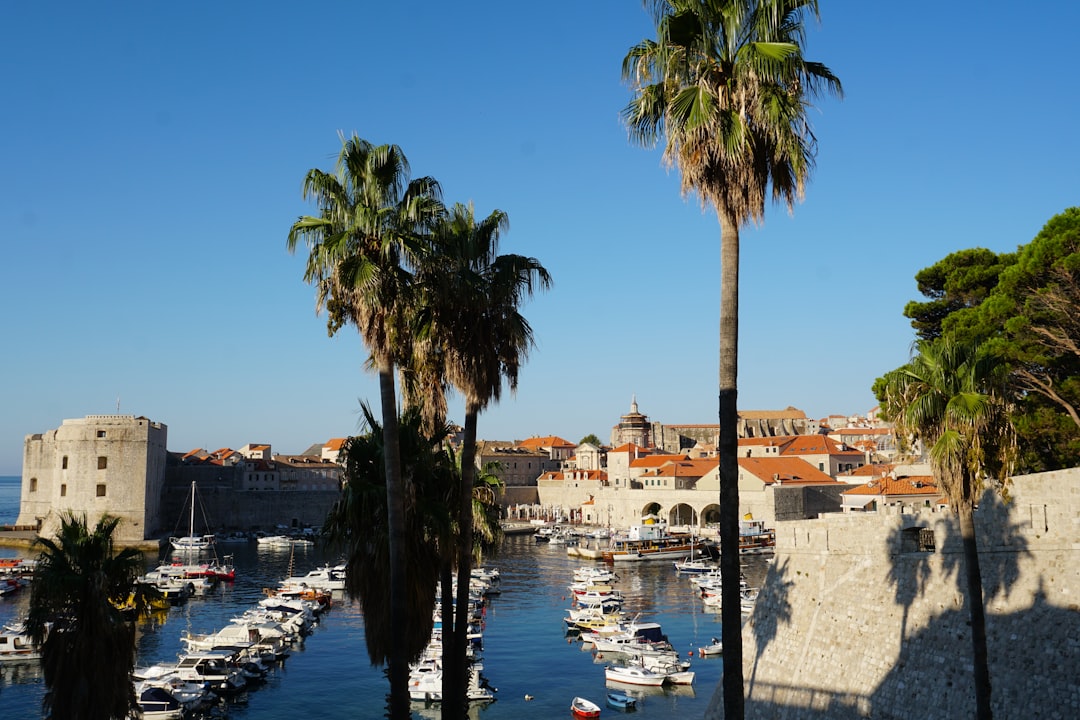
Search accommodation in Dubrovnik on Booking.com →
The Final Pedal
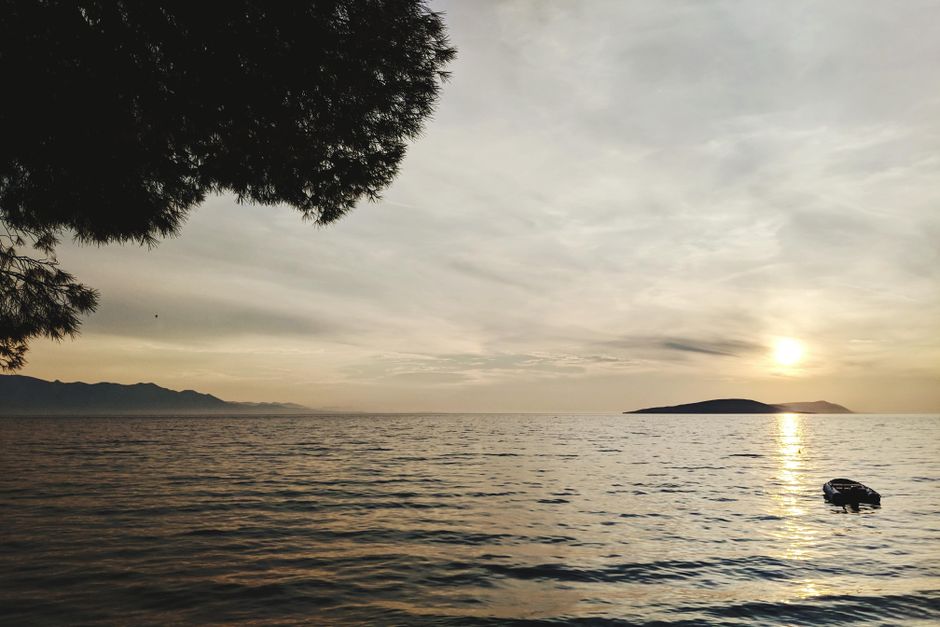
As the sun dips below the horizon, painting the sky in shades of orange and purple, I mount my bike one last time. The air is cool, and the scent of pine is heavy in the breeze. I pedal slowly, savoring the moment. There is no rush, no deadline, no noise. Just the sound of my tires on the dirt path and the distant cry of a seagull. This is the Balkan spirit: raw, unfiltered, and free. Lokrum is not just an island; it is a state of mind. And for those who know how to look, it is the greatest escape in the region.
Comments