


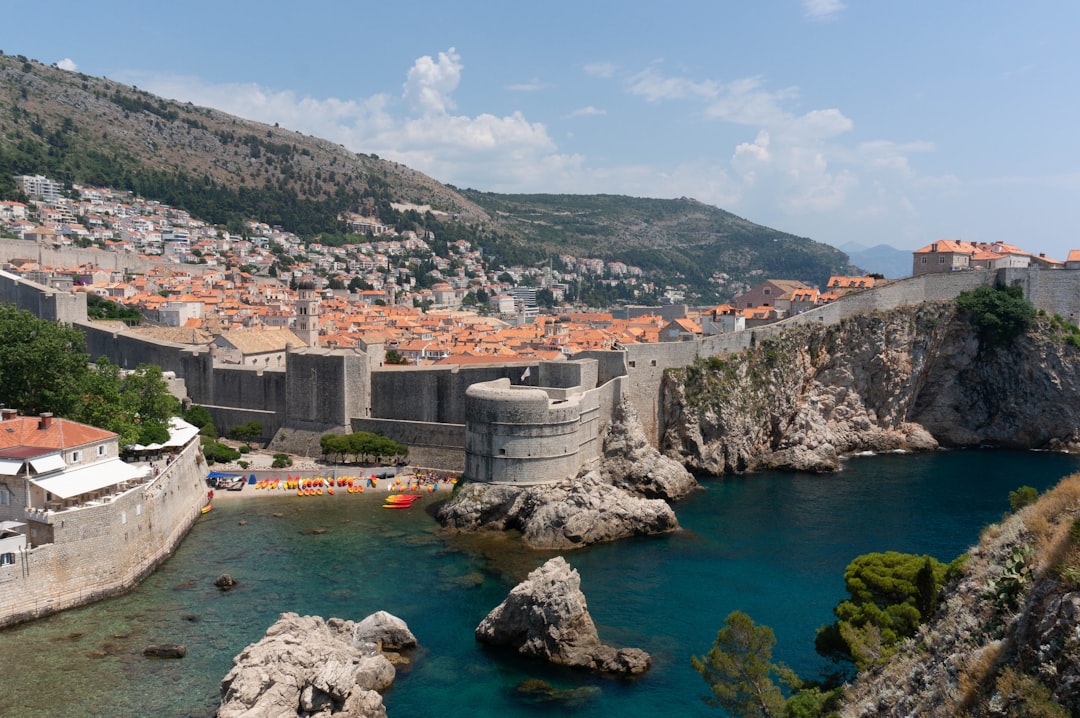
I sat on the stone ramparts of Dubrovnik Old Town at 6:47 AM, shivering in a thin hoodie while the first cruise ship of the day groaned its way into the harbor below. The air smelled of salt, diesel, and the faint, sweet rot of overripe figs left on the quay overnight. A local fisherman, his face a roadmap of windburn, spat into the Adriatic and muttered something about "plastic tourists" as he hauled in a net that looked more like a tangled fishing line than a commercial catch. I was here to find the city beneath the postcard gloss, the place where the stone walls are less a tourist attraction and more a defensive scar from centuries of Venetian and Ottoman pressure. The sun hadn't even cleared the eastern peaks yet, but the gates were already unlocking for the first wave of influencers. I needed coffee. I needed silence. And I needed to figure out how to navigate this walled jewel without getting crushed by the tide of day-trippers.
Dubrovnik isn't just a city; it's a fortress that decided to become a resort. The walls, those iconic limestone barriers that define the skyline, were built to keep enemies out, not to frame Instagram selfies. Walking them at dawn, before the heat radiates off the stone like a microwave, you feel the weight of the Republic of Ragusa, a maritime power that traded salt, grain, and diplomacy to survive between empires. By noon, that gravity shifts. The walls become a conveyor belt of humanity, moving east to west, camera to lens, sweat to sunscreen. The trick to enjoying Dubrovnik isn't about avoiding the crowds entirely—that's impossible in peak season—but about mastering the rhythm of the city, knowing when to slip into the side streets and when to surrender to the spectacle.
History & Identity
The identity of Dubrovnik is carved into its limestone. For centuries, the Republic of Ragusa was a neutral trading hub, a place where merchants from Venice, Constantinople, and the Ottoman Empire could do business without fear of confiscation. This pragmatism built the wealth that funded the Baroque palaces and Gothic churches you see today. The city wasn't just rich; it was smart. It paid tribute to whomever held the sword, keeping its ports open and its coffers full. That legacy of survival is palpable in the architecture—every palace has a courtyard, every church has a bell tower that doubles as a watchtower. The 1991-1992 siege during the Croatian War of Independence left deep scars. Shell holes are still visible on some facades, a stark reminder that the walls didn't stop everything. The city rebuilt, not just physically but psychologically, turning its trauma into a brand of resilience that now powers its tourism economy.
Today, that identity is a double-edged sword. The preservation is immaculate, almost museum-perfect, but it feels sterile in places. The local population, once the dominant force in the Old Town, has been pushed out by rising rents and the conversion of homes into short-term rentals. You'll hear more English, Russian, and Mandarin than Croatian in the main squares. Yet, if you wander into the Ploče Gate area or the neighborhoods just outside the walls, the old rhythm returns. Here, the shops sell fish, not souvenirs. The cafes serve locals who've lived here for generations, not just visitors burning through their euros. The history isn't just in the stones; it's in the stubborn refusal of the city to completely lose its soul.
Where to Go
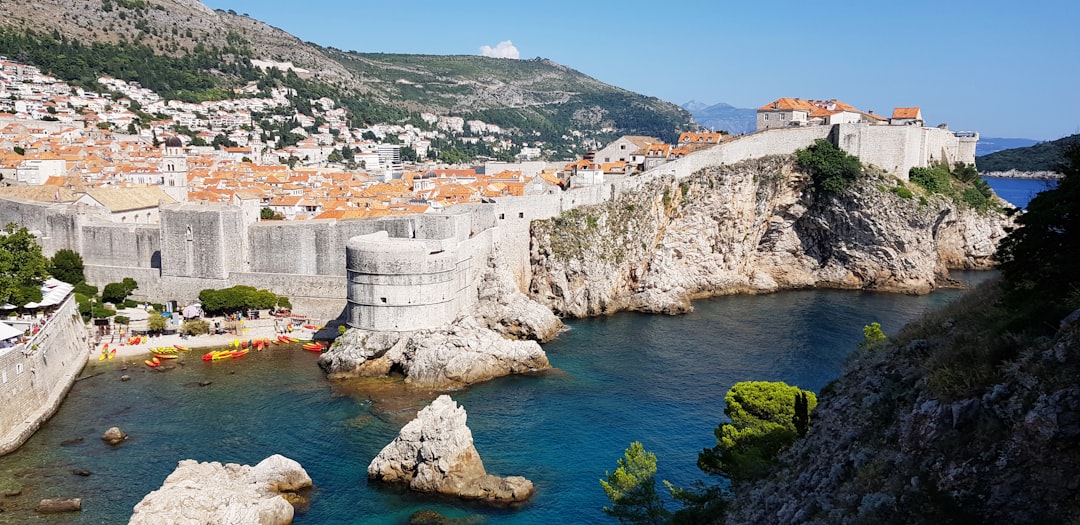
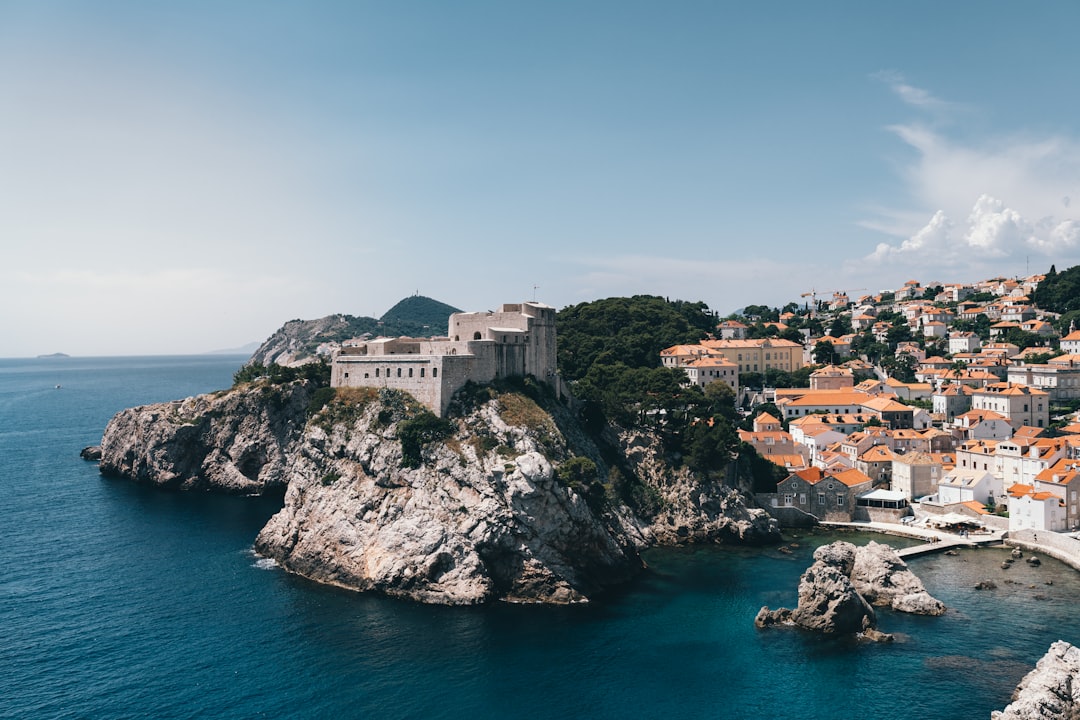
Fort Lovrijenac — Known as the "Gibraltar of Dubrovnik," this fortress sits just outside the western walls, connected by a bridge. It's less crowded than the Old Town walls and offers a brutalist view of the sea and the city's western approach. The interior is mostly open space, but the acoustics are incredible, and it's a great spot for a quiet drink at sunset. Entry is 12 EUR. Best visited late afternoon to avoid the midday heat.
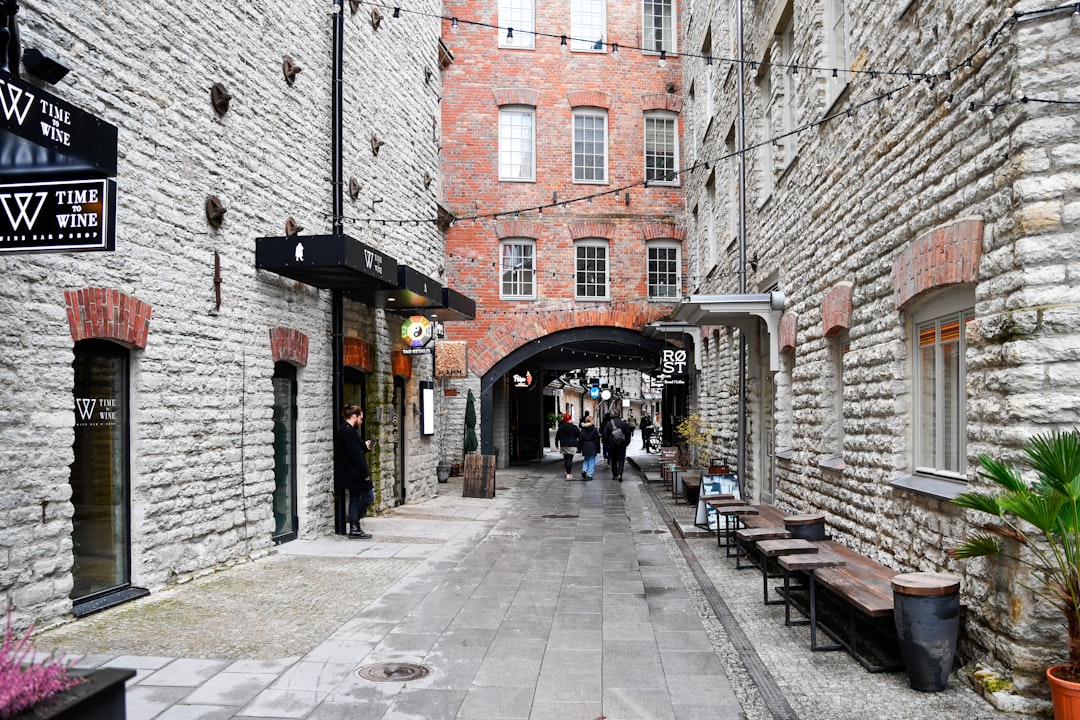
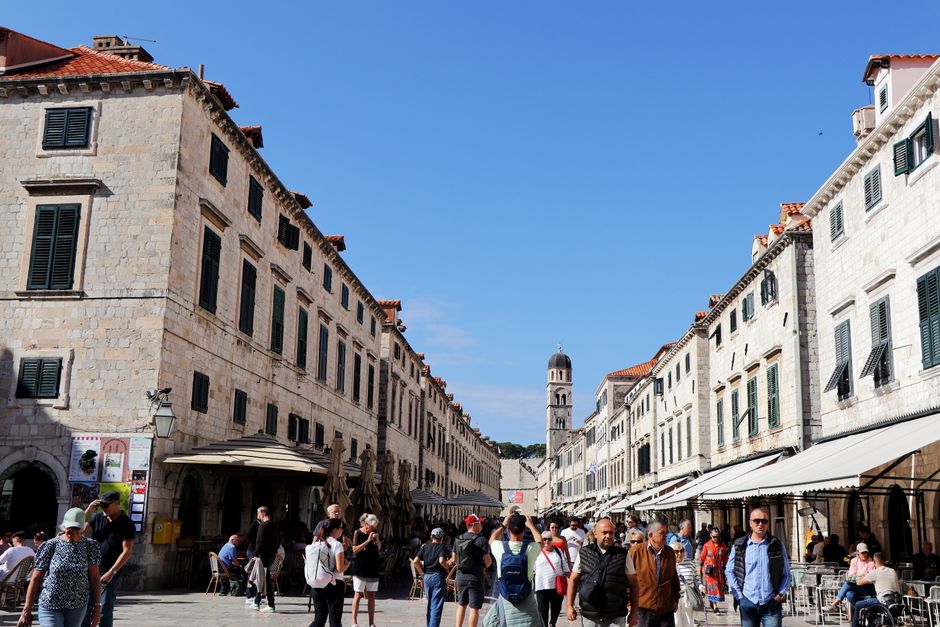
Stradun (Placa) — The main artery of the Old Town, this limestone-paved street runs east to west. It's the most photographed street in Croatia, and for good reason. The reflections of the sun on the stone are blinding, and the arcade-lined sides offer shade from the midday heat. It's a thoroughfare, not a destination, but it's essential for understanding the city's layout. Walk it early or late, but never at noon in July.
Srđ Mountain Cable Car — The cable car whisks you up to the summit of Srđ, where you can see the entire Old Town, the channel, and the Pelješac peninsula. The view is the reason people come, but the summit also houses a small museum and a restaurant. The ride up is 14 EUR one way, but the panoramic perspective is worth the cost if you can get a clear day. The wind up there is relentless, so bring a jacket.
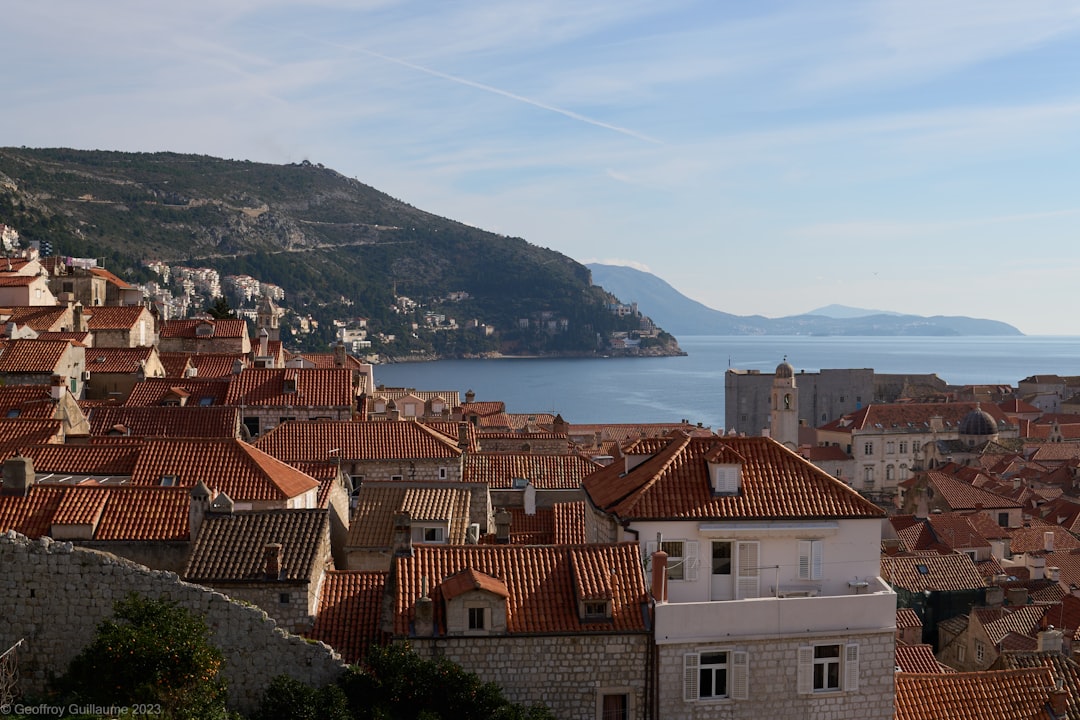
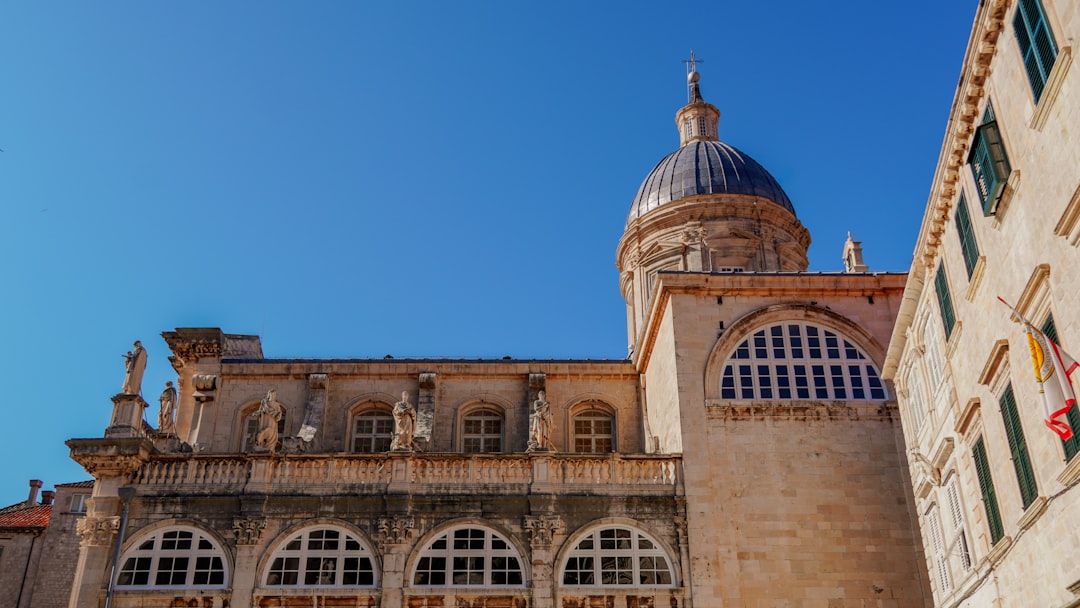
Rector's Palace — This Gothic-Renaissance building on Stradun was the seat of the city's government. The interior is a maze of rooms, courtyards, and a prison that looks like it was designed for psychological torture. The guided tour is informative, but the real draw is the architecture—the blend of Venetian and local styles is a testament to the city's diplomatic balancing act. Entry is 10 EUR.
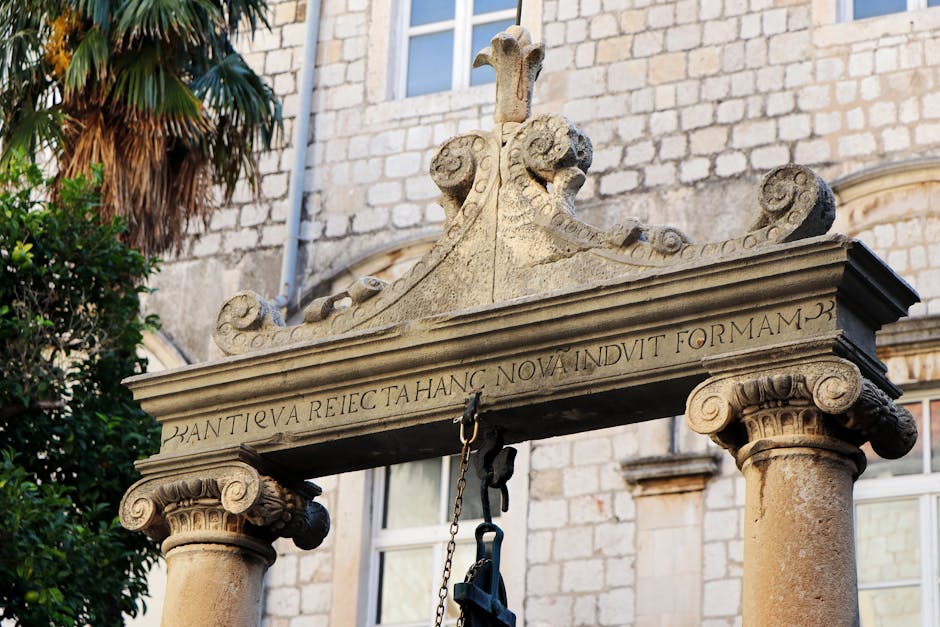
Buna Spring — Located in the eastern part of the Old Town, this public fountain has provided drinking water to Dubrovnik for over 800 years. It's a symbol of the city's independence and self-sufficiency. The water is cool and clear, and locals still use it. There's no entry fee, and it's a perfect spot to escape the noise of Stradun. The surrounding square is shaded by plane trees, a rare green space in the stone labyrinth.
What to Eat & Drink
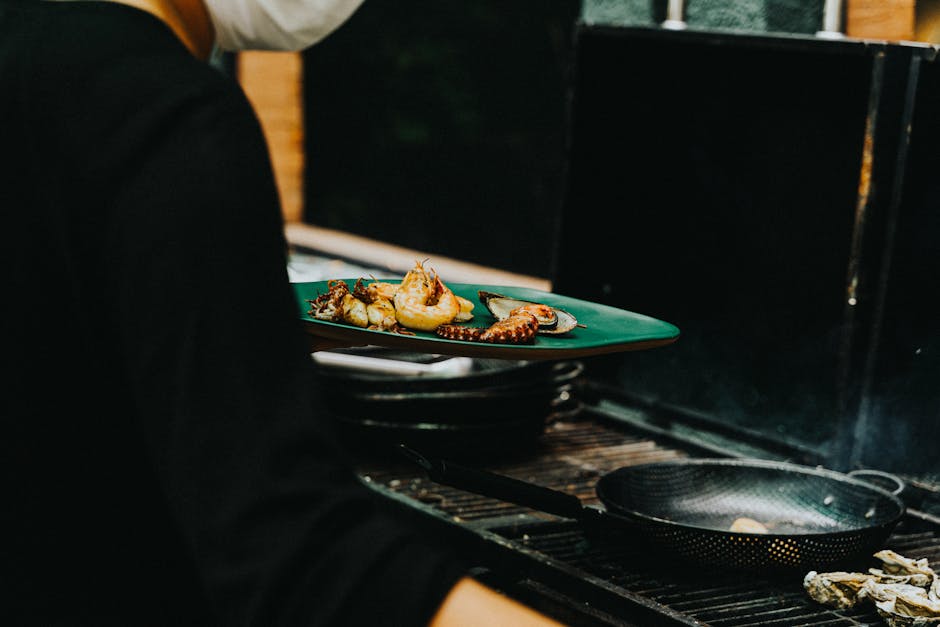
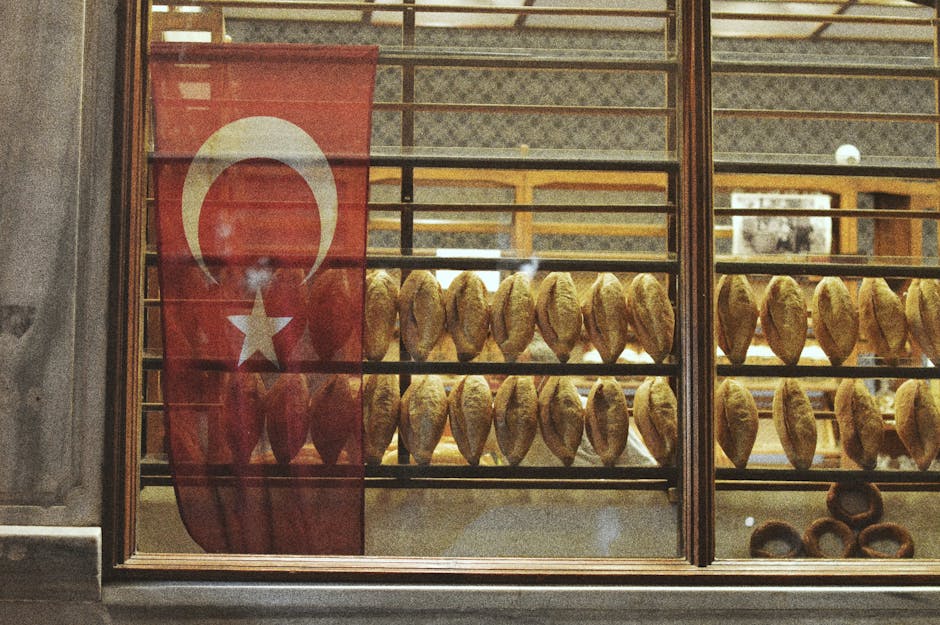
Dubrovnik's cuisine is a reflection of its maritime history and its position between Italy and the Balkans. You'll find plenty of seafood, but also influences from Turkish and French cooking. The key is to avoid the restaurants right on Stradun, where prices are inflated and the food is often mediocre. Instead, head to the Pile or Ploče gates, where the locals eat.
Pršut — Dried ham, similar to prosciutto, but with a stronger, saltier flavor. It's often served with black bread and olives. A plate costs 8-12 EUR. Pašticada — A slow-cooked beef stew with vegetables, served with gnocchi or fuži (local pasta). It's a Dalmatian classic, rich and hearty. A portion costs 15-20 EUR. Crni rižot — Black risotto made with squid ink, a staple of the Adriatic coast. It's visually striking and tastes of the sea. A bowl costs 12-16 EUR. Rakija — The local fruit brandy, often made from grapes, plums, or figs. It's strong, clear, and the perfect digestif. A shot costs 2-4 EUR.
Budget travelers can survive on street food: pogacha (a local pastry) with coffee for 3-5 EUR, or ice cream from a gelateria for 2-4 EUR. Sit-down meals at local restaurants outside the Old Town range from 15-25 EUR per person, while mid-range dining inside the walls can hit 30-50 EUR. The Ploče Gate area is the best bet for affordable, authentic food. There are also food courts and take-away spots near the bus station for those on a tight budget.
Nightlife
Dubrovnik's nightlife is concentrated in the Old Town, but it's not the party capital of Croatia. That title belongs to Split or Zadar. Here, the vibe is more about aperitivos and live music than all-night clubbing. The main area is around the Pile Gate and the Stradun, where bars spill out onto the stone streets. Barok is a popular spot for cocktails and live jazz, with a cover charge of 5-10 EUR. Fortress Bar at Fort Lovrijenac offers sunset drinks with a view, but it's pricey—expect to pay 15-20 EUR for a cocktail. Stari Grad area has a few clubs, but they're mostly for locals and long-term tourists. The music is a mix of pop, electronic, and traditional Dalmatian folk. If you're looking for a wild night, you'll need to head to the beaches or the nearby islands.
Getting There & What to Expect
The nearest airport is Dubrovnik Airport, located about 20 km south of the city. Buses run regularly from the airport to the Pile Gate, taking about 30 minutes and costing 10 EUR. Flights connect to major European hubs, but prices spike in summer. From Split, the bus ride is 5-6 hours, costing 20-30 EUR. By car, the D8 highway is scenic but slow, especially in July and August when traffic jams are common.
Accommodation in the Old Town is expensive, with budget hostels charging 40-60 EUR per night and mid-range hotels ranging from 100-200 EUR. Outside the walls, prices drop significantly, with hostels at 20-30 EUR and hotels at 60-100 EUR. The best months to visit are May and October, when the weather is warm but the crowds are thinner. In July and August, the city is packed, and prices are at their peak. Expect heat, humidity, and long lines for everything.
Search accommodation in Dubrovnik on Booking.com →
The Stone Labyrinth
I left the walls as the sun dipped below the channel, painting the stone in shades of orange and purple. The cruise ships were unloading their second wave, a tide of sunburned tourists flooding the gates. I walked down the steep streets to the harbor, where the air was thick with the smell of grilling fish and diesel. A group of musicians played traditional Dalmatian songs on a corner, their voices rising above the chatter. I ordered a rakija, the burn of it grounding me in the moment. Dubrovnik isn't for everyone. It's too expensive, too crowded, too polished. But if you can find the quiet corners, the hidden springs, the local faces behind the tourist masks, it reveals a soul that's worth the search. The walls keep the history in, but they also keep the real city hidden, waiting for those who know how to look.
Comments