


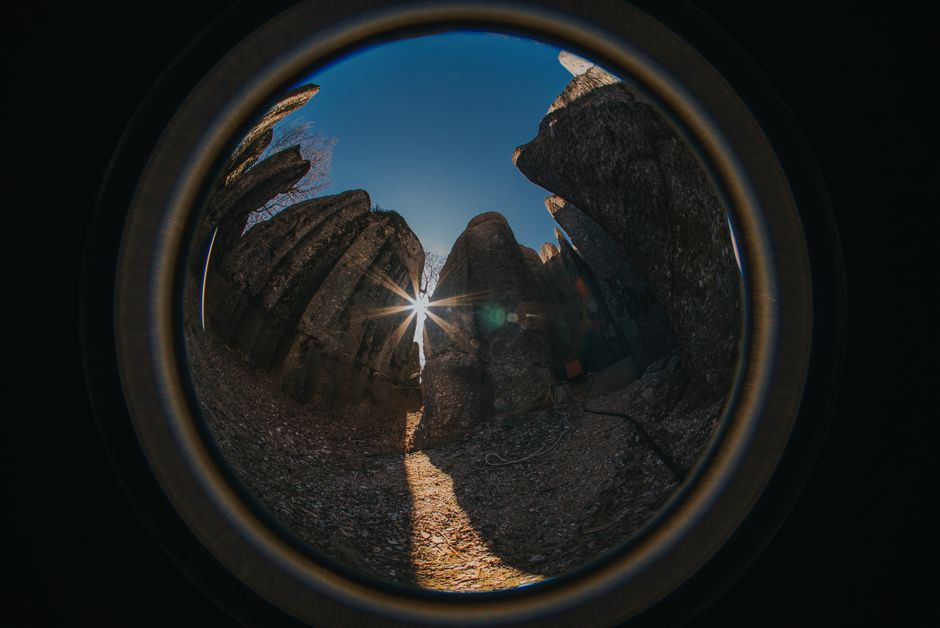
The air up here tastes like pine resin and ancient dust. I am standing at the edge of a limestone quarry that has been abandoned to the whims of wind and water for a century, staring at a landscape that looks like it was ripped straight from the set of a low-budget sci-fi movie. It is Đavolja Varoš, or Devil's Town, and it is absolutely unhinged. The rock formations are not just jagged; they are sculpted, twisted, and stacked into impossible spires that twist toward the sky like frozen screams. A local shepherd, leaning against his rusted pickup truck, laughs when I ask if he's used to the eerie atmosphere. "It's just rocks," he says, lighting a cigarette. "But the wind... the wind sounds like voices."
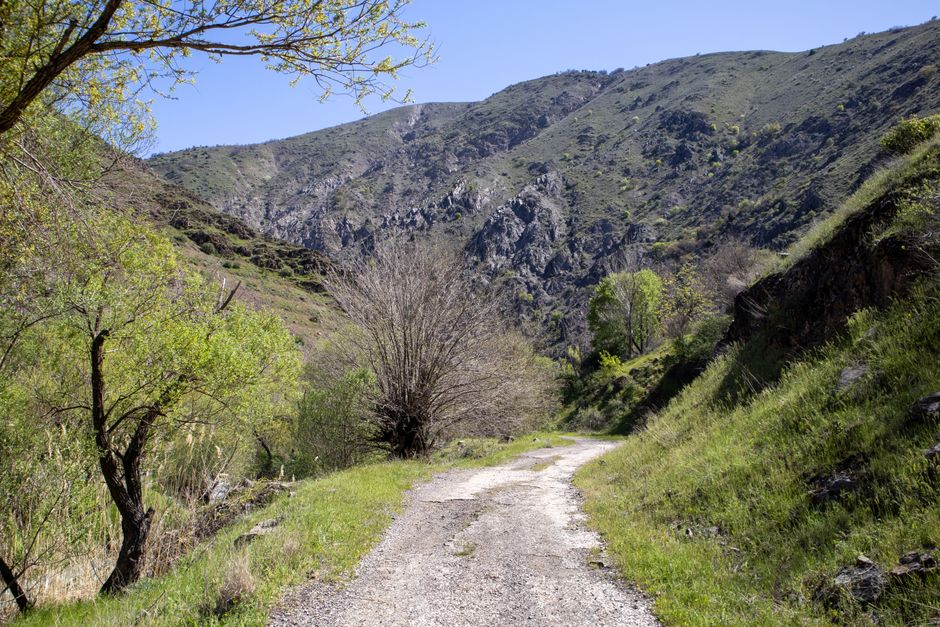
There is no grand entrance, no ticket booth with a smiling attendant, just a gravel track that winds up into the Homolje Mountains in eastern Serbia. The silence here is heavy, broken only by the crunch of boots on limestone and the distant call of a hawk. It feels less like a tourist destination and more like a secret kept by the earth itself. This is not a polished park with manicured paths. It is raw, rugged, and utterly bizarre. If you are looking for comfort, go to Belgrade. If you are looking for the strange, the surreal, and the slightly unsettling, this is your place.
How the Devil Built a City
Geologists will tell you that Devil's Town is a natural phenomenon, the result of millions of years of tectonic activity and erosion. The area is part of the Homolje Mountains, a karst landscape formed from limestone and dolomite. Over eons, water seeped into cracks in the rock, dissolving the softer layers and leaving behind the harder, more resistant stone. The result is a forest of stone towers, pillars, and arches that can reach up to 15 meters in height. It is a slow-motion explosion, captured in stone.
But science doesn't explain the legends. In Serbian folklore, Đavolja Varoš is believed to be the actual residence of the devil and his demons. The locals say that on stormy nights, you can hear the devil's laughter echoing through the rock formations. There are even tales of a hidden treasure guarded by these stone sentinels. Whether you believe in the supernatural or not, the place has an aura that defies rational explanation. The way the light hits the rocks at sunset, casting long, distorted shadows, makes it easy to see why people have told ghost stories here for centuries.
The site was officially protected as a Natural Monument in 1964, but it remains relatively unknown to international tourists. This is a good thing. It means you can walk among the stone pillars without pushing through a crowd of selfie-stick wielders. The preservation is minimal, which adds to the raw, untouched feel of the place. It is a reminder that nature is still capable of creating wonders that dwarf human imagination.
Walking Among the Stone Sentinels
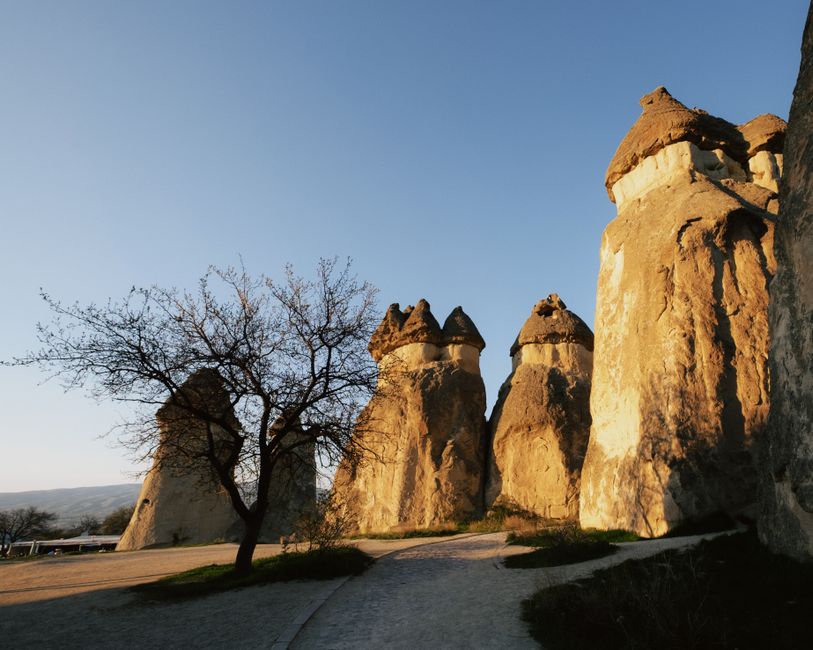
The main attraction here is the Devil's Town itself, a cluster of stone formations that look like a medieval village frozen in time. There are no official trails, but the paths are well-worn by hikers and locals. You can wander through the "streets" of this stone city, ducking under arches and squeezing between narrow pillars. The rocks are smooth to the touch, worn down by centuries of wind and rain. Some formations resemble animals, others look like human figures twisted in agony. It is easy to let your imagination run wild.
One of the most striking formations is the Devil's Bridge, a natural arch that spans a small ravine. It is not a large bridge, but it is perfectly formed, a testament to the precision of natural erosion. Standing on it, you can look out over the rest of the stone forest, a sea of grey pillars rising from the green carpet of grass and heather. It is a view that stays with you long after you leave.
Another notable feature is the Devil's Tower, a tall, slender spire that stands apart from the others. It is a dramatic silhouette against the sky, a perfect example of the verticality of the landscape. Climbing it is not recommended, and rightly so. The rocks are fragile, and one wrong step could cause damage to the formation or injury to the climber. But standing at its base, looking up, you get a sense of the sheer scale of the place.
The Homolje Wilderness
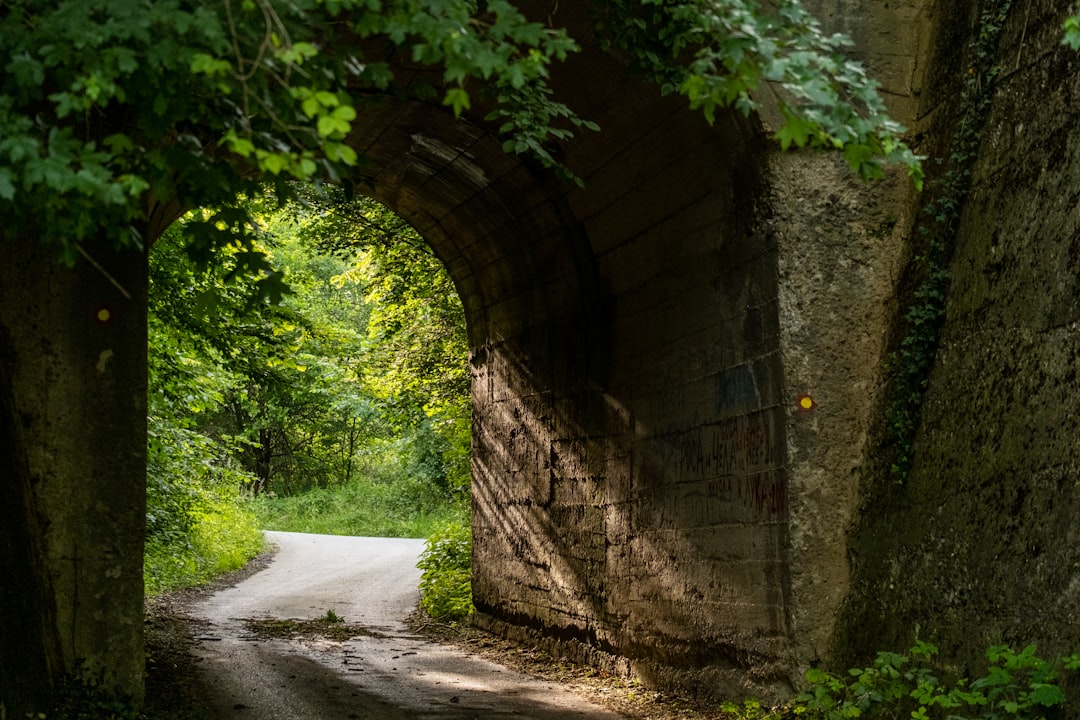
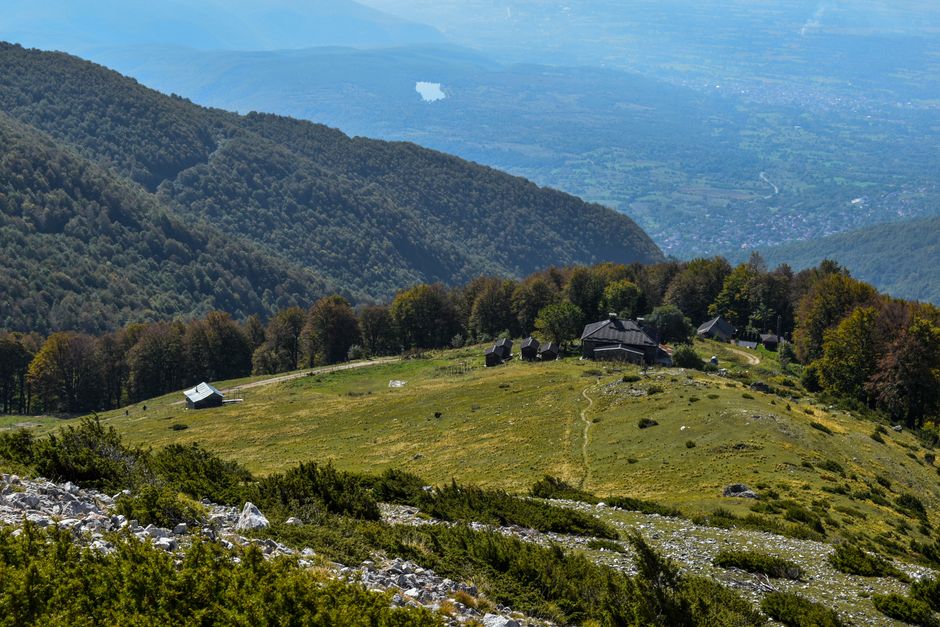
Devil's Town is not an isolated attraction. It is part of the larger Homolje Mountains, a region of deep forests, rocky peaks, and hidden valleys. The area is sparsely populated, with small villages scattered across the landscape. The roads are narrow and winding, often unpaved, but they offer some of the most scenic drives in Serbia. If you have time, explore the surrounding area. Visit the village of Ćićevac, the nearest town, and sample some local cheese and rakija. The hospitality here is genuine, and the food is simple but delicious.
The Homolje Mountains are also a haven for hikers and nature lovers. There are several marked trails that lead to viewpoints, waterfalls, and old monasteries. The St. George Monastery in Ćićevac is a small but beautiful example of Serbian medieval architecture, hidden in a wooded valley. It is a peaceful place, far from the noise of the modern world. The combination of natural wonders and cultural heritage makes the Homolje region a compelling destination for travelers seeking something different.
Wildlife is abundant in the area. You might spot deer, wild boar, or even wolves if you are lucky. The forests are home to a variety of bird species, including eagles and hawks. The air is clean, the water is pure, and the stars at night are incredibly bright. It is a place to disconnect from the digital world and reconnect with nature.
Getting There & What to Expect
Reaching Devil's Town requires a bit of planning. The nearest major city is Ćićevac, which is about 50 kilometers from Belgrade. You can drive from Belgrade in about 1.5 hours via the Belgrade-Niš Highway, then take the exit for Ćićevac. From there, follow the signs to Devil's Town. The last stretch of the road is unpaved, so a car with good ground clearance is recommended. Buses run from Belgrade to Ćićevac, but the schedule is limited, so check in advance. From Ćićevac, you can take a taxi or arrange a pickup with a local guide.
There is no accommodation at Devil's Town itself. You will need to stay in Ćićevac or nearby villages. Budget options include guesthouses and family-run pensions, which cost around 20-30 EUR per night. Mid-range hotels are available in Ćićevac, with prices starting at 40-60 EUR per night. Camping is also an option, but there are no official campsites. If you choose to camp, make sure you have all the necessary equipment and respect the local environment.
The best time to visit Devil's Town is from April to October. The weather is mild, and the trails are dry. Winter can be harsh, with snow and ice making the paths slippery and dangerous. Summer can be hot, so bring plenty of water and sun protection. There are no facilities at the site, so bring your own food and water. Entry to Devil's Town is free, but a small donation is appreciated to support the maintenance of the area.
Search accommodation in Cicevac on Booking.com →
Final Thoughts: A Stone Enigma
Leaving Devil's Town feels like waking from a strange dream. The stone pillars stand guard as you drive away, their twisted shapes fading into the rearview mirror. It is a place that defies easy explanation, a natural wonder that feels almost otherworldly. It is not for everyone. If you are looking for luxury or convenience, this is not the place for you. But if you are willing to embrace the strange, the rugged, and the unknown, Đavolja Varoš will reward you with an experience you will never forget.
The wind is still howling in my ears as I write this, a ghostly reminder of the devil's laughter. Maybe there is something to the legends after all. Or maybe it's just the wind. Either way, Devil's Town is a place that stays with you, a stone enigma in the heart of Serbia. It is a reminder that the world is still full of mysteries, waiting to be discovered by those brave enough to look.
Comments