


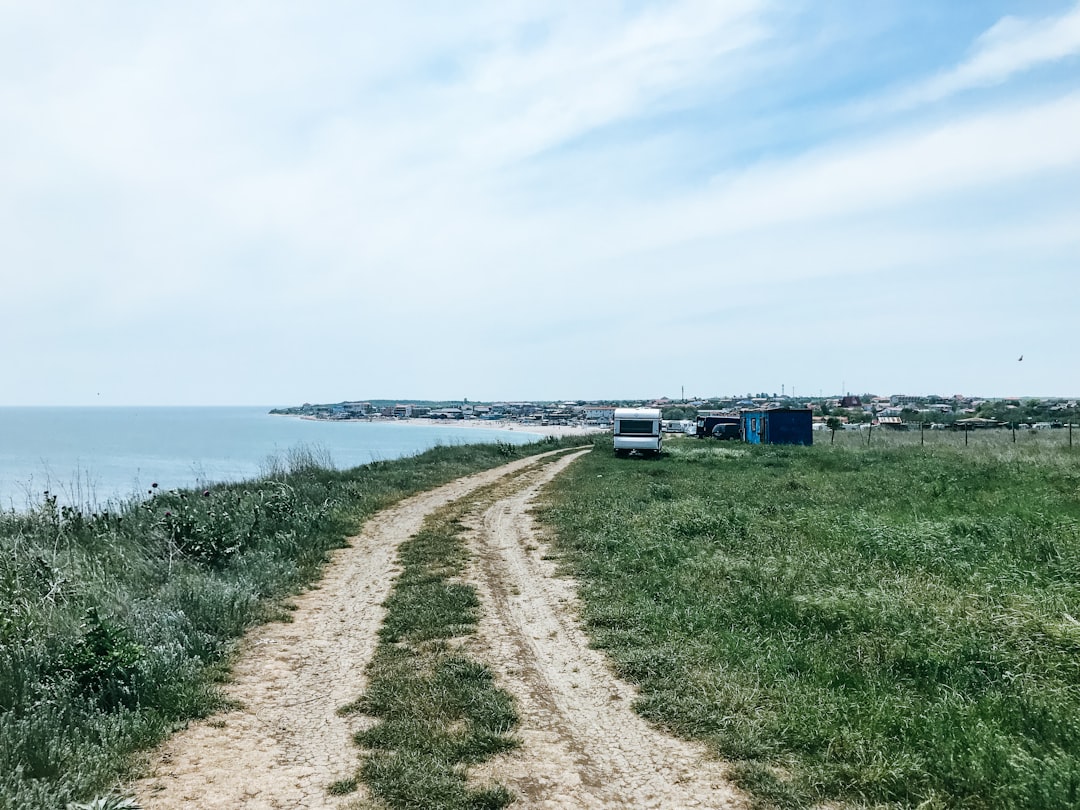
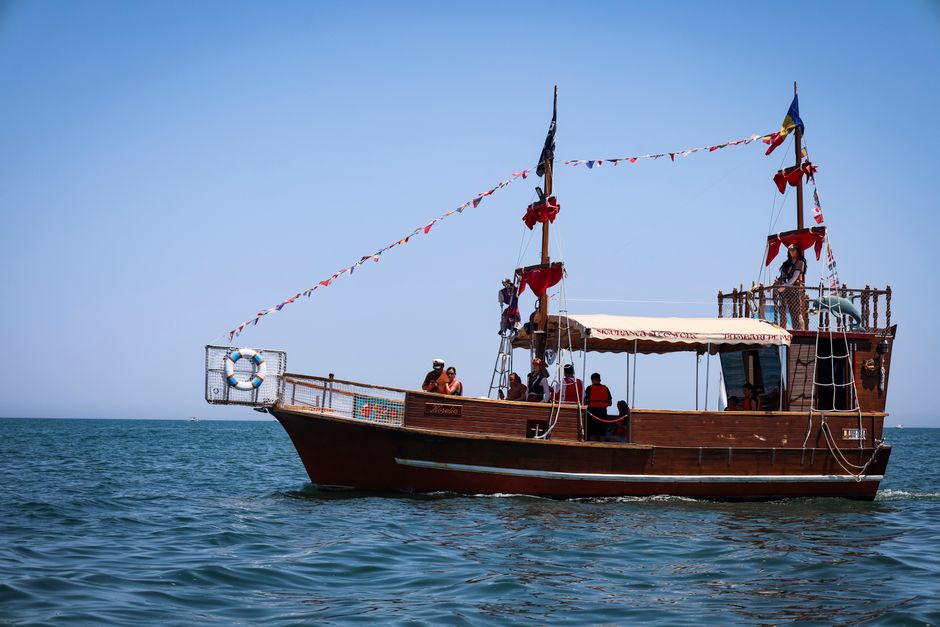
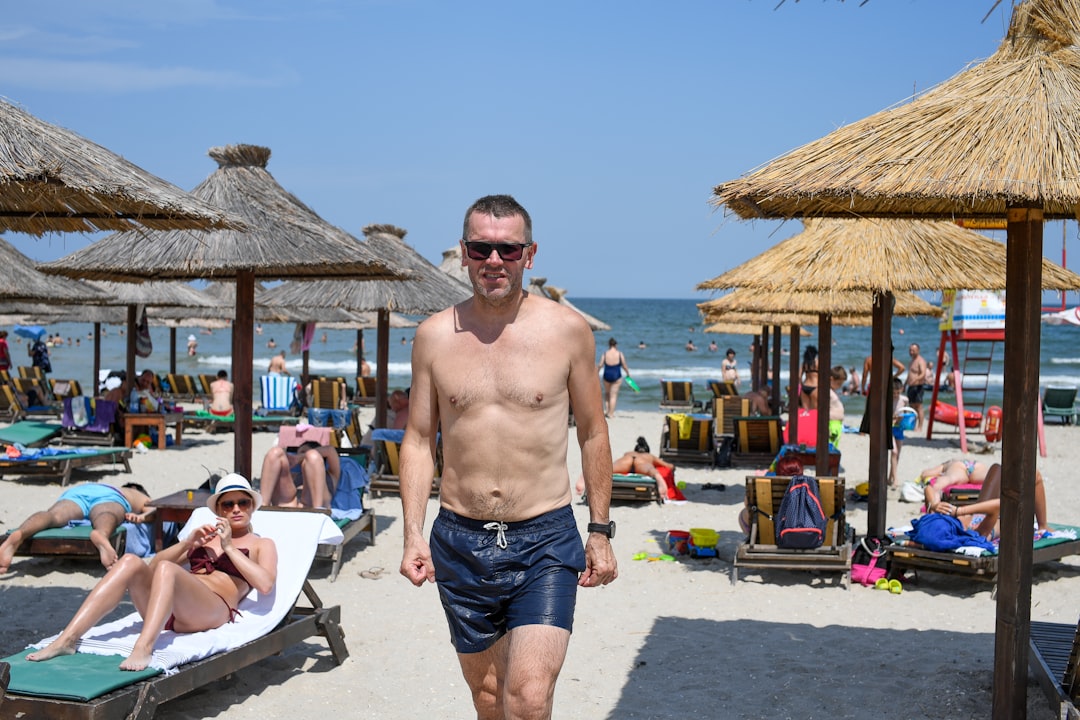
The sun here doesn't just shine; it interrogates. I sat on a plastic chair at a beach bar in Constanta, watching a mid-aged local man argue with a seagull over a half-eaten sandwich. The air smelled of salt, diesel, and cheap sunscreen. It was 2 PM in August. The Black Sea was choppy, grey-green, and utterly indifferent to my presence. I had come expecting a postcard-perfect Mediterranean vibe, but Romania's largest port city hit me with the raw, unpolished energy of a place that has survived empires, invasions, and its own complicated history. This isn't a polished resort. It's a living, breathing, slightly chaotic port city where the ancient past crashes into the modern present like waves against a concrete breakwater.
My first encounter wasn't with a ruin, but with a fisherman mending nets near the old harbor. He didn't speak English, I didn't speak Romanian, but we shared a laugh over a particularly stubborn knot. That's Constanta for you. It's not about the glossy brochure images; it's about the people, the grit, and the layers of history buried under the sand and asphalt. If you're looking for pristine, quiet beaches, look elsewhere. If you want a city that feels real, with a pulse that beats as loud as the waves, you're in the right place.
History & Identity
Constanta wasn't just built; it was layered. Founded as Tomis by Greek colonists from Miletus around the 6th century BC, it became a crucial Roman colony. It was here that the poet Ovid was exiled by Emperor Augustus, a fact that adds a touch of literary melancholy to the city's stoic demeanor. The Romans fortified the city, turning it into a major naval base and trade hub. You can still see the remnants of their ambition in the streets and the underground ruins that occasionally surface during construction projects.
After the fall of Rome, Constanta changed hands frequently—Byzantines, Bulgarians, Genoese, Ottomans, and finally, the Romanians. The Ottoman rule lasted for centuries, leaving a distinct architectural and cultural imprint, particularly in the old city center. The 19th and 20th centuries saw rapid modernization, especially with the development of the port and the arrival of the railway. Today, Constanta is a city of contrasts, where neoclassical buildings stand next to Soviet-era blocks, and ancient walls peek out from beneath modern infrastructure. It's a place where history isn't just displayed in museums; it's woven into the fabric of daily life.
Where to Go
Constanta Archaeological Museum — This is your entry point to the city's deep past. Housed in a neoclassical building, the museum holds an impressive collection of artifacts from the Greek, Roman, and Ottoman periods. Don't miss the Tomb of the Diver, a famous ancient fresco, and the extensive collection of Roman mosaics. Entry is 10 EUR. Best visited in the morning to avoid the midday heat.
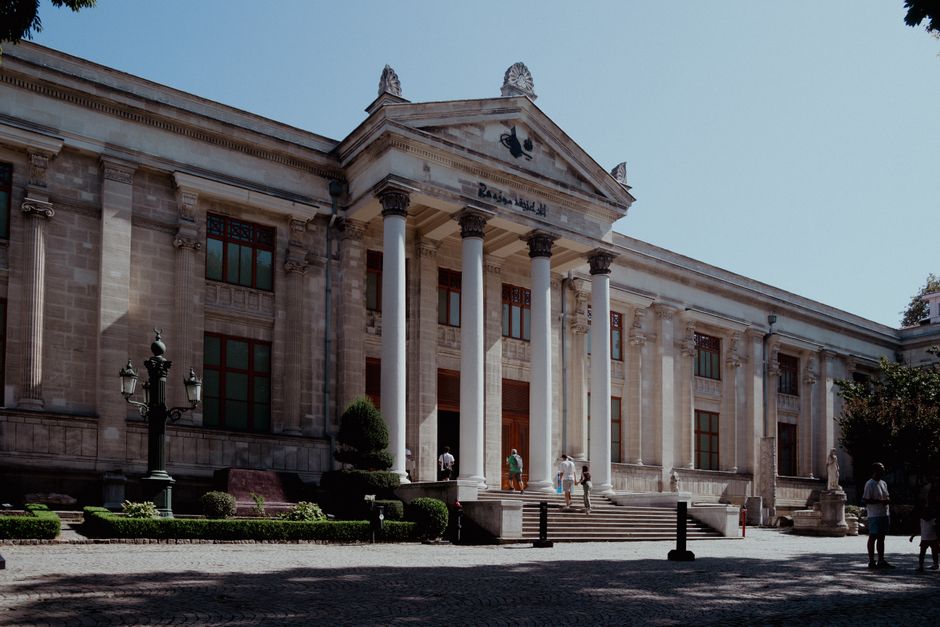
Fortress of Constanta — The largest and best-preserved Roman fortification in the city. Originally built in the 2nd century AD, it was expanded over the centuries. Today, it houses a small museum and offers a peaceful escape from the city's bustle. The courtyard is a great spot for a quiet coffee. Entry is 5 EUR.
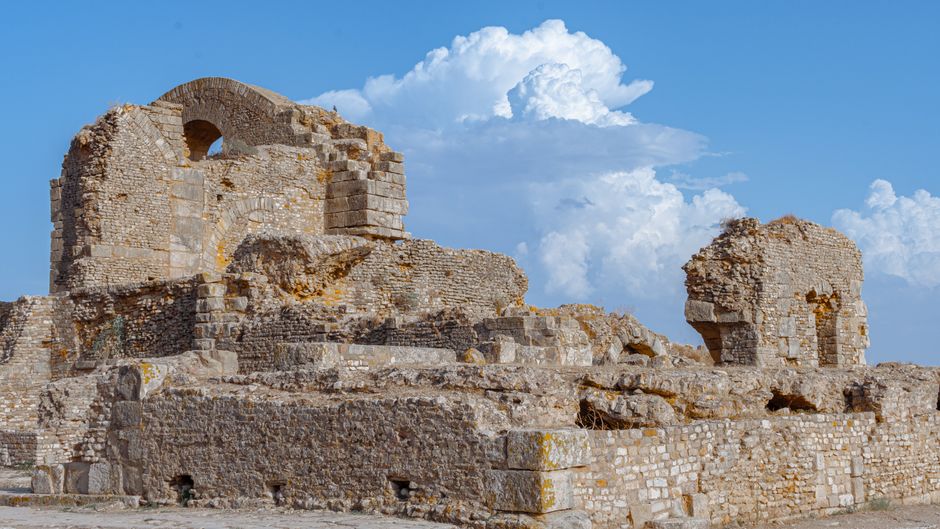
Aurel Vlaicu Park — The city's green lung, this large park is perfect for a leisurely stroll or a picnic. It features walking paths, playgrounds, and a small lake. It's a local favorite, especially in the evenings. Free entry.
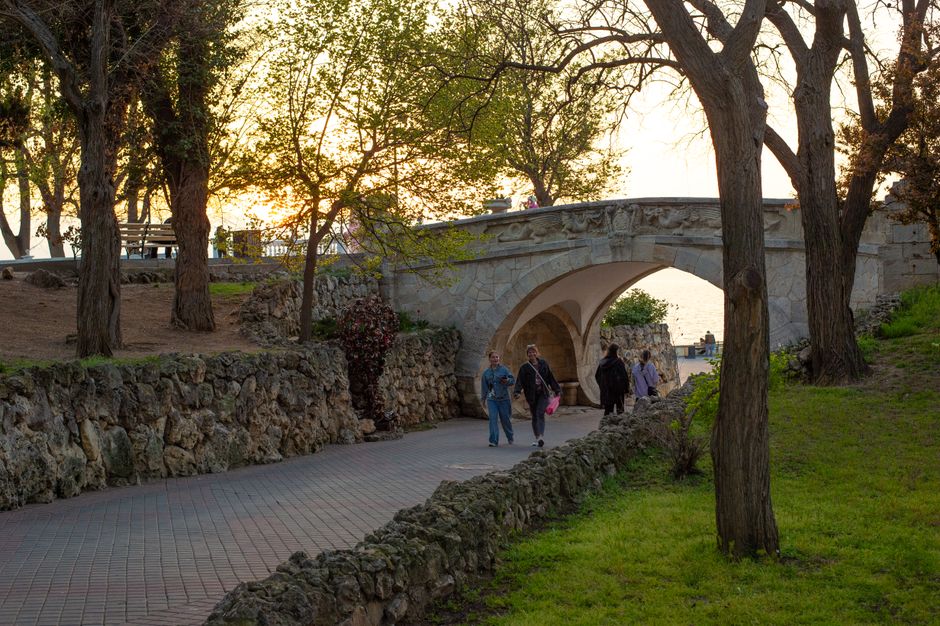
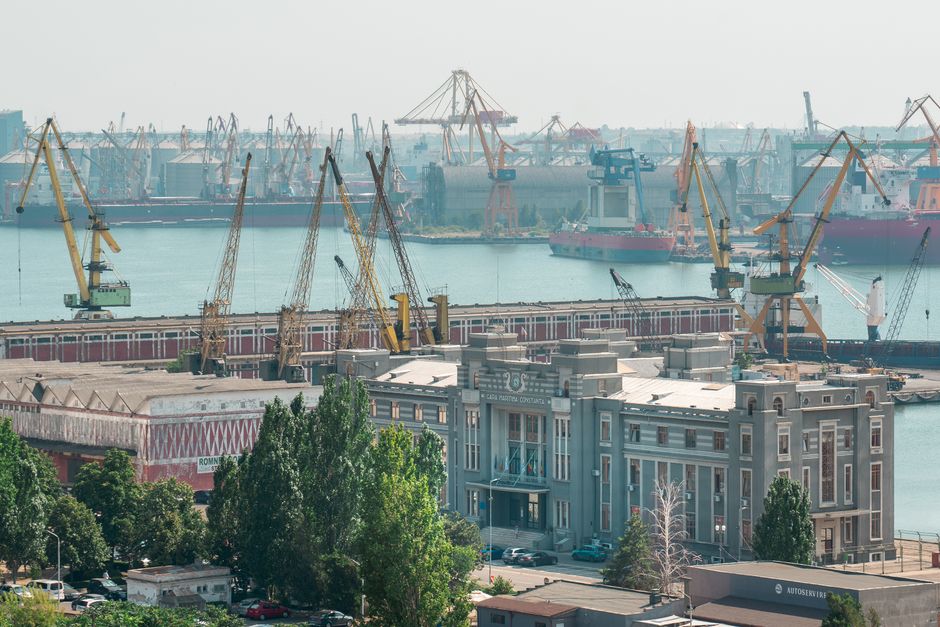
Port of Constanta — A working port, not a tourist attraction, but walking along the harborfront is a unique experience. You'll see cargo ships, fishing boats, and cranes against the backdrop of the Black Sea. It's gritty, industrial, and fascinating. Free to walk.
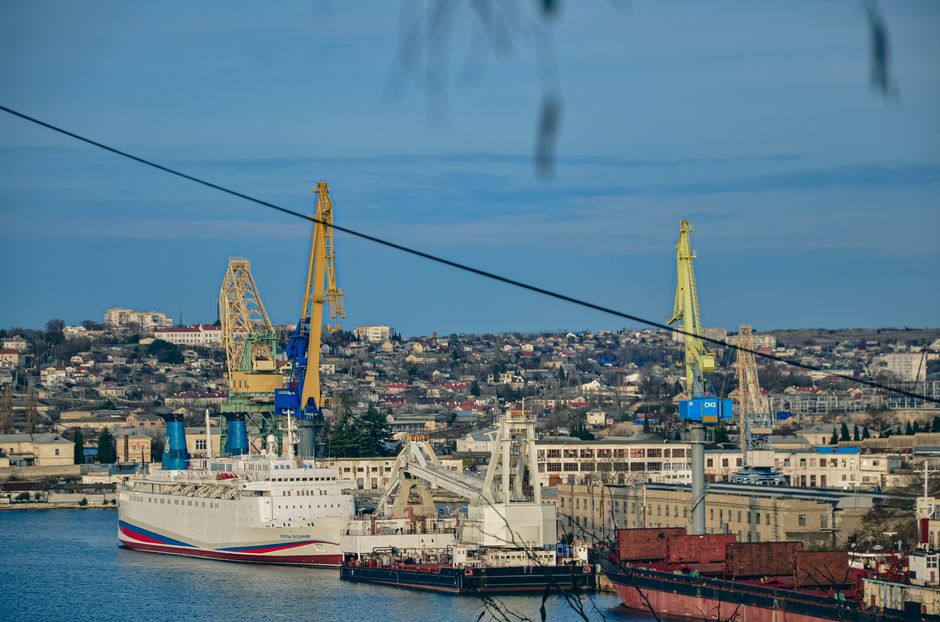
Constanta Lighthouse — Located on the southern breakwater, this lighthouse has guided ships since the 19th century. You can walk out to the end of the breakwater for great views of the port and the sea. Free entry.
What to Eat & Drink
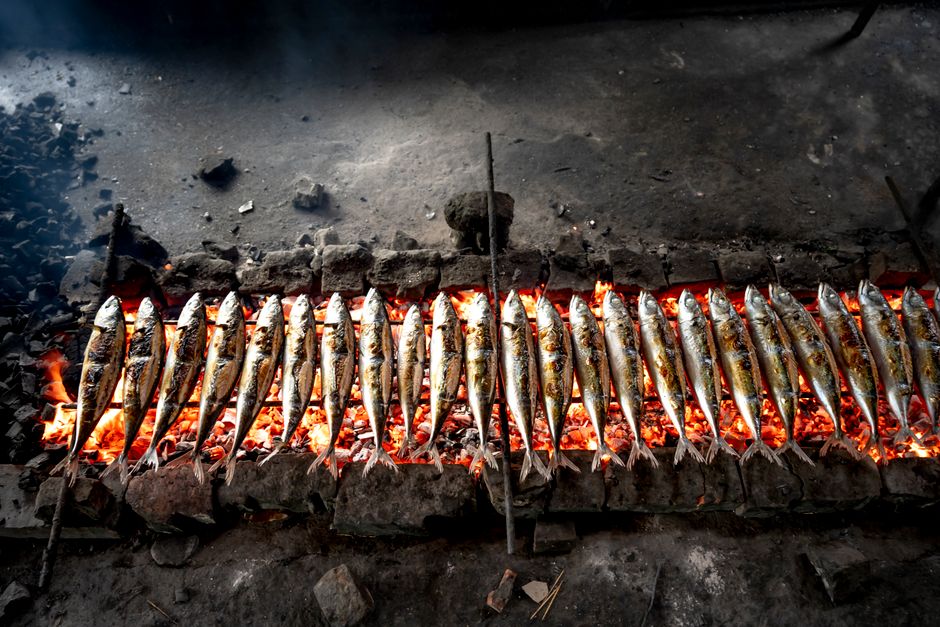
Constanta's cuisine is a mix of traditional Romanian and Black Sea influences. Fresh fish is a must-try, especially grilled sardines (5-8 EUR) and cod (10-15 EUR). For meat lovers, mititei (grilled minced meat rolls) are a local favorite (3-5 EUR). Don't leave without trying sarmale (cabbage rolls) (6-10 EUR), a Romanian staple. Street food options like plăcinte (savory pastries) are cheap and delicious (1-2 EUR).
Budget breakdown: Street food/take-away meals will cost you 2-5 EUR. A sit-down meal at a local restaurant is 8-15 EUR per person. Mid-range restaurants with a view or higher quality ingredients range from 15-25 EUR per person. The Old Town area has many restaurants and cafes, and the Harbor Street is known for its fish restaurants. For budget travelers, the Constanta Central Market offers fresh produce and prepared foods.
Nightlife
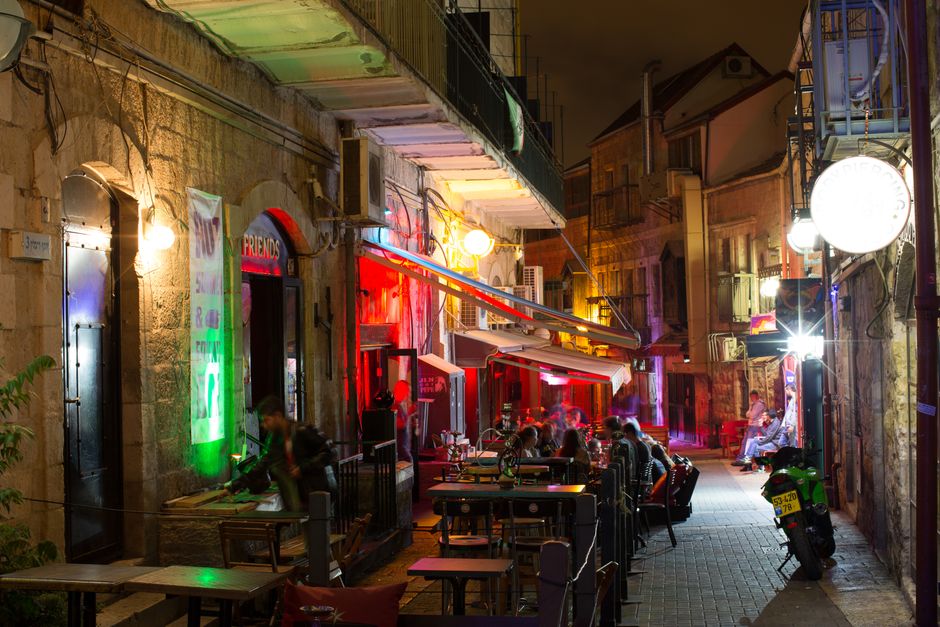
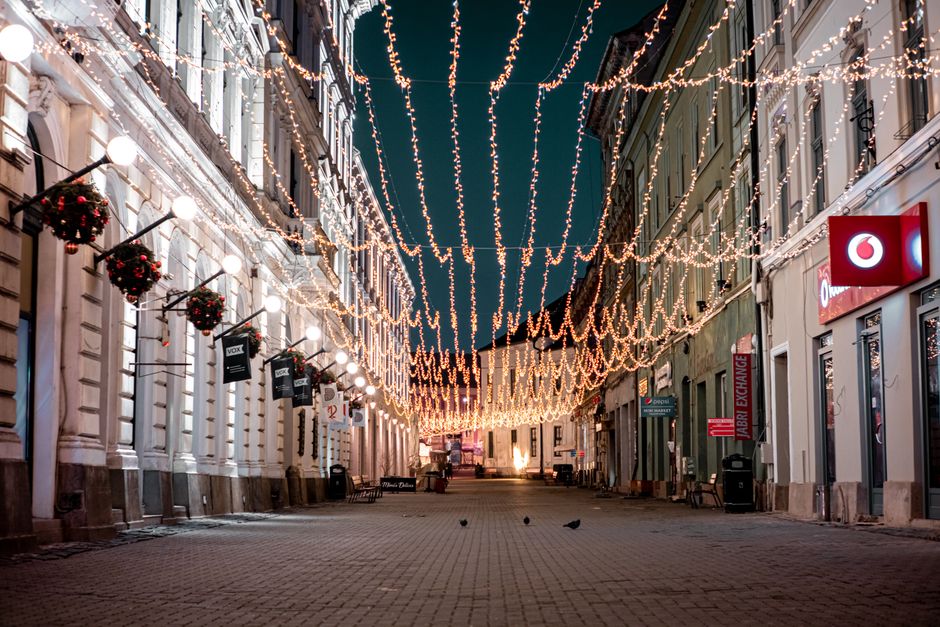
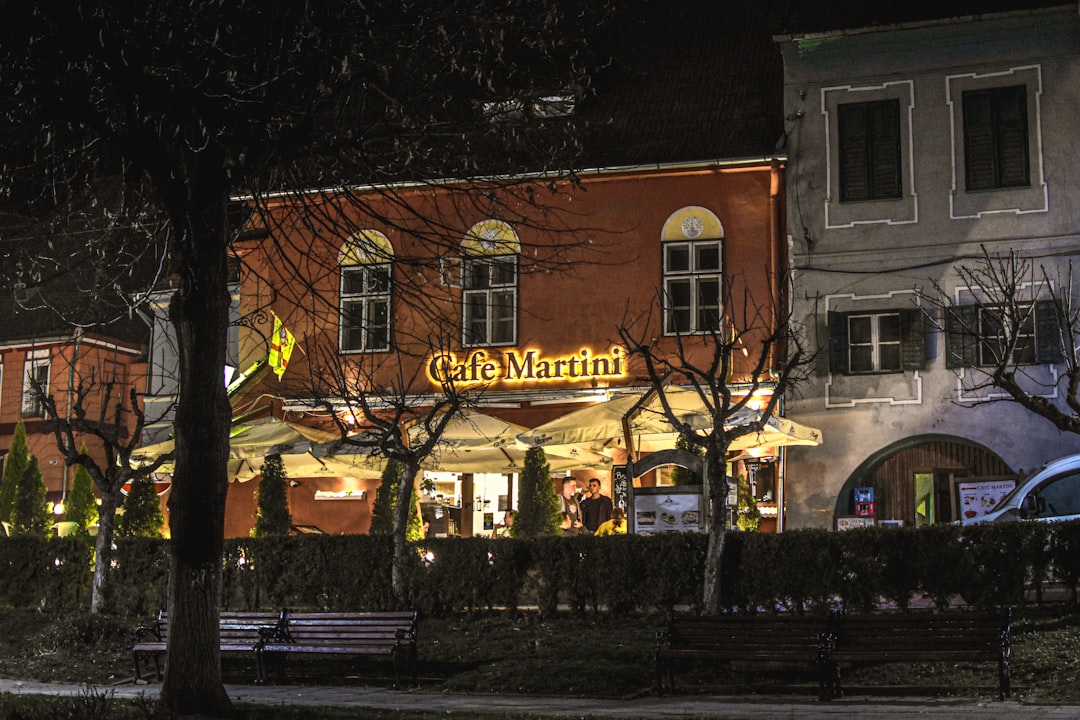
Constanta's nightlife is concentrated around the Old Town and the Harbor Area. The Strada Sfatul Țării is the main street for bars and clubs. Barca de Fier is a popular spot with a relaxed atmosphere and live music. Club Arena is a larger venue with DJs and dancing. Cover charges vary, but expect to pay 5-10 EUR for drinks. The nightlife scene is lively, especially on weekends, with a mix of locals and tourists.
Getting There & What to Expect
The nearest airport is Constanta Airport, with limited international flights. Most travelers fly into Bucharest and take a bus or train to Constanta. The bus journey takes about 5-6 hours and costs 15-20 EUR. The train is cheaper (10-15 EUR) but takes longer (6-7 hours). You can also rent a car in Bucharest and drive to Constanta, which takes about 4-5 hours.
Accommodation in Constanta ranges from budget hostels (15-25 EUR/night) to mid-range hotels (40-70 EUR/night). The best time to visit is from June to September, when the weather is warm and the beaches are lively. However, July and August can be crowded. Spring and early autumn offer milder temperatures and fewer tourists.
Search accommodation in Constanta on Booking.com →
The Final Wave
As the sun dipped below the horizon, painting the sky in shades of orange and purple, I found myself back at the beach. The seagull had won the sandwich. The fisherman had gone home. The city lights began to twinkle, reflecting off the darkening water. Constanta isn't perfect. It's loud, it's messy, it's real. But that's what makes it special. It's a city that doesn't try to be anything other than what it is. And in a world of polished, sanitized tourist destinations, that's a rare and refreshing thing. I left with sand in my shoes, salt on my skin, and a story to tell. That's all you really need.
Comments