


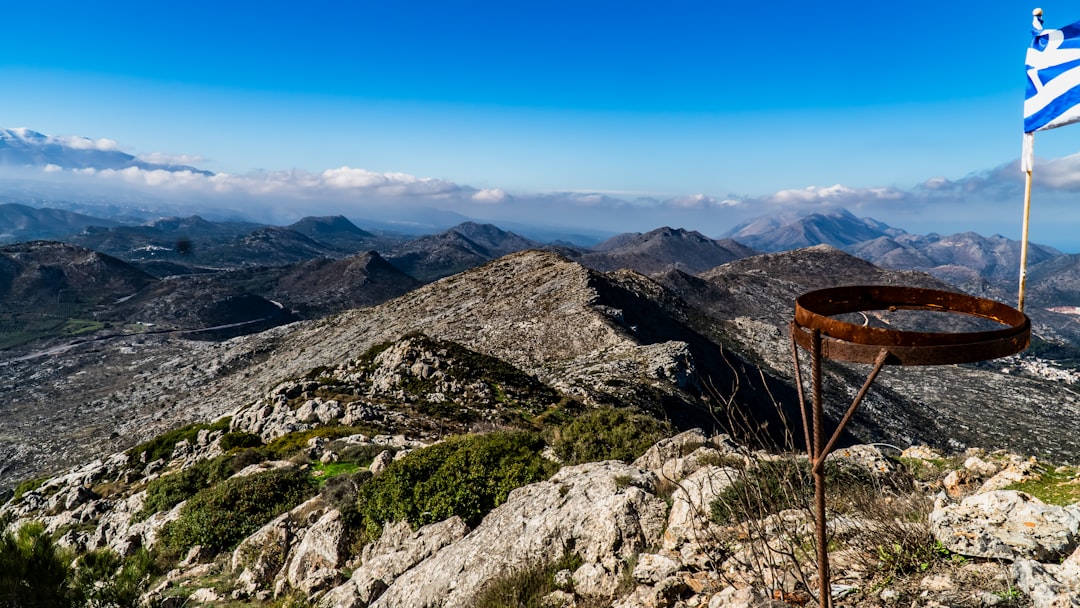
The coffee in Litochoro tastes like burnt rubber and hope, a thick, dark sludge served in tiny plastic cups by a guy named Dimitris who hasn’t smiled since the 1990s. I’m sitting on a plastic stool outside his kafeneio, watching the mist cling to the jagged teeth of the Mount Olympus range across the valley. My knees are already throbbing. I haven’t even started yet. This isn’t a leisurely stroll through a park. This is a vertical assault on a mountain that has haunted Greek mythology for three thousand years, a place where Zeus supposedly threw lightning bolts and Hera threw tantrums. The air is cold, sharp with the scent of pine and damp earth. I adjust the straps on my pack, feeling the weight of the gear, the water, the ego. Everyone wants to reach the top. Few actually do. The mountain doesn’t care about your Instagram followers. It only cares if you respect the rock.
The locals here treat Olympus with a mix of reverence and exhaustion. To them, it’s not just a postcard; it’s a daily presence, a brooding giant that dictates the weather, the tourism season, and the mood of the entire region. I’ve spent the last three days acclimatizing, eating too much moussaka, and listening to hikers swap war stories about the Mytikas Peak route. Some say it’s a scramble for the fit and agile. Others say it’s a death trap for the unprepared. The truth, as usual, is somewhere in the middle, buried under layers of granite and thin air. I’m here to find out if the myths hold up against the reality of blisters, exhaustion, and the sheer, unadulterated grit required to stand at the highest point in Greece.
The Myth and the Rock
Mount Olympus isn’t just a mountain; it’s a cultural anchor. In Greek mythology, it was the dwelling place of the twelve Olympian gods, a realm separate from the mortal world below. The peaks were their thrones, the caves their sanctuaries. Today, the mythology bleeds into the landscape. You don’t just hike a trail; you walk through a narrative that has shaped Greek identity for millennia. The mountain rises abruptly from the plains of Thessaly, a dramatic, almost impossible geological event. It’s a massif of limestone and marble, fractured by glaciers in the Ice Age, leaving behind sharp ridges, deep gorges, and high-altitude plateaus that feel otherworldly.
The history of climbing Olympus is as old as the myths. Ancient Greeks made pilgrimages to the mountain, seeking oracles and divine inspiration. In the 20th century, it became a symbol of Greek resistance and national pride. During the Axis occupation in World War II, the mountain became a base for the ELAS guerrillas, who used its rugged terrain to evade capture. Today, it’s a protected national park, a sanctuary for rare flora and fauna, including the endangered Olympus viper and the Balkan chamois. But beneath the ecological and historical layers, it remains a physical challenge. The routes are not marked by gentle switchbacks but by exposed ridges, steep scrambles, and unpredictable weather. The mountain demands respect, not just reverence.
The climate here is volatile. One moment, you’re basking in Mediterranean sunshine; the next, you’re battling sleet and high winds. The temperature drops significantly as you ascend, and the weather can change in minutes. This volatility is part of the mountain’s character. It’s not a passive backdrop; it’s an active participant in your journey. The gods may have left, but their spirit remains in the wind, the rock, and the silence that falls over the peaks at dawn.
The Routes to the Top
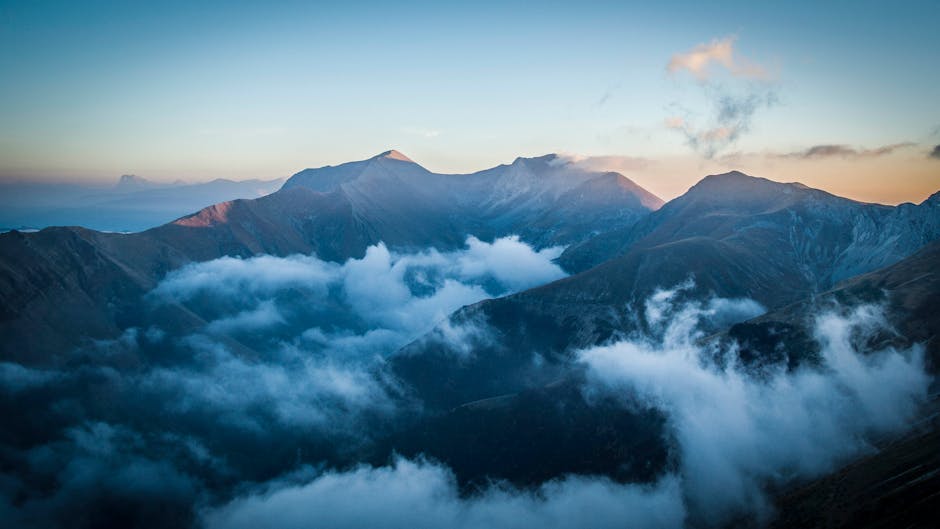
There are several ways to ascend Mount Olympus, but the most popular and most challenging route starts from the Spilios Agapitos Hut. This hut, perched at 2,600 meters, is the gateway to the higher peaks. The route to Mytikas, the highest point at 2,917 meters, involves a mix of hiking and scrambling. The path is well-trodden but exposed, with sections that require careful footing and, in some cases, the use of hands to maintain balance. The final ascent to Mytikas is a steep, rocky scramble that tests both physical endurance and mental fortitude. It’s not a technical climb, but it’s not for the faint-hearted.
An alternative route starts from the Prionia Plateau, a vast, grassy expanse that serves as the main base for many hikers. This route is longer and involves more elevation gain, but it offers a more gradual approach to the higher altitudes. The Prionia Plateau is also home to several huts, including the Spilios Agapitos Hut and the smaller, more rustic Araxos Hut. This route is preferred by those who want to spread the ascent over two or three days, allowing for better acclimatization and more time to explore the plateau’s flora and fauna. The views from the plateau are spectacular, with panoramic vistas of the surrounding peaks and valleys.
For those seeking a less crowded experience, the route from the Stefani Plateau offers a different perspective. This plateau is located on the eastern side of the mountain, closer to the town of Litochoro. The ascent from Stefani is steeper and more direct, but it offers fewer facilities and fewer fellow hikers. This route is best suited for experienced mountaineers who are comfortable navigating exposed terrain and changing weather conditions. The final push to the summit is intense, with a series of rocky steps and narrow ridges that require focus and determination.
On the Ground: The Reality of the Ascent
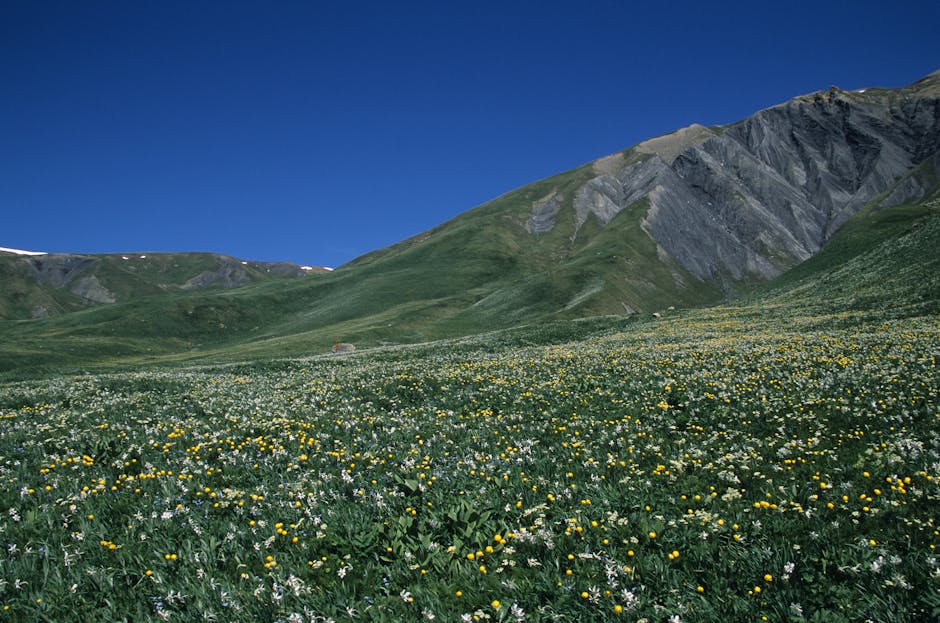
The reality of hiking Mount Olympus is a mix of awe and agony. The beauty of the landscape is undeniable. The alpine meadows of the Prionia Plateau are carpeted with wildflowers in the summer, a riot of color against the green grass. The views of the surrounding peaks are breathtaking, with jagged ridges and deep valleys stretching out to the horizon. But the physical toll is real. The air is thin, the terrain is rugged, and the weather is unpredictable. Every step is a battle against gravity and fatigue.
The huts on the mountain are basic but essential. The Spilios Agapitos Hut is the most popular, offering dormitory-style accommodation and simple meals. It’s a hub of activity, with hikers from around the world sharing stories and advice. The atmosphere is communal, a sense of camaraderie forged in the shared struggle of the ascent. The food is hearty, designed to provide the energy needed for the climb. Expect thick soups, pasta, and plenty of coffee. The nights are cold, even in summer, and the sound of wind howling around the hut is a constant reminder of the mountain’s power.
The other huts, like the Araxos Hut and the smaller shelters on the Stefani Plateau, are more rustic. They offer fewer amenities but a greater sense of solitude. These are places for reflection, for sitting quietly and watching the clouds roll over the peaks. The simplicity of the huts is part of their charm. They strip away the comforts of modern life, forcing you to focus on the essentials: food, shelter, and the climb itself.
Getting There & What to Expect
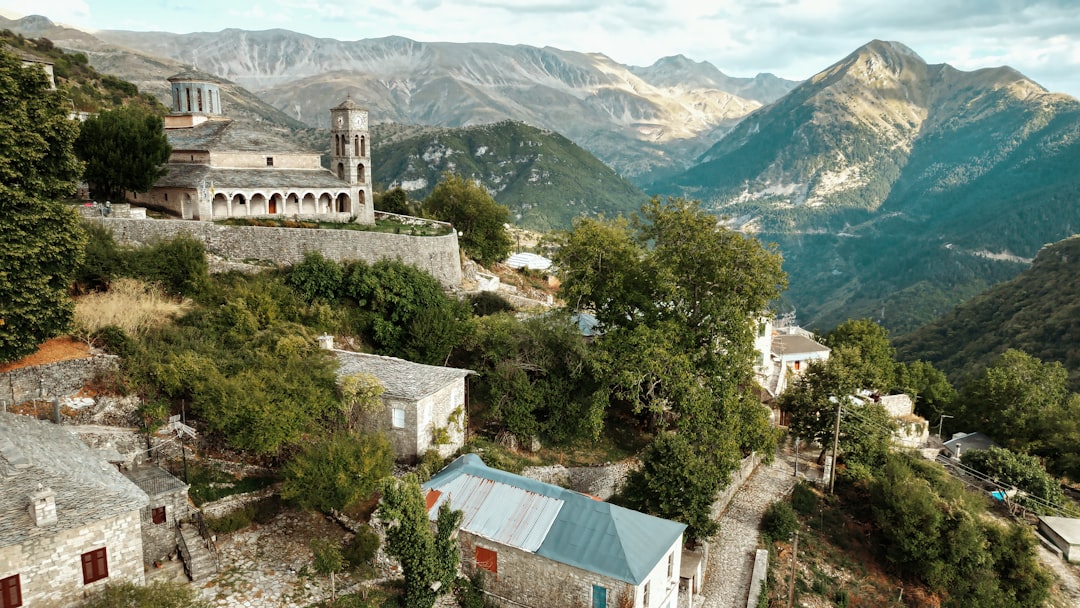
The nearest town to the mountain is Litochoro, a charming mountain village located at the foothills of Olympus. It’s the main gateway for hikers, offering accommodation, restaurants, and gear shops. From Litochoro, you can take a bus or a taxi to the Prionia Plateau or the Stefani Plateau. The bus ride is scenic, winding up the mountain roads with views of the valley below. The journey takes about an hour, depending on the destination. Taxis are more expensive but offer more flexibility, especially for those traveling in groups.
Accommodation in Litochoro ranges from budget hostels to mid-range hotels. A night in a hostel dormitory will cost you around 20-30 EUR, while a private room in a hotel can cost 50-80 EUR. On the mountain, the huts offer dormitory-style accommodation for 15-25 EUR per night, including breakfast and dinner. Meals at the huts are simple but filling, with prices ranging from 10-15 EUR per meal. It’s important to book your hut accommodation in advance, especially during the peak season from June to September.
The best time to hike Mount Olympus is from June to September, when the weather is warm and the trails are clear. July and August are the busiest months, with long queues for the huts and crowded trails. June and September offer a better balance of good weather and fewer crowds. The mountain can be climbed in other months, but the conditions are more challenging, with snow and ice possible even in late spring and early autumn. Proper gear, including waterproof clothing, sturdy hiking boots, and a warm jacket, is essential year-round.
Children under the age of 12 are not recommended for the summit routes due to the physical demands and exposure. However, the lower trails on the Prionia Plateau are suitable for families, offering gentle walks and beautiful views without the intensity of the higher peaks. The mountain is a place for all ages, but the summit is a goal for the fit and prepared.
Search accommodation in Litochoro on Booking.com →
The Descent: What Remains
Reaching the top of Mytikas is a surreal experience. The world falls away beneath you, a patchwork of green valleys and blue sea stretching to the horizon. The wind is fierce, whipping around the peak, and the air is thin, making every breath a conscious effort. But for a moment, you feel invincible. You are standing at the highest point in Greece, a place that has inspired poets, philosophers, and gods. It’s a feeling of pure, unadulterated triumph. But the descent is where the real test begins. Your legs are tired, your mind is foggy, and the mountain is still there, waiting to reclaim you.
As you make your way back down, the perspective shifts. The challenges that seemed insurmountable on the ascent feel manageable in reverse. The rocky scrambles become easy steps, the steep inclines become gentle slopes. But the mountain leaves its mark. You walk differently, with a slight limp, a reminder of the effort required to conquer it. Your skin is weathered, your eyes are sunburned, and your soul is somehow lighter. You’ve touched the realm of the gods, not through prayer or pilgrimage, but through sweat and determination. And when you return to Litochoro, to the burnt coffee and the plastic stools, you’ll understand why the Greeks never stopped believing in Olympus. It’s not just a mountain. It’s a mirror. It shows you what you’re made of.
Comments