


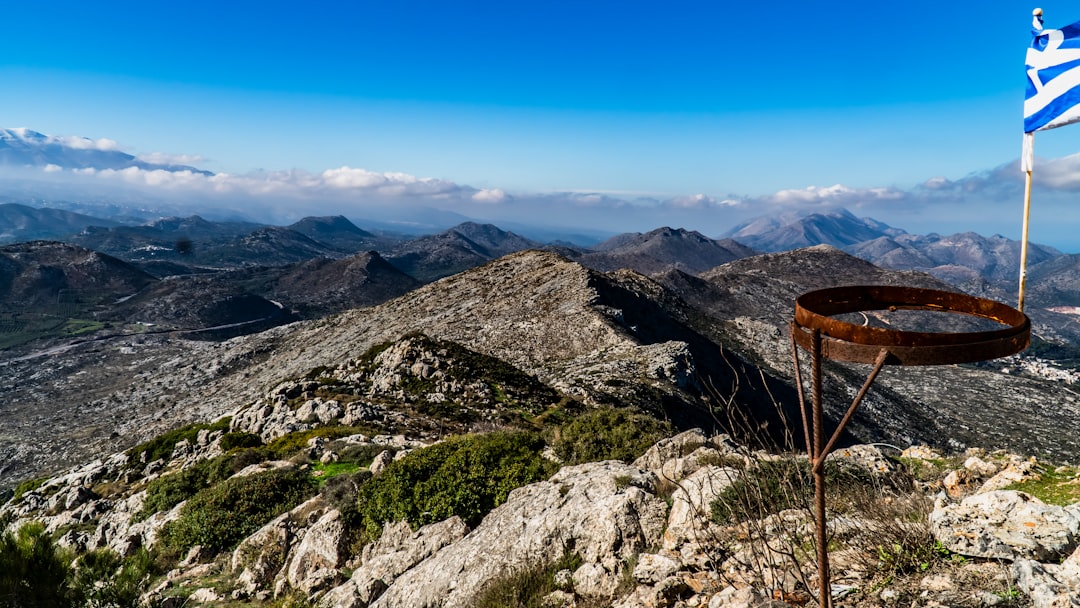
The air up here doesn't just smell thin; it smells like old stone and ozone. I’m sitting on a jagged outcrop of granite, my lungs burning in a way that feels less like exercise and more like punishment, staring down at the clouds that used to be above me. My legs are trembling, not from fear, but from the sheer, stupid ambition of trying to put boots on the roof of Greece. This isn't a hike for the Instagram crowd looking for a quick selfie with a view. This is Mount Olympus, the mythical dwelling of the Greek gods, and it bites back. The locals in the valley below treat this mountain with a mix of reverence and wariness, and after six hours of scrambling over loose scree in the biting wind, I finally understand why.
There is no grand staircase to paradise here. There is only the raw, unfiltered geology of the Balkan peninsula, thrust upward by tectonic violence and draped in centuries of myth. I came here to find Zeus, but I mostly found myself questioning every life choice that led to this moment. The wind howls through the Enipeas Gorge, carrying the scent of wild thyme and damp earth, a stark contrast to the dry, sterile air of the cities I left behind. This is the real deal, the kind of outdoor experience that strips away the pretenses of modern travel and leaves you with nothing but your own two feet and the relentless gravity of the peaks above.
The Myth and the Mountain
Mount Olympus isn't just a geological feature; it's a psychological landmark for the entire region. Rising to 2,917 meters at Mytikas, the highest peak, it dominates the skyline of northern Greece with an almost arrogant presence. For millennia, it has been the backdrop for Greek mythology, the place where the Olympian gods held court, drank nectar, and caused chaos among mortals. But strip away the myths, and you're left with one of the most biodiverse and geologically complex mountains in the Balkans.
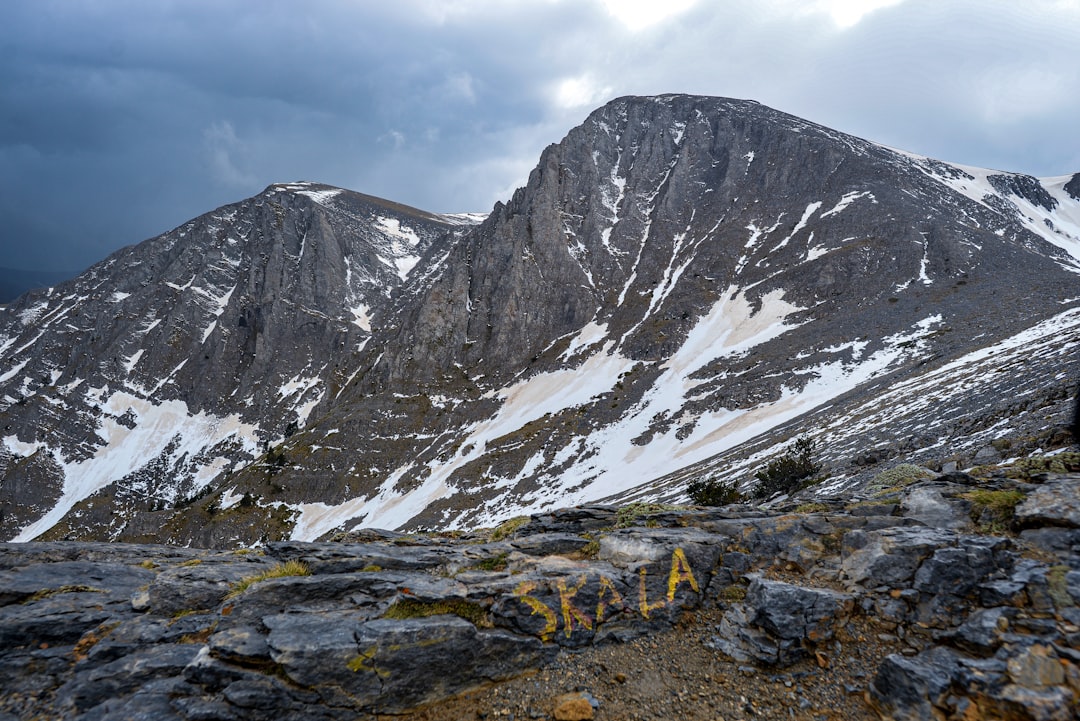
The mountain is a labyrinth of peaks, gorges, and glacial lakes. The geology is a chaotic mix of limestone, marble, and granite, creating a landscape that is as beautiful as it is treacherous. The weather here is notoriously unpredictable. I arrived on a day that promised sunshine, only to be met with a sudden squall that turned the trails into slick, muddy slides. This is the reality of high-altitude hiking in the Balkans: the mountain is the boss, and it doesn't care about your itinerary.
Despite its mythological reputation, Olympus is surprisingly accessible to determined hikers. The infrastructure is minimal but functional, with a network of mountain huts and marked trails that have been in use for decades. The Spilios Agapitos refuge, named after the first recorded climber of Mytikas in 1913, serves as the main base camp for most summit attempts. It's a simple, no-frills structure that smells of woodsmoke and damp wool, a stark reminder of the human effort required to conquer this peak.
The Ascent: A Test of Will
The most common route to the summit starts from the Prionia ski resort in the south. The trail begins with a steady climb through pine forests, the air thick with the scent of resin. As you ascend, the trees thin out, giving way to alpine meadows dotted with wildflowers in the summer months. The path is well-marked, but the terrain becomes increasingly rugged as you approach the tree line. The last kilometer to Mytikas is a serious scramble, requiring the use of hands and feet, and a head for heights.
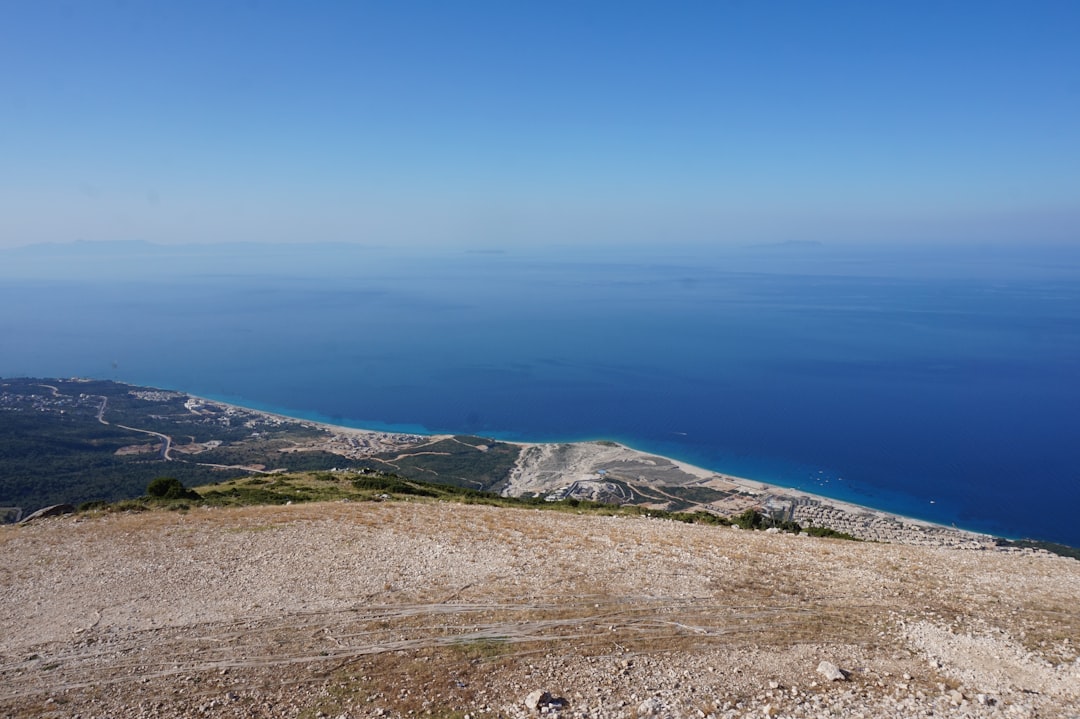
One of the most striking features of the ascent is the Platamon Castle, which sits on a lower ridge overlooking the coast. While not directly on the hiking route, its presence is a constant reminder of the strategic importance of this region throughout history. The castle, a medieval fortress, offers a stark contrast to the natural beauty of the mountain, a symbol of human conflict against the backdrop of divine myth. From the higher elevations, you can see the castle perched on its cliff, a tiny speck against the vastness of the Aegean Sea.
The weather changes rapidly on Olympus. One minute you're basking in the sun, the next you're shivering in a sudden downpour. The wind can reach gale force speeds, making the final approach to the summit feel like a battle against the elements. I saw a group of hikers turn back just a few hundred meters from the top, unable to withstand the conditions. It's a humbling reminder that respect for the mountain is essential. There's no glory in pushing beyond your limits, only danger.
Wildlife and Flora
Beneath the rocky peaks, Olympus is a sanctuary for some of Europe's rarest wildlife. The mountain is home to the Balkan chamois, a sure-footed goat-antelope that navigates the steep slopes with ease. I was lucky enough to spot a small herd grazing on a distant ridge, their brown coats blending seamlessly with the rocks. They are a symbol of the mountain's resilience, adapted to survive in one of the harshest environments in the region.
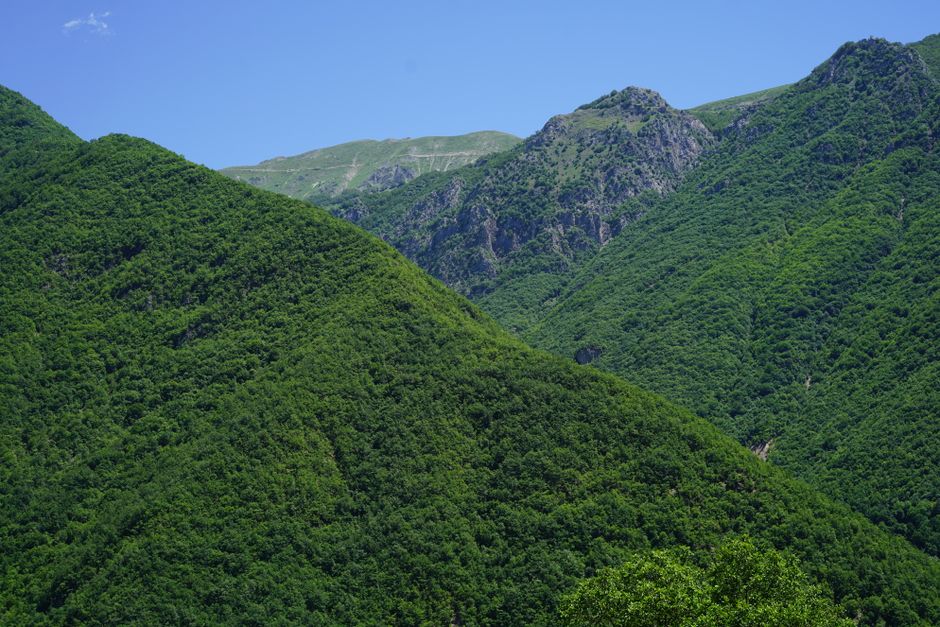
The flora is equally impressive. The lower slopes are covered in dense forests of black pine, oak, and beech. As you climb higher, the vegetation changes to alpine meadows and scrub. In the spring and summer, the mountain is a riot of color, with wildflowers such as edelweiss, gentian, and orchids blooming in the rocky crevices. The biodiversity is a testament to the mountain's varied microclimates and altitudes, creating a unique ecosystem that supports a wide range of plant and animal life.
However, this delicate ecosystem is under threat. Climate change, overgrazing, and tourism are putting pressure on the mountain's natural resources. The trails are well-trodden, and litter is a growing problem. It's crucial for hikers to practice Leave No Trace principles, taking all their trash with them and staying on the marked paths. The beauty of Olympus is fragile, and it's up to us to protect it for future generations.
Routes & Trail Info
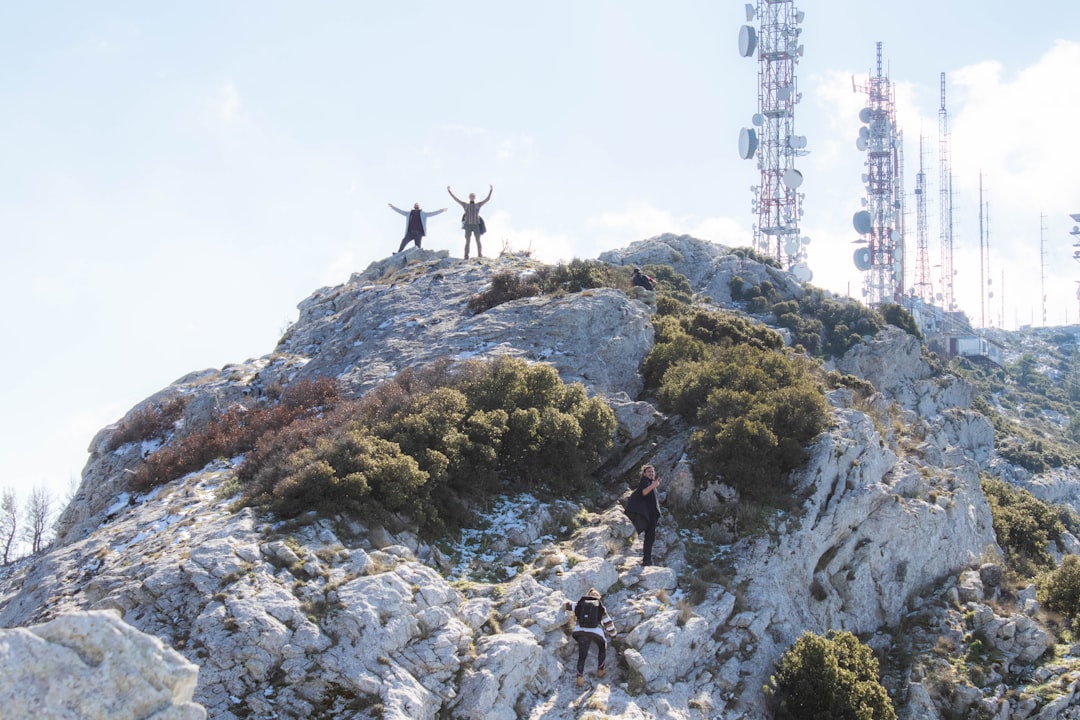
The standard route to the summit of Mytikas is a challenging but achievable day hike for experienced hikers. The trail starts at the Prionia ski resort, at an elevation of 1,200 meters. From there, it climbs steadily through the forest, passing the Spilios Agapitos refuge at 2,300 meters. The final ascent to the summit involves a scramble over loose rock and a steep ridge. The total distance is approximately 14 kilometers round trip, with an elevation gain of 1,700 meters. The hike takes between 8 and 10 hours, depending on your fitness level and the weather conditions.
For those looking for a less strenuous option, there are several shorter trails that offer stunning views without the commitment of a full summit attempt. The trail to the Skolio peak, at 2,637 meters, is a good alternative, offering panoramic views of the surrounding area with less technical difficulty. There are also several day hikes in the Vikos Gorge, a nearby UNESCO Global Geopark, that offer a different perspective on the region's natural beauty.
Regardless of the route you choose, proper preparation is essential. Wear sturdy hiking boots with good grip, bring plenty of water and high-energy snacks, and dress in layers to cope with the changing weather. A map and compass are essential, as the trails can be difficult to follow in poor visibility. If you're not an experienced hiker, consider hiring a local guide who knows the mountain well. The safety of your hike depends on your preparation and respect for the environment.
Getting There & What to Expect
The nearest town to the mountain is Litochoro, a small village at the foot of Olympus. It's a popular base for hikers, with a range of accommodation options from budget hostels to mid-range hotels. The town is well-connected by bus to Thessaloniki, the second-largest city in Greece, which has an international airport and good transport links to the rest of Europe. The bus journey from Thessaloniki to Litochoro takes about two hours and costs around 8 EUR.
Once in Litochoro, you can take a local bus or taxi to the Prionia ski resort, the starting point for most hikes. The taxi ride costs around 15-20 EUR and takes about 30 minutes. Alternatively, you can hike up from Litochoro, but this adds several hours to the hike and is not recommended for most people. The mountain huts offer basic accommodation, with dormitory beds costing around 25-35 EUR per night. Meals are available at the huts, but it's best to bring your own food and water.
The best time to hike Olympus is from June to September, when the weather is generally stable and the trails are free of snow. However, this is also the busiest time, so expect crowds on the popular routes. If you prefer a more solitary experience, consider hiking in the shoulder seasons of May or October, but be prepared for colder temperatures and the possibility of rain or snow. Always check the weather forecast before setting out, and be prepared to turn back if conditions are unfavorable.
Search accommodation in Litochoro on Booking.com →
The God Complex
Standing on the summit of Mytikas, looking out over the clouds, I felt a strange sense of detachment. The world below seemed small and insignificant, a fleeting moment in the grand scheme of things. It was a humbling experience, one that reminded me of the power and beauty of the natural world. This isn't a mountain you conquer; it's a mountain that allows you to stand on it, briefly, before demanding you return to the earth. The gods may have ruled here once, but the mountain belongs to itself, wild and untamed, a force of nature that refuses to be tamed by human ambition. I left Olympus with blistered feet and a swollen ego, but also with a deeper respect for the raw, unfiltered power of the Balkan landscape.
Comments