


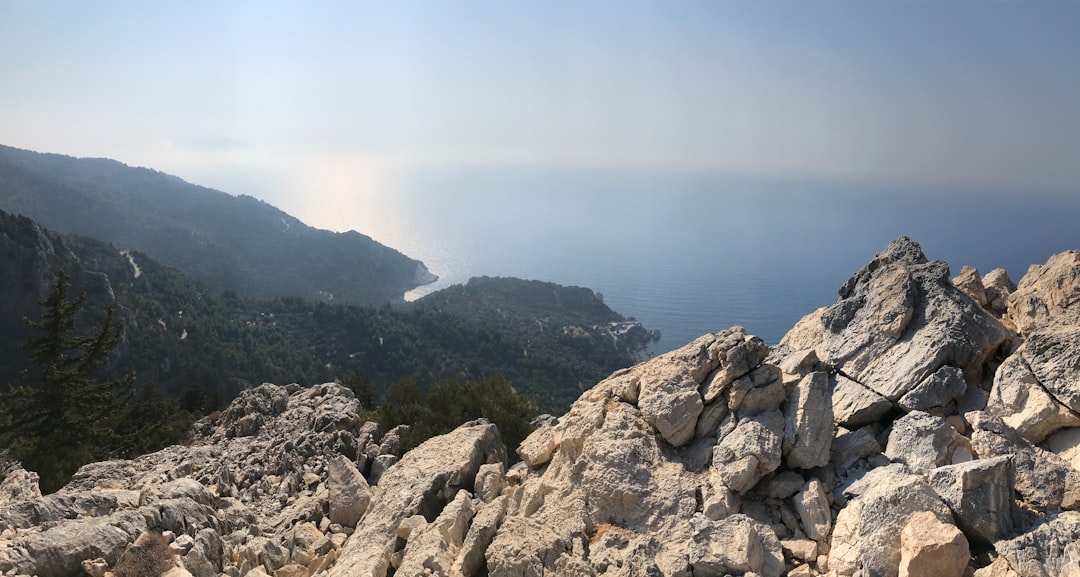
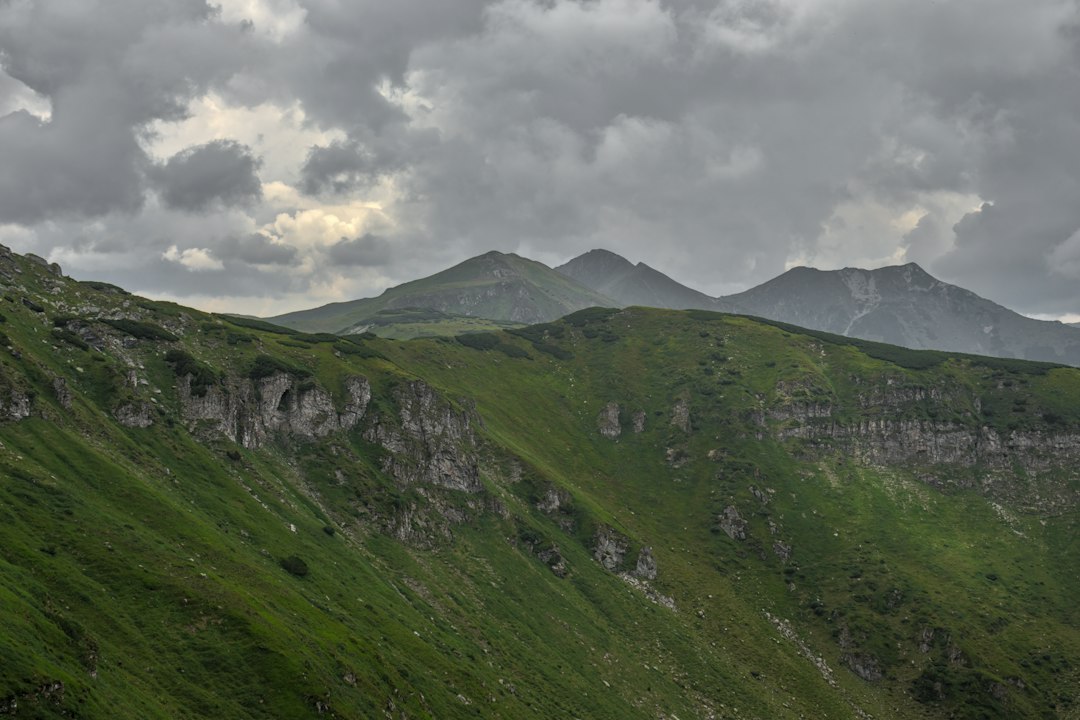
I didn't climb Mount Olympus to find Zeus. I climbed it because the bus driver in Larissa told me the fog would lift by noon, and I had a half-empty bottle of ouzo and a stubborn refusal to believe him. The air up here is thin, metallic, and smells of wet granite and pine resin. My lungs burned with every step, not just from the altitude, but from the sheer audacity of the terrain. This isn't a scenic stroll; it's a vertical assault on a landscape that looks like it was carved by angry giants. I slipped on loose scree, cursed in three languages, and watched a golden eagle ignore my existential crisis while circling the peak. This is the real Balkan high country: brutal, indifferent, and absolutely magnificent.
Most tourists take the cable car to Skolio and call it a day. They snap a selfie, complain about the wind, and head back down for a souvlaki. I wanted the summit. I wanted Mitsikas, the highest point in Greece at 2,917 meters. To get there, you have to leave the comfort of the tourist trail, navigate a maze of limestone ridges, and endure a night in a mountain hut that smells faintly of damp wool and old dreams. This is gonzo hiking in its purest form: no guide, no safety net, just you, your boots, and the ghosts of mythology echoing in the wind.
History & Identity
For millennia, Mount Olympus wasn't just a mountain; it was the address of the divine. According to Homer, the gods lived here in a palace made of bronze, silver, and gold, presided over by Zeus. The mythology is thick here, woven into every crag and cave. The Cave of the Winds is said to be where Aeolus kept the winds in bags, and the Plaka peak is where the gods held their council. But beyond the myths, this place has a gritty, human history. During the Greek Civil War, the mountain became a refuge for displaced families and soldiers. The rugged terrain provided cover, and the isolation offered a kind of freedom that the plains could not.
Today, the mountain is a protected national park, a sanctuary for biodiversity and a testing ground for hikers. The identity of Mount Olympus is dual: it is both a sacred relic of ancient Greece and a harsh, modern wilderness. The locals in the foothills, particularly in Litochoro, treat the mountain with a mix of reverence and practicality. They know the weather turns on a dime, that the rocks are slippery, and that respect is the only currency that matters up there. It’s a place where history isn’t just read in books; it’s felt in the chill of the wind and the silence of the peaks.
Where to Go
Platanos Trailhead — This is the primary starting point for most serious hikers. Located in the village of Andritsaina, the trailhead offers parking and basic facilities. The path begins gently, winding through beech and fir forests before steepening into rocky terrain. It’s the gateway to the upper slopes. Entry to the national park is free, but a small donation to the trail maintenance fund is appreciated. Start early to avoid crowds and secure parking.
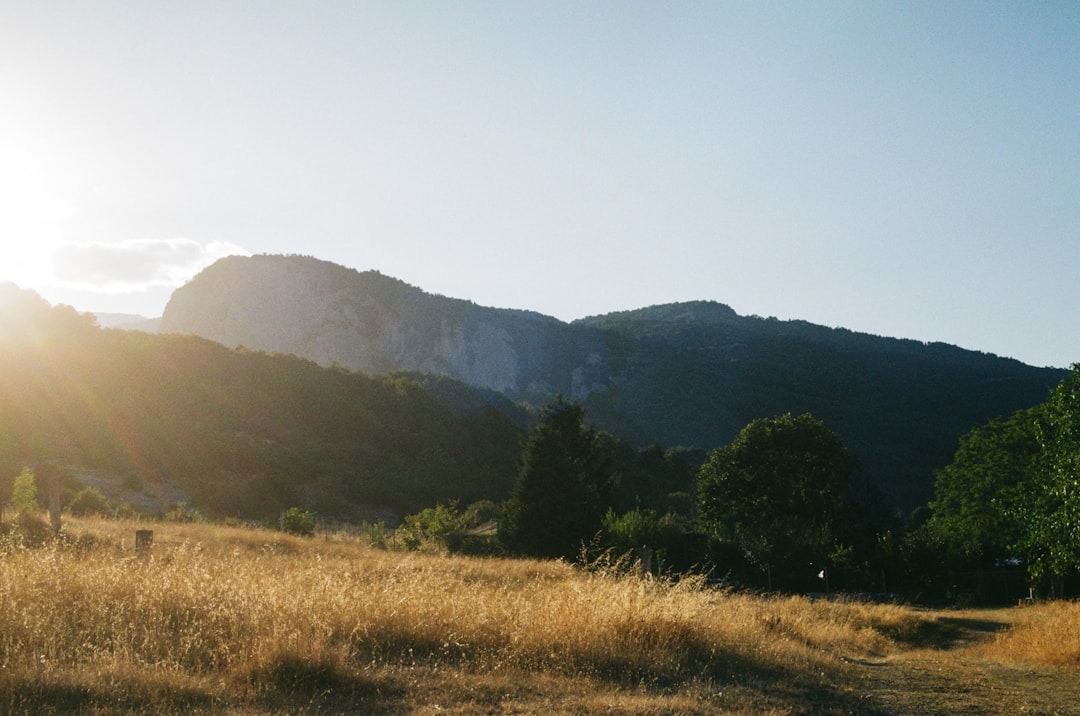
Skolio Cable Car Station — The cable car takes you to Skolio at 2,130 meters, saving hours of hiking. It’s a lifeline for those with limited time or mobility. From here, you can see the jagged peaks of the Olympus massif. The station has a small cafe and a viewing platform. It’s a busy spot, especially in summer, but the views are worth the queue. Tickets are 20-25 EUR round trip. Best visited in the late afternoon when the light hits the peaks.
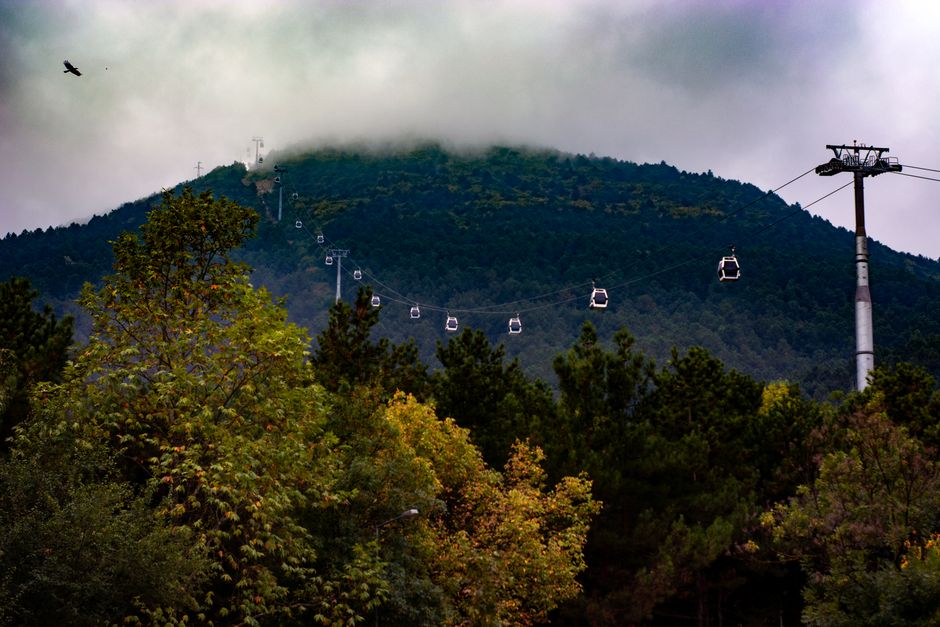
Spilios Agapitos Hut — Located at 2,600 meters, this is the highest mountain hut in Greece. It’s a crucial stop for overnight hikers aiming for the summit. The hut is basic: bunk beds, a communal kitchen, and a fireplace. It’s often full, so booking in advance is essential. The views from the hut are spectacular, especially at sunrise. Meals are available but pricey, so bring your own food if possible. It’s a place of rest and reflection before the final push.
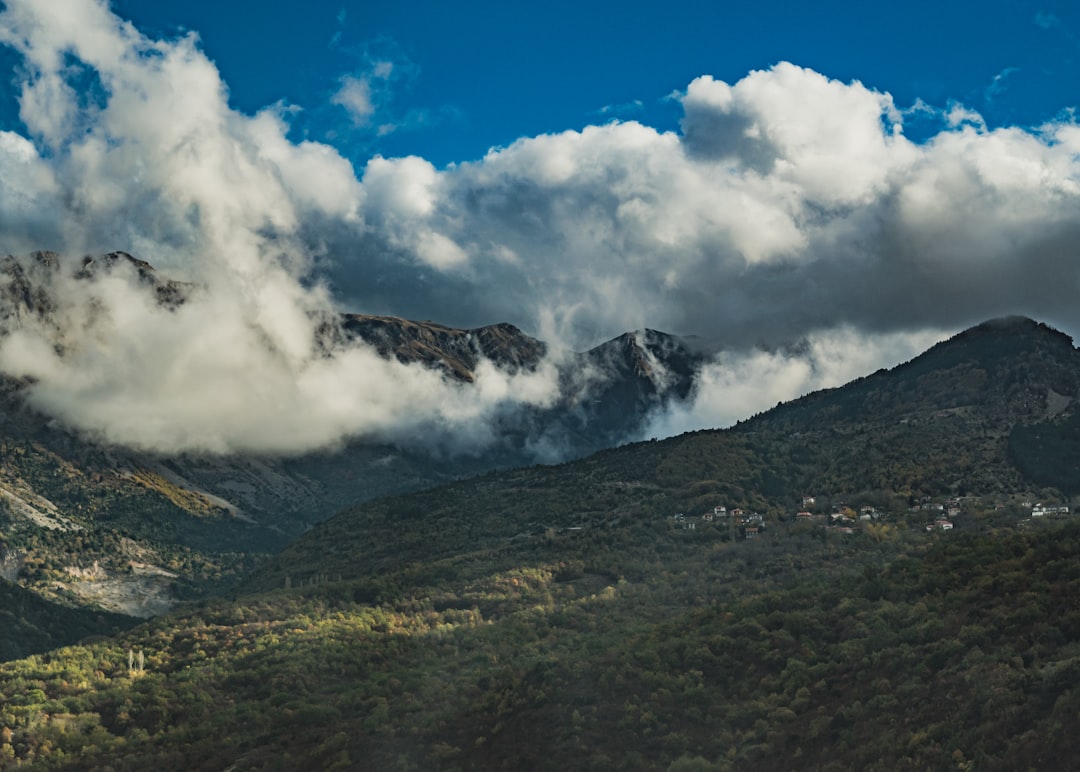
The Cave of the Winds — A short hike from the cable car station, this cave is a significant mythological site. Legend says Aeolus kept the winds here. The cave is dark and drafty, with a small entrance. It’s a quick detour but adds a touch of mystery to the hike. No entry fee, but wear sturdy shoes as the path can be uneven. It’s a good spot for a break and a photo op.
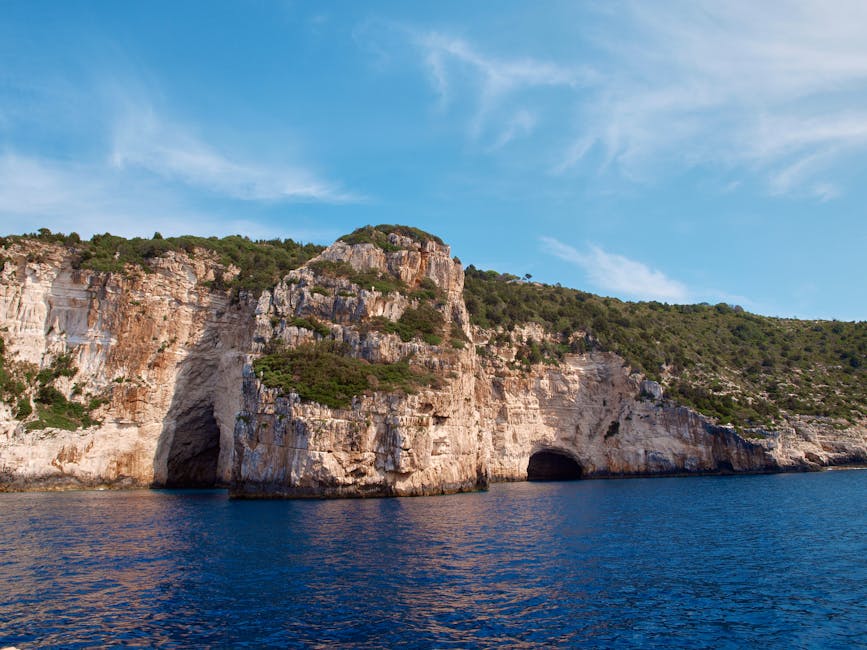
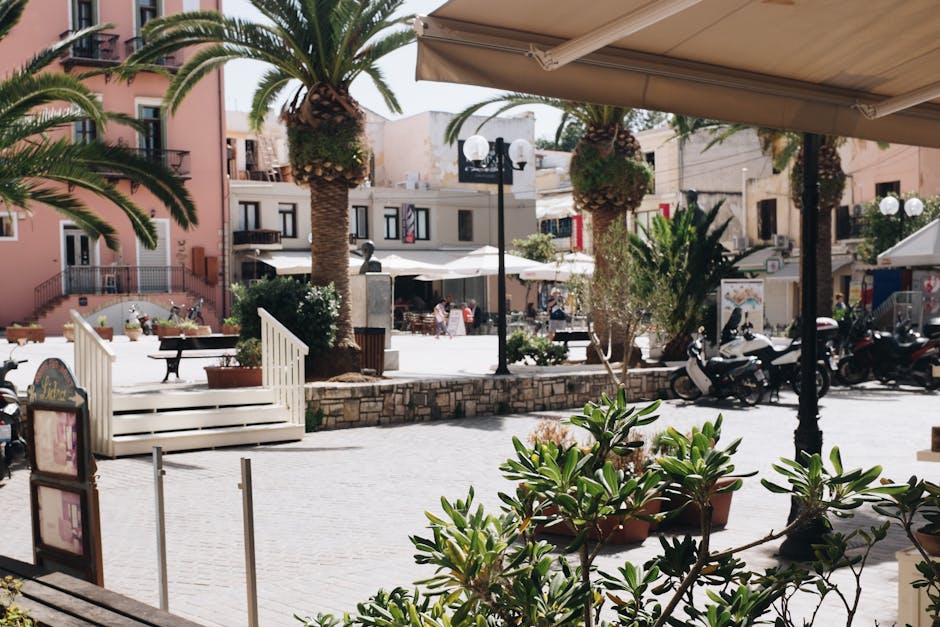
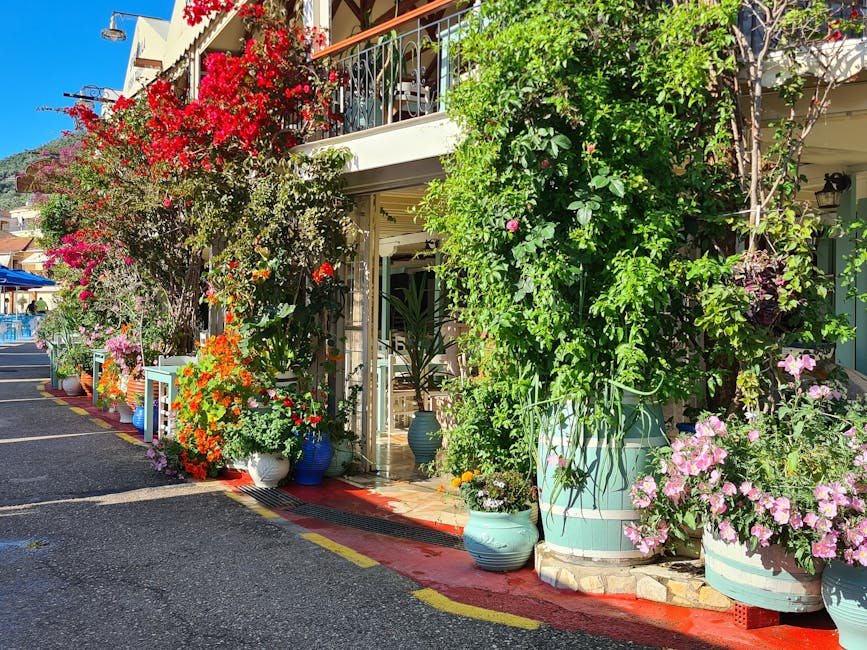
Litochoro Town Center — The gateway town to Mount Olympus. Litochoro is a lively hub with restaurants, shops, and hotels. It’s the perfect place to base yourself before or after the hike. The town has a relaxed atmosphere, with cafes spilling onto the streets. It’s a good place to stock up on supplies and meet other hikers. The main square is a central point for socializing and information.
What to Eat & Drink
Before you tackle the mountain, you need fuel. The local cuisine is hearty and designed for cold weather. Try keftedakia (meatballs) with potatoes — 8-10 EUR. Tsitsika, a creamy tomato-based soup with feta, is a local favorite — 6-8 EUR. Don’t miss the mountain cheese (otyri) from local goats — 5-7 EUR for a small portion. For drinks, ouzo is a must, especially in the evening. A glass costs 3-5 EUR.
Budget breakdown: Street food or a simple meal in Litochoro can be had for 10-15 EUR. A sit-down dinner at a traditional taverna is 20-30 EUR per person. Mid-range hotels and restaurants range from 30-50 EUR per meal. For budget travelers, the local market in Litochoro offers fresh produce and take-away options. The food scene here is authentic, not touristy. Eat like a local to sustain yourself for the climb.
Nightlife
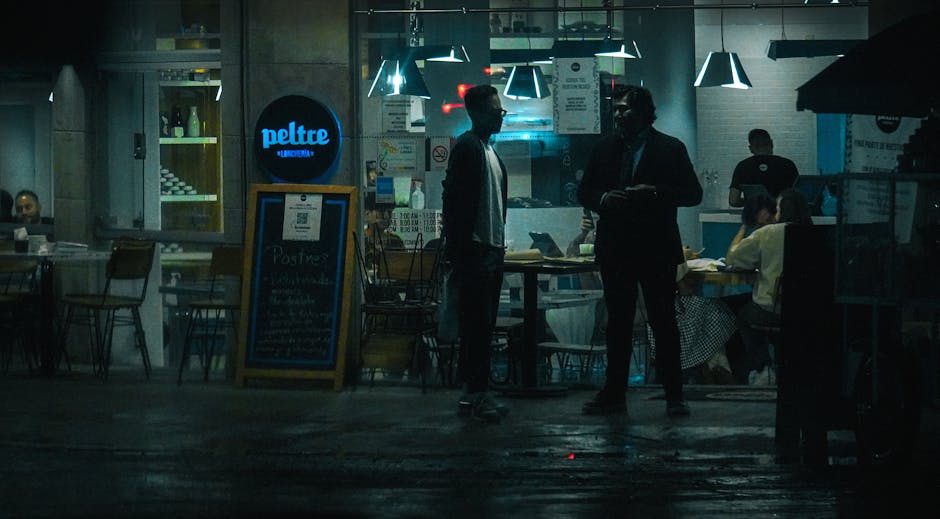
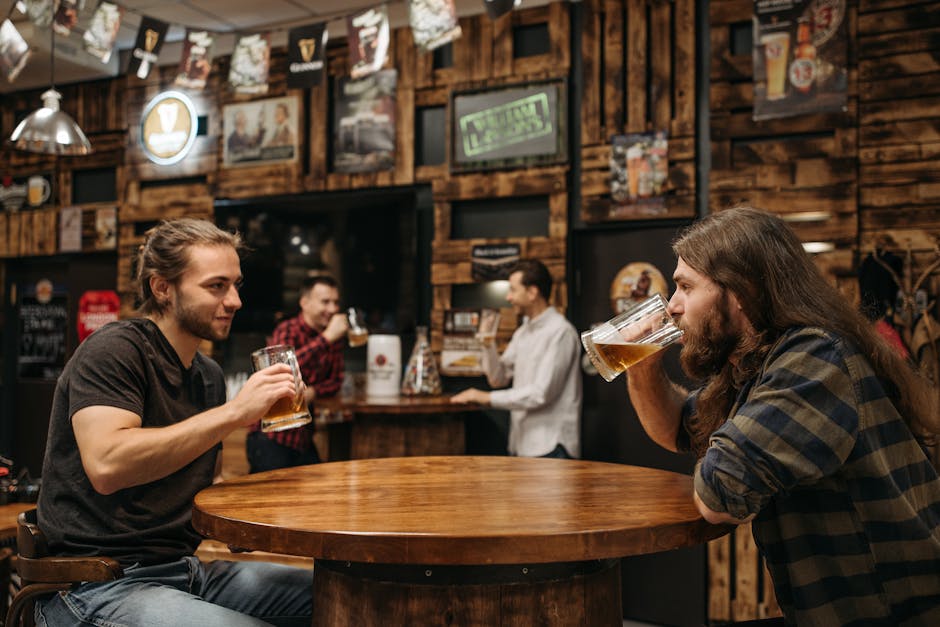
Litochoro isn’t a party town, but it has a lively evening scene. The main street, Koraiou, is lined with bars and cafes. Bar Z is popular with hikers and locals, offering live music and a relaxed vibe. Cafe Mountain is a good spot for coffee and pastries in the morning, and cocktails in the evening. The nightlife is low-key, focused on conversation and relaxation after a day on the mountain. Cover charges are rare, and drinks are affordable. It’s a place to unwind, not to rave.
Getting There & What to Expect
The nearest major city is Thessaloniki, about 100 km away. Buses run regularly from Thessaloniki to Litochoro, taking about 2 hours and costing 10-12 EUR. From Litochoro, local buses or taxis can take you to the trailheads. Renting a car is the most flexible option, costing 40-60 EUR per day. Accommodation in Litochoro ranges from budget hostels at 20-30 EUR/night to mid-range hotels at 50-80 EUR/night. The Spilios Agapitos Hut costs 30-40 EUR per night for a bunk.
The best months to hike are May to October. June and September offer the best weather and fewer crowds. Winter hikes are possible but require technical gear and experience. Children under 12 are not recommended for the summit hike due to the difficulty and altitude. The trail is challenging, with steep sections and loose rocks. Bring plenty of water, snacks, and warm layers. The weather can change rapidly, so be prepared for rain, wind, and cold even in summer.
Search accommodation in Litochoro on Booking.com →
The Final Ascent
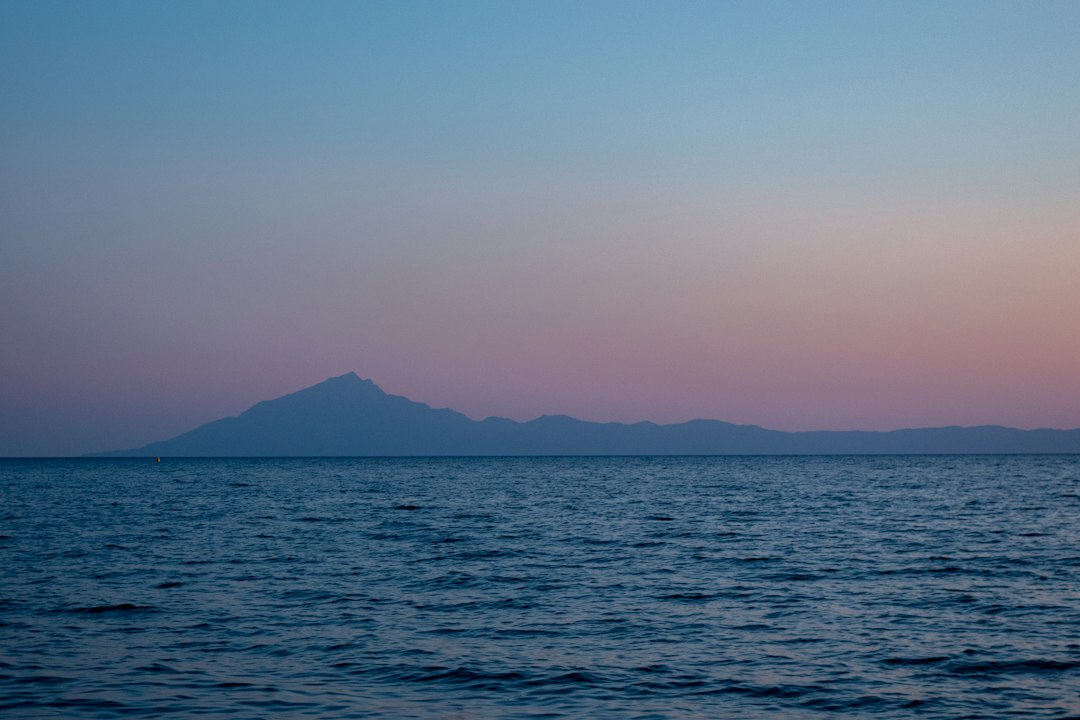
Standing on Mitsikas, the wind was a physical force, pushing against me like a living thing. The view was not just of Greece, but of the Aegean Sea, a blue expanse that seemed to go on forever. I felt small, insignificant, and yet, strangely connected to everything. The myths of Zeus and the gods felt less like stories and more like memories. This mountain doesn’t care about your ego, your fitness, or your ambitions. It simply is. And in that indifference, there is a profound peace. I took a sip of the last of my water, looked at the jagged peaks around me, and knew I had earned every step. The descent would be hard, but the summit was mine, if only for a moment.
Comments