


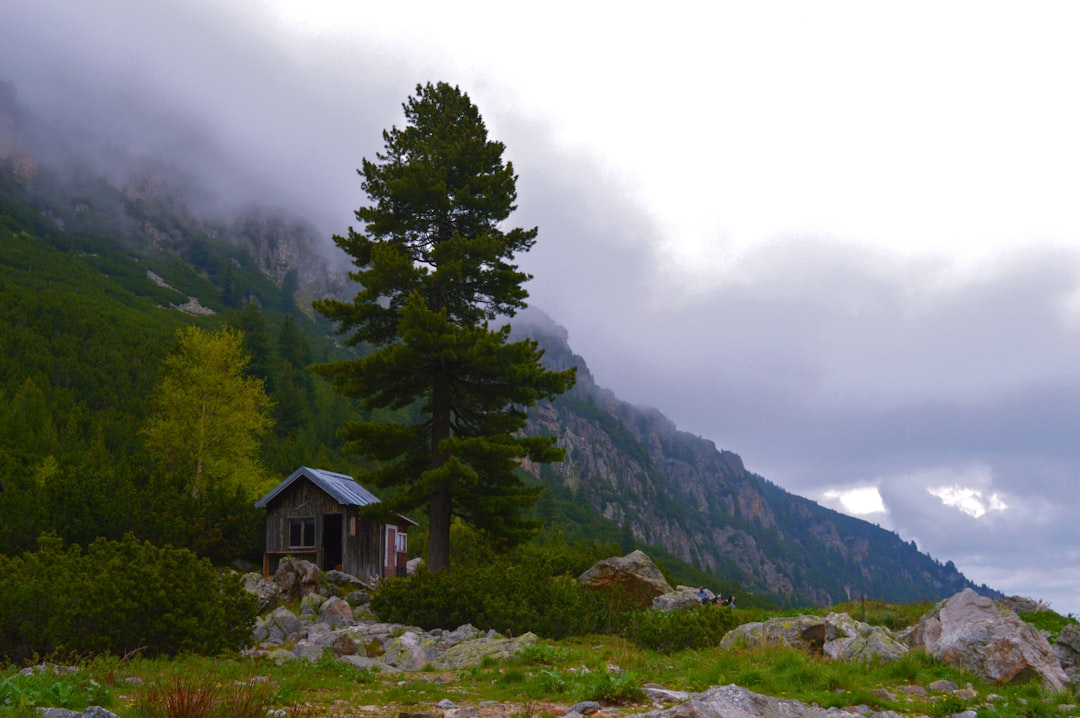
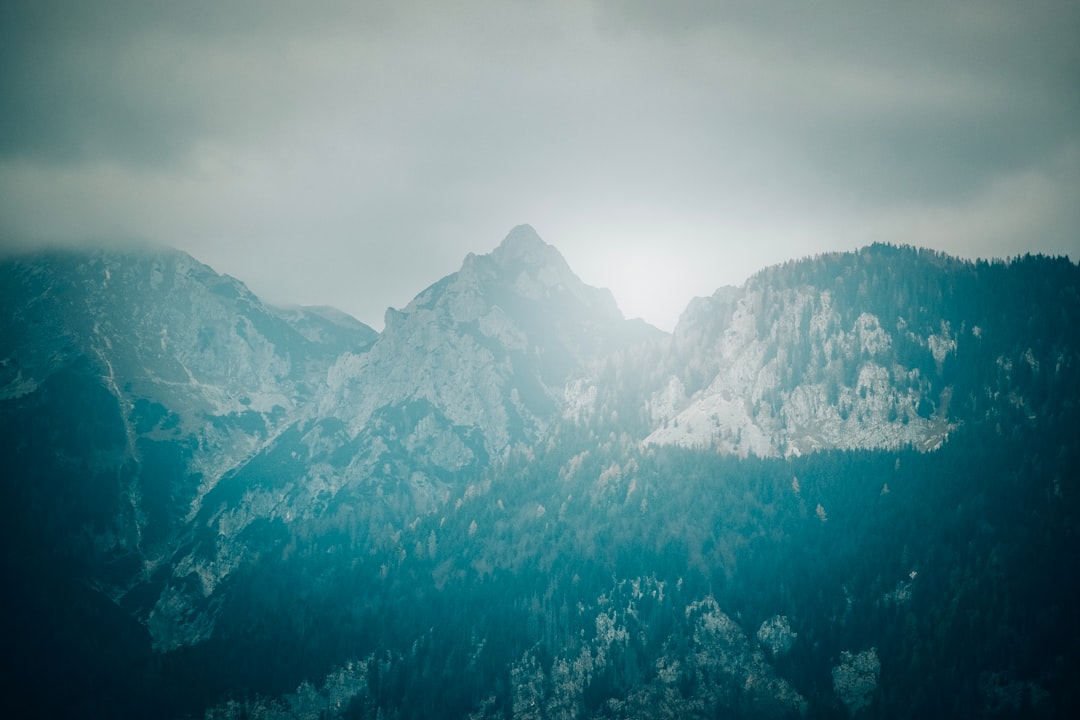
I woke up in Borovets with the kind of headache that only comes from sleeping at 1,300 meters and drinking cheap rakia the night before. The air smelled like pine resin and wet dog. Outside my window, the peaks of Rila Mountain Rila Mountain were still hidden behind a blanket of grey cloud, looking less like majestic nature and more like a bruised fist. I didn't care. I was here for one thing: Musala Peak Musala Peak, the highest point in the Balkans at 2,925 meters. The locals in the bar had warned me about the wind. They didn't warn me about the silence. It’s a heavy, pressing silence up here, the kind that makes you question every life choice that led you to strap hiking boots to your feet at 5 AM.
This isn't a gentle stroll through a park. This is a vertical assault on your lungs and your ego. I’m not here to tell you it’s "breathtaking." I’m here to tell you that when you hit the ridge line, the world drops away, and for a terrifying, glorious moment, you are the only thing standing between gravity and the sky. Let’s talk about how to get there, what it’ll cost you, and why you should probably leave your ego at the trailhead.
The Last True Wilderness
Rila Mountain Rila Mountain is the backbone of Bulgaria. It’s not just a collection of peaks; it’s a geological argument between the Tethys Ocean and the continental plates, frozen in time. The range is part of the larger Rila-Rhodope massif, but Rila stands apart because of its sheer verticality. It feels alpine, more like the Austrian Alps than the rolling hills of the rest of the Balkans. The granite spires and glacial cirques were carved by ice that retreated thousands of years ago, leaving behind a landscape that is both beautiful and indifferent to human life.
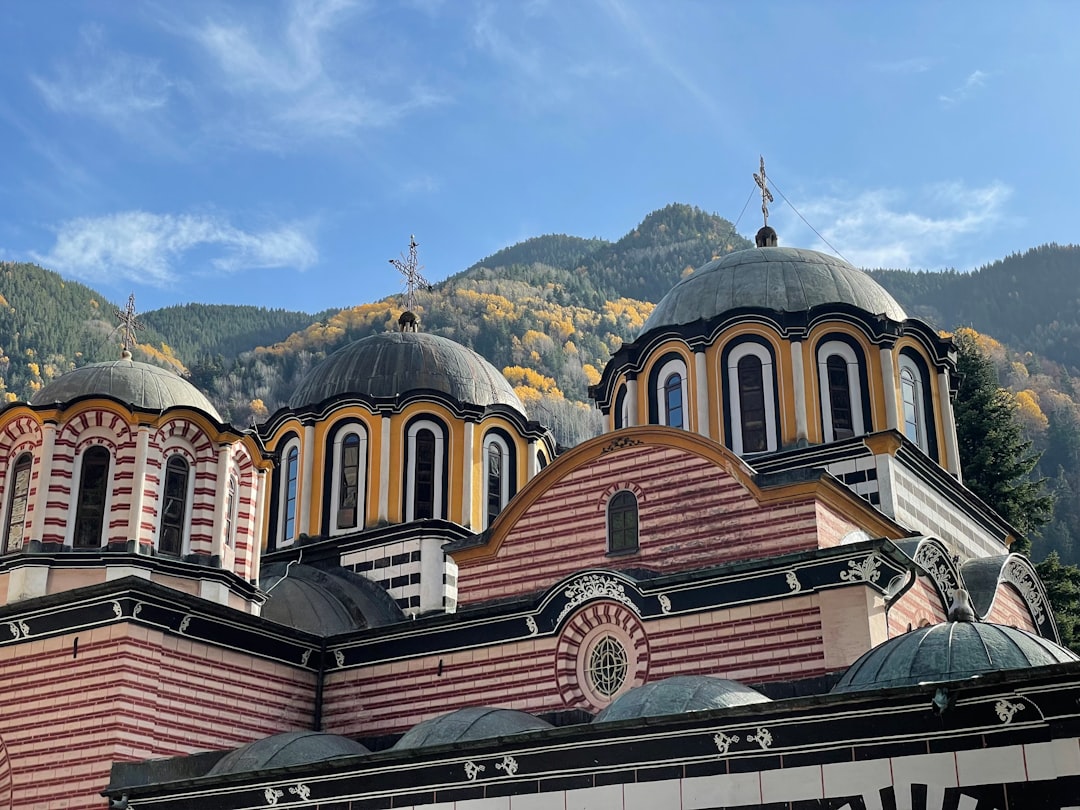
The history here is as rugged as the terrain. For centuries, this was a place of refuge. Bandits hid in the high passes, and monks sought solitude in the caves. The most famous of these is the Rila Monastery Rila Monastery, a UNESCO World Heritage site at the foot of the mountain. It’s a tourist trap now, packed with busloads of pilgrims and selfie-stick wielders, but if you look past the crowds, you see the fortification walls. This wasn't just a church; it was a fortress. That defensive mindset is etched into the local culture. People here are tough, direct, and skeptical of outsiders who think they can conquer the mountain without respect.
Modern Bulgaria has tried to tame Rila with chairlifts and ski resorts, but the mountain fights back. The weather changes in minutes. A sunny morning can turn into a whiteout by noon. The trails are well-marked, but they are not forgiving. Loose scree, sudden drops, and the thin air at altitude create a natural filter that separates the tourists from the hikers. You don't conquer Musala. You survive it.
The Ascent: Two Ways to the Top
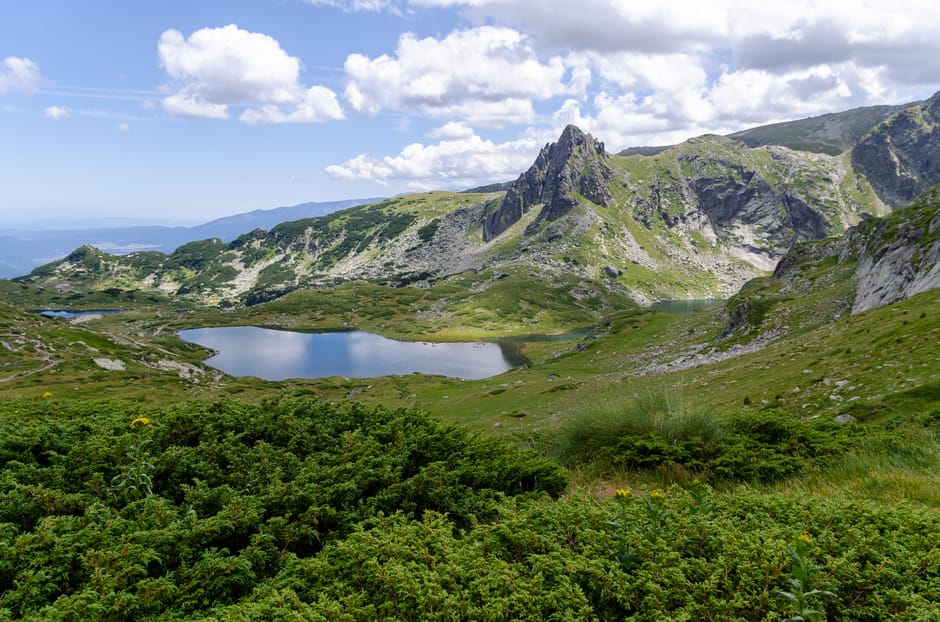
There are two main ways to reach the summit of Musala Peak Musala Peak. The first is the classic approach from the south, starting at the Seven Rila Lakes Seven Rila Lakes. This route is longer, steeper, and more demanding. It takes you through a series of alpine basins, past the highest lake, and then up a rocky ridge to the summit. It’s the route for people who want to earn their view. The second approach is from the north, starting at the Musala Hut Musala Hut. This is the short, sharp sprint. It’s popular with day hikers who take the chairlift from Borovets to the hut and then hike the final 4 kilometers. It’s faster, but it lacks the narrative arc of the southern route.
I took the southern route. It starts with a drive to the Seven Rila Lakes parking area, which is a chaotic scene of minibuses and tour vans in the summer. You have to book the shuttle in advance, or you’ll be stuck in a line that moves at the speed of continental drift. Once you get to the lakes, the hike begins. The trail is well-defined, but it’s a long grind. The elevation gain is significant, and the air gets thinner with every step. You pass the lower lakes, which are crowded with picnickers, and then the trail climbs out of the tree line. The landscape changes from green meadows to grey rock. The silence returns.
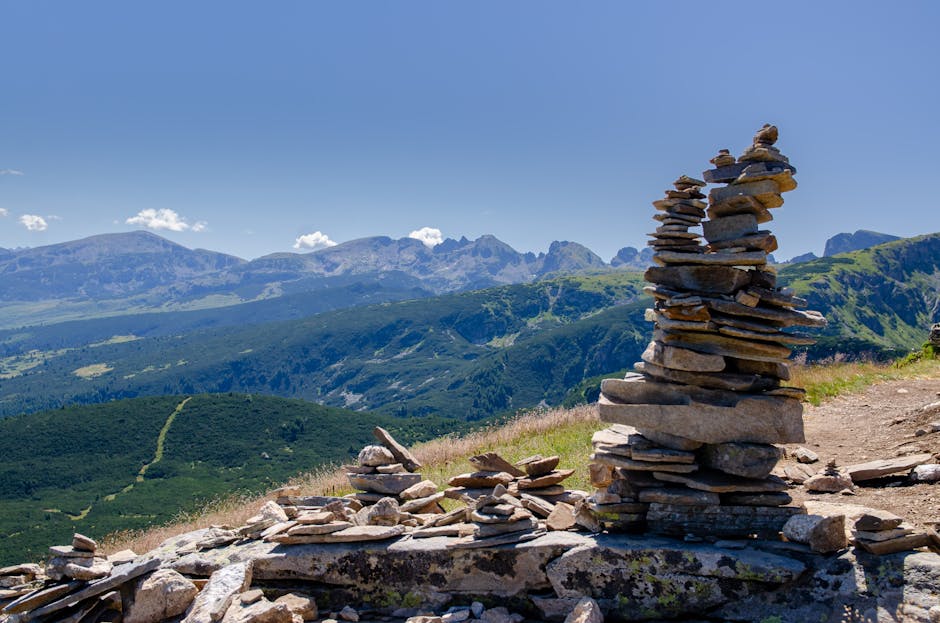
The final push to the summit is a scramble over loose rock. There are chains fixed to the rock face in the steepest sections, but they are rusty and barely visible. You have to pay attention. One wrong step and you’re sliding back. When you finally crest the ridge, the view is not just of the surrounding peaks. It’s of the entire country. On a clear day, you can see the Black Sea in the distance. It’s a perspective that puts everything into context. Your problems, your deadlines, your ego — they all shrink to the size of dust motes.
Routes & Trail Info
Route 1: Seven Rila Lakes to Musala Peak
This is the standard hiking route. It starts at the parking area for the Seven Rila Lakes. You hike up to the highest lake, then follow the marked trail along the ridge to the summit. It’s a long day, but it’s the most rewarding. The trail is well-marked with yellow paint on rocks. The terrain is a mix of dirt path, scree, and rocky scree. There is no technical climbing required, but good fitness is essential.
- Starting Point: Seven Rila Lakes Parking Area
- Total Distance: 14 km round-trip
- Elevation Gain: 1,200 meters
- Estimated Duration: 6-8 hours
- Difficulty: Experienced
Route 2: Musala Hut to Musala Peak
This is the shorter route, often used by people who take the chairlift from Borovets. You start at the Musala Hut, which is at 2,800 meters. The hike to the summit is a straight climb up a rocky path. It’s steep and exposed, but it’s much shorter than the southern route. This is a good option if you’re short on time or if the weather is looking iffy. You can get up and down quickly.
- Starting Point: Musala Hut
- Total Distance: 4 km round-trip
- Elevation Gain: 125 meters
- Estimated Duration: 1.5-2 hours
- Difficulty: Intermediate
Getting There & What to Expect
The nearest town with road access to the trailheads is Rila, a small town at the foot of the mountain. From Sofia, the capital, it’s about 120 kilometers south. You can drive there in 2 hours, or take a bus. Buses leave from the central bus station in Sofia and cost around 5-8 EUR. The journey is scenic, winding through the Sredna Gora mountains before dropping into the Rila valley. If you’re coming from Plovdiv, it’s a bit farther, about 150 kilometers, and takes 2.5 hours by car.
For the Seven Rila Lakes route, you need to take a shuttle bus from the parking lot near the Rila Monastery. The shuttles are minibuses, and they fill up fast in the summer. You can buy tickets at the parking lot, but it’s better to book online in advance. The ride to the lakes takes about an hour. The road is steep and winding, so if you’re prone to motion sickness, take something beforehand. The shuttle costs 15 EUR round-trip.
Accommodation options are limited. The Musala Hut Musala Hut is the only place to stay near the summit. It’s a basic mountain refuge with dormitory-style beds. You need to bring your own sleeping bag. The hut is open from June to October. A bed in the dorm costs 20-30 EUR per night. Meals are simple — soup, stew, and bread — but they’re hot and filling. You can also stay in Borovets or Rila town. Hostels in Borovets cost 25-40 EUR per night, while mid-range hotels are 50-80 EUR. If you’re on a budget, there are camping options near the Rila Monastery, but you need to bring all your own gear.
The best months to visit are July and August. The snow is gone, and the weather is stable. In June, there might still be snow at the summit, and in September, the storms start to roll in. If you’re hiking in the shoulder seasons, you need microspikes and a good sense of self-preservation.
Children can do the hike to the Seven Rila Lakes, but the summit push is not recommended for kids under 12. The altitude and the loose rock are too much for most children. If you’re bringing kids, stick to the lakes and enjoy the scenery.
Search accommodation in Rila on Booking.com →
The Descent into Reality
Climbing down is harder than climbing up. Your knees are screaming, and your focus is gone. You’re just trying to get back to the car. The walk down from the Seven Rila Lakes is a blur of pine trees and sweat. When you finally reach the parking lot, you feel a mix of exhaustion and triumph. You did it. You stood on the highest point in the Balkans. But as you sit in the minibus, surrounded by tourists complaining about the price of water, the feeling fades. It’s just a mountain. It’s just a rock. But for a few hours, it was everything.
Back in Sofia, the city feels flat and loud. The air is thick with exhaust and noise. I ordered a beer and stared at the menu, unable to decide. The silence of the mountain was gone, replaced by the hum of traffic. I knew I’d go back. I knew I’d climb it again. Because up there, for a moment, you’re not just a tourist. You’re part of the landscape. And that’s worth every blister, every euro, and every drop of sweat.
Comments