


The Drift
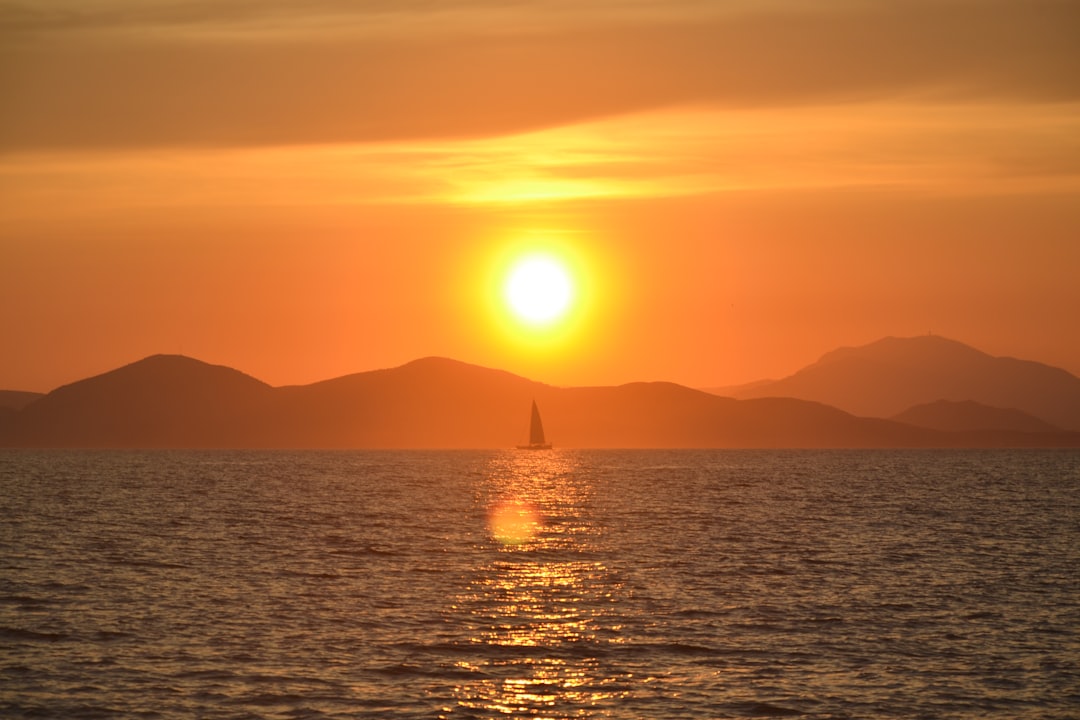
The heat in the Peloponnese doesn't just sit on you; it presses down like a heavy wool blanket soaked in brine. I was sitting on the stern of a battered charter boat, watching the sun dip behind the jagged silhouette of the Mani Peninsula, when the skipper, a grizzled local named Nikos with salt in his beard and cynicism in his eyes, kicked my boot. "Stop staring at the horizon," he barked, pointing a calloused finger at a cluster of white cubes on the water. "That's not magic. That's a hotel complex. But look, the light is hitting the rock face. For two minutes, it looks like gold. Then it's just grey stone again. Sail fast, drink cheap, leave before the tourists realize they're trapped."
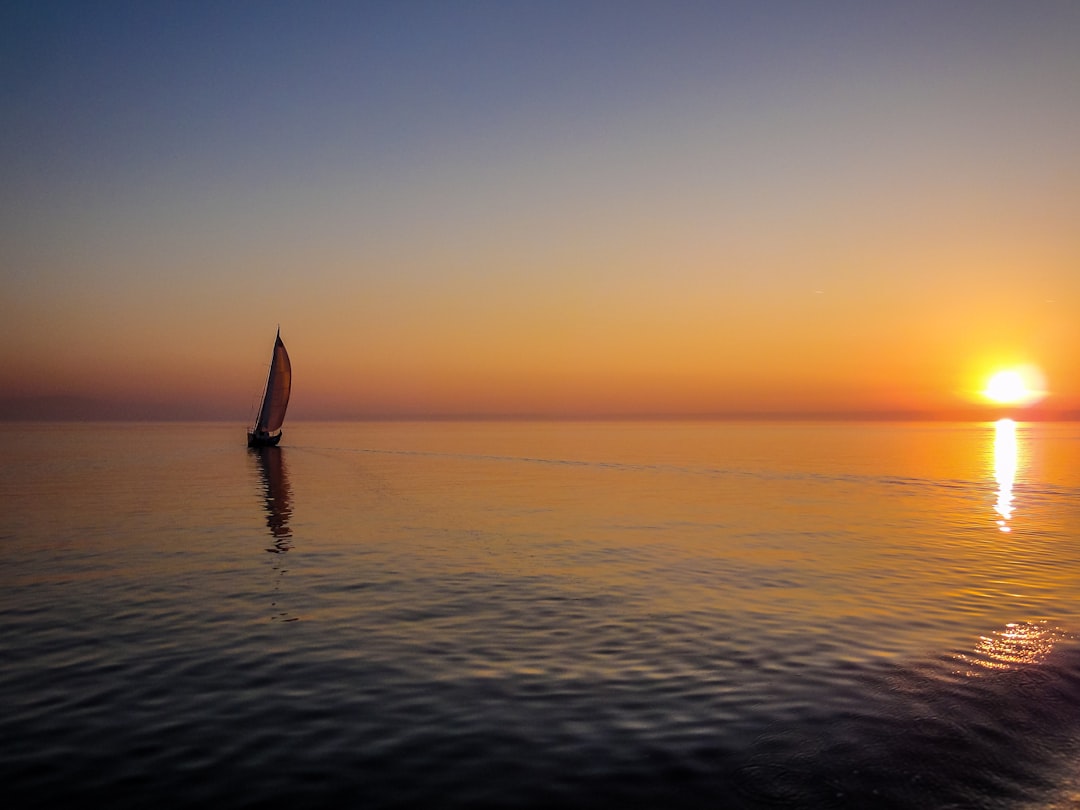
He wasn't wrong. The Peloponnese is a place of brutal beauty, where the ancient myths of gods and monsters feel less like fairy tales and more like warnings about what happens when you get too close to the edge. I've spent the last week bouncing between marinas and wild coves, chasing that specific, fleeting moment when the Mediterranean turns from a blinding mirror into a sheet of hammered copper. It's not about relaxation here. It's about navigation, timing, and knowing which winds will carry you home before the darkness swallows the coast.
The Western Front: Navarino to Messinia
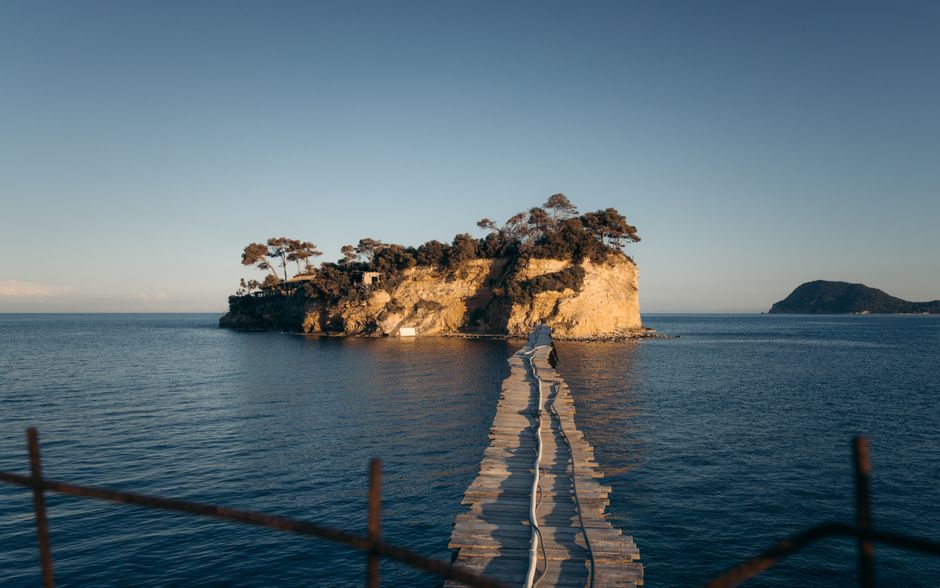
Start your engine in the morning and head west. The waters off Pylos are deep and treacherous, but as the afternoon burns off, the bay calms into a glassy expanse. The sunset here is dramatic, framed by the massive Castle of Pylos perched on its rocky islet. As the light fades, the fortress turns from white to a deep, bruised purple. Sailors love this stretch because the Navarino Gulf offers sheltered waters perfect for evening cruising. You can drop anchor in small, hidden coves where the only light comes from the stars and the occasional fisherman's lantern.
The route takes you along the Messinian coast, where the landscape is rugged and untamed. The cliffs rise steeply from the sea, covered in scrub and wild olive trees. As the sun sets, the shadows lengthen, creating a stark contrast between the golden rock and the deep blue water. It's a raw, untamed beauty that feels worlds away from the polished resorts of the north. Keep your engine running at idle; the currents here can be deceptive, pulling you toward the rocky shoals if you let your guard down.
The Eastern Edge: Argolida and the Saronic Gulf
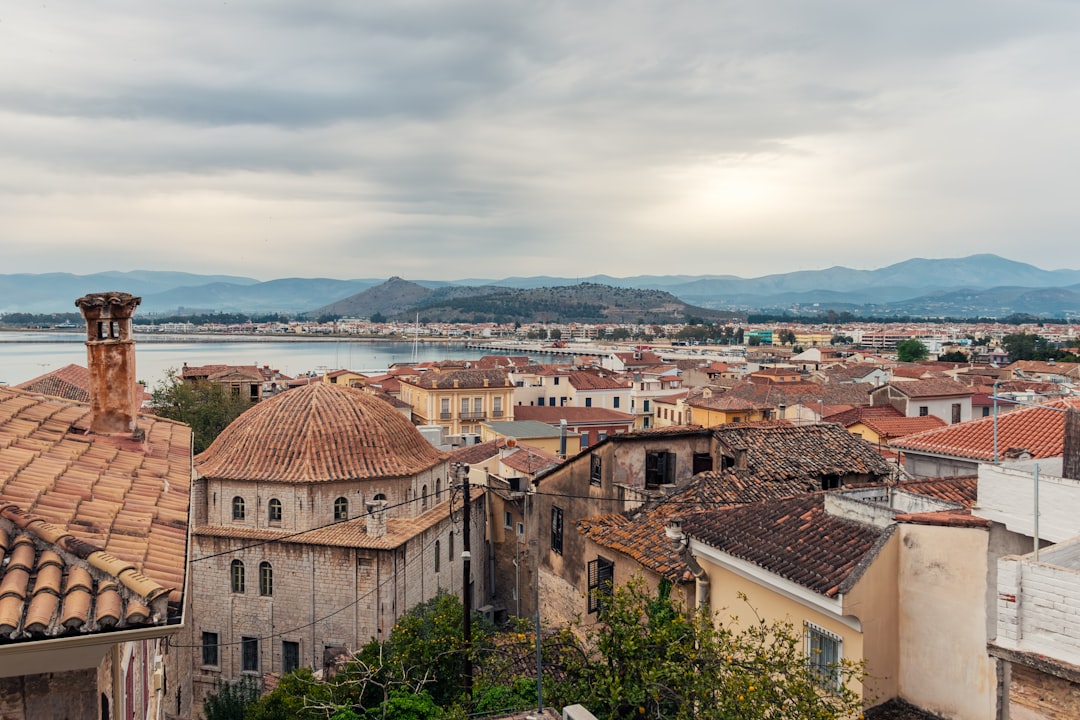
If the west is wild, the east is steeped in history. The Argolida peninsula juts out into the sea like a claw, guarding the approach to the Saronic Gulf. Here, the sunsets are softer, diffused by the haze of civilization and the distant smoke of Athens. The route from Nafplio to Epidauros is a classic evening sail, passing the ancient theater where the acoustics are still so perfect that a whisper can carry to the back row. At dusk, the ruins glow with a warm, amber light, looking as if they've just been carved.
The waters here are busier, with ferries and cargo ships crisscrossing the horizon. But if you time it right, you can slip into the quiet coves between the major ports. The Poros island is a great stopover, its dense pine forests offering a cool respite from the day's heat. As the sun dips below the horizon, the lights of the mainland twinkle in the distance, a reminder of the world you've temporarily escaped. It's a more refined experience, but no less powerful. The history here is palpable, weighing on the air like humidity.
The Southern Wild: The Mani Peninsula
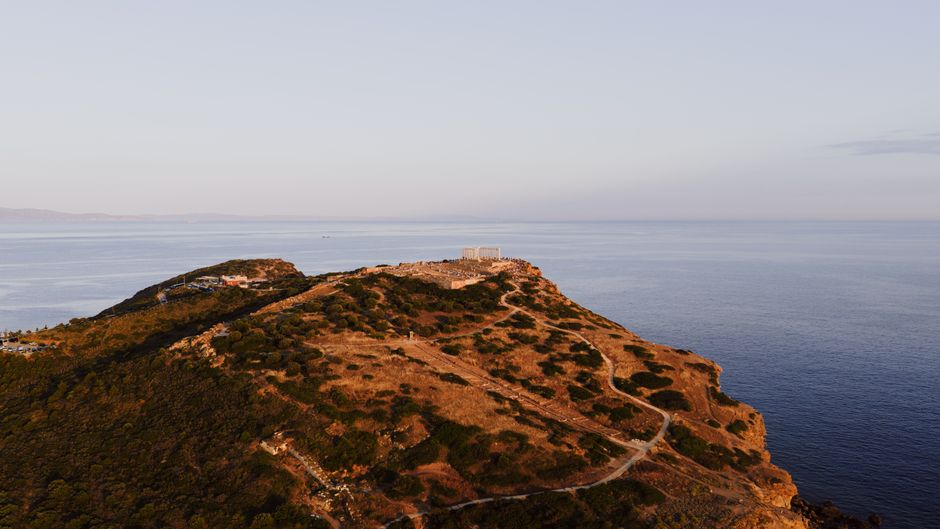
This is the heart of the Peloponnese's wild spirit. The Mani Peninsula is a land of stone towers and deep gorges, where the mountains plunge directly into the sea. Sailing here is an adventure, not a leisure activity. The coast is indented with countless coves and inlets, many of which are inaccessible by road. The sunset in Mani is a spectacle of light and shadow, with the jagged peaks casting long, dark silhouettes across the water. The wind can be fierce, whipping up whitecaps that challenge even experienced sailors.
The route from Gytheio to Kardamyli is a favorite among locals. Gytheio, a sleepy fishing village, offers a peaceful start, while Kardamyli, with its neoclassical houses and lush gardens, provides a charming endpoint. Along the way, you'll pass the ruins of ancient cities and the remnants of medieval towers, standing sentinel over the coast. The water is crystal clear, revealing the rocky seabed below. At sunset, the sky turns a deep, fiery red, reflecting off the white stone of the villages perched on the cliffs. It's a landscape that feels timeless, unchanged by the passage of centuries.
Routes & Sail Info
Route 1: The Navarino Loop — Starting point: Pylos Marina. Total distance: 30 km round-trip. Estimated duration: 4-5 hours. Difficulty: Intermediate. This route takes you around the Navarino Gulf, passing the Castle of Pylos and the small island of Sfaktiria. The waters are generally calm in the afternoon, but check the weather forecast for any sudden wind shifts. Ideal for a relaxed evening sail with swimming stops.
Route 2: The Argolida Coast — Starting point: Nafplio Marina. Total distance: 40 km round-trip. Estimated duration: 5-6 hours. Difficulty: Intermediate. This route follows the coast from Nafplio to Epidauros and back. You'll pass the ancient theater and the small island of Spetses. The waters can be busier with ferry traffic, so stay alert. Best done in the late afternoon to catch the sunset over the mainland.
Route 3: The Mani Adventure — Starting point: Gytheio Port. Total distance: 50 km round-trip. Estimated duration: 6-8 hours. Difficulty: Experienced. This route explores the rugged coast of the Mani Peninsula, from Gytheio to Kardamyli and beyond. The waters are deeper and the wind can be stronger. You'll pass numerous hidden coves and ancient ruins. Suitable only for experienced sailors comfortable with variable conditions.
Getting There & What to Expect
The nearest major airport is Athens International Airport, from which you can drive to the various marinas in the Peloponnese. The drive to Pylos takes about 3 hours, while Nafplio is a 2-hour drive. Alternatively, you can fly into Kalamata Airport for easier access to the western coast. Boat charters are available in most major ports, with prices ranging from 150-300 EUR per day for a basic sailboat to 500-1000 EUR per day for a luxury yacht. Accommodation in the coastal towns ranges from 50-100 EUR per night for budget hotels to 200-400 EUR per night for luxury resorts. The best time to sail is from May to October, with July and August being the peak season. Expect hot, sunny days and cool, breezy evenings. Bring plenty of water and sunscreen, and always check the weather forecast before setting out.
Search accommodation in Pylos on Booking.com →
The Final Drift
Nikos was right about one thing: the light doesn't last. By the time we reached the anchorage, the sky had turned a dull, metallic grey, and the magic of the golden hour had vanished. But as I sat there, listening to the gentle lap of the water against the hull, I realized that the journey itself was the point. It wasn't about capturing the perfect sunset or checking off a list of landmarks. It was about the feeling of being out there, on the edge of the known world, with nothing but the wind and the waves to guide you. The Peloponnese doesn't care about your itineraries or your expectations. It demands your attention, your respect, and your courage. And in return, it gives you something rare: a moment of pure, unfiltered beauty, fleeting and unforgettable. Sail fast, drink cheap, and never look back.
Comments