


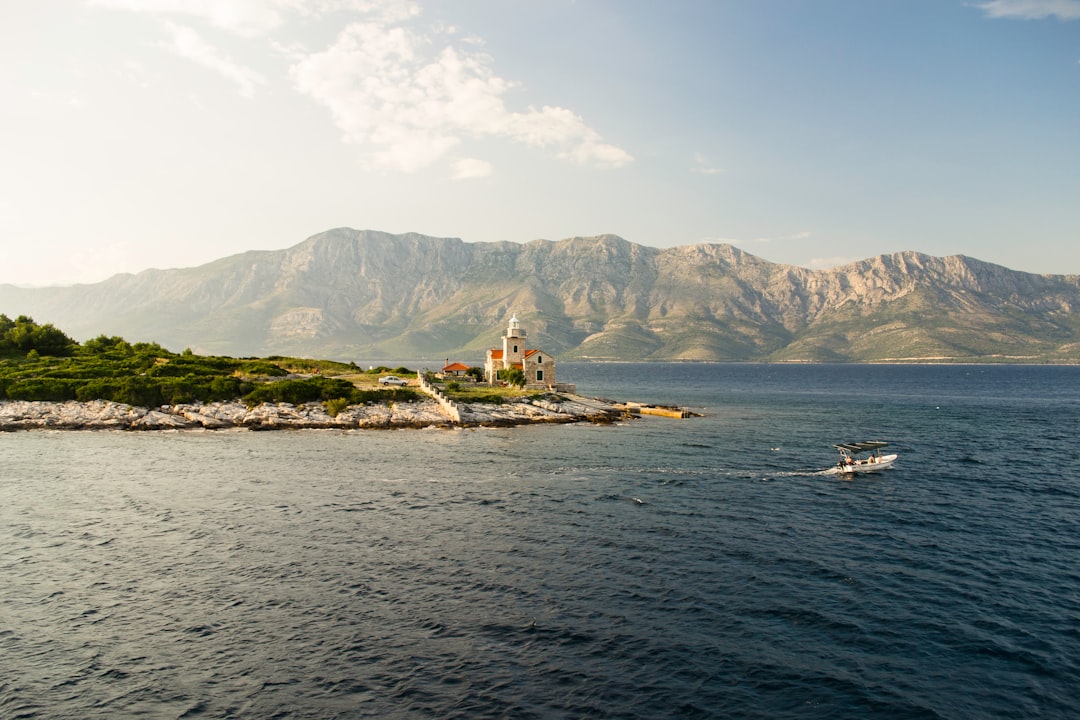
The ferry from Komiža to Biševo is not a vessel; it is a metal lung pumping you through a throat of churning grey water. I am sitting on a plastic bench that smells of diesel and wet dog, clutching a lukewarm pivo that costs 2-3 EUR and tastes like regret. The wind off the Adriatic is doing that specific thing it does in Dalmatia—howling through the rigging like a banshee trying to break the sound barrier. I am not here for the postcards. I am here because the maps lie. The maps show beaches that are just lines of sand, but they don't show the current that will try to drag you under if you look at it wrong. They don't show the silence. The kind of silence that makes your ears ring. Vis Island is the last place in Croatia where you can still get lost without a smartphone signal saving you, and I intend to get very, very lost.
Most tourists stay in Vis town, drinking cocktails in the shadow of the castle, thinking they have "seen" the island. They haven't. They've seen the lobby. The real Vis is out there, in the jagged teeth of the coastline, where the coves are so small you need a rubber dinghy and a prayer to find them. This is not a vacation. This is an extraction mission. You need a boat, a head for the sea, and the willingness to swim through water so clear it feels like flying. Here is how you actually reach the places that don't have WiFi.
History & Identity
Vis is a place built on secrets. For decades, this island was a Soviet naval base. While the rest of Yugoslavia was pretending to be a socialist paradise, Vis Island was a closed military zone. You couldn't land here without a pass. The Vidova Gora peak, the highest point in the Adriatic at 588 meters, was topped with radar domes and bunkers that still scar the landscape today. Vis This isn't just history; it's the reason the island feels so isolated, so guarded. The bunkers are now ruins, overgrown with lavender and thyme, but the feeling of being watched remains. The sea here is deep, dark, and cold, a perfect hiding spot for submarines and, now, for people who want to disappear.
Before the Soviets, there were the Romans, the Byzantines, the Venetians, and the French. Every empire that wanted control of the Adriatic wanted Vis. You can see their bones everywhere—in the stone walls of Komiža, in the fortress of Vis town, in the ancient churches that dot the hills. But the island's true identity is maritime. The people here are not farmers; they are sailors. They fish for octopus, they sail the Bura wind, and they know every rock, every current, and every hidden inlet. To understand Vis, you have to understand the sea. It is not a friend; it is a partner. You respect it, or it kills you.
The isolation bred a unique culture. Komiža, the fishing capital, has a dialect that is almost a separate language. The food is heavy, rich, and designed to keep you warm after a day on the water. The nightlife is rowdy, fueled by loza (a local grape) and a sense of freedom that comes from living on the edge of the map. Vis is not "picturesque." It is rugged, stubborn, and fiercely independent. It does not want you to visit. It wants you to earn your place.
Where to Go
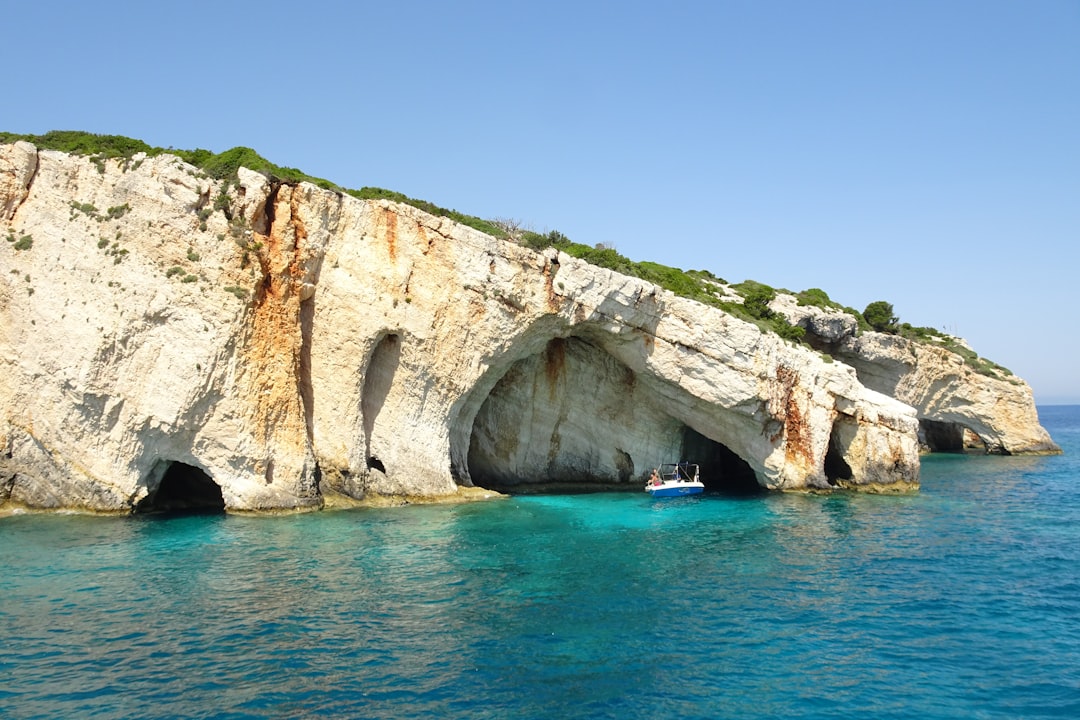
Biševo Island — This is the reason everyone comes, but most people do it wrong. They take the crowded ferry, rush to Blue Cave, and leave. Don't do that. Rent a boat. Go at sunrise. The Blue Cave is a natural phenomenon where sunlight reflects off a submerged arch, turning the water inside a blinding, electric blue. It is surreal, almost alien. But the real magic is the Green Cave (Zelena Špilja) nearby, where the light hits differently, creating a softer, emerald glow. The entrance to the Blue Cave is narrow and treacherous; you need a skilled boatman to guide you in. Inside, you can only swim for a few minutes before the current pulls you out. It is a brief, breathtaking encounter with nature's engineering. Entry to the boat tour is 20-30 EUR.
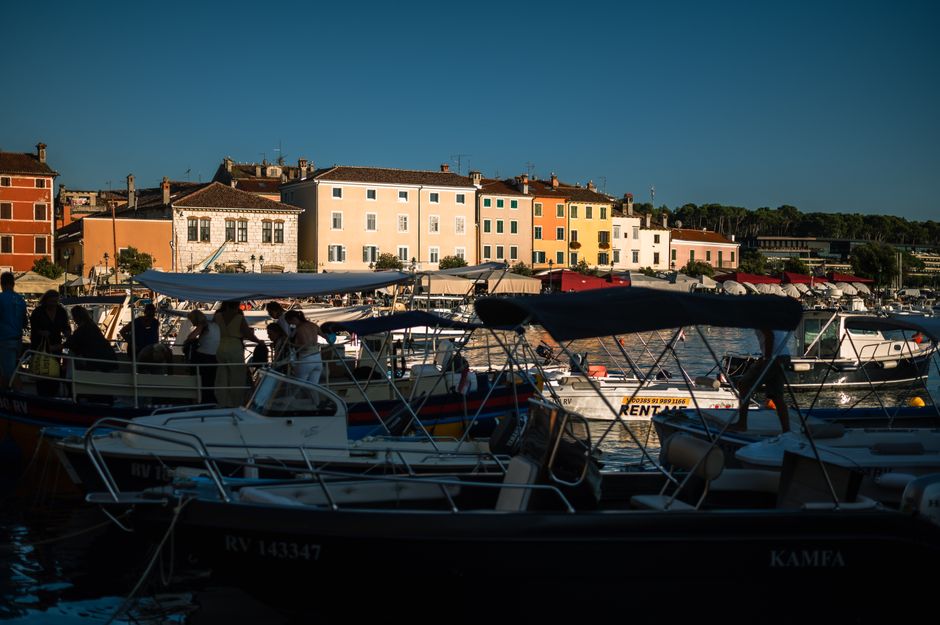
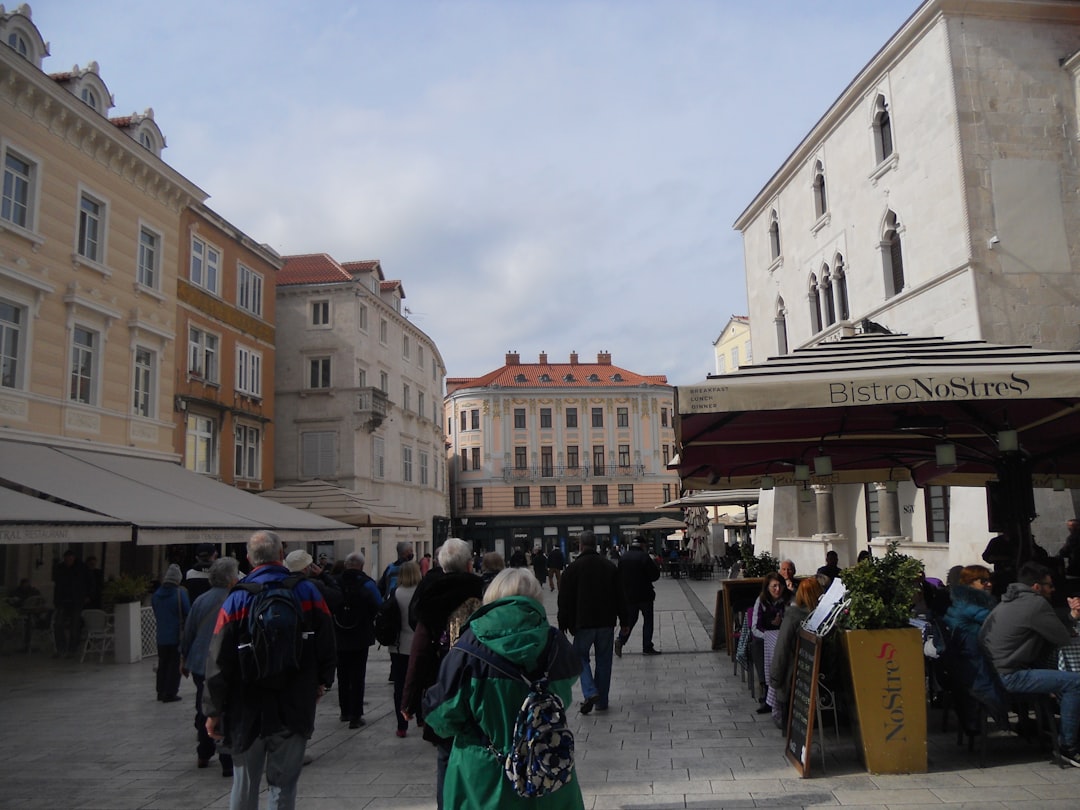
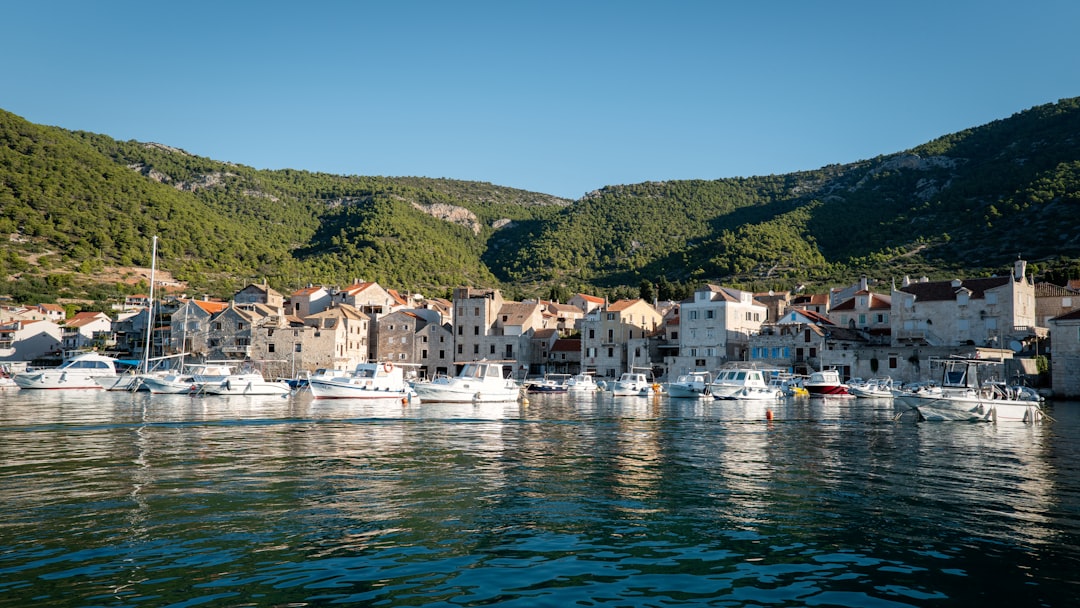
Komiža — The capital of the island's west, Komiža is a maze of narrow streets and stone houses that climb the hillside. It is one of the oldest fishing villages in the Adriatic. The harbor is always full of boats, and the air smells of salt and drying fish. The best time to visit is at dusk, when the fishermen bring in their catch. You can buy fresh fish right from the deck for 5-10 EUR per kilo and cook it on the beach. The village has a raw, authentic energy that Vis town lacks. There are no big hotels here, just family-run guesthouses and taverns. The St. Nicholas Church sits on a hill overlooking the bay, a reminder of the village's long history. Walk the Trg Kralja Petra Krešimira IV square, grab a coffee, and watch the world go by.
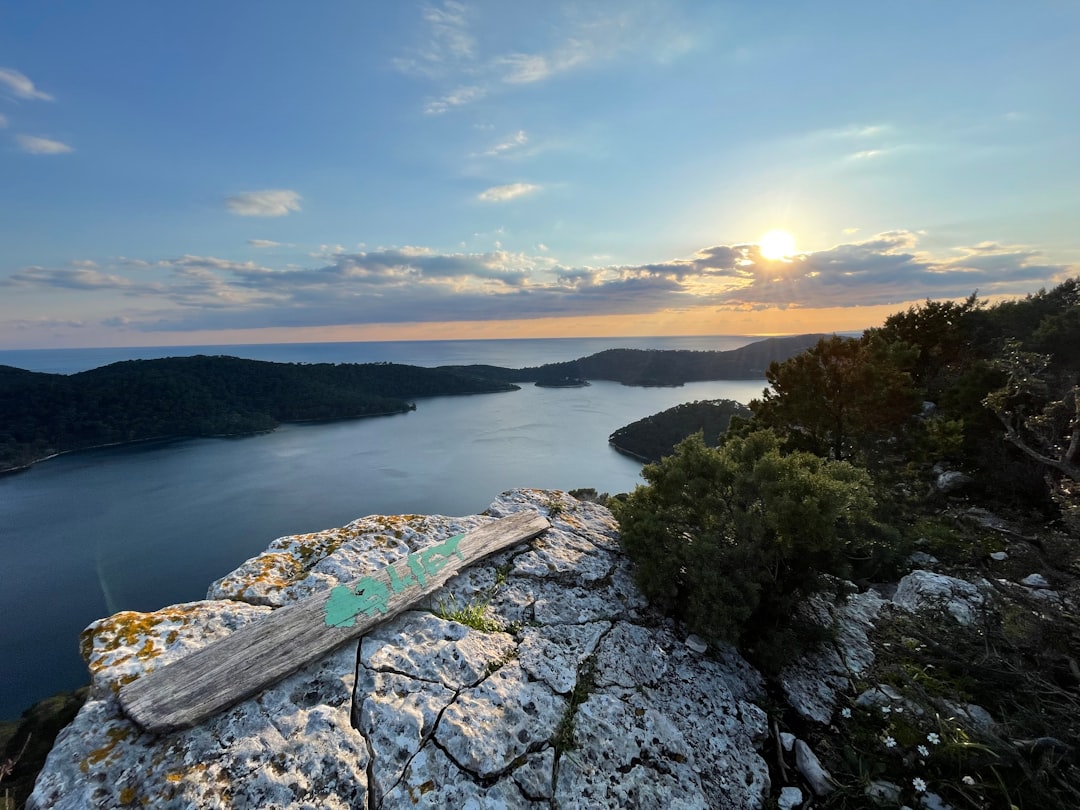
Vidova Gora — The highest point in the Adriatic, Vidova Gora offers a view that stretches from Mljet to Vis and beyond. The hike is steep and rocky, taking about 2 hours from the nearest parking area. The trail is not marked, so bring a map and good shoes. At the top, you will find the ruins of a Soviet radar station and a small chapel. The view is 360 degrees, and on a clear day, you can see as many as 100 islands. It is a place of profound silence. The wind is strong, and the rocks are hot in the sun. Bring water. This is not a casual stroll; it is a pilgrimage to the edge of the world. The feeling of standing on the highest point of the Adriatic is unmatched.
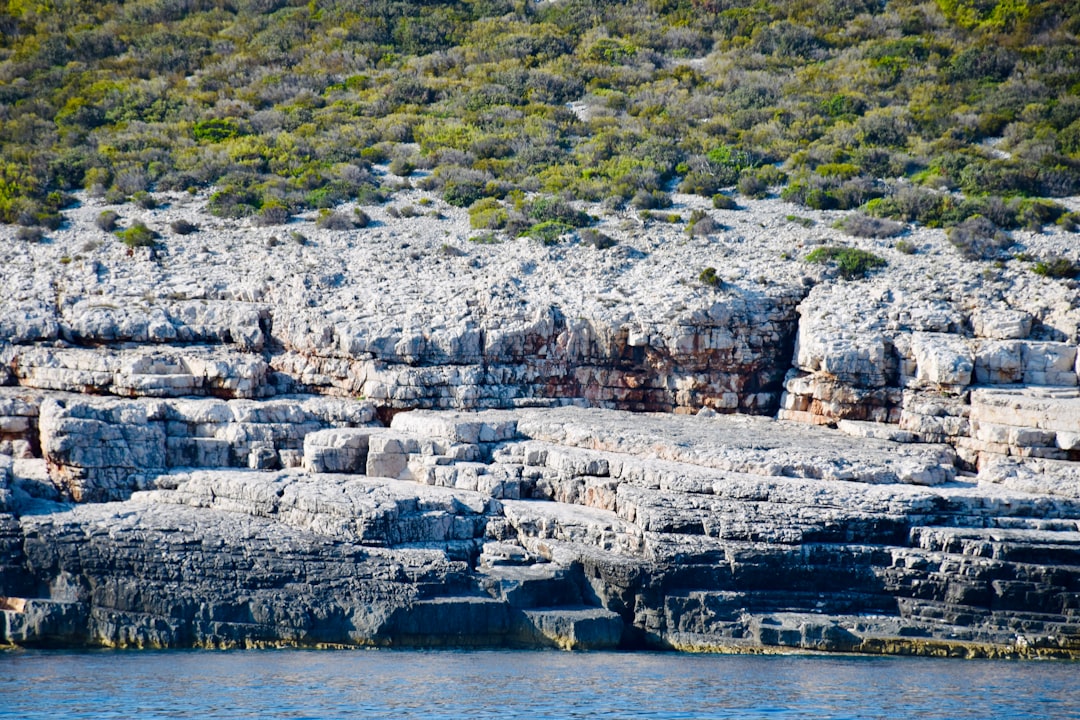
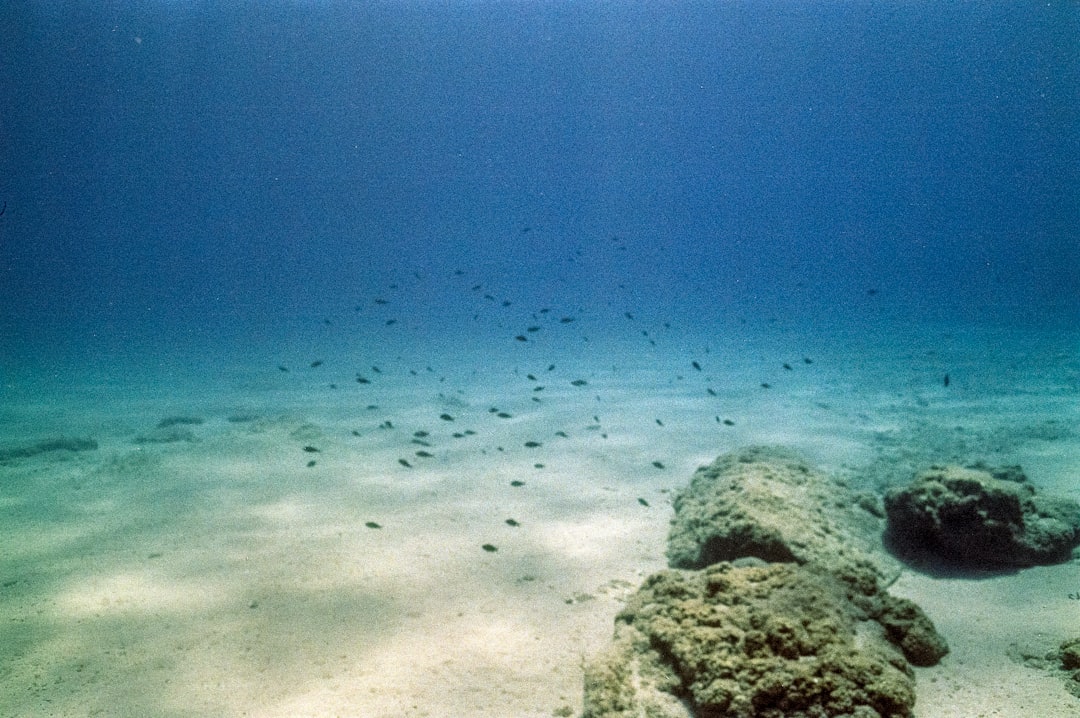
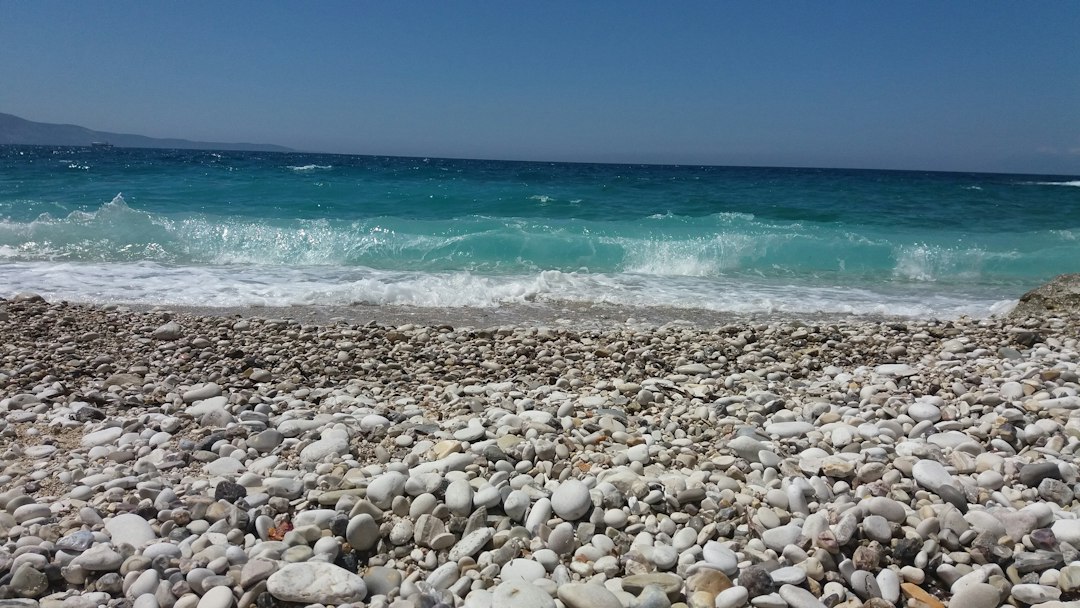
Krka Beach — This is not a beach you find on a map. It is a hidden cove on the south coast of Vis, accessible only by boat or a difficult hike from the hillside. The water is deep and clear, perfect for swimming and snorkeling. The beach is small, with only a few rocks for shade. It is a place to escape the crowds. You will likely have it to yourself. Bring a towel, sunscreen, and a sense of adventure. The hike down is steep and slippery, so be careful. The reward is a private slice of paradise.
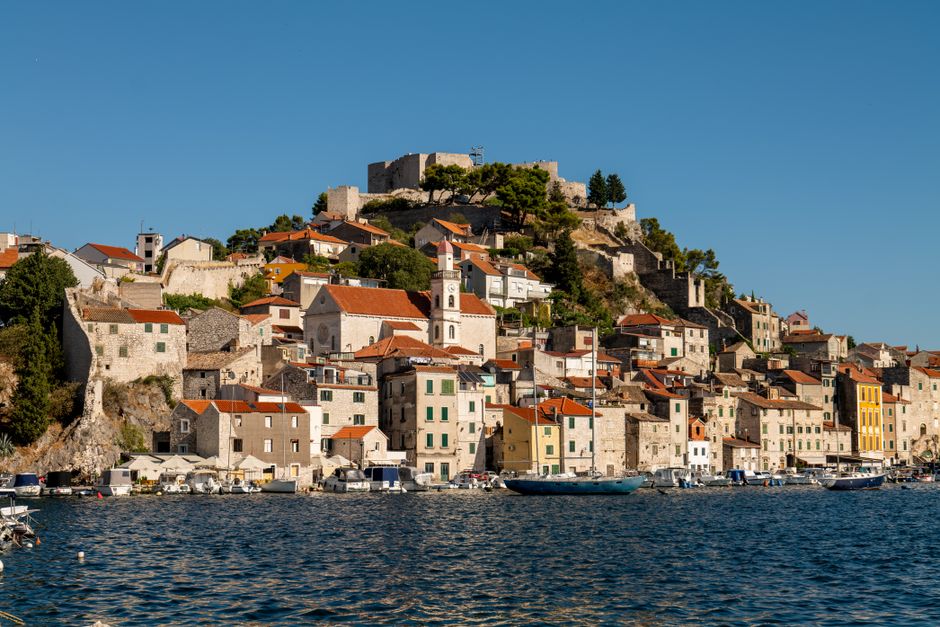
Vis Town Fortress — Perched on a hill above the harbor, the Vis Fortress (Tvrđava sv. Nikole) is a Venetian-era stronghold that dominates the town. The climb up is steep, but the view is worth it. You can see the entire bay, the Blue Cave in the distance, and the surrounding islands. Inside the fortress, there are exhibits about the island's history, including the Soviet occupation. The stone walls are thick and cool, a refuge from the heat. It is a place to sit, reflect, and watch the boats come and go.
What to Eat & Drink
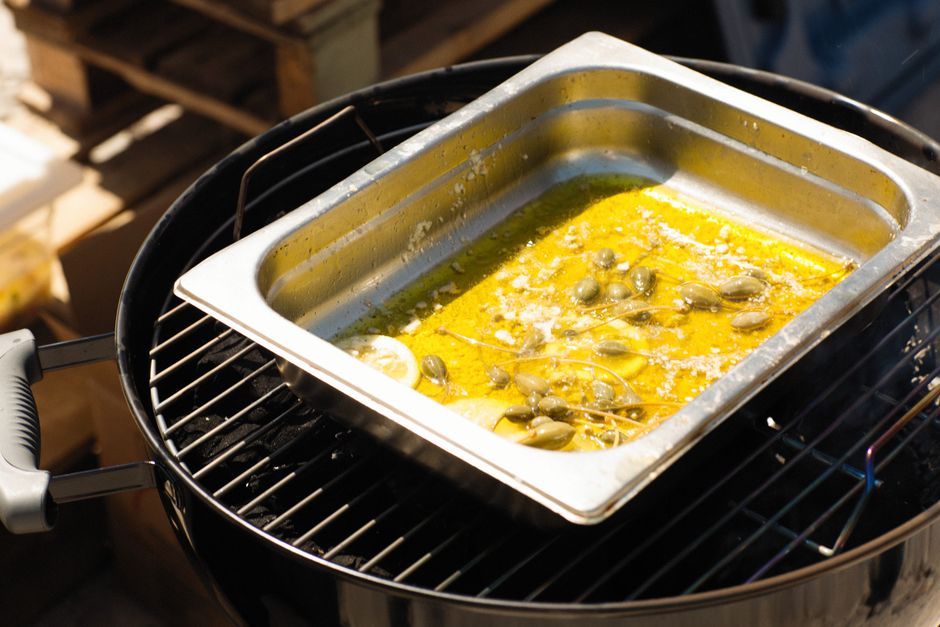
Eating in Vis is an experience in itself. The food is simple, fresh, and deeply connected to the sea. Oktopus na žaru (grilled octopus) is the star of the show, served with olive oil, lemon, and fresh bread. It is tender, smoky, and delicious. Price: 10-15 EUR. Riblja čorba (fish soup) is a hearty, flavorful stew made with local fish, vegetables, and wine. It is perfect for a cold evening. Price: 8-12 EUR. Pašticada is a classic Dalmatian dish of beef stewed with vegetables and spices, served with fuži (a local pasta). It is rich and satisfying. Price: 12-15 EUR. For dessert, try Frangipana, an almond tart that is a specialty of the island. Price: 3-5 EUR.
Budget breakdown: Street food and simple meals are under 5 EUR. A sit-down meal at a local tavern is 15-25 EUR per person. Mid-range restaurants are 25-40 EUR. For drinks, a local beer is 2-3 EUR, a glass of house wine is 2-4 EUR, and a cocktail is 5-8 EUR.
The best place to eat is in Komiža, where the taverns line the harbor. Restoran Otok and Restoran Komiža are well-known for their fresh fish and traditional dishes. In Vis town, the Trg Petra Krešimira IV square is surrounded by restaurants and cafes. Restoran La Locanda and Restoran Vis are popular choices. For a more budget-friendly option, try the Marko market in Vis town, where you can buy fresh produce, cheese, and bread to make your own picnic.
Don't miss the loza wine, a local grape that produces a dry, fruity wine with a hint of spice. It is perfect with seafood. You can buy it by the glass or by the bottle at most taverns. Price: 3-5 EUR per glass, 10-15 EUR per bottle.
Nightlife
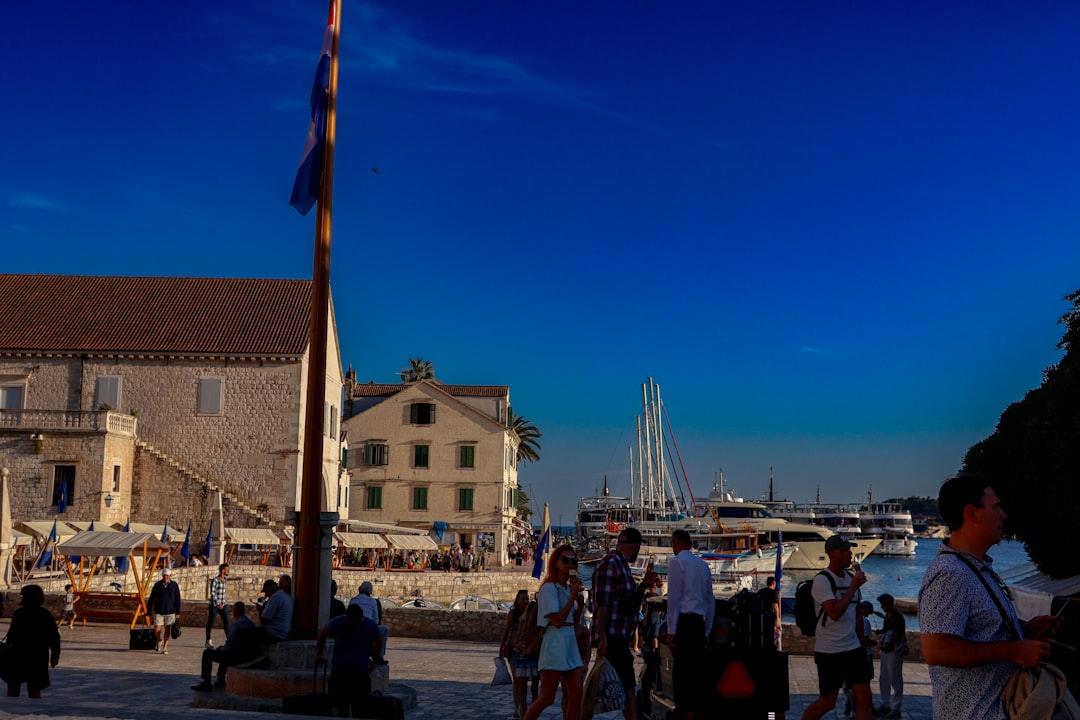
Nightlife in Vis is not about clubs; it is about atmosphere. The main action is in Vis town, where the bars and cafes spill out into the streets. The Trg Petra Krešimira IV square is the heart of the action, with live music, dancing, and a lively crowd. Bars like Bar 1989 and Bar Klapa are popular spots for drinks and socializing. The music is a mix of local Dalmatian songs and international hits. The vibe is relaxed and friendly.
In Komiža, the nightlife is more subdued but no less enjoyable. The bars along the harbor are perfect for a quiet drink and a chat with the locals. Bar Komiža and Bar Otok are good choices. The music is often live, featuring local bands playing traditional Dalmatian music. The atmosphere is intimate and authentic.
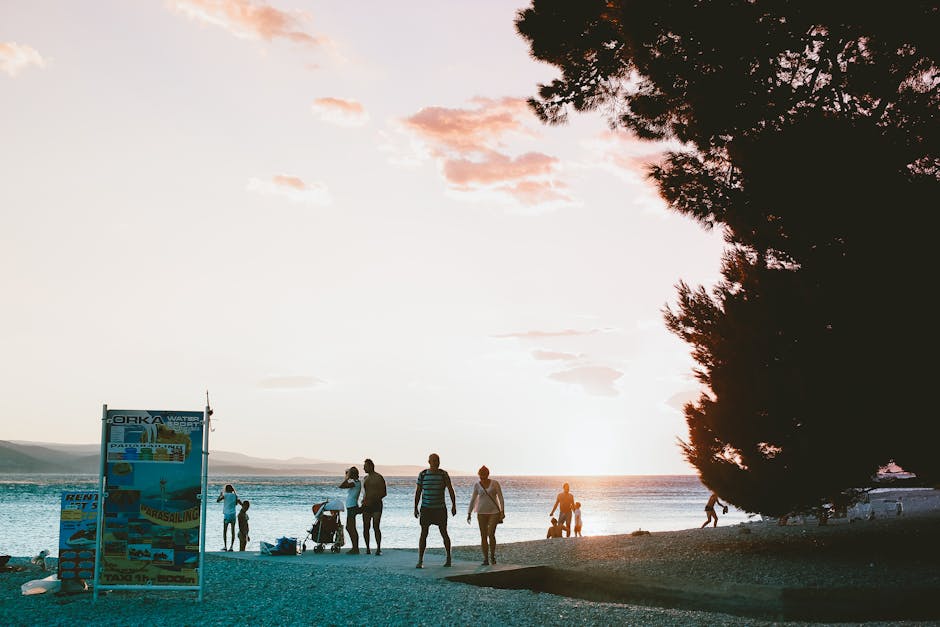
For a more unique experience, try the Beach Parties on the south coast. In the summer, some of the hidden coves host parties with DJs, drinks, and dancing on the sand. These are informal and often organized by locals. Check local social media for announcements. It is a wild, free-spirited way to end the day.
Getting There & What to Expect
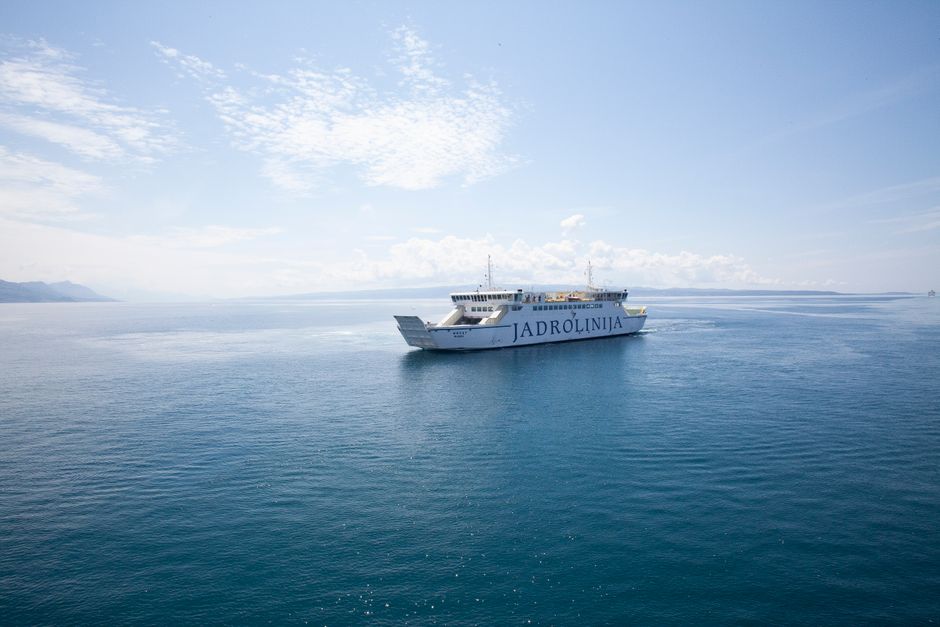
Getting to Vis is part of the adventure. The nearest major airport is Split Airport (SPU), which is about 120 km away. From Split, you can take a bus to Ston or Metković and then a ferry to Vis town. The journey takes about 3-4 hours. Alternatively, you can take a direct ferry from Split or Drvenik to Vis town. The ferry ride is about 2-3 hours and costs 30-50 EUR for a foot passenger. The scenery is spectacular, with views of the Brac and Hvar islands.
Once on the island, the best way to get around is by boat. Renting a small boat or dinghy is the only way to reach the remote coves. Prices start at 50-100 EUR per hour. Alternatively, you can rent a car or scooter. A car rental is 30-50 EUR per day, and a scooter is 15-25 EUR per day. The roads are narrow and winding, so drive carefully.
Accommodation in Vis ranges from budget hostels to luxury villas. A budget hostel bed is 20-40 EUR per night. A mid-range hotel room is 60-100 EUR per night. A luxury villa is 200-500 EUR per night. The best time to visit is May to October, when the weather is warm and the sea is calm. July and August are the busiest months, so book in advance.
Search accommodation in Vis town on Booking.com →
The Silence After the Storm
I am sitting on a rock that has no name. The sun is setting, painting the sky in shades of purple and orange. The water is still, reflecting the light like a mirror. I am alone. No phones, no signals, no noise. Just the sound of the waves and the wind. This is what Vis is about. It is not about the places you see; it is about the places you feel. The coves are not just spots on a map; they are moments of clarity. In a world that is always loud, always connected, always demanding, Vis offers a chance to disconnect. To breathe. To remember that you are small, and the world is big.
The boat ride back is dark. The stars are out, and the water is black. I am tired, sunburned, and happy. I have found the coves. I have found the silence. And I know I will come back. Not for the parties, not for the food, but for the feeling of being alive, on the edge of the world, with nothing but the sea and the sky.
Comments