


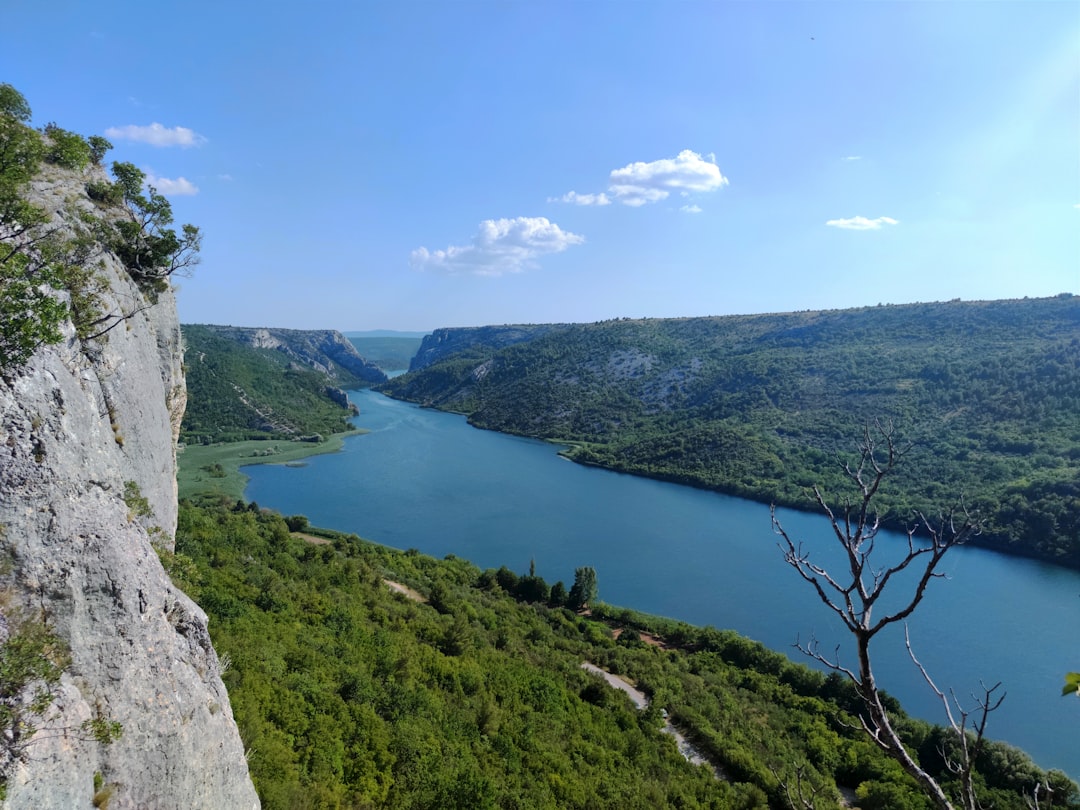
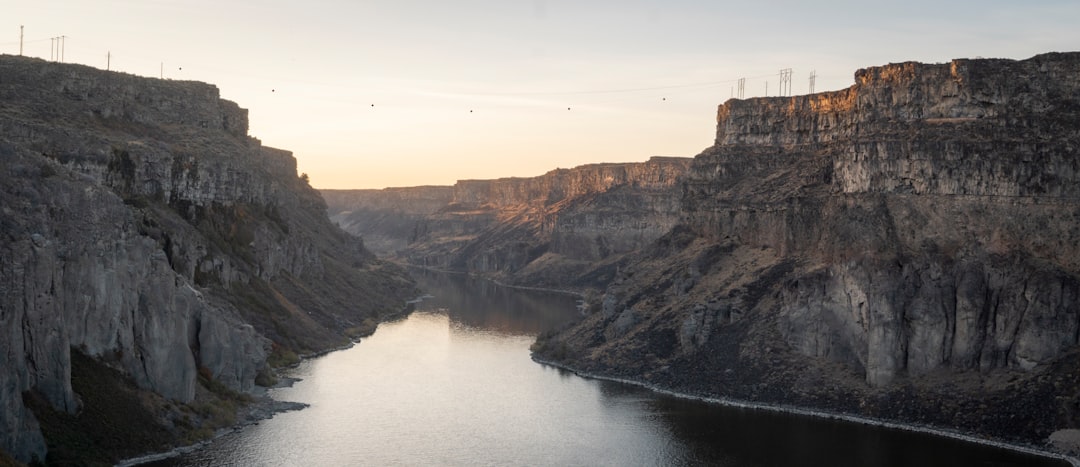
The engine of the old bus groaned like a dying animal as we crested the ridge, and suddenly the world dropped away. Below us, the Danube wasn't the lazy, postcard river of Vienna or Budapest. It was a churning, slate-grey beast, trapped between two walls of rock that seemed to lean in, whispering ancient threats. I was sitting next to a Romanian fisherman who smelled of cheap tobacco and river mud, and he pointed a calloused finger at the narrowest point of the gorge. "Here," he said, his voice dropping to a gravelly rumble, "the water remembers the blood of empires." We weren't just crossing a border; we were sliding through the throat of Europe. The sun was setting, casting long, bruised shadows across the cliffs, and for a moment, the modern world—the highway signs, the cell towers, the hum of the engine—faded into the background. All that remained was the raw, geological violence of the Iron Gate Gorge, a place where the Danube fights a losing battle against the Carpathians and the Balkans, and wins only by cutting deeper.
This isn't a gentle cruise. This is a confrontation. I've spent the last three days tracing this route, hopping between ferries, climbing ancient trails, and sleeping in hostels that smell of damp stone and history. The Iron Gate isn't just a geographic feature; it's a psychological scar on the map, a place where Romans built forts, where Ottomans marched, and where modern engineers blasted a hole in the mountain to tame the floodwaters. It's dangerous, it's beautiful, and it's entirely ignored by the typical Balkan tourist who stops at the border crossing and moves on. But if you look closer, if you listen to the water, you realize this is the most dramatic stretch of river in the entire continent.
The Geology of Violence
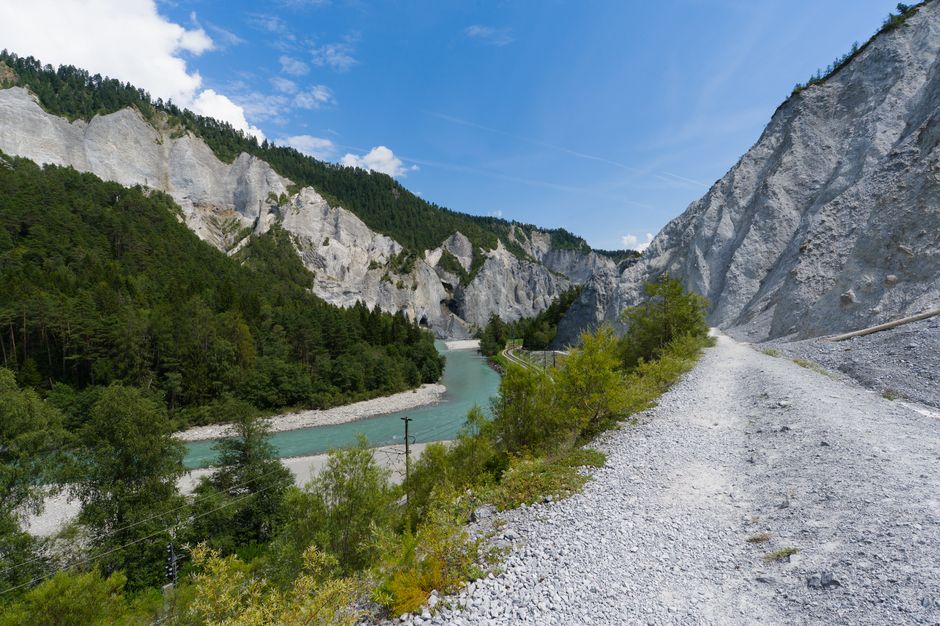
Understanding the Iron Gate Gorge requires abandoning the idea of the Danube as a peaceful waterway. For millions of years, this river has been carving its way through the collision zone of two major mountain ranges. To the north, the Carpathians; to the south, the Balkan Mountains (Stara Planina). They meet here, locking horns, and the Danube had to find a way through. The result is a canyon that is deep, narrow, and steep. In some places, the cliffs rise over 500 meters straight up from the water. The rock is hard, resistant limestone and sandstone, and the river has had to work overtime to cut through it. The name "Iron Gate" comes from the sheer difficulty of passage. In ancient times, only the bravest or most desperate navigators attempted this stretch. The currents are treacherous, the rocks are hidden just below the surface, and the wind funnels through the gorge with a force that can capsize a small boat.
The geology here is not subtle. It's brutal. The cliffs are scarred with evidence of landslides, erosion, and the relentless push of the water. If you stand on the shore, you can feel the vibration of the current through the soles of your shoes. The water is cold, even in summer, because it comes from the snowmelt of the Alps and the Carpathians. It's a living, breathing entity, constantly reshaping the landscape. The gorge is about 150 kilometers long, but the most dramatic section—the narrowest part—is near the village of Golubac on the Serbian side and Turnu Severin on the Romanian side. Here, the river is only about 200 meters wide, and the cliffs seem to close in around you. It's a place that demands respect. You don't conquer the Iron Gate; you survive it.
Fortresses and Fallen Empires
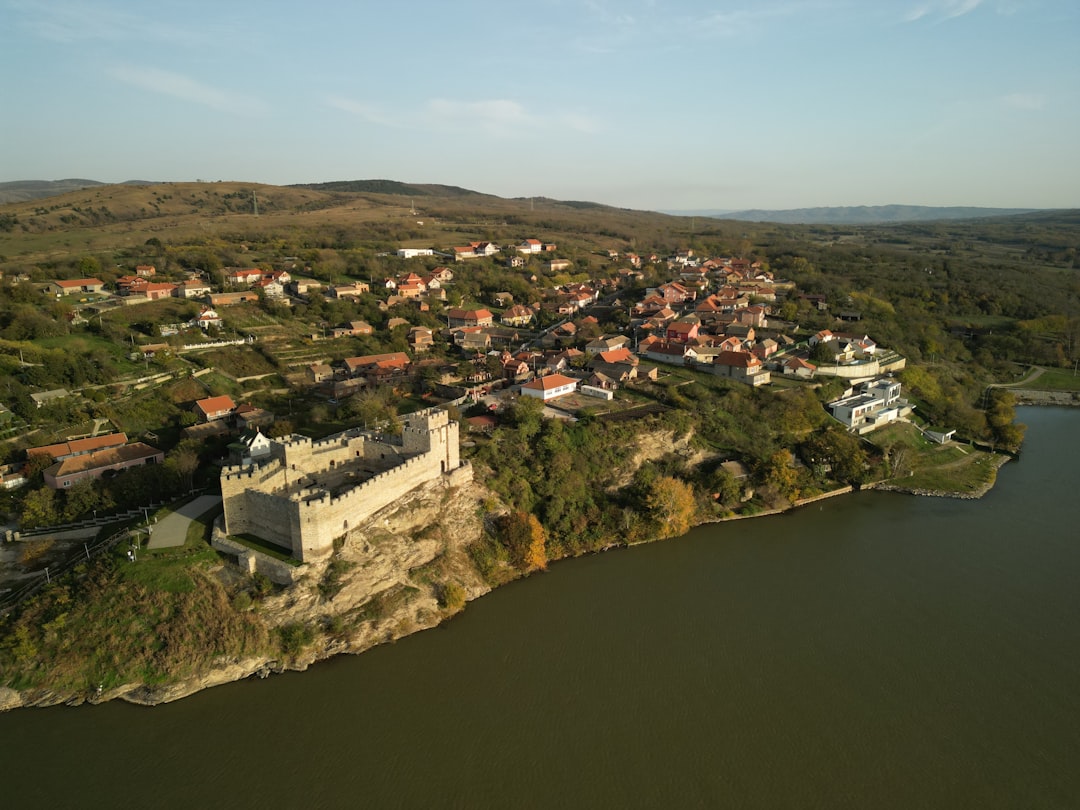
The strategic importance of the Iron Gate has made it a battleground for centuries. Who controls the gorge controls the passage between Central Europe and the Balkans. The first major power to recognize this was Rome. They built a series of forts along the river, the most famous being Golubac Fortress. This massive stone complex sits on a rocky spur on the Serbian side, overlooking the narrowest point of the gorge. It's a ruin now, but you can still see the scale of the construction. The walls are thick, the towers are imposing, and the location is unbeatable. The Romans used it as a military base and a customs station, collecting taxes from ships passing through. Later, the Byzantines, the Bulgarians, the Hungarians, and the Ottomans all fought for control of this spot. The fortress changed hands dozens of times, and each new owner added their own modifications, leaving a layered history in the stone.
On the Romanian side, you have Turnu Severin, a town that has been a key defensive point for centuries. The name itself means "the tower," referring to the medieval fortress that once stood there. While the fortress is mostly gone, the town retains a military atmosphere. The streets are straight, the buildings are solid, and the people have a no-nonsense attitude. This is a town that has seen its share of war and invasion, and it's proud of its resilience. The view from the town to the Serbian side is incredible. You can see the ruins of Golubac Fortress perched on the cliff, and the river flowing between them like a silver ribbon. It's a reminder of how small human conflicts are compared to the geological forces that shaped this place.
Another key site is Djerdap National Park, which protects the Serbian side of the gorge. The park is huge, covering thousands of hectares of forest, cliffs, and river. It's a biodiversity hotspot, home to eagles, vultures, and rare plants. The park authorities have done a good job of preserving the natural beauty of the area, while also making it accessible to tourists. There are hiking trails, viewpoints, and museums that tell the story of the gorge. It's a place where you can escape the crowds and experience the raw power of nature. The silence here is profound, broken only by the sound of the river and the wind in the trees.
The Engineering Marvel
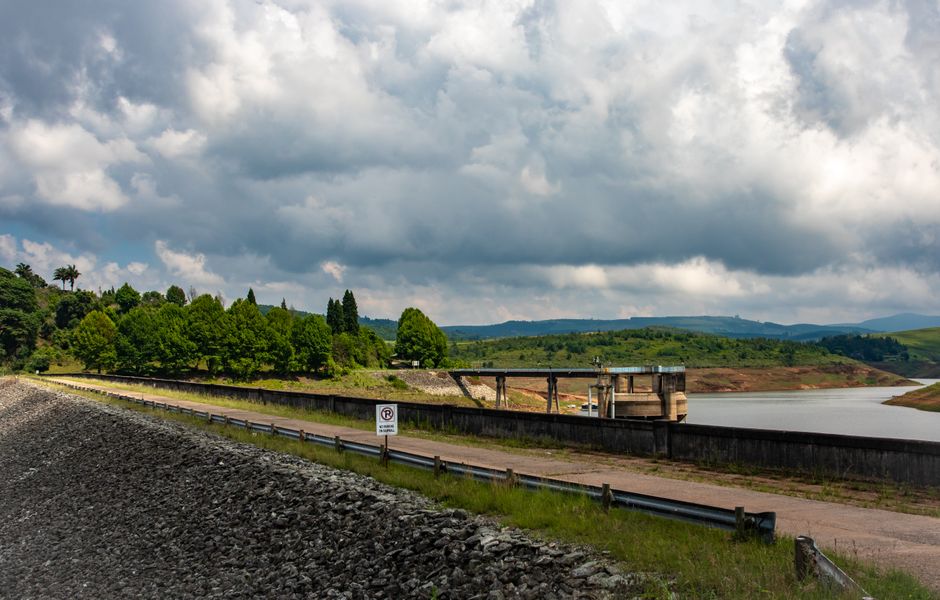
In the 20th century, the Iron Gate became the site of one of the largest engineering projects in Europe: the Iron Gate Dam. Built in the 1970s by Romania and Yugoslavia, the dam was designed to control the flow of the Danube, generate hydroelectric power, and improve navigation. It was a massive undertaking, requiring the excavation of millions of tons of rock and the construction of two large power plants. The dam created a large reservoir, which flooded many villages and archaeological sites. It was controversial at the time, with environmentalists and historians protesting the destruction of the natural landscape and the loss of cultural heritage. But today, the dam is seen as a success. It has provided cheap electricity to both countries, reduced the risk of flooding, and made the river navigable for large ships.
The impact of the dam on the gorge is visible. The water level is higher, and the current is slower. The cliffs are less steep in some places, and the river is wider. But the dramatic beauty of the gorge remains. The water is still cold, the cliffs are still imposing, and the sense of isolation is still palpable. The dam has changed the character of the river, but it hasn't destroyed it. It's a reminder of how humans can shape the natural world, for better or worse. The power plants are impressive structures, with their massive turbines and control rooms. They are a testament to human ingenuity and ambition. But they are also a reminder of the cost of progress. The villages that were flooded are gone, their inhabitants displaced. The archaeological sites that were submerged are lost to history. The Iron Gate Dam is a complex legacy, a mix of triumph and tragedy.
Routes & Trail Info
For those who want to experience the Iron Gate on foot, there are several excellent hiking trails. The most popular is the trail from Golubac Fortress to the village of Kladovo. This trail follows the riverbank, offering stunning views of the gorge and the fortress. It's about 10 kilometers long, and it takes about 3 hours to complete. The terrain is uneven, with rocks and roots, so good hiking boots are essential. The trail is well-marked, but it's not a crowded tourist path. You'll likely have it to yourself, which is part of the appeal. The views are spectacular, especially at sunset, when the cliffs are bathed in golden light.
Another great option is the trail from Maljen Mountain down to the Danube. Maljen is a small mountain range on the Romanian side, and it offers panoramic views of the gorge. The trail starts at the village of Miletin and descends to the river. It's about 8 kilometers long, and it takes about 2.5 hours to complete. The descent is steep in places, so caution is advised. But the views are worth it. From the top of Maljen, you can see the entire length of the gorge, from the dam to the open plains beyond. It's a perspective that you can't get from the riverbank. The trail is less maintained than the one from Golubac, but it's more adventurous. It's a place for experienced hikers who don't mind a bit of challenge.
For cyclists, the route along the Danube from Orșova to Viminacijum is fantastic. It's a flat, scenic ride that follows the riverbank. The road is well-paved, and there are few cars. It's about 30 kilometers long, and it takes about 2 hours to complete. The views are constant, with the cliffs on one side and the river on the other. There are several stops along the way, including viewpoints, cafes, and archaeological sites. It's a great way to see the gorge at a relaxed pace, without the effort of hiking. The route is suitable for families, and there are bike rentals available in Orșova. It's a perfect day trip, combining exercise, sightseeing, and relaxation.
Getting There & What to Expect
The nearest major city to the Iron Gate is Belgrade, Serbia, which is about 200 kilometers away. You can drive there in about 2.5 hours via the E70 highway. The road is excellent, and the scenery is beautiful. Alternatively, you can take a bus from Belgrade to Kladovo, which takes about 3 hours and costs around 10-15 EUR. From Kladovo, you can take a local bus or taxi to Golubac Fortress. On the Romanian side, the nearest city is Timișoara, which is about 150 kilometers away. You can drive there in about 2 hours via the A1 highway. Buses run regularly from Timișoara to Orșova, taking about 2.5 hours and costing around 8-12 EUR.
Accommodation options are limited but improving. In Kladovo, there are several guesthouses and hostels, with prices ranging from 20-40 EUR per night for a double room. In Orșova, there are hotels and pensions, with prices ranging from 25-50 EUR per night. For those who prefer camping, there are several campsites along the river, with fees around 5-10 EUR per person per night. The best time to visit is between May and September, when the weather is warm and the water is calm. Winter can be harsh, with cold winds and ice on the river. But for those who like solitude, winter can be a magical time to visit the gorge.
What to expect is a mix of raw nature, ancient history, and modern engineering. The gorge is not a polished tourist destination. It's rugged, remote, and often lonely. But that's part of its charm. It's a place where you can disconnect from the modern world and reconnect with the natural world. The people are friendly and welcoming, and they are proud of their home. The food is simple but delicious, with plenty of river fish and local wines. It's a place that stays with you long after you leave. The Iron Gate is not just a gorge; it's an experience. It's a reminder of the power of nature and the resilience of humanity. It's a place that demands your attention, and it rewards it with beauty and history.
Search accommodation in Kladovo on Booking.com →
The River's Whisper
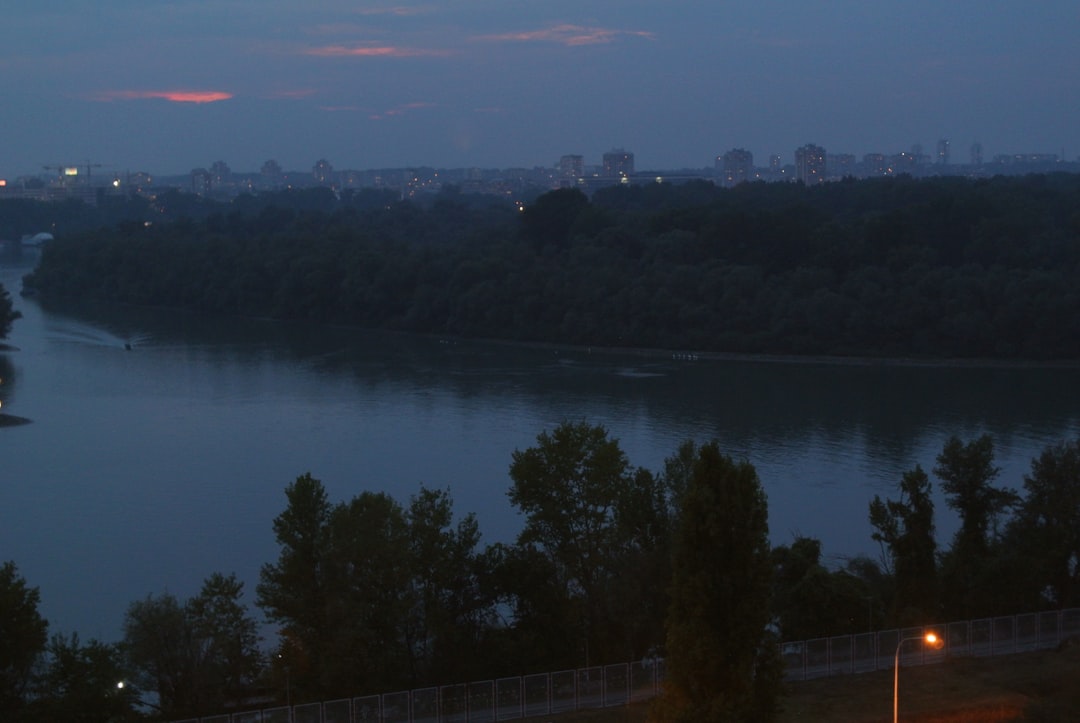
I left the gorge at dawn, the mist still clinging to the water like a ghost. The bus was empty, the driver humming a tune I didn't recognize. As we drove away, I looked back one last time. The cliffs were silhouettes against the rising sun, dark and imposing. The river was calm, almost deceptively so. But I knew what lay beneath that surface. The current, the rocks, the history. The Iron Gate doesn't let you go easily. It leaves a mark on you, a sense of awe and humility. I thought about the fisherman, the Roman soldiers, the Ottoman janissaries, the engineers who built the dam. They were all part of the same story, a story written in stone and water. And I was just a fleeting character, passing through. But for a moment, I was part of it. And that was enough.
The Balkans are full of secrets, hidden in plain sight. The Iron Gate is one of them. It's not on the typical tourist trail, but it should be. It's a place of drama and beauty, of history and nature. It's a place that challenges you, that makes you think, that makes you feel alive. If you're ever in the region, don't just cross the bridge and move on. Stop. Look. Listen. The Danube has a story to tell, and the Iron Gate is where it speaks the loudest. It's a roar, a whisper, a scream, and a song. It's the voice of Europe, raw and unfiltered. And if you listen closely, you'll hear it too.
Comments