


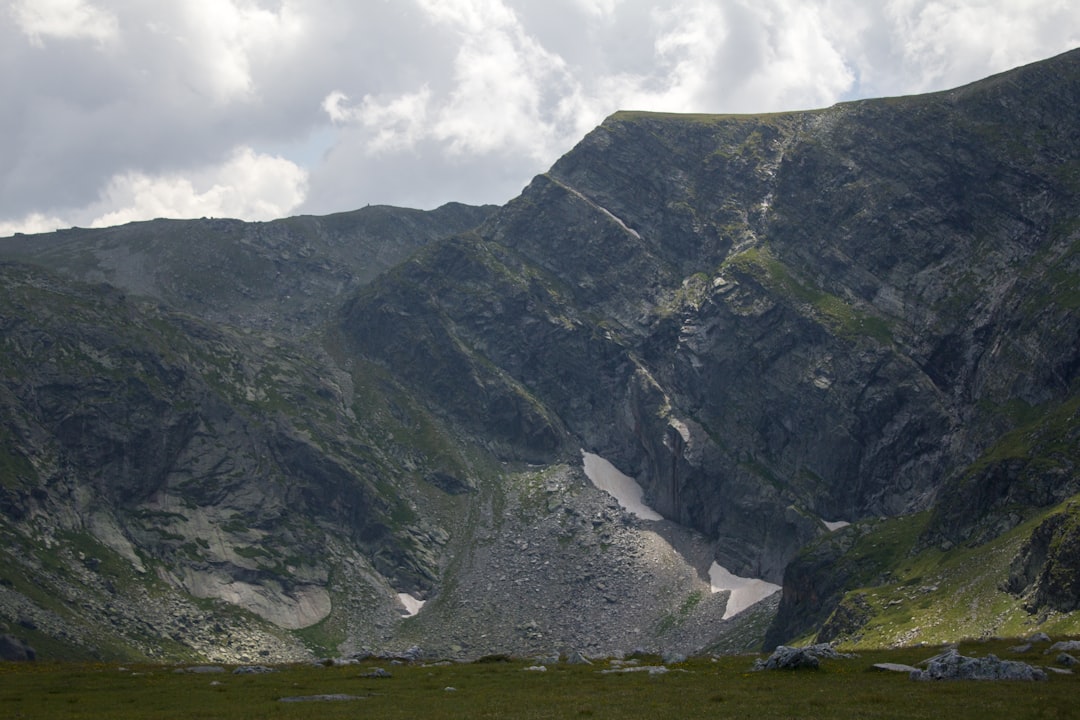
History & Identity
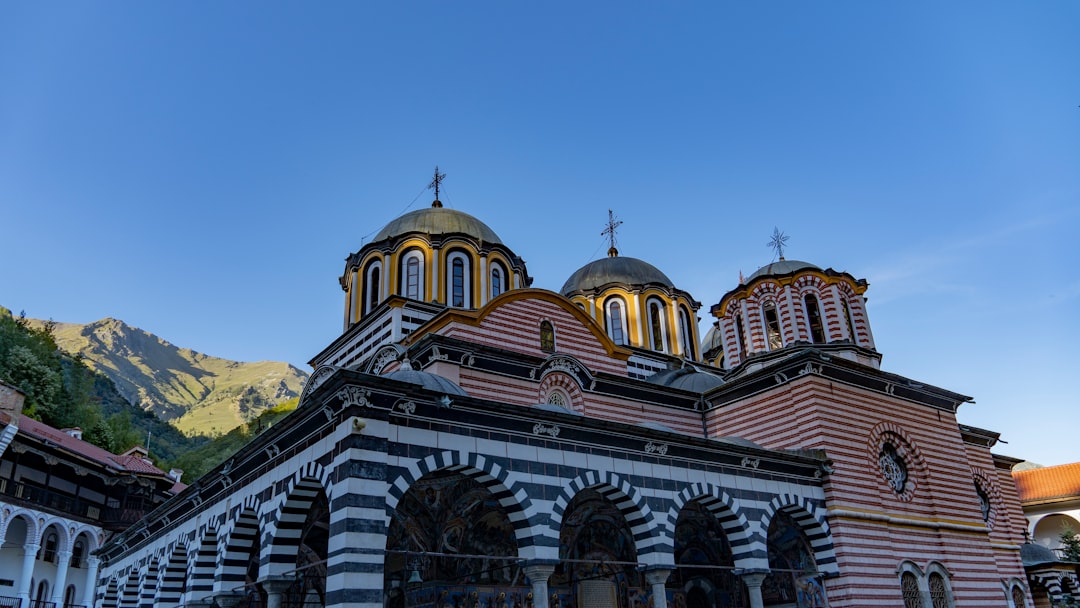
Rila Mountain Rila Mountain isn't just a geological formation; it's the spiritual heart of Bulgaria. Long before tourists were hiking for Instagram posts, monks were carving cells into the cliffs. The Rila Monastery Rila Monastery, a UNESCO World Heritage site, sits at the foot of the mountain like a fortress of faith. It’s a place where Orthodox Christianity took root deep in the Balkan soil, surviving Ottoman rule, communist suppression, and centuries of hardship. The mountain itself was named after Rila Rila, the first Bulgarian saint, who retreated into these caves to find God. That spiritual weight lingers here. When you hike up, you’re walking through centuries of pilgrimage, where the path to the summit was once a metaphor for the path to salvation.
But Rila is also a playground for the modern Bulgarian. In the 20th century, it became a hub for tourism and skiing. The Rila Monastery Rila Monastery draws thousands every summer, while the ski resorts on the opposite slopes cater to winter sports fans. This duality creates a unique atmosphere. On any given day, you’ll see hikers in technical gear walking past families in flip-flops, and monks in black robes sharing the road with minivans packed with luggage. The mountain doesn't care who you are, but it demands respect from everyone. It’s a place where history, nature, and tourism collide in a messy, vibrant way that’s hard to find anywhere else in Europe.
Routes & Trail Info
Getting to the top of Musala Musala isn't a single path; it’s a choice of suffering. The most common route starts from the Rila Monastery Rila Monastery or the nearby village of Goveda Goveda. If you’re starting from the monastery, you’ll hike up to the Yulen Yulen hut, a steep and rocky climb that takes about 4-5 hours. From there, it’s another 2-3 hours to the summit via the cable car or on foot. The path is marked, but it’s not always clear. Loose scree, sudden drops, and the occasional cow blocking the trail will test your patience.
For the more adventurous, there’s the route from the Rila Rila ski resort. You take the cable car up to the Rila Rila peak, then hike down to the Yulen Yulen hut and back up to Musala Musala. This is a longer, more technical route that requires good fitness and experience. It’s not for beginners. The views are incredible, but the risk of injury is higher. If you’re unsure, stick to the main trail from the monastery. It’s crowded, yes, but it’s safer and better marked. Remember, this is high-altitude hiking. Bring water, food, and a map. Your phone signal will die halfway up, and you’ll be glad you prepared.
The Seven Rila Lakes
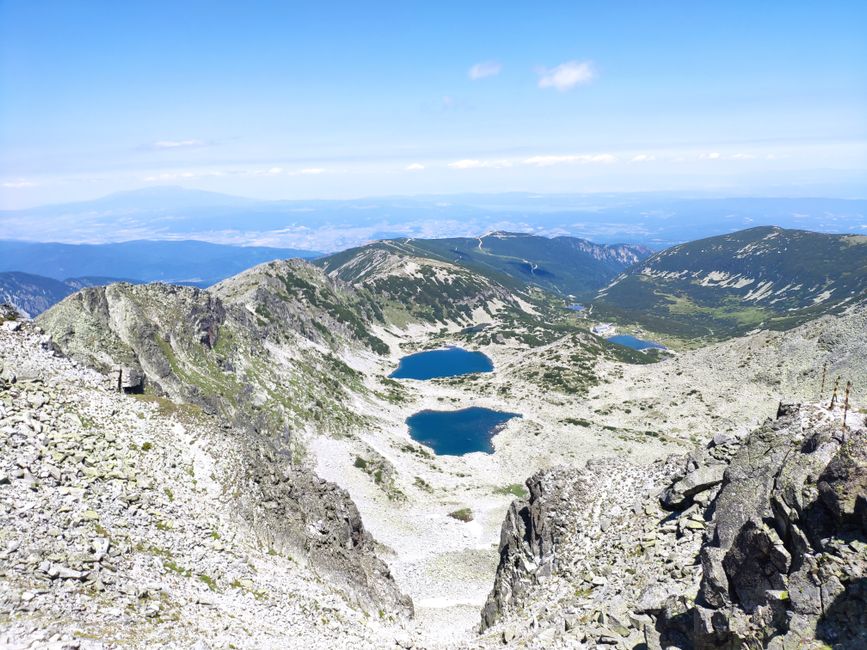
Before you tackle Musala Musala, you need to see the Seven Rila Lakes Seven Rila Lakes. These glacial lakes are the crown jewels of the mountain, a series of turquoise pools set against a backdrop of jagged peaks. The hike to the lakes is a classic Bulgarian trek, starting from the Yulen Yulen hut. It’s a 12-kilometer round trip that takes about 5-6 hours. The path is well-maintained, with wooden bridges and viewpoints that offer stunning vistas of the lakes and surrounding peaks.
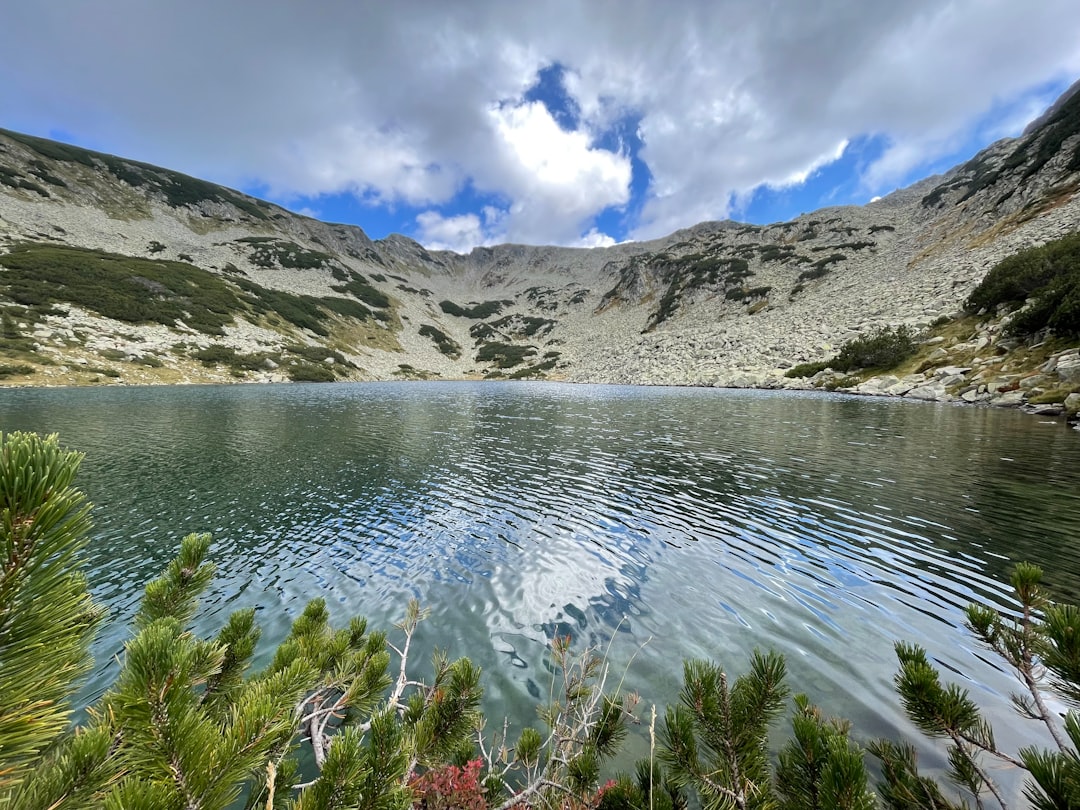
The lakes themselves are named for their colors and shapes. The Big Eye is the largest, a deep blue mirror reflecting the sky. The Little Eye is smaller and more secluded, perfect for a quiet moment. The Tears are two small lakes connected by a narrow channel, their waters shimmering in the sun. Each lake has its own character, and the hike between them is a journey through a landscape that feels almost alien. The water is cold, the air is crisp, and the silence is profound. It’s a place to reset, to breathe, and to remember why you came to the mountain in the first place.
Getting There & What to Expect
Getting to Rila Mountain Rila Mountain is easier than you might think. The nearest major city is Sofia Sofia, about 120 kilometers away. You can take a bus or a train to Rila Rila, the village at the foot of the mountain, which takes about 2-3 hours. Buses are frequent and cheap, costing around 5-8 EUR one way. If you have a car, the drive is scenic but winding, with steep climbs and sharp turns. Park in Rila Rila or Goveda Goveda and start your hike from there.
Accommodation options range from budget hostels to luxury hotels. The Rila Monastery Rila Monastery has a guesthouse, but it’s basic and books up fast. In Rila Rila, you’ll find hostels for 15-25 EUR per night and mid-range hotels for 40-60 EUR. If you want to be closer to the trailhead, consider staying in Goveda Goveda, which has several guesthouses and hotels. Meals are affordable, with a typical lunch costing 8-12 EUR and dinner 15-20 EUR. Bring snacks and water for the hike, as options on the mountain are limited and expensive.
The best time to visit is from June to September. July and August are the busiest, with crowds and higher prices. June and September offer fewer people and cooler weather, but the snow may still be present on the higher trails. Winter hiking is possible but requires technical gear and experience. The mountain is unpredictable, so always check the weather forecast before you go. And remember, respect the environment. Don’t litter, stay on the marked trails, and leave no trace.
Search accommodation in Rila on Booking.com →
The Final Ascent
I reached the summit of Musala Musala just as the sun began to dip below the horizon. The light was golden, casting long shadows across the rocks and illuminating the clouds below. I sat there, exhausted and exhilarated, watching the world turn. It wasn’t a moment of triumph, exactly. It was something quieter, more profound. A sense of connection to the mountain, to the history, to the people who had walked this path before me. The wind still screamed, but I didn’t mind. I was part of it now.
Rila Mountain doesn’t give you anything for free. It demands effort, respect, and a willingness to be uncomfortable. But if you’re willing to pay the price, it rewards you with something rare: a sense of place. A feeling that you’re exactly where you’re supposed to be. So lace up your boots, pack your bags, and come find out what it means to stand on top of the Balkans. Just don’t say I didn’t warn you about the wind.
Comments