


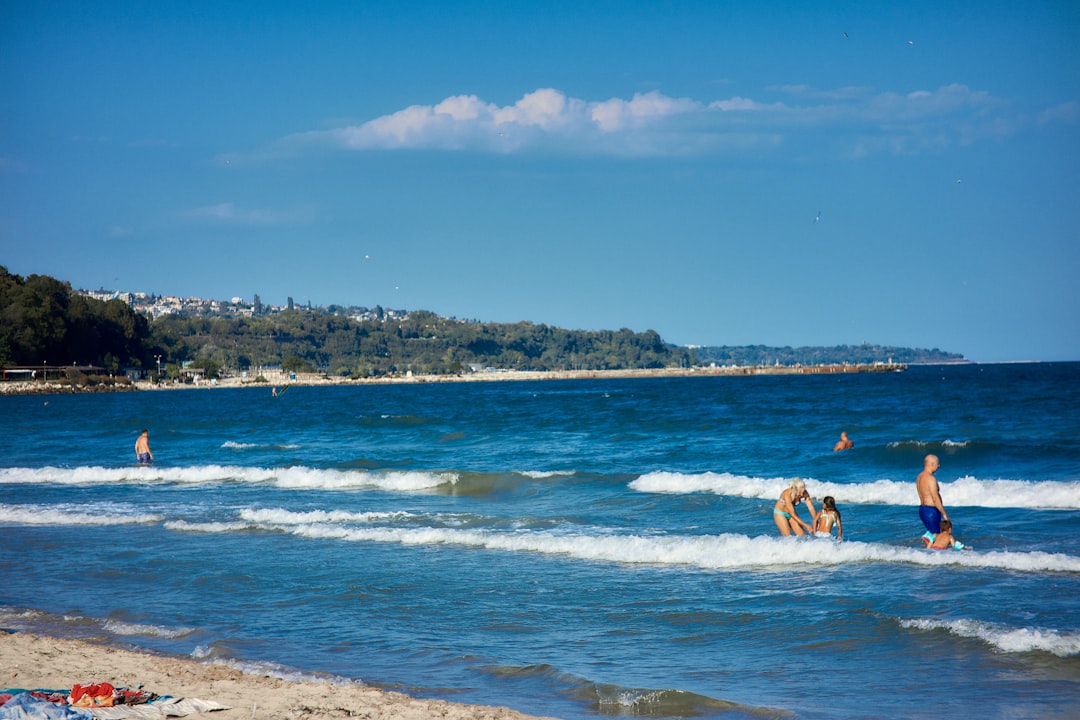
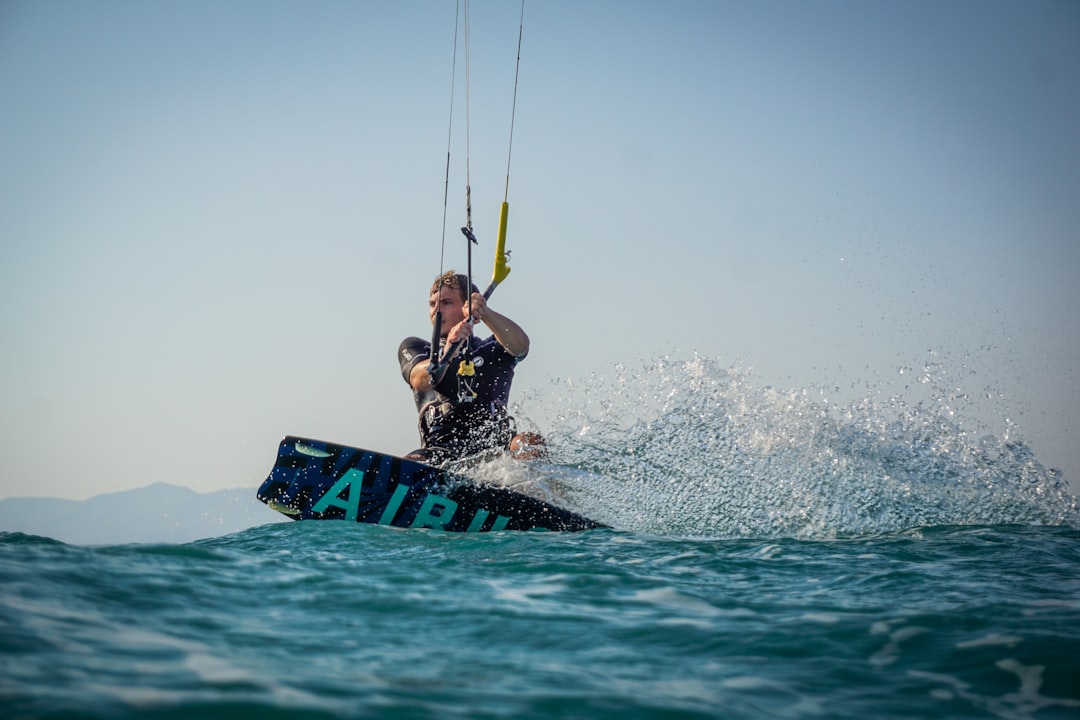
The wind on the Bulgarian Black Sea Coast doesn't ask for permission. It arrives like a debt collector, howling down from the Carpathians and slamming into the flat, open shoreline with a violence that feels personal. I stood on the boardwalk in Varna, coffee cup trembling in my hand, watching a line of sailboards get lifted like toys by a gust that smelled of salt and pine. This isn't the lazy, sun-drenched lagoon sailing of the Mediterranean. This is raw, unfiltered energy. The locals call it the Bura, a north-easterly wind that turns the sea into a churning cauldron of whitecaps and sends seasoned sailors scrambling for shelter. For the casual tourist, it's a nuisance. For the wind surfer, it's the holy grail.
I spent a week chasing the wind from the northern tip near Albena down to the southern beaches of Sozopol. The experience was less about relaxation and more about survival, adrenaline, and the sheer joy of being pushed to your limits by an element you can't control. The Bulgarian coast is a hidden secret for wind sports enthusiasts, offering consistent conditions that rival the famous spots in Croatia and Greece, but without the crowds or the inflated prices. It's gritty, it's loud, and it's absolutely addictive.
The Wind Mechanics: Why Bulgaria Works
The geography of the Bulgarian Black Sea Coast creates a natural wind tunnel. The land slopes gently upward from the coast, allowing the Bura to accelerate as it descends. This wind is most prevalent in the winter and early spring, but strong breezes are common throughout the summer, especially in the afternoons. The thermal effect of the Black Sea creates consistent onshore winds that are perfect for planing. Unlike the choppy, unpredictable waves of the Atlantic, the Black Sea offers a smoother surface, making it easier to learn and progress, even in strong conditions.
The best conditions are found along the central and southern coasts. The northern section near Albena Albena is popular for its wide, sandy beaches and shallow waters, which are ideal for beginners and intermediates. The water is calm in the mornings, heating up quickly to create thermal winds by midday. Further south, around Sunny Beach Sunny Beach, the winds are stronger and more consistent, thanks to the open exposure to the sea. The southern tip near Sozopol Sozopol offers a mix of protected bays and open stretches, catering to both freeride and wave sailing.
Top Spots for Wind Surfing
The Bulgarian coast is dotted with resorts and beaches, each with its own character and wind profile. Here are the top spots to catch the breeze.
Albena Beach — This is the go-to spot for beginners and families. The beach is wide, sandy, and shallow, with gentle slopes that make it easy to fall and get back up. The wind is moderate, averaging 15-20 knots in the summer, with stronger gusts in the spring. There are several schools offering lessons and equipment rental. The atmosphere is relaxed, with plenty of cafes and hotels nearby. Entry to the beach is free, but parking can be a challenge in peak season. Best visited between June and September.
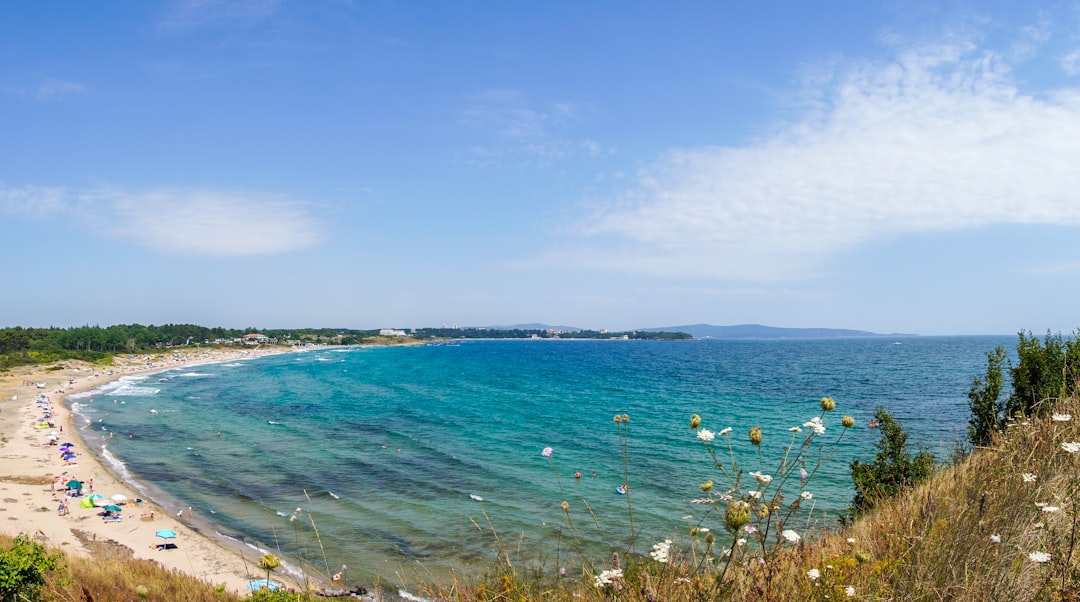
Sunny Beach — Known for its nightlife, Sunny Beach is also a serious wind surfing destination. The long, straight coastline offers consistent winds, often exceeding 25 knots. The water is deeper here, and the waves are more pronounced, making it suitable for advanced riders. There are numerous schools and rental shops, many of which offer guided tours to the best spots. The beach is crowded in the summer, so arrive early to claim your space. Entry is free, but beach chairs and umbrellas cost around 10-15 EUR per day.
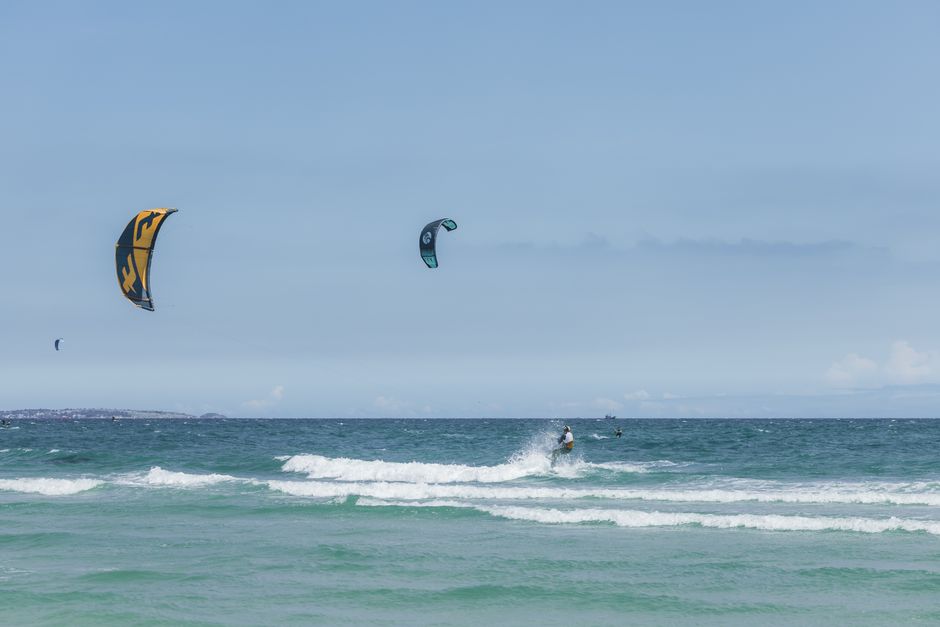
Sozopol Bay — Sozopol is a historic town with a charming old town and a vibrant arts scene. The bay offers a mix of protected waters and open stretches, making it ideal for freeride and wave sailing. The winds are variable, but the scenery is unbeatable. The old town is perched on a small peninsula, offering stunning views of the sea and the surrounding islands. There are several schools and rental shops in the town center. Entry to the beach is free, but parking is limited and expensive. Best visited between May and October.
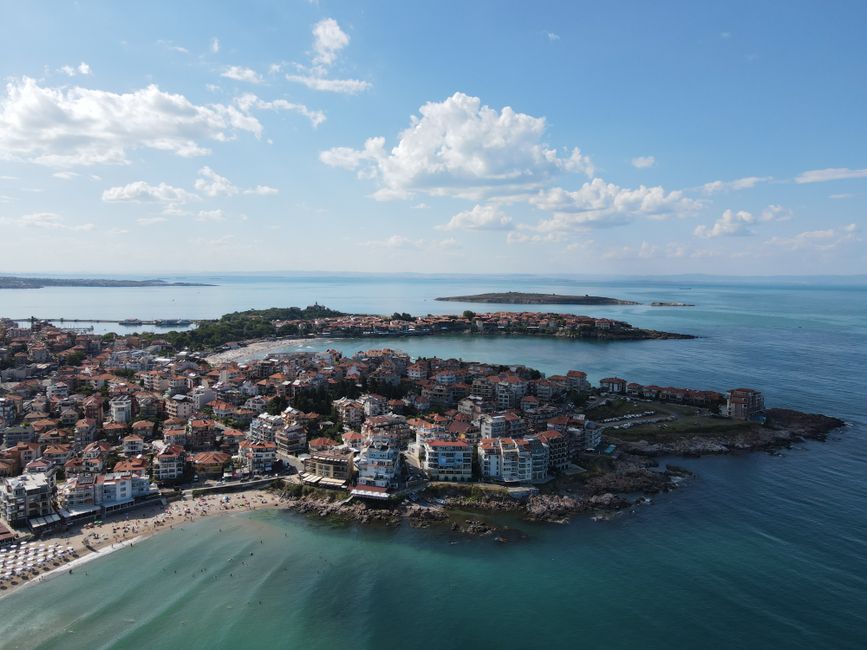
Kiten Beach — Located just south of Sozopol, Kiten is a quieter spot with a more local feel. The beach is wide and sandy, with moderate winds that are perfect for intermediates. The water is clear and shallow, making it easy to see the seabed. There are fewer schools here, but you can find rental equipment in the town. The atmosphere is laid-back, with plenty of local restaurants and bars. Entry to the beach is free. Best visited between June and September.
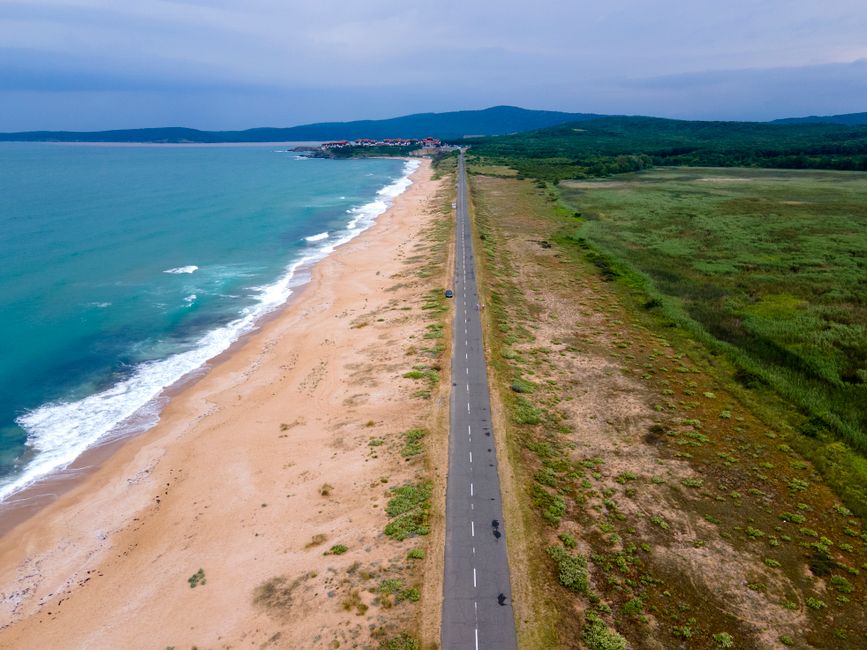
Golden Sands — North of Varna, Golden Sands is a popular resort with long, sandy beaches and consistent winds. The water is shallow and warm, making it comfortable for long sessions. There are several schools and rental shops, many of which offer guided tours. The beach is well-organized, with plenty of facilities and amenities. Entry is free, but beach chairs and umbrellas cost around 10-15 EUR per day. Best visited between June and September.
Equipment and Schools
You don't need to bring your own gear to wind surf in Bulgaria. There are plenty of schools and rental shops along the coast, offering everything from beginner boards to high-performance sails. Most schools offer lessons for 30-50 EUR per hour, including equipment and instruction. Packages for multiple hours or days are often discounted. It's worth booking in advance during peak season, as the best schools can fill up quickly.
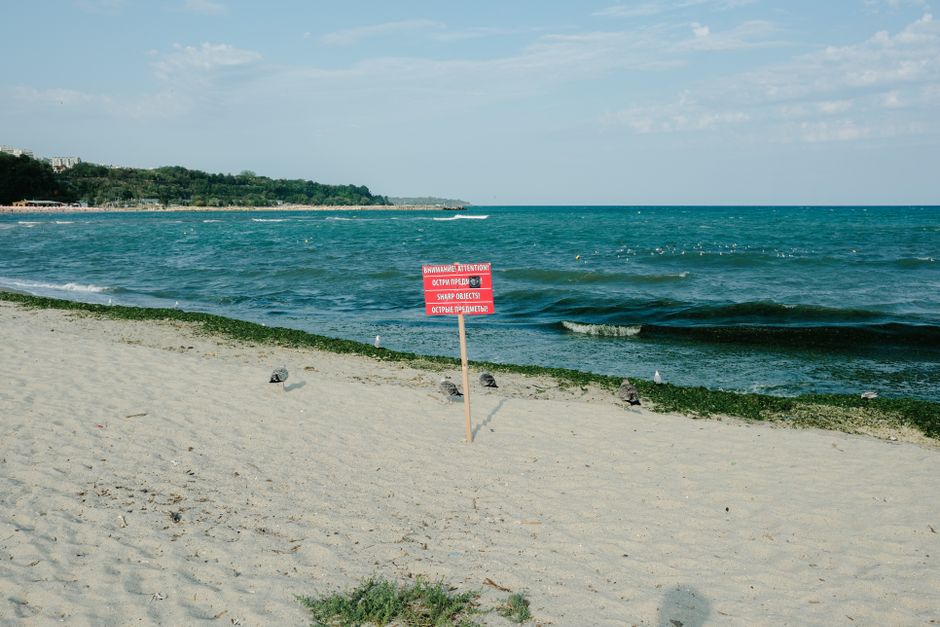
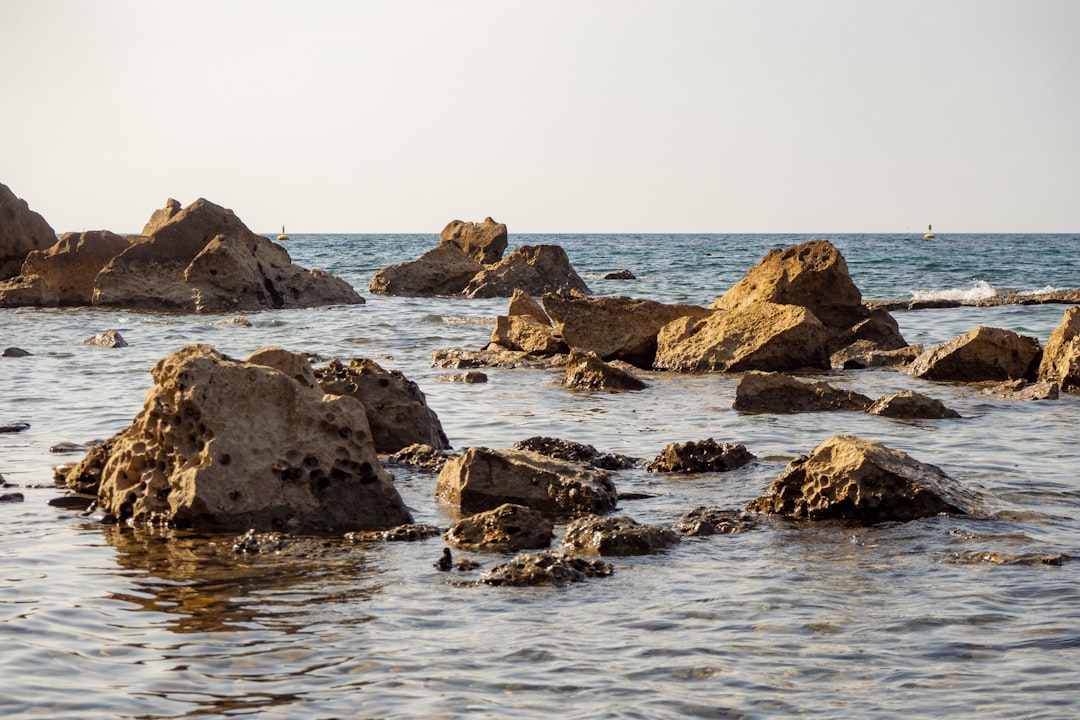
When choosing a school, look for one with certified instructors and a good reputation. Check online reviews and ask for recommendations from other wind surfers. Most schools offer guided tours to the best spots, which can be invaluable for finding the right conditions. They also know the local hazards, such as rocky outcrops or strong currents, and can help you avoid them.
Getting There & What to Expect
The nearest international airports are in Varna and Burgas. Varna is closer to the northern spots like Albena and Golden Sands, while Burgas is closer to the southern spots like Sunny Beach and Sozopol. Both airports have regular flights from major European cities. From the airport, you can take a bus or taxi to your destination. Buses are cheap and frequent, while taxis are more expensive but convenient. The journey from Varna to Albena takes about 20 minutes, while the journey from Burgas to Sunny Beach takes about 30 minutes.
Accommodation options range from budget hostels to luxury hotels. In the north, you can find hostels in Albena and Varna for 20-40 EUR per night. Mid-range hotels in Varna and Albena cost around 60-100 EUR per night. In the south, hostels in Burgas and Sozopol cost 25-45 EUR per night, while mid-range hotels in Sunny Beach and Sozopol cost 70-120 EUR per night. For the best value, consider staying in a guesthouse or apartment, which can be found for 40-80 EUR per night.
The best months to wind surf in Bulgaria are June, July, and August, when the winds are consistent and the water is warm. September and October are also good, with fewer crowds and lower prices. Avoid the winter months, as the Bura can be too strong and dangerous for beginners.
The Aftermath
As the sun sets over the Black Sea, the wind dies down, and the chaos of the day settles into a quiet hum. I sat on the beach in Sozopol, muscles aching, skin sunburned, and spirit soaring. The wind had pushed me, challenged me, and ultimately rewarded me with a sense of freedom that I couldn't find anywhere else. It wasn't just about the sport; it was about the connection to the element, the landscape, and the people who live here. Bulgaria's Black Sea Coast is not a polished resort; it's a raw, wild place that demands respect and gives back in spades. If you're looking for a wind surfing destination that feels real, this is it. Just bring a wetsuit, a sense of adventure, and a willingness to get blown away.
Comments