


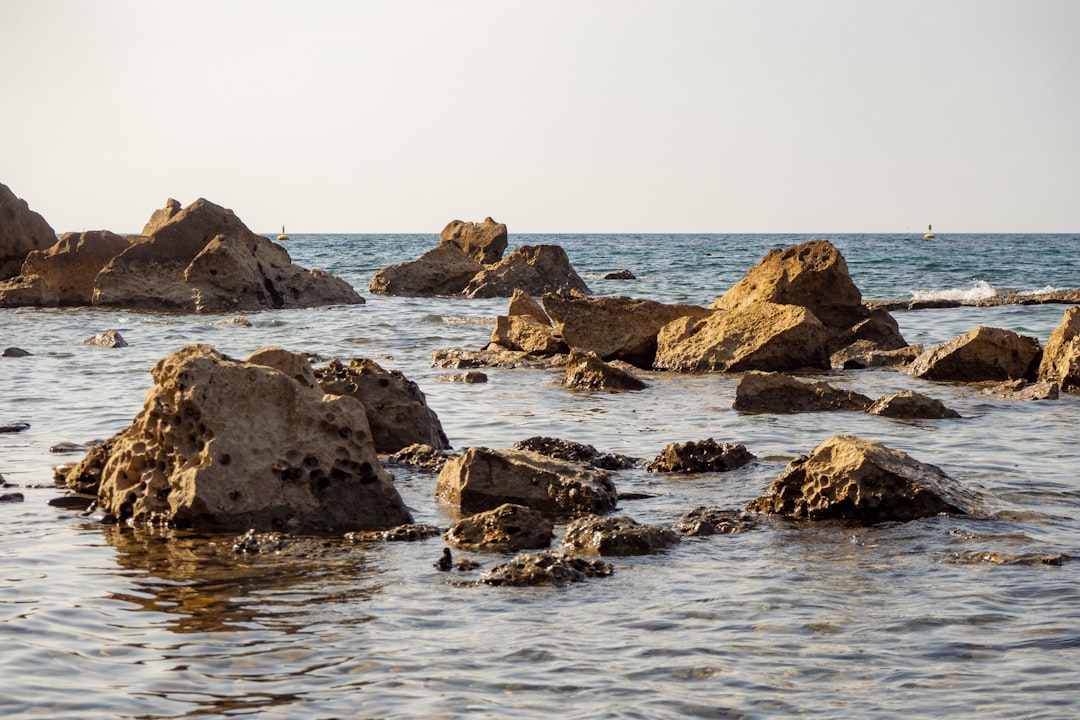
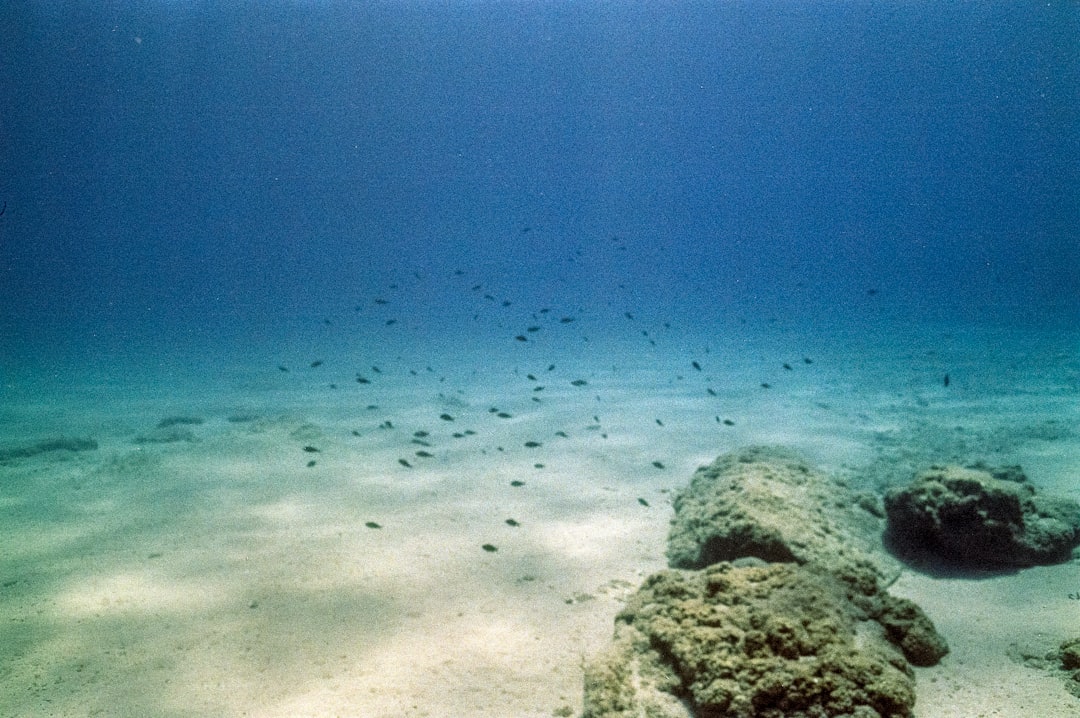
The sun hadn't even crested the Julian Alps yet, but I was already knee-deep in the Adriatic, shivering in a damp hoodie, staring at a rock that looked suspiciously like a sleeping monk seal. It wasn't, of course. It was just a rock. But in the pre-dawn grey of the Slovenian coast, everything feels a little more feral, a little more alive. I wasn't here for the polished cafes of the old town or the postcard-perfect sunsets over the Venetian-style towers. I was here for the grit. I was here to see what the sea throws up when it's not being served on a porcelain plate at 25-40 EUR a pop. With a pair of rubber gloves, a mesh bag, and a healthy disregard for looking dignified, I joined a small group of locals who treat the tide line like a grocery store with no security guards.
Foraging for seafood in Slovenia is not a tourist trap; it's a cultural survival skill passed down through generations of fishermen and islanders. The coast is small — just 46 kilometers of shoreline — but it's rugged, rocky, and teeming with life. The key is knowing what to pick, where to pick it, and when to leave it alone. And yes, you do need to read the rules. This isn't the Wild West. It's the European Union with a tide chart.
The Rules of the Tide
Before you even think about dipping a toe in, you need to understand the legal framework. Foraging for wild seafood in Slovenia is permitted, but heavily regulated. You can collect mussels, clams, and certain types of crabs for personal consumption, but there are strict size limits, seasonal bans, and no-commercial-use clauses. No nets, no rakes, no industrial equipment. Hands only, or simple hand tools like a small knife or a sturdy fork. The Ministry of Agriculture, Forestry and Food oversees this, and they do patrol. Fines for illegal harvesting can hit 100-500 EUR, so ignorance is not a defense.
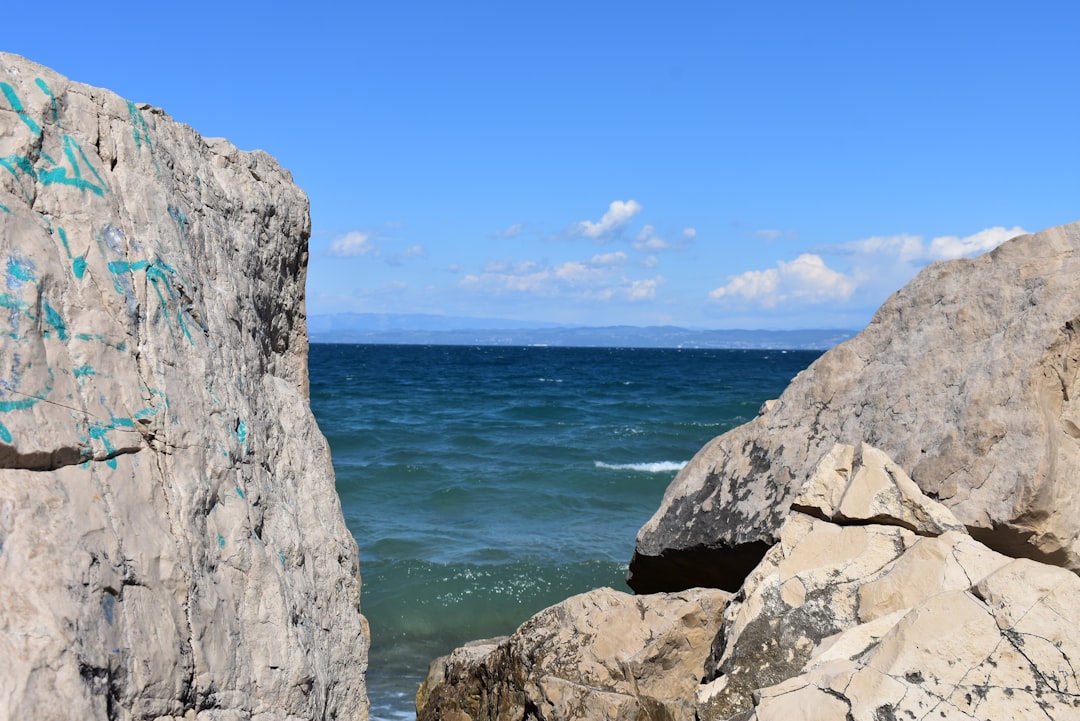
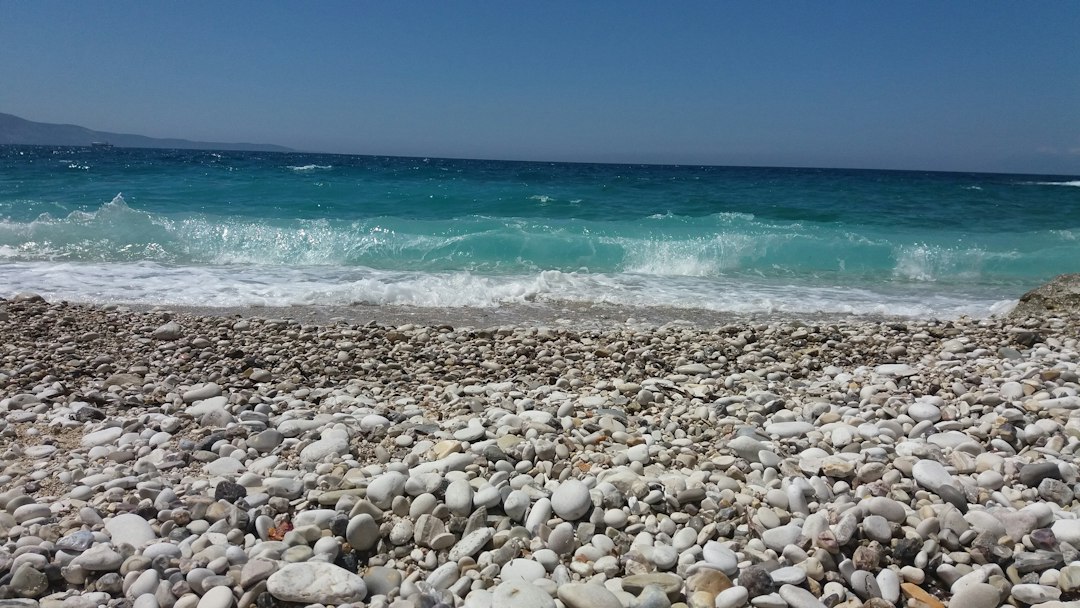
The best spots are the rocky shores north and south of Piran, where the waves crash against limestone and dolomite, creating crevices where marine life clings for dear life. The islands of Kamenjak and Škocjan are also prime foraging grounds, though access requires a boat or a long hike. The mainland coast near Portorož is more developed, but even there, the rocky outcrops behind the hotels hold secrets. Just don't expect to find oysters on the beach. That's a myth. What you will find, if you know where to look, are razor clams buried in the sand, mussels clustered on every submerged rock, and occasionally, a hermit crab scuttling for its life.
What to Hunt
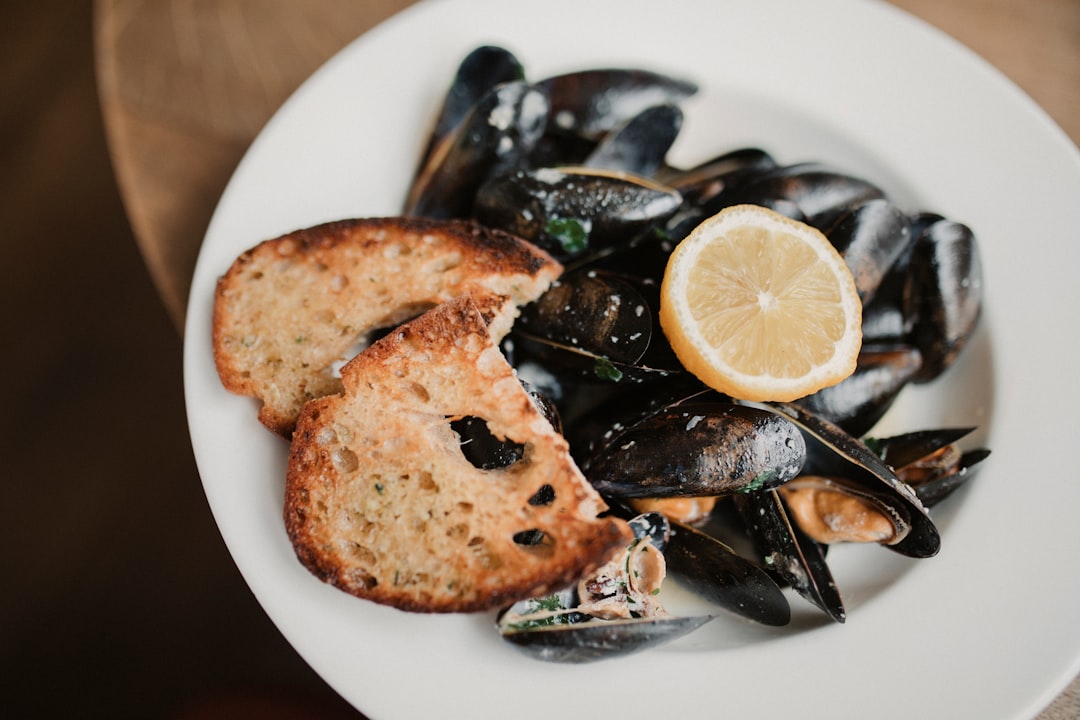
Mussels — The easiest target. Look for dark, elongated shells attached to rocks in the intertidal zone. They're abundant, especially in spring and early summer. Twist them off by hand or use a knife to pry them loose. Check for freshness: if the shell is open and doesn't close when tapped, toss it. Mussels are a staple of local cuisine, often steamed with white wine, garlic, and parsley. Entry fee: zero, but respect the size limit — only take those over 3cm.
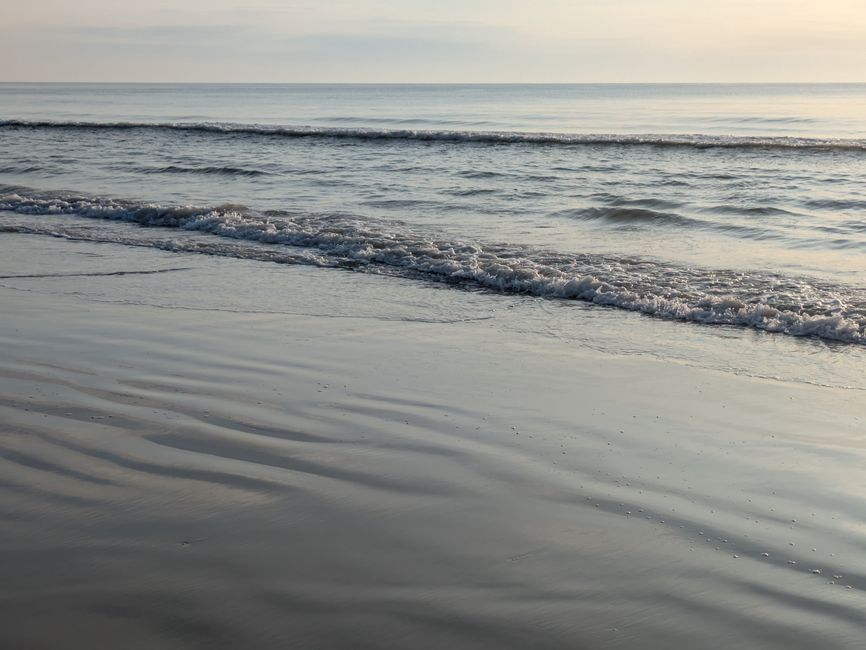
Razor Clams — These are the jackpot. Buried in the sand and shallow gravel, you spot them by the small holes they leave in the sand. Use your fingers to dig them out — no tools allowed. They're best harvested at low tide, early in the morning. Razor clams are prized in local restaurants, often grilled or served in a creamy sauce. Price in restaurants: 12-18 EUR per portion. Size limit: minimum 7cm.
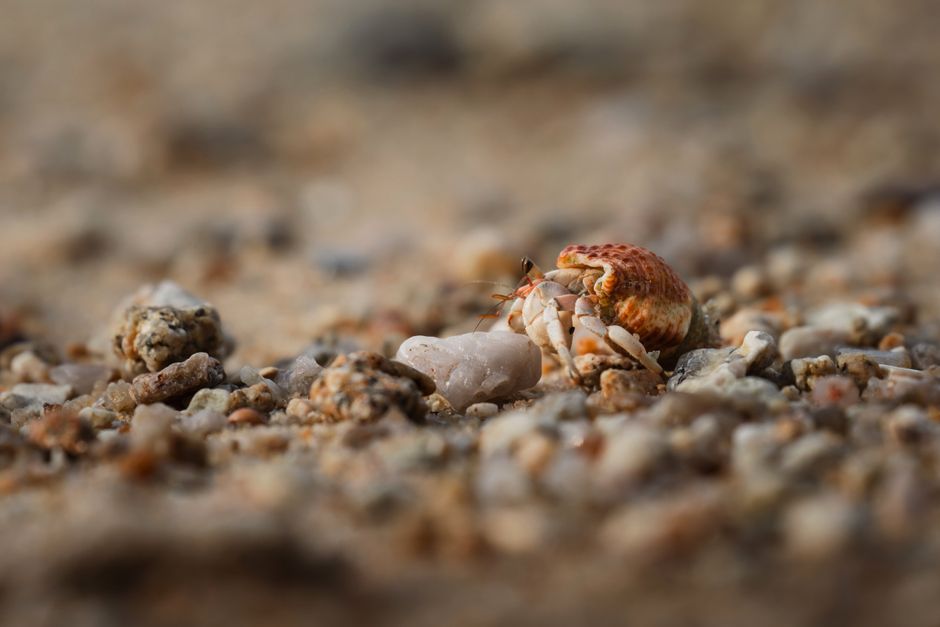
Hermit Crabs & Small Crabs — Flip rocks carefully. You'll find small crabs hiding underneath. They're not typically eaten for meat, but they're fascinating to observe and a sign of a healthy ecosystem. Leave them be. They're part of the food chain, not your dinner. Watching them scuttle back into their shells is worth the trip alone.
How to Eat It
Once you've collected your haul, the real fun begins. Back at a local konoba (tavern) or your own kitchen, the options are endless. Mussels are best steamed simply — no heavy sauces needed. Razor clams can be grilled, sautéed with olive oil and chili, or added to pasta. The key is freshness. If you've just pulled them from the sea, they don't need much else. Pair it with a local Malvasia wine, and you're eating like a Slovenian coastal nobleman from the 15th century.
Budget breakdown: Foraging itself is free. Cooking at home costs 5-10 EUR for wine and basic ingredients. Eating out at a local tavern with house-prepared foraged seafood runs 15-25 EUR per person. Mid-range restaurants in Piran old town can charge 30-50 EUR for similar dishes, but the ambiance and view often justify the price. Street food? Not really a thing here. This is a place for sit-down meals, fresh bread, and slow sipping.
Food streets? Not exactly. But the area around Tartini Square in Piran is lined with restaurants that source locally. Ask for the daily catch. You might be surprised. For budget travelers, the market in Portorož offers fresh seafood for self-preparation, with prices starting at 8-12 EUR per kilogram for mussels.
Nightlife & The Aftermath
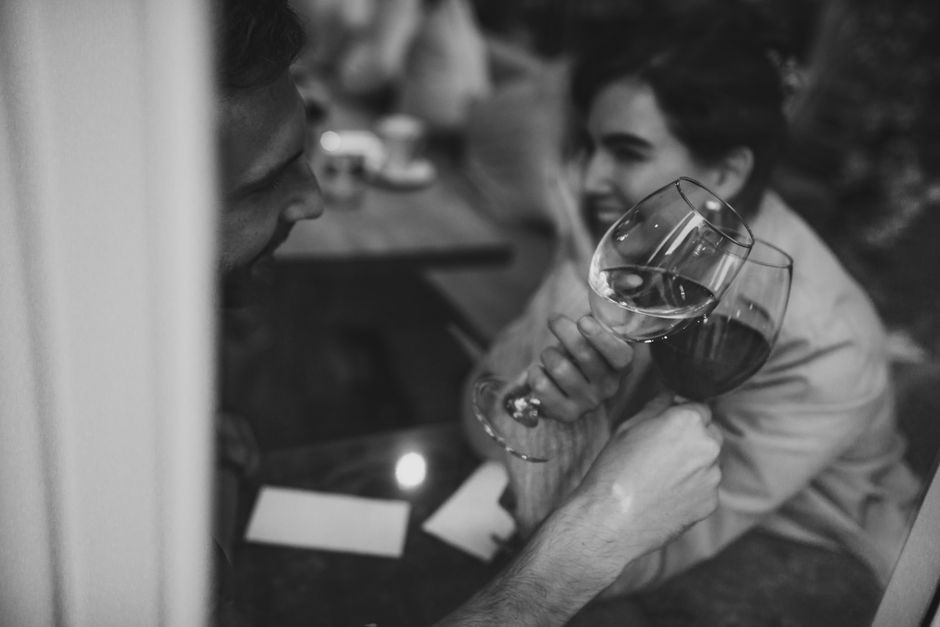
Forget raves and clubs. The nightlife here is about lingering. After a day of foraging, the locals gather in the bars of Piran's old town. The atmosphere is relaxed, the music is low, and the conversations are long. Venues like Bar Tartini and Café Mlekar are institutions. Cover charges? None. You pay for drinks — a local beer is 2-3 EUR, a glass of wine 3-5 EUR. The vibe is more "post-trip debrief" than "pre-game frenzy." You'll hear stories of the best spots, the biggest catches, and the times someone almost got their fingers pinched by a crab. It's authentic, unscripted, and exactly what you're here for.
Getting There & What to Expect
The nearest airport is Trieste Airport in Italy, about 60km away. From there, buses run to Koper and Piran frequently, taking about 1.5 hours and costing 10-15 EUR. From Ljubljana, the capital, it's a 2.5-hour drive or a 3-hour bus ride for 15-20 EUR. Renting a car is the best option for exploring the coast and accessing remote foraging spots.
Accommodation in Piran ranges from budget hostels at 25-40 EUR per night to boutique hotels in the old town at 80-150 EUR per night. Camping is available near Portorož for 10-15 EUR per person. Best months to visit? May to September, when the weather is warm and the sea is calm. But the real foraging season peaks in spring and early summer, before the tourist crowds arrive.
Search accommodation in Piran on Booking.com →
The Salt on Your Skin
I stood on the rocks as the sun dipped below the horizon, my hands still smelling of salt and iodine, my boots caked in dried seaweed. I hadn't caught a monster crab or a bucketful of clams. But I had something better: the feeling of being part of something older than borders, older than menus, older than the idea that food must come from a box. The Adriatic doesn't care about your Instagram. It doesn't care about your Michelin stars. It just gives, if you're patient, if you're respectful, and if you're willing to get your knees wet. In a region where tourism often feels like a performance, this was the real show. And I wasn't just watching. I was in it, shivering, smiling, and utterly alive.
Comments