


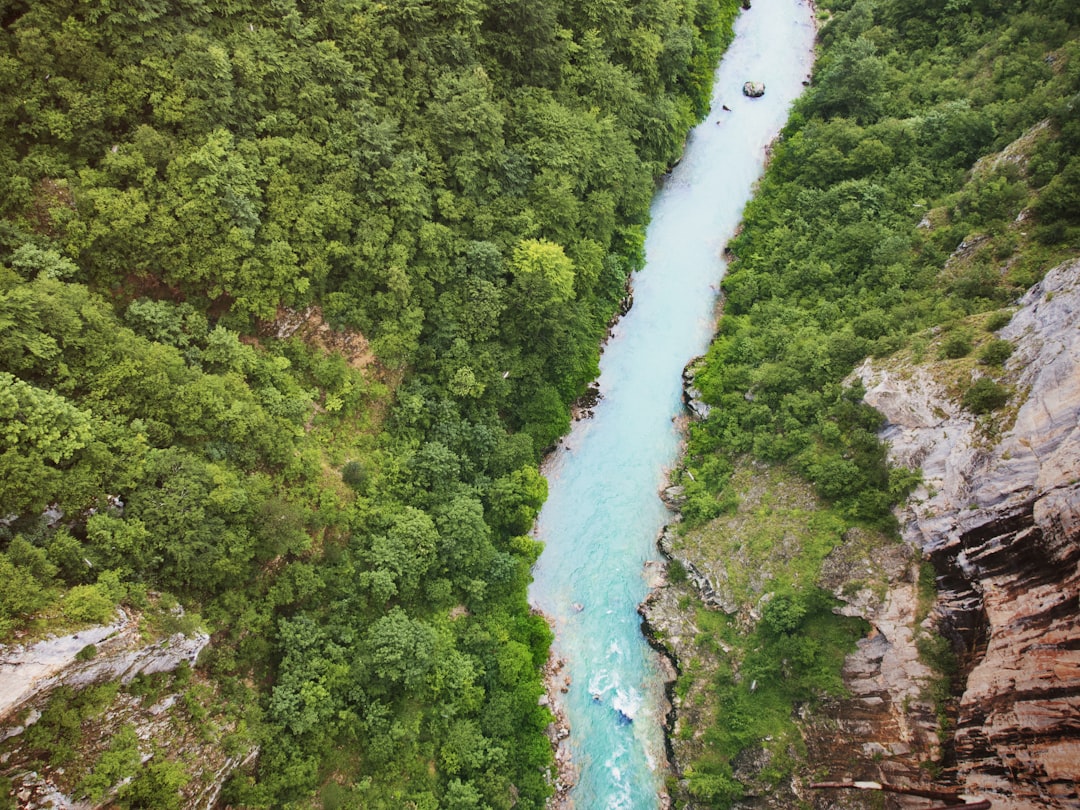
I was sitting on a plastic crate in Mošćena, staring at a pair of wetsuit legs that looked like they had been dragged through a blender. The guide, a guy named Marko with a beard thick enough to hide a small bird, was laughing at my hesitation. "You think the river cares about your fear?" he shouted over the roar of the water. It didn't. The Tara River is not a leisure cruise. It is a chaotic, freezing, turquoise beast that tears through the heart of the Balkans. I had flown in from Belgrade, expecting a gentle intro to rafting, but the Tara River Canyon is Europe's deepest gorge, a jagged wound in the earth that demands respect. The water was glacial, the air smelled of wet stone and pine, and the adrenaline hit me like a physical blow. I wasn't here to sightsee. I was here to survive the drop.
Most tourists treat Montenegro as a backdrop for their Instagram selfies, but the canyon is raw, untamed nature. This isn't a sanitized adventure park. It is a place where the geology screams. The river has carved through limestone for millions of years, creating a chasm that plunges nearly 1,300 meters down. When you are in the raft, you don't see the view; you feel the pressure. The noise is deafening. The spray is constant. And for those few hours, nothing else exists except the paddle, the current, and the sheer, unadulterated madness of the ride.
The Geology of Chaos
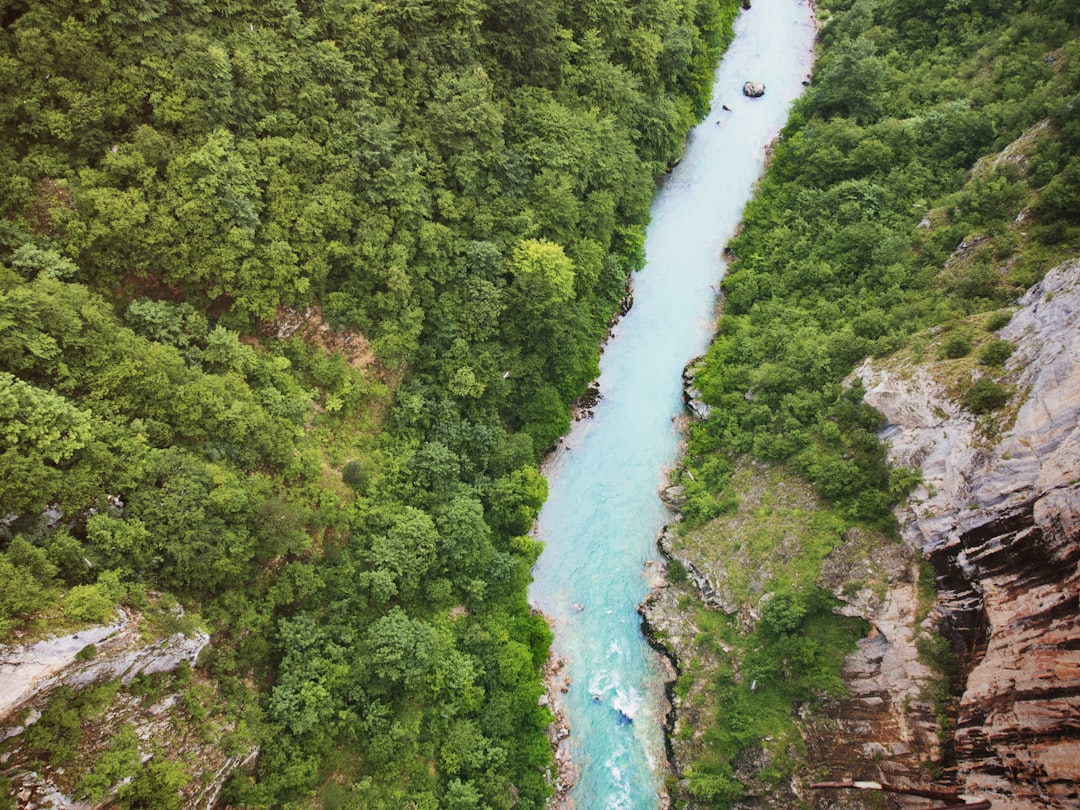
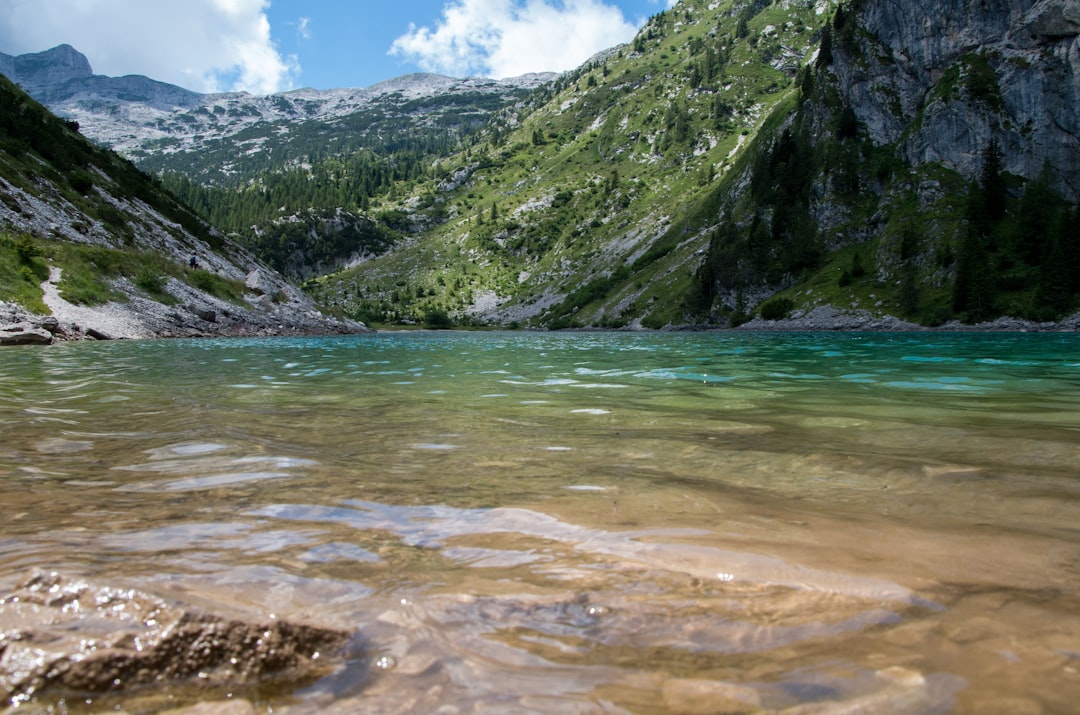
The Tara River originates in the Durmitor National Park, fed by snowmelt that keeps the temperature hovering around 12 degrees Celsius even in July. It flows into the Piva Lake before bursting through the canyon that forms the natural border between Montenegro and Bosnia and Herzegovina. This isn't just a scenic route; it is a geological marvel. The canyon is often cited as the deepest in Europe, a title that carries weight when you are looking up at vertical cliffs that seem to touch the sky. The rock faces are sheer, layered with sedimentary history, and often draped in waterfalls that cascade hundreds of meters down.
The ride typically covers about 20 kilometers of this gorge. The water is fast, Class III to Class IV in difficulty, meaning there are standing waves, holes, and drops that can flip an unprepared raft. The river is known as the "Blue Dragon" by locals, a name that fits its serpentine path and unpredictable temperament. You pass under natural bridges, ancient stone bridges built by Ottoman engineers, and villages that cling to the canyon walls like barnacles. It is a journey through time, where the modern thrill of rafting collides with ancient history.
On the Ground: The Rafting Experience
The standard trip starts in Mošćena, a small village on the Montenegrin side, and ends at Šćepan Polje, a flat valley area that serves as the drop-off point. The journey takes about four to five hours. You start with a briefing that feels more like a military drill than a vacation activity. Life jackets are checked, paddles are distributed, and safety instructions are drilled into your head. Then, you push off. The initial section is relatively calm, allowing you to get a feel for the paddle commands. "Forward! Back! Left! Right!" The guide's voice cuts through the noise, directing the team as you navigate the initial bends.
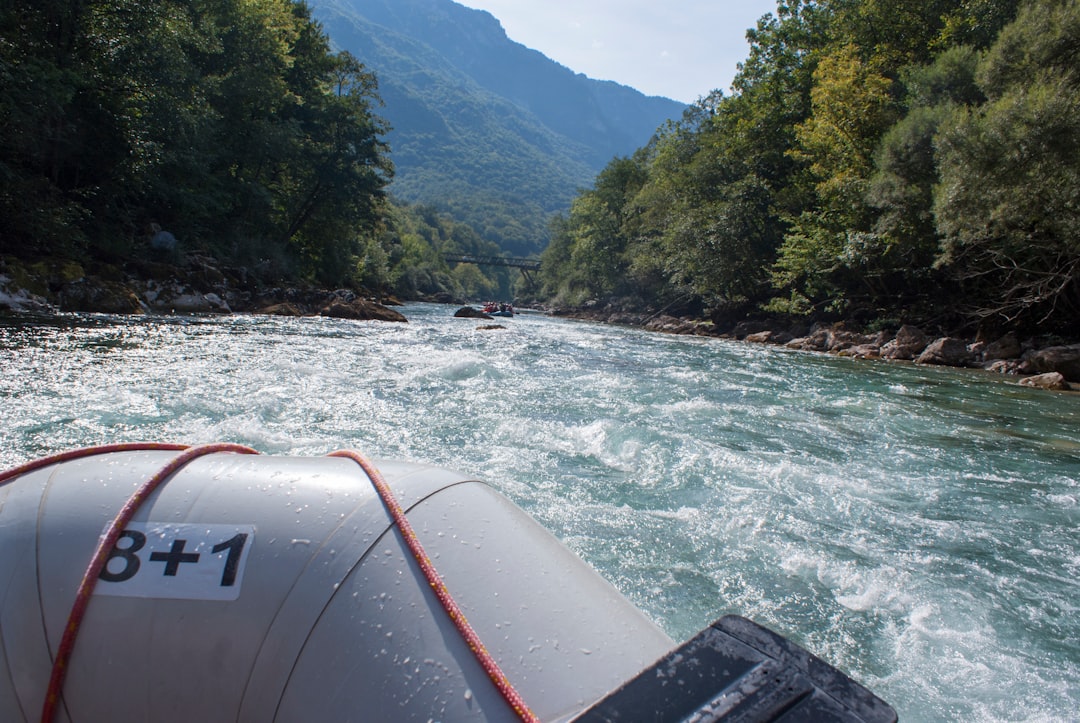
As you progress, the river gets serious. The water narrows, the current accelerates, and the waves build. The first major rapid hits you like a wall. You brace, paddle hard, and then you are thrown into a churning white water vortex. The raft bounces, spins, and surges. Cold water sprays over the sides, soaking you instantly. It is exhilarating and terrifying in equal measure. You are not just watching the river; you are fighting it, working as a team to keep the raft upright and moving forward. The sense of camaraderie is immediate and intense. Strangers become teammates in a matter of minutes, bound by the shared experience of chaos.
Routes & River Info
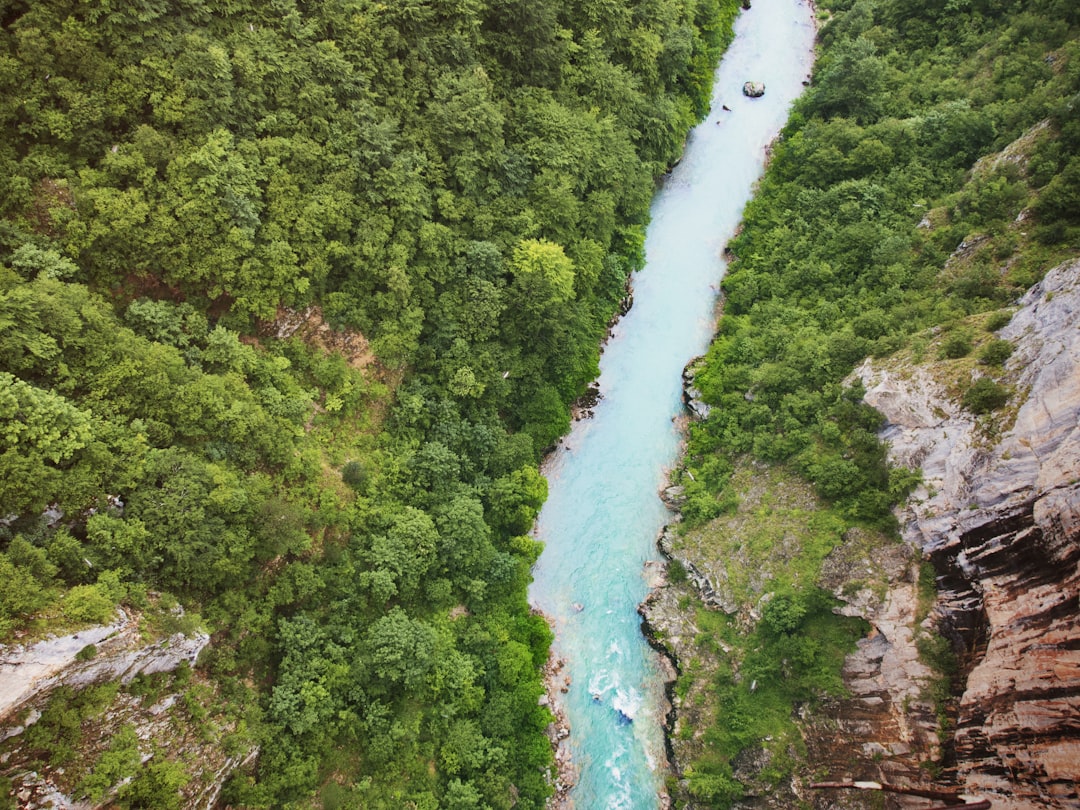
The primary route is the Tara River Rapid Run. It is the most popular and accessible option for most rafters. The starting point is Mošćena, where several outfitters operate. The distance is approximately 20 kilometers one-way. The elevation drop is significant, contributing to the speed and power of the rapids. The estimated duration is 4 to 5 hours, including the briefing and the ride. The difficulty is rated as Intermediate to Advanced. Beginners can handle it with a good guide and a willing attitude, but experienced rafters will appreciate the technical sections and larger waves. There are no major alternative routes for the standard commercial rafting experience, as the canyon's geography dictates the path. The river flows from the Piva Lake dam area down to Šćepan Polje, and that is the only way down.
Getting There & What to Expect
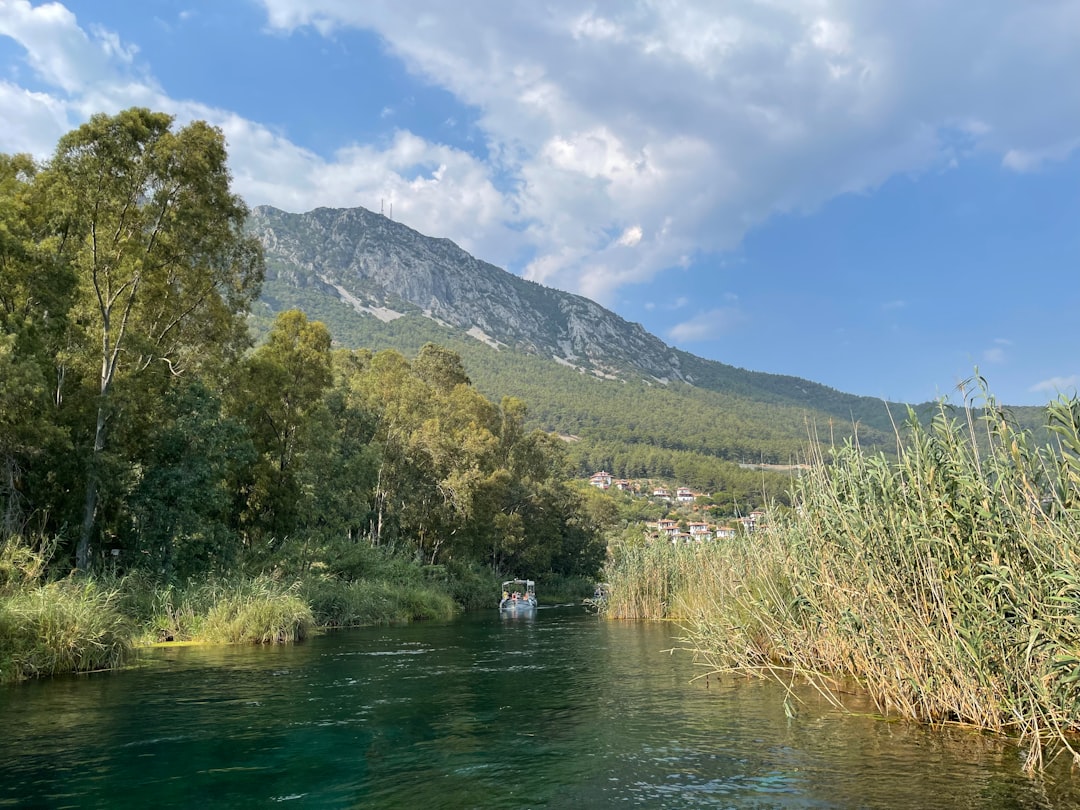
The nearest major city is Podgorica, the capital of Montenegro. From Podgorica, it is a 1.5-hour drive to Mošćena. The road is mountainous, winding through the Durmitor region, with stunning views of the surrounding peaks. Buses run from Podgorica to Cetinje and then to Žabljak, but there is no direct bus to Mošćena. Most rafters rent a car or join a guided tour that includes transport. The drive is part of the adventure, offering glimpses of the rugged landscape that defines northern Montenegro. If you are coming from Belgrade, the drive is about 4 hours, crossing the border into Montenegro and heading north into the mountains.
Accommodation in Mošćena is basic but sufficient. There are several guesthouses and small hotels near the rafting bases. Budget options range from 20-40 EUR per night for a simple room. Mid-range hotels cost 50-80 EUR per night. Meals are affordable, with local restaurants serving traditional Montenegrin dishes. A typical meal costs 10-15 EUR per person. The rafting trip itself costs 40-60 EUR per person, which usually includes transport from Žabljak or Cetinje, equipment, and a post-rafting meal. The best time to raft is from May to October, when the weather is warmer and the water levels are manageable. July and August are the busiest months, so booking in advance is essential.
Search accommodation in Mošćena on Booking.com →
The Aftermath: Adrenaline and Ash
When you finally reach Šćepan Polje, the river calms down, and the adrenaline begins to fade. You are exhausted, soaked, and shivering, but there is a profound sense of accomplishment. The team gathers, sharing stories of the close calls and the big waves. The guide, Marko, is already packing up the raft, talking about the next group. But for a moment, you just sit there, staring at the water that just tried to kill you. The canyon walls tower above, silent and indifferent. You realize that you haven't just seen Montenegro; you've felt it. The river is a reminder of the power of nature, a force that cannot be tamed, only respected. As you drive back, the landscape looks different. The mountains are no longer just scenery; they are the source of the chaos, the creators of the beast. You are changed, slightly, by the experience. And you know, deep down, that you will be back.
Comments