


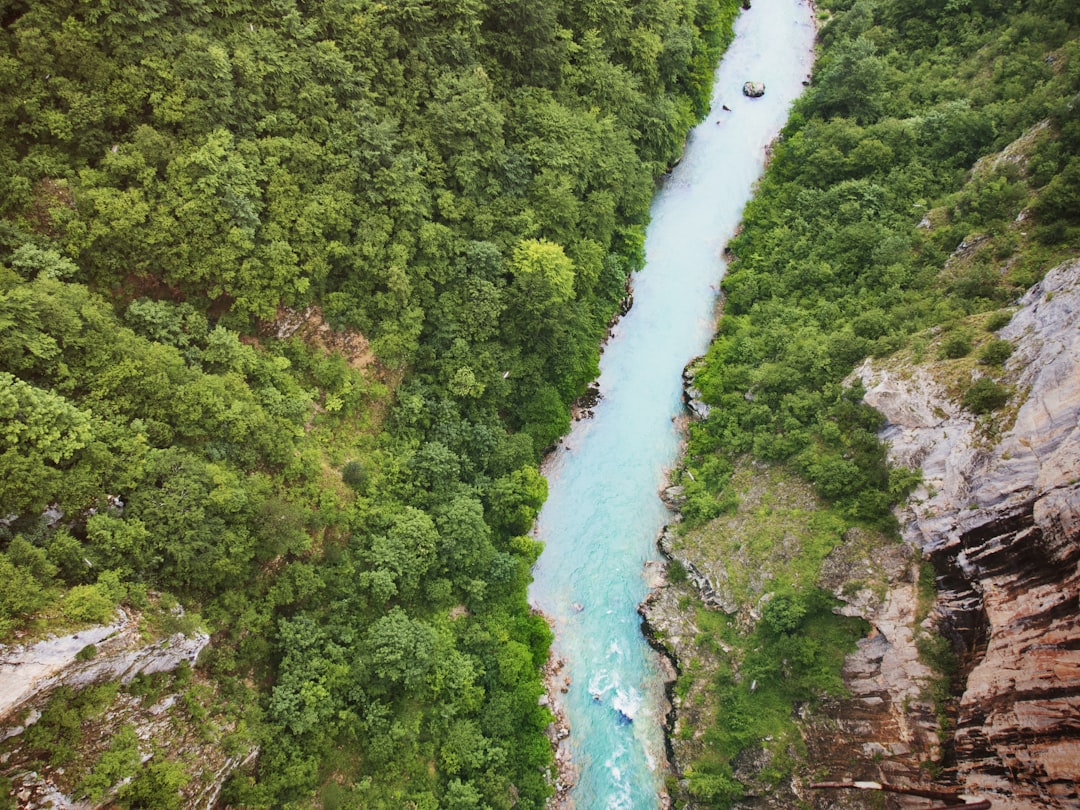
The water hits you like a bucket of ice water mixed with liquid granite. I’m strapped into a rubber boat that feels less like a vessel and more like a suggestion, hurtling toward a rock face that looks like it has a personal vendetta against tourists. My guide, a Montenegrin local with forearms like braided rope and a cigarette dangling from his lip, screams something I can’t hear over the roar of the Tara River. The water is black. Not blue, not green. Black. It’s the deepest river canyon in Europe, and right now, it’s trying to kill me. There’s no safety net here. Just the raw, unfiltered violence of nature and the sheer stupidity of paying 60-100 EUR to get tossed around it. This isn’t a holiday; it’s a baptism by hydro-dynamics.
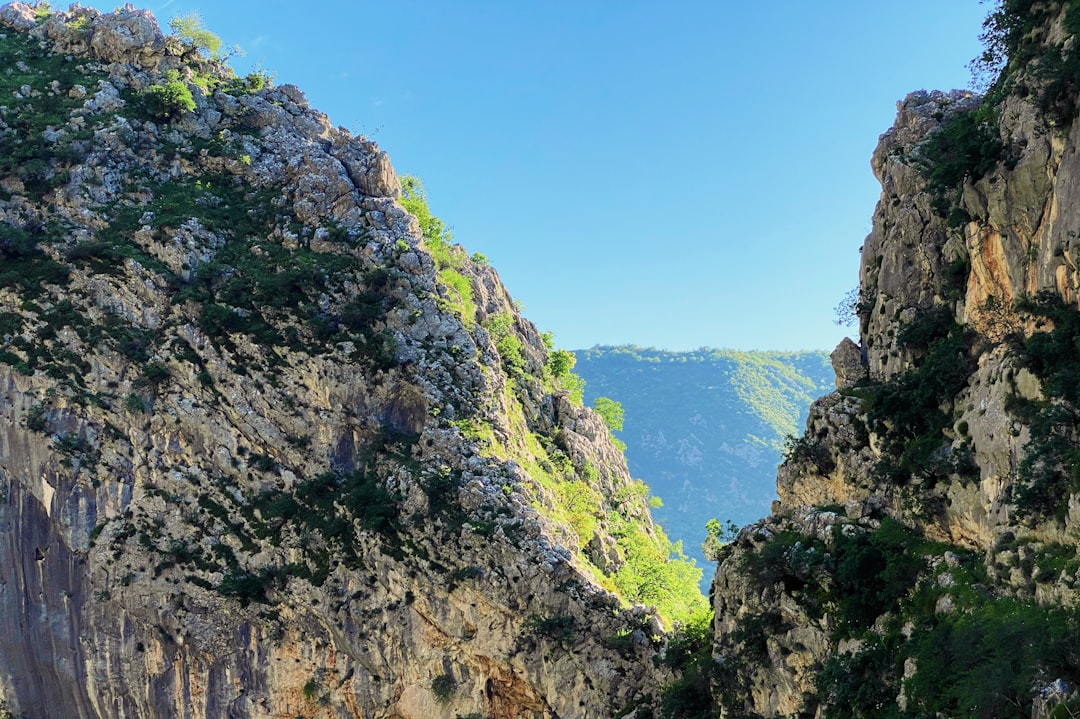
We’re halfway down from the Žabljak area, the water churning into white foam as we hit a rapid that shakes my teeth loose. The canyon walls rise vertically on both sides, sheer cliffs of limestone and pine that blot out the sky. It’s claustrophobic and terrifying and absolutely magnificent. If you’ve ever seen a postcard of Montenegro, this is the thing they didn’t put on it because it’s too dangerous to photograph. The air smells of wet stone and diesel fuel from the outboard motor we’re not even using right now. I’m soaked, shivering, and grinning like a maniac. This is what the Balkans are actually about. Not the polished resorts of the coast, but this wild, untamed heart where the rivers carve through the earth like knives.
The Geography of Vertigo
The Tara River Canyon isn’t just a tourist attraction; it’s a geological anomaly. Carved over millions of years, this canyon plunges nearly 1,300 meters deep, making it twice as deep as the Grand Canyon in some sections. It marks the natural border between Montenegro and Bosnia and Herzegovina, a jagged scar in the landscape that refuses to be ignored. The river itself originates in the high peaks of Durmitor National Park, feeding from snowmelt and glacial lakes that keep the water bone-chilling even in mid-July. The sheer scale of the canyon is hard to comprehend until you’re floating at the bottom of it, looking up at slivers of sky that seem impossibly far away.
This region is part of the Dinaric Alps, a mountain range that runs through the western Balkans like a spine. The terrain here is rugged, isolated, and fiercely protected. The canyon cuts through Prokletije National Park on the Montenegrin side, one of the last wild places in Europe. The ecosystem is pristine, with endemic species of fish, birds, and plants that have evolved in isolation. The water is cold enough to shock your system, averaging around 6°C year-round. It’s this cold that gives the river its power and its danger. The current is fast, the rocks are sharp, and the drop is relentless. It’s a place that demands respect, not admiration.
The canyon is also a place of historical significance. During World War II, these mountains were a stronghold for partisans, and you can still find remnants of bunkers and trails hidden in the cliffs. The isolation that makes it perfect for rafting also made it perfect for hiding. Today, the only things hiding in the cliffs are eagles and the occasional lost hiker. The silence when the motor is off is deafening, broken only by the splash of water and the call of birds. It’s a primal experience, stripped of modern comforts, where you’re just a small speck in a massive, indifferent landscape.
The Descent: From Žabljak to Šćepan Polje
The most popular rafting route starts near Žabljak, the administrative center of the Durmitor region, and ends at Šćepan Polje, a remote village at the confluence of the Tara and Piva rivers. The trip covers about 40 kilometers of river, taking anywhere from four to six hours depending on the water levels and your stamina. The first few kilometers are relatively calm, allowing you to get used to the cold and the rhythm of the boat. But soon, the river narrows, the rocks emerge, and the rapids begin. Class III and IV rapids are common, with sections that require precise maneuvering to avoid capsizing.
The guides are the unsung heroes of this adventure. These aren’t your average tourist operators; they’re locals who’ve grown up on this river, often from families that have rafted here for generations. They know every rock, every current, and every hidden danger. They speak a mix of Montenegrin, English, and hand signals. Their boats are sturdy, inflatable rafts designed to take a beating. You’ll paddle, you’ll slide, you’ll get wet, and you’ll trust them with your life. The camaraderie that forms in the boat is intense. You’re in this together, fighting the river as a team. It’s a bonding experience that’s hard to replicate anywhere else.
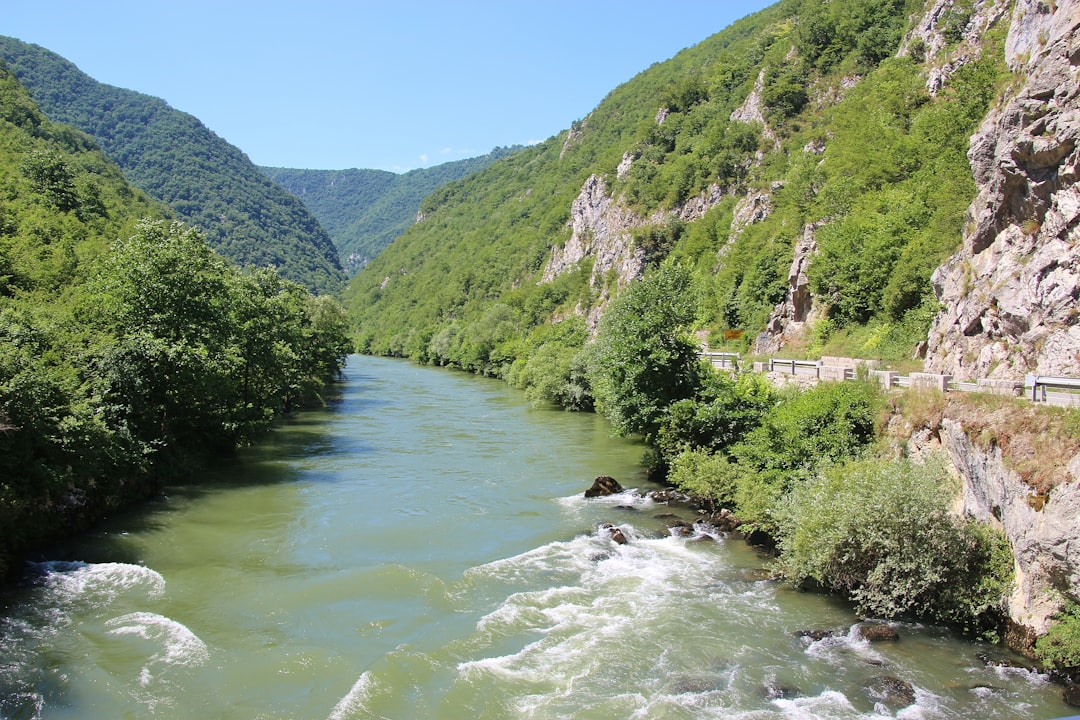
As you descend, the scenery changes. The dense forests of the upper canyon give way to open meadows and rocky outcrops. The views of the surrounding mountains are breathtaking, with peaks like Bobotov Kuk looming in the distance. The water remains cold and clear, reflecting the sky and the cliffs. You’ll see waterfalls cascading down the canyon walls, adding to the chaos. The final stretch into Šćepan Polje is a relief, the river slowing down as it meets the Piva. It’s a peaceful end to a violent journey, a place to catch your breath and appreciate what you’ve just survived.
On the Ground: Logistics and Survival
Getting to the rafting starting point requires some planning. Most tours depart from Žabljak, which is accessible by road from Podgorica, the capital of Montenegro. The drive takes about three hours, winding through mountain passes and valleys. You can rent a car in Podgorica for about 40-60 EUR per day, or take a bus, which is cheaper but less flexible. Once in Žabljak, you’ll meet your guide and gear up. You’ll be issued a wetsuit, life jacket, helmet, and paddles. The gear is basic but functional, designed to keep you warm and safe in the freezing water.
The cost of the rafting trip varies depending on the operator and the season, but expect to pay between 60-100 EUR per person. This usually includes the guide, the boat, the gear, and a shuttle back to your starting point. Some operators offer full-day packages with lunch, which is a good option if you want to stay on the river longer. After the trip, you’ll be dropped off at Šćepan Polje, where you can take a shuttle back to Žabljak or arrange your own transport. It’s a remote area, so don’t expect luxury amenities. The nearest hotel or guesthouse is in Žabljak, where you can warm up with a hot meal and a drink.
Accommodation in Žabljak ranges from budget guesthouses to mid-range hotels. A basic room in a guesthouse will cost around 30-50 EUR per night, while a nicer hotel might run 70-120 EUR. Food is also reasonably priced, with a traditional Montenegrin meal costing about 10-15 EUR. The town is small but has everything you need for a few days in the mountains. It’s a good base for exploring Durmitor National Park as well, with hiking trails, ski slopes, and other outdoor activities. The weather can be unpredictable, so bring layers and waterproof gear. Even in summer, temperatures can drop significantly, especially in the water.
Search accommodation in Zabljak on Booking.com →
The Aftermath: Why You Need to Do This
There’s a reason why rafting the Tara River is considered one of the best adventures in Europe. It’s not just about the adrenaline or the scenery. It’s about the feeling of being completely immersed in nature, of being small and insignificant in the face of something so vast and powerful. It’s a humbling experience, one that strips away the pretenses of modern life and leaves you with just the essentials. You’ll come out of that river soaked, shivering, and exhausted, but you’ll also feel alive in a way that’s hard to describe. The world will look different after that. The problems that seemed so big before will seem small.
I’m sitting in a guesthouse in Žabljak, wrapped in a towel, drinking a strong coffee that tastes like salvation. My muscles ache, my clothes are still damp, and I have a bruise on my hip from hitting the side of the boat. I’ve never felt better. The Tara River doesn’t care about your job, your bank account, or your social media followers. It only cares about whether you can paddle and whether you can take a hit. It’s a brutal teacher, but it’s an honest one. And for a few hours, you’re exactly where you’re supposed to be. At the bottom of a canyon, fighting for your life, and loving every second of it.
This is the Balkans at its most raw and unfiltered. No polished tourist traps, no sanitized experiences. Just a river, a canyon, and a boat. If you’re looking for a vacation, go to the coast. If you’re looking for an experience, come to the Tara. You’ll thank me later. Or you’ll curse me. Either way, you’ll remember it. The water is black, the rocks are hard, and the drop is deep. See you at the bottom.
Comments