


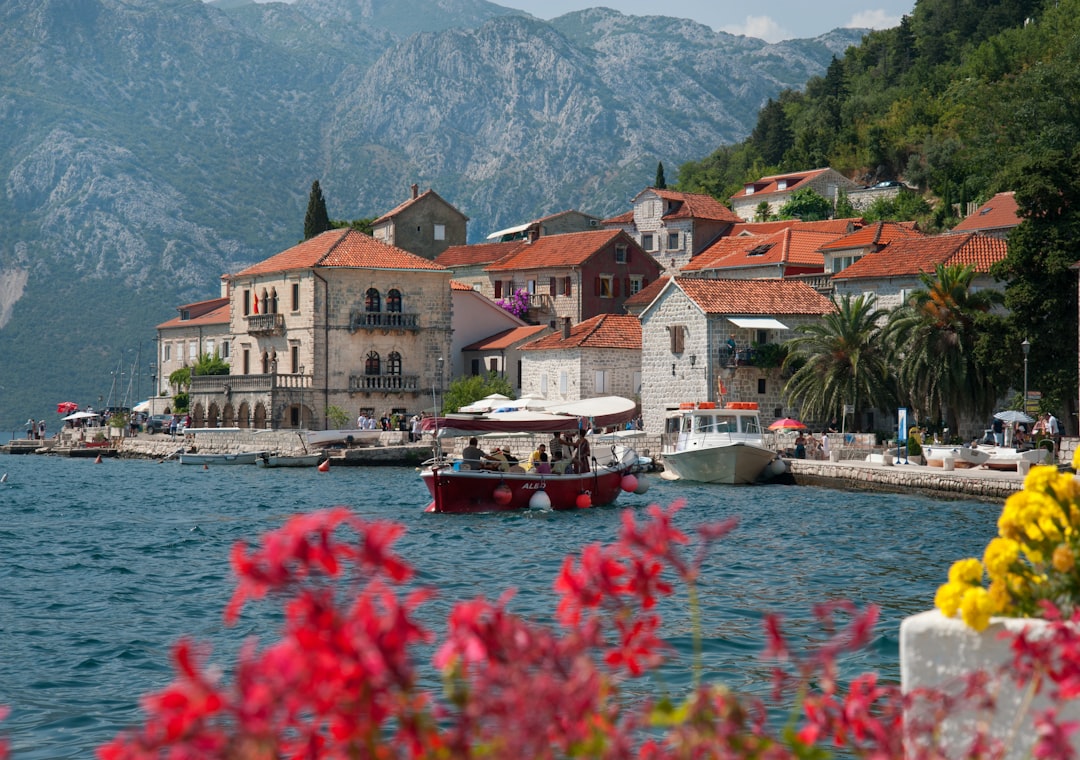
I stood on the rusted metal railing of a peeling ferry in Kotor, the salt air thick enough to chew, watching a cruise ship the size of a small city groan its way into the narrow throat of the bay. The air smelled of diesel, roasted chestnuts, and the metallic tang of impending rain. I was clutching a mask that cost me 25 EUR at a tourist trap in Tivat, convinced I was about to discover the "Caribbean of the Adriatic." The locals laughed. Not a polite chuckle, but a deep, weary belly laugh that suggested I had wandered into a room where everyone else knew the joke. There are no coral reefs here. Not the kind with clownfish and neon anemones. The sea in Boka Kotorska is a fjord-like inlet, deep, dark, and steeped in centuries of naval history. But as I plunged into the ink-black water off the coast of Perast, the cold shock hitting my face like a slap, I realized the locals weren't mocking my gear—they were mocking my expectations. What waits below isn't a tropical postcard; it's a cathedral of stone, shadow, and slow-moving life that demands you look closer, harder, and with less ego.
The water is cold. 18°C in peak summer. It bites. But as I sank below the surface, the noise of the ferries and the shouting vendors vanished, replaced by a muffled silence that felt heavy and ancient. The visibility was murky at first, swirling with silt kicked up by boat propellers, but as I drifted toward the rocky drop-offs near Our Lady of the Rocks, the world sharpened. This isn't snorkeling for the lazy. It's a dive into a geological and historical abyss where every rock face is a potential ruin, and every shadow might hide a centuries-old artifact. I came looking for coral. I found ghosts.
The Myth of the Coral Reef
Let's kill the myth before it kills your trip. If you are expecting vibrant, branching coral structures teeming with tropical fish, turn around and head to Greece or Croatia's deeper channels. Boka Kotorska is a submerged river valley, a karst landscape that was once a mountain range before the sea swallowed it. The "coral" you might hear about is a misinterpretation of the dense, colorful sponge gardens and algae-covered rocky substrates that cling to the vertical cliffs. These are not static reefs; they are living, breathing walls of biology that thrive in the nutrient-rich, cooler waters of the Adriatic.
The marine life here is Mediterranean, not tropical. You won't see parrotfish. You will see damselfish darting in schools that look like silver bullets, red mullet hovering near the sandy bottoms, and the occasional groupers lurking in the deeper crevices. The real stars are the invertebrates: sea squirts, anemones that pulse with hypnotic rhythm, and sponges that range from deep purple to bright orange, clinging to the limestone like alien flora. The beauty here is subtle, monochromatic in parts, but profoundly textured. It is the beauty of age and endurance, not flashy display.
Why does this matter? Because snorkeling in Boka Kotorska requires a shift in perspective. You are not a spectator in an aquarium; you are a visitor in a submerged forest. The light doesn't penetrate deep, creating a dramatic chiaroscuro effect where sunlit patches of kelp contrast with the dark, mysterious depths below. It's eerie. It's beautiful. It's nothing like what you saw on Instagram. And that's exactly why it's worth doing.
Where the Water Clears
Not every spot in the bay is created equal. The harbor areas near Kotor and Tivat are choked with boat traffic, leaving the water churned up and visibility poor. To find clarity, you need to move away from the main arteries. The best snorkeling happens on the edges, where the water is deeper and the currents are gentler. Here are the spots that actually deliver.
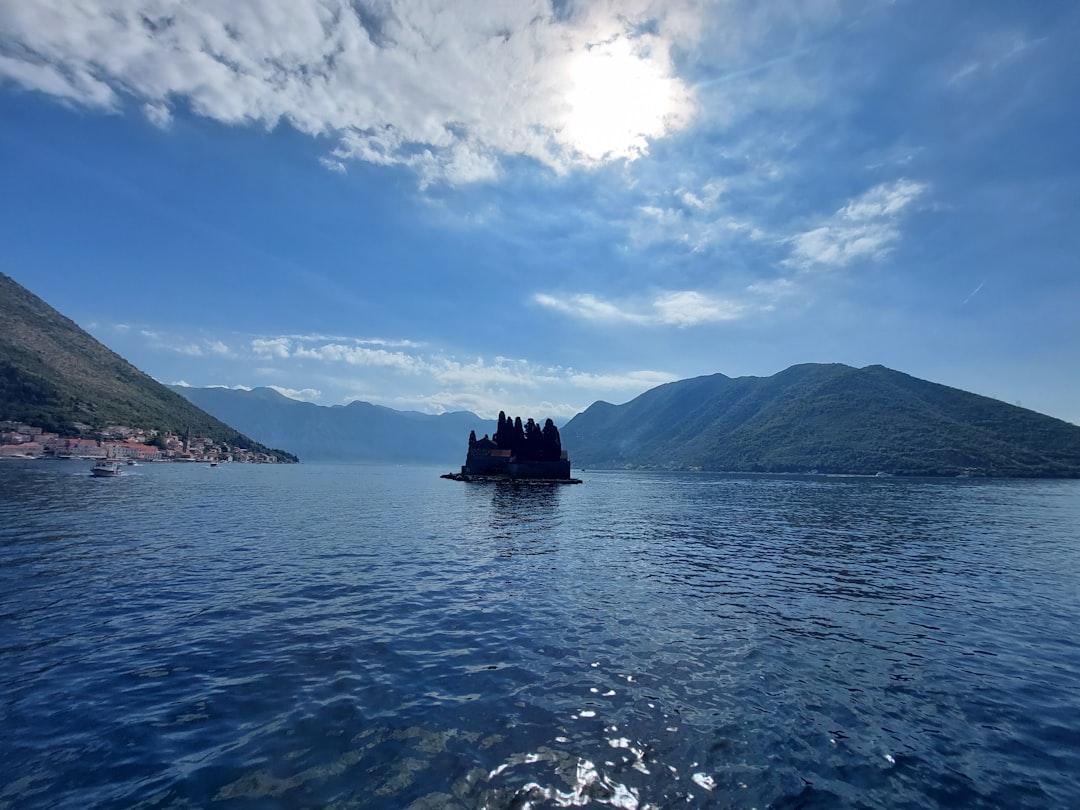
Our Lady of the Rocks (Gospa od Škrpjela) — This artificial island, built from centuries of shipwreck debris, is the spiritual and geographical heart of the bay. The waters around it are protected, making it a haven for marine life. The rocky base of the island is covered in algae and small fish. Entry to the island itself is 2 EUR, but the snorkeling is free. Best time: early morning before the tour boats arrive.
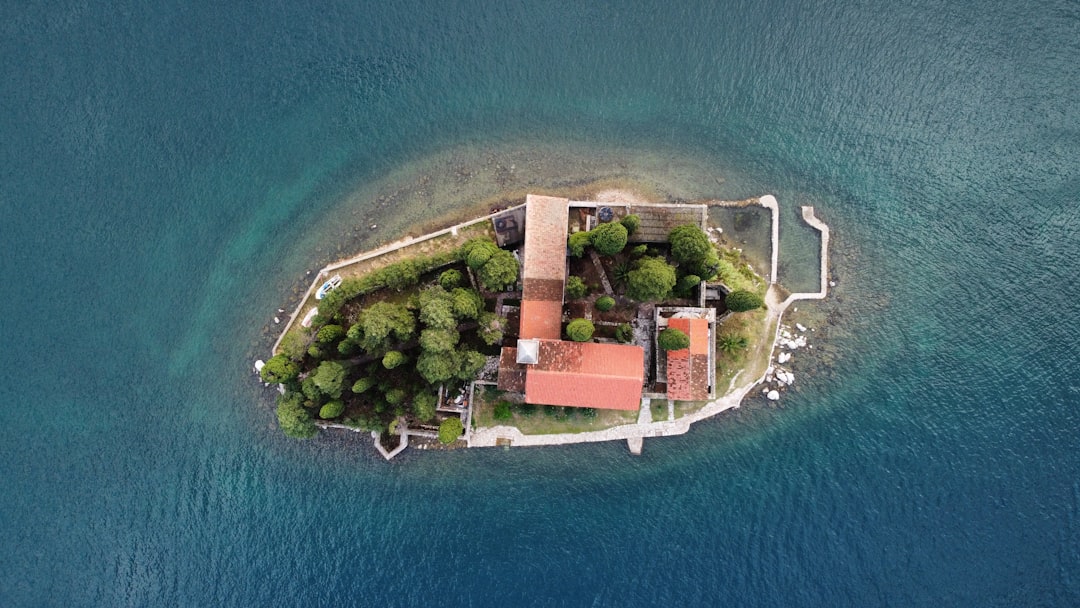
Lopud Island — Located on the western side of the bay, near Risan, Lopud is less crowded and more rugged. The northern shore offers a rocky shoreline with clear water and abundant sea urchins and limpets. There are no entry fees, just the cost of getting there. Best time: midday when the sun is high and visibility is best.
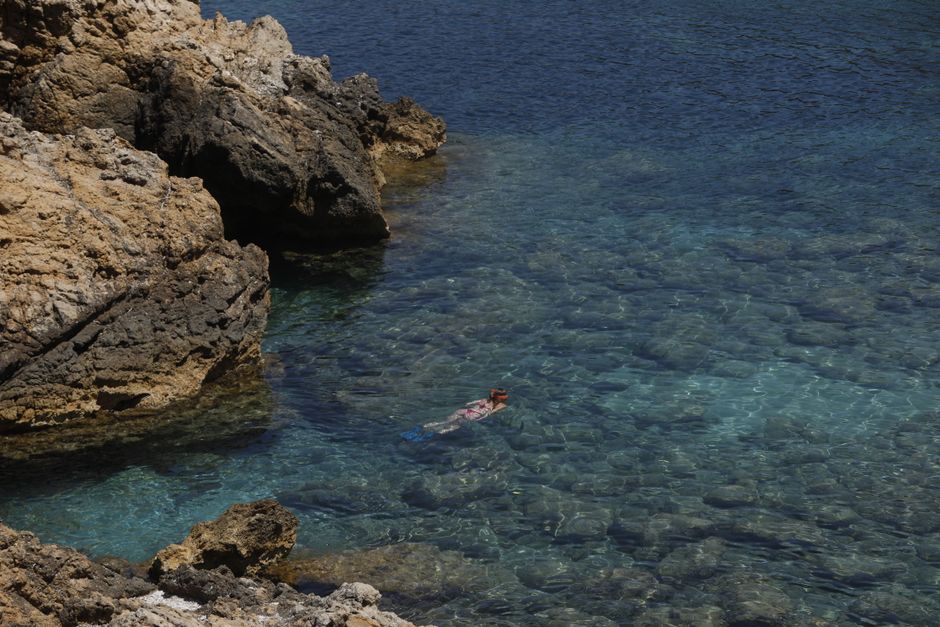
Prčanj — A quiet fishing village on the southern shore, Prčanj offers a mix of sandy and rocky bottoms. The water here is calmer, making it ideal for beginners. The submerged rocks near the harbor are covered in colorful sponges. Best time: late afternoon when the wind dies down.
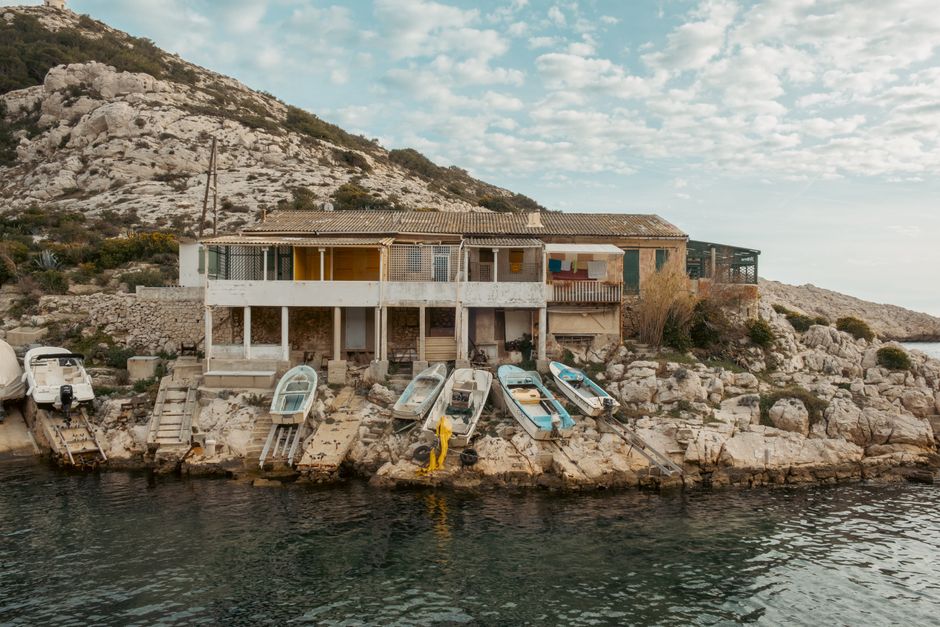
St. George Island (Sveti Đorđe) — A tiny, uninhabited island near Herceg Novi, this spot is a hidden gem. The water is crystal clear, and the rocky seabed is teeming with small fish and sea anemones. It's a short swim from the shore, making it accessible without a boat. Best time: any time, but early morning is best for solitude.
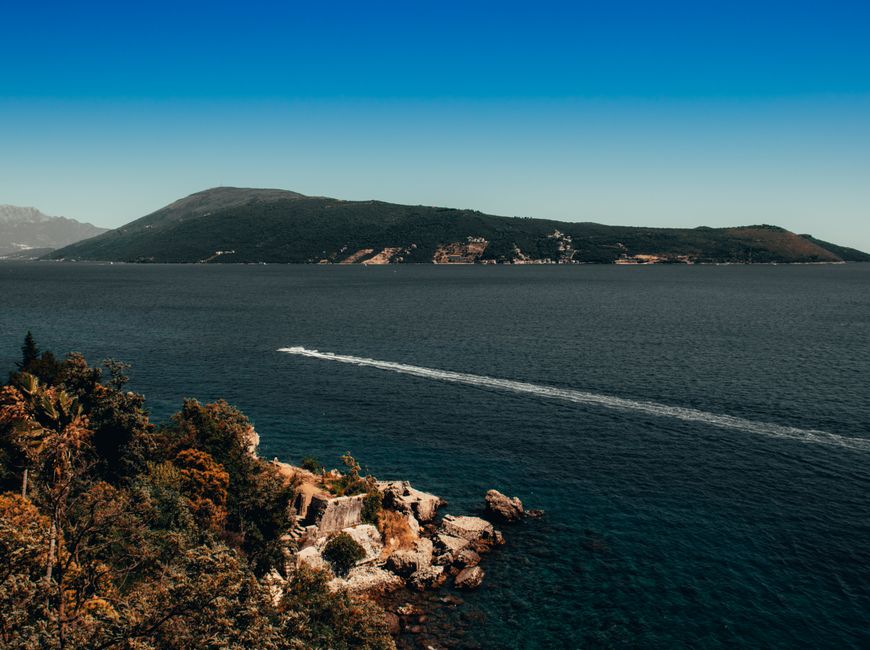
Gear Up for the Cold
Snorkeling in Boka Kotorska without a wetsuit is a mistake. The water temperature rarely exceeds 22°C even in August, and the wind can make it feel much colder. A 3mm wetsuit is essential, not a luxury. You can rent gear in Kotor or Tivat for about 10-15 EUR per day, but bring your own mask and snorkel if you can. The rental masks often leak, and the snorkels are rarely cleaned properly.
Footwear is also critical. The rocky shores and submerged debris mean bare feet are a recipe for disaster. Water shoes or booties are a must. They protect your feet from sharp rocks, sea urchins, and broken glass. Don't skimp on this. The pain of stepping on a sea urchin is not worth the savings.
Finally, consider a dry top snorkel. The bay can be choppy, especially in the afternoon when the jugo wind picks up. A dry top prevents water from flooding your snorkel when waves crash over you. It's a small investment that makes a huge difference in comfort and safety.
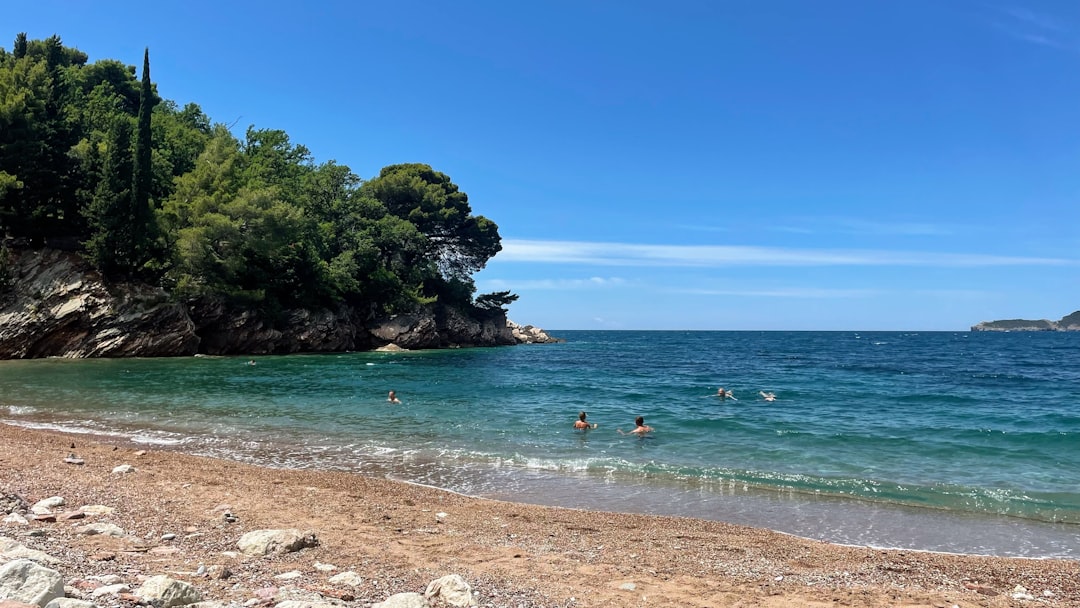
What to Eat & Drink
After a cold dip, you need warmth and flavor. The cuisine here is a blend of Italian and Balkan influences, with a heavy emphasis on seafood. Don't expect cheap eats, but the quality is high. Here's what to look for:
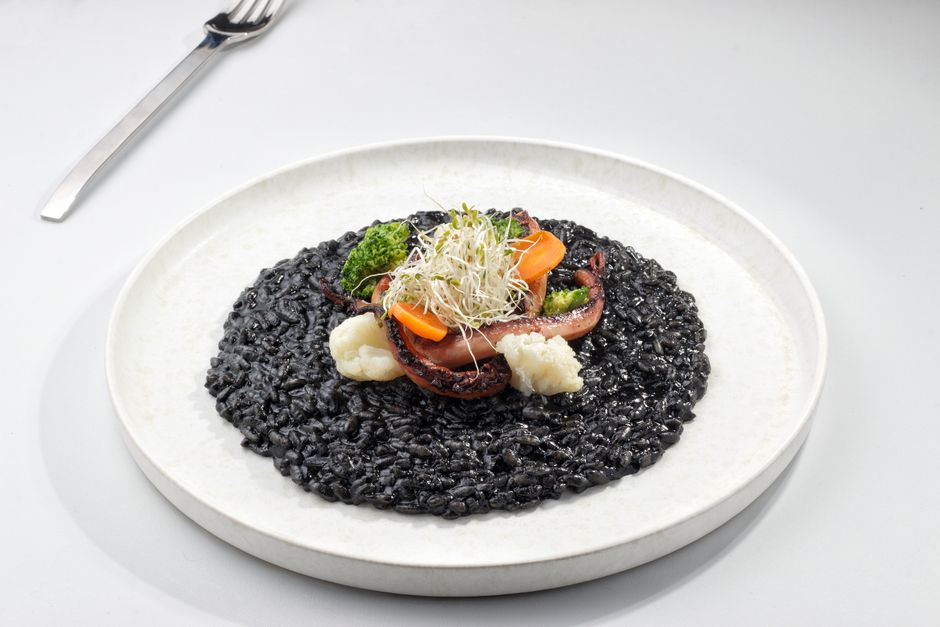
Black Risotto — Made with cuttlefish ink, this dish is a local specialty. It's rich, savory, and deeply flavorful. Typical price: 12-18 EUR.
Grilled Octopus — Tender, smoky, and served with olive oil and lemon. A perfect post-snorkel snack. Typical price: 10-15 EUR.
Peka — Meat or vegetables cooked under a metal bell with hot embers. It's slow-cooked to perfection. Typical price: 15-20 EUR.
Montenegrin Wine — Try the Vranac, a robust red wine that pairs well with the heavy seafood dishes. A glass costs 3-5 EUR.
For budget travelers, head to the Kotor Old Town markets or the Tivat promenade for take-away options. Pita (filled pastry) is available for 2-4 EUR, and you can find fresh fruit and sandwiches at local kiosks. Avoid the restaurants with menus in multiple languages and photos of dishes; they are tourist traps. Look for places where locals eat, often indicated by a lack of signage and a full house.
Nightlife
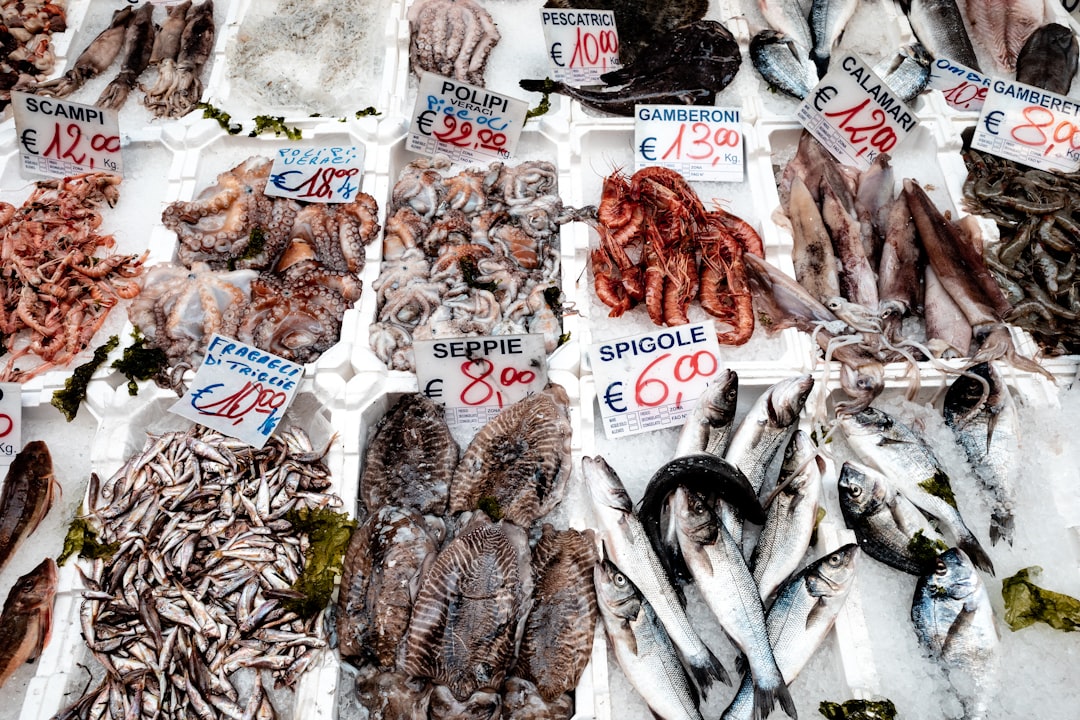
The nightlife in Boka Kotorska is not about clubs; it's about atmosphere. The bars are small, intimate, and often located on the waterfront. The music is a mix of local folk, jazz, and international hits. Here are the spots to hit:
Porto Bay in Tivat — A marina area with several upscale bars and restaurants. It's lively, expensive, and popular with expats and tourists. Cover charge: 5-10 EUR at some venues.
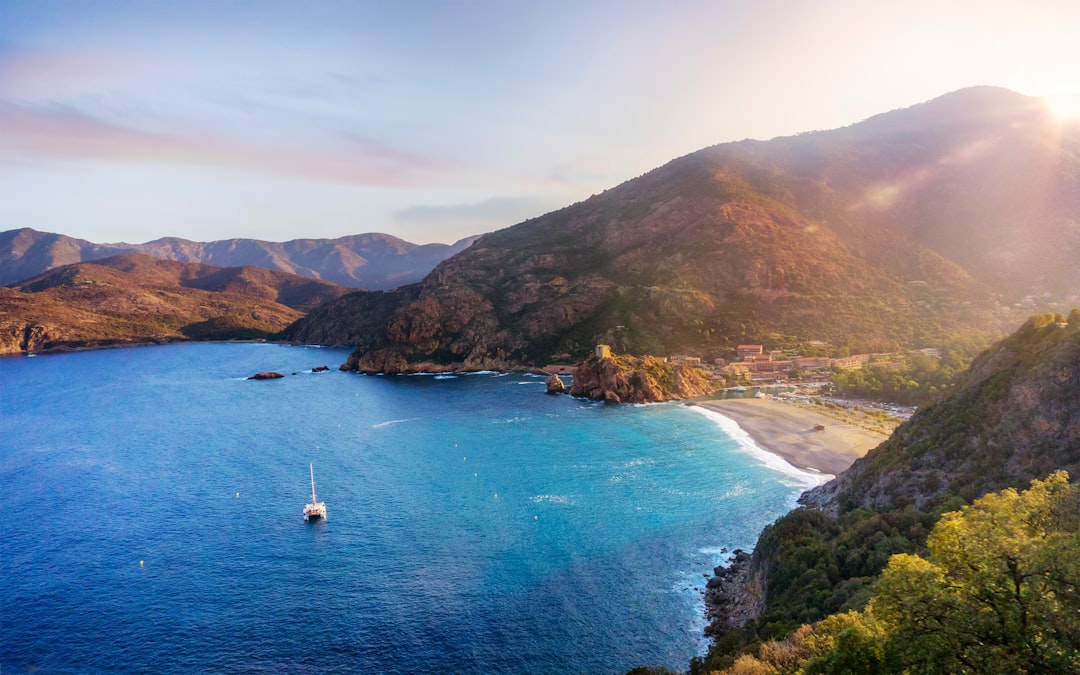
Kotor Old Town — The streets are narrow and winding, with bars tucked into every corner. Kafe Moka is a local favorite, offering live music and a relaxed vibe. No cover charge.
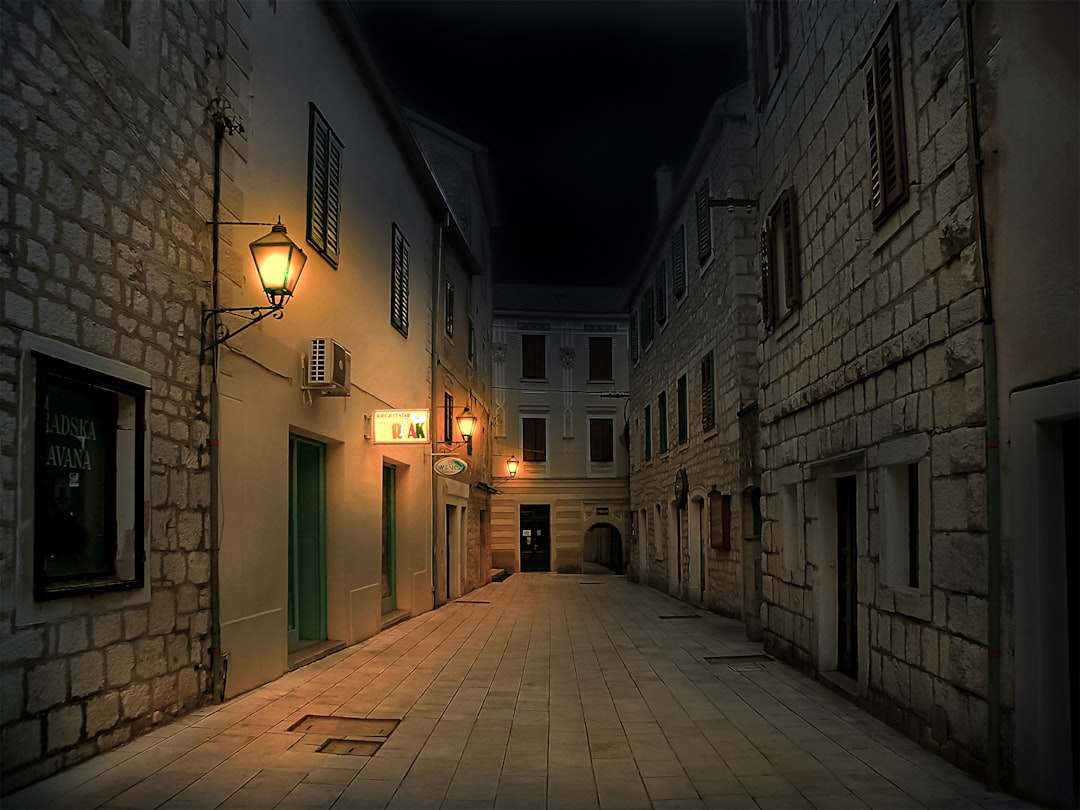
Perast — Quieter than Kotor, but with a few charming bars along the waterfront. Bar Porto offers stunning views of the bay and the artificial island. No cover charge.
Getting There & What to Expect
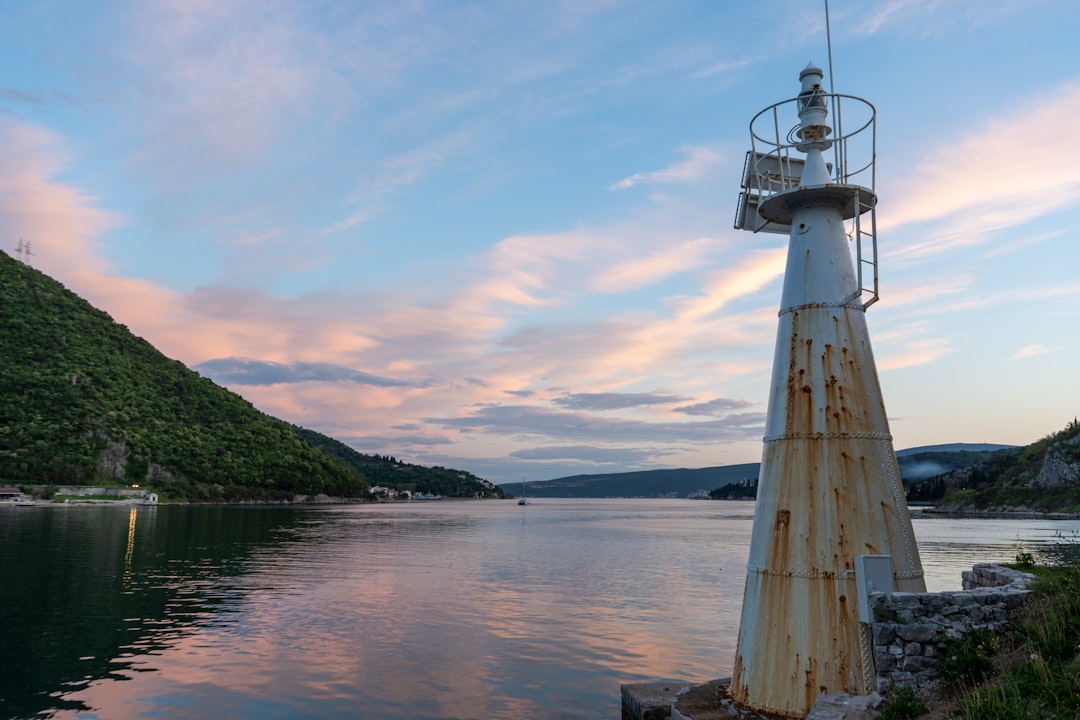
The nearest airport is Podgorica Airport, located about 60 km from Kotor. Taxis cost 50-70 EUR, but buses are cheaper and more frequent. The bus from Podgorica to Kotor takes about 1.5 hours and costs 5-7 EUR. From Budva, buses to Kotor are frequent and cost 1-2 EUR.
Accommodation ranges from budget hostels in Kotor at 15-25 EUR per night to luxury hotels in Tivat at 100-200 EUR per night. Mid-range hotels in Perast or Prčanj offer good value at 40-70 EUR per night.
The best months to visit are June and September. The water is warm enough for snorkeling, and the crowds are thinner than in July and August. Avoid August if you can; the bay is packed with cruise ships and tourists, making the water murky and the prices high.
Search accommodation in Kotor on Booking.com →
The Silence Below
As the sun dipped below the jagged peaks of the Orjen mountain range, casting long shadows across the bay, I climbed out of the water, shivering and exhausted. My skin was prickly from the cold, and my muscles ached from the constant paddling against the current. But as I stood on the rocks, dripping and disoriented, I looked back at the surface. The water was still, a dark mirror reflecting the first stars of the evening. I hadn't found coral. I hadn't found paradise. But I had found something else: a sense of place, raw and unpolished, that no brochure could capture. The bay doesn't care about your expectations. It only asks that you respect its depth, its history, and its quiet, enduring beauty. And if you listen closely, beneath the splash of the ferries and the chatter of the tourists, you can hear it breathing.
Comments