


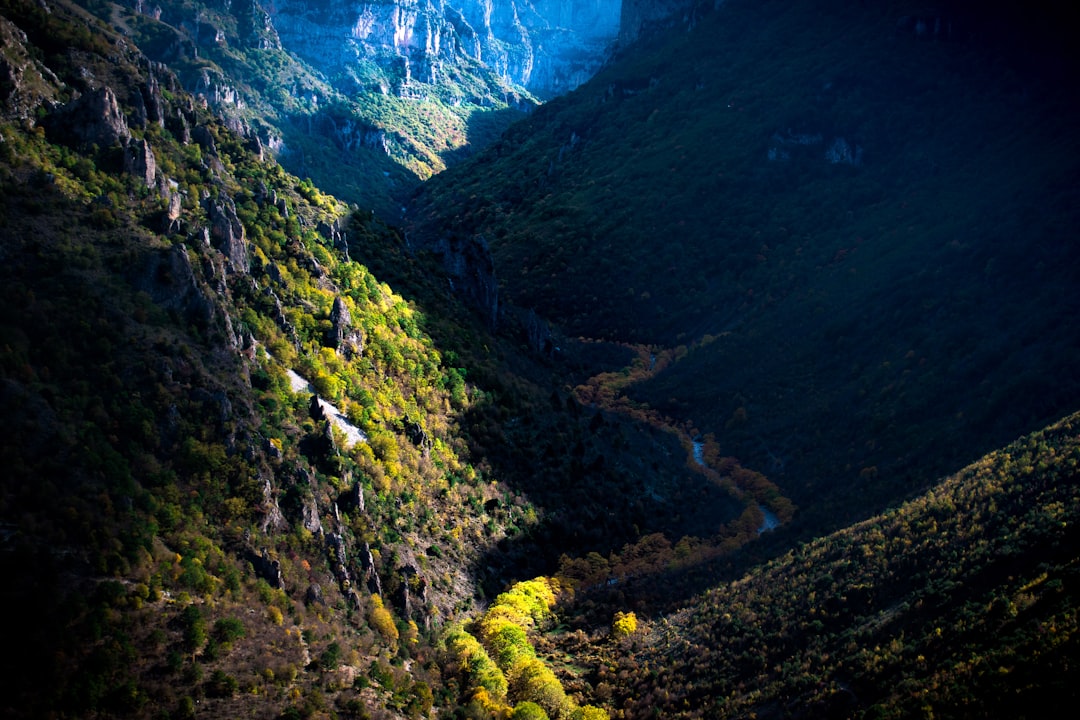
The Weight of Stone and Silence
I sat on a slab of limestone that had seen empires rise and rot, my fingers tracing the rough-hewn groove where a monk had carved his name three centuries ago. The air in Zagori doesn't just feel thin; it feels heavy with the ghosts of people who chose this jagged, unforgiving spine of the Pindus Mountains over the comfort of the flatlands. I had hiked up from Vikos Gorge, my boots caked in red dust, lungs burning with the scent of wild thyme and ancient stone. There were no tourists here, just the wind howling through the narrow passes and the distant, rhythmic clatter of a shepherd's staff. This isn't a place you visit for a selfie. It's a place you survive, and if you're lucky, it changes the way you hear silence.
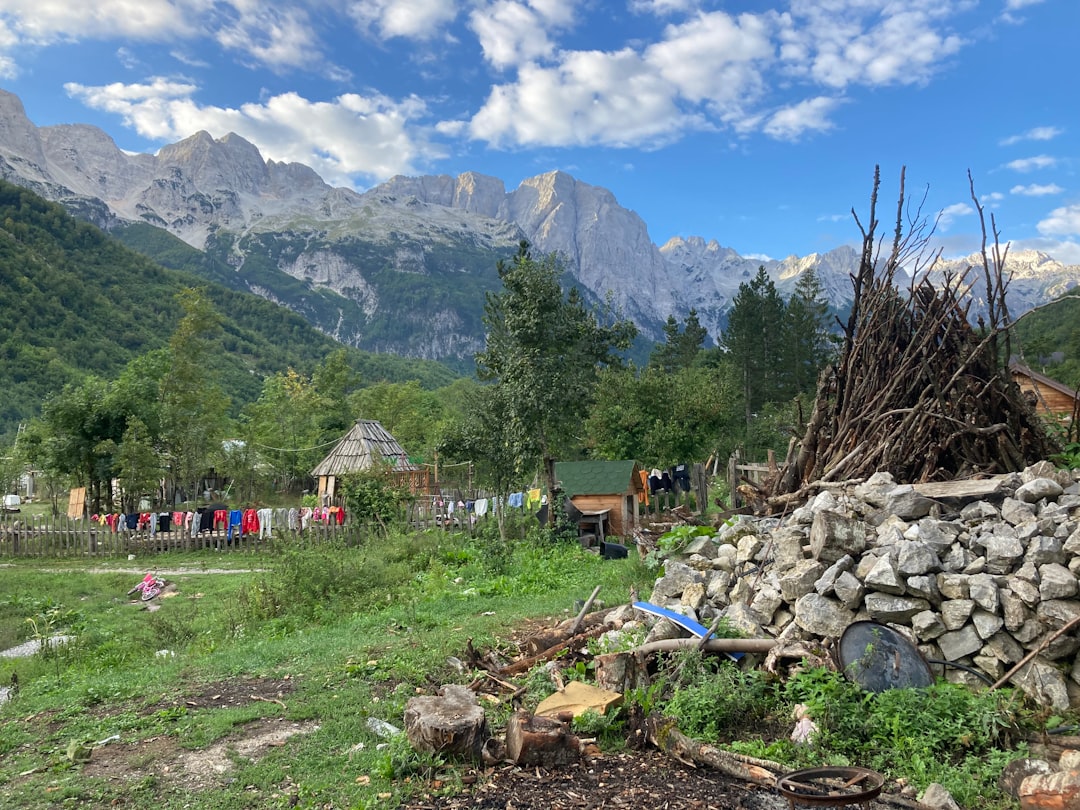
Zagori is a paradox carved into the earth. It's a region of extreme verticality, where villages cling to cliff faces like barnacles on a leviathan, and monasteries sit in precarious balance between the earth and the sky. I came looking for history, but I found something more primal: the raw, unfiltered relationship between humans and the mountain. Every stone bridge, every hidden chapel, every dizzying viewpoint is a testament to stubbornness. The people here didn't just live in the mountains; they negotiated with them, day by day, generation by generation.
The Monasteries: Sanctuaries in the Sky
The monasteries of Zagori are not the gilded, tourist-clogged complexes you find near Athens. These are austere, fortified structures built into the rock faces, designed to be inaccessible to invaders and visible only to the devout. They are architectural defiance. To reach them, you often have to hike for hours through olive groves and pine forests, crossing stone bridges that span terrifying drops. The silence here is absolute, broken only by the call of a hawk or the rustle of wind through the cypress trees. These places are not museums; they are living, breathing entities, still tended by monks who follow a rhythm of prayer and labor that hasn't changed in centuries.
The most striking aspect of these monasteries is their integration with the landscape. They don't sit on top of the mountain; they are part of it. The stone used in their construction is quarried from the surrounding cliffs, making them nearly invisible until you're right on top of them. The icons inside are faded, the frescoes cracked by time and seismic activity, but the spiritual weight remains. You can feel it in the cool, shadowed interiors, in the smell of old incense and damp stone. It's a reminder that faith here is not a performance; it's a survival mechanism, a way to make sense of a world that is both beautiful and brutal.
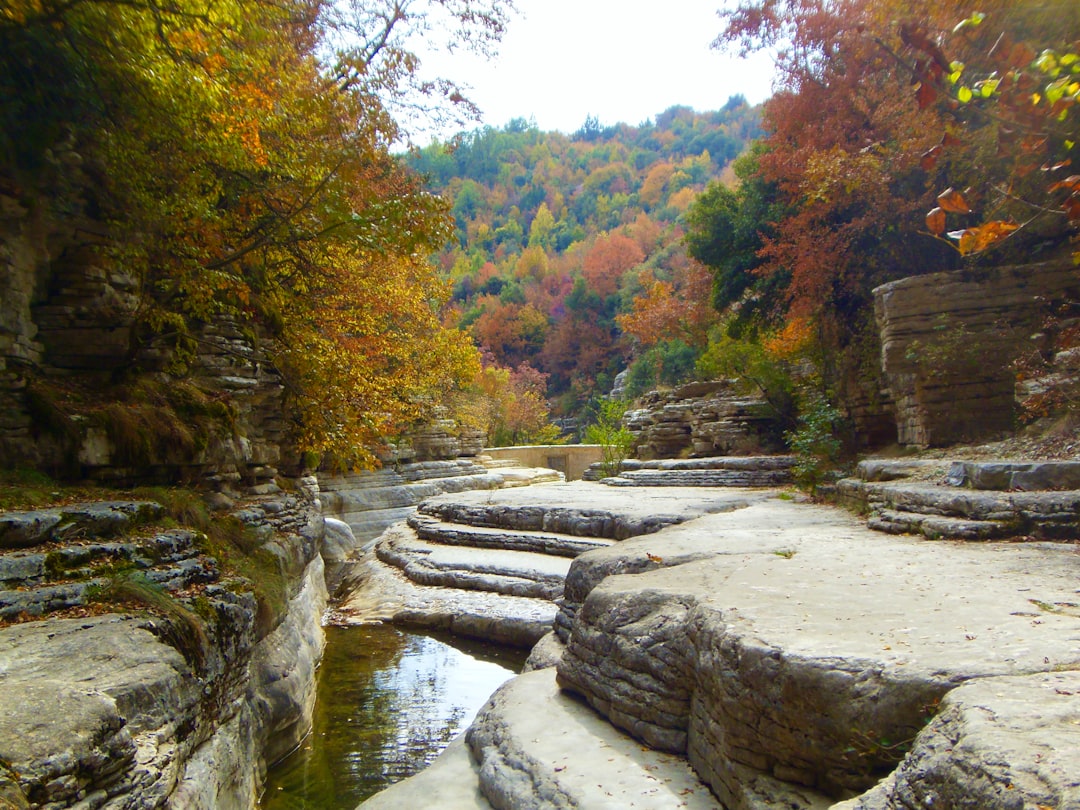
The Peaks: Where the Earth Breaks
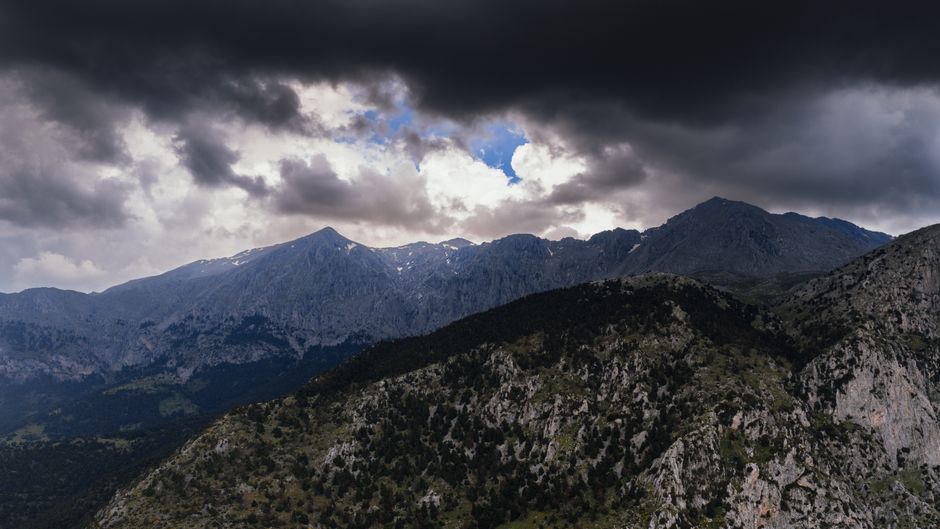
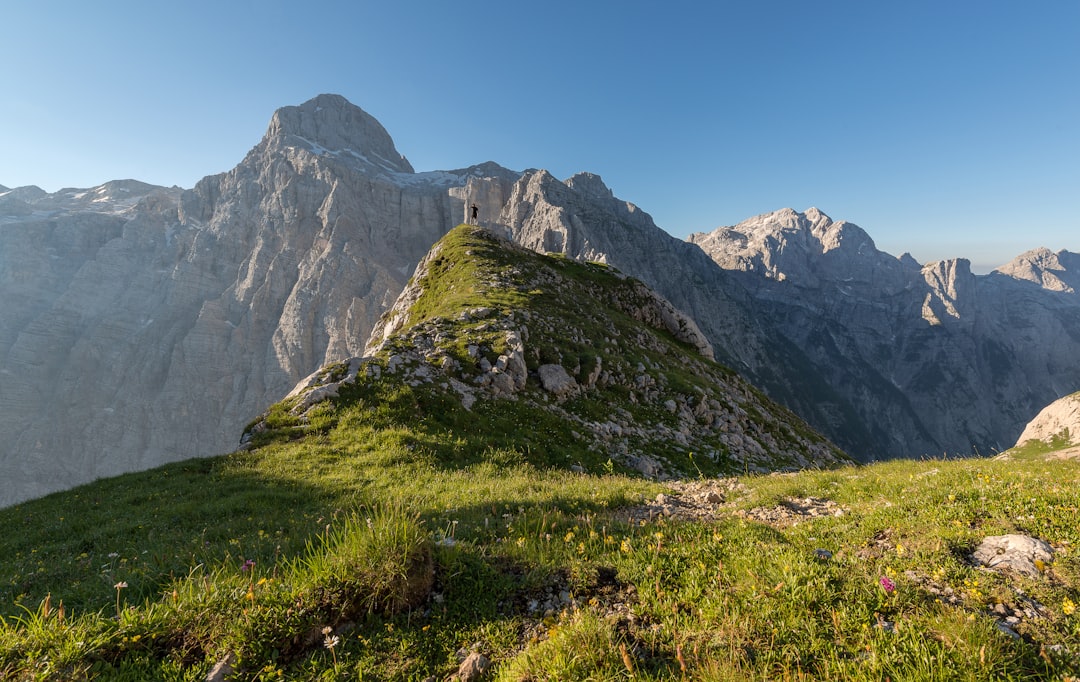
If the monasteries are the soul of Zagori, the peaks are its bones. The Pindus Mountains are the backbone of the Balkans, a jagged, unforgiving range that has shaped the history and culture of the region for millennia. The peaks here are not gentle slopes; they are vertical walls of limestone and marble, scarred by glaciers and weathered by wind. Hiking in Zagori is not a leisurely stroll; it's a physical and mental challenge that demands respect and preparation. The trails are often unmaintained, the terrain rocky and uneven, and the weather unpredictable. But the rewards are immense. From the summits, you can see for miles, the landscape unfolding like a map of chaos and beauty. The air is crisp and clean, the silence profound, and the sense of isolation absolute. This is a place where you can truly disconnect from the modern world and reconnect with something primal.
The most iconic peak in the region is Lagaras, the highest point in the Zagori area. Reaching its summit is a rite of passage for hikers in the region, a test of endurance and will. The trail is steep and demanding, with sections of scree and exposed ridges that require careful footing. But the view from the top is worth every step. On a clear day, you can see the entire Pindus range, the Ionian Sea, and even the distant peaks of Albania. It's a perspective that humbles you, a reminder of how small we are in the face of nature's grandeur. Other notable peaks include Smolikas, the highest mountain in Greece, and Tritoni, a popular hiking destination with stunning views of the Vikos Gorge. Each peak has its own character, its own challenges, and its own rewards.
Routes & Trail Info
The trail to Lagaras typically starts from the village of Monodendri, a charming settlement with traditional stone houses and a vibrant cultural scene. The hike is approximately 12 kilometers round trip, with an elevation gain of about 1,200 meters. It takes most hikers between 6 to 8 hours to complete, depending on fitness level and weather conditions. The trail is well-marked but can be challenging, especially in the early morning when the ground is still wet with dew. There are no facilities on the trail, so it's essential to carry plenty of water and food. The summit is a rocky plateau with 360-degree views, a perfect spot for a well-deserved rest.
For those seeking a more moderate challenge, the trail to Tritoni is a great option. Starting from Vikos, the hike is about 8 kilometers round trip, with an elevation gain of 800 meters. It takes around 4 to 5 hours to complete, and the trail is well-maintained and easy to follow. The views from the summit are spectacular, with the Vikos Gorge stretching out below like a deep, narrow scar. This trail is suitable for most hikers, including those with children, as long as they are experienced and fit. The trailhead is easily accessible by car, with parking available near the village.
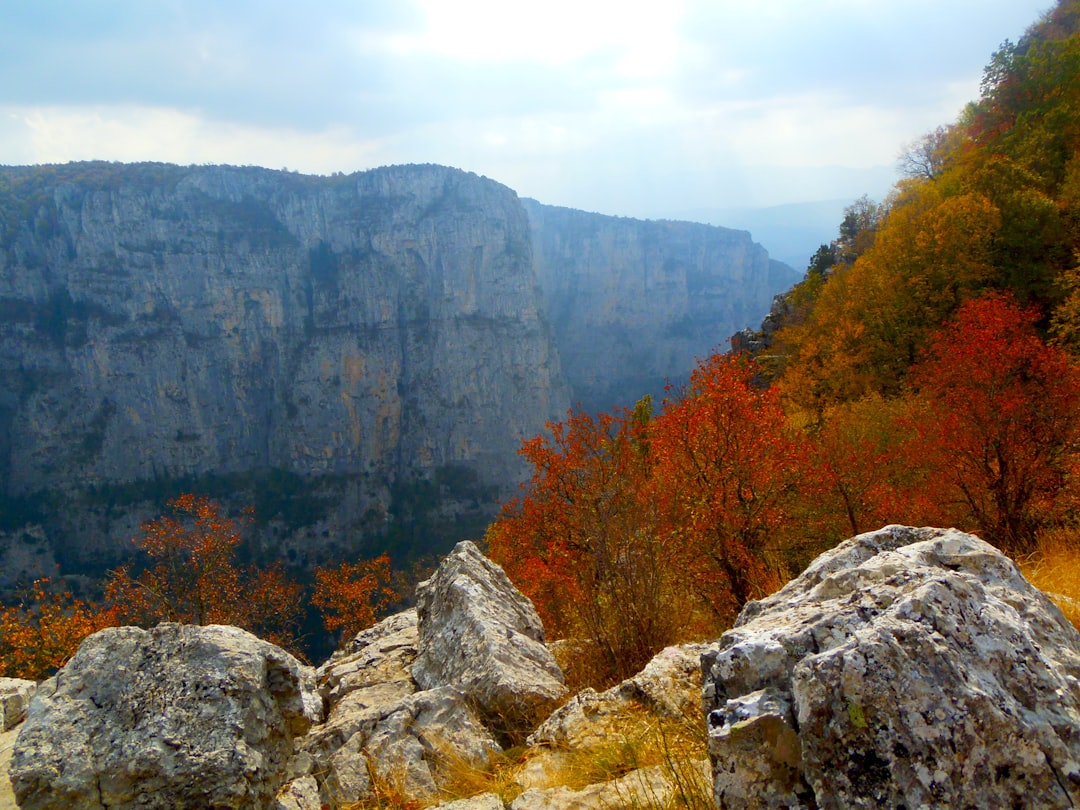
Getting There & What to Expect
The nearest major city to Zagori is Ioannina, about 50 kilometers away. From Ioannina, you can take a bus or drive to the villages of Zagori, with the journey taking about an hour. The roads are winding and steep, so it's important to drive carefully, especially in winter when snow and ice can make conditions hazardous. The nearest airport is Ioannina National Airport, which has limited connections to Athens and Thessaloniki. From there, you can rent a car or take a bus to Zagori. The region is best visited in the spring and autumn, when the weather is mild and the crowds are smaller. Summer can be hot and crowded, while winter can be cold and snowy, with many trails closed.
Accommodation in Zagori ranges from budget guesthouses in the villages to more luxurious hotels in Papingo and Monodendri. Expect to pay around 40-60 EUR per night for a double room in a mid-range hotel, and 15-25 EUR per night for a bed in a hostel or guesthouse. Meals are affordable, with a typical dinner costing around 15-20 EUR per person. Local specialties include zagorefto, a traditional stew made with lamb, tomatoes, and herbs, and metsovone, a strong, smoky cheese made from sheep's milk. The food is hearty and flavorful, a perfect fuel for a day of hiking. There are also many tavernas and cafes in the villages, offering a chance to relax and soak up the atmosphere after a long day on the trail.
Search accommodation in Ioannina on Booking.com →
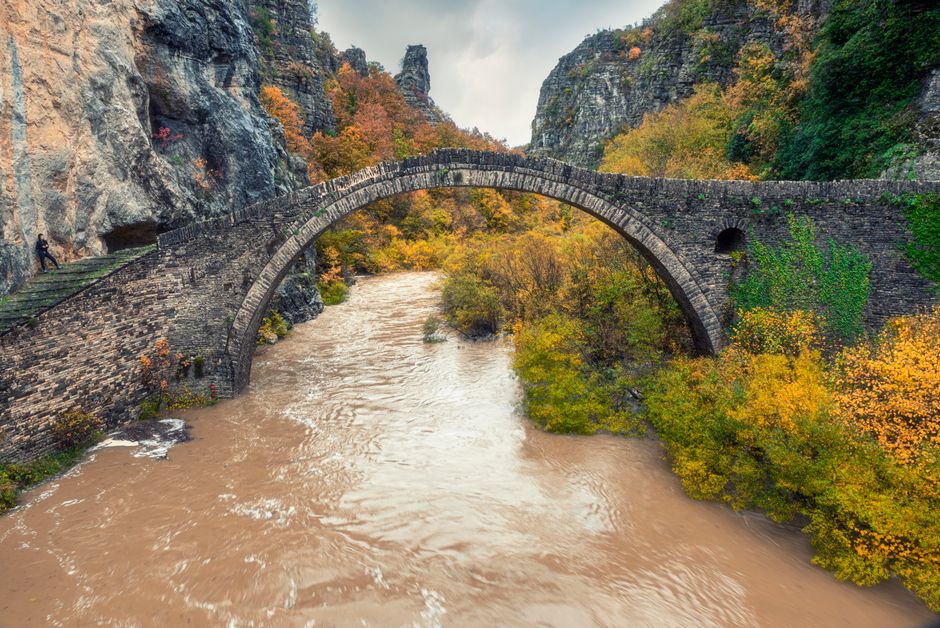
The Stone Bridge of the Soul
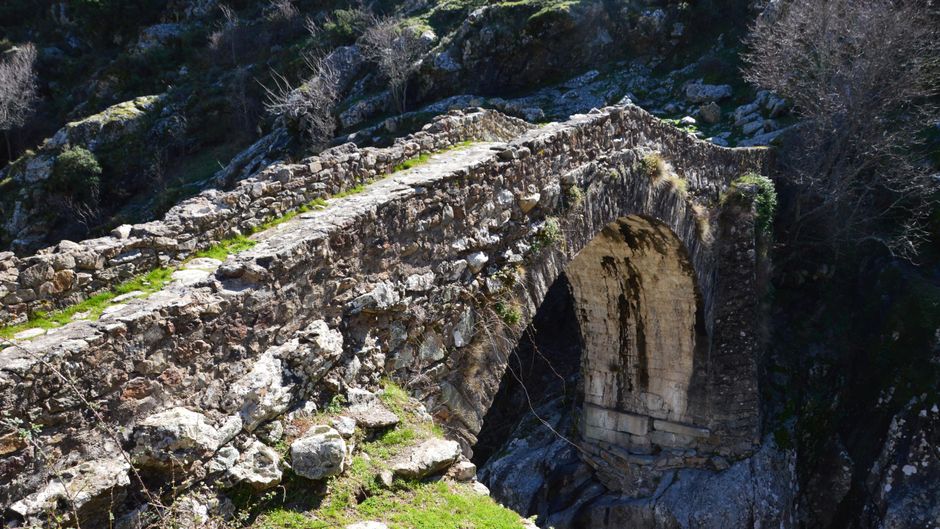
I left Zagori with my boots still dusty, my muscles aching, and my mind quieted in a way it hadn't been in years. The region had stripped away the noise of the modern world, leaving only the essential: stone, sky, and silence. I walked across the Kampos Bridge, one of the many stone bridges that span the rivers and gorges of Zagori, and felt the weight of centuries beneath my feet. These bridges were built by hands that knew the value of stone, of patience, of perseverance. They were built to last, to connect, to endure. In a world that is increasingly fragile and fleeting, Zagori stands as a testament to what is possible when we build with intention and respect. I didn't just see Zagori; I felt it. And I know I'll carry that feeling with me, long after the dust has settled and the mountains have faded from view.
Comments