


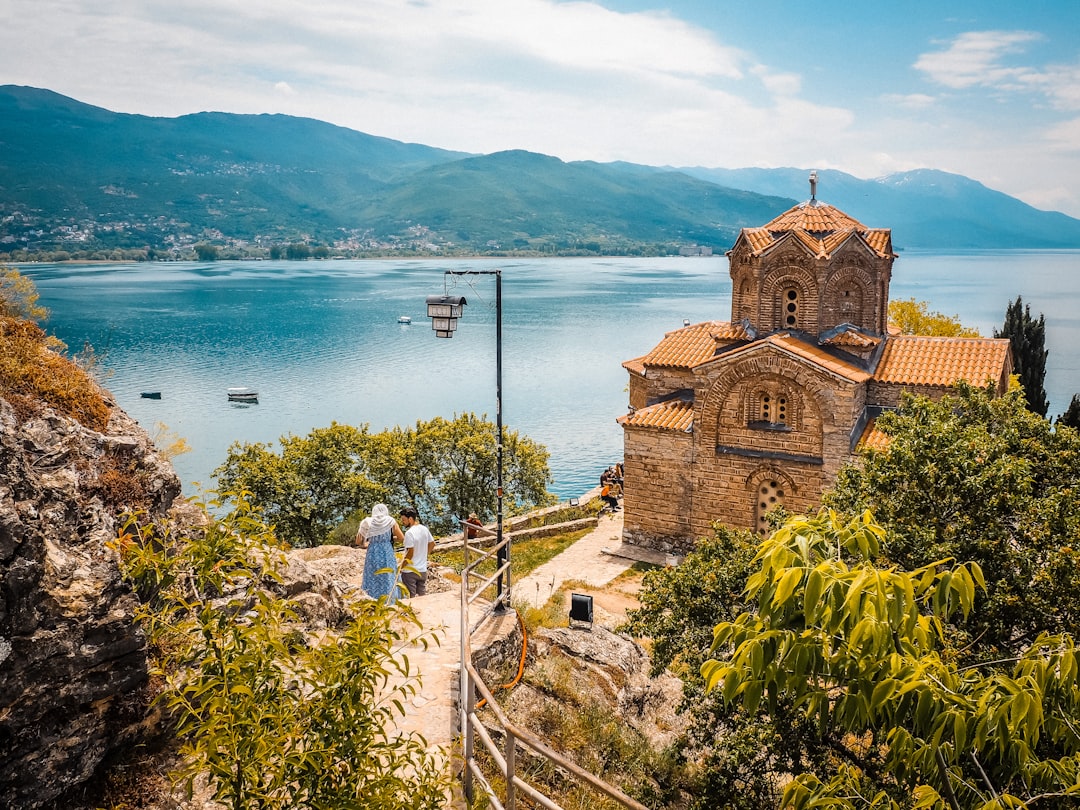
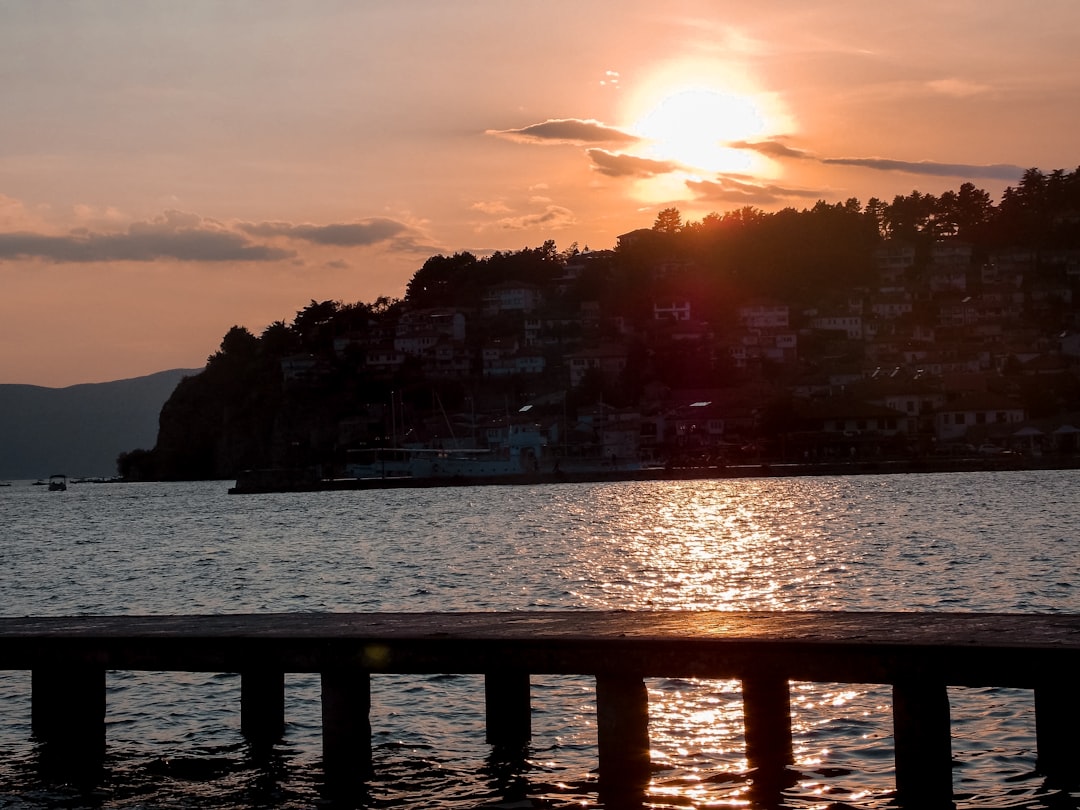
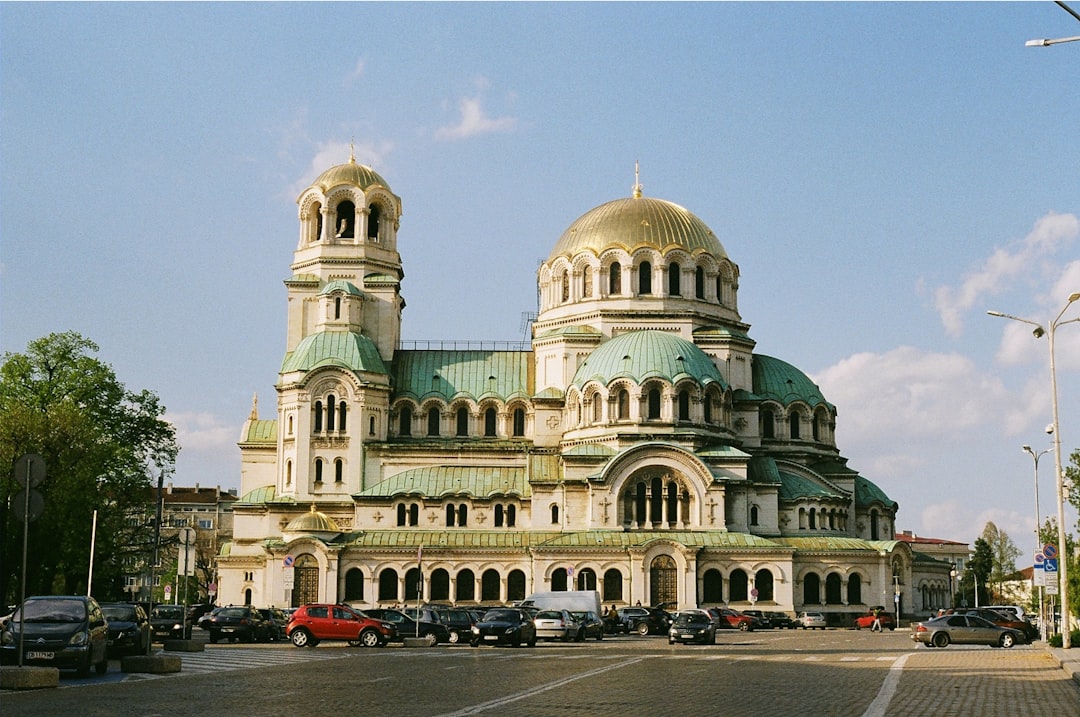
I’m sitting on a crumbling limestone bench in Ohrid, the sun hammering down on my neck, watching a fisherman pull in a net that looks heavy enough to anchor a battleship. The water is a bruised purple, reflecting the Orthodox domes that have watched this lake for two thousand years. I’m not here for the peace and quiet. I’m here because the UNESCO plaque on the wall claims this place holds the soul of the region, and I’ve come to see if that’s just bureaucratic poetry or actual history. My boots are caked in dust from a three-hour bus ride through winding mountain passes, and my coffee is strong enough to strip paint. This isn’t a checklist tour. It’s a hunt for the places that survived empires, wars, and neglect to tell the truth about who we are.
Most travelers treat the Balkans like a single museum, but the UNESCO sites here are scattered, stubborn, and fiercely local. They don’t care about your Instagram feed. They demand you show up, sweat a little, and listen. From the medieval stone of Kotor to the ancient stones of Philippi, these places are not just preserved; they are lived in. I’ve spent weeks chasing them, sleeping in hostels that smell of damp wood, eating in taverns where the locals argue politics over rakia, and hiking trails that test your limits. This is the real circuit. No fluff, no filters. Just the raw, unpolished heart of the Balkans, one World Heritage site at a time.
History & Identity
The Balkans are often misunderstood as a place of endless conflict, but its UNESCO sites tell a different story: one of layered civilizations, religious coexistence, and cultural resilience. These aren’t just ruins; they’re living testaments to the people who built, defended, and reinvented them. Take Ohrid in North Macedonia. It’s not just a pretty lakeside town. It’s a spiritual center that helped shape Slavic literacy, with churches and monasteries that have survived Byzantine, Ottoman, and modern political shifts. The history here isn’t locked in a museum; it’s in the liturgy, the markets, and the way elders greet each other.
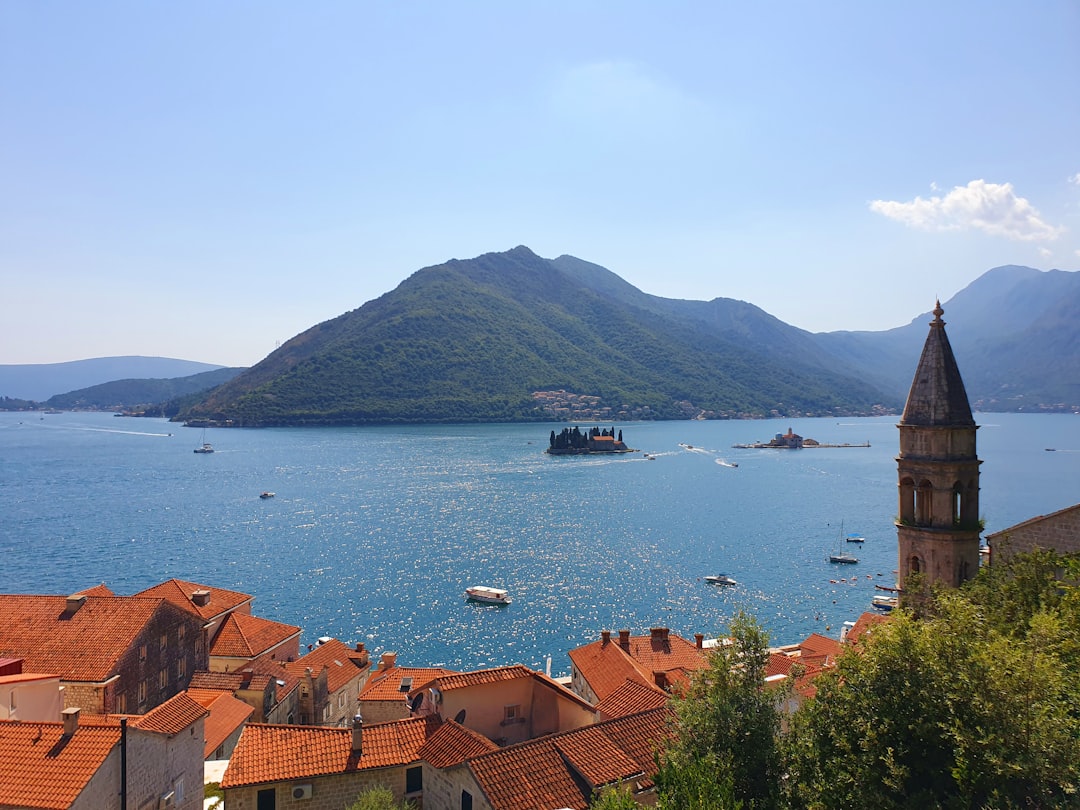
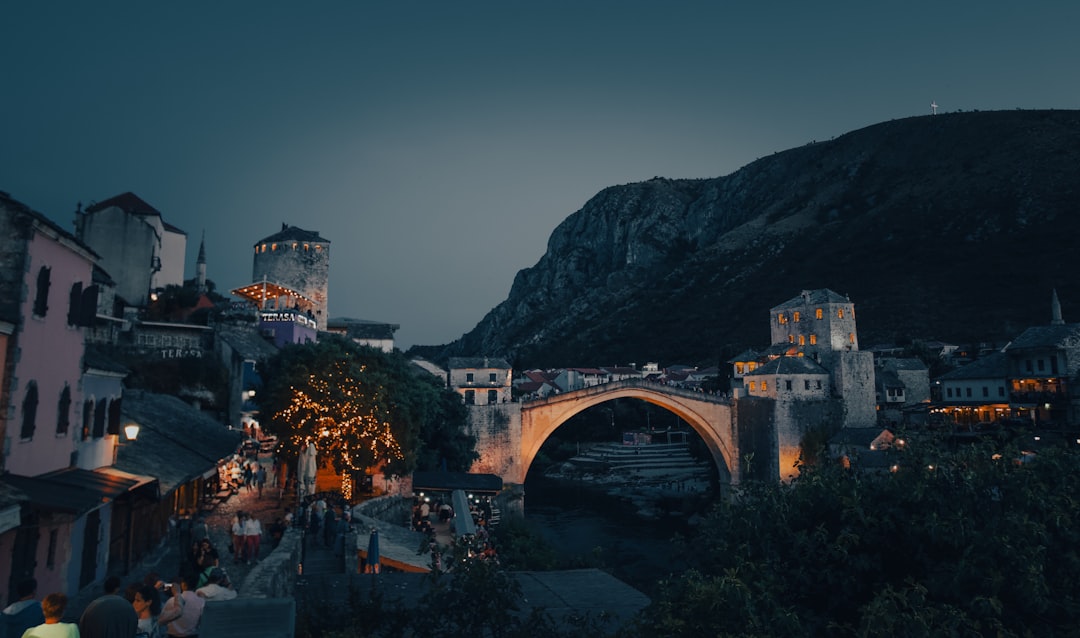
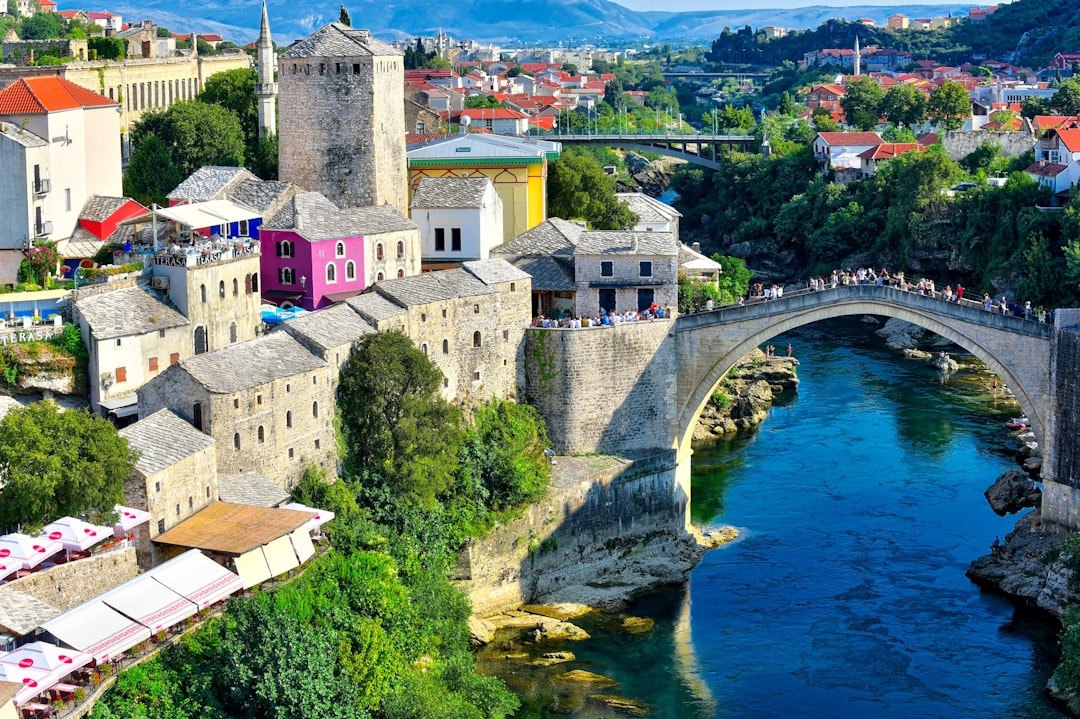
Then there’s Kotor in Montenegro, a medieval walled city that feels like a time capsule. Its Venetian architecture and narrow cobblestone streets reflect centuries of trade, war, and cultural exchange. The walls weren’t just for defense; they were a statement of identity, a way to say, “We are here, and we will endure.” Similarly, the Old Bridge Area of Mostar in Bosnia and Herzegovina is more than a stunning arch. It’s a symbol of reconstruction after the 1990s war, a place where different communities once lived side by side and are learning to do so again.
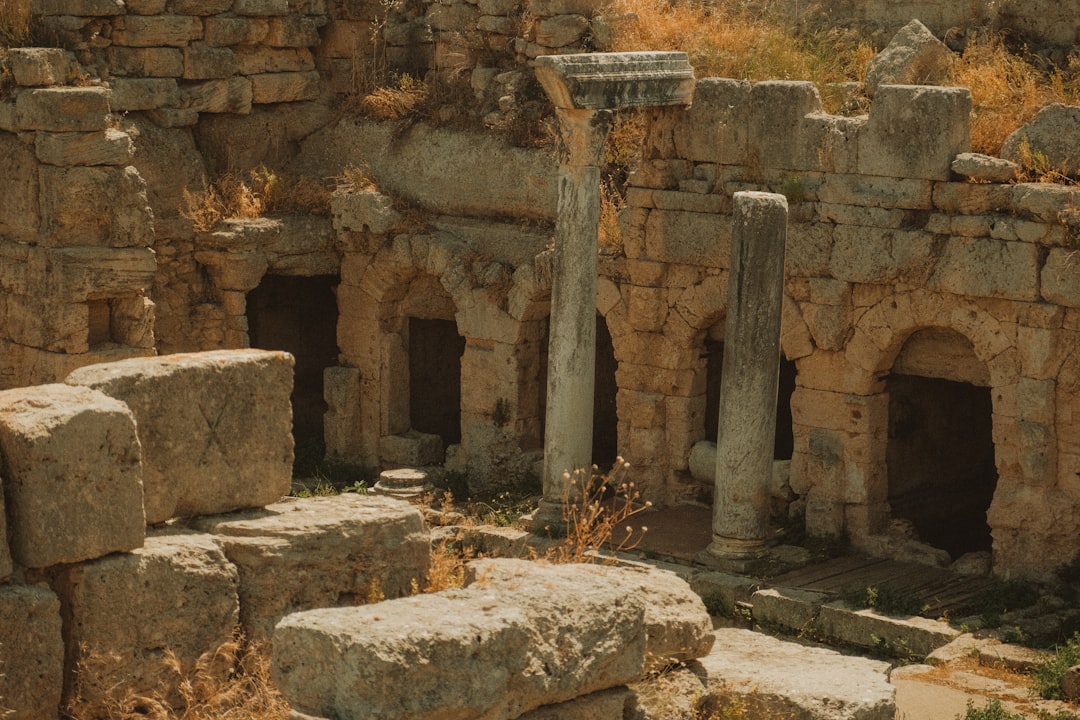
These sites define the region’s identity because they’re not static. They’re contested, celebrated, and constantly reinterpreted. In Philippi, Greece, you walk through Roman streets and early Christian basilicas, feeling the weight of ancient empires and the birth of a new faith. In Pristina, Kosovo, the Medieval Monuments speak of a complex past that’s still being negotiated today. The Balkans aren’t just a crossroads; they’re a crucible. And these UNESCO sites are the scars and the crowns.
Where to Go
Ohrid Lake, North Macedonia — This isn’t just a lake; it’s a living museum. The water is so clear you can see ancient artifacts submerged beneath the surface. The town is a maze of churches, monasteries, and narrow streets, each with a story. Visit the Church of St. John at Kaneo for frescoes that rival the Sistine Chapel. Entry is 2 EUR. Go early morning to avoid crowds and catch the light hitting the domes. The lake itself is perfect for swimming, boating, or just sitting on the shore and watching the world go by. It’s a place that slows you down.
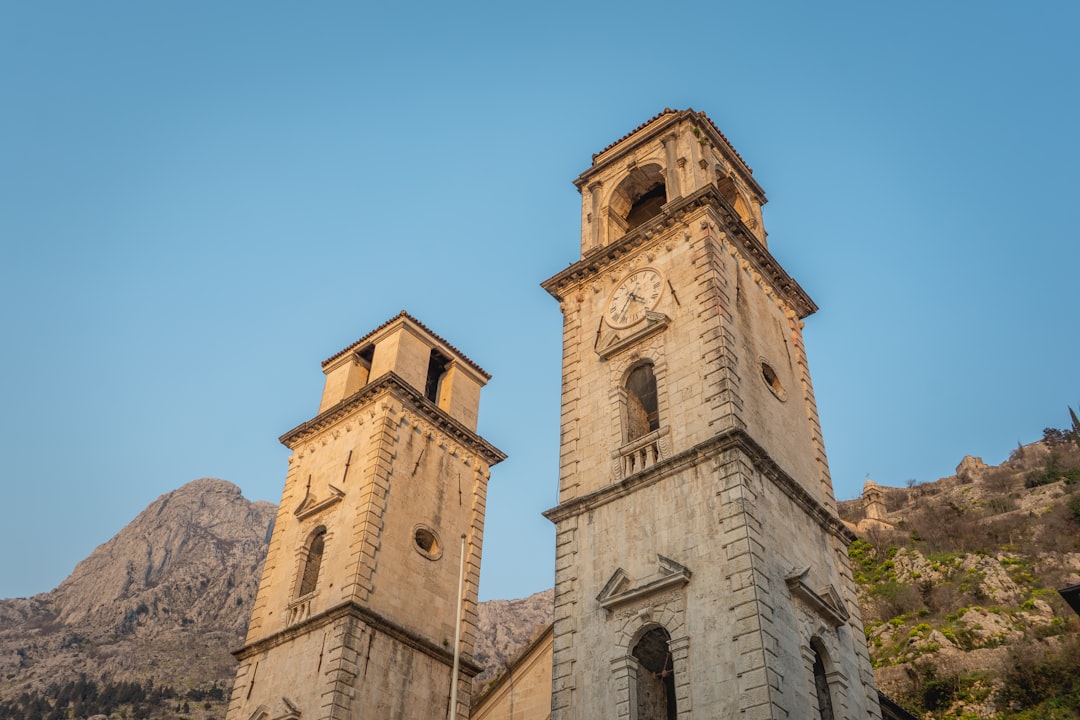
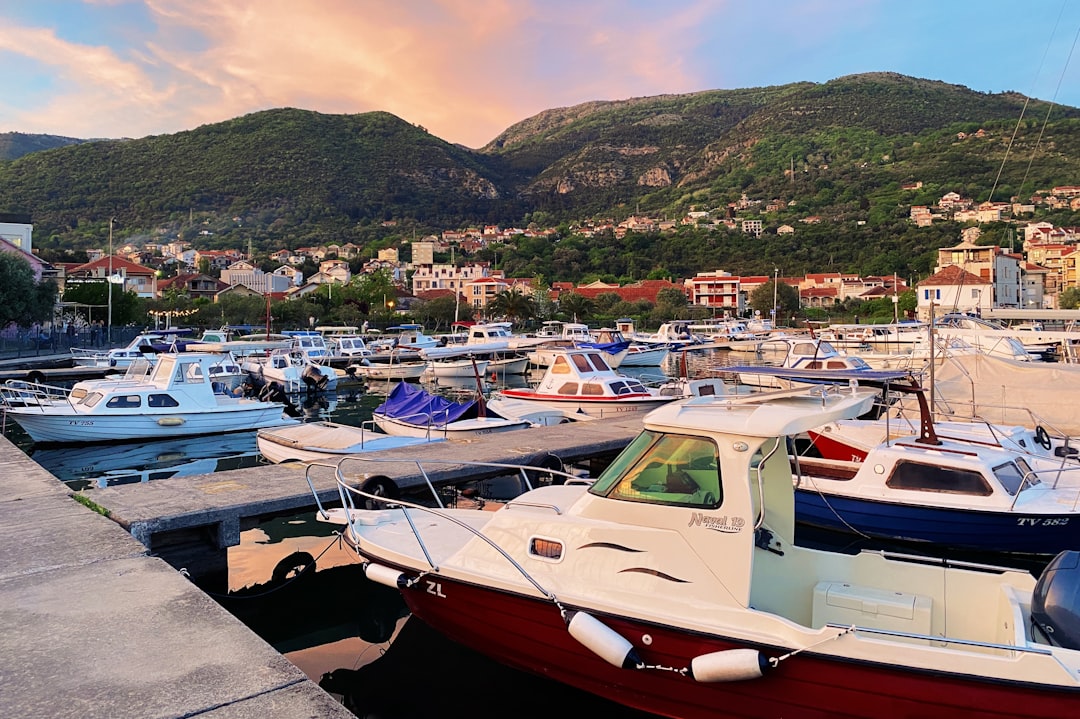
Kotor, Montenegro — The walled city of Kotor is a masterpiece of medieval urban planning. The walls climb steeply up the mountain, offering panoramic views of the bay. Inside, the streets are a labyrinth of Venetian palaces, churches, and squares. Don’t miss the Cathedral of St. Tryphon, a Romanesque gem with a stunning bell tower. Entry is 3 EUR. Climb the walls at sunset for the best views, but be prepared for a steep hike. The city is small, so you can walk everything in a day. Just watch your step on the cobblestones.
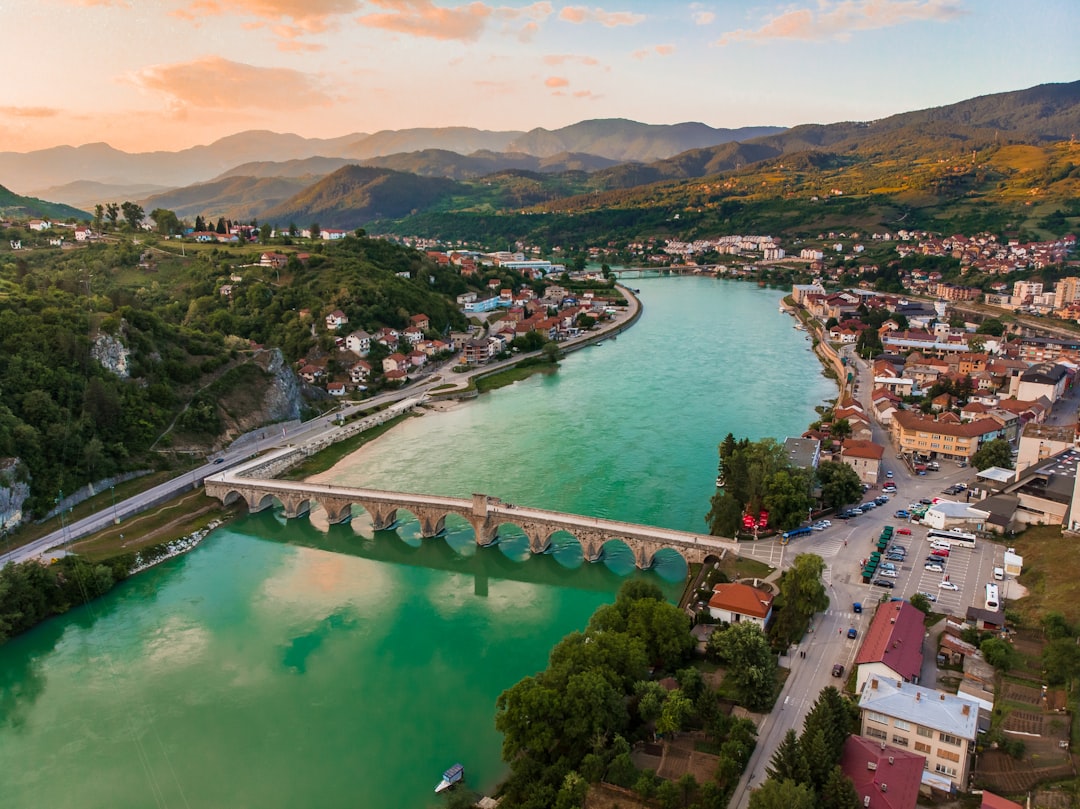
Old Bridge Area of Mostar, Bosnia and Herzegovina — The Stari Most is the heart of Mostar, a 16th-century Ottoman bridge that spans the Neretva River. It was destroyed in 1993 and rebuilt in 2004, a symbol of reconciliation. The old town is a vibrant mix of bazaars, cafes, and historic houses. Watch the divers jump from the bridge at noon—a local tradition that’s been revived. Entry to the old town is free, but guided tours are available for 10 EUR. The best time to visit is early morning or late afternoon when the light is soft and the crowds are thin.
Philippi, Greece — This ancient city in northern Greece is a treasure trove of history. Walk through the Roman cardo, the early Christian basilicas, and the theater where St. Paul preached. The site is vast, so wear comfortable shoes and bring water. Entry is 12 EUR. Combine it with a visit to the nearby Aegean Sea for a perfect day of history and relaxation. The best time to visit is spring or fall to avoid the summer heat. Guided tours are highly recommended to make sense of the ruins.
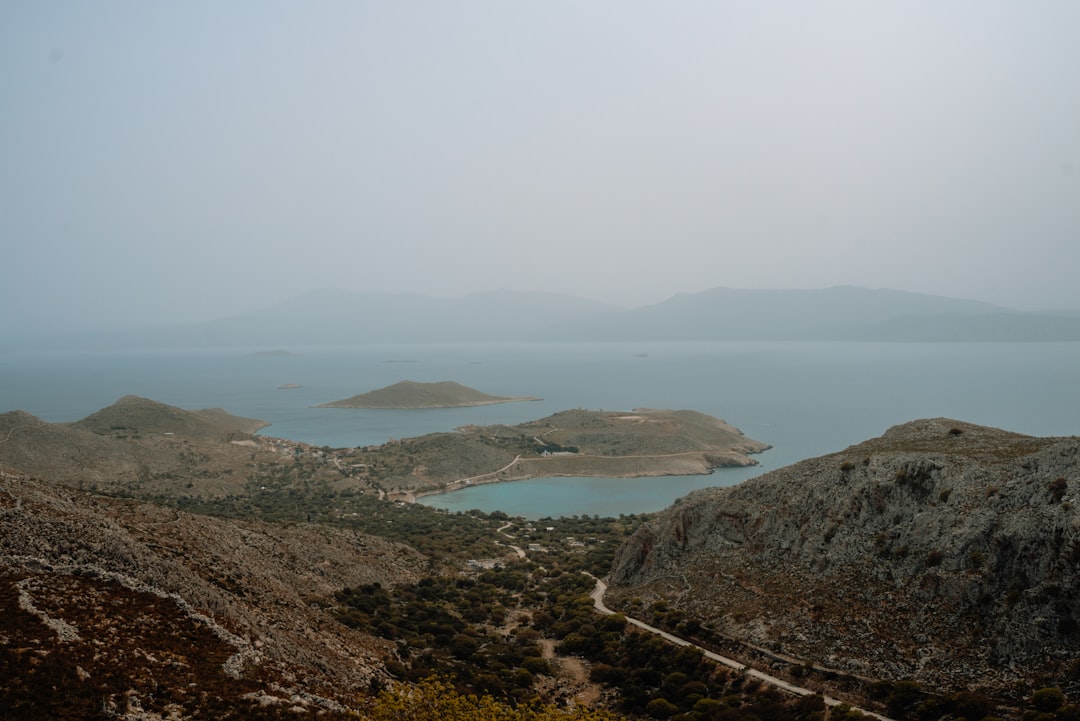
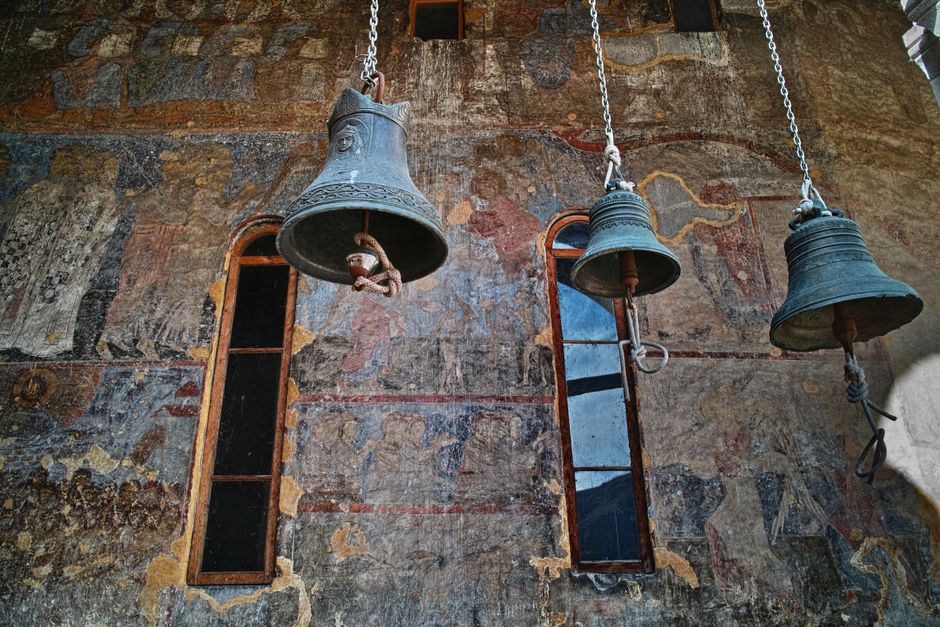
Medieval Monuments in Kosovo — These sites, including Pec, Dečani, and Virpazar, are architectural marvels from the 13th to 15th centuries. The Dečani Monastery is particularly stunning, with frescoes that cover every surface. Entry is 5 EUR. The region is less visited than other Balkan destinations, so you’ll have more space to explore and connect with locals. Bring a guide if you can, as the history is complex and often overlooked. The mountains surrounding the sites are beautiful for hiking.
What to Eat & Drink
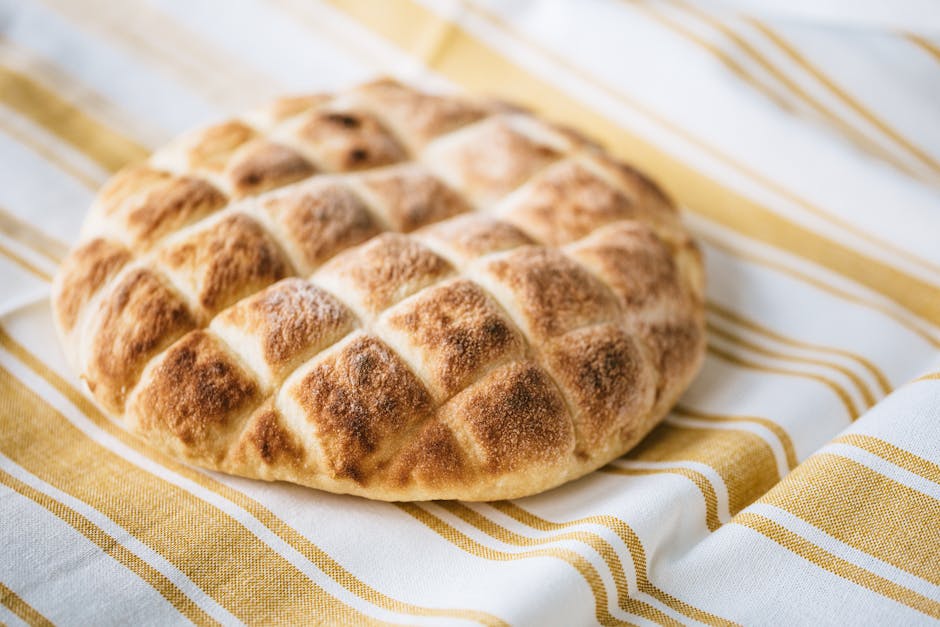
Food in the Balkans is not just sustenance; it’s a language. Every dish tells a story of trade, conquest, and survival. In Ohrid, try čorba, a hearty soup made with local meats and vegetables, for 3-5 EUR. In Kotor, the seafood is fresh and affordable. A plate of grilled fish costs around 10-15 EUR. In Mostar, don’t leave without trying ćevapi, small grilled sausages served with somun bread, for 4-6 EUR. In Philippi, the local olive oil and feta cheese are exceptional. A simple meal of grilled vegetables and cheese costs 8-12 EUR.
Budget travelers can eat well on 5-10 EUR per meal by sticking to street food and local taverns. Mid-range restaurants charge 15-25 EUR per person for a full meal with drinks. For a splurge, go for a traditional feast in a family-run restaurant, where you can spend 30-50 EUR per person and still have room for dessert. Street food is king in most cities. In Pristina, try burek, a flaky pastry filled with meat or cheese, for 2-3 EUR. In Thessaloniki, near Philippi, the gyros is legendary, costing 4-6 EUR.
Markets are the best places to find local flavors. In Ohrid, the Sunday market is a sensory overload of colors, smells, and sounds. In Kotor, the morning market near the harbor is where locals buy fresh produce and seafood. In Mostar, the bazaar is a maze of spices, textiles, and crafts. Take-away options are plentiful and cheap. Look for signs that say “brzo” (fast) or “street food” for quick, delicious meals. Food courts in larger cities offer a mix of local and international options at reasonable prices.
Nightlife
Nightlife in the Balkans is not about glitz and glamour; it’s about connection. In Ohrid, the bars along the lakefront are perfect for a relaxed evening. Try Kino Bar, a converted cinema with live music and a laid-back vibe. Cover is 5-10 EUR. In Kotor, the nightlife is more subdued, but the bars in the old town are charming. Bar Kotor offers cocktails with a view of the bay. Cover is 3-8 EUR. In Mostar, the cafes and bars around the Old Bridge are lively into the night. Cafe Stari Most is a local favorite, with live music and a great atmosphere. Cover is free, but drinks start at 2-4 EUR.
For a wilder night, head to Pristina. The club scene is young and energetic. Club X is a popular spot for electronic music, with a cover of 10-15 EUR. In Thessaloniki, near Philippi, the nightlife is diverse, with everything from traditional tavernas to modern clubs. Amoudara Beach is lined with bars and clubs, perfect for a summer night. Cover is 5-10 EUR. Remember, the Balkans don’t sleep early. Parties often start late and go until dawn. Bring your energy, your open mind, and a sense of adventure.
Getting There & What to Expect
Getting to these UNESCO sites requires some planning, but the journey is part of the adventure. Ohrid is accessible by bus from Skopje, the capital of North Macedonia. The ride takes about 2 hours and costs 10-15 EUR. Kotor is reachable by bus from Podgorica, the capital of Montenegro. The ride takes about 3 hours and costs 15-20 EUR. Mostar is well-connected by bus from Sarajevo and Dubrovnik. The ride from Sarajevo takes about 3 hours and costs 10-15 EUR. Philippi is near Kavala, Greece, which has an airport with connections from Athens. The drive from Kavala to Philippi is about 1 hour and costs 20-30 EUR for a taxi. Dečani in Kosovo is accessible by bus from Pristina. The ride takes about 3 hours and costs 5-10 EUR.
Accommodation prices vary by season and location. In Ohrid, a budget hostel costs 15-25 EUR per night, while a mid-range hotel costs 40-60 EUR. In Kotor, a budget hostel costs 20-30 EUR per night, while a mid-range hotel costs 50-80 EUR. In Mostar, a budget hostel costs 10-20 EUR per night, while a mid-range hotel costs 30-50 EUR. In Kavala, near Philippi, a budget hostel costs 15-25 EUR per night, while a mid-range hotel costs 40-60 EUR. In Dečani, a budget guesthouse costs 10-20 EUR per night, while a mid-range hotel costs 30-50 EUR. The best time to visit is spring (April-June) or fall (September-October) to avoid crowds and enjoy mild weather.
Search accommodation in Ohrid, North Macedonia on Booking.com →
The Ghost in the Machine
I’m packing my bag in a dimly lit hostel room in Mostar, the sound of the Neretva River humming outside my window. My notebook is full, my camera is drained, and my heart is heavier than when I started. These places aren’t just on a map; they’re in my bones. The stone of Kotor, the water of Ohrid, the bridge of Mostar—they’re not relics. They’re reminders that we’re all just passing through, leaving our mark however we can. The Balkans don’t care about your itinerary. They care about your presence. So go. Get lost. Get dirty. And when you find yourself standing on a bridge that’s been rebuilt from ashes, remember: this is where history lives. Not in books. In the air. In the stones. In you.
Comments