


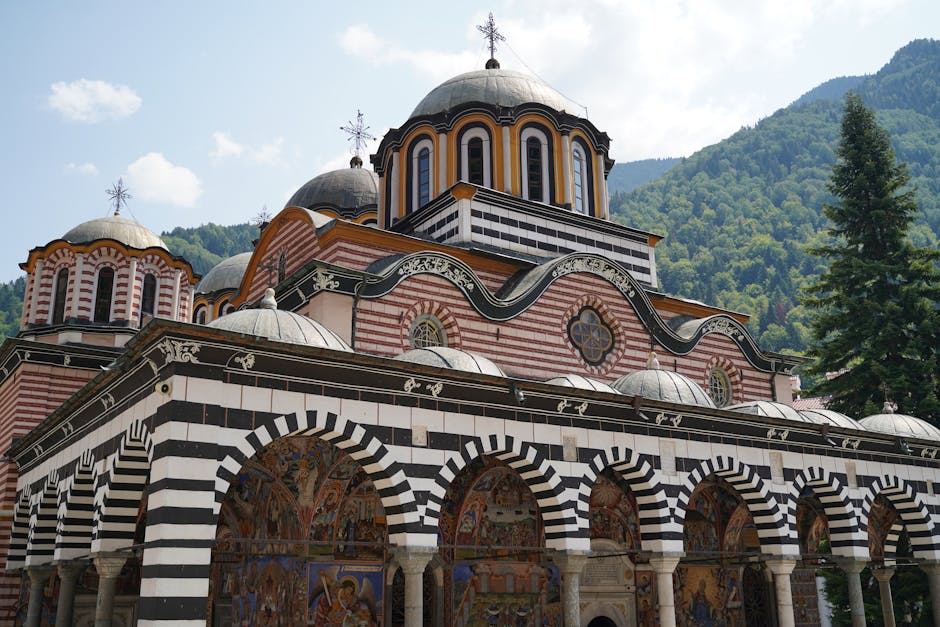
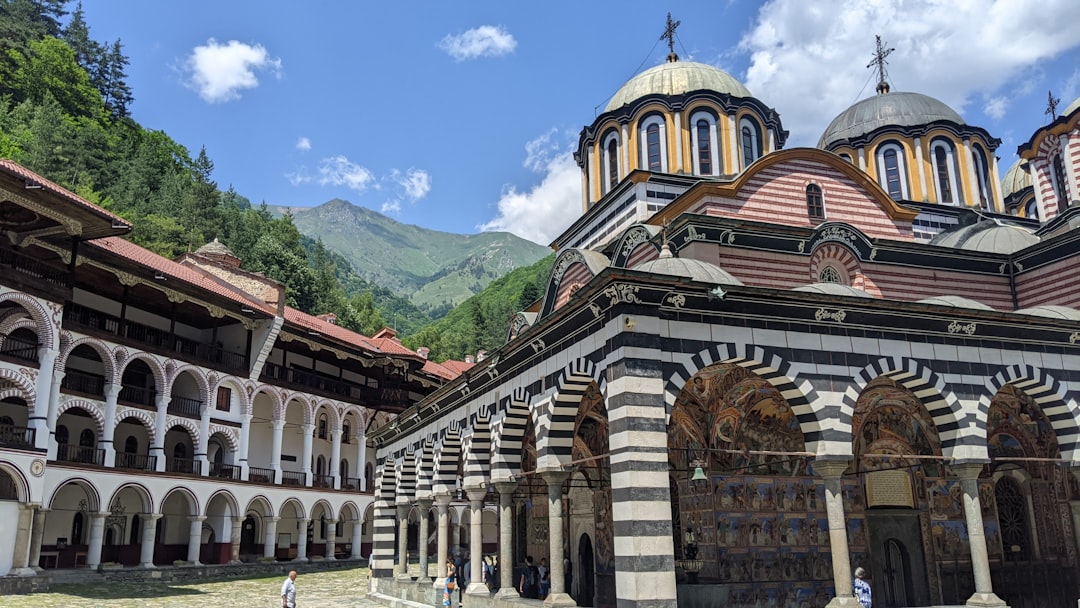
The ink on my passport is barely dry, but the smell of frankincense and old stone has already seeped into my lungs. I am standing in the main church of Rila Monastery, staring at a wall that hasn't seen daylight since the 18th century. A local monk, his cassock frayed at the hem, watches me with the weary patience of a man who has seen a thousand tourists try to capture the divine through a smartphone lens. He doesn't shush me. He just points a gnarled finger at a fresco of Saint George slaying a dragon and says, "They are not just pictures. They are the blood of the country." It's a heavy line for a Tuesday afternoon in the Rila Mountains, but as the sun cuts through the high windows, illuminating dust motes dancing over vibrant blues and golds, I start to get it. This isn't just a religious site. It's a fortress of memory. In a region where borders have shifted like sand and empires have risen and fallen with brutal efficiency, these walls have held the line. They are the visual anchor of Bulgarian identity, painted in egg tempera and defiance.
The Canvas of Survival
To understand the frescoes, you have to understand the silence that preceded them. For centuries, Bulgaria was under Ottoman rule, a period where the Bulgarian language and Orthodox faith were systematically suppressed. The monastery, founded in the 10th century, became more than a place of worship; it became a school, a library, and a sanctuary for the national spirit. When you walk through the narthex, you aren't just looking at religious iconography. You are looking at a coded message of survival. The vibrant colors — the deep lapis lazuli, the striking ochre, the blood red — are a direct rejection of the monochrome oppression outside the monastery walls. Every saint, every biblical scene, and every decorative border was a way of keeping the Bulgarian language and culture alive when it was illegal to speak it in public. The frescoes are not static. They are a roar frozen in time.
The most famous layer of these paintings dates to the early 18th century, a time when the monastery was at the height of its cultural influence. The artists, often anonymous masters from the Rila Monastery scriptorium, didn't just copy Byzantine models. They infused them with a distinctly Balkan sensibility. Look closely at the faces. They aren't the ethereal, distant figures of early Christian art. They are locals. They have the broad noses, the heavy brows, the weathered skin of the peasants who worked the land outside. This was a democratization of the divine. It was a statement that God was not just in Constantinople or Rome, but right here, in the rugged peaks of the Rila National Park. The art became a mirror for the people, reflecting their own struggles, their own hopes, and their unbroken spirit back at them.
Decoding the Walls
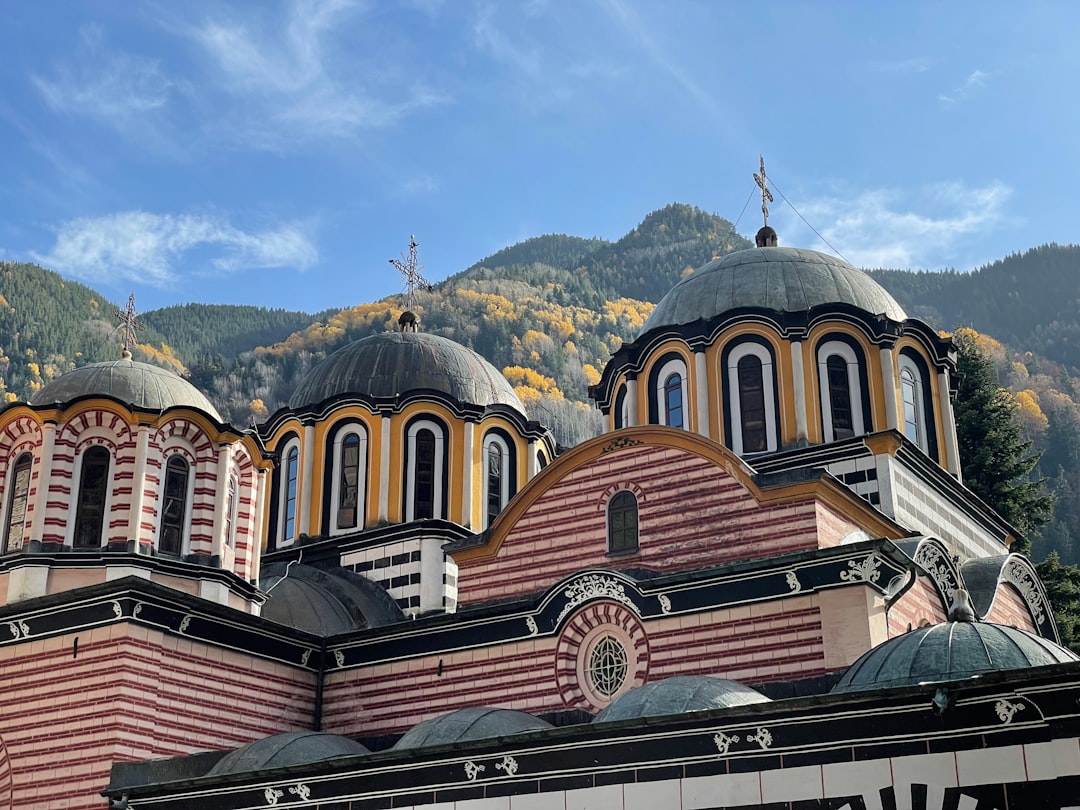
Walking through the complex is a lesson in visual literacy. The frescoes are arranged hierarchically, but if you know where to look, the stories change. In the main church, the dome is dominated by Christ Pantocrator, his gaze sweeping down over the faithful. But it's the lower registers that tell the real story. Here, you find scenes from the lives of local saints, particularly Saint Ivan of Rila, the hermit who first settled in the area. His depiction is raw and visceral, showing the physical toll of asceticism. It's a reminder that holiness in this region was earned through hardship, not inherited through lineage. The details are incredible: the texture of the rough wool garments, the calloused hands, the stark, rocky landscape of the Rila valleys. It's a landscape I recognize from my hike in, and seeing it rendered in such detail bridges the gap between the sacred space and the wild world outside.
One of the most striking features is the use of text. The frescoes are not just images; they are integrated with Bulgarian script. The inscriptions are not just labels; they are part of the composition, woven into the borders and the backgrounds. This was a deliberate act of preservation. During the Ottoman period, the ability to read and write Bulgarian was a radical act. By embedding the language into the walls of the church, the monks ensured that it would be seen, read, and remembered by every generation that entered. It's a subtle but powerful form of resistance. The text and image work together to create a cohesive narrative of faith and identity, one that could not be easily erased or ignored. Even today, when I trace the curves of the letters with my eyes, I feel a connection to the scribes who worked here centuries ago, knowing that their work might be the last record of their language.
The iconostasis, the large screen separating the nave from the sanctuary, is another masterpiece. While technically wood-carved and painted rather than a fresco, it is integral to the visual experience. The icons are richly detailed, with gold leaf catching the light from the candles. The faces of the saints are solemn, but there's a warmth in their expressions that invites contemplation rather than fear. The craftsmanship is exceptional, showcasing the skill of the local artisans. It's a testament to the resources and dedication of the monastery community, who managed to create such high-quality art despite the political and economic pressures of the time. Standing before it, you can't help but feel the weight of history, the sense that you are standing in a place that has witnessed centuries of change and has emerged stronger for it.
The Living Tradition
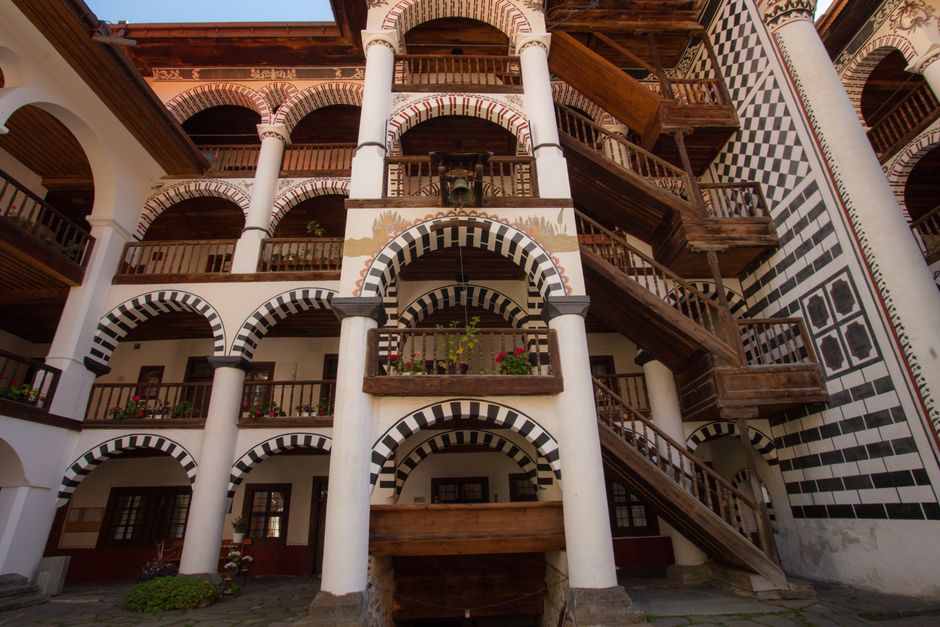
It's easy to fall into the trap of viewing the Rila Monastery as a museum, a static relic of the past. But it's very much alive. The monks still live here, following a strict schedule of prayer and work. You can hear the chanting echoing through the halls, a deep, resonant sound that vibrates in your chest. The frescoes are not just preserved; they are maintained. The monks are trained in traditional restoration techniques, ensuring that the paintings remain vibrant and true to the original vision. It's a continuous act of devotion, a way of honoring the past while keeping it relevant for the present. When you see a monk carefully cleaning a section of wall or repainting a faded border, you realize that this is not just about history. It's about continuity. The art is a living tradition, passed down from one generation to the next, just like the faith it represents.
The monastery also plays a central role in the community. It's a place of pilgrimage, not just for Bulgarians, but for Orthodox Christians from across the region. During feast days, the complex is packed with visitors, all coming to pay their respects and seek blessings. The atmosphere is electric, filled with the smell of incense, the sound of prayers, and the murmur of conversations. It's a powerful reminder of the enduring strength of religious faith in a secularizing world. But it's also a place of cultural education. Schools bring students here to learn about history, art, and language. The frescoes are used as teaching tools, helping to instill a sense of national pride and identity in the young. In this way, the monastery continues to fulfill its original mission: to be a center of learning and preservation, a beacon of Bulgarian culture in a complex and often turbulent region.
Getting There & What to Expect
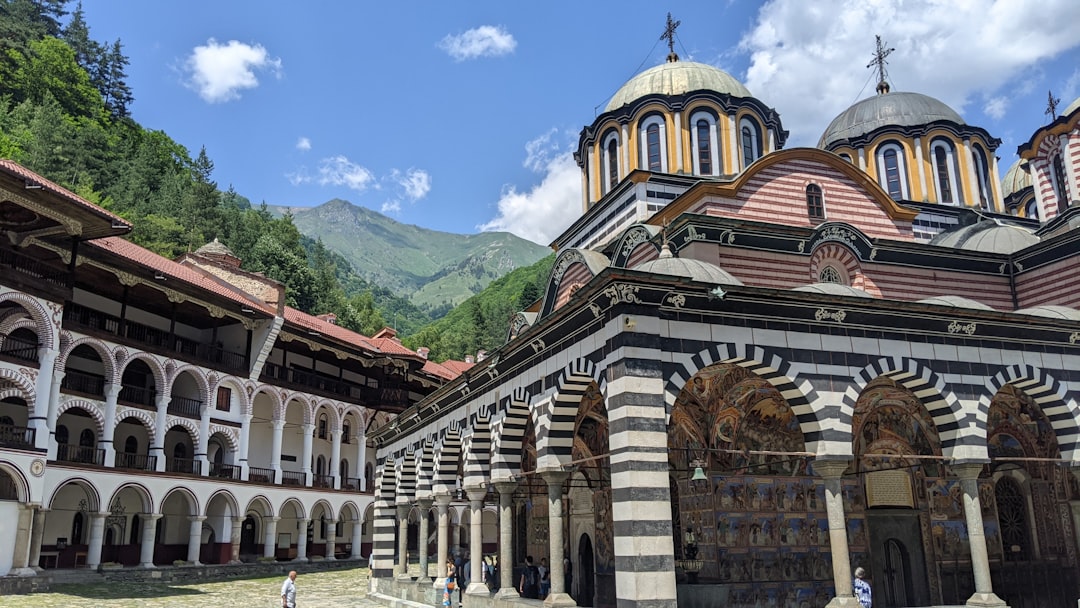
Reaching the monastery is part of the pilgrimage. The nearest town is Rila, a small settlement at the foot of the mountains. From Sofia, the capital, it's about a 2.5-hour drive, roughly 120 kilometers. The road winds through the Rila National Park, offering spectacular views of the alpine landscape. If you don't have a car, there are regular buses from Sofia's Central Bus Station, costing around 5-8 EUR one way and taking about 3 hours. Taxis are available but significantly more expensive, usually around 60-80 EUR for the trip. Once you arrive in Rila, there are frequent minibuses that will take you the last few kilometers up to the monastery entrance, a short ride that costs about 1-2 EUR.
Accommodation options are limited but charming. The monastery itself offers guest rooms for pilgrims and visitors, providing a unique experience of staying within the complex. Prices are reasonable, around 20-30 EUR per night for a simple room. In the town of Rila, there are several guesthouses and small hotels, with prices ranging from 30-60 EUR per night for a comfortable stay. For those looking to explore the surrounding area, there are also camping options in the national park, though facilities are basic. Meals at the monastery's restaurant are simple but hearty, featuring traditional Bulgarian dishes like banitsa, shopska salad, and grilled meats. A full meal will cost you around 8-12 EUR. It's a place to slow down, reflect, and immerse yourself in the history and spirituality of the region.
Entry to the monastery complex is free, but donations are encouraged to support the maintenance of the site. Guided tours are available in several languages, including English, and are highly recommended for those who want to fully appreciate the historical and artistic significance of the frescoes. A tour costs around 5-10 EUR. The best time to visit is during the spring and autumn, when the weather is mild and the crowds are smaller. Summer can be busy, especially on weekends and holidays, but the vibrant atmosphere is part of the experience. Winter brings snow and a sense of isolation, but some paths may be slippery, so proper footwear is essential. Regardless of when you go, the frescoes will be there, waiting to tell their story, a visual history of Bulgarian national identity that continues to inspire and captivate.
Search accommodation in Rila on Booking.com →
The Dust Settles, The Colors Remain
I leave the monastery as the light begins to fail, the shadows stretching long across the stone courtyard. The monk who pointed out Saint George is gone, but his words linger. "They are the blood of the country." I look back at the walls, now dark and imposing in the twilight. They don't look like paintings anymore. They look like scars, healed over with gold and color. I think about the empires that tried to erase this place, the languages that tried to silence it, the time that tried to fade it. And I think about how it all failed. The frescoes are still here. The people are still here. The identity is still here, vivid and unapologetic. I get into my car, the engine roaring to life, and drive back down the mountain. But I know I'll be back. You can't leave a place like this without feeling a part of it. The colors stick to you. They seep into your skin. They become part of your own history. And in the end, isn't that what travel is all about? Finding the stories that make us who we are, and carrying them home.
Comments