


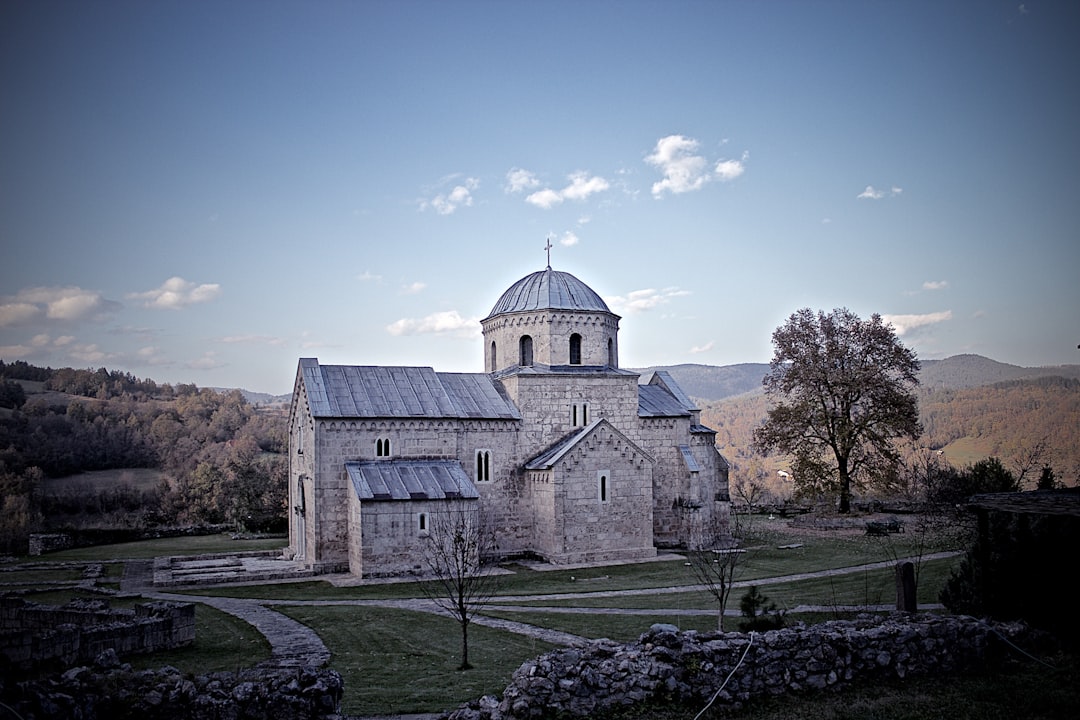
The dust in the nave tastes like limestone and old incense. I am standing on the cold stone floor, squinting against the low light filtering through narrow slits, trying to make sense of a face that looks less like a saint and more like a tired mother who has seen too much history. This is not a polished postcard. This is a fortress of faith, carved into the rock by monks who believed the end of the world was coming any day. The silence here is heavy, pressurized. You don't just visit Studenica Monastery; you survive it. The air is still, thick with the weight of centuries of prayers, wars, and fire. I ran my hand along a pillar, feeling the rough texture of stone that has outlasted empires. It’s a raw, unfiltered encounter with the medieval Balkan soul, where art wasn’t made for aesthetics but for salvation.
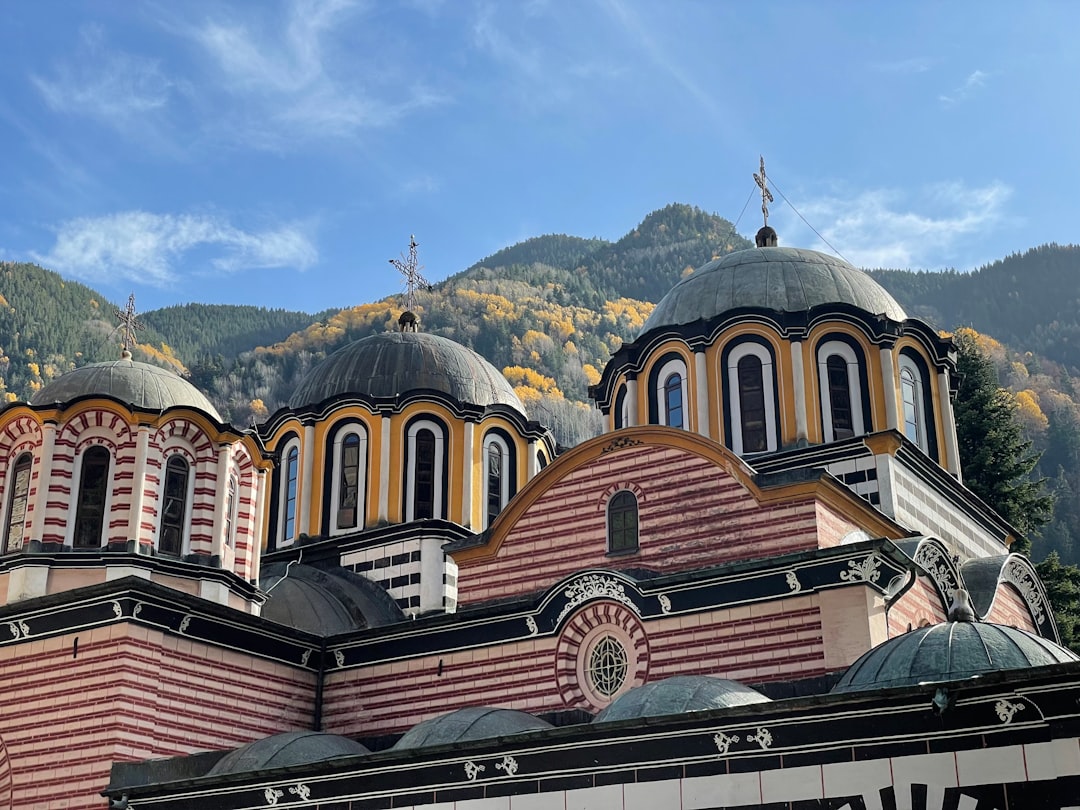
Most travelers rush through, snapping photos of the exterior and moving on to the next stop. But the real story is inside, painted in egg tempera and gold leaf. The walls are talking. They are screaming, actually. The iconography here is a complex code, a visual theology that demands attention. To understand Serbia, you have to understand these walls. They are not just decorations; they are a map of the human condition, drawn by masters who knew how to make paint bleed with emotion. This is a place where the divine and the brutal collide, and the result is something that stops you in your tracks.
History & Identity
Studenica was founded in 1190 by Stefan Nemanja, the first ruler of the Nemanjić dynasty, after he abdicated the throne to become a monk. It was intended to be his tomb and the spiritual center of the newly formed Serbian state. The monastery became the cradle of the Serbian Orthodox Church and a major cultural center. Over the centuries, it was plundered, burned, and rebuilt. It survived Ottoman occupation, World War II bombings, and the neglect of the communist era. Today, it stands as a UNESCO World Heritage site, a testament to the resilience of Serbian identity. The stones themselves are a mosaic of history, with layers of paint and plaster revealing the scars of time.
The architectural style is a blend of Byzantine and Romanesque influences, but the frescoes are where the real magic happens. The most famous cycle was painted in the 1230s by a master known only as "The Master of Studenica." His work is characterized by a dramatic emotional intensity and a bold use of color. The figures are not static icons; they are alive, moving, suffering, and rejoicing. The style influenced art across the Balkans and beyond, setting a standard for medieval painting that lasted for centuries. It is a visual language that transcends time, speaking directly to the viewer with a raw, unfiltered power.
The monastery’s identity is deeply tied to the concept of "Svetogorski" style, named after Mount Athos, but with a distinct local flavor. The frescoes reflect the unique spiritual and cultural context of medieval Serbia, blending Eastern Orthodox theology with local traditions and beliefs. The result is a rich, complex visual narrative that offers a window into the mind and soul of a medieval society. It is a place where history is not just remembered; it is felt, breathed, and lived.
Where to Go
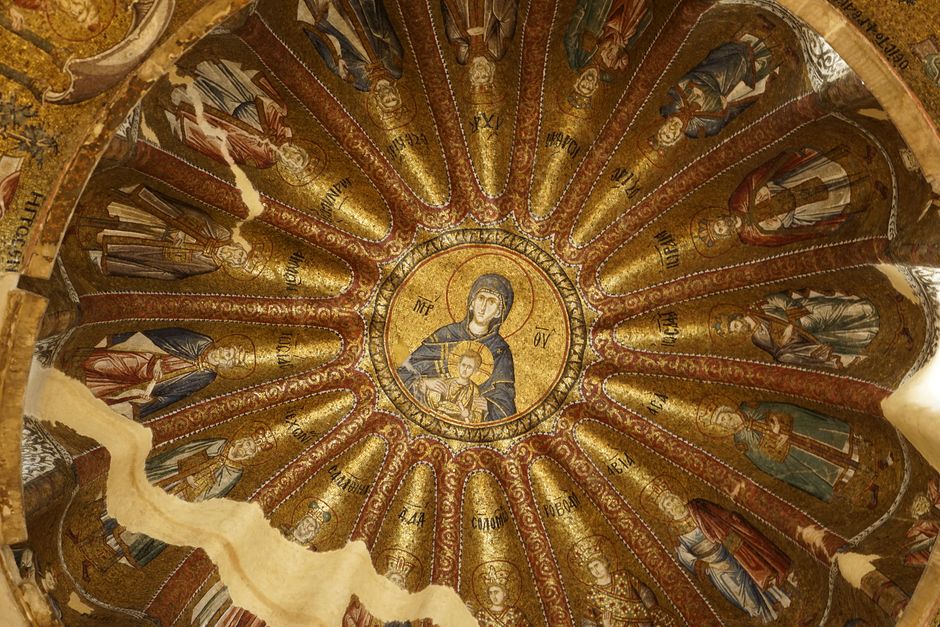
The Church of the Virgin — This is the main church of the monastery, and the heart of the entire complex. The interior is dominated by the frescoes of the 1230s, which are considered some of the finest examples of medieval art in the Balkans. The nave is filled with scenes from the life of Christ and the Virgin Mary, painted with a dramatic intensity that is hard to ignore. The dome features a magnificent depiction of Christ Pantocrator, watching over the faithful with a gaze that is both compassionate and stern. Entry is free, but donations are appreciated. Best time to visit is early morning to avoid the crowds.
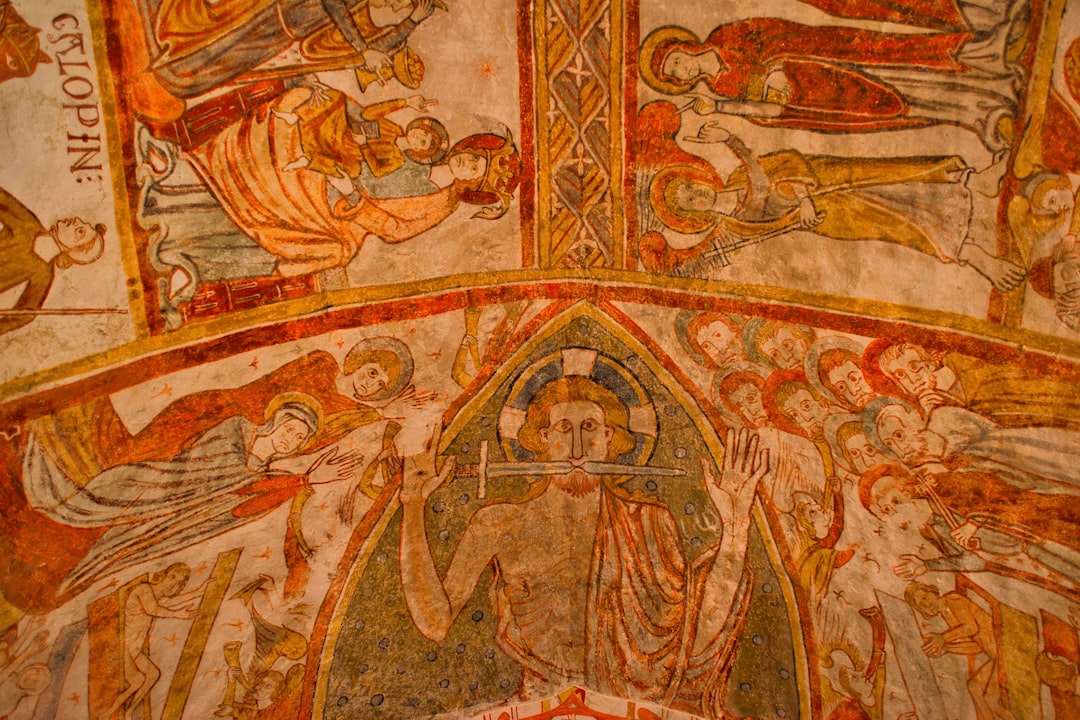
The Theotokos of the Spring — This is one of the most famous frescoes in the monastery, located in the narthex. It depicts the Virgin Mary holding the Christ Child, surrounded by a halo of gold. The image is known for its emotional depth and the tender expression on the faces of the figures. The name "of the Spring" refers to a legend that the fresco appeared miraculously on a spring in the nearby forest. It is a powerful symbol of maternal love and divine protection. The colors are vibrant, even after centuries, and the detail is astonishing. Stand close and look at the eyes.
The Nemanjić Mausoleum — Located in the south transept of the church, this is the burial place of Stefan Nemanja and his son, Saint Sava. The tombs are simple stone sarcophagi, but they are surrounded by beautiful frescoes depicting the lives of the saints. The atmosphere here is solemn and reverent, a fitting tribute to the founders of the Serbian state and church. It is a place of pilgrimage for many Serbs, who come to pay their respects and light candles. The silence is palpable, broken only by the occasional prayer.
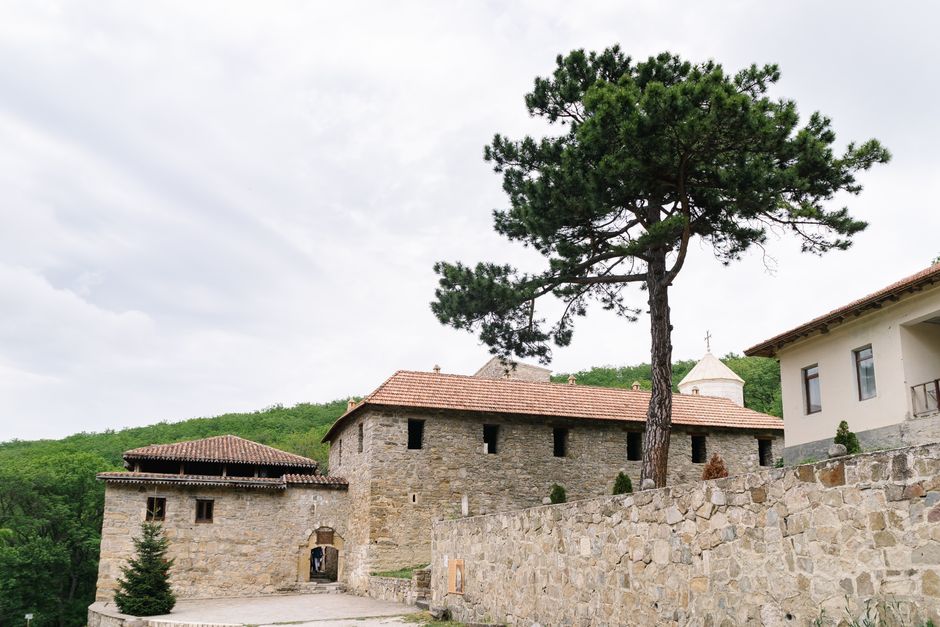
The Convent — To the north of the main church, there is a smaller church dedicated to Saint Nicholas, which serves as the convent for the nuns who live at the monastery. The interior is simpler than the main church, but it has a warm, intimate atmosphere. The nuns are known for their hospitality and their traditional food. You can buy handmade cookies and other treats in the small shop next to the church. It is a nice place to escape the crowds and enjoy a quiet moment of reflection.
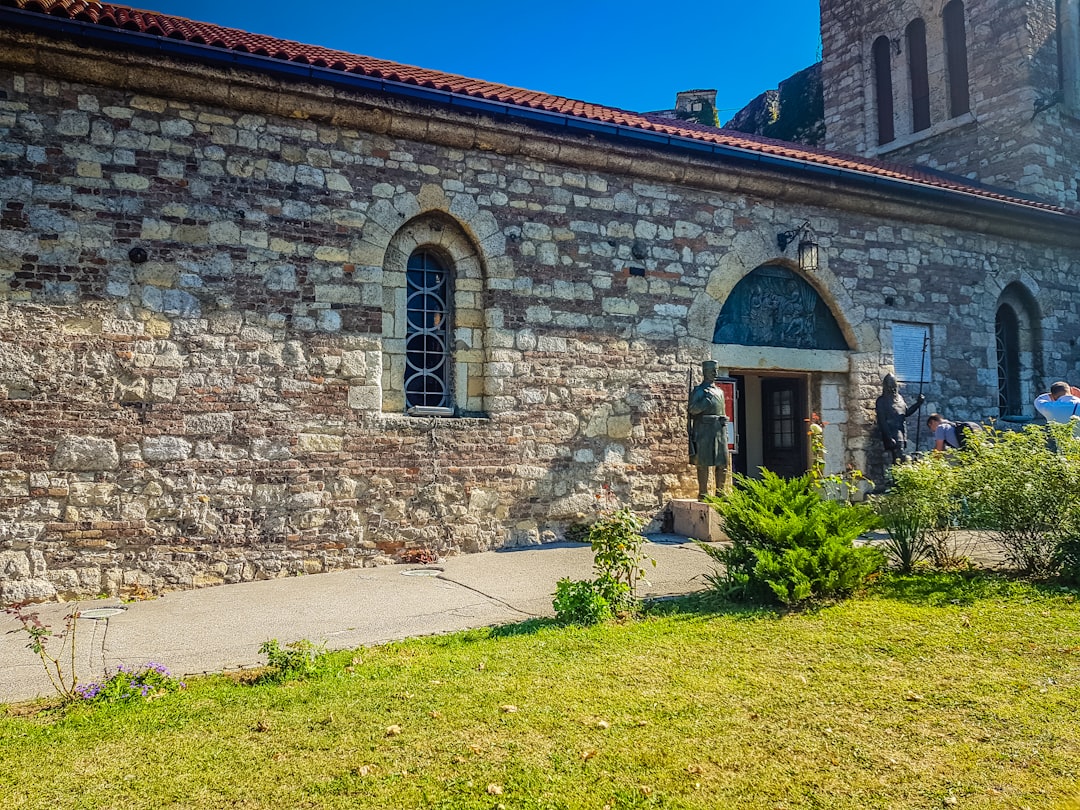
The Museum — Located in a building next to the main church, the museum houses a collection of icons, manuscripts, and other artifacts from the monastery’s long history. It is a small but fascinating collection, offering insight into the daily life of the monks and the artistic traditions of the region. The entry fee is 5 EUR. Allow at least 30 minutes to explore. The guides are knowledgeable and passionate about their subject.
What to Eat & Drink
The food around Studenica is hearty, rural, and deeply traditional. You are not going to find fancy fusion cuisine here. This is food made for survival and celebration. The local taverns serve dishes that have been passed down through generations, using ingredients from the surrounding hills and forests. The flavors are bold, the portions are large, and the prices are reasonable. It is a place to eat with your hands and talk with your heart. The atmosphere is always warm and welcoming, a stark contrast to the cold stone of the monastery.
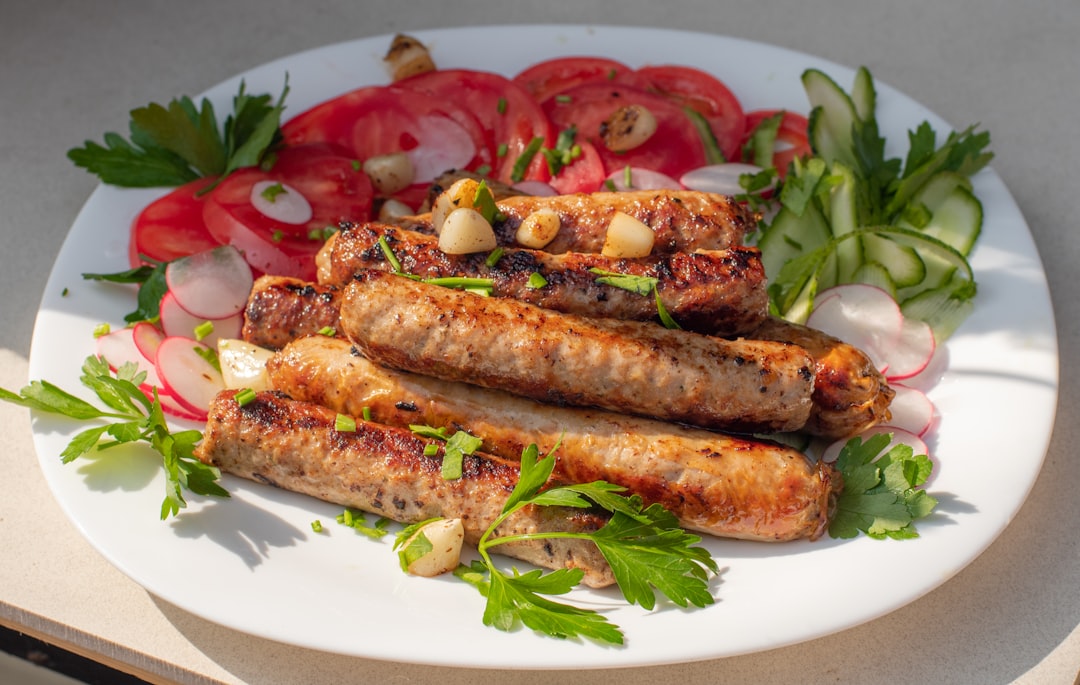
Start with ajvar — a roasted red pepper and eggplant relish — served with fresh bread. It is a staple of Serbian cuisine, and the local version is always the best. Price: 1-2 EUR. Follow it with ćevapi — grilled minced meat sausages — served with onions and somun bread. They are juicy, flavorful, and incredibly satisfying. Price: 3-4 EUR. For something lighter, try šopska salata — a salad of tomatoes, cucumbers, onions, and peppers, topped with grated white cheese. It is fresh, crisp, and refreshing. Price: 3 EUR.
For a main course, go for roast pork with potatoes and sauerkraut. The meat is slow-cooked until it falls apart, and the potatoes are crispy on the outside and fluffy on the inside. Price: 8-12 EUR. If you are feeling adventurous, try game meat — venison or wild boar — which is common in the region. It is rich, gamey, and delicious. Price: 10-15 EUR. Drink loza wine, a local red wine made from grapes grown in the nearby vineyards. It is robust, tannic, and pairs perfectly with the heavy food. Price: 1-2 EUR per glass.
Budget breakdown: Street food and simple meals cost 3-5 EUR. A sit-down meal at a local tavern costs 10-15 EUR per person. Mid-range restaurants in the nearby town of Raška cost 15-25 EUR. There are no major food courts, but the local markets sell fresh produce and homemade goods. The best place to eat is in the village of Studenica itself, where several family-run taverns line the main street. They are informal, friendly, and serve the best food in the area. Don’t expect fancy decor; expect flavor.
Nightlife
Nightlife in Studenica is not a thing. This is a monastery town, not a party capital. The bars close early, the streets are quiet, and the only sound after dark is the wind in the trees and the distant bark of a dog. If you are looking for clubs and loud music, you are in the wrong place. This is a place for reflection, not revelry. The nearest nightlife is in the town of Raška, about 15 kilometers away, where you can find a few bars and cafes. But even there, the atmosphere is low-key and relaxed. People go out to talk, drink coffee, and play cards, not to dance until dawn.
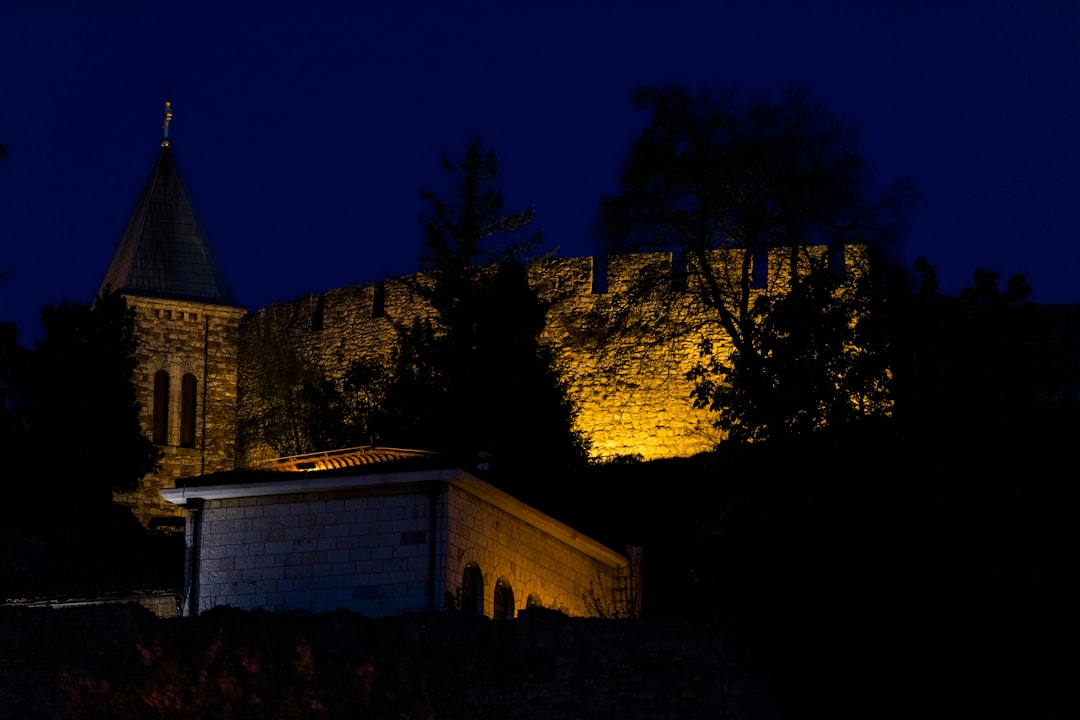
The "nightlife" here is more about the atmosphere of the monastery itself. After the tour groups leave, the complex takes on a different character. The stone walls glow in the moonlight, the air is cool and still, and the silence is profound. It is a place to walk, to think, to feel the weight of history. Some visitors stay in the nearby guesthouses just to experience this quietude. It is a rare and precious thing in the modern world. The stars are bright, the air is clean, and the sense of peace is overwhelming. It is a different kind of party, one that feeds the soul rather than the ego.
Getting There & What to Expect
Studenica is located about 20 kilometers south of the town of Raška, in southwestern Serbia. The nearest major city is Čačak, about 60 kilometers to the north. From Belgrade, it is about 200 kilometers south. The drive takes about 2.5 to 3 hours by car. There are buses from Belgrade to Čačak and Raška, but you will need to take a taxi from there to the monastery. Taxis cost around 15-20 EUR one way. Alternatively, you can join a tour from Belgrade or Novi Sad, which usually includes transportation and a guide. Tours cost 50-80 EUR per person.
Accommodation options are limited but growing. There are several guesthouses and small hotels in the village of Studenica and in Raška. Budget rooms cost 20-30 EUR per night, mid-range hotels cost 40-60 EUR per night. The monastery itself does not offer accommodation for tourists, but you can stay in nearby monasteries if you are on a pilgrimage. Camping is not allowed on the monastery grounds. The best time to visit is from April to October, when the weather is mild and the days are long. In winter, the roads can be icy and the monastery may be closed for part of the day.
Expect to spend at least 2-3 hours at the monastery to see everything properly. Wear comfortable shoes, as there is a lot of walking on uneven stone. Dress modestly, as it is a religious site. Shoulders and knees should be covered. Photography is allowed inside the church, but flash is prohibited. Be respectful of the monks and other visitors. Keep your voice down and do not touch the frescoes. The guides are knowledgeable and helpful, but English is not widely spoken. Learn a few basic Serbian phrases, or bring a translation app. It will make your visit much smoother.
Search accommodation in Studenica on Booking.com →
The Silence After the Gold
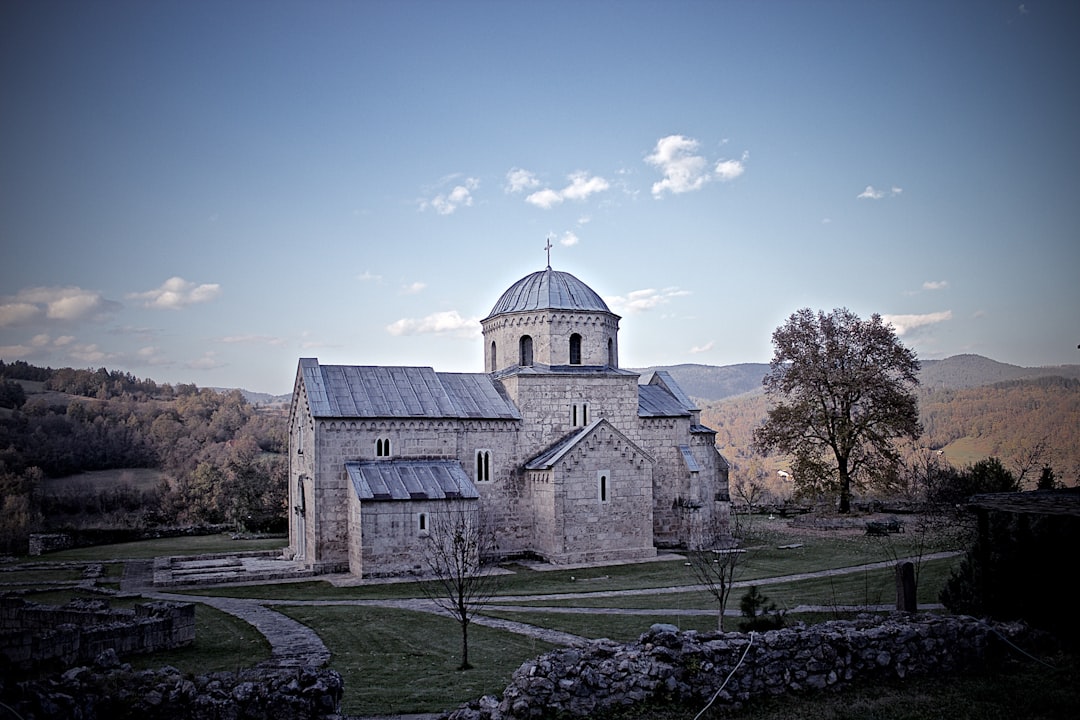
I stepped out of the church and into the blinding afternoon sun, my eyes adjusting to the harsh light of the modern world. The gold leaf seemed to burn in my memory, a fever dream of devotion and despair. The monks walked past me, their habits swishing softly against the stone, eyes downcast. They didn't look at me. They didn't need to. They knew what I was seeing. They knew the weight of it. I walked back to the car, my feet heavy, my head full of images that wouldn't fade. The road back to Raška was bumpy, the dust rising in clouds around the tires. I looked back once, at the fortress rising from the green hills, a silent sentinel guarding a secret that the world has mostly forgotten. It’s not just a monastery. It’s a mirror. And what it shows you is not always pretty, but it is always true.
Comments