


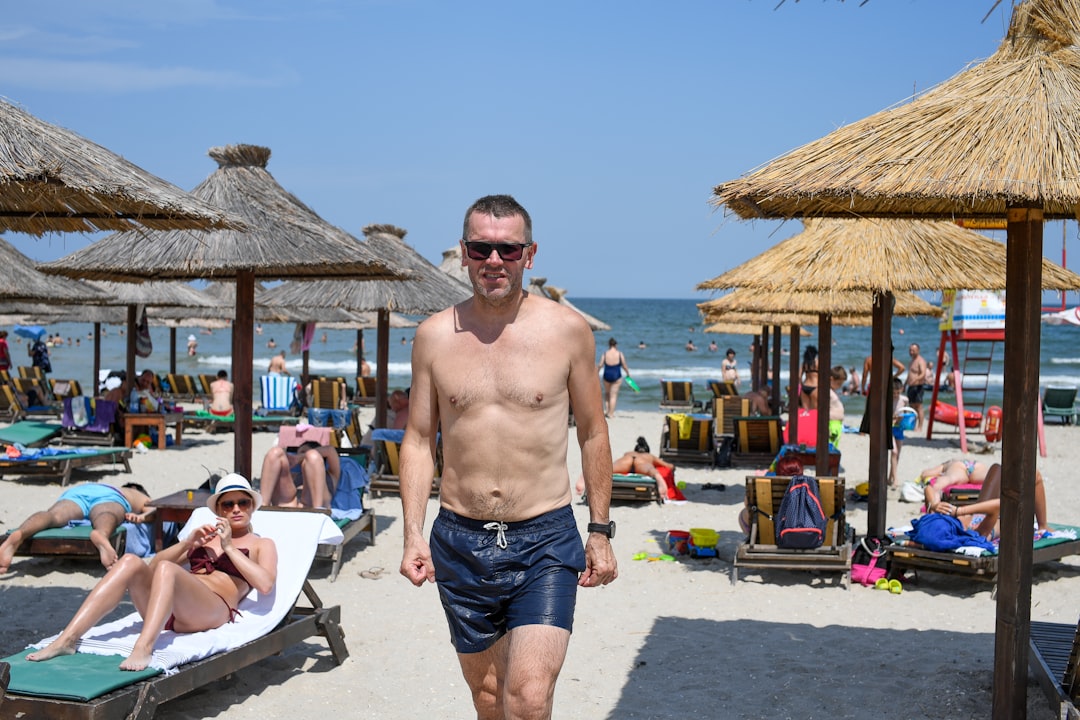
The sun here doesn't just shine; it interrogates. It beats down on the limestone with a kind of relentless, white-hot authority that makes you question every life choice that led you to this specific stretch of Adriatic coast. I'm sitting on a plastic chair at Sveti Stefan, watching a yacht the size of a small apartment complex glide past the medieval walls. The air smells of expensive sunscreen, salt, and the faint, metallic tang of diesel from the ferries. This isn't a quiet getaway. It's a spectacle. A high-stakes game of status and sunburn where the stakes are your sanity and the prize is a tan that looks good on Instagram.
I arrived in Budva with the naive hope of finding a quiet cove, a hidden gem where I could read a book and ignore the world. Instead, I found a neon-soaked party capital that pulses with an energy bordering on manic. The locals don't hide from the tourists; they monetize them with a cheerful, ruthless efficiency. But beneath the chaos, there's a rhythm here, a genuine coastal life that predates the all-inclusive resorts and the super-yachts. You just have to know where to look, and more importantly, when to leave the main strip.
History & Identity
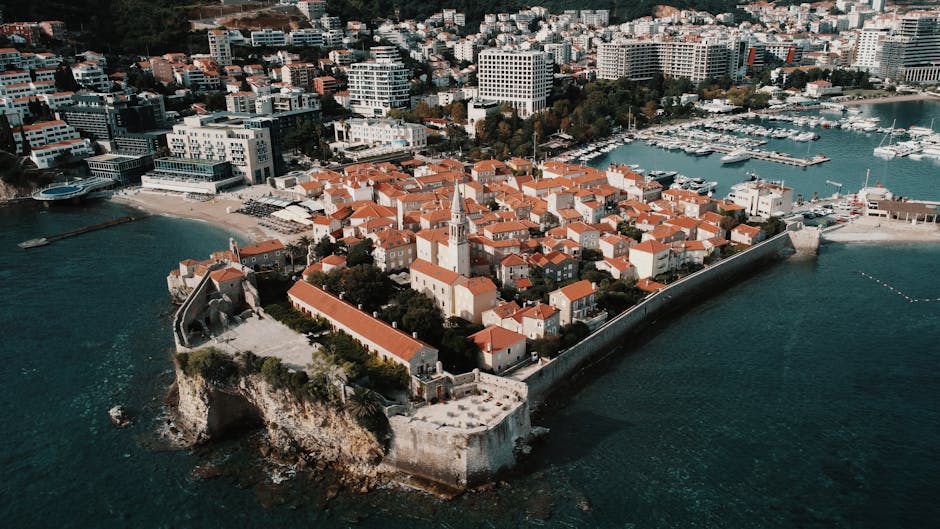
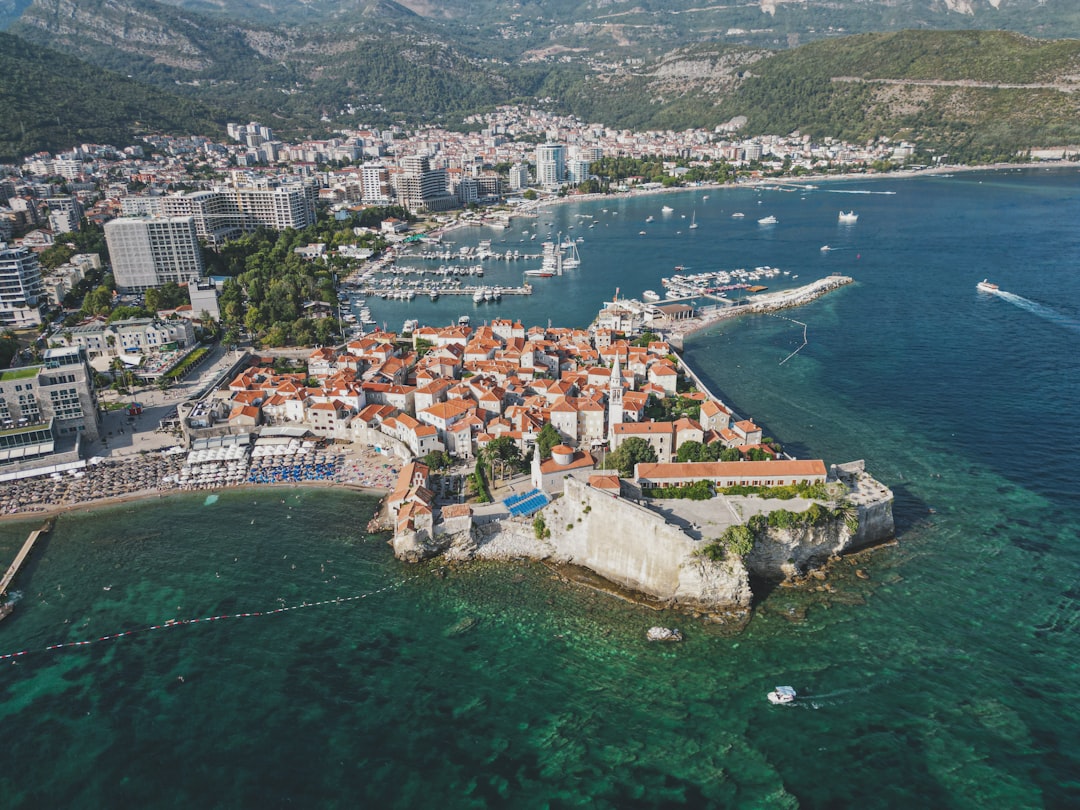
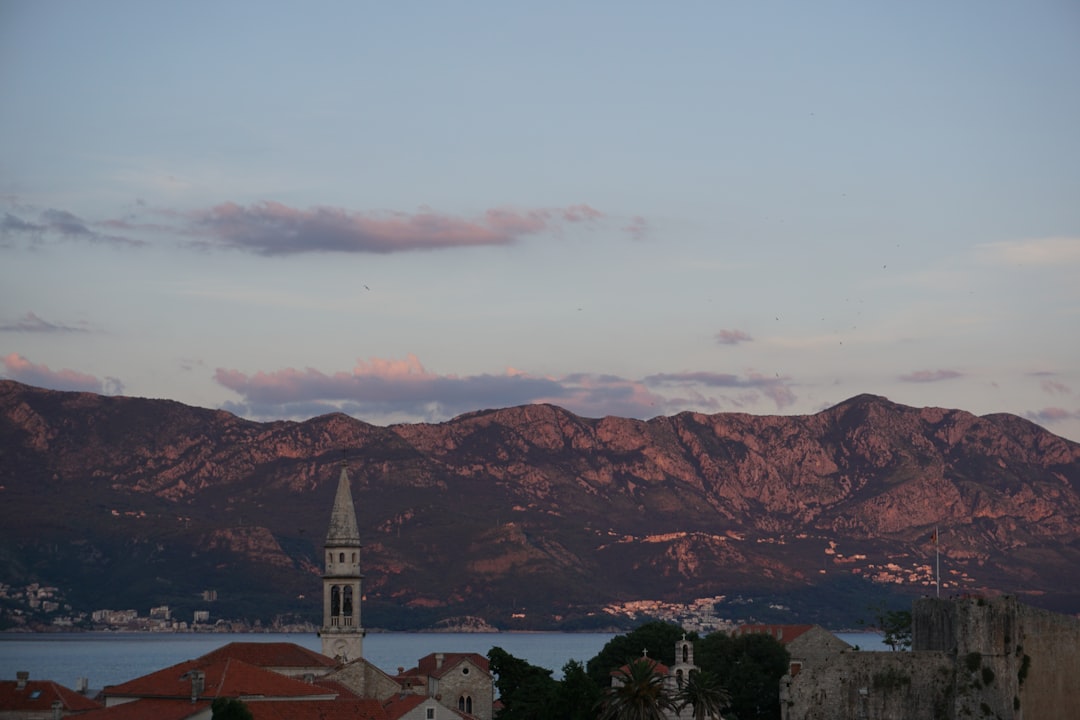
Budva isn't just a beach town; it's a fortress of history. The Old Town, or Stari Grad, is a walled citadel perched on a hill overlooking the bay. It has been conquered by Romans, Byzantines, Venetians, and Ottomans, each layer adding to its complex identity. The walls you walk along today are mostly Venetian, built to protect the town from pirates and rival powers. Inside, the narrow streets are paved with stone, the buildings are painted in pastel shades, and the churches are filled with Orthodox icons.
The identity of Budva is a duality. On one hand, it's a place of deep religious tradition, with the Church of St. John and the Church of St. Ivan standing as testaments to centuries of faith. On the other hand, it's a playground for the wealthy and the wild. This tension creates a unique atmosphere. The past isn't just preserved here; it's performed. The old walls frame the modern nightlife, creating a backdrop that is both historic and hedonistic.
The Riviera extends beyond the city limits, stretching north towards Ulcinj and south towards Kotor. Each town has its own character, but Budva is the heart. It's the place where the coastal life is most intense, most visible, and most alive. The history here isn't a museum exhibit; it's the foundation upon which the modern chaos is built. Understanding this duality is key to navigating the Riviera without losing your mind.
Where to Go
Budva Old Town — The walled citadel is the anchor of the city. Walking the ramparts offers panoramic views of the bay and the surrounding hills. Inside, the streets are a maze of boutique shops, cafes, and restaurants. The best time to visit is early morning or late evening, when the crowds thin out and the light is soft. Entry to the Old Town is free, but expect to spend on drinks and snacks.
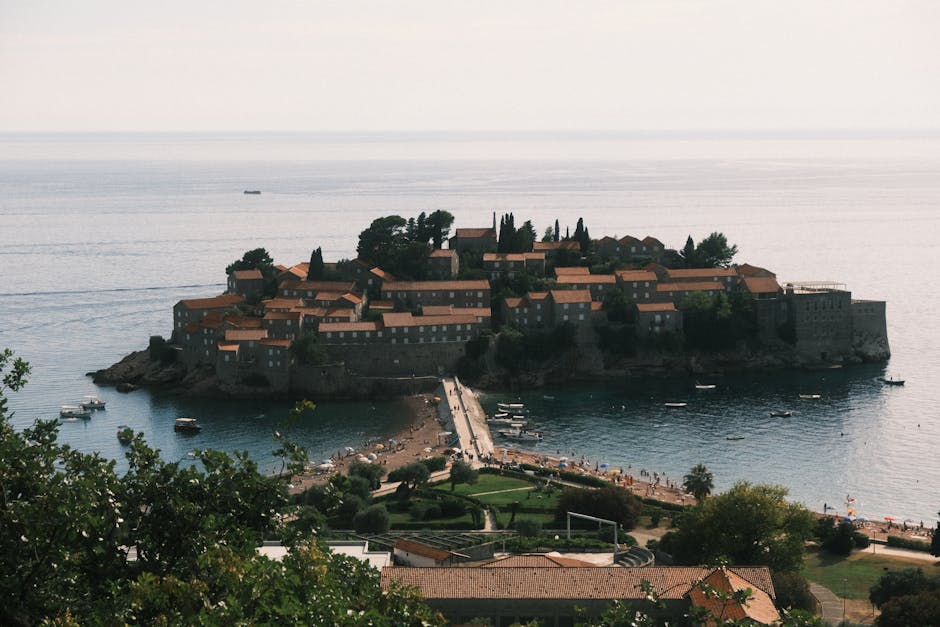
Sveti Stefan — This iconic island, now connected to the mainland by a sandbar, is a luxury resort. It's not a place you can just wander into; it's a private enclave. But you can walk around the perimeter, admire the red-roofed houses, and take photos from the public beaches. The view is iconic, a symbol of Montenegrin luxury. The sandbar is a short walk from the main beach, but access to the resort itself is restricted.
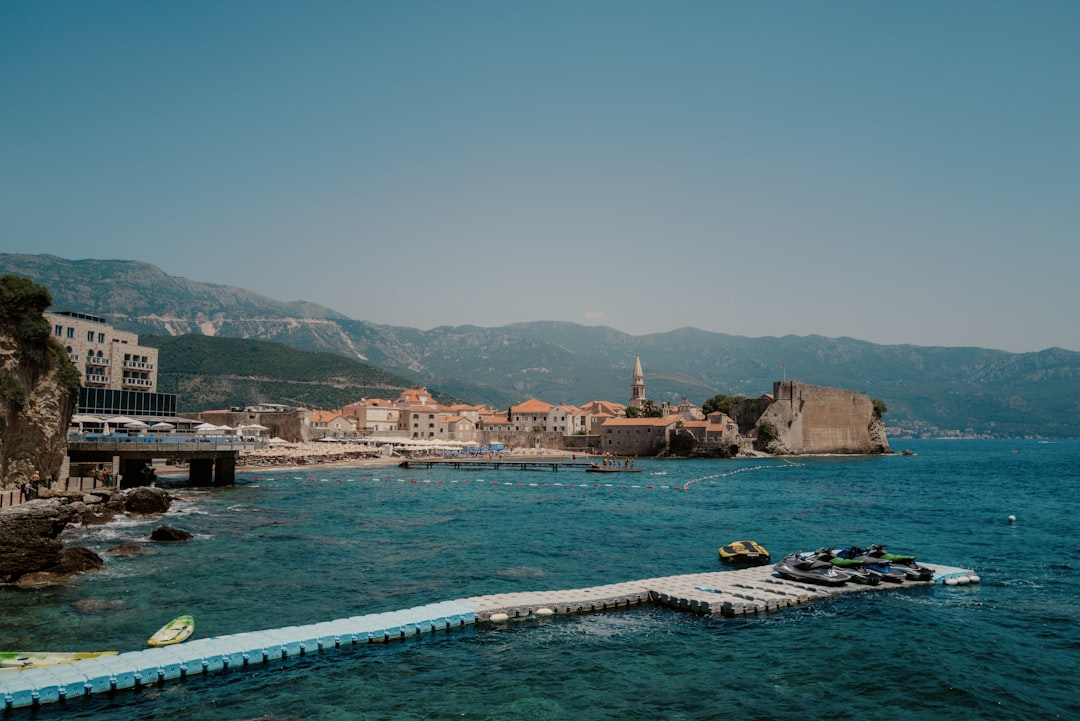
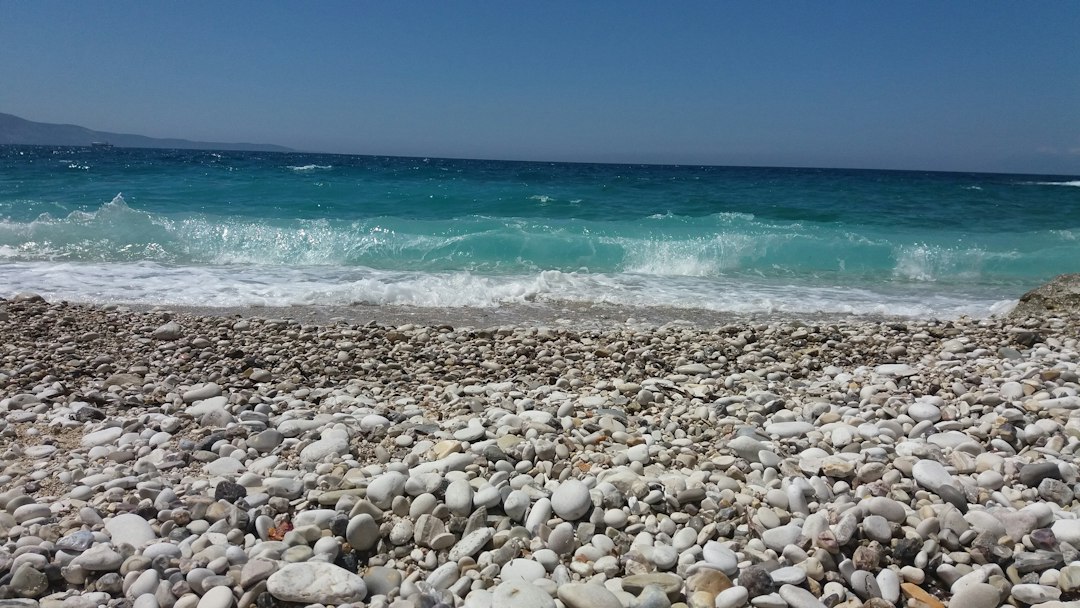
Mogren Beach — Located just outside the Old Town, this beach is a favorite for locals and tourists alike. It's divided into three sections, each with its own character. The middle section is the most popular, with clear water and a gentle slope. The north section is more secluded, with rocky outcrops and a smaller cove. The south section is closer to the town, with more amenities. Entry is free, but you can rent umbrellas and loungers for around 5-10 EUR.
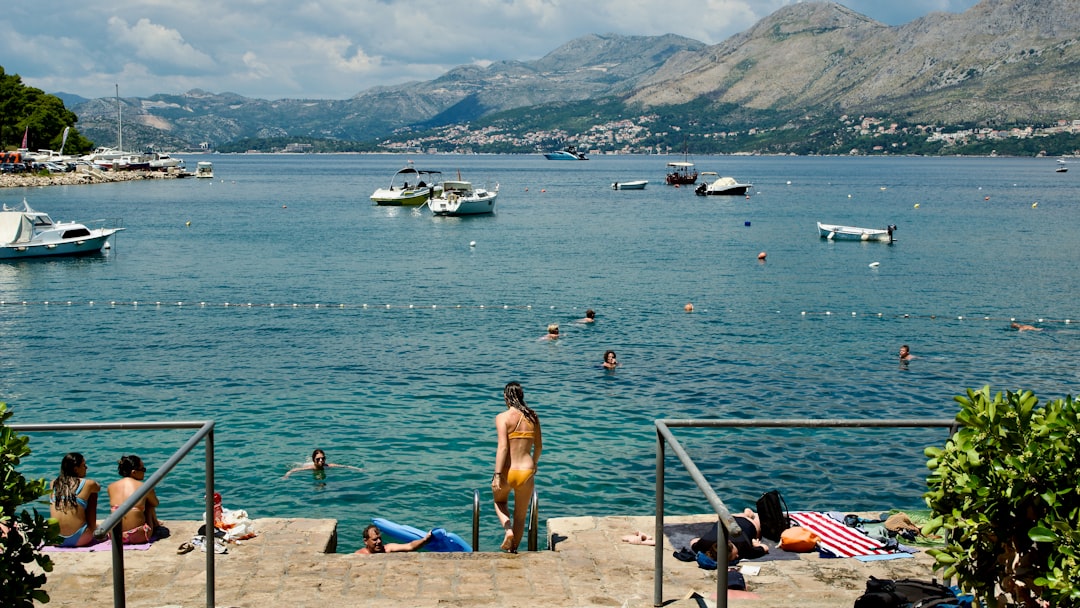
Jaz Beach — This is the party beach, located just south of the Old Town. It's a long stretch of sand and pebbles, lined with bars and clubs. The water is clear, but the beach is often crowded and noisy. It's not a place for relaxation; it's a place for drinking, dancing, and being seen. The bars charge for drinks, and the atmosphere is electric. Entry to the beach is free, but expect to spend on drinks and food.
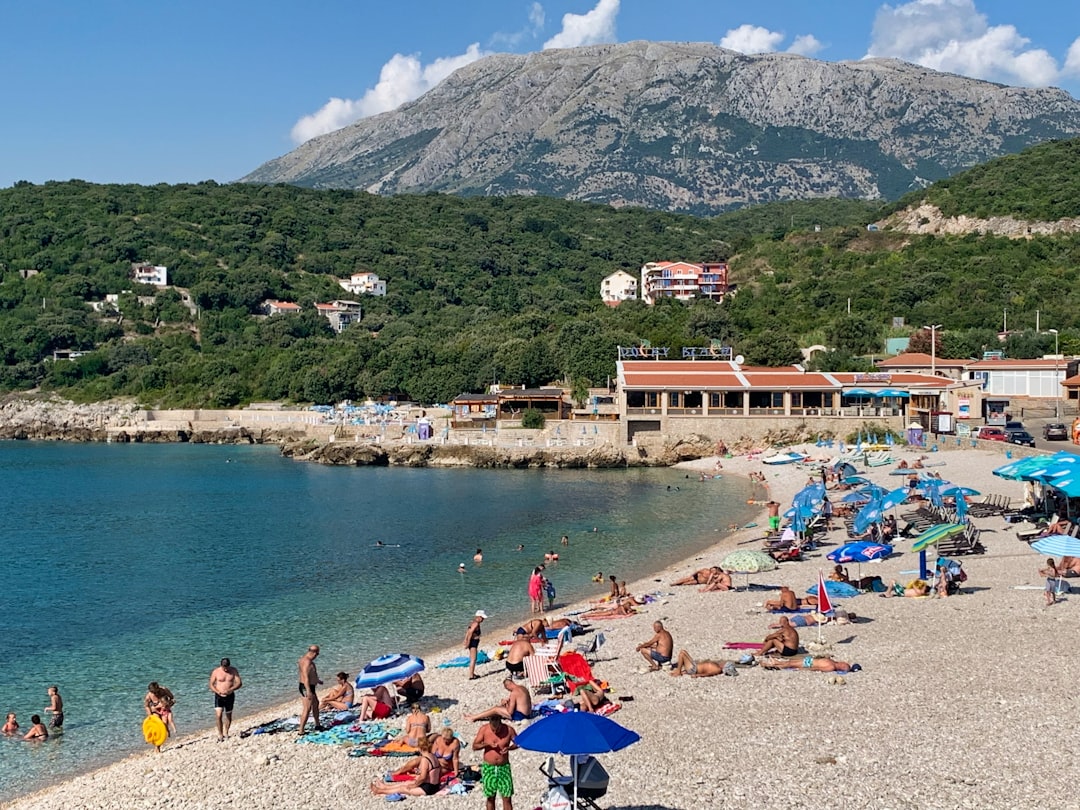
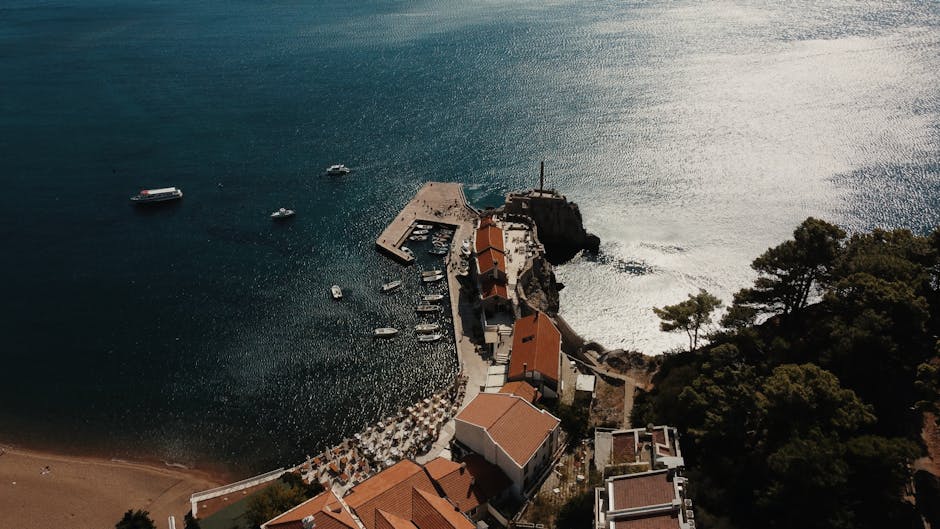
Petrovac Beach — A short drive north of Budva, Petrovac is a quieter alternative. The beach is long and sandy, with clear water and a gentle slope. The town itself is small and charming, with a castle perched on a hill overlooking the bay. It's a good place for families and those seeking a more relaxed atmosphere. Entry to the beach is free, and there are plenty of cafes and restaurants in town.
What to Eat & Drink
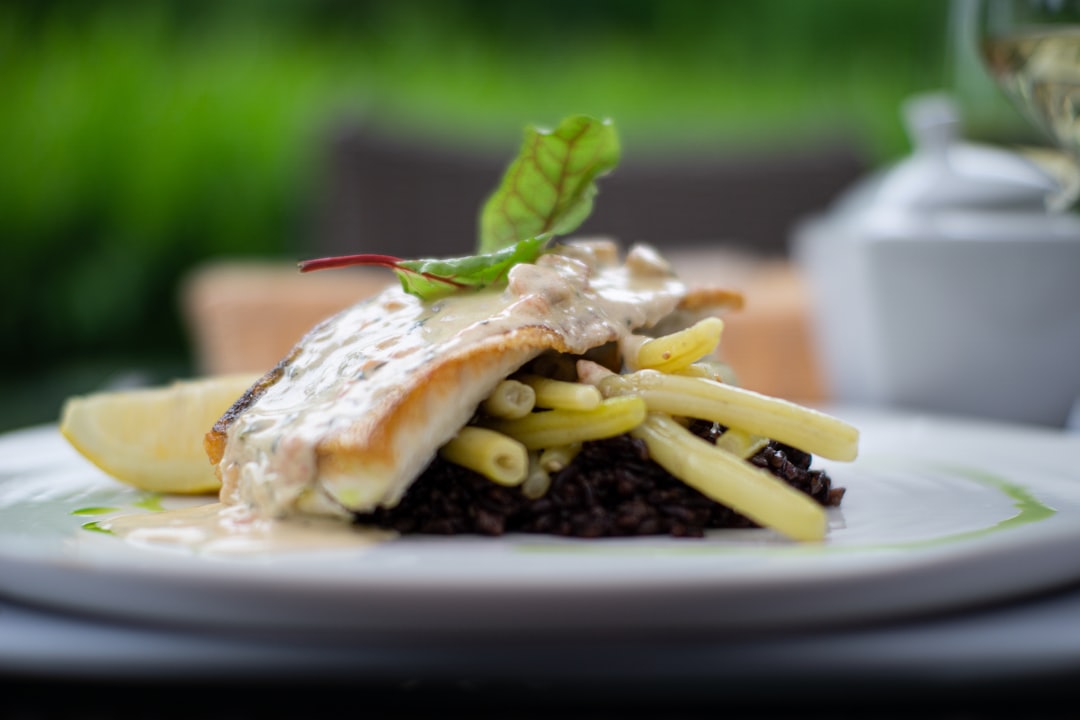
The food on the Riviera is a mix of Montenegrin, Italian, and Mediterranean influences. Fresh seafood is the star of the show, with dishes like black risotto (made with squid ink) and grilled octopus being staples. You'll also find plenty of ćevapi (small grilled meat sausages), burek (flaky pastry filled with meat or cheese), and pršut (dry-cured ham).
Black Risotto — A creamy risotto made with squid ink, served with grilled fish. Typical price: 8-12 EUR.
Grilled Octopus — Tender octopus grilled with olive oil and lemon. Typical price: 10-15 EUR.
Ćevapi — Small grilled meat sausages, served with bread and onions. Typical price: 3-5 EUR.
Burek — Flaky pastry filled with meat or cheese. Typical price: 2-4 EUR.
Pršut — Dry-cured ham, served as an appetizer. Typical price: 5-8 EUR.
Budget breakdown: Street food and take-away options are available for under 5 EUR per meal. Sit-down local restaurants cost around 8-15 EUR per person, while mid-range restaurants with sea views can cost 15-25 EUR. For a luxury dining experience, expect to pay 30-50 EUR or more.
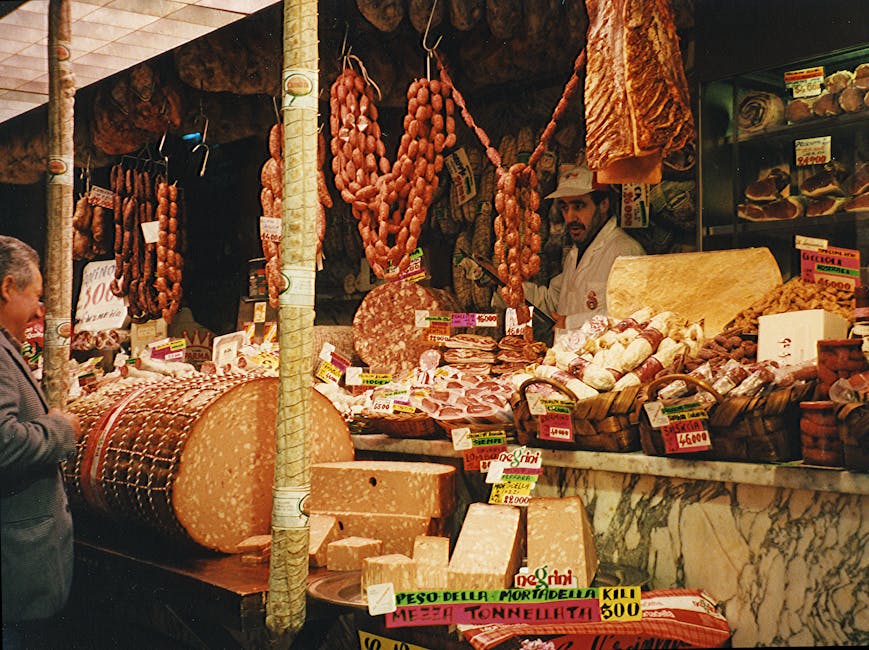
The Budva Market is a good place to buy fresh produce, cheese, and cured meats. It's a lively place, with vendors shouting out their wares and tourists haggling over prices. It's a good place to experience the local culture and find some affordable food options.
For take-away and food court options, there are several places in the Old Town and on Jaz Beach. These are good for a quick bite, but the quality can be hit or miss. For a more authentic experience, try one of the local konobas (taverns) in the Old Town or in Petrovac.
Nightlife
Budva's nightlife is legendary. The main strip, Jaz Beach, is lined with bars and clubs that stay open until dawn. The atmosphere is electric, with music pumping, lights flashing, and people dancing in the street. It's not a place for quiet conversation; it's a place for partying.
Bar 1981 — A popular beach bar with a large terrace and a pool. The music is mostly house and techno, and the crowd is a mix of locals and tourists. Cover charge: 5-10 EUR.
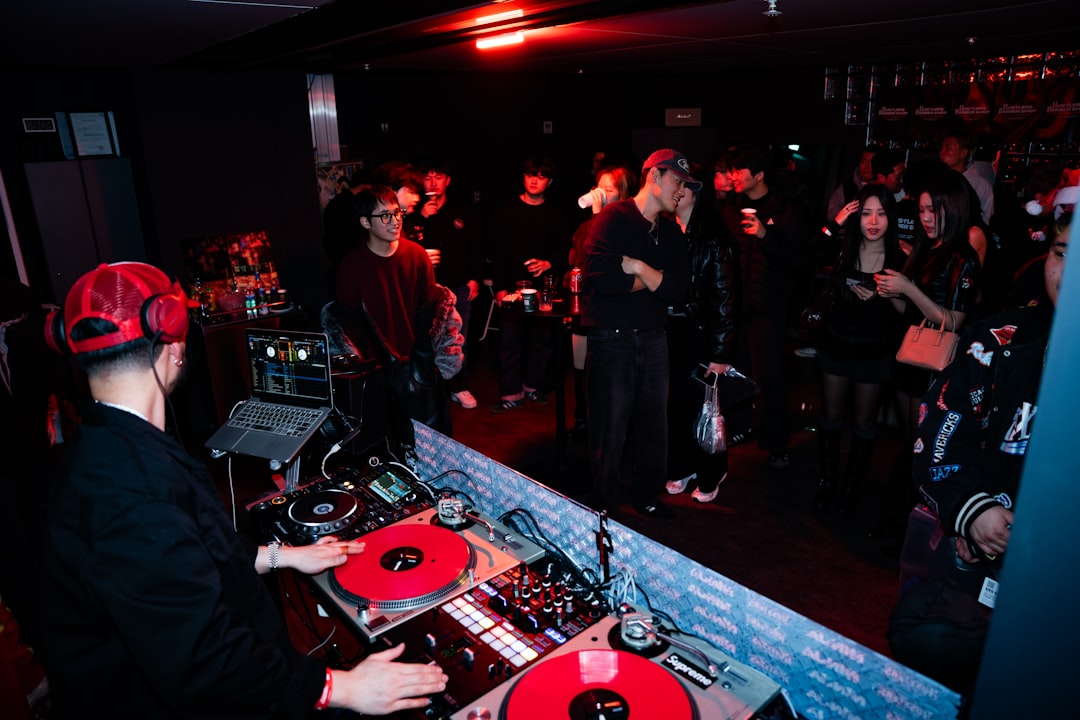
Club 1981 — A larger club with multiple dance floors and a DJ booth. The music is more varied, with everything from house to hip-hop. The crowd is younger and more energetic. Cover charge: 10-15 EUR.
Old Town Bars — For a more relaxed atmosphere, try one of the bars in the Old Town. These are smaller and more intimate, with live music and a more local crowd. Drinks are slightly more expensive, but the atmosphere is better. Cover charge: usually free, but expect to spend on drinks.
Getting There & What to Expect
The nearest airport is Tivat Airport, which is about 30 km from Budva. You can take a taxi or a bus from the airport to the town. The bus takes about 45 minutes and costs around 5 EUR. The taxi takes about 30 minutes and costs around 20-30 EUR.
If you're coming from Podgorica, the capital of Montenegro, you can take a bus or a train. The bus takes about 2 hours and costs around 10 EUR. The train takes about 2.5 hours and costs around 8 EUR.
Accommodation prices vary widely. A budget hostel bed can cost 20-40 EUR per night, while a mid-range hotel room can cost 80-150 EUR per night. Luxury hotels and resorts can cost 200-500 EUR or more per night.
Search accommodation in Budva on Booking.com →
The best time to visit is July and August, when the weather is hottest and the nightlife is most active. However, this is also the most crowded and expensive time. If you want a quieter experience, try May or June, or September or October, when the weather is still warm but the crowds are thinner.
The Verdict: Sun, Sea, and Sanity
I left Budva with a sunburn, a ringing in my ears, and a strange sense of satisfaction. It's not a place for everyone. It's loud, it's crowded, and it's expensive. But it's also alive in a way that few other places are. The energy here is infectious, the sea is beautiful, and the food is good. If you can handle the chaos, you might just find that you love it. Just remember to bring earplugs, sunscreen, and a sense of humor.
Comments