


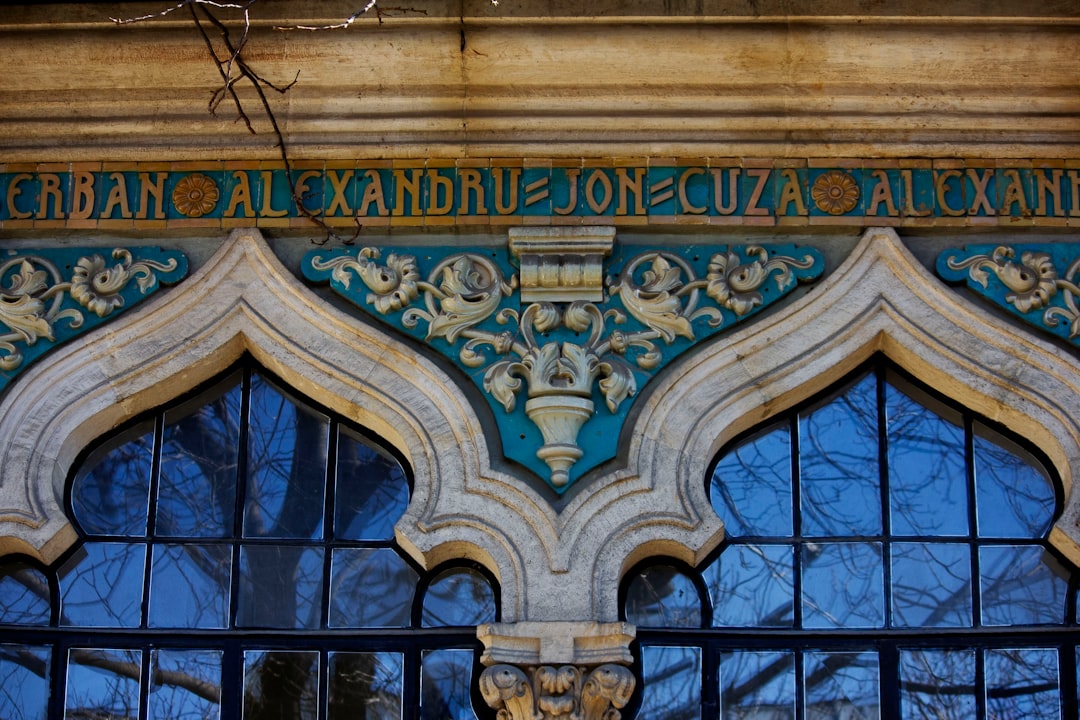
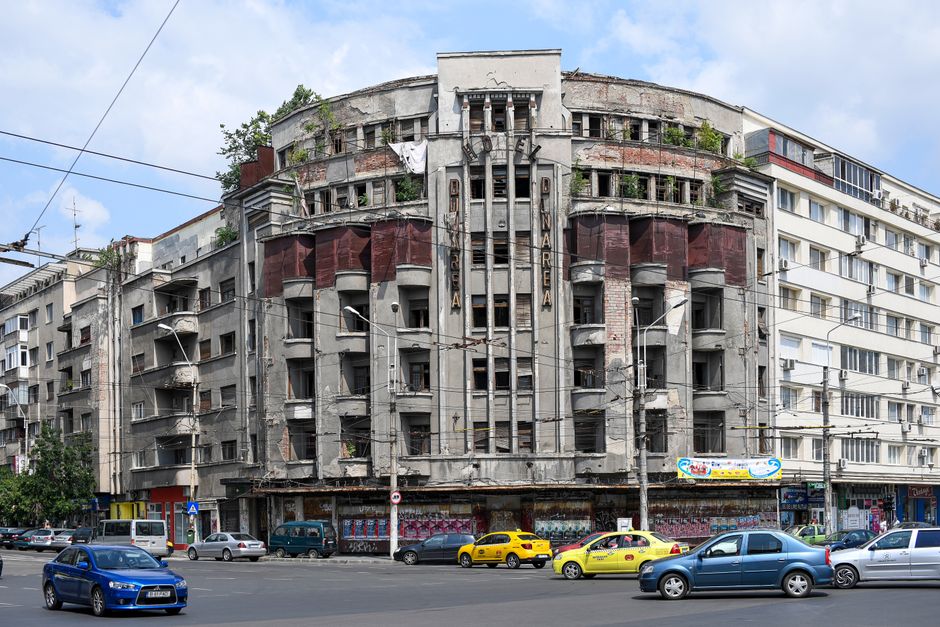
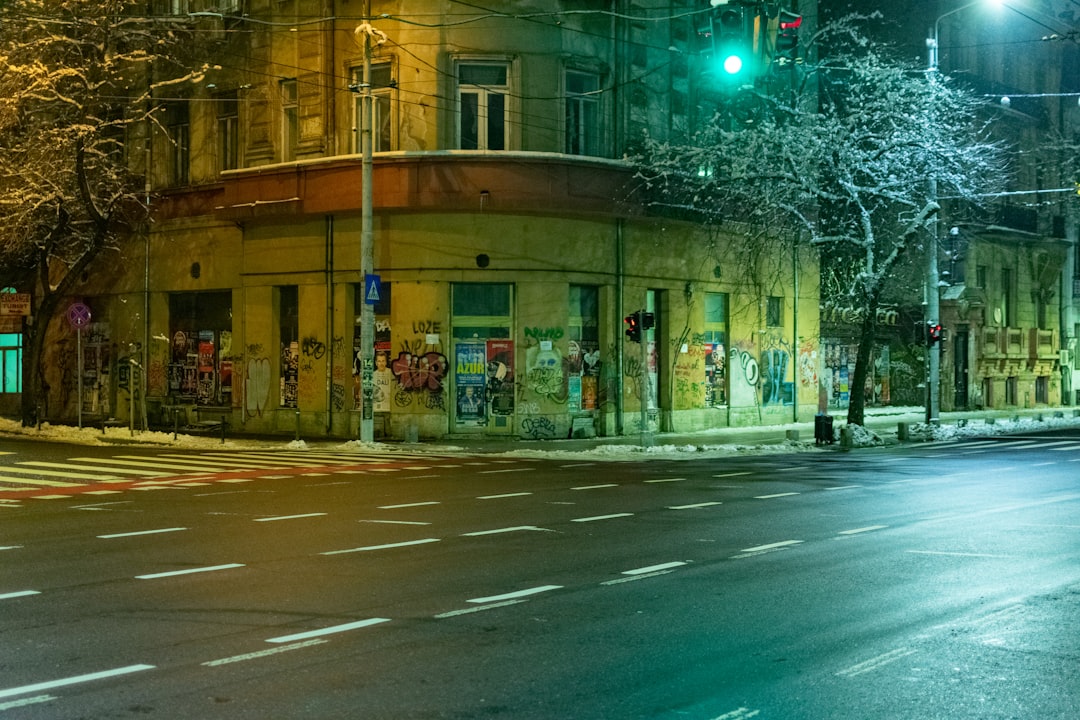
The rain in Bucharest doesn't fall; it attacks. It hammers the cobblestones of the old town and slicks the grand boulevards with a greasy sheen that reflects the neon signs of cheap kebab shops and crumbling art deco facades. I'm standing under the awning of a closed café on Calea Victoriei, nursing a lukewarm coffee that cost more than my dignity, watching a black Mercedes navigate a pothole the size of a small car. This is the city of contradictions. It is the Paris of the East, a title it wears like a cheap suit — a bit tight in the shoulders, fraying at the cuffs, but still possessing an undeniable, stubborn elegance. The Belle Époque architecture here isn't a museum piece; it's a living, breathing, slightly decaying organism. Stucco crumbles beside new glass towers. The scent of roasted chestnuts mixes with diesel fumes. It is chaotic, beautiful, and utterly unapologetic.
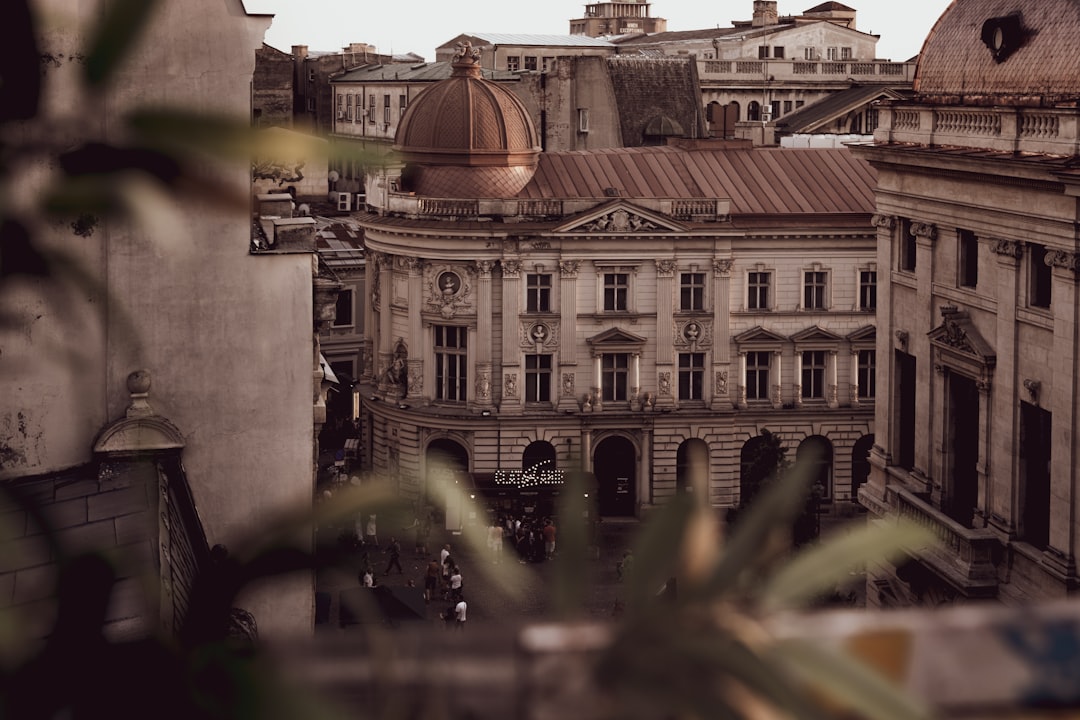
Most tourists come for the party in the Old Town, the Lipscani district, and leave by midnight, shaken by the bass and the prices. But Bucharest's real soul is hidden in its wider streets, its hidden courtyards, and its palaces that whisper of a time when this city was the cultural heart of the Balkans. To walk its boulevards is to walk through a dream that never quite woke up. You have to look past the grime, past the crumbling paint, and see the bones. And the bones are magnificent.
History & Identity
The story of Bucharest's architecture is a story of fire and ambition. In 1847, a massive fire destroyed much of the city, leveling wooden houses and clearing the way for a radical transformation. The ruling prince, Barbu Știrbei, hired a French architect, Alphonse Balat, to redesign the city. Balat brought the Haussmann-style boulevards to Bucharest, wide avenues lined with elegant, multi-story buildings in the Neo-Renaissance and Neo-Baroque styles. This was the birth of the Paris of the East. The city was no longer a medieval fortress; it was a modern European capital.
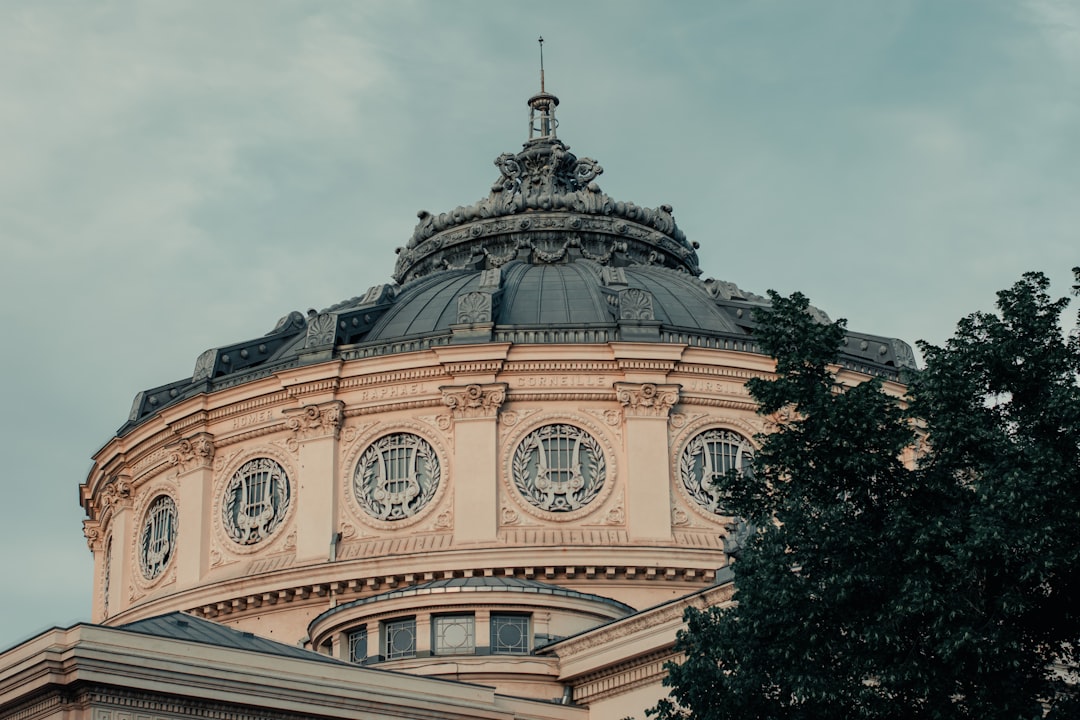
But the real golden age came later, in the early 20th century. During the Belle Époque, Bucharest became a cultural hub. Writers, artists, and politicians flocked to the city. The University of Bucharest became a center of intellectual life. The Athenaeum, a concert hall that is the spiritual home of Romania, was built. It is a masterpiece of Neo-Romanian architecture, with its iconic dome and intricate stonework. Today, it still hosts the George Enescu Festival, a reminder of the city's cultural pretensions. But the shadow of communism loomed large. After 1947, the new communist regime began to strip the city of its soul. Entire neighborhoods were demolished to make way for the Palace of the Parliament, the second-largest administrative building in the world after the Pentagon. It is a brutalist monster, a concrete slab that dominates the skyline and reminds you that beauty can be erased by ideology.
Yet, the Belle Époque survived. Many buildings were spared, or restored after the revolution of 1989. Today, Bucharest is a palimpsest. You can see the layers. The communist blocks stand next to the elegant villas of the interwar period. The Casa Poporului (People's House) casts a long shadow, but the Athenaeum still glows in the evening light. The city is trying to reclaim its identity, to remember the time when it was a place of culture, not just a political pawn. It is a slow, painful process, but the beauty remains. You just have to know where to look.
Where to Go
The Athenaeul — This is the crown jewel of Bucharest's architecture. A concert hall built in 1888, it is a masterpiece of Neo-Romanian style. The dome is iconic, and the interior is adorned with frescoes and intricate woodwork. It is the home of the Philharmonic Orchestra and hosts the George Enescu Festival. You can take a guided tour if there is no concert, or just admire it from the outside. It is a symbol of the city's cultural pride. Entry for a tour is around 10-15 EUR.
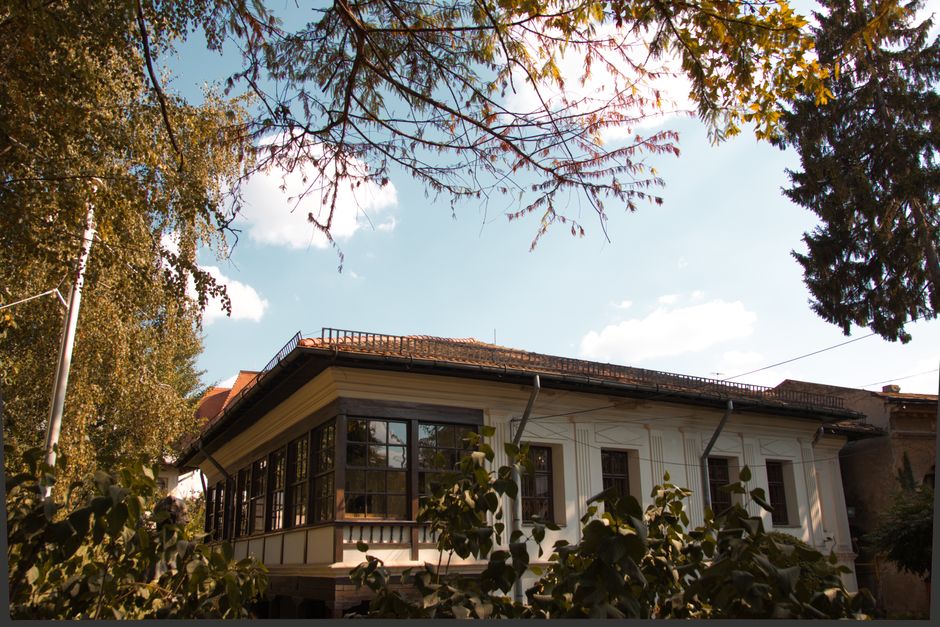
The Village Museum (Muzeul Satului) — If you want to understand the roots of the city, go here. This open-air museum in Herastrau Park features over 260 authentic traditional buildings from all over Romania. Peasants' houses, churches, windmills, and monasteries have been moved here and reconstructed. It is a journey through rural Romania, a stark contrast to the urban grandeur of the city. It is peaceful, green, and deeply evocative. Entry is around 10 EUR.
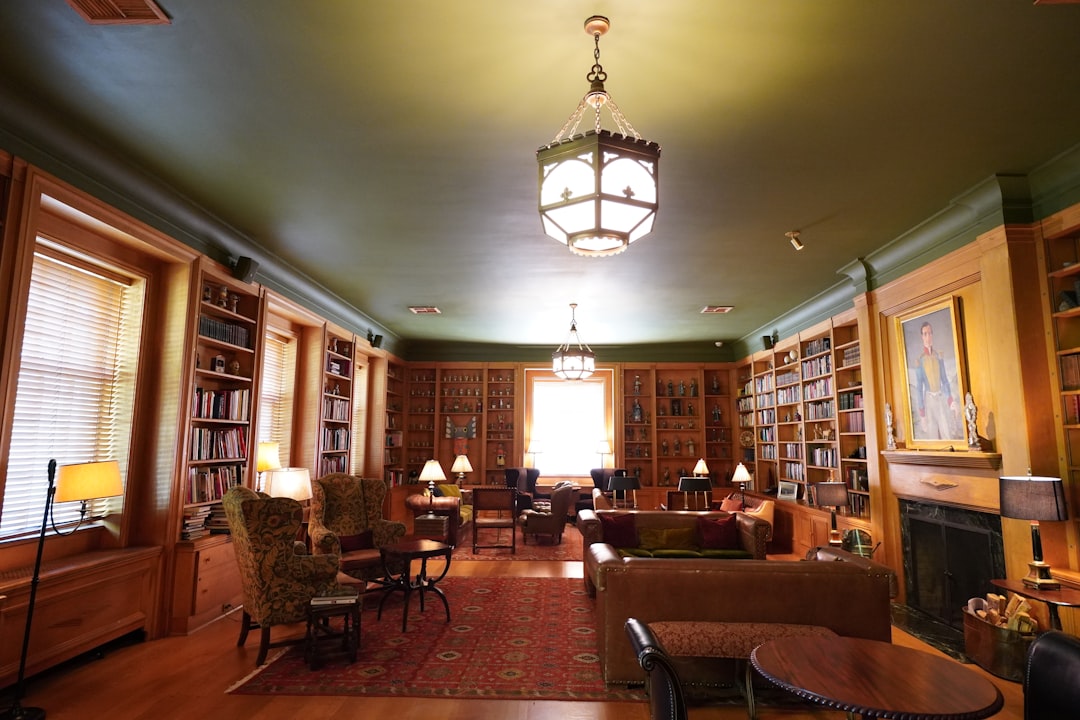
The Romanian Athenaeum Library — Often overlooked, the library next to the Athenaeum is a hidden gem. It houses a vast collection of books and manuscripts, and the reading room is a stunning example of Belle Éoque interior design. High ceilings, ornate chandeliers, and rows of leather-bound books create an atmosphere of quiet reverence. It is a place to escape the noise of the city. Entry is free, but you need an ID.
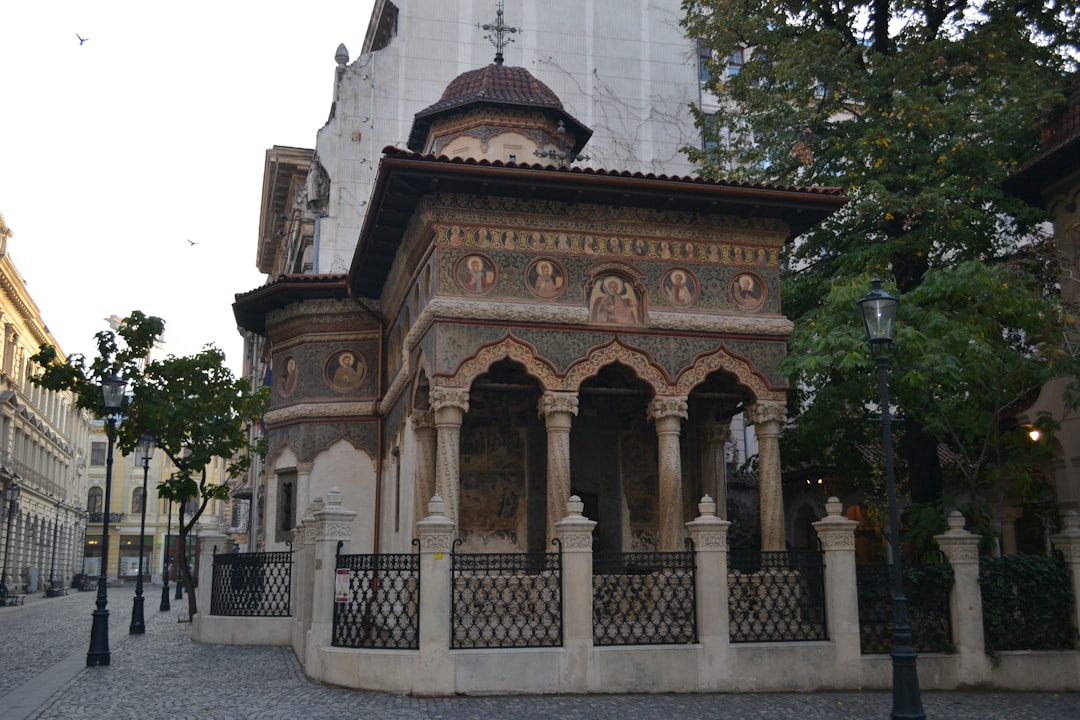
The Old Town (Lipscani) — This is the heart of Bucharest's nightlife, but it also has a rich history. The streets are narrow and cobblestoned, lined with medieval houses and churches. The Stavropoleos Monastery is a small, exquisite example of Brâncovenesc style architecture. The Curtea Veche (Old Court) is the site of the medieval royal palace. Today, it is filled with bars and clubs, but if you look closely, you can still see the ghosts of the past. Entry to the monastery is free. The Curtea Veche is open to the public for a small fee, around 5 EUR.
Casa Histria — A unique architectural gem, this building is a fusion of Art Deco and traditional Romanian motifs. It is located on Calea Victoriei, one of the city's main boulevards. The facade is covered in intricate reliefs and sculptures, depicting scenes from Romanian history and mythology. It is a testament to the creativity of interwar architects. It is free to admire from the street.
What to Eat & Drink
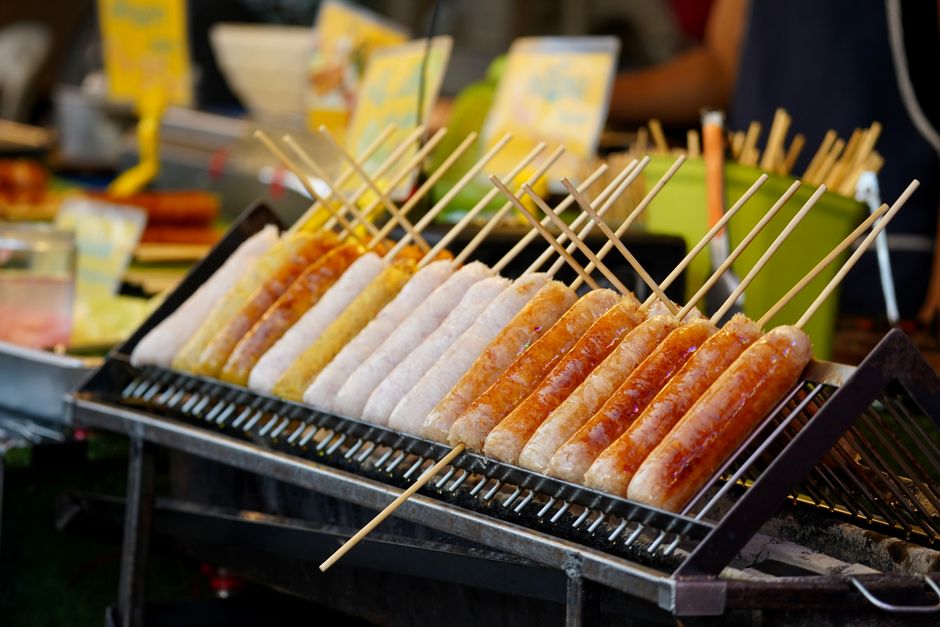
Bucharest's food scene is a mix of traditional Romanian cuisine and modern European influences. The flavors are bold, hearty, and often fatty. You can't visit Romania without trying the classics. Sarmale (cabbage rolls stuffed with meat and rice) are a must, typically served with mămăligă (polenta) and sour cream. A plate costs around 10-15 EUR. Mici (grilled minced meat rolls) are a popular street food, often sold from carts or small grills. They are best eaten with mustard and țuică (plum brandy). A pack of mici costs around 5-8 EUR.
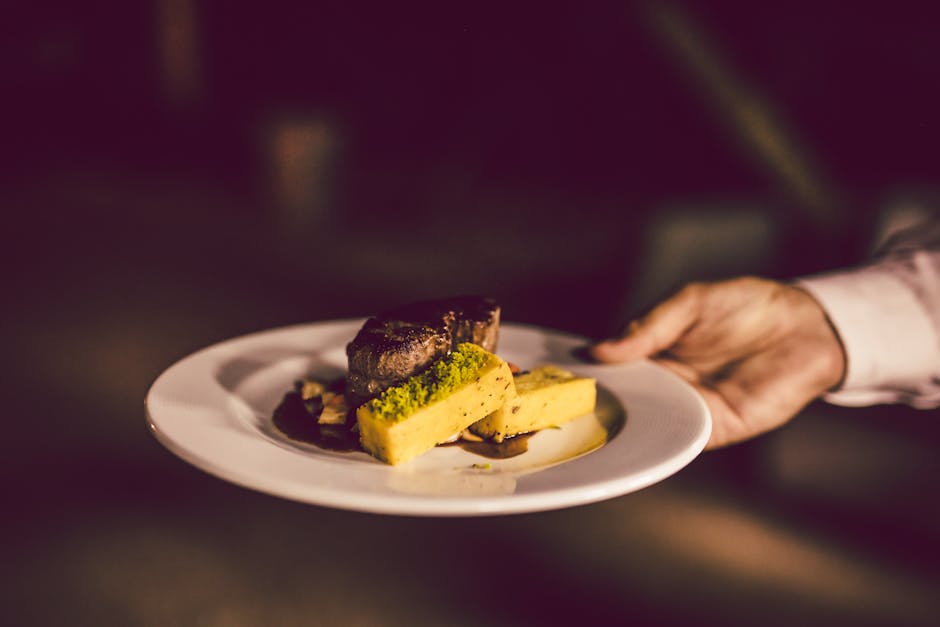
For a more upscale experience, head to the Old Town or the Herăstrău area. There are many restaurants that serve modern interpretations of traditional dishes. Placinte (savory pies) are another staple, with fillings ranging from cheese and potatoes to meat and cabbage. A slice costs around 3-5 EUR. For dessert, try dobrogenească, a cake made with layers of sponge, jam, and cream. It is rich, sweet, and delicious. A slice costs around 4-6 EUR.
Budget travelers can find cheap eats in the Piata Romană area or in the student district near the University. There are many small eateries and food courts that serve hearty meals for under 10 EUR. For a more luxurious experience, head to the Palace of the Parliament area, where there are several high-end restaurants with views of the city. Expect to pay 30-50 EUR per person for a meal here. Don't forget to try the local wine. Romania has a long tradition of winemaking, and the Fetească Neagră is a popular red wine. A glass costs around 3-5 EUR.
Nightlife
Bucharest's nightlife is legendary. The Old Town is the epicenter, with hundreds of bars, clubs, and pubs crammed into the narrow streets. The atmosphere is electric, with music pounding from every door. The Enigma Club is one of the largest and most famous clubs in the city, with multiple floors and international DJs. The cover charge is around 10-20 EUR, and drinks are expensive, around 5-10 EUR per cocktail. For a more laid-back vibe, head to the Podul Mogoșoaiei, a bridge over the Dâmbovița River. There are several bars along the bridge, with live music and a more relaxed atmosphere. Entry is free, and drinks are cheaper, around 3-5 EUR per beer.
Another popular area is Herăstrău, where there are several upscale bars and clubs with views of the lake. The Magazinul de Fumat is a stylish cocktail bar with a speakeasy vibe. The cocktails are creative and well-crafted, costing around 8-12 EUR each. For a more alternative scene, head to the Downtown area, where there are several indie bars and live music venues. The Parcului is a popular spot for jazz and blues music. Entry is usually free, and drinks are affordable, around 3-6 EUR per beer.
Getting There & What to Expect
The nearest airport is Henri Coandă International Airport (OTP), located about 16 km southeast of the city center. There are direct flights from most major European cities, including Vienna, Paris, and Istanbul. The ride to the city center takes about 30-40 minutes by taxi, costing around 15-20 EUR. There is also an airport express bus, which costs around 5 EUR and takes about 45 minutes. For budget travelers, there are several hostels in the Old Town, with prices starting from 15-25 EUR per night. Mid-range hotels in the city center cost around 50-80 EUR per night. The best time to visit Bucharest is in the spring (April to June) or autumn (September to October), when the weather is mild and the crowds are smaller. Summer can be hot and humid, and winter can be cold and gray.
Search accommodation in Bucharest on Booking.com →
The Unfinished Dream
I leave Bucharest as the sun rises, painting the sky in shades of pink and orange. The city is quiet now, the parties over, the streets empty. I walk back to my hotel, past the crumbling facades and the new glass towers. I think about the history of this place, the fires and the rebuilding, the communism and the revolution. It is a city that has been through so much, yet it still stands. It is still beautiful, in its own broken way. The Belle Époque splendor is there, if you know where to look. It is in the details, the stucco, the domes, the boulevards. It is a reminder that beauty can survive, even in the darkest of times. Bucharest is not the Paris of the East. It is something else. It is itself. And that is enough.
Comments