


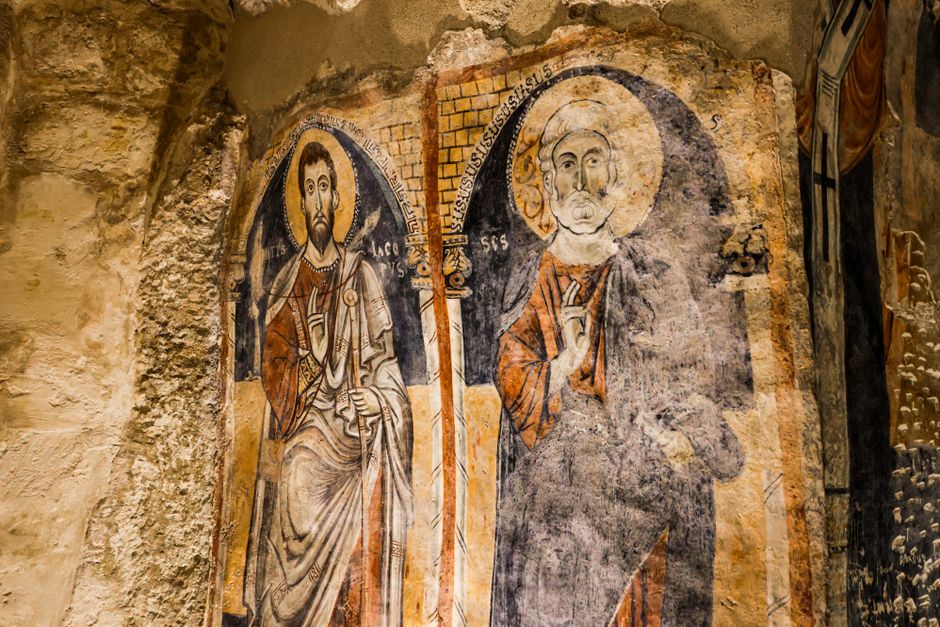
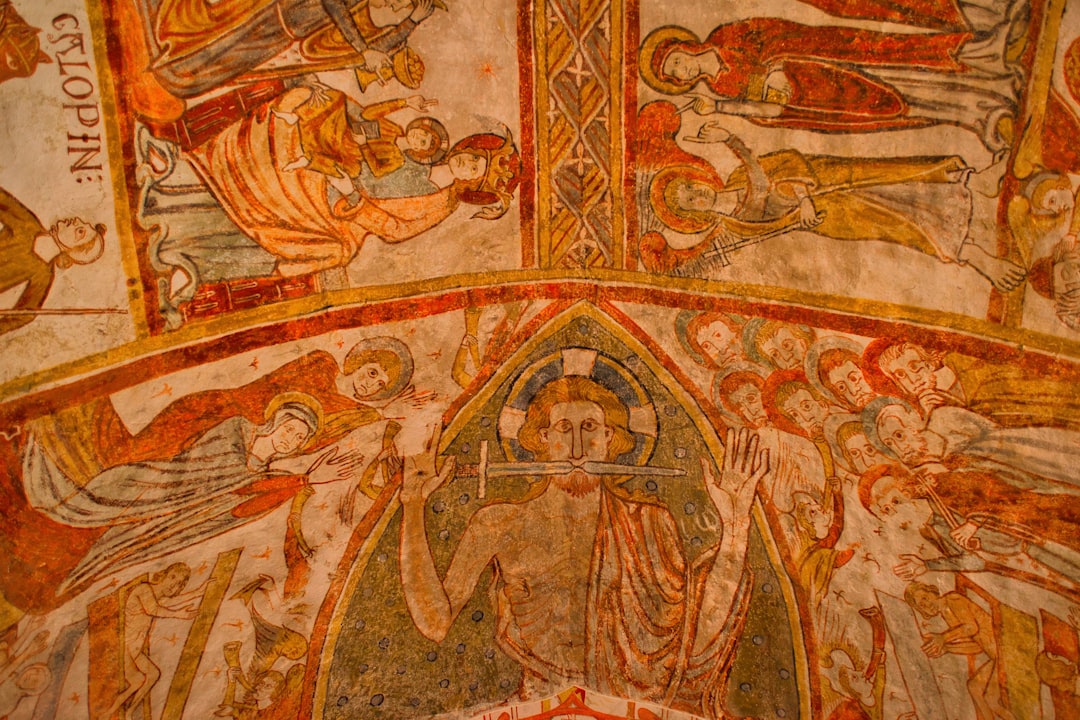
The rain in Sofia doesn't fall; it hangs. It was one of those gray, leaden afternoons where the city feels less like a capital and more like a wet wool sweater. I ducked into the courtyard of Boyana Church just to escape the drizzle, but I stayed for the silence. There was no line. No ticket booth. Just a heavy wooden door and a sense that I was stepping into a vault that had been sealed for centuries. Inside, the air was cool and smelled faintly of old incense and damp stone. I stood before the wall painted in 1260, and for a second, the modern world vanished. The faces staring back at me weren't flat icons. They were people. Real, fleshy, breathing people captured in mineral pigment, looking at me with a psychological depth that shouldn't exist in a medieval church.
This isn't a museum. It's a time capsule that refused to expire. Most Byzantine art is about the divine, the ethereal, the untouchable. But the frescoes in the second church of Boyana are about the human. They are the first truly secular portraits in European art history, painted decades before Giotto was even born. I came here expecting a quick stop between beer and history. I left feeling like I had stumbled onto a crime scene where the victim was time itself.
History & Identity
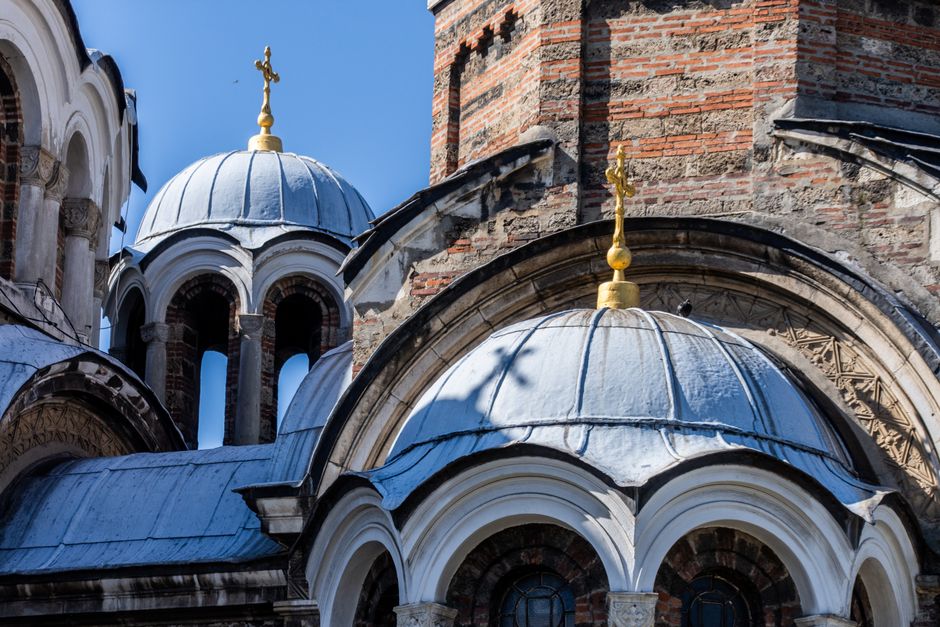
The complex consists of three churches built in three different centuries, a layered geological record of Bulgarian spirituality. The oldest, the Church of the Nativity of the Theotokos, dates back to the late 10th or early 11th century. It's a small, austere structure with a single nave, built by the Byzantines but quickly adopted by the Bulgarians after they reclaimed Sofia. It's the foundation stone, the bedrock.
But the magic happens in the second church, built in 1259 by Kaloyan, the voivode (military governor) of Sofia. He commissioned the frescoes in 1260 to commemorate his parents, Despot Kaliman and Despotess Maria. This was the height of the Second Bulgarian Empire, a period of cultural explosion and political tension. The artist was a master who broke every rule of the Italo-Byzantine style. He didn't paint flat, symbolic figures. He painted volume. He painted shadow. He painted the weight of a fur cloak and the wrinkles of age.
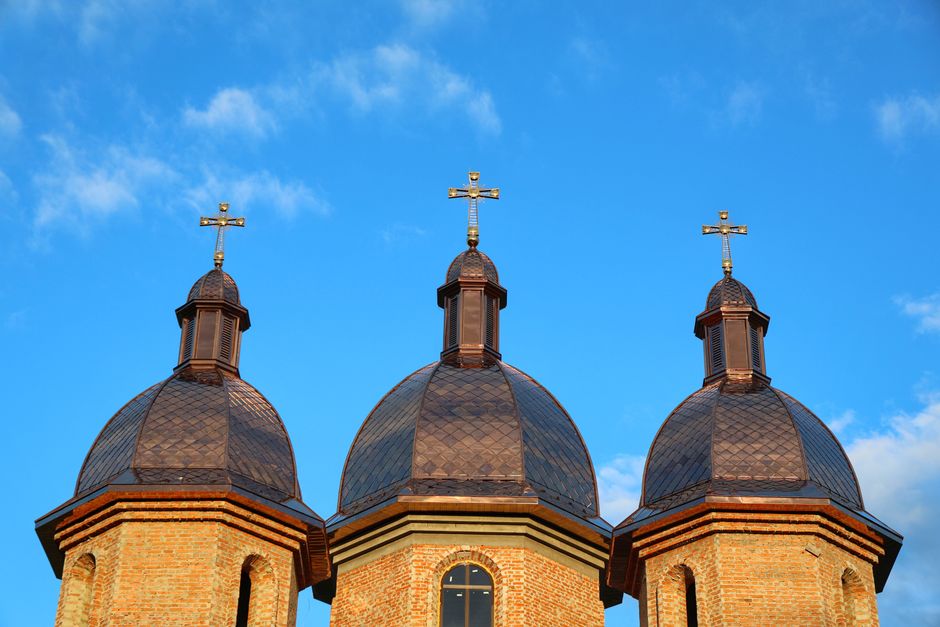
The third church, added in the 19th century, is a neo-Gothic brick structure that looks like a Victorian churchyard gatehouse dropped into the Balkan foothills. It serves as a reminder that the site was never abandoned, only transformed. The complex survived wars, earthquakes, and the indifference of empires. Today, it's a UNESCO World Heritage Site, not just for its beauty, but for its revolutionary role in the history of art. It proves that the Renaissance didn't start in Italy. It started here, on the slopes of Vitosha Mountain.
Where to Go
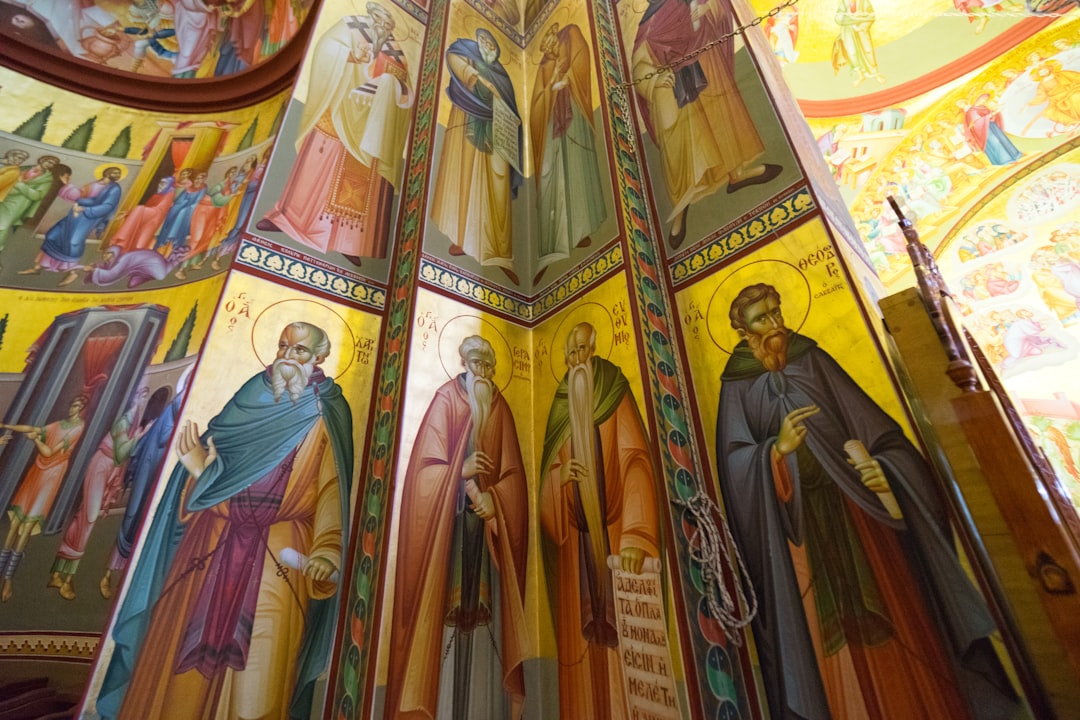
The Second Church (1260) — This is the main event. The interior is small, intimate, and dimly lit to preserve the pigments. The frescoes cover every surface. The most famous panels are the portraits of Despot Kaliman and Despotess Maria, kneeling with their son, Kaloyan, between them. Look at their hands. Look at the folds in their clothing. It's psychological realism. Entry is included in the general ticket. Best time to visit is early morning to avoid the tour groups from Sofia center.
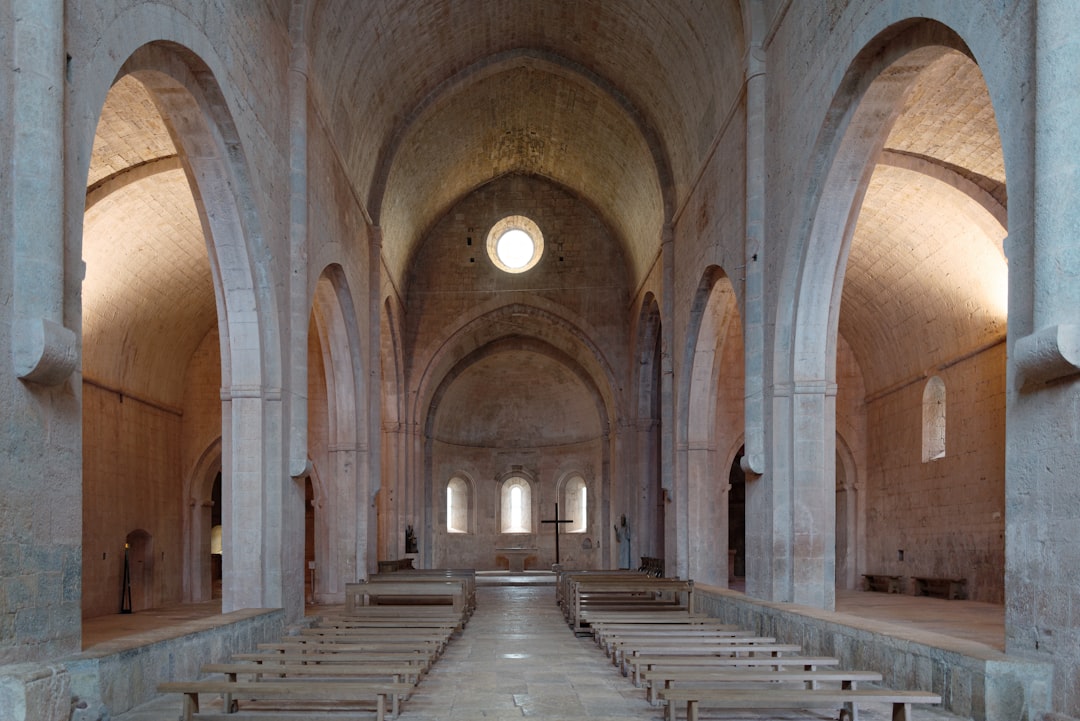
The First Church (10th-11th Century) — A stark contrast to the second. This is raw, ancient stone. The frescoes here are older, more abstract, and heavily restored. It feels like a crypt. The atmosphere is heavier, more solemn. It's a place to understand the roots of Bulgarian Orthodoxy before the artistic explosion of the 13th century. It's small, so you can see it in ten minutes, but it grounds the whole experience.
The Third Church (19th Century) — The brick neo-Gothic structure. It's the only one still used for occasional services, though it's mostly a museum piece now. The architecture is interesting for its time, showing the influence of Western styles on Bulgarian religious building in the 1800s. It provides a visual break from the medieval stone.
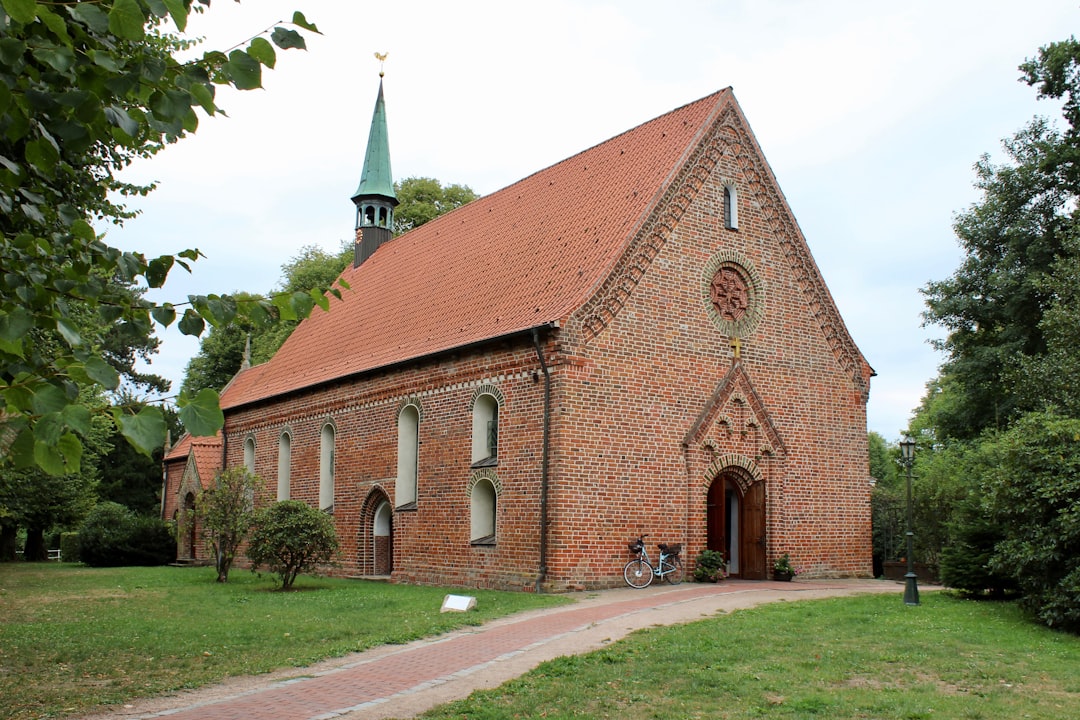
The Courtyard and Tomb — Between the churches is a small courtyard. There's a modern tomb structure here, part of the complex's later history. It's quiet, surrounded by the dense forest of Vitosha. It's a good spot to sit and let the images of the 13th century sink in before heading back to the noise of the city.
What to Eat & Drink
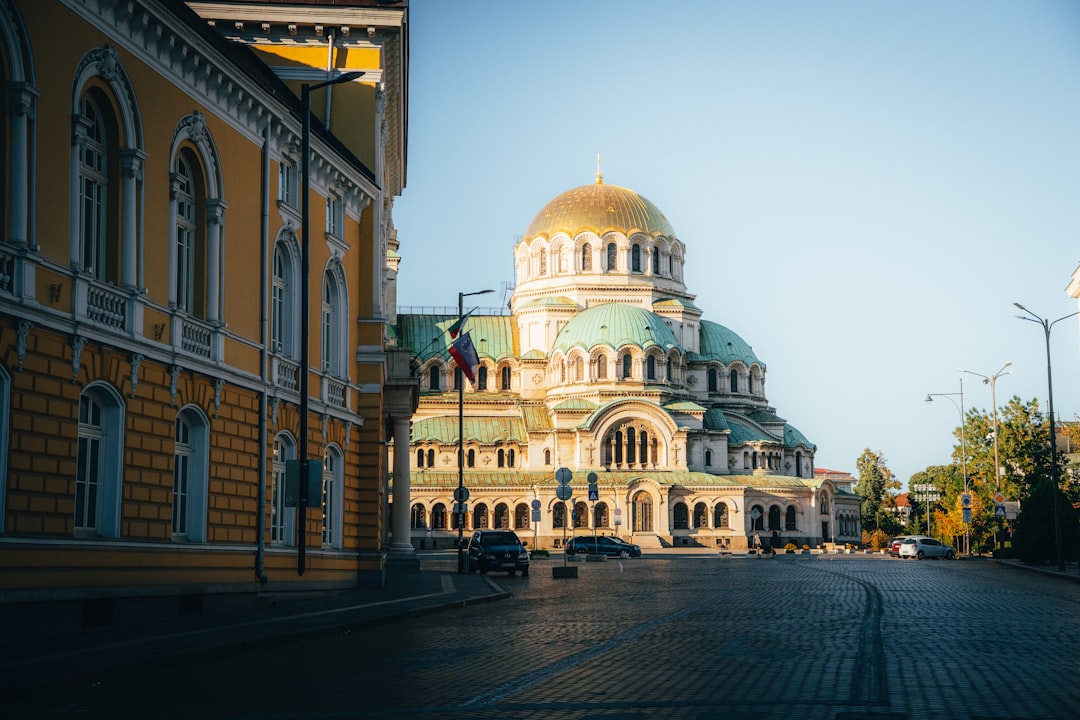
There's nothing to eat inside the complex. The nearest food is in the Boyana neighborhood, a few minutes' walk up the hill, or in the Sofia city center. The area around Boyana is residential and green, with a few local cafes. For a proper meal, head down to Saraysko Kale or St. Alexander Nevsky Cathedral area.
If you're staying in Sofia, here's the budget breakdown:
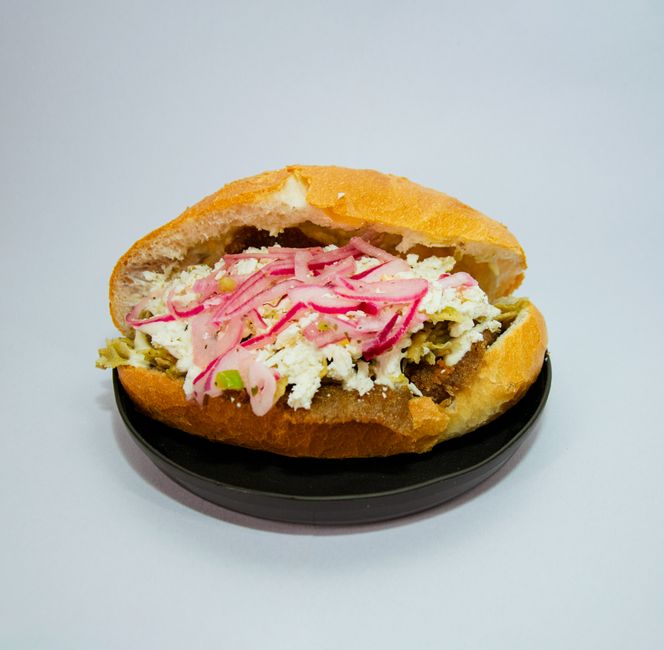
- Banketa — local sandwich, 3-5 EUR
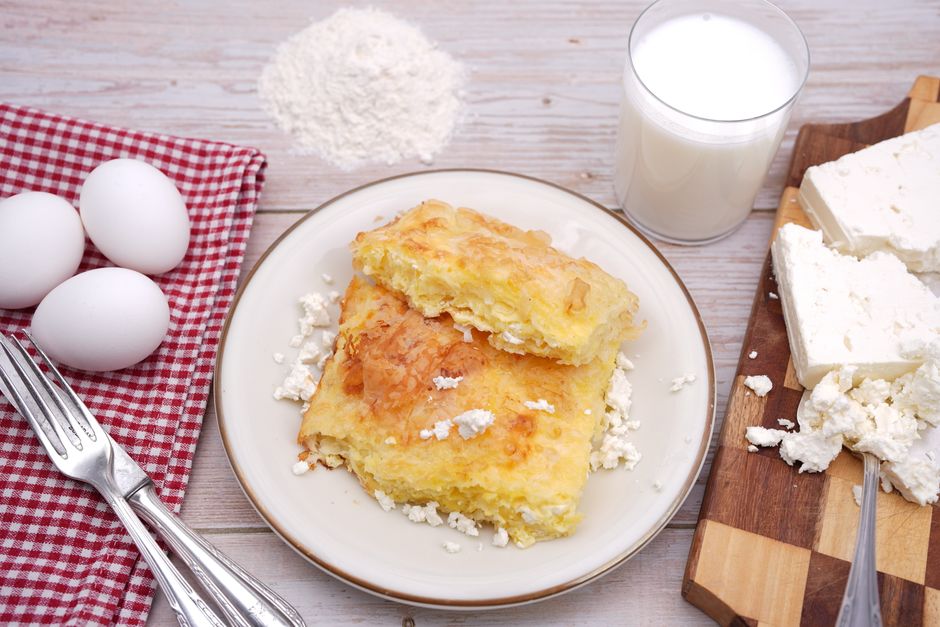
- Banitsa — cheese pastry, 1-2 EUR
- Shopka Salad — 3-4 EUR
- Cevapi — grilled meat, 4-6 EUR
- Beer — local brand, 1.50-2.50 EUR
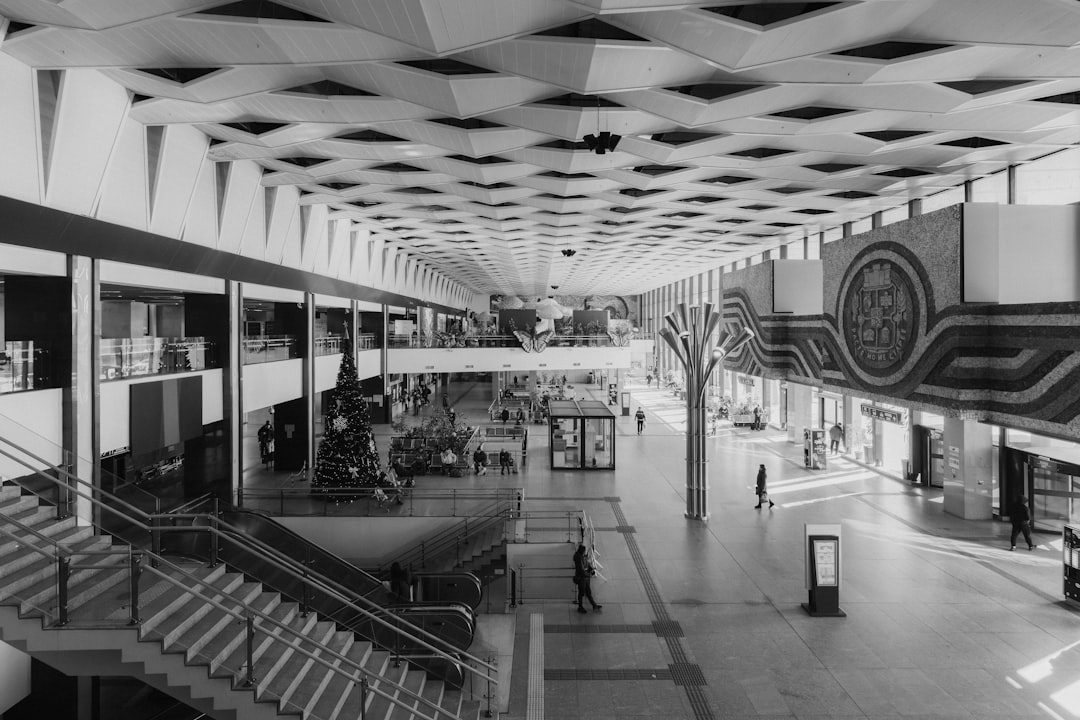
For a sit-down meal in Sofia, expect 10-20 EUR per person for a main dish and drink. Street food is cheap and abundant. The Central Sofia Bus Station area has cheap eats, but for quality, head to Vitosha Boulevard or the Old Town.
Nightlife
Boyana Church is not a nightlife destination. It's a quiet, sacred site. For night life, you need to go to Sofia center. The main bars and clubs are around Vitosha Boulevard, St. Alexander Nevsky Cathedral, and St. Sofia Square. The Old Town has a mix of pubs and cocktail bars.
Some well-known spots:
- Black Rose — cocktail bar, atmospheric, 5-10 EUR per drink
- Chalga Bar — music and drinks, lively, 3-5 EUR per drink
- Pub 100 — sports and beer, casual, 2-4 EUR per drink
Sofia has a vibrant club scene, with venues like Paradiso and Club 36 drawing crowds until dawn. Cover charges vary, but expect 5-10 EUR for entry.
Getting There & What to Expect
Nearest Airport: Sofia Airport (SOF), 10 km from the city center. Bus or taxi to Sofia center takes 20-30 minutes. Bus 1.50 EUR, taxi 10-15 EUR.
From Sofia Center: Boyana Church is 10 km from the center. Take bus 84 or 84A from Saraysko Kale or Serdika metro station. The ride takes 20-30 minutes. The bus stop is right at the church. Bus fare 1.60 EUR (buy from driver or app). Taxi from center 10-15 EUR.
Accommodation: Stay in Sofia center. Budget hostel 15-25 EUR/night. Mid-range hotel 40-80 EUR/night. Luxury hotel 100-200 EUR/night. No accommodation at Boyana Church.
Best Time to Visit: Year-round, but spring (April-May) and autumn (September-October) are best for weather. Summer can be hot and crowded. Winter is cold but quiet.
Expectations: The site is small. You can see everything in 30-45 minutes. It's not a day trip. It's a stop. The frescoes are the only reason to go. Don't expect a large complex. It's intimate, intense, and unforgettable.
Search accommodation in Sofia on Booking.com →
The Verdict
I walked back out into the rain, the images of Despot Kaliman and Despotess Maria still burning in my mind. They weren't saints. They were people. And in a world that often feels flat and digital, that humanity is the most radical thing of all. Boyana Church isn't just a UNESCO site. It's a mirror. It shows us that we've always been here, messy and real, and that art isn't about escaping the world. It's about capturing it, exactly as it is, before it vanishes.
Don't go to Sofia just for the beer and the clubs. Go for the faces in the wall. They've been waiting 760 years to be seen. And they're worth the trip.
Comments