


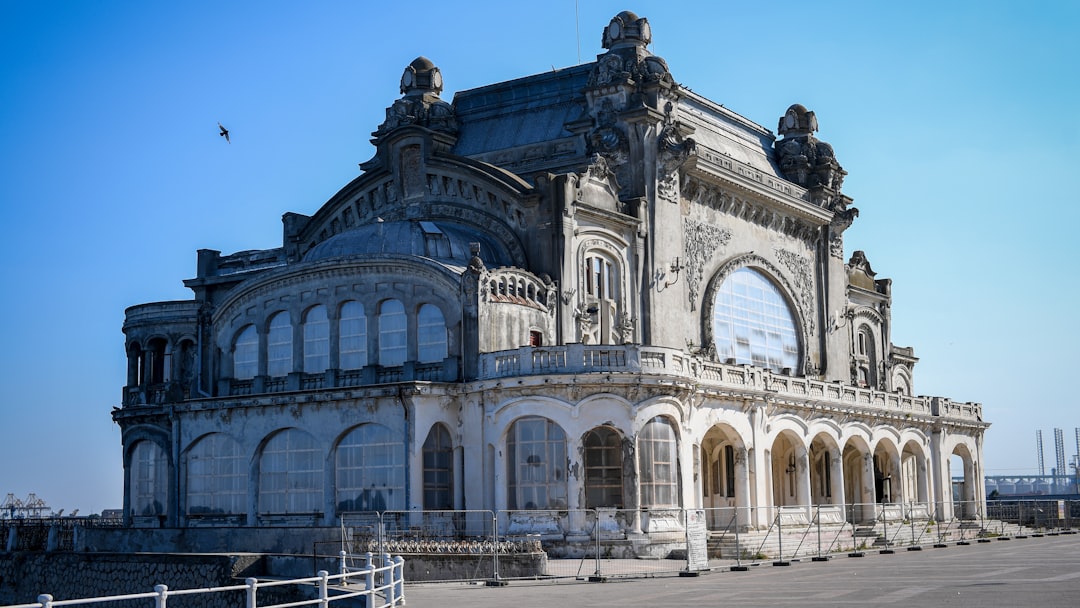
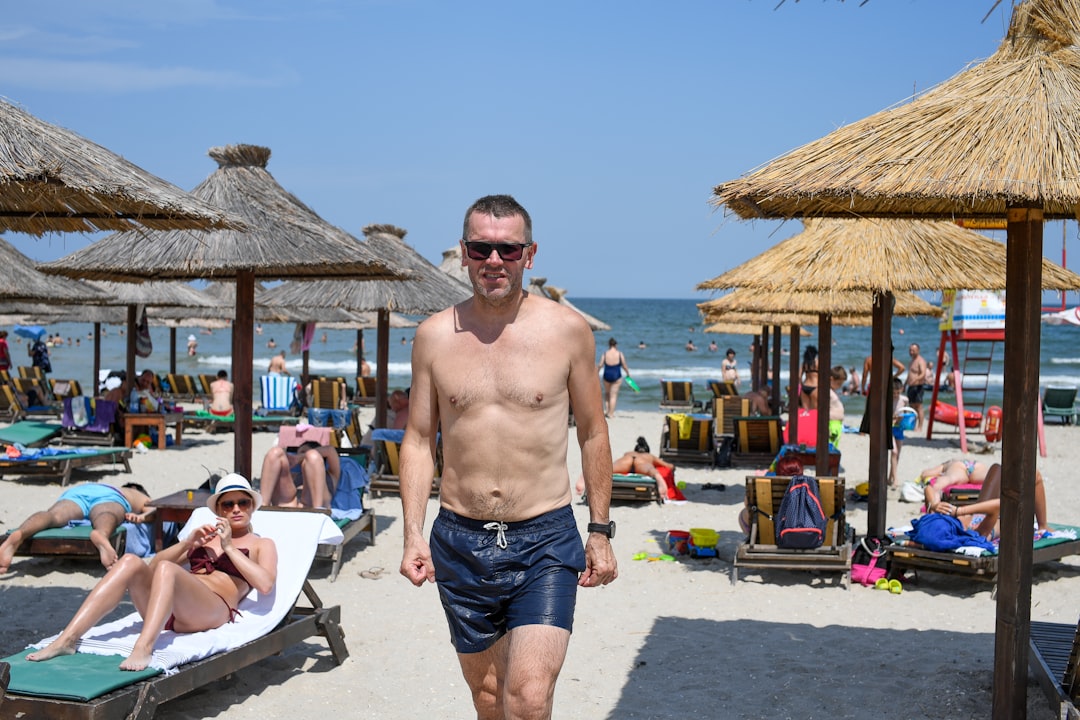
The air in Mamaia tastes like cheap sunscreen, diesel fumes, and desperation. I’m standing on the boardwalk at 2 AM, watching a group of teenagers in tracksuits argue over a broken flip-flop while a neon sign for a karaoke bar flickers with the erratic pulse of a dying heart. This is the postcard version of Romania’s coast — the one sold to inland crowds in July, where the beach is a packed sardine can of plastic chairs and the waves are barely strong enough to wet your ankles. But I’m not here for the concrete jungle. I’ve got a rusted Dacia Logan, a map that’s seen better days, and a stubborn refusal to accept that Romania’s only coastline is a strip of neon-lit mediocrity. I’m driving south, past the tourist traps, toward the jagged, windswept edge where the Black Sea meets the Danube Delta, and the real story begins.
Most people treat the Black Sea coast as a day trip or a week-long all-inclusive escape. They miss the texture of the place — the salt-crusted lighthouses, the abandoned Soviet-era sanatoriums, the fishermen who still mend nets by hand in Costinești. This isn’t a place for passive tourism. It’s a frontier, rough around the edges, where the sea slaps against the shore with a violence that feels almost personal. And if you’re willing to look past the glitter of Mamaia, you’ll find a coastline that’s raw, untamed, and utterly unforgettable.
History & Identity
The Black Sea coast of Romania is a palimpsest of empires. For centuries, it was a borderland — contested by the Ottoman Empire, the Russians, and the Romanians. The region’s identity is tied to the sea, but it’s also shaped by its isolation. Unlike the vibrant Mediterranean coasts, this stretch was largely ignored by international tourism until the communist era, when the state built massive concrete resorts like Mamaia and Eforie to serve the party elite. These places were meant to be paradises, but they felt like fortresses — controlled, sterile, and disconnected from the surrounding landscape.
After the fall of communism, the coast exploded with private investment, but the soul of the place remained rooted in its fishing villages and natural reserves. Today, the tension between mass tourism and preservation is palpable. The Danube Delta to the east is a UNESCO World Heritage site, a labyrinth of waterways and wetlands that feels like another planet. Meanwhile, the southern coast near Constanta is a mosaic of ancient ruins, Ottoman forts, and Soviet-era architecture. This isn’t a place that fits neatly into a brochure. It’s a region of contrasts, where history is etched into the cliffs and the sea breeze carries the weight of centuries.
Where to Go
Constanta — The largest city on the coast, Constanta is often skipped by tourists rushing to the beaches, but it’s the cultural heart of the region. The Archaeological Museum holds artifacts from the ancient Greek city of Tomis, where the poet Ovid was exiled. The city’s port is a bustling hub of cargo ships and fishing boats, and the Fortress of Constantine the Great offers panoramic views of the harbor. Entry to the museum is 5 EUR, and the best time to visit is early morning to avoid the heat.
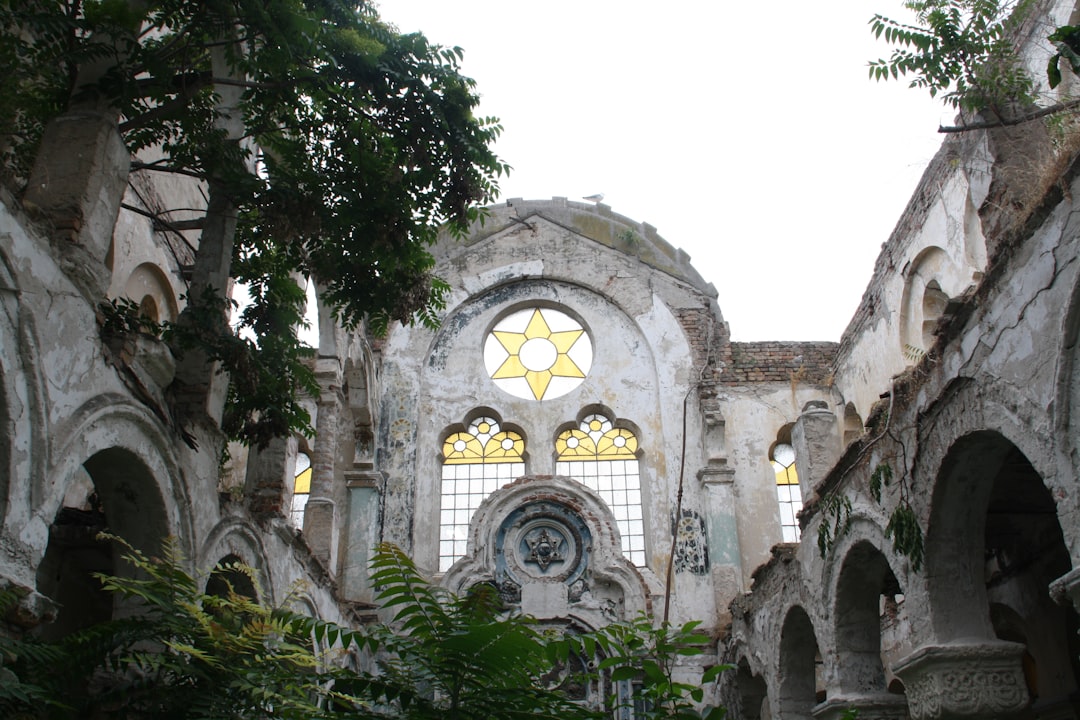
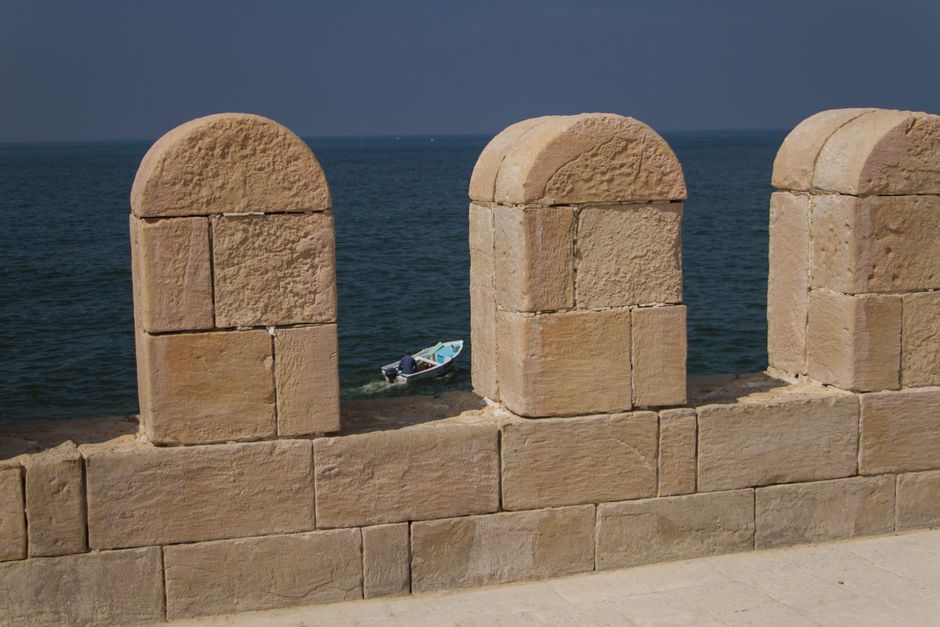
Mangalia — South of Mamaia, Mangalia is a more relaxed alternative, with a mix of Soviet-era architecture and modern resorts. The Casino de la Mamaia is a famous landmark, but the real draw is the St. George’s Fortress, a 14th-century Genoese tower that stands guard over the harbor. The town’s beach is wider and less crowded than Mamaia’s, and the local fish restaurants serve fresh catch at reasonable prices. Fortress entry is 3 EUR.
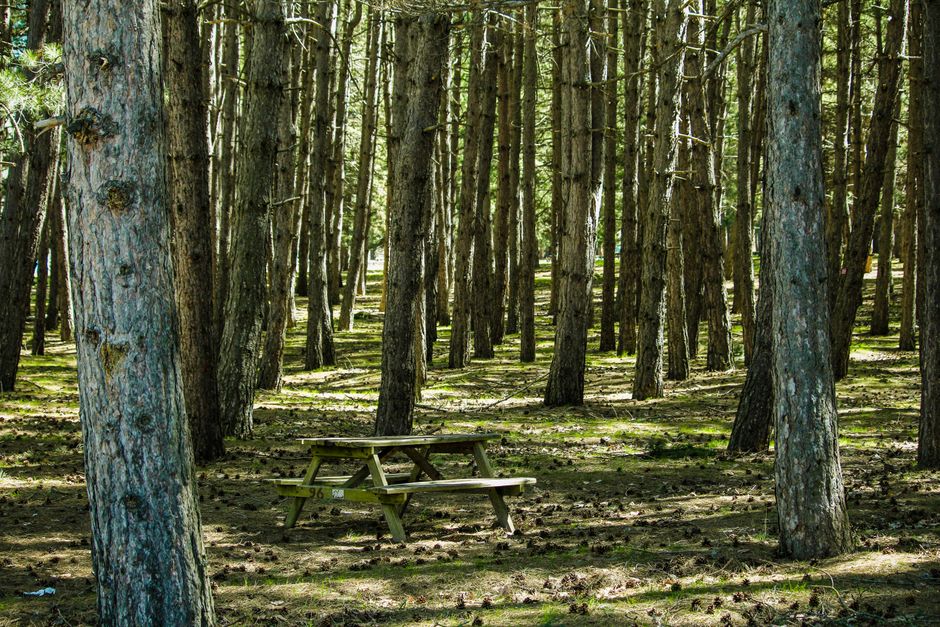
Eforie Nord — A quieter resort town north of Mamaia, Eforie Nord is known for its thermal springs and pine forests. The Thermal Park offers a chance to soak in mineral-rich waters, and the Dune of Eforie is a natural landmark that offers stunning views of the sea. The town is also a gateway to the Limanu area, where you can find traditional Romanian villages and wineries. Thermal park entry is 10 EUR.
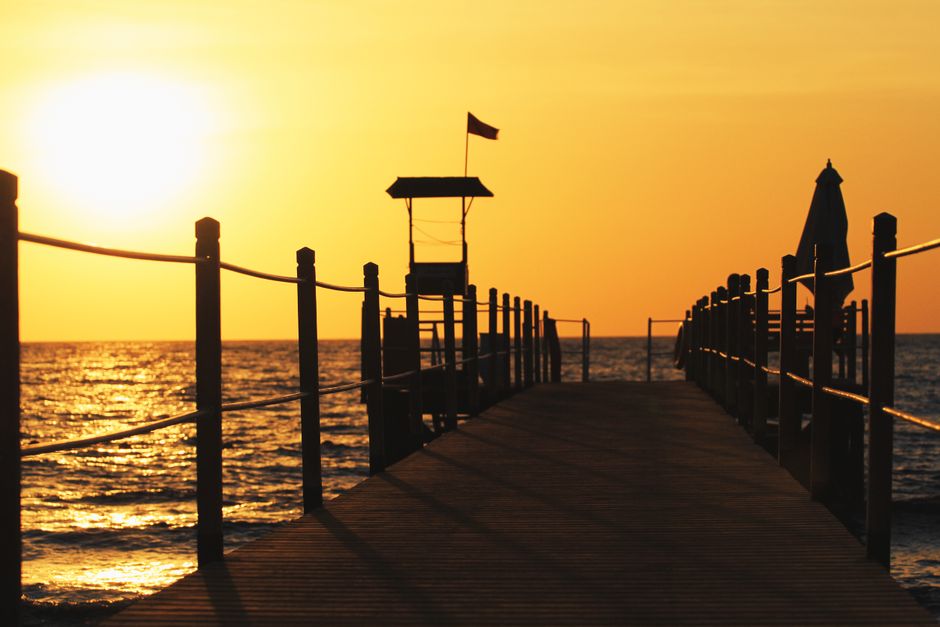
Costinești — A small fishing village south of Mangalia, Costinești is a haven for those seeking authenticity. The Costinești Fishing Port is alive with activity, and the local taverns serve grilled fish and sarmale (cabbage rolls) at a fraction of the price of the tourist hubs. The beach here is narrower but cleaner, and the sunset views are spectacular. No entry fees, just the cost of a fresh meal 8-12 EUR.
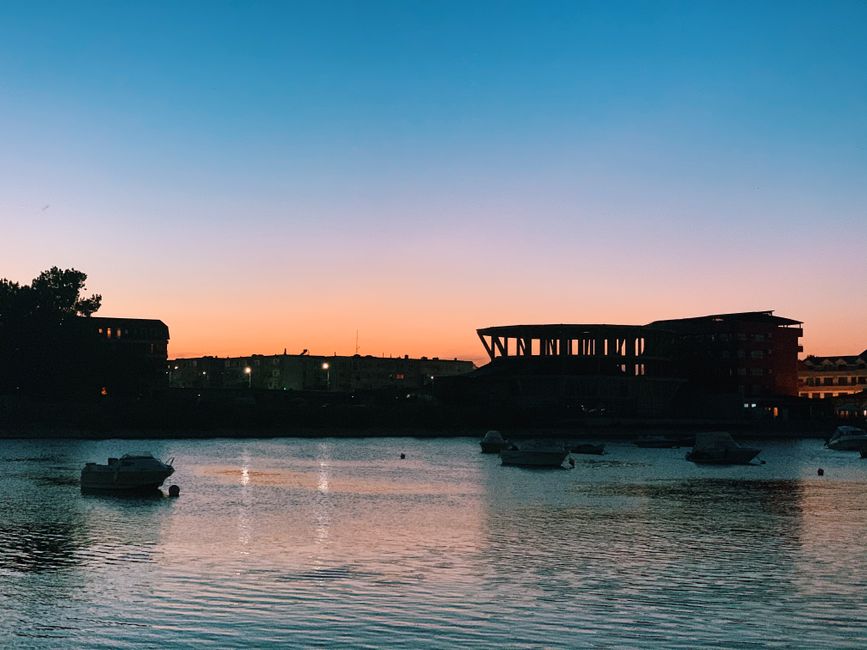
Tulcea — Located at the entrance to the Danube Delta, Tulcea is the gateway to one of Europe’s most unique ecosystems. The Museum of the Danube Delta offers insights into the region’s biodiversity, and the town itself is a mix of Ottoman and Romanian architecture. From here, you can take boat tours into the delta, where you’ll spot pelicans, storks, and even the occasional wolf. Museum entry is 4 EUR.
What to Eat & Drink
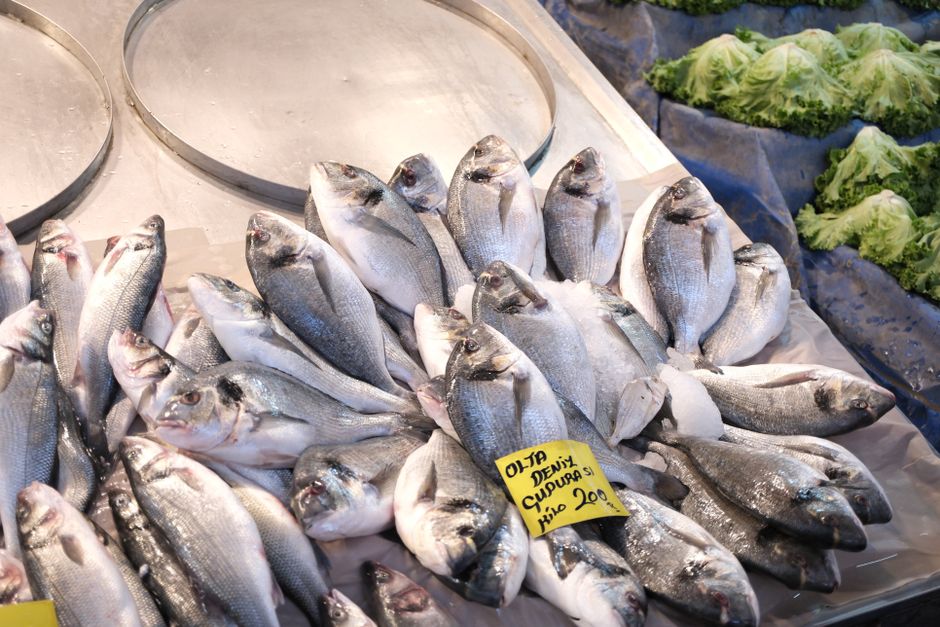
The food on the Black Sea coast is a reflection of its multicultural history — a blend of Romanian, Ottoman, and Greek influences. Fresh fish is the star, but don’t overlook the hearty stews and grilled meats that keep locals warm in the winter. Here’s what to order:
Ciupercă de mare (Sea Mushroom) — A local delicacy, this is actually a type of sea anemone, served fried or in soup. 12-15 EUR per serving. Paștei de creveți (Shrimp Paste) — A creamy, spicy spread made from ground shrimp, often served with bread. 6-8 EUR. Sarmale — Cabbage rolls stuffed with meat and rice, a Romanian classic. 5-7 EUR. Mici — Grilled minced meat rolls, a street food staple. 3-5 EUR for a portion. Plăcintă cu brânză — A cheesy pastry, perfect for breakfast. 2-3 EUR.
Budget travelers can survive on street food and market stalls, spending 5-8 EUR per meal. Sit-down restaurants in local towns like Costinești or Văcăreni will set you back 10-15 EUR per person, while mid-range spots in Mamaia or Constanta range from 20-30 EUR. The Central Market in Constanta is a must-visit for fresh produce, seafood, and local cheeses. For a quick bite, head to the Food Court in Mamaia’s main promenade, where you can find plăcinte and mititei for under 5 EUR.
Nightlife
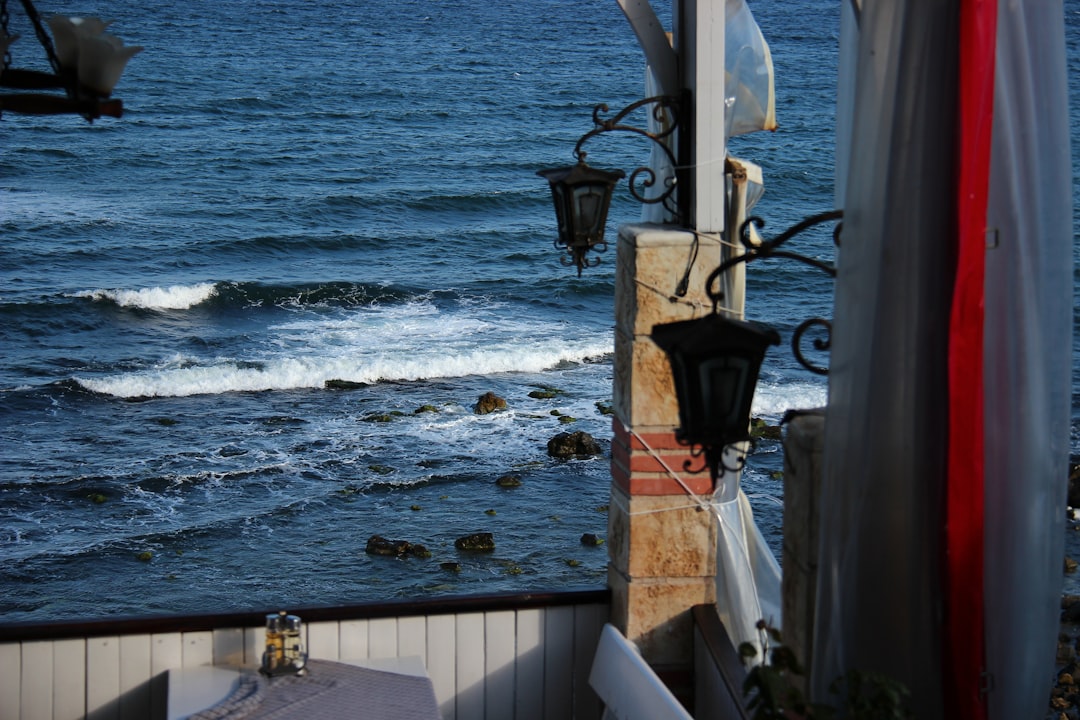
Nightlife on the Black Sea coast is concentrated in Mamaia and Eforie, but it’s a world away from the club scenes of Bucharest or Prague. The vibe is more laid-back, with beach bars and open-air venues dominating the scene. In Mamaia, the Neptun area is the epicenter, with clubs like Club 2000 and Hard Rock Cafe drawing crowds until the early hours. Cover charges range from 10-20 EUR, and drinks are 5-10 EUR each. In Eforie, the Boardwalk is lined with smaller bars and live music venues, where you can enjoy manele (Romanian pop-folk) or acoustic sets for free.
For a more authentic experience, head to Costinești or Văcăreni, where local taverns serve homemade pălincă (fruit brandy) and live lăutari (folk musicians) play until dawn. These places are cheap, lively, and far removed from the tourist traps. Cover charges are negligible, and drinks are 2-4 EUR each.

Getting There & What to Expect
The nearest airport to the Black Sea coast is Constanta Airport, which has limited international flights but is well-connected to Bucharest by bus and train. From Bucharest, the drive to Mamaia is about 3.5 hours (260 km), and the bus takes around 4 hours, costing 10-15 EUR. Trains are slower but cheaper, with tickets around 8-12 EUR. For those coming from other Balkan hubs, Constanta is accessible by long-distance bus from Sofia (6 hours) or Thessaloniki (5 hours).
Accommodation ranges from budget hostels in Constanta (20-30 EUR/night) to mid-range hotels in Mamaia (50-80 EUR/night). High-end resorts in Eforie or Mangalia can cost 100-150 EUR/night. The best time to visit is June or September, when the weather is warm but the crowds are thinner. July and August are peak season, with prices doubling and beaches packed.
Search accommodation in Constanta on Booking.com →
The Salt in Your Veins
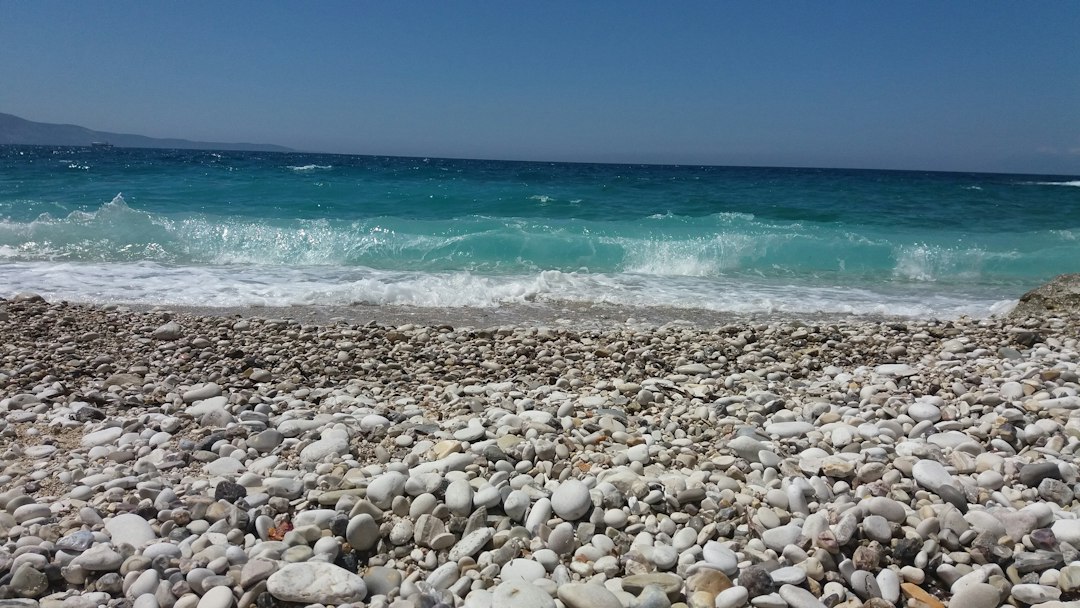
I’m sitting on a weathered bench in Costinești, watching the sun dip below the horizon. The air is thick with the smell of salt and grilled fish, and the sound of waves crashing against the shore is a constant rhythm. This isn’t the polished, commercialized coast of the brochures. This is the real Black Sea — rough, unapologetic, and alive. I’ve got sand in my shoes, salt on my skin, and a story that no travel guide will ever tell you. And as the stars come out over the water, I realize that this isn’t just a place to visit. It’s a place to feel.
Comments