


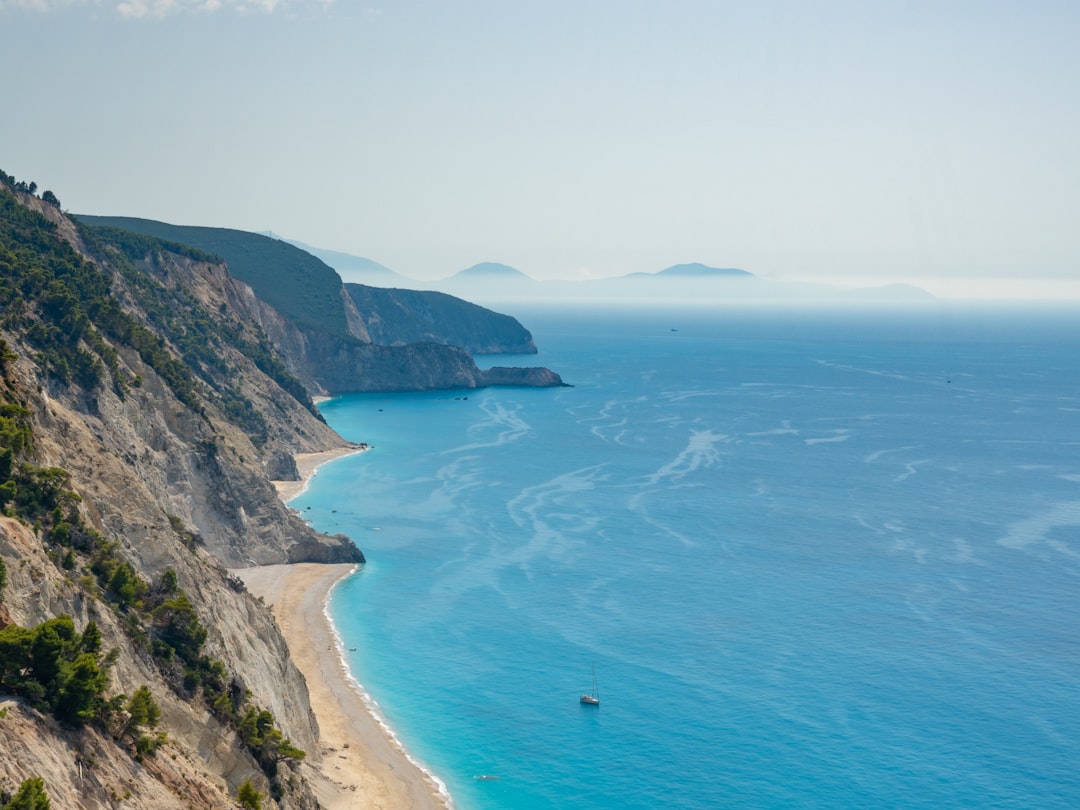
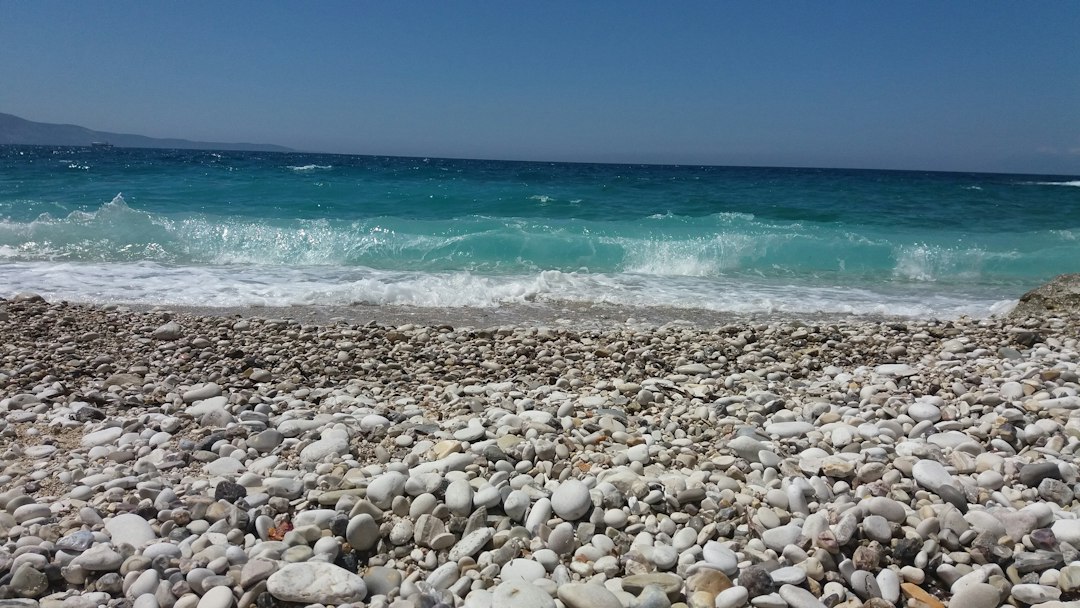
The first thing you notice isn’t the sand; it’s the silence. I was sitting on a jagged rock overlooking Kriarida Beach, the wind whipping my shirt like a flag of surrender, watching a lone fishing boat bob in water so clear it looked like liquid glass. There were no sunbeds. No umbrellas. No shouting vendors pushing overpriced smoothies. Just the rhythmic slap of waves against stone and the distant cry of a seagull. This wasn’t the Greece sold on Instagram — no neon swimsuits, no crowded promenades, no chaos. This was raw, untamed, and utterly real. I came looking for paradise and found something better: solitude.
Most tourists hit the same five beaches every summer, trampling the coastline into a sea of plastic and noise. But Greece has thousands of miles of coast, and if you know where to look, you can find stretches where the only footprints are yours. I’ve spent weeks chasing these hidden coves, riding dusty buses, hiking down goat paths, and bargaining with ferry captains who looked at me like I was mad. This is what I found — not a list of "best" beaches, but a map to the ones that still feel like secrets.
History & Identity
Greece’s coastline is a palimpsest of empires, myths, and migrations. Every cove tells a story — of ancient traders who sought shelter from storms, of Byzantine monks who retreated to remote islands, of WWII partisans who used the rugged terrain to evade occupation. The beaches of today are layered with history, not in museums, but in the very stones and shells you walk on. In places like Navagio Beach, the wrecked smuggling ship is a monument to human folly, but also to the power of nature to reclaim what was lost. Further north, in Halkidiki, the monasteries of Mount Athos overlook shores that have been untouched by mass tourism, preserved by centuries of religious isolation.
This isn’t just about pretty views. It’s about understanding why certain places remain wild. The Greek islands have always been places of refuge — for refugees, for revolutionaries, for those seeking escape. Today, they offer the same thing. The beaches of Greece are not just vacation spots; they are living archives of resistance, resilience, and rebellion against the machine of modern tourism.
Where to Go
Kriarida Beach, Crete — A secluded cove on the southwestern coast, accessible only by a steep hike or a small boat. The water is a deep, impossible blue, and the surrounding cliffs create a natural amphitheater. Entry is free, but you need good shoes and a head for heights. Best visited in early July or late September to avoid the occasional crowds.
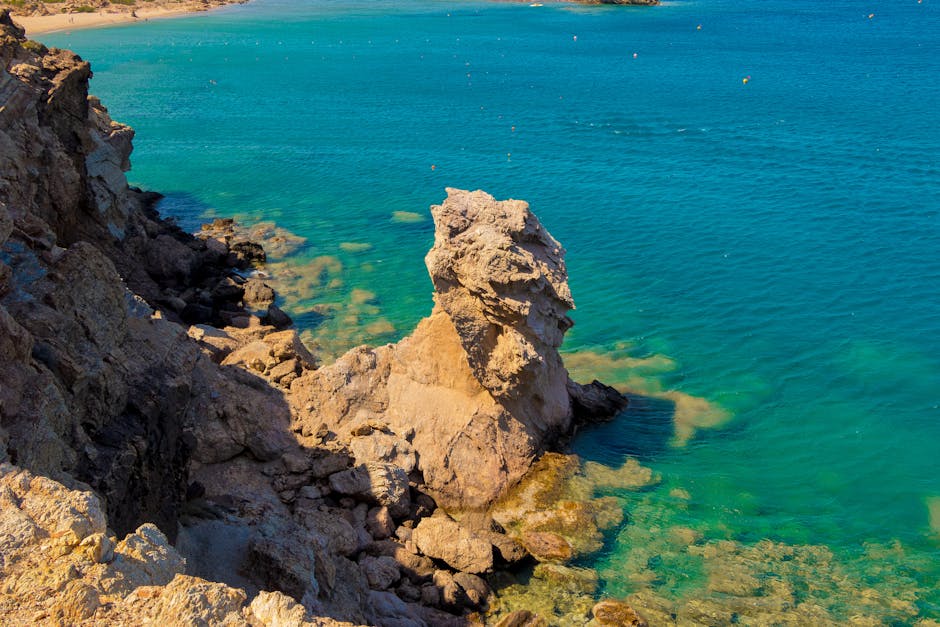
Myrtos Beach, Kefalonia — Often photographed, but rarely experienced in solitude. The beach is a crescent of white sand and pebbles, framed by steep hills and a river that flows into the sea. The water is calm and inviting, perfect for swimming. Entry is free, but parking can be a challenge in peak season. Go early morning or late afternoon.
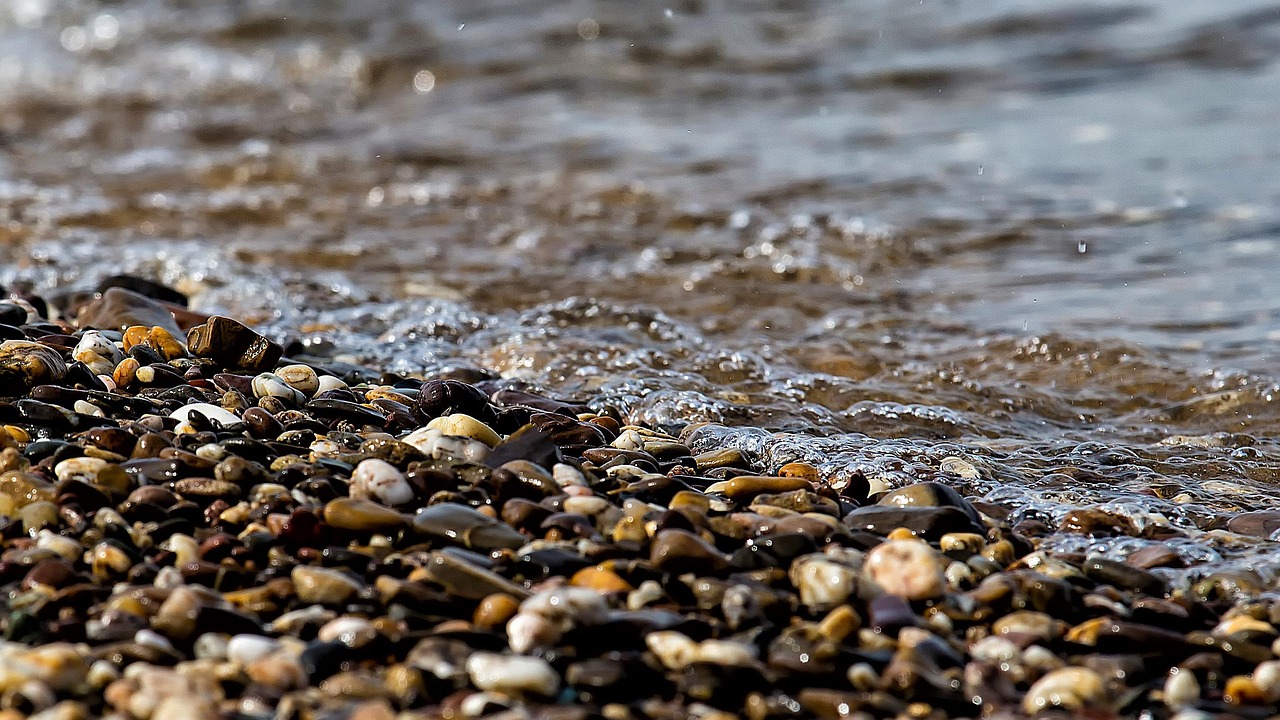
Agia Efimia, Antiparos — A small, sheltered beach with golden sand and shallow waters, ideal for families. The village of Antiparos is just a short walk away, offering tavernas and shops without the noise of larger resorts. Entry is free, and the beach is well-maintained but not overcrowded. Best for a relaxed day with kids.
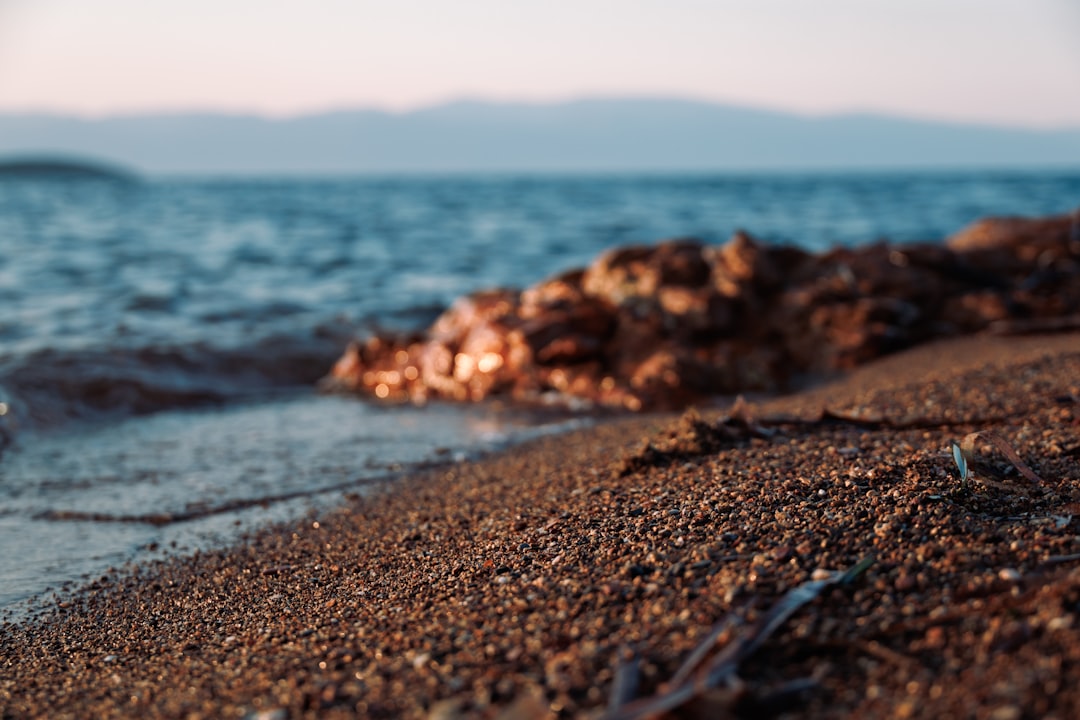
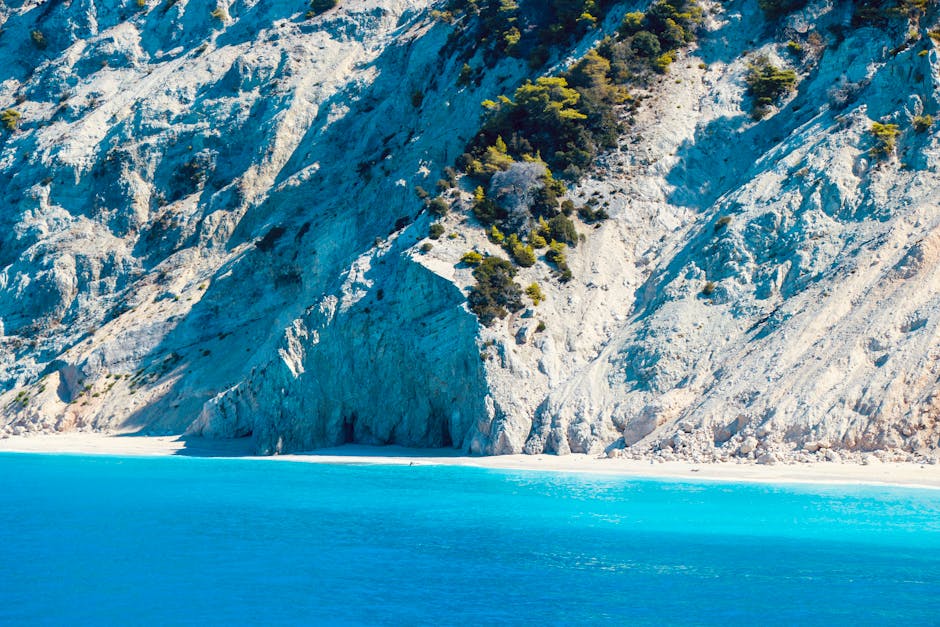
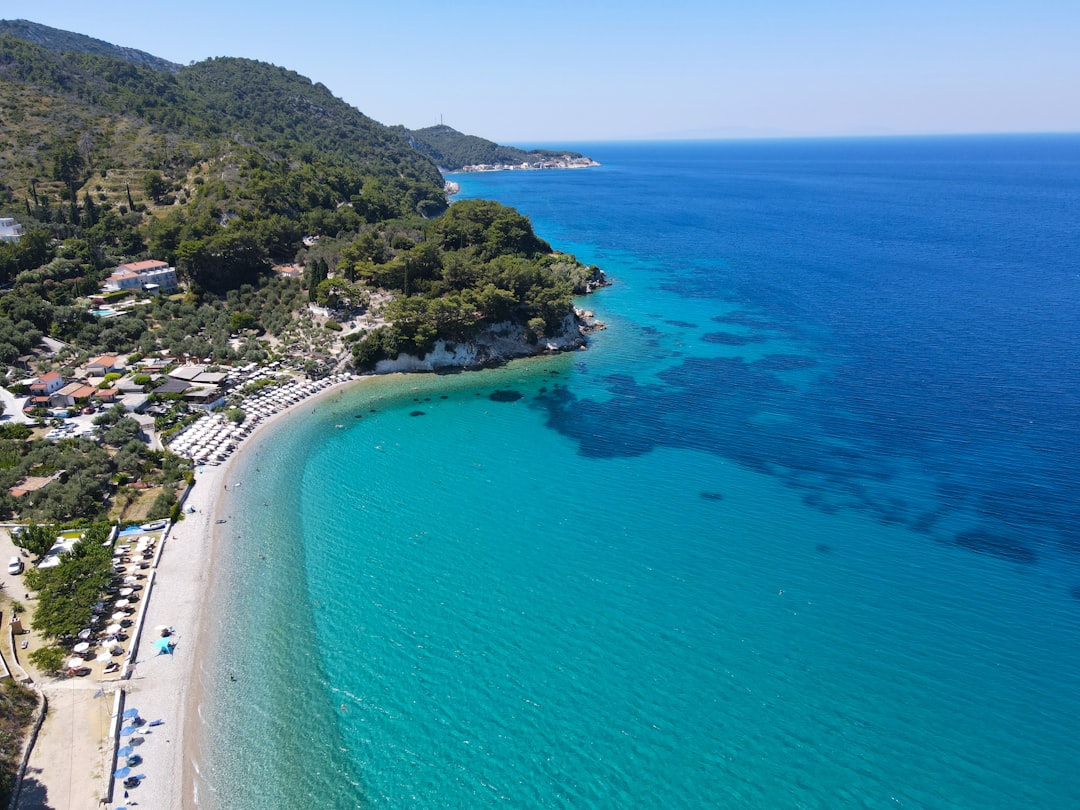
Porto Katsiki, Lefkada — A series of small coves with white sand and turquoise water, accessible by a short hike or a boat trip. The beach is part of a national park, so there are strict rules against littering and noise. Entry is free, but you must respect the environment. Best visited in the spring or fall to avoid the summer heat.
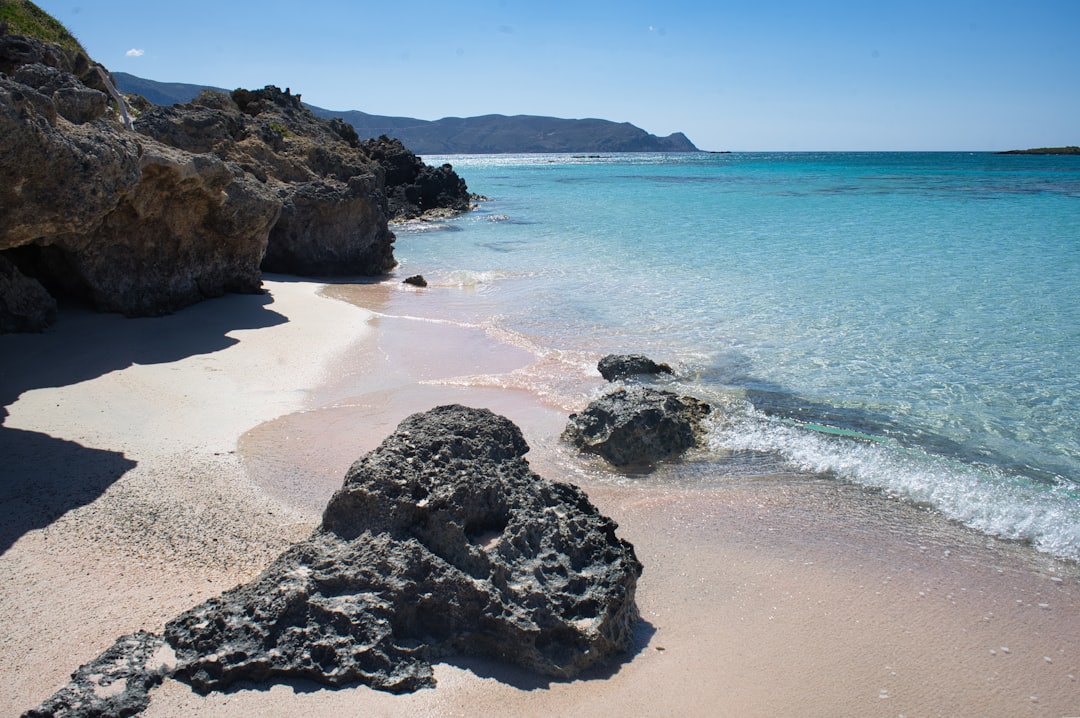
Elafonisi, Crete — Famous for its pink sand and shallow lagoon, Elafonisi is a natural wonder. The beach is a protected area, so facilities are minimal. Entry is free, but you can rent sunbeds and umbrellas for a fee. Best visited early in the day to secure a spot, as it gets crowded quickly.
What to Eat & Drink
Food in Greece is not just sustenance; it’s a ritual. At the beaches, you’ll find simple, fresh dishes that reflect the local terroir. Expect grilled fish, octopus, and salads made with vegetables from nearby farms. Drinks are equally important — ouzo, raki, and cold beer are staples. Here’s what to expect:
- Grilled Octopus — 8-12 EUR per serving, served with lemon and olive oil.
- Sea Bass — 12-15 EUR per portion, grilled whole with herbs.
- Horiatiki Salad — 5-7 EUR, a classic Greek salad with tomatoes, cucumbers, olives, and feta.
- Ouzo — 3-5 EUR per shot, an anise-flavored spirit best served with meze.
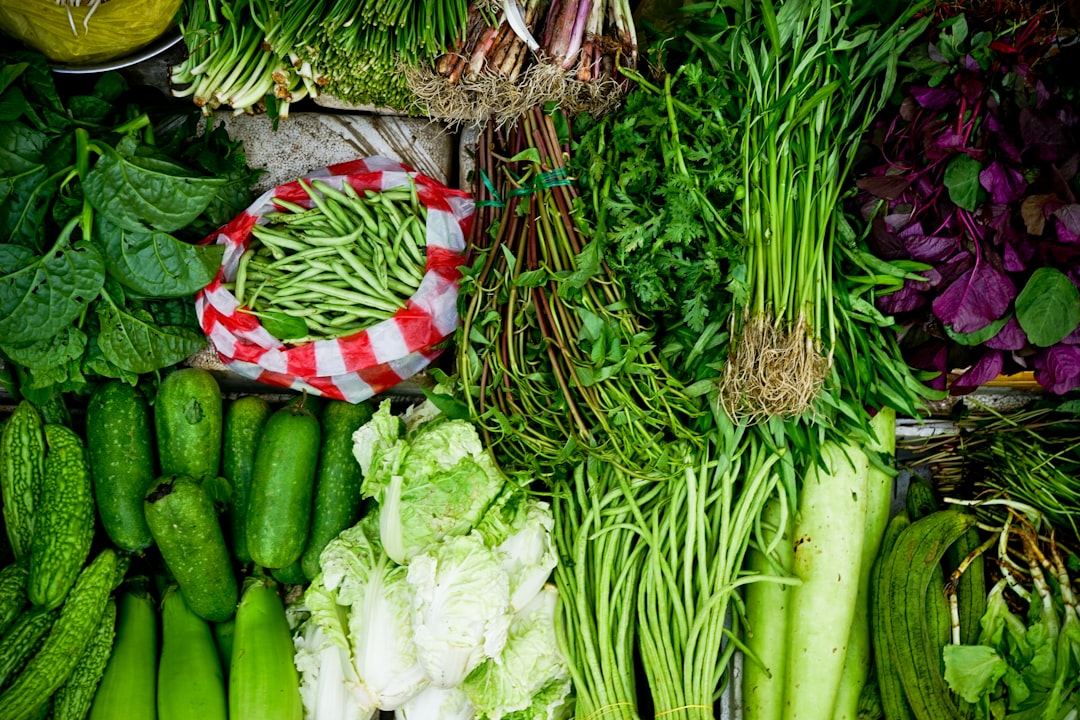
Budget travelers can find street food and take-away options for 3-5 EUR per meal, while sit-down tavernas range from 10-20 EUR per person. Mid-range restaurants offer more variety and comfort, with prices between 15-25 EUR. For the best experience, head to the local markets in Chania or Corfu Town, where you can buy fresh produce and prepare your own meals.
Nightlife
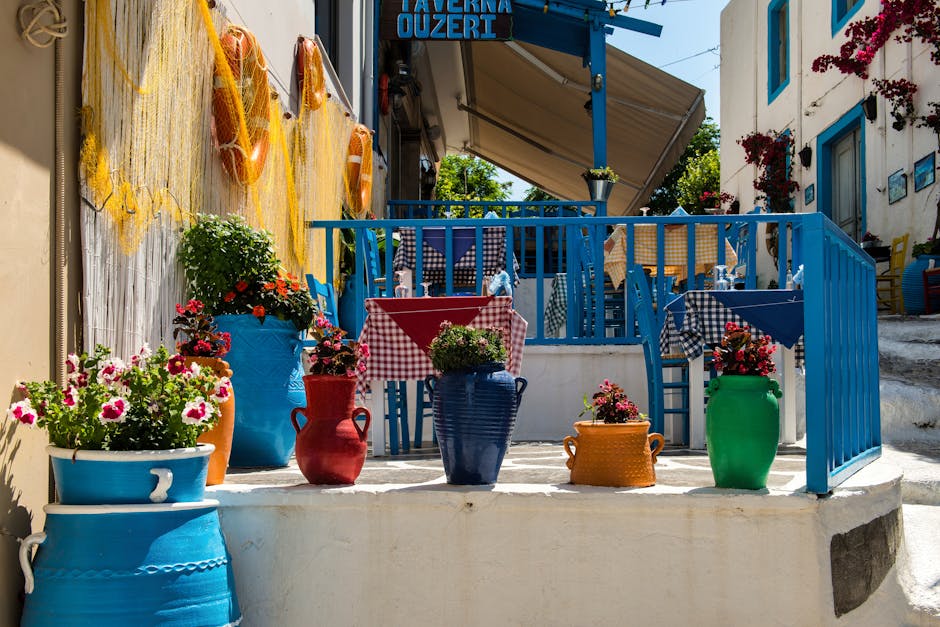
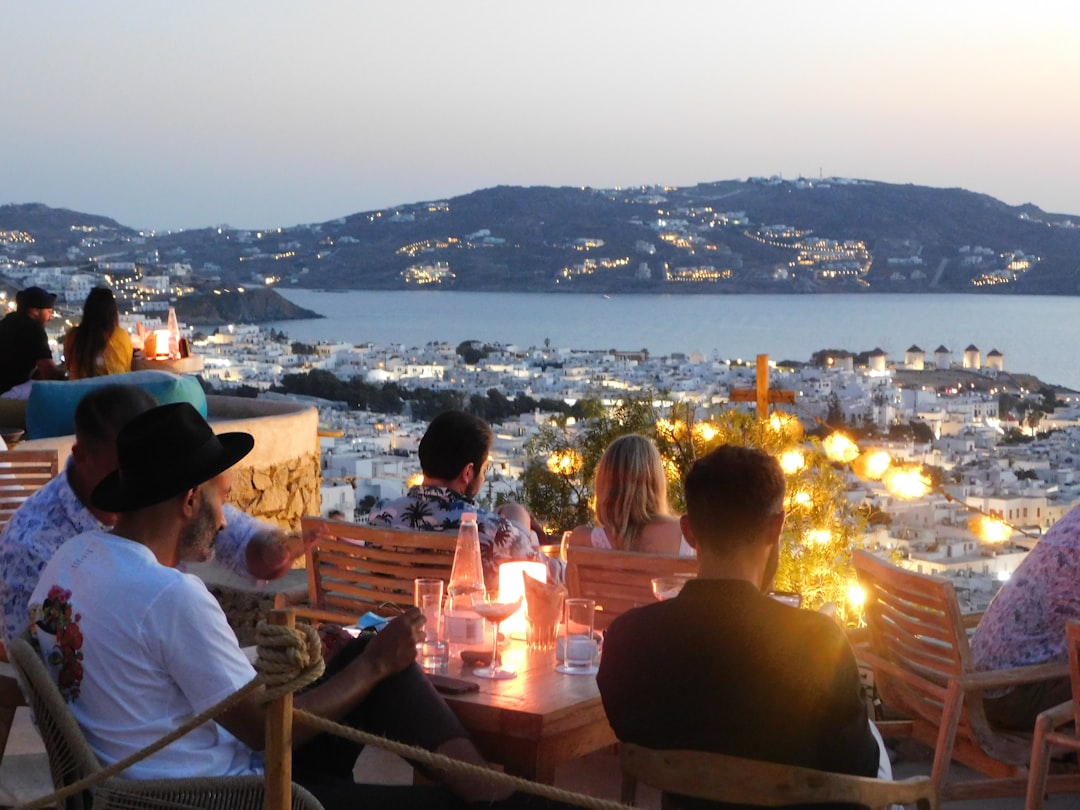
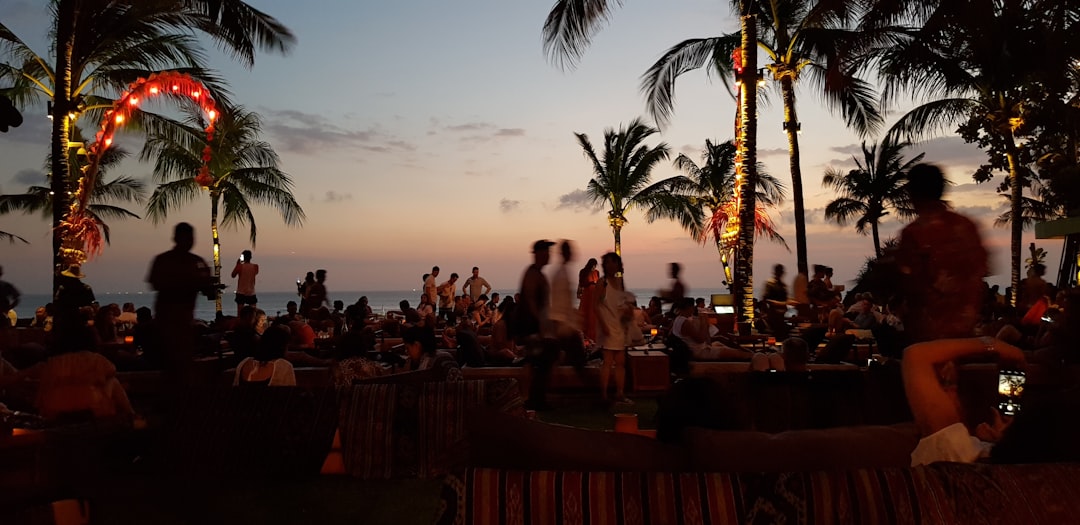
While some beaches are about silence, others are about sound. The nightlife in Greece is vibrant, diverse, and often unexpected. In Mykonos, the clubs are legendary, with world-famous DJs and a crowd that parties until dawn. In Ios, the atmosphere is more relaxed, with beach bars and live music. In Naxos, the nightlife is centered around the old town, with traditional music and local wines.
But if you’re looking for something off the beaten path, head to Samos, where the beach bars offer a mix of Greek and international music, and the locals are friendly and welcoming. Or try Kos, where the nightlife is more subdued but still lively, with a focus on traditional Greek culture.
Getting There & What to Expect
Getting to these beaches requires some planning. Most are accessible by car, bus, or ferry, but some require a hike or a boat trip. Here’s what you need to know:
- Kriarida Beach — Accessible by a 30-minute hike from the village of Sougia or by a small boat from Chania. Bus from Chania to Sougia takes about 1.5 hours and costs 5-7 EUR.
- Myrtos Beach — Accessible by car or bus from Argostoli. Bus takes about 30 minutes and costs 2-3 EUR.
- Agia Efimia — Accessible by foot from Antiparos village. No public transport, but taxis are available.
- Porto Katsiki — Accessible by a short hike from the village of Nikos. Bus from Lefkada Town takes about 1 hour and costs 3-4 EUR.
- Elafonisi — Accessible by bus from Chania or Rethymno. Bus takes about 2 hours and costs 5-7 EUR.
Accommodation ranges from budget hostels at 20-40 EUR per night to mid-range hotels at 50-100 EUR. Camping is also an option in some areas, with fees around 5-10 EUR per night. Best months to visit are May, June, and September, when the weather is warm but not scorching, and the crowds are smaller.
Search accommodation in Chania on Booking.com →
The Last Wave
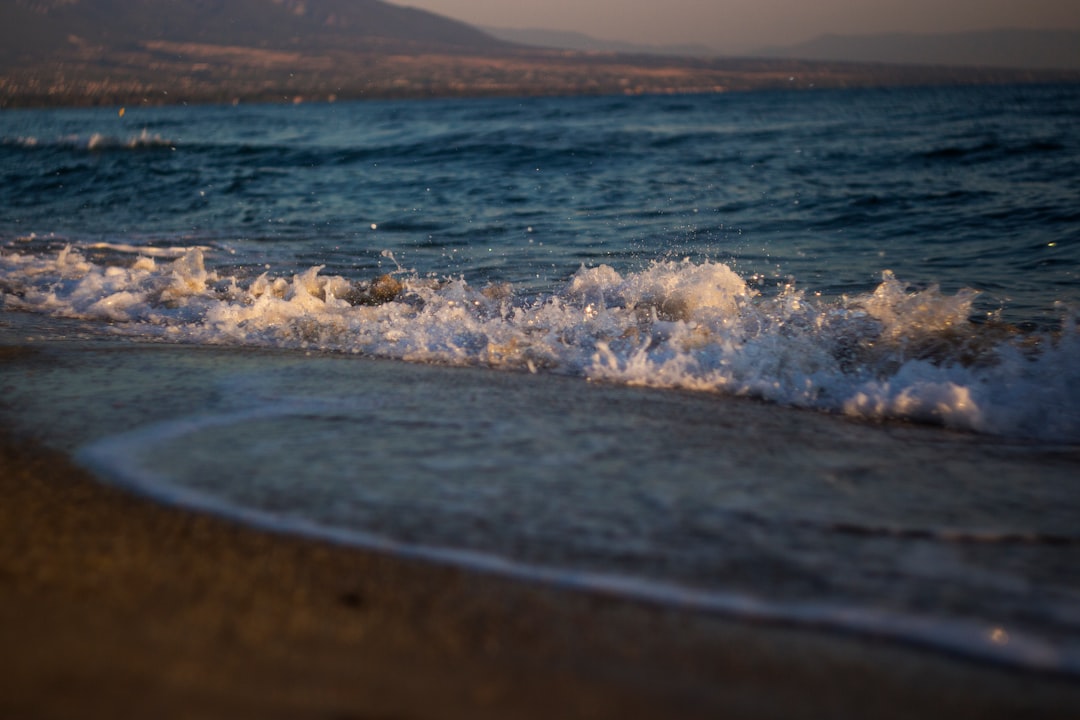
I left Greece with salt in my hair and sand in my shoes, but also with something else: a sense of peace. In a world that’s increasingly loud and chaotic, these beaches offer a rare commodity — silence. Not the silence of emptiness, but the silence of presence. Of being alone with the sea, the sky, and your own thoughts. It’s not about escaping life; it’s about reconnecting with it. And if you’re lucky, you might just find a cove where the only thing that matters is the next wave.
Comments