


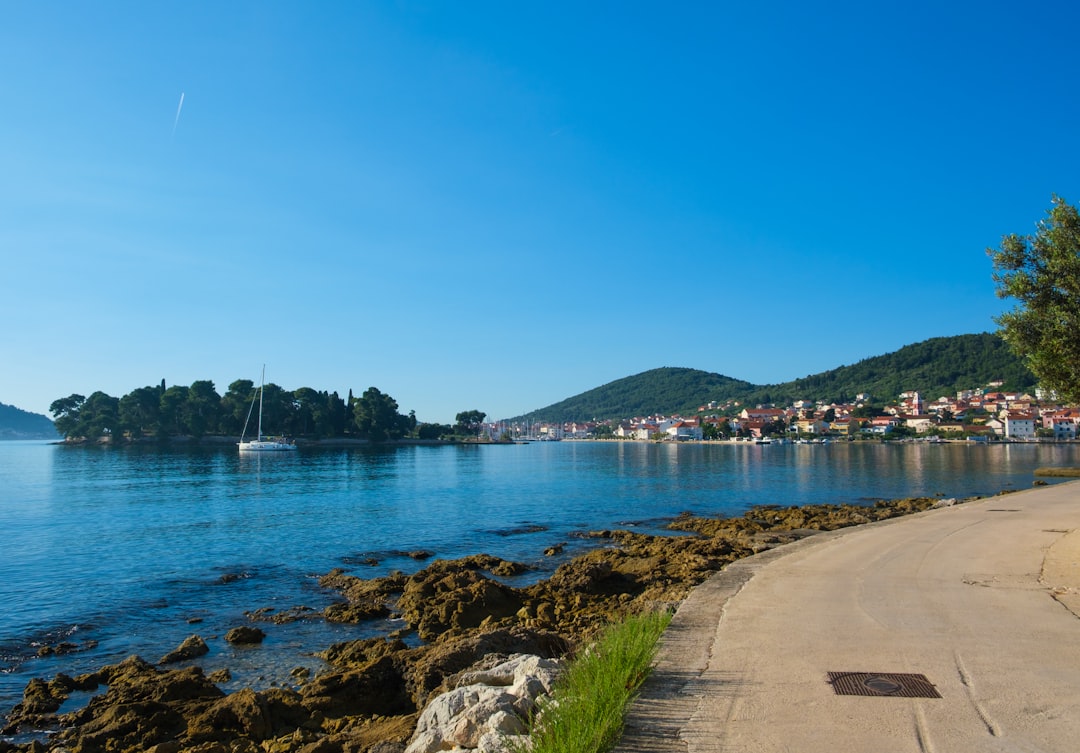
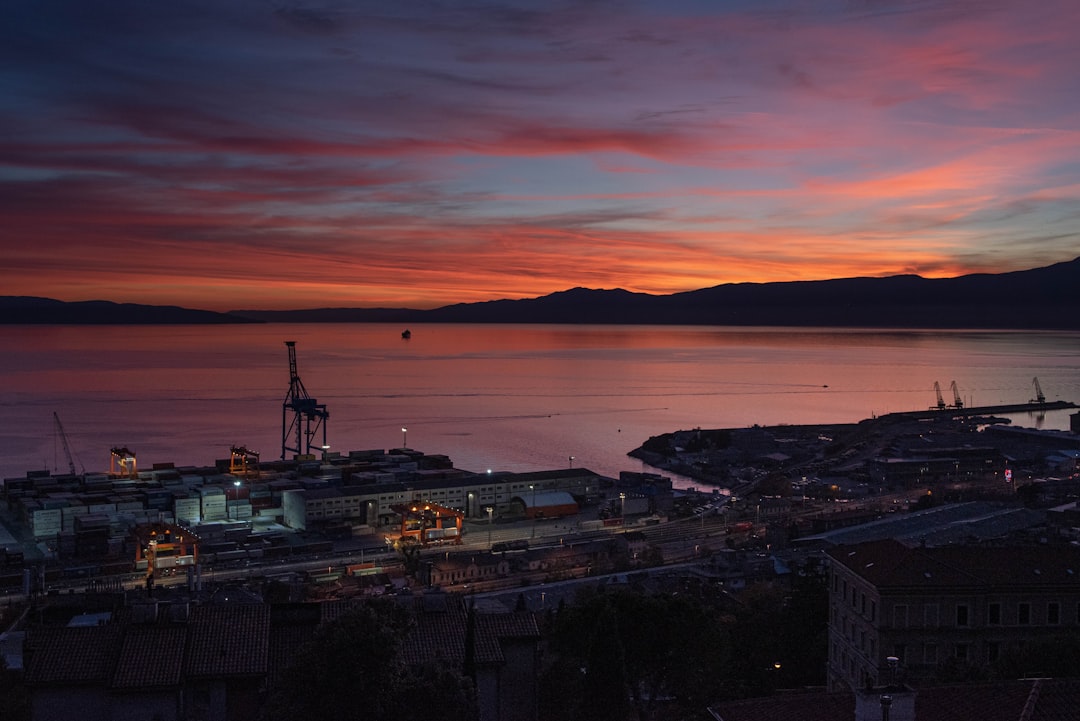
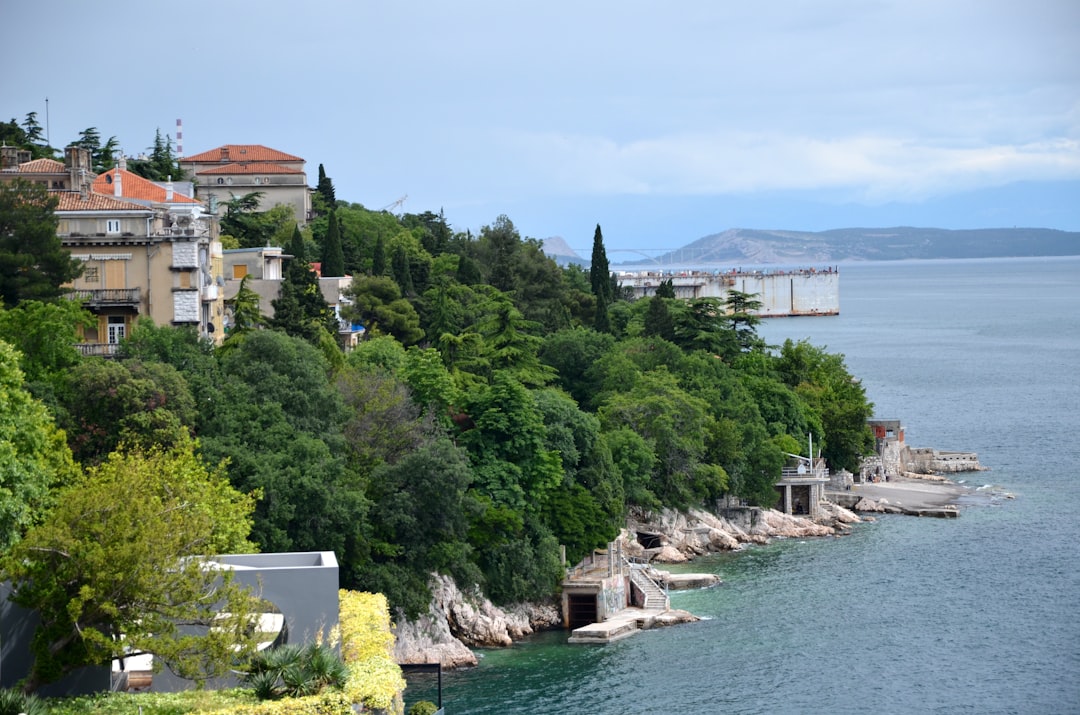
The wind in the Northern Adriatic doesn't just blow; it attacks. I stood on the stone pier in Rijeka, watching the grey waves of the Kvarner Gulf slam against the rusted hulls of fishing boats, my coffee trembling in a paper cup that felt too fragile for the sheer industrial grit of the place. This isn't the postcard-perfect, sun-drenched facade of Dubrovnik. This is the working coast. The air smells of diesel, salt, and old iron. A local dockworker in a high-vis vest spat into the water, looked me up and down, and muttered something about the weather turning. I nodded, feeling the cold spray on my face, and realized I was exactly where I wanted to be. The south is for tourists; the north is for those who want to see how the coast actually lives.
Most travelers fly straight to Dubrovnik, chasing the Game of Thrones sets and the polished marble of the Old Town. But if you drive north, past the highway tunnels and through the dense forests of the Učka peninsula, the vibe shifts dramatically. The architecture gets rougher, the seafood gets fresher, and the prices drop enough to let you actually breathe. I spent a week bouncing between the industrial port city of Rijeka and the Venetian-baroque charm of Rovinj, discovering a coastline that feels less like a museum and more like a living, breathing organism. It's raw, it's loud, and it's completely underappreciated.
History & Identity
The Northern Adriatic coast, particularly the Kvarner region, has always been a tug-of-war between empires. For centuries, this area was the breadbasket and naval stronghold of the Republic of Venice. You can see the scars of this dominance in the architecture: the thick stone walls, the fortified towers, and the narrow, winding streets designed to confuse invaders. But unlike the south, which was largely spared the worst of the industrial revolution, the north embraced it. Rijeka became a major port and industrial hub under the Austro-Hungarian Empire, and later under Yugoslavia. This history created a distinct cultural identity: a mix of Venetian elegance and Slavic resilience, tempered by the hard life of the sea.
The identity here is defined by the sea and the mountains. The Učka mountain range rises abruptly from the coast, creating a dramatic backdrop and a unique microclimate. The wind, known locally as the Bura, is a character in itself. It's a cold, dry, and fiercely powerful wind that can knock you off your feet and clear the skies in minutes. The locals don't complain about it; they respect it. It keeps the air clean, the water cold, and the tourists from the south at bay. This rugged environment has shaped a people who are direct, pragmatic, and deeply connected to their maritime roots.
Today, the region is trying to reconcile its industrial past with its natural beauty. The old shipyards in Rijeka are being transformed into cultural spaces, while the smaller towns like Porto Venere and Volosko are embracing their heritage as historic spa and fishing villages. It's a transition that feels authentic, not manufactured. There's no attempt to hide the rust or the concrete; instead, they're integrated into the narrative, creating a landscape that is both beautiful and real.
Where to Go
Rijeka City Center — The heart of the city is a maze of streets that climb up from the port. The Trg 1. Svibnja (May 1st Square) is the main hub, dominated by the St. Vitus Cathedral. The cathedral is a blend of Romanesque and Gothic styles, with a bell tower that offers a panoramic view of the city and the gulf. The best time to visit is in the late afternoon when the light hits the stone and the locals come out for an espresso. Entry to the cathedral is free, but a donation is appreciated. The surrounding streets are lined with cafes and shops, making it a perfect place to start your exploration.
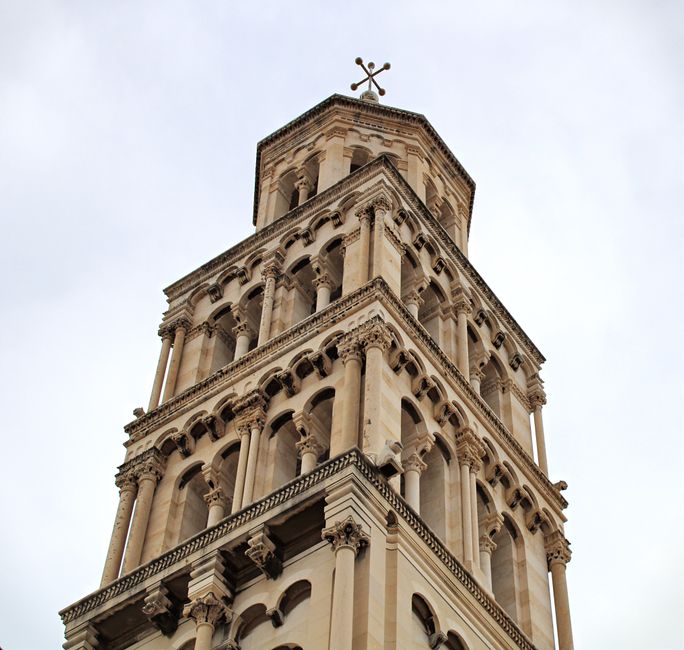
Trsat Castle — Perched atop a hill overlooking Rijeka, Trsat is a medieval fortress that has witnessed centuries of history. The castle itself is a ruin, but the views are incredible. You can drive up or hike the trail from the city, which takes about an hour. At the top, you'll find the St. Mary's Church and a statue of the patron saint of Croatia, Saint Juraj. There's also a small museum inside the castle walls that details the history of the region. The hike is moderate, but the reward is worth it. Entry to the museum is 5 EUR.
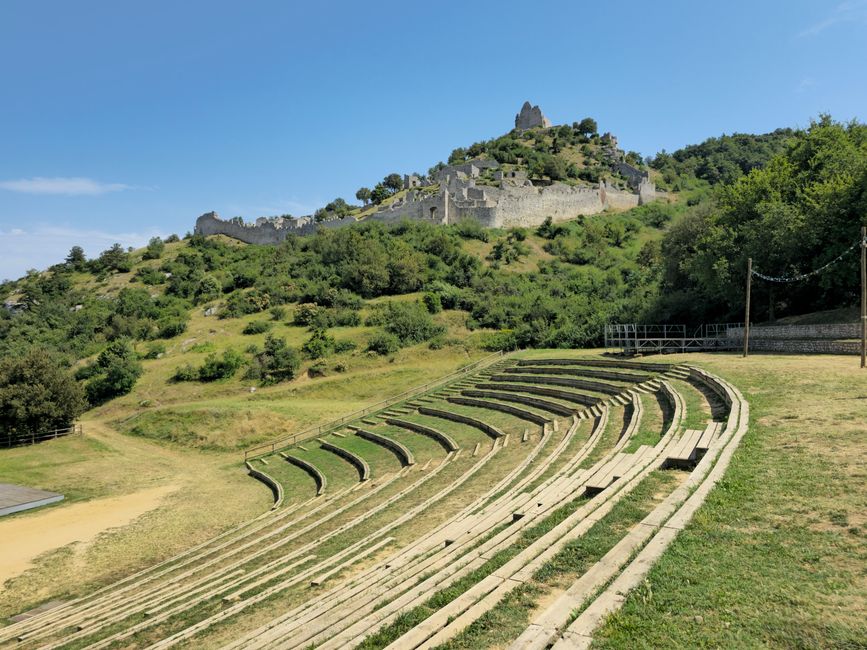
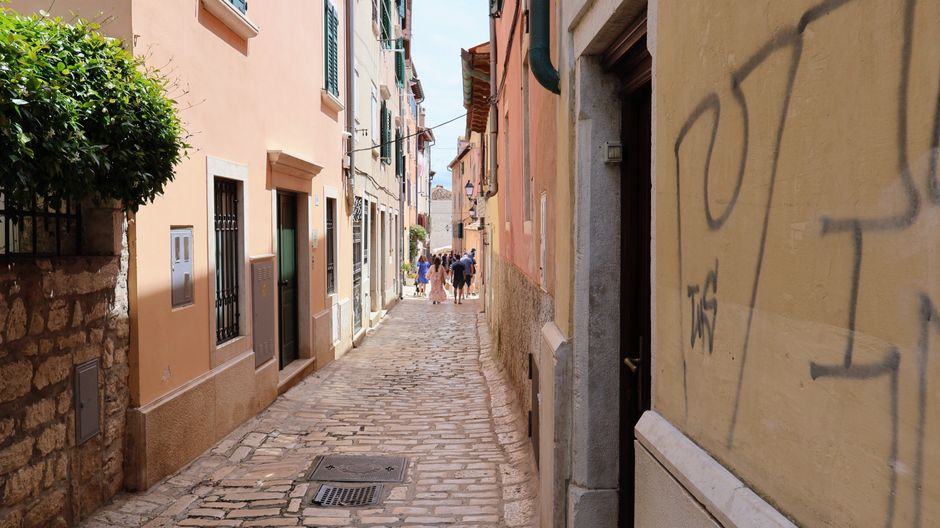
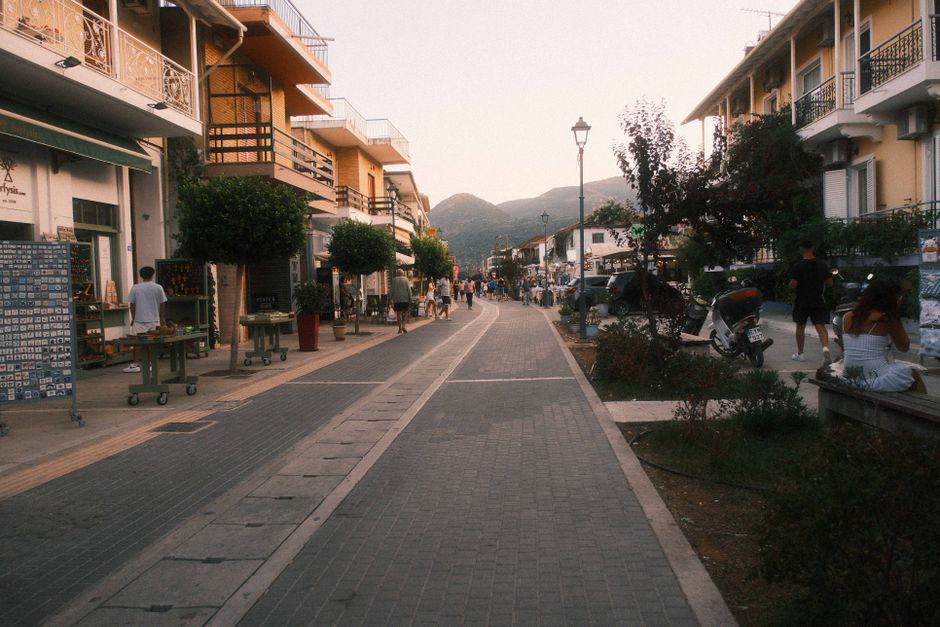
Rovinj Old Town — If Rijeka is the gritty industrial heart, Rovinj is the romantic soul. The old town sits on a narrow peninsula and is a labyrinth of narrow streets, colorful houses, and hidden courtyards. The centerpiece is the Euphrasian Basilica, a 6th-century church with stunning mosaics. The streets are lined with boutique shops and art galleries, but the real magic is in the alleys and the views of the Adriatic. The best time to visit is at sunset, when the light turns the stone golden and the crowds thin out. The peninsula is pedestrian-only, so you have to take a ferry from the mainland. The ferry ride is cheap and scenic.
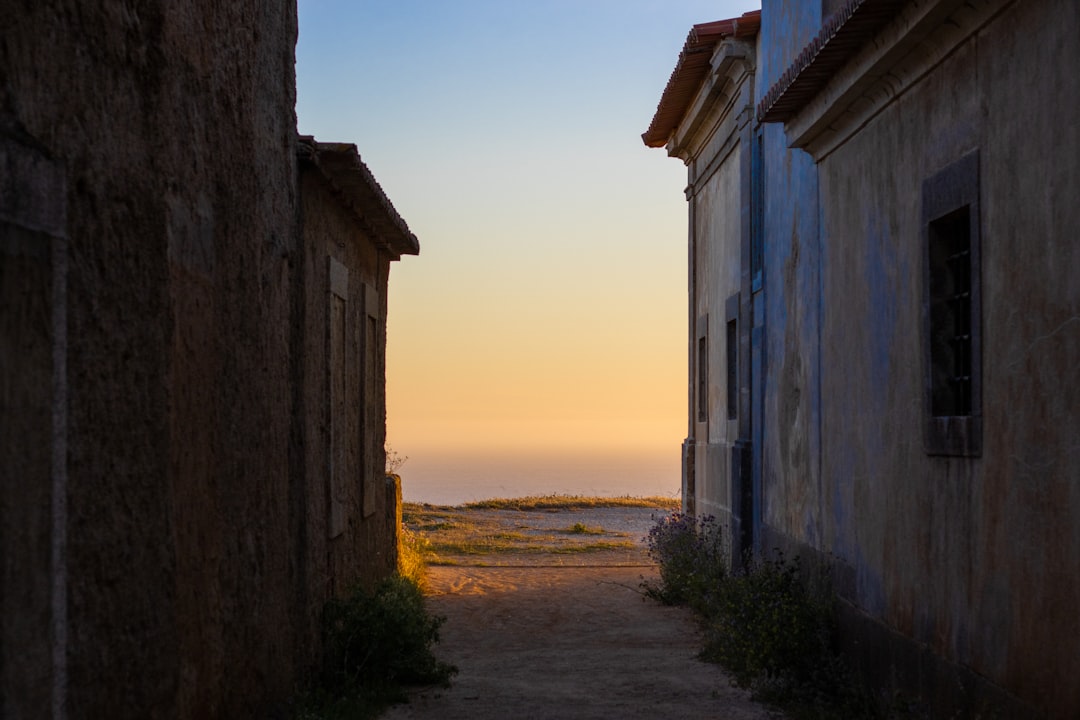
Učka Nature Park — The Učka mountain range is a natural wonder that runs along the coast. It's a great place for hiking, cycling, and exploring the karst landscape. The park is home to a variety of flora and fauna, including rare orchids and wild goats. There are several trails, ranging from easy walks to challenging hikes. The Vojak peak is the highest point, offering panoramic views of the entire Kvarner Gulf. The park is free to enter, but you need to bring water and snacks. The trails are well-marked, but it's easy to get lost if you're not careful.
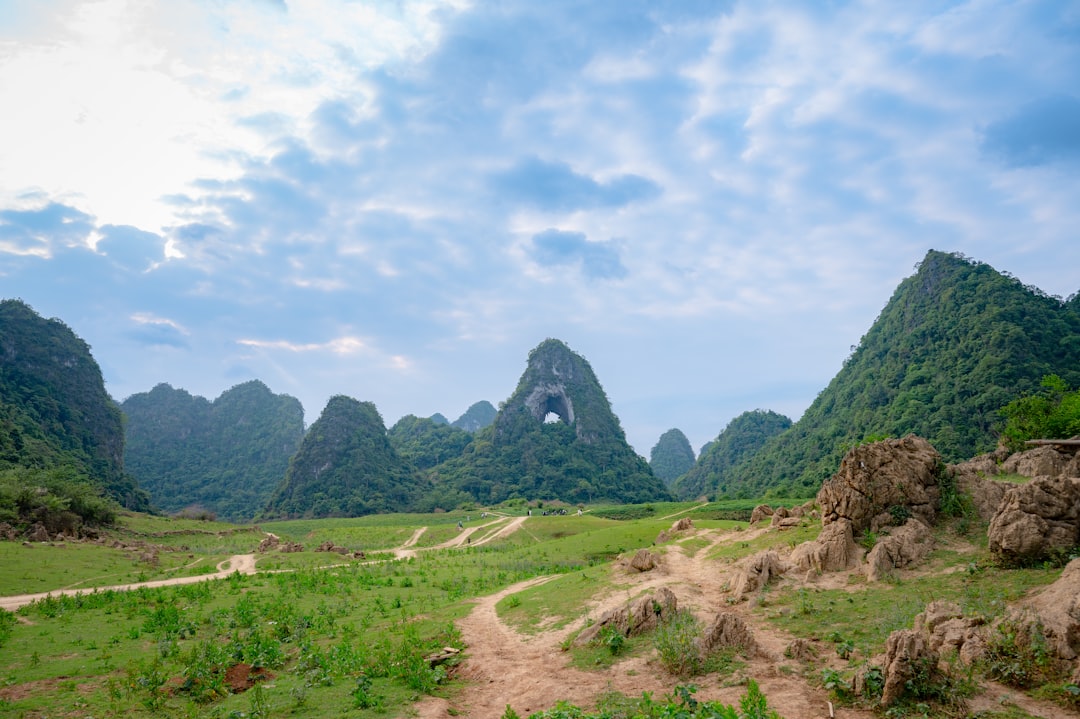
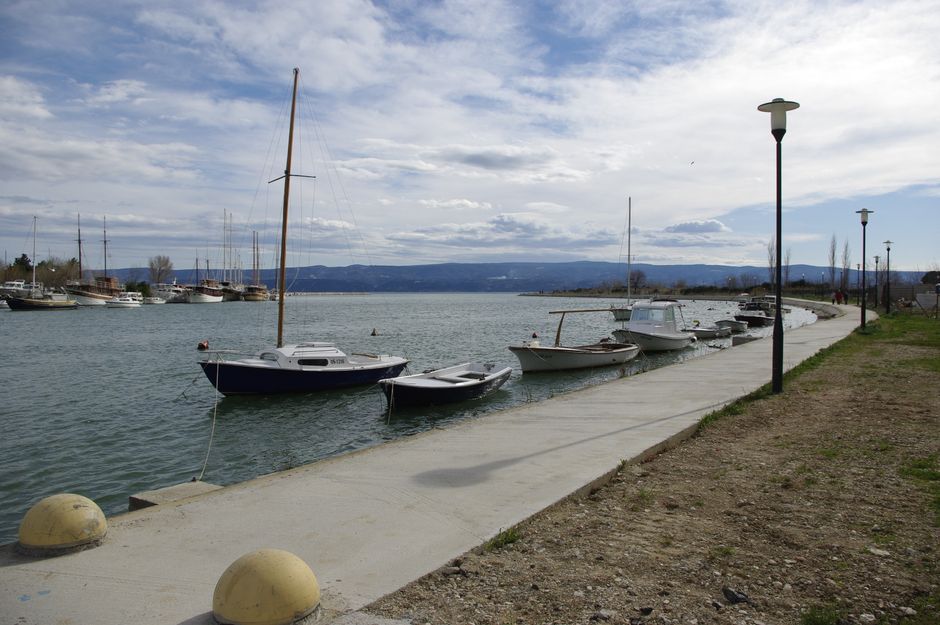
Volosko — A small, quiet town at the base of Učka, Volosko was once a popular spa destination. It's now a peaceful retreat, with a long promenade, a castle, and several beaches. The town is a great place to relax and enjoy the view of the sea. There are several cafes and restaurants along the promenade, serving fresh seafood and local wine. The castle, Kastel Volosko, is now a luxury hotel, but you can walk around the grounds and enjoy the view. It's a perfect place to end your day.
What to Eat & Drink
The food in the Northern Adriatic is a reflection of its maritime history. The menu is dominated by seafood, but with a twist. Unlike the south, where the focus is on simplicity and freshness, the north has a more complex culinary tradition, influenced by Venetian and Austrian flavors. Here's what to eat:
- Crni Rižot — Black risotto made with squid ink. It's rich, creamy, and intensely flavorful. 8-12 EUR
- Pašticada — A slow-cooked beef stew with prunes and raisins, served with homemade gnocchi. It's a hearty, comforting dish that's perfect for a cold day. 10-15 EUR
- Fritule — Small, fried doughnuts filled with raisins and rum. They're a traditional dessert, often served with coffee. 2-4 EUR
- Oštro Grah — A spicy bean stew, often served with sausages. It's a simple, rustic dish that's popular in the inland areas. 5-8 EUR
- Rabula — A local wine from the island of Rab. It's a sweet, fortified wine that's perfect for dessert.
For budget travelers, the street food scene is limited, but there are plenty of bakeries and cafes that serve cheap and delicious snacks. Krofne (doughnuts) and Burek are ubiquitous and cost 1-3 EUR. For a sit-down meal, you can expect to pay 8-15 EUR per person at a local restaurant, and 15-25 EUR at a mid-range place. The best place to eat is in the old towns, where the atmosphere is lively and the food is fresh. In Rijeka, head to the Riva promenade, where there are several seafood restaurants. In Rovinj, the Old Town is packed with options, from casual cafes to upscale dining.
For take-away options, look for the local "pekara" (bakery) or "tržnica" (market). They sell fresh bread, pastries, and local cheeses. You can also find pre-made meals like Peka (meat and vegetables baked under a bell) at some market stalls. It's a great way to eat well without breaking the bank.
Nightlife
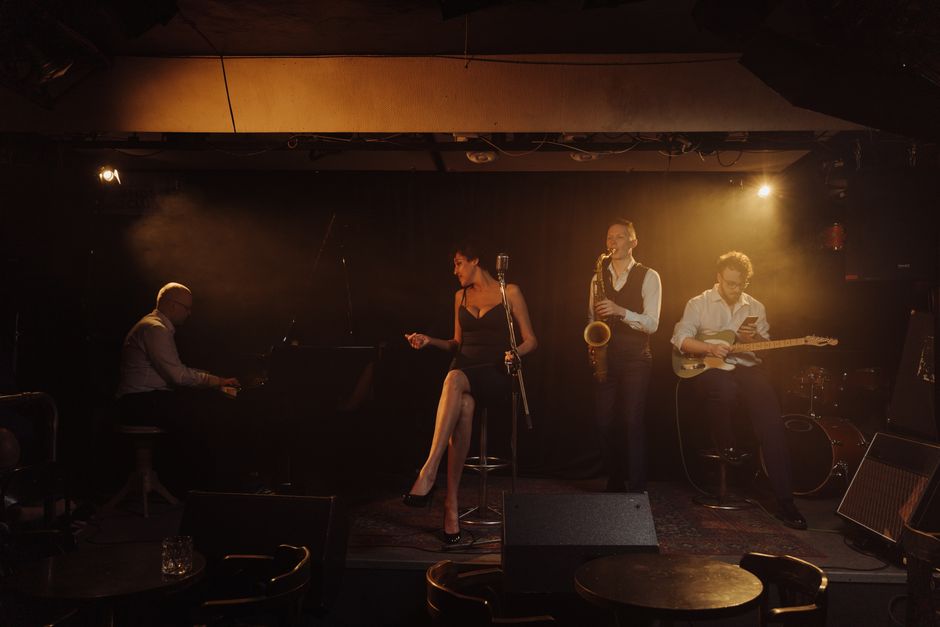
The nightlife in the Northern Adriatic is more low-key than in Dubrovnik, but it has its own charm. In Rijeka, the action centers around the Riva promenade and the Trg 1. Svibnja square. There are several bars and clubs, ranging from casual pubs to upscale lounges. The music is a mix of local bands, DJ sets, and international hits. The cover charge is usually 2-5 EUR, and drinks are 3-6 EUR. The atmosphere is relaxed and friendly, with a mix of locals and tourists.
In Rovinj, the nightlife is more intimate. The bars are tucked away in the narrow streets of the Old Town, and the music is often live jazz or acoustic guitar. The cover charge is usually 0-3 EUR, and drinks are 4-8 EUR. The atmosphere is romantic and cozy, perfect for a quiet evening with a drink. The best time to go out is in the summer, when the weather is warm and the streets are filled with people.
For a more local experience, head to the smaller towns like Volosko or Motovun. The bars here are small and family-run, serving local wine and beer. The music is often traditional folk music, and the atmosphere is warm and welcoming. It's a great way to meet the locals and experience the culture.
Getting There & What to Expect
The nearest international airport is Rijeka Airport (RJK), which has limited connections. Most travelers fly into Zagreb Airport (ZAG) or Pula Airport (PUY) and take a bus or train. From Zagreb, the drive to Rijeka takes about 2.5 hours, and the bus costs 10-15 EUR. From Pula, the drive to Rovinj takes about 1.5 hours, and the bus costs 5-10 EUR. The train network in Croatia is limited, but there is a direct train from Zagreb to Rijeka, which takes about 3 hours and costs 15-20 EUR.
Accommodation prices vary depending on the season. In the high season (July-August), budget hostels cost 20-40 EUR per night, and mid-range hotels cost 60-100 EUR per night. In the low season (October-May), prices drop significantly, with hostels costing 10-20 EUR and mid-range hotels costing 30-50 EUR. The best time to visit is in the shoulder seasons (May-June and September-October), when the weather is mild and the crowds are smaller.
Expect a mix of industrial grit and natural beauty. The coast is rugged and wild, with strong winds and cold water. The people are direct and pragmatic, but also warm and welcoming. The food is fresh and flavorful, and the nightlife is low-key but charming. It's a place that rewards exploration and patience, and it's well worth the trip.
Search accommodation in Rijeka on Booking.com →
Final Thoughts: The Real Coast
I left the Northern Adriatic with salt in my hair and a headache from the Bura wind. It wasn't the polished, sanitized experience I'd had in the south. It was messier, louder, and more honest. The rust on the ships in Rijeka wasn't a bug; it was a feature. It told a story of work, of weather, of survival. And in Rovinj, the quiet streets at night felt less like a stage set and more like a home. This coast doesn't try to impress you. It just is. And if you're willing to look past the postcards, it might just surprise you. The Northern Adriatic isn't a place you visit; it's a place you endure, and in the enduring, you find something real.
Comments