


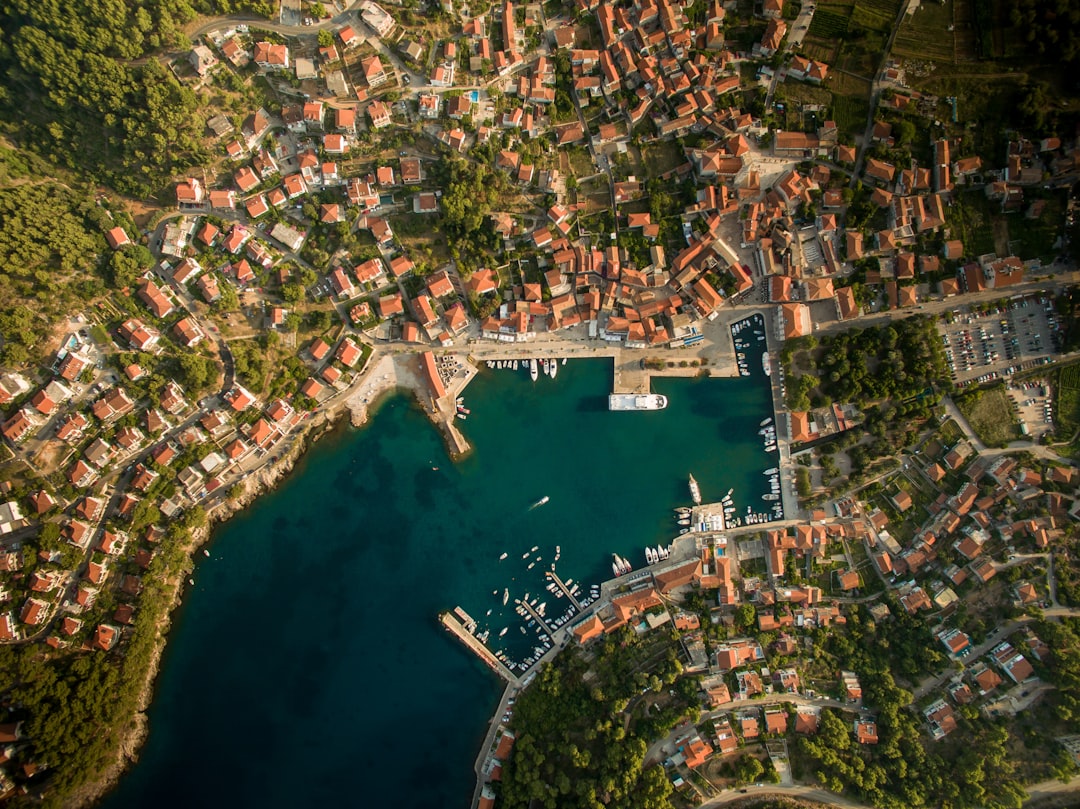
I sat on a rusted tractor seat at the edge of a limestone cliff on Rab Island, nursing a lukewarm beer and watching a ferry slam through whitecaps like a drunken boxer. The wind on the Kvarner Gulf doesn't just blow; it assaults. It strips the paint off your soul and leaves you raw, staring at the Adriatic’s teeth. I came here to escape the cruise-ship vomit of Dubrovnik, where tourists shuffle like zombies between photo ops and overpriced gelato. Instead, I found something sharper, louder, and infinitely more alive. The Kvarner islands — Rab, Krk, Cres, Losinj, and Pag — don’t care about your Instagram feed. They care about the wind, the sea, and whether you can handle the truth.
My first night, I was chased off a beach by a local fisherman because I’d parked my backpack too close to his drying nets. He didn’t yell. He just pointed at the water, then at my bag, then made a sweeping gesture that clearly meant, "Move, you idiot." I moved. That’s the deal here: respect the rhythm, or get swept aside. The Kvarner Gulf isn’t a postcard. It’s a working marine highway, a labyrinth of salt-sprayed stone and stubborn locals who’ve survived empires, wars, and tourism bubbles. And yet, beneath the grit, there’s a beauty that doesn’t shout — it whispers in the creak of wooden boats and the scent of wild thyme crushed underfoot.
History & Identity
The Kvarner Gulf has been a crossroads since antiquity. Krk, the largest island, was a Venetian stronghold for centuries, and you can still see the ghost of that empire in its stone fortresses and baroque churches. But before Venice, there were the Liburnians, an Illyrian tribe who built coastal settlements and dominated Adriatic trade. Their legacy lives on in place names and the rugged, independent spirit of the islanders. When I walked through the old town of Krk Town, I felt that layered history — not as museum exhibits, but as living walls, cracked and sun-bleached, holding stories in their mortar.
Rab was even more contested. Venetian, Ottoman, Habsburg — the island changed hands like a hot potato. Its medieval core, with the Gothic cathedral and narrow alleys, feels like a time capsule, but it’s a capsule that’s been opened, shaken, and refilled multiple times. I met a bartender in Rab Town who told me his family had been “Venetian, then Austrian, then Yugoslav, then Croatian — and still Croatian.” He laughed, but there was steel in his eyes. The Kvarner islands don’t just have history; they’ve been forged by it.
Then there’s Cres and Losinj, twin islands separated by a narrow channel so shallow you can almost step across. They’re quieter, wilder, and fiercely protective of their forests and wetlands. Losinj was once a summer retreat for European royalty, drawn by its clean air and crystal waters. Today, it’s a haven for divers and those seeking silence. I spent an afternoon walking through its pine forests, the only sound the crunch of pine needles and the distant cry of a gull. It felt like stepping into a different century — one where time moves at the speed of the tide.
Where to Go
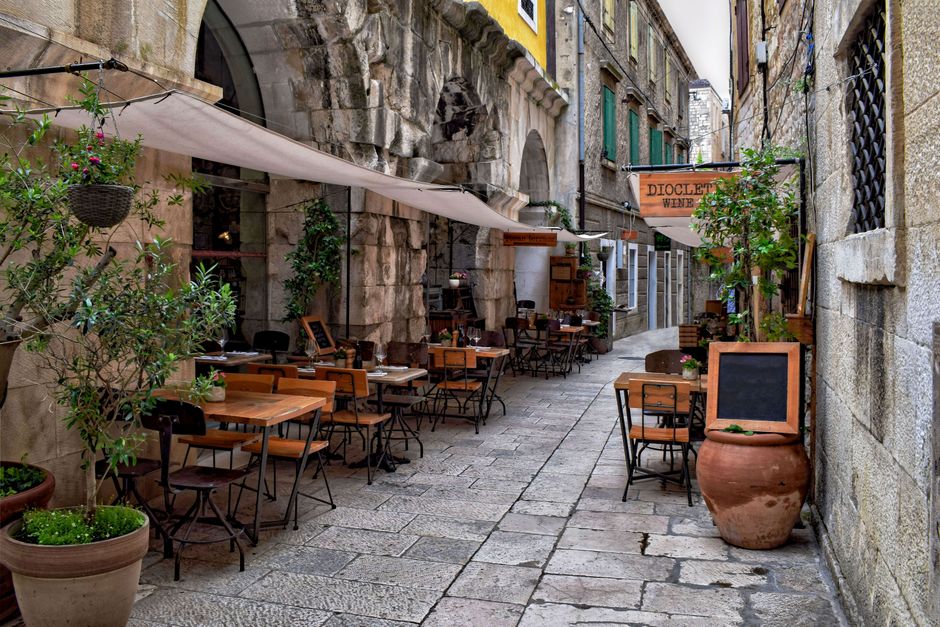
Rab Old Town — The medieval heart of Rab Island, this labyrinth of stone streets and hidden squares is a masterclass in Gothic and Venetian architecture. The Cathedral of St. Mary Ascension, with its bell tower offering panoramic views, is the centerpiece. Entry to the cathedral is free, but climbing the tower costs 3 EUR. Go early morning to avoid the heat and crowds. The narrow alleys, like St. John’s Street, are best explored barefoot — the stone gets hot, but it’s worth it for the feel of history underfoot.
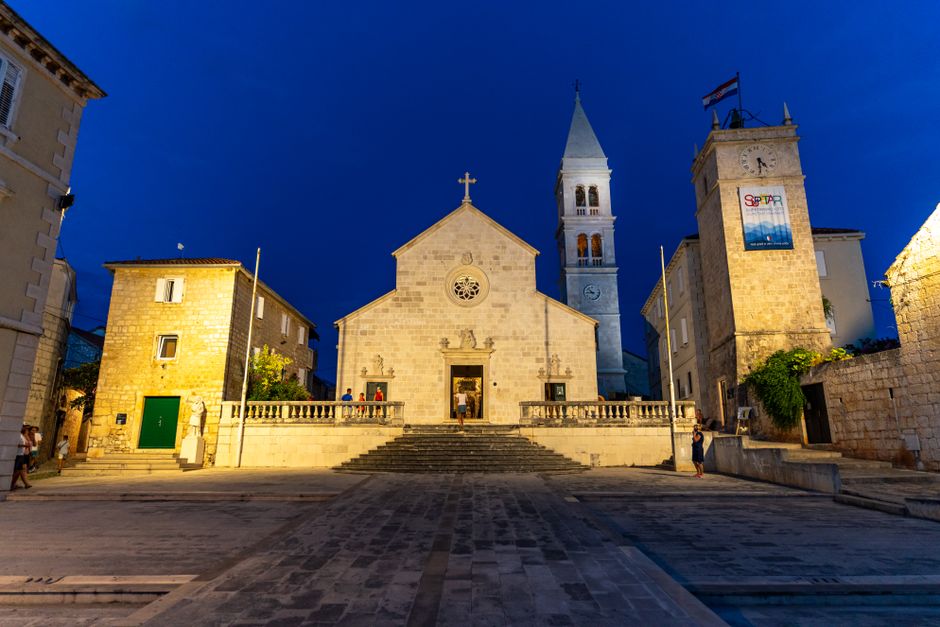
Krk Fortress — Perched on a hill overlooking Krk Town, this 15th-century Venetian fort is a stark reminder of the island’s strategic importance. The climb up is steep, but the views of the bay and surrounding islands are worth the sweat. Entry is 5 EUR. Visit at sunset for the best light on the stone walls and the golden glow over the water. The fortress isn’t just a ruin; it’s a stage where empires played out their dramas.
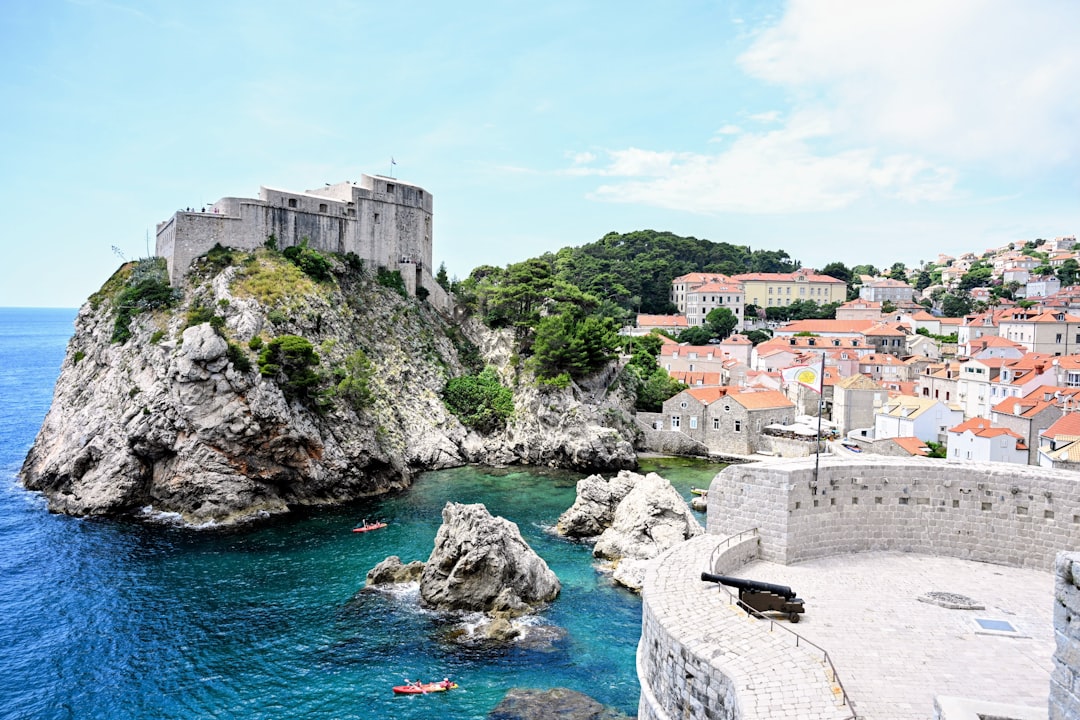
Nine Wells on Pag — This ancient Roman settlement on the southern tip of Pag Island is a hauntingly beautiful ruin, with nine stone wells that once supplied water to a thriving community. It’s a short hike from the main road, and the site is free to enter. The best time to visit is late afternoon, when the long shadows stretch across the stone and the sea breeze carries the scent of salt and sage. Bring water — there’s none for sale here.
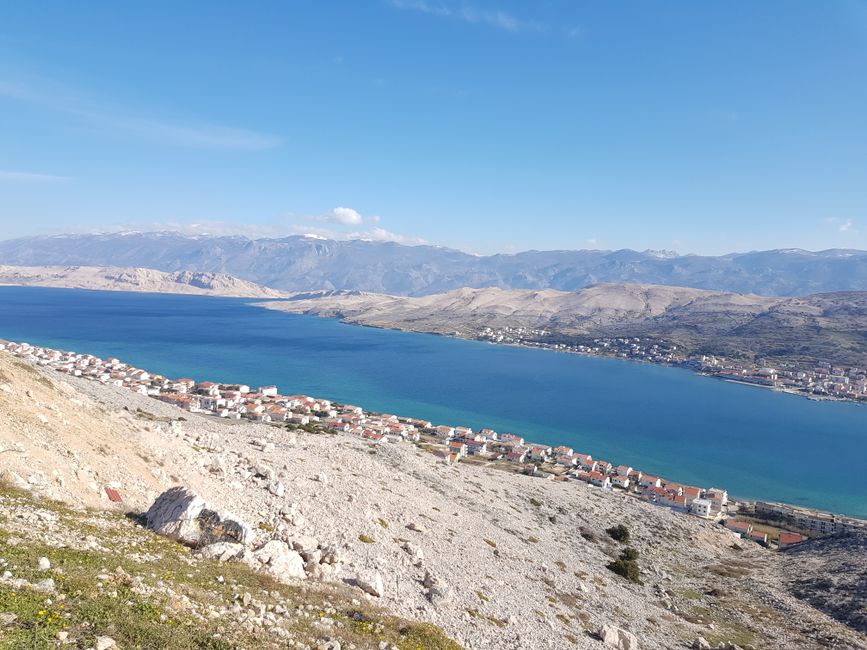
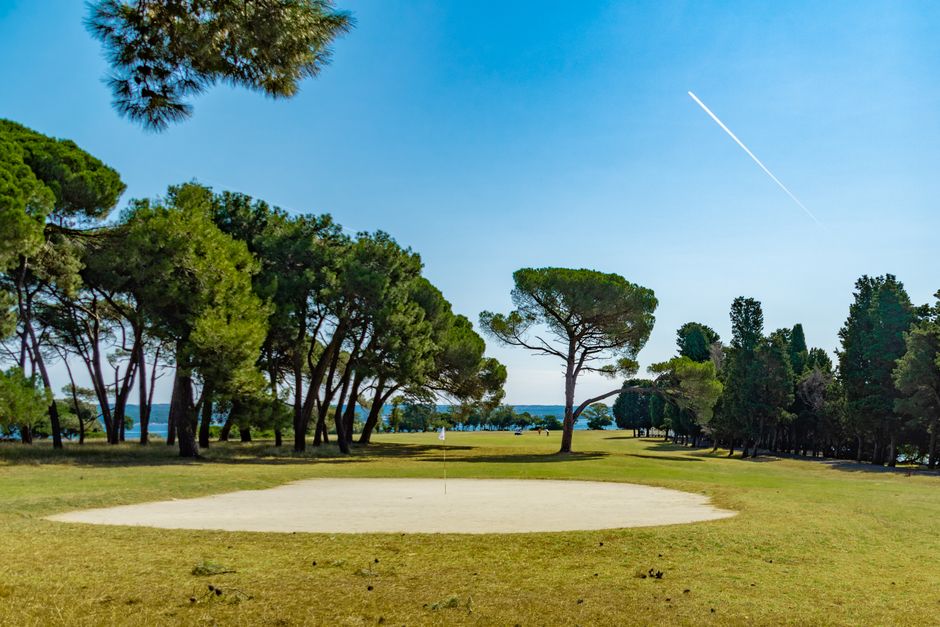
Losinj Pine Forests — The island of Losinj is covered in fragrant pine forests, with trails that wind through ancient trees and open to sudden views of the Adriatic. The St. Anthony Trail is a gentle 3km walk that passes through dense woodland and ends at a secluded beach. There’s no entry fee, but respect the silence — this is a protected area. Go with sturdy shoes; the roots are treacherous in the rain.
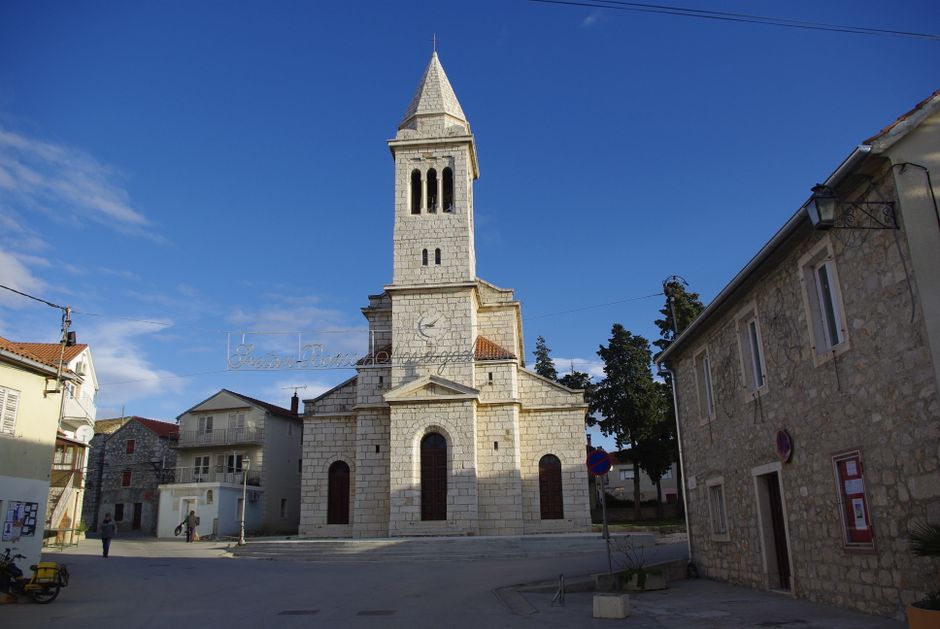
Cres Old Town — The medieval core of Cres Island is a quiet, unspoiled gem, with a Venetian-style square and a 15th-century church. The Church of St. Mary houses a valuable iconostasis, and the surrounding alleys are perfect for getting lost. Entry to the church is free. The best time to visit is mid-morning, when the light is soft and the streets are empty. Grab a coffee at Café Cres and watch the world go by.
What to Eat & Drink
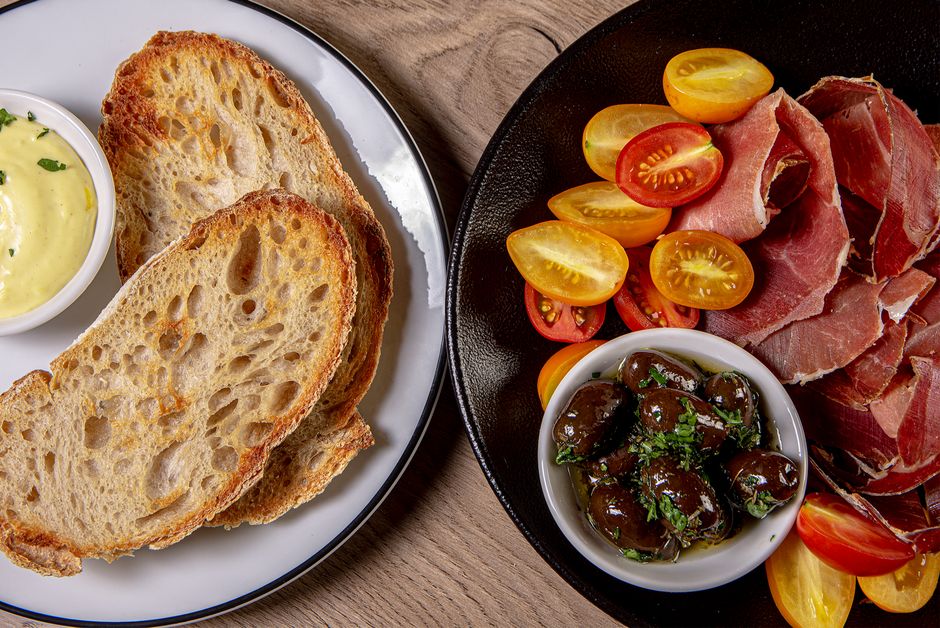
The food here is simple, bold, and deeply tied to the sea. Pršut — cured ham from Pag Island — is the star, with a salty, smoky flavor that melts in your mouth. You’ll find it in every restaurant, often served with local cheese and olive oil. A plate costs 8-12 EUR. For seafood, try crni rižot — black risotto made with cuttlefish ink — which is rich, briny, and unforgettable. A portion runs 10-15 EUR. Don’t skip the lumbard, a local white wine made from the Malvasia grape, crisp and perfect with fish.
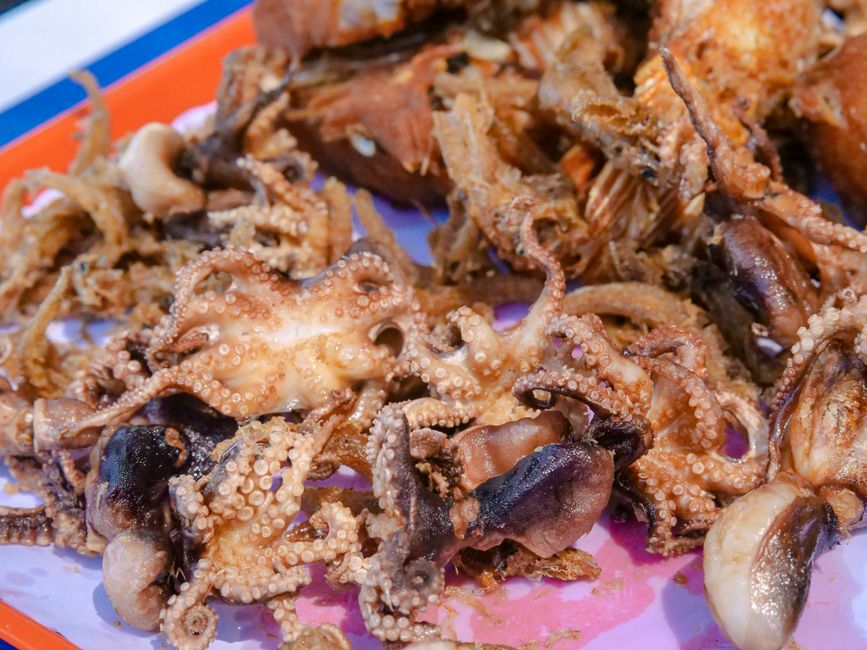
For budget eats, head to the fish markets in Rab Town or Krk Town, where you can buy fresh catch for 5-8 EUR per kilo and have it grilled at nearby stalls. Street food is limited, but rožata — a creamy caramel custard — is a must-try dessert, available at most cafes for 2-3 EUR. In Cres, the Piazza is lined with small eateries serving homestyle meals like fuži pasta with truffle sauce, priced at 12-18 EUR.
Dining out varies by island. In Rab and Krk, sit-down meals at local restaurants run 15-25 EUR per person, while mid-range spots with sea views can hit 25-35 EUR. On Losinj and Cres, prices are slightly lower, with many family-run taverns offering set lunches for 10-15 EUR. For the ultra-budget, grab a šunka i sir (ham and cheese) sandwich from a bakery for 3-4 EUR and eat it on a bench overlooking the water.
Nightlife
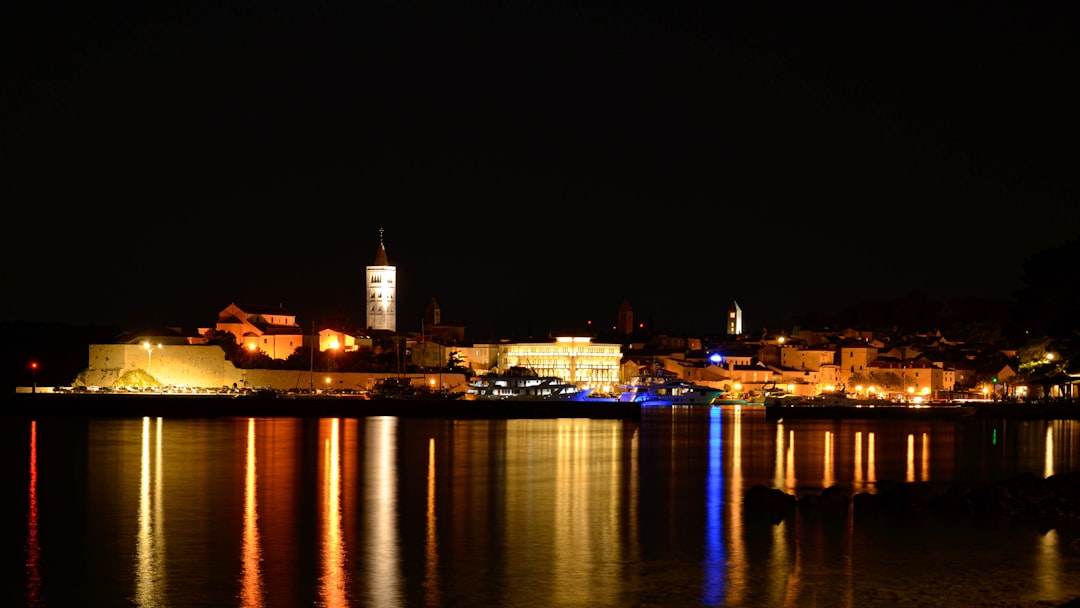
Nightlife in the Kvarner Gulf is low-key, with a focus on local wine, live music, and sea breezes. In Rab Town, the Old Town comes alive at night with bars spilling onto the stone streets. Bar Luce is a favorite for its craft cocktails and DJ sets on summer Fridays, with a cover charge of 3-5 EUR on weekends. Club Marina, near the port, plays electronic music and draws a younger crowd, but keep expectations modest — this isn’t Ibiza.
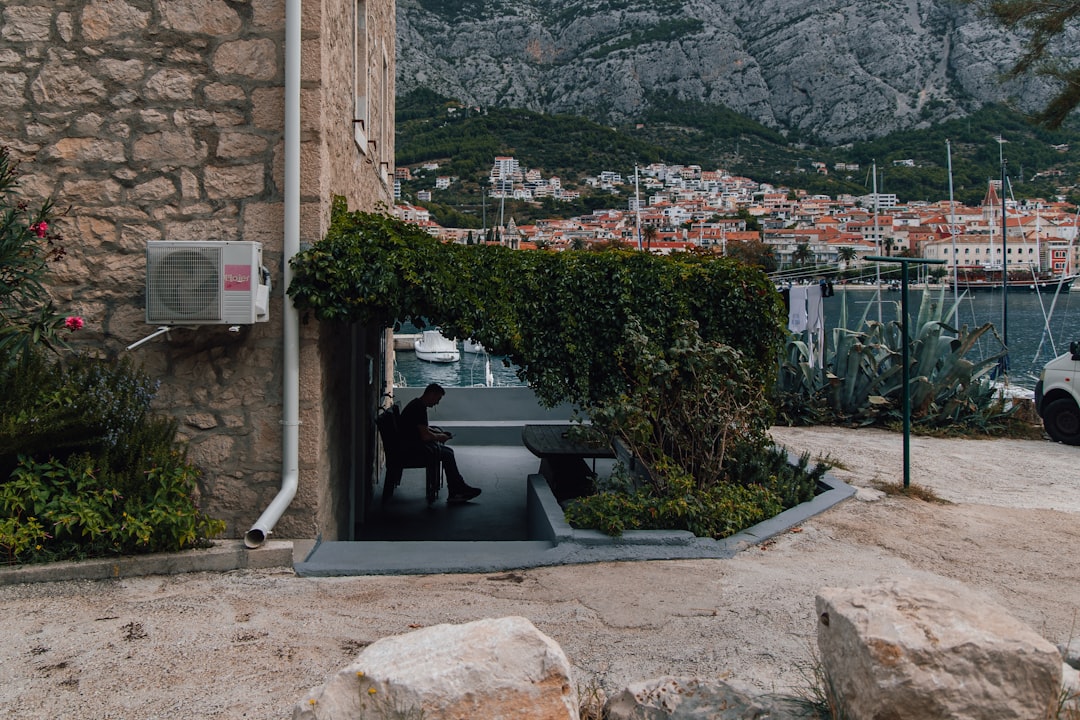
Krk Town has a more relaxed vibe, with Bar Galeb offering live folk music on Thursdays and a terrace with views of the harbor. No cover charge, just buy a drink (3-4 EUR). On Losinj, nightlife is virtually nonexistent after 10 PM, which is part of the charm. The island is for sleeping under the stars, not dancing till dawn. If you’re after a late-night drink, head to Bar Vela in Veli Losinj, where the owner pours rare local wines and tells stories that last until the sun comes up.
Getting There & What to Expect
The nearest major airport is Rijeka Airport, about 30km from the Kvarner Gulf islands. From there, buses run to Rijeka port, where ferries depart for Rab, Krk, Cres, and Losinj. The ferry to Rab takes about 45 minutes and costs 15-20 EUR for a foot passenger. To Krk, it’s a 30-minute ride from Rijeka or Baška, costing 10-15 EUR. Car ferries are available but pricey — expect 60-80 EUR for a small car and driver.
From Zagreb, it’s a 2.5-hour drive to Rijeka, then ferry connections. Buses from Zagreb to Rijeka run frequently and cost 15-20 EUR. Once on the islands, renting a car is the best option for exploration, with daily rates starting at 30-40 EUR. Bicycles are also popular, especially on Rab and Losinj, where rental shops offer bikes for 10-15 EUR/day.
Accommodation ranges from budget hostels (20-30 EUR/night) to mid-range hotels (50-80 EUR/night) and luxury villas (/night). On Rab, Hostel Rab is a solid budget option, while Hotel Kvarner offers sea views and comfort. On Cres, Guesthouse St. Mary is a charming mid-range choice. Meals at local restaurants run 10-25 EUR per person, depending on the island and menu.
The best months to visit are May, June, September, and October, when the weather is warm, the crowds are thinner, and the prices are lower. July and August are peak season, with higher prices and more tourists, but also longer days and vibrant festivals.
Search accommodation in Rijeka on Booking.com →
The Wind Remembers
I left the Kvarner Gulf with salt in my hair and a blister on my heel from walking too fast on stone streets. The islands don’t give you everything — they give you what you need. A clear view. A honest meal. A moment of silence in a pine forest. I went looking for escape, but I found something deeper: a place that doesn’t pretend to be anything other than itself. The wind still howls in my ears, and I’m not sure I want it to stop.
Comments