


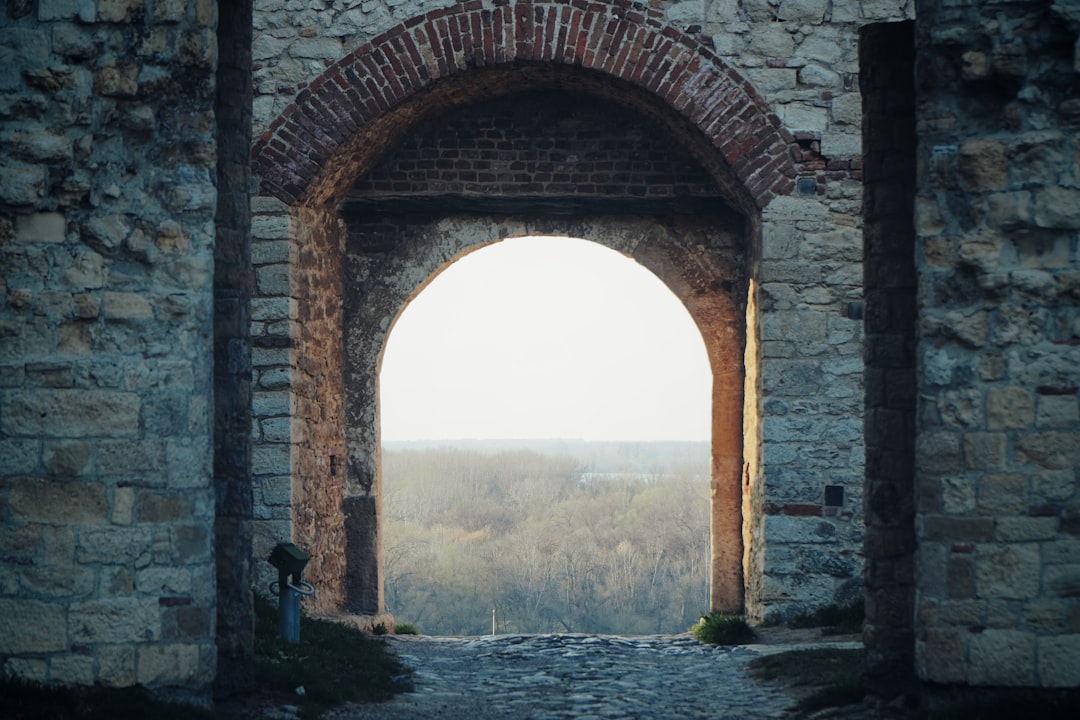
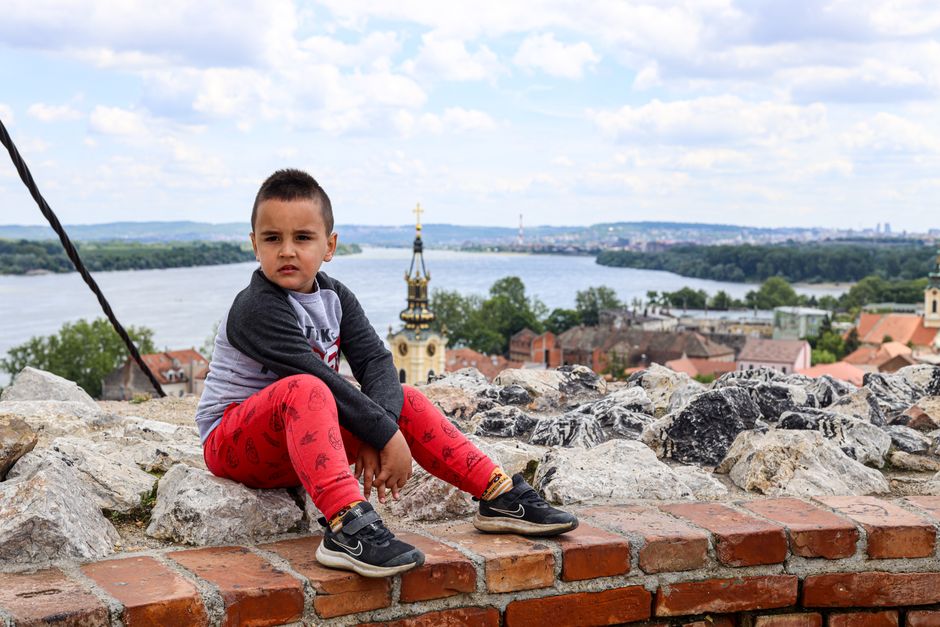
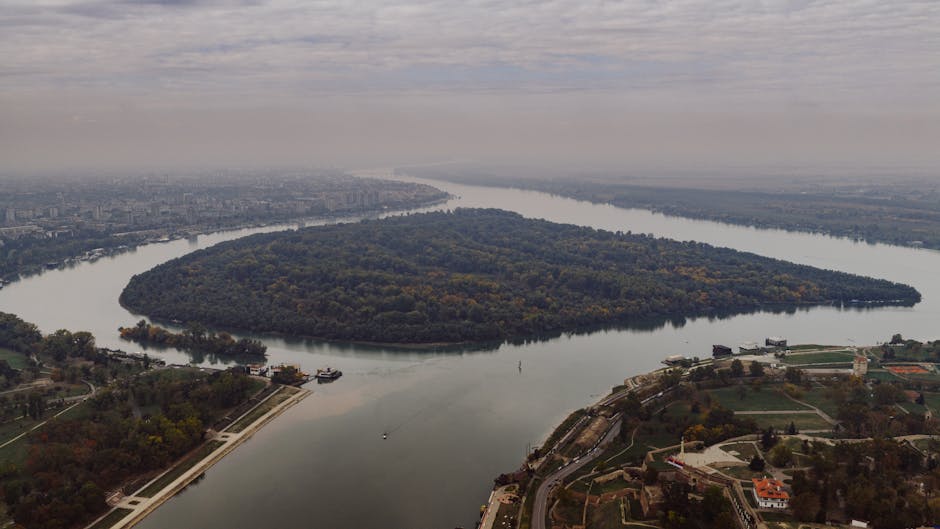
I sat on the cold stone of the ramparts, watching the sun bleed into the horizon where two great rivers, the Sava and the Danube, collide. The air smelled of diesel, roasted chestnuts, and old stone. A local dog, scruffy and unbothered by the history beneath its paws, trotted past my boots. This is Belgrade, the city that refuses to die. Every empire that has tried to own it — Romans, Ottomans, Austrians, Serbs — has left a scar on the earth here. Kalemegdan is not just a park; it is a graveyard of ambitions, a fortress built on the bones of those who thought they could hold the gateway to the Balkans. I came looking for history, but I found a city that lives its history every single day.
The fortress looms over the city like a broken tooth, jagged and defiant. It is not the polished, Disney-fied castle you find in Western Europe. This place is raw. It is concrete and cannonballs. It is where the world has been fighting for two millennia. To walk these walls is to walk through a timeline written in blood and mortar. The view from the top is not just scenic; it is strategic. You can see why every general, from Caesar to Napoleon, wanted this spot. You can see the tension in the water, the way the rivers carve the land. It is a place of violence, yes, but also of incredible resilience. The people here drink their rakija on the steps of the old fortifications, laughing at the ghosts of the past.
History & Identity
The story of Kalemegdan Kalemegdan begins long before the first stone was laid. The site was inhabited by the Thracians and the Celts, who called it Singidunum. But it was the Romans who really understood its value, building a fortified town that controlled the trade routes between the West and the East. For centuries, this spot was the border of the known world. The Romans held it, then the Visigoths, then the Byzantines. Each layer of history is buried beneath the next, a geological record of conquest. The name Kalemegdan itself is Ottoman, meaning "place of the cannon," a testament to the firepower that eventually came to define the fortress.
The medieval period saw the rise of the Serbian Empire, and under Emperor Dušan, Belgrade became a major political center. The fortress was expanded, strengthened, and fortified. But it was the constant tug-of-war between the Ottoman Empire and the Habsburg Monarchy that shaped the Kalemegdan we see today. The Ottomans captured it in 1521, and for nearly three centuries, it was an Islamic stronghold. The Austrians took it back in the 18th century, only to lose it again. Each change of hands meant new walls, new bastions, new guns. The architecture is a patchwork of styles, a physical manifestation of the region's turbulent past.
In the 19th century, as Serbia gained autonomy and then independence, the fortress lost its military function. It became a park, a place for the people. The cannons were silent, the barracks were emptied, and the green spaces were opened up. But the memory of the wars remained. During World War II, the fortress was bombed by the Germans, and many of the historic buildings were destroyed. After the war, it was rebuilt, but not as a military stronghold. Today, it is a symbol of Belgrade's survival, a place where the past is not hidden but displayed, worn like a badge of honor.
Where to Go
The Old Fortress — This is the core of the complex, a maze of walls, bastions, and ruins. It is the most photographed spot in Belgrade, and for good reason. The view from the top, looking down at the confluence of the Sava and Danube, is unmatched. The fortress itself is a ruin, but a majestic one. You can see the layers of construction, the Ottoman gates, the Austrian bastions. It is free to enter, and the best time to visit is at sunset, when the light turns the stone gold. The area is well-maintained, with paths and benches, but it retains a raw, ancient feel. Walk the walls, touch the stone, and imagine the armies that once stood here.
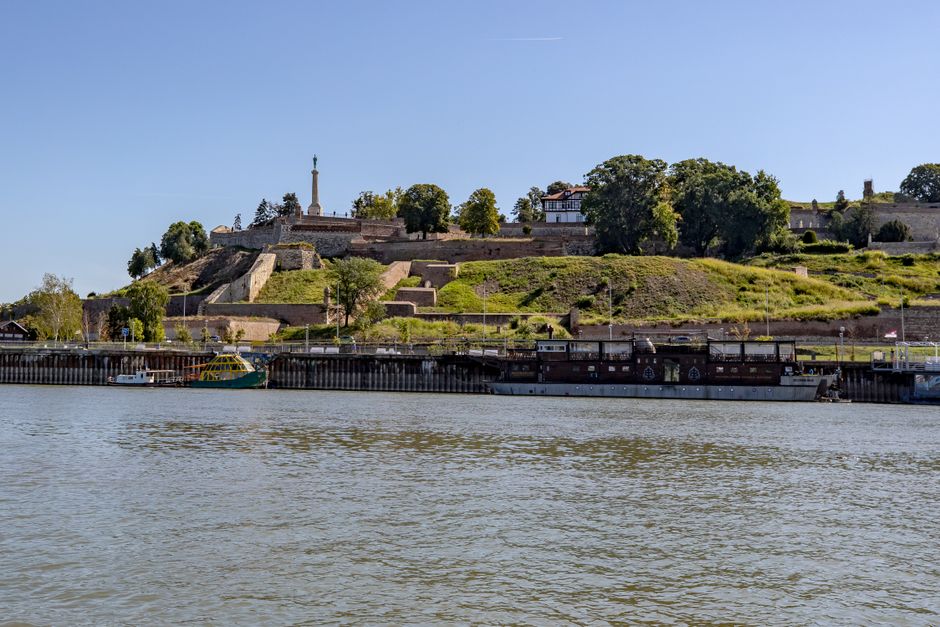
The Monument to the Unknown Hero — Located on the highest point of the fortress, this massive white marble monument is a striking and somewhat controversial landmark. Built in the 1930s, it is dedicated to the Serbian soldiers who died in the Balkan Wars and World War I. The design is imposing, with a large cross and a crypt underneath that houses the remains of the Serbian royal family. The view from the terrace is panoramic, stretching across the city and the rivers. It is a place of solemnity, but also of pride. The monument is a testament to the sacrifices made for Serbian independence.
The National Museum of Serbia — Situated within the fortress walls, this museum is one of the most important in the Balkans. It houses an extensive collection of art, archaeology, and history. The highlights include medieval Serbian icons, Renaissance paintings, and artifacts from Roman Singidunum. The building itself is a historic structure, and the museum is well-curated and informative. It is a great place to spend a few hours, especially if it is raining. The entry fee is modest, and the collection is impressive. It provides context for the fortress and the city, helping you understand the deeper history of the region.
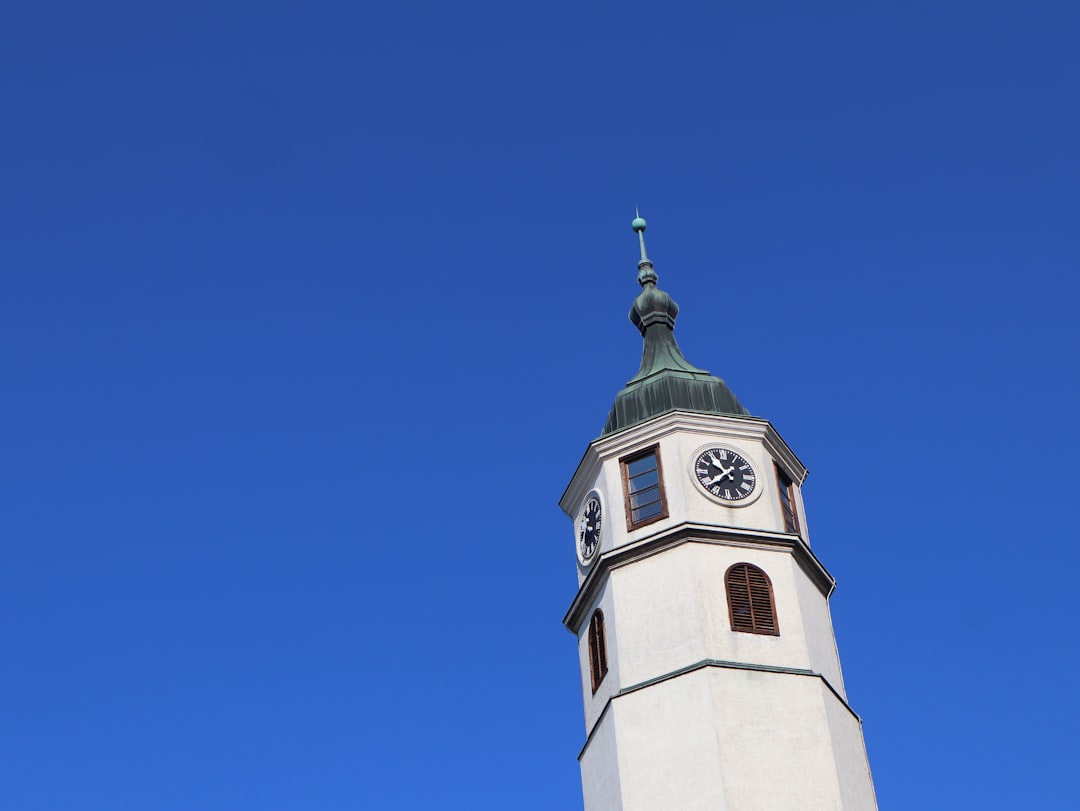
The Clock Tower — This small, unassuming tower is one of the few surviving structures from the Ottoman period. It is located near the entrance to the fortress and is a popular photo spot. The clock is still working, a small reminder of the time that has passed. It is a simple structure, but it holds a lot of historical significance. It is a symbol of the Ottoman presence in Belgrade, and it stands as a testament to the city's multicultural past. It is free to visit, and it is a great place to take a break and reflect on the history of the fortress.
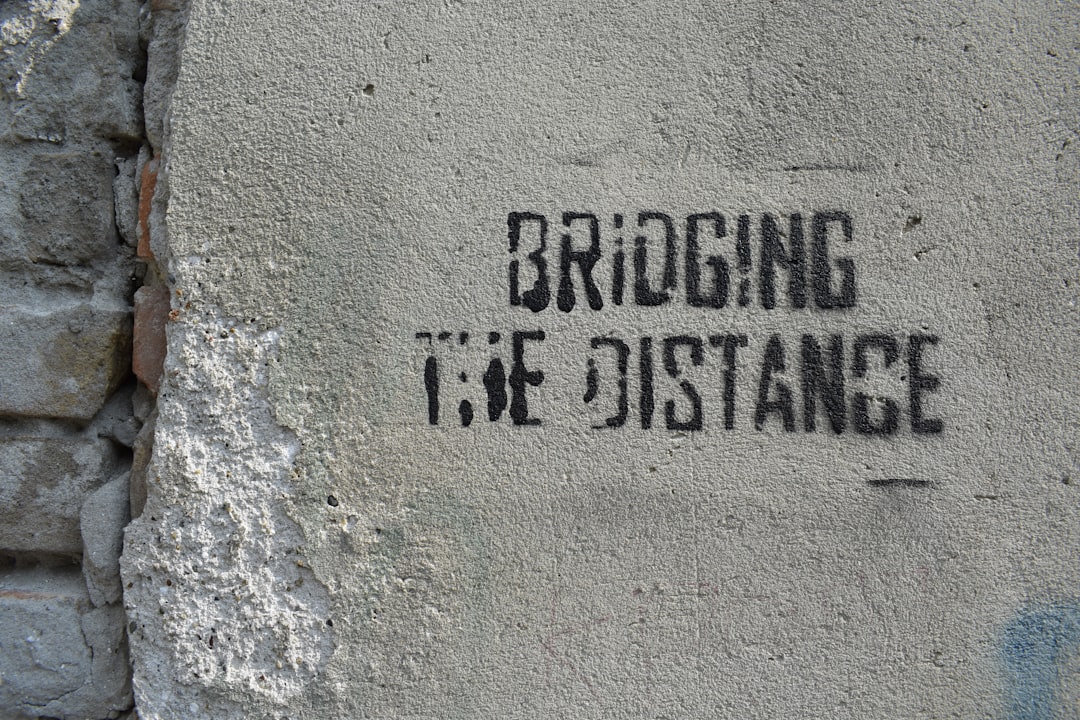
The Bastion of St. Andrew — This is the oldest part of the fortress, dating back to the 15th century. It is a large, rectangular structure with thick walls and a commanding view of the Sava River. The bastion was named after the Serbian king, St. Andrew, and it was one of the key defensive structures in the fortress. Today, it is used for exhibitions and events, but it retains its historic character. The walls are covered in graffiti, a modern twist on the ancient stone. It is a great place to explore, with narrow passages and hidden corners.
What to Eat & Drink
Eating and drinking in Belgrade is an experience in itself. The city is known for its hearty food and strong drinks. In the Kalemegdan area, you will find a mix of street food, cafes, and restaurants. The most popular dish is ćevapi 3-5 EUR, small grilled meat sausages served with onions and somun bread. They are delicious and filling, and they are a staple of Serbian cuisine. You can find them at street stalls and restaurants alike. Another popular dish is pljeskavica 4-6 EUR, a large grilled meat patty, often served with cheese and peppers. It is a Serbian version of a hamburger, and it is just as satisfying.
For a lighter option, try šopska salata 2-3 EUR, a refreshing salad made with tomatoes, cucumbers, onions, and white cheese. It is a great accompaniment to the heavier meat dishes. And for dessert, you cannot miss gibanica 2-4 EUR, a traditional Serbian cheese pie. It is sweet, savory, and delicious. As for drinks, rakija 1-2 EUR is the national spirit. It is a strong fruit brandy, and it is served in small glasses. It is a great way to warm up on a cold evening. You can also find good craft beer in the city, with several local breweries producing high-quality ales and lagers.
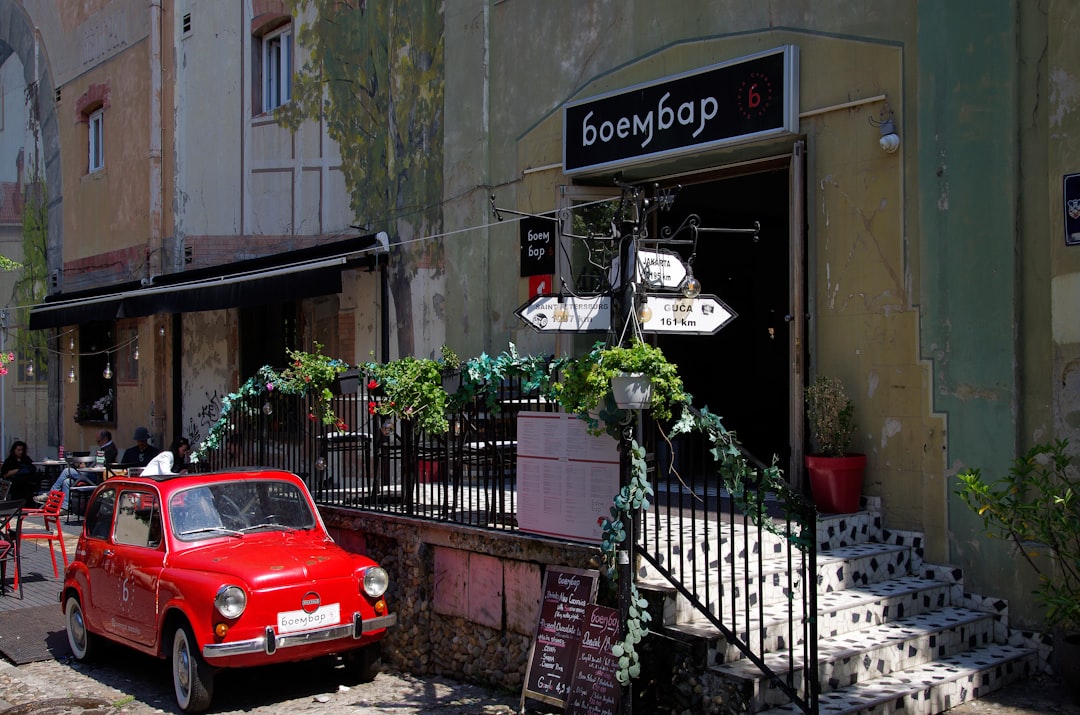
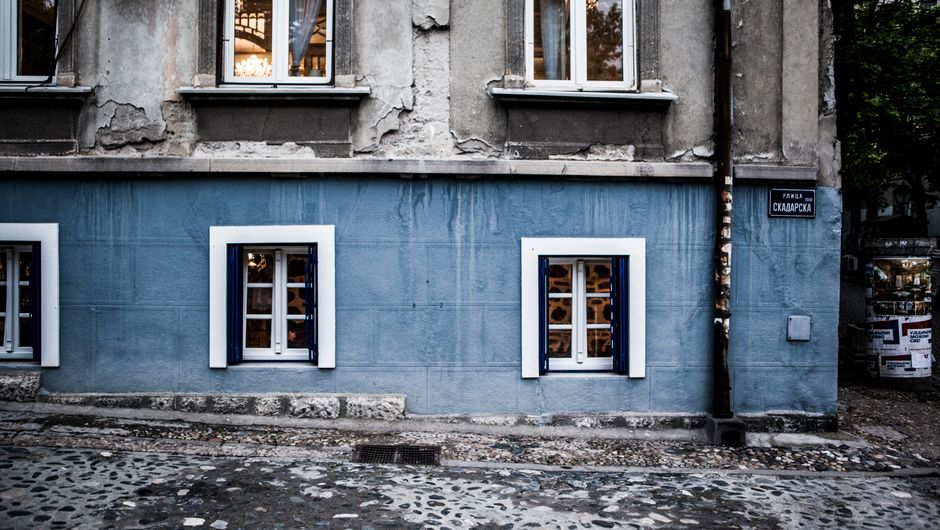
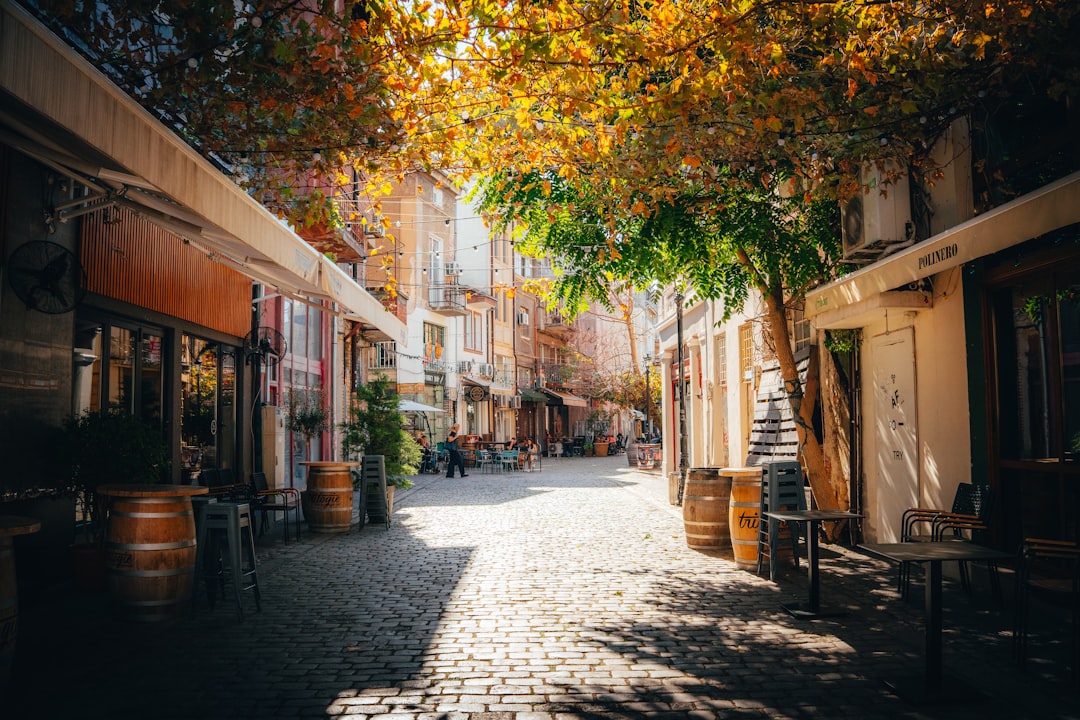
The Kalemegdan area has a few restaurants and cafes, but for a more authentic experience, head to the nearby Skadarlija district. This is the old bohemian quarter of Belgrade, with cobblestone streets and traditional restaurants. It is a great place to experience the local culture and enjoy a meal in a historic setting. The prices are reasonable, and the atmosphere is lively. You can also find food courts and take-away options in the fortress itself, which are convenient for a quick bite. The key is to try the local specialties and to enjoy the experience of eating and drinking in Belgrade.
Nightlife
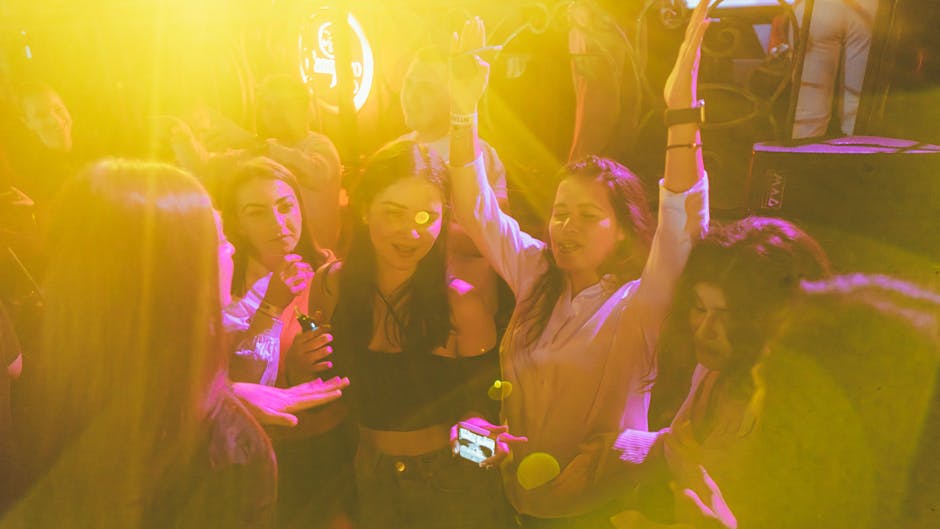
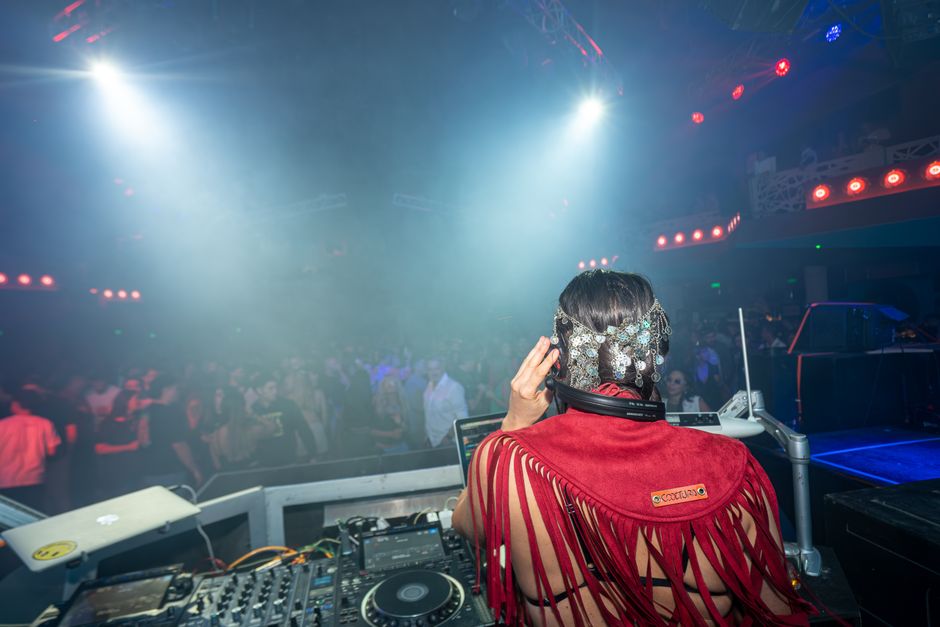
Belgrade's nightlife is legendary. The city is known for its splavovi, or floating clubs, which are located on the Sava and Danube rivers. These are large, multi-level venues with music, dancing, and drinking. They are open all night, and they attract a diverse crowd. The most famous splavovi are located in the Dorćol district, near the fortress. You can take a short walk or a taxi ride from Kalemegdan to reach them. The atmosphere is electric, with people dancing until dawn. The prices are reasonable, with drinks costing around 3-5 EUR and cover charges ranging from 5-10 EUR.
If you prefer a more traditional club scene, head to the Dorćol area, which is home to several popular venues. Guap Club
For a more relaxed evening, head to the Tašmajdan area, which has several cafes and bars. Caffe Bar Kalemegdan
Getting There & What to Expect
Getting to Belgrade is easy. The city is connected to major European hubs by air, rail, and road. Nikola Tesla Airport is located about 18 km from the city center, and there are regular buses and taxis to the city. The bus ride takes about 30 minutes and costs around 3-5 EUR. Taxis are more expensive, but they are convenient. From the airport, you can take a taxi or a bus to the fortress. The ride from the city center takes about 15-20 minutes.
Once in the city, you can walk to the fortress from most central locations. It is located on the west bank of the Sava River, and it is easily accessible on foot. The fortress is open 24 hours a day, and it is free to enter. There are no guided tours, but there are signs and information boards throughout the complex. The best time to visit is in the spring or autumn, when the weather is mild. In the summer, it can be hot and crowded, and in the winter, it can be cold and windy. But the fortress is beautiful in every season.
Accommodation in Belgrade is affordable. You can find budget hostels for 15-25 EUR per night, mid-range hotels for 40-70 EUR per night, and luxury hotels for per night. There are many options in the city center, close to the fortress. The key is to book in advance, especially during the summer months. The city is a popular tourist destination, and the best hotels fill up quickly. But even in the high season, you can find good deals if you plan ahead.
Search accommodation in Belgrade on Booking.com →
Final Thoughts: The Weight of Stone
Leaving Kalemegdan, I felt the weight of the centuries. This place is not just a tourist attraction; it is a testament to the resilience of the human spirit. It is a place where history is not just read, but felt. The stone walls, the river confluence, the monument to the unknown hero — they all speak of a past that is both painful and proud. Belgrade is a city that has been through hell and back, and it has emerged stronger for it. The fortress is a symbol of that strength, a reminder that no matter what happens, this city will always stand. As I walked away, the sun had set, and the lights of the city began to twinkle. It was a beautiful sight, but it was the silence of the fortress that stayed with me. A silence that speaks volumes.
Comments