


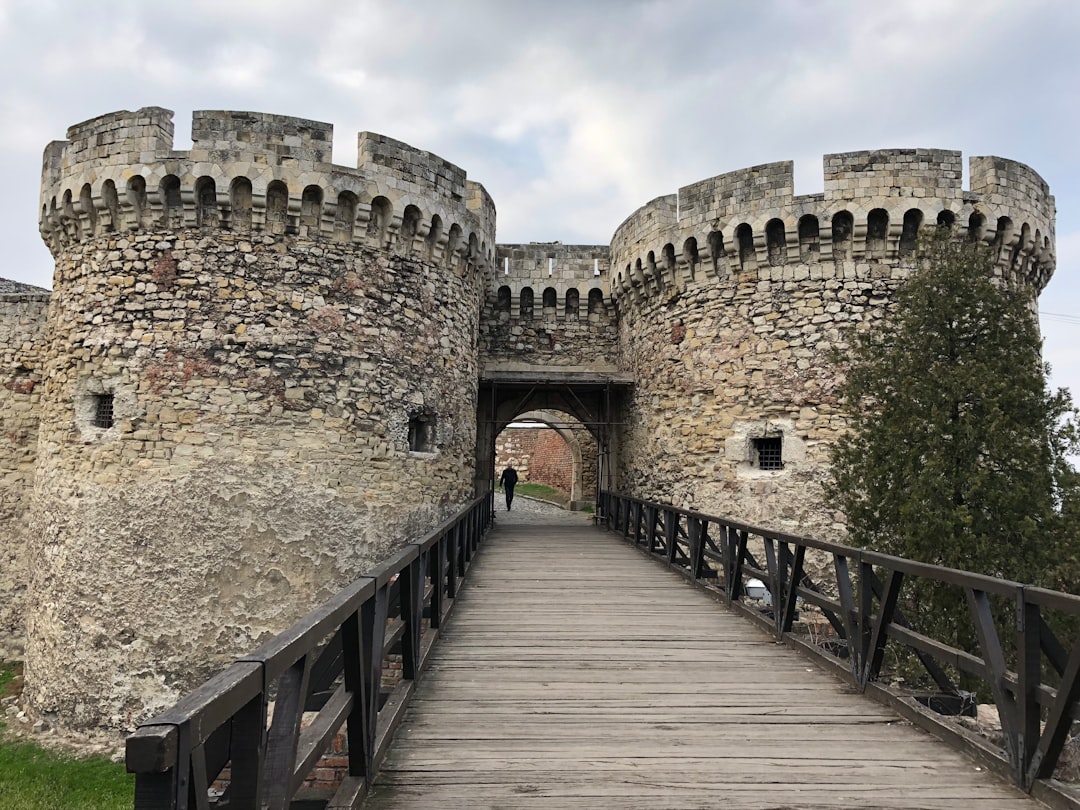
The wind whipping off the Sava River doesn't care about your Instagram followers. It just wants to strip the warmth from your bones. I was standing on the edge of the Kalemegdan Fortress, staring down at the confluence where the Danube swallows the Sava, and the only thing louder than the gale was the distant rumble of traffic from Belgrade. A local guy in a faded Red Star Belgrade jersey walked past me, lighting a cigarette with hands that looked like they'd built half the city. He didn't say a word, just nodded at the ruins, then at the river, and exhaled smoke that vanished into the gray Balkan sky. That's the vibe here. It's not a postcard. It's a scar. A beautiful, layered, bloody scar that has been fought over so many times the ground itself feels tired.
They call this place the "City on the Hill" because Belgrade sits right on the edge of the Kalemegdan Park, a massive green space that is literally built on top of a thousand years of warfare. You don't just visit Kalemegdan Fortress; you walk through a timeline of empires that rose, crushed each other, and then vanished, leaving behind only stone walls and stubborn locals who refuse to leave. I'm here to figure out why this specific patch of dirt has held the attention of Romans, Ottomans, Habsburgs, and Soviets for two millennia, and whether the view from the top is worth the climb through the history.
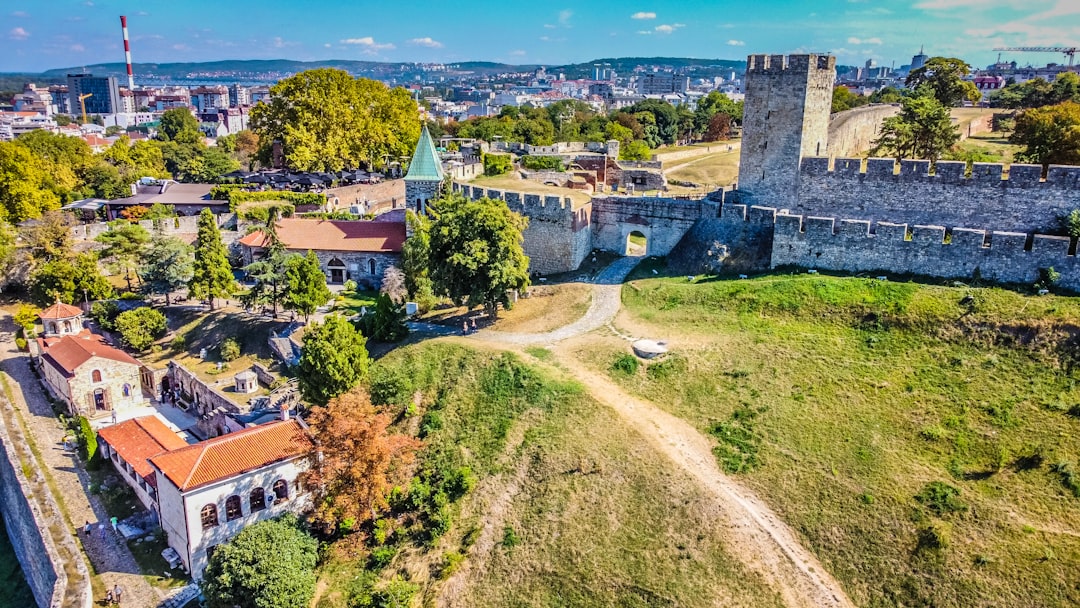
Kalemegdan Fortress Kalemegdan Fortress isn't just a castle. It's a layered geological formation of human conflict. The name itself is a hybrid: "Kale" is Turkish for fortress, and "Megdan" is Serbian for field. It's a linguistic map of the region's occupation. The site has been continuously fortified since the Roman era, when it was known as Singidunum. Later, it became a crucial defensive point for the Byzantine Empire, the Medieval Serbian Kingdom, the Ottoman Empire, and the Habsburg Monarchy. Every wall you see was built by one empire to keep another out, and almost every one of them failed eventually. The ruins are not accidental; they are the result of deliberate destruction by conquering armies who wanted to erase the previous ruler's presence. What stands today is a palimpsest of violence, now repurposed as a park where dogs run and couples picnic.
The strategic value was simple: control the rivers, control the Balkans. The Iron Gate gorge downstream makes the Danube difficult to navigate, making Belgrade the last major accessible point before the rapids. This made Kalemegdan the gateway to the Balkans. The fortress changed hands more than 70 times throughout history. The Ottomans held it for centuries, leaving behind the Kapija (gate) structures and the Well of Tears. The Habsburgs later modernized the defenses with massive earthworks and bastions, creating the lower town structure that dominates the skyline today. The Austro-Turkish Wars turned this hill into a meat grinder, and the scars are still visible in the uneven terrain and the sheer density of the walls.
Where to Go
Kalemegdan Fortress — The main attraction is the fortress complex itself, sprawling across the hilltop. It offers panoramic views of the Sava River, the Belgrade skyline, and the Belgrade Water Tower on the opposite bank. The best time to visit is late afternoon, as the light hits the stone walls and the sunset over the river is dramatic. Entry is free, but donations are accepted for the museum sections. The upper fortress is the oldest part, with medieval and Ottoman remains, while the lower fortress features Habsburg bastions and artillery.
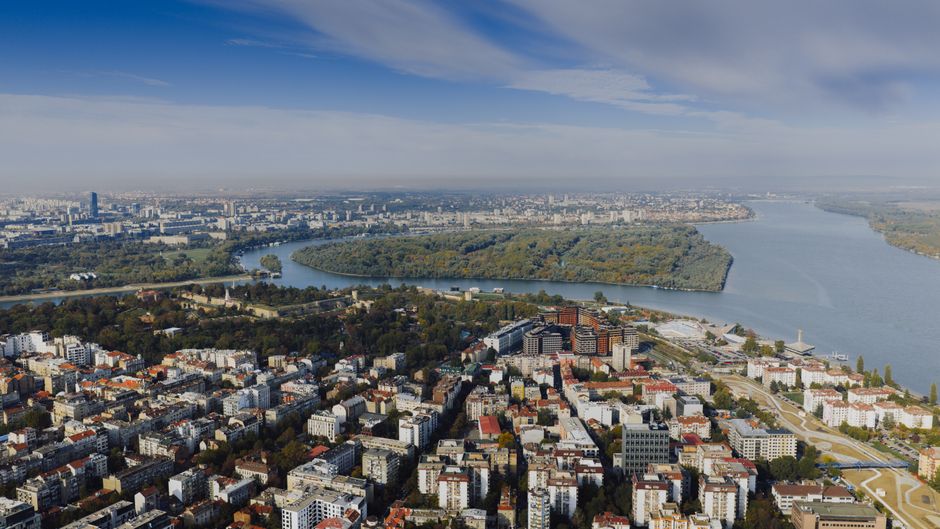
Well of Tears — Located within the fortress walls, this deep, narrow well was dug by Ottoman engineers in the 15th century to provide water during sieges. It is named for the tears of prisoners who were allegedly tortured and thrown into it, or perhaps for the tears of soldiers who drank from it after long battles. The descent into the well is claustrophobic and cold, offering a stark contrast to the open skies above. It's a sobering reminder of the human cost of holding this ground. Entry is usually included with the fortress ticket or free if you just walk to the railing, but going down requires a small fee or guided tour.
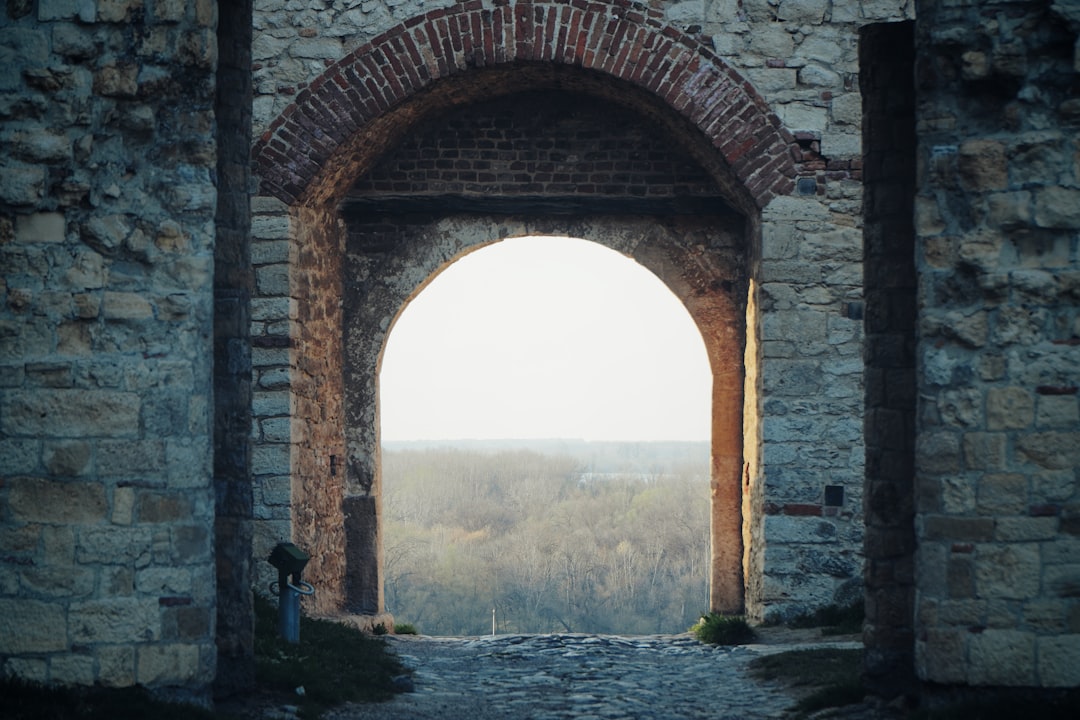
Belgrade Fortress Park — The fortress is integrated into a large urban park that stretches down to the Sava River. It's a place where locals exercise, walk dogs, and relax. The park features sculptures, monuments, and green spaces that soften the military history. The Nebojša Tower stands prominently within the park, housing a small museum. The park is free to enter and is open 24/7, making it a central hub for Belgrade life. It's the perfect spot to see the contrast between the ancient stones and the modern city.
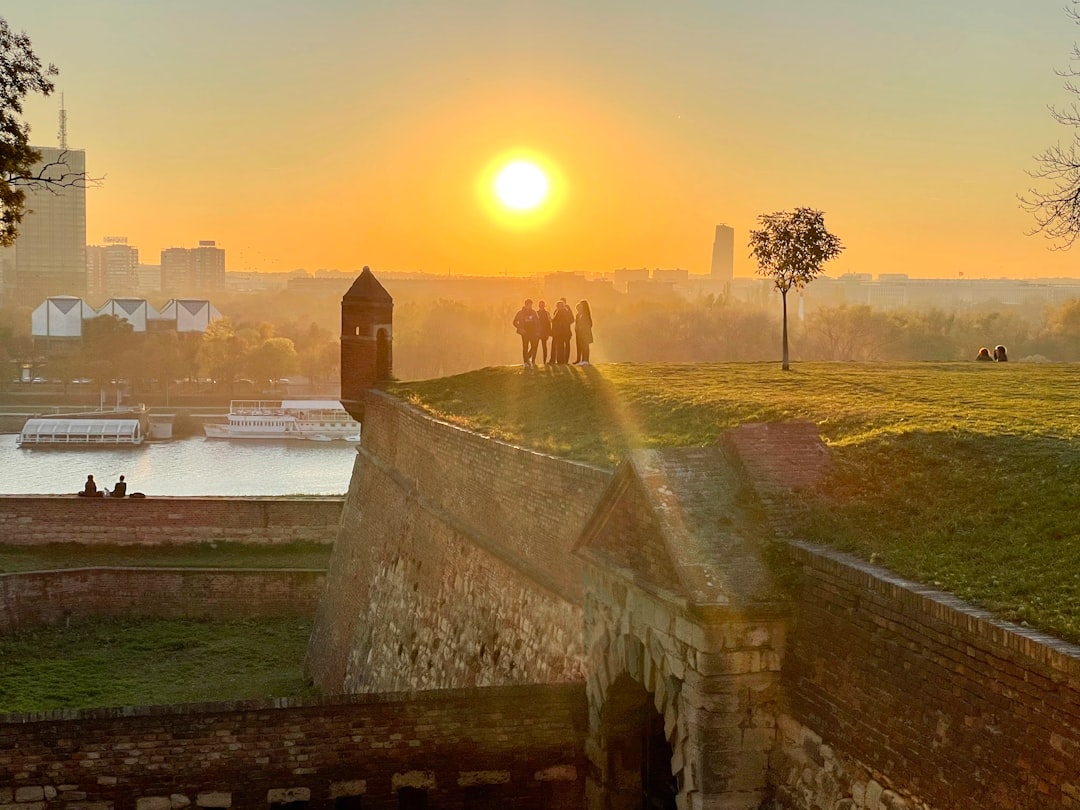
Nebojša Tower — The highest point of the Habsburg fortifications, this tower is the most recognizable symbol of Kalemegdan. It houses the Gallery of the Serbian Army, which displays military artifacts, uniforms, and weapons from the Serbian uprisings to World War I and World War II. The view from the top of the tower is excellent, offering a 360-degree perspective of the Belgrade metropolitan area. Entry to the gallery is around 5 EUR. It's a must-visit for history buffs and a great photo opportunity for everyone else.
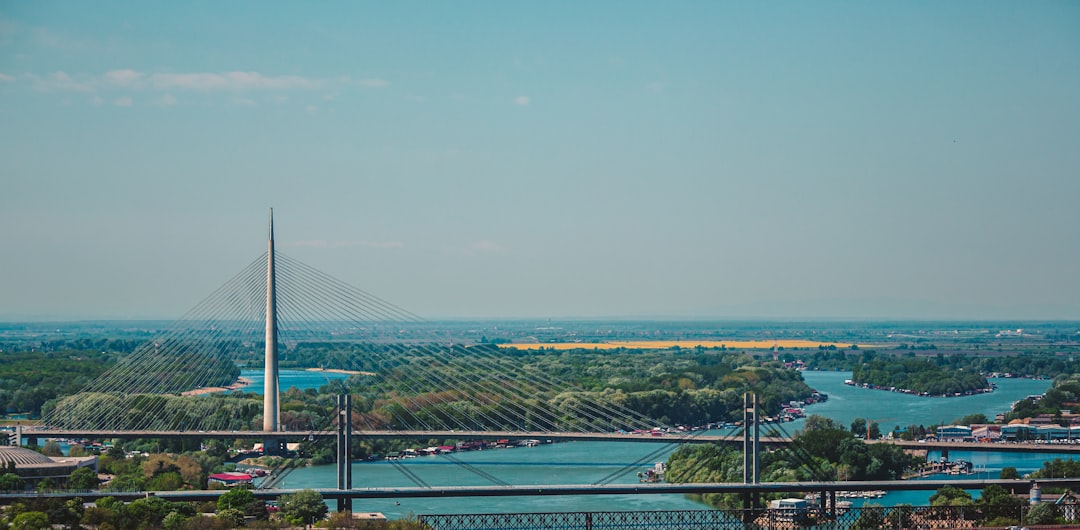
Belgrade Water Tower — Located on the Ada Ciganlija peninsula, just across the Sava River, this massive white tower is a landmark visible from the fortress. Built in the 1970s, it was a functional water tower but is now a tourist attraction with a restaurant and observation deck. It represents the Socialist modernist architecture of Belgrade, contrasting sharply with the medieval fortress. You can take a Belgrade river boat to reach it, or walk across the Branko's Bridge. Entry to the observation deck is around 3 EUR.
What to Eat & Drink
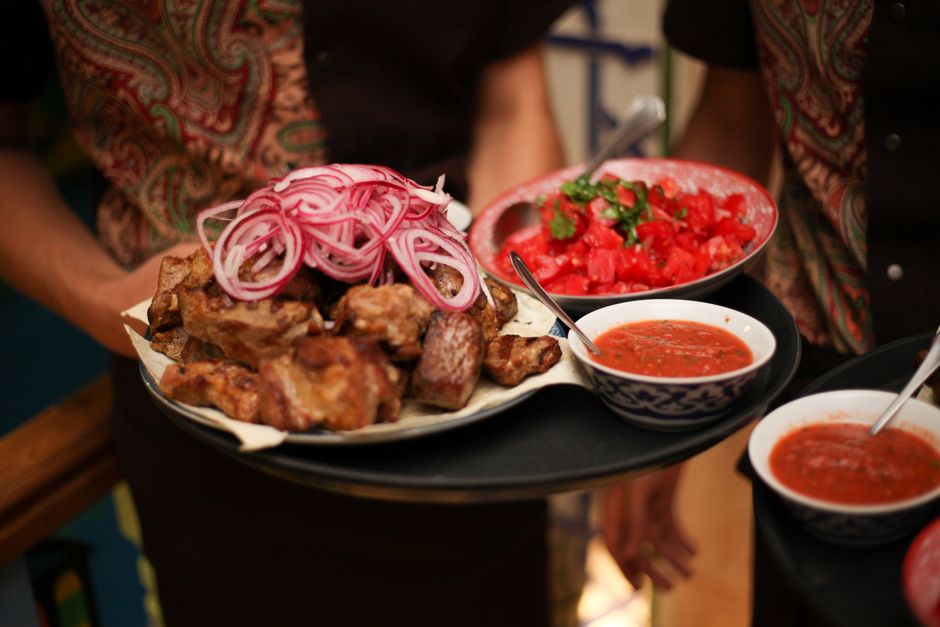
The area around Kalemegdan is not a dining district per se, but Belgrade is a food capital. Just a short walk into the Old Town (Stari Grad), you'll find a dense concentration of restaurants, cafes, and street food. Ćevapi — small grilled minced meat sausids, served with lepinja (flatbread) and onions — are the staple. You can get a plate of 10 ćevapi for 4-6 EUR. Pljeskavica — a large Serbian burger, often mixed with ćevapi meat and served with ajvar (red pepper relish) — is another must-try, costing 5-8 EUR. Šopska Salata — a salad of tomatoes, cucumbers, onions, and peppers topped with feta cheese — is the perfect side, priced at 3-5 EUR.
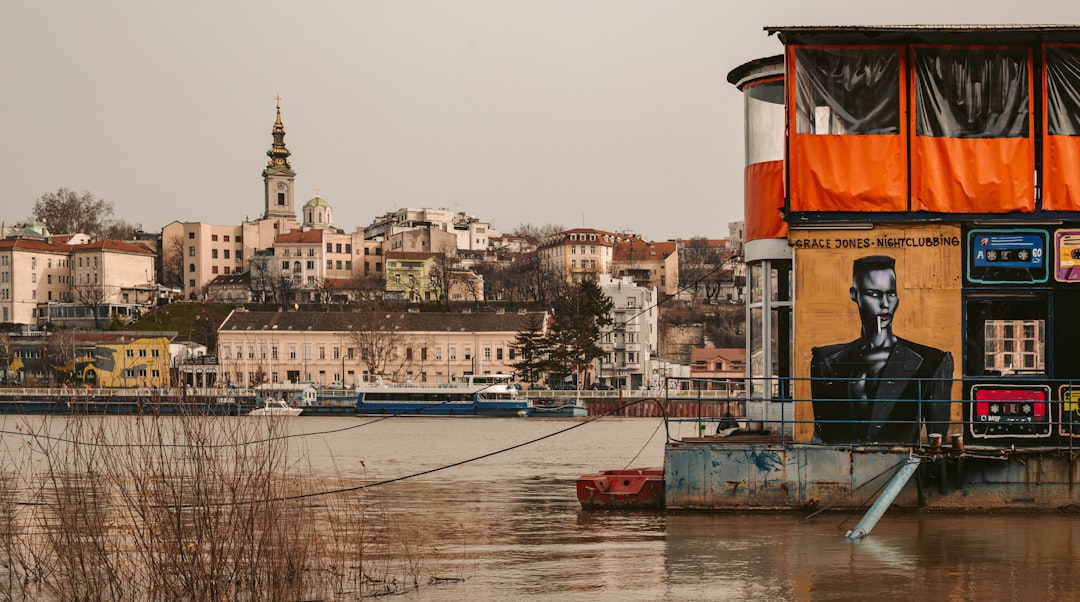
For a budget meal, look for roštilj (grill) places in the Zemun or Vračar neighborhoods. Street food options like pogaca (savory pie) or burek (flaky pastry with meat or cheese) are available at bakeries and cost 1-3 EUR. For a sit-down meal at a local restaurant, expect to pay 10-20 EUR per person for a main course and a drink. Mid-range restaurants with a view of the fortress or the river can cost 20-40 EUR per person. The Old Town is also famous for its raft bars on the Sava River during the summer, where you can drink rakia (fruit brandy) and beer while floating on the water. A beer costs 2-4 EUR, and a shot of rakia costs 1-3 EUR.
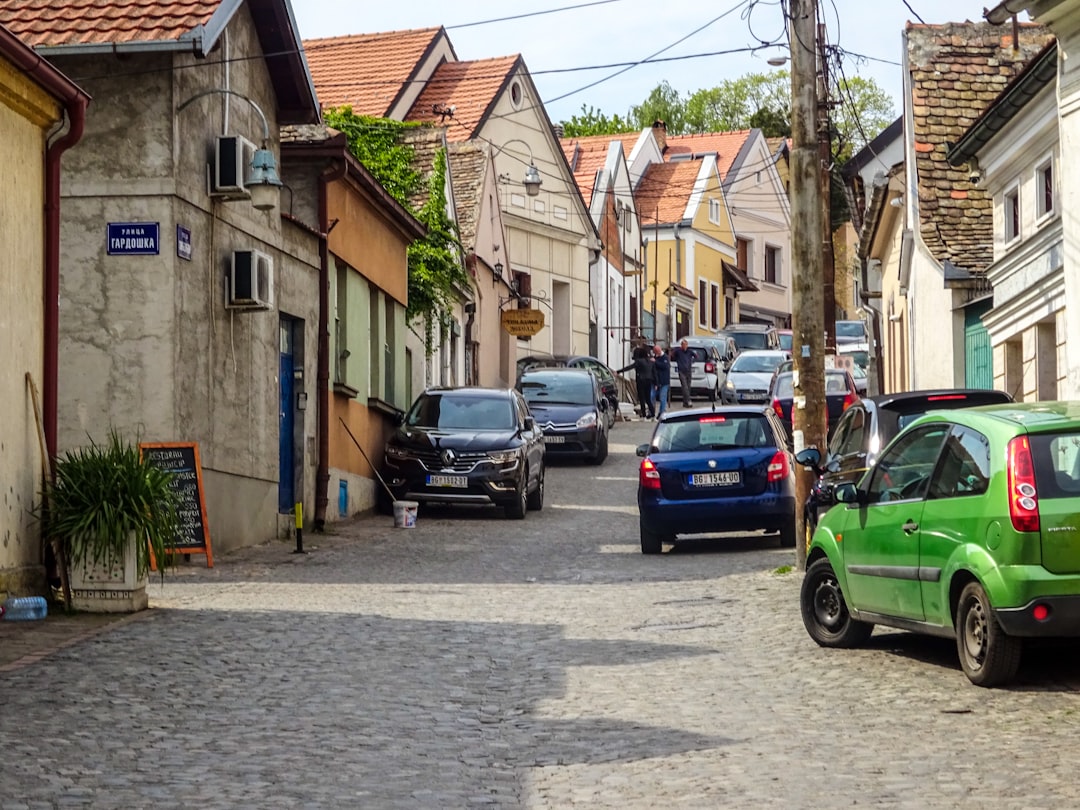
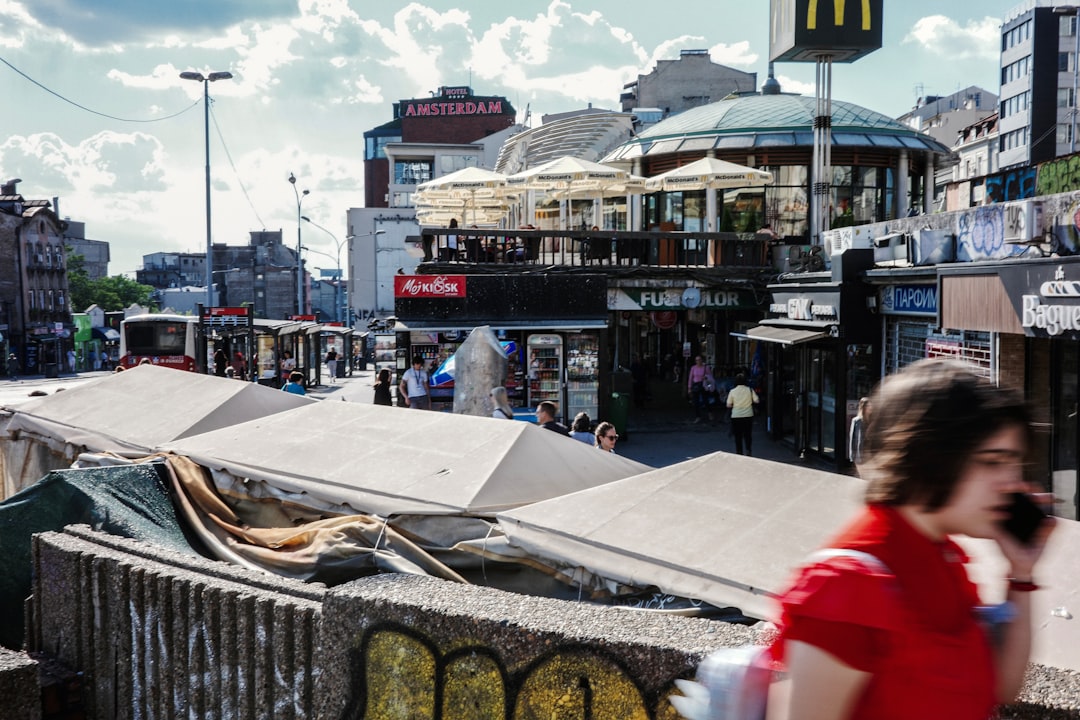
Skadarlija — This bohemian street in the Old Town is the heart of Belgrade's restaurant scene. It's lined with cobblestone paths and traditional vila (villa) restaurants serving Serbian cuisine. It's touristy but authentic in its own way. Prices are higher here, with main courses ranging from 10-25 EUR. It's the best place to experience the atmosphere of Belgrade's dining culture. Knjaževa Česma square, at the end of Skadarlija, is a historic fountain and a popular meeting point.
Nightlife
Belgrade is famous for its nightlife, particularly the raft bars on the Sava River during the summer months. These floating clubs offer a unique experience, with music ranging from electronic to pop to folk. The most famous raft bars are located near the Knez Mihailova Street area. Entry to these bars is usually free, but drinks are expensive, with cocktails costing 5-10 EUR and beers 3-5 EUR. The atmosphere is lively, with young people dancing on the decks and swimming in the river during the day.
For a more traditional club experience, head to the Dorćol district, known for its underground clubs and electronic music scene. Venues like Ex YU and Art Pulp are iconic, hosting international DJs and local acts. Entry fees range from 5-15 EUR, depending on the event. The Old Town also has numerous bars and pubs, with Knez Mihailova Street being the main pedestrian zone. Bars here charge 3-6 EUR for a beer and 4-8 EUR for a cocktail. The nightlife in Belgrade is known for being affordable and vibrant, with parties often lasting until sunrise.
Belgrade Water Tower — During the summer, the Belgrade Water Tower sometimes hosts events and parties, offering a unique setting with a view of the city. Check the event calendar for specific dates. Ada Ciganlija is also a popular spot for summer parties, with several venues located around the lake. The atmosphere here is more relaxed, with beach clubs and open-air concerts. Entry to these events is usually 10-20 EUR.
Getting There & What to Expect
Belgrade is well-connected by air, rail, and road. The Nikola Tesla Airport is the main international gateway, located about 18 km from the city center. You can take a taxi or a bus to the center, with the bus costing 2 EUR and taking about 45 minutes. Taxis cost around 15-20 EUR. Belgrade is also connected to major European cities by train, with routes from Vienna, Budapest, and Zagreb. Bus travel is cheaper and often faster, with connections to Sarajevo, Sofia, and Skopje. Buses cost between 15-30 EUR depending on the distance.
Once in Belgrade, the Kalemegdan Fortress is easily accessible by public transport. The tram and bus lines stop near the Old Town, and it's a 10-minute walk to the fortress. The Belgrade public transport system is affordable, with a single ticket costing 1 EUR. You can also buy a day pass for 3 EUR. Accommodation in Belgrade ranges from budget hostels at 10-20 EUR per night to mid-range hotels at 40-80 EUR per night. Luxury hotels can cost 100-200 EUR per night. The best time to visit Belgrade is from May to September, when the weather is warm and the raft bars are open. Winter can be cold and gray, but the city has a cozy atmosphere with fewer tourists.
Search accommodation in Belgrade on Booking.com →
The Stone Doesn't Lie
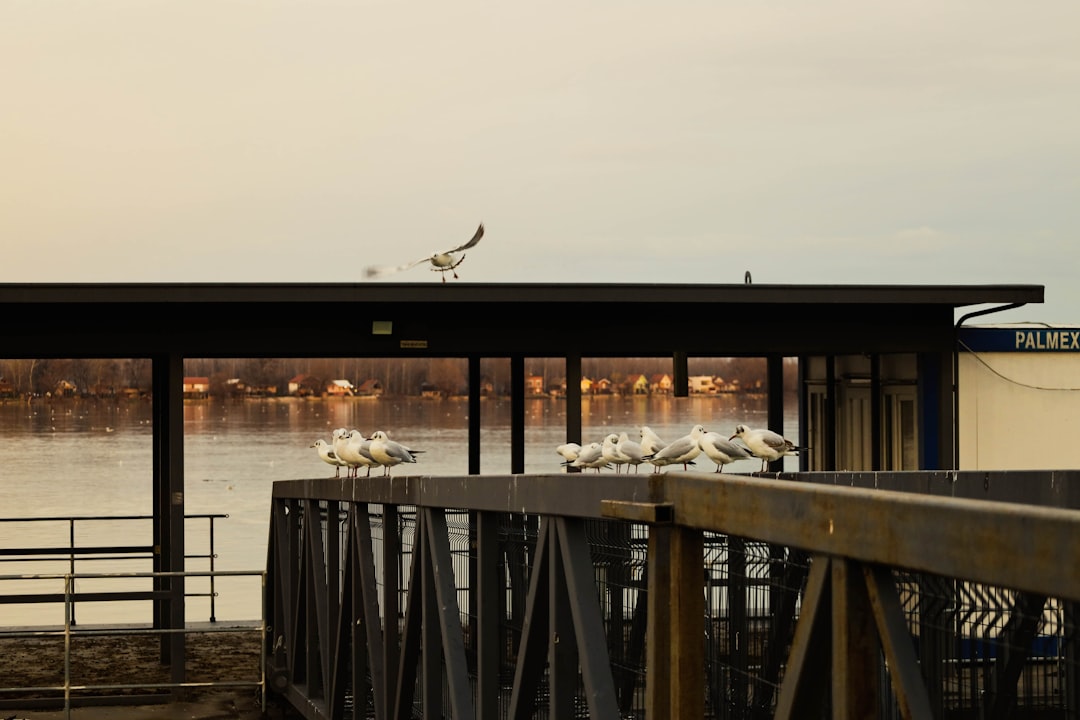
Standing on the ramparts of Kalemegdan as the sun dips below the Belgrade skyline, you realize that the fortress isn't just a relic. It's a mirror. It reflects the stubbornness of the people who live in its shadow. The Serbs, the Turks, the Austrians, the Romans — they all thought they could own this place. They all thought they could erase the previous owner. But the stone remains. The wind keeps blowing. And the people of Belgrade keep drinking their rakia, smoking their cigarettes, and arguing about the past while the Danube rolls on, indifferent to the chaos. Kalemegdan Fortress is not a place of peace. It's a place of memory. And in the Balkans, memory is the heaviest thing you can carry.
Comments