


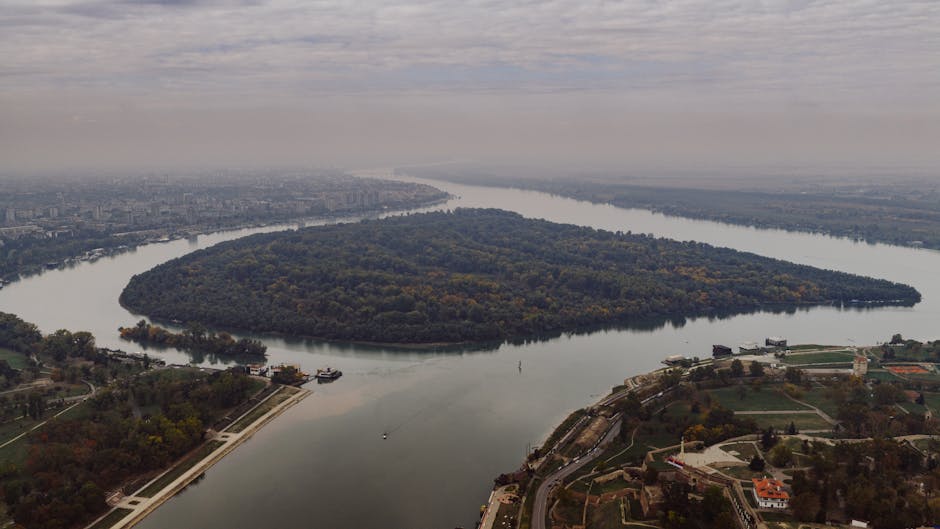
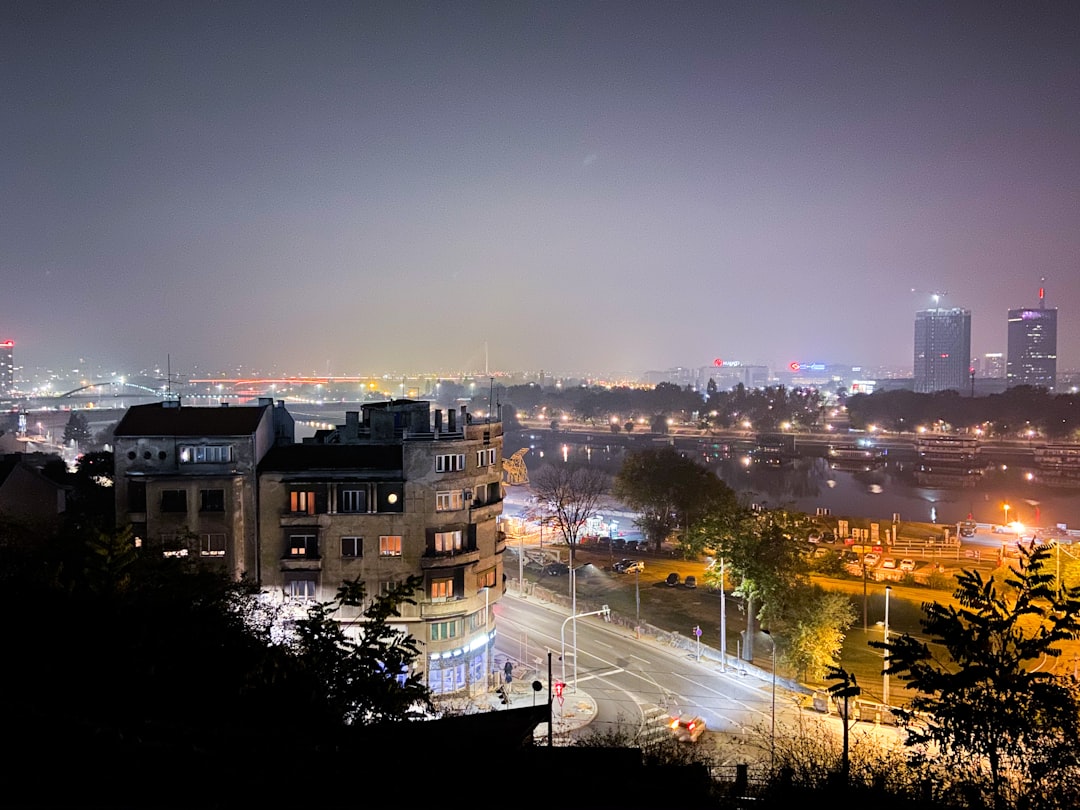
I woke up at 3 AM in a hostel room in Belgrade because a construction crew had decided that midnight was the perfect time to jackhammer through the foundation of a new boutique hotel. The vibration rattled my teeth. I threw on my boots, stumbled out into the fog, and found myself standing on the Kalemegdan Fortress, looking down at the dark, churning waters where the Danube and the Sava collide. There was no one else there. Just the wind, the smell of wet stone, and the distant wail of a siren. This city doesn't just stay awake; it vibrates with a chaotic, defiant energy that you feel in your chest. It’s a place where history is not a museum exhibit but a living, breathing argument happening in every bar, every alley, and every cracked pavement.
Belgrade is not a city you visit to relax. It is a city you visit to confront. It has been destroyed and rebuilt so many times that the locals joke they have a complex about survival. But that trauma has forged a culture of intense, unapologetic living. The nightlife here isn't just a hobby; it's a coping mechanism, a celebration of endurance, and a testament to the fact that despite everything, the party continues. I came here for the history, but I stayed for the gin bars hidden in former bomb shelters and the view that stretches from the fortress to the horizon, where the lights of the city seem to pulse like a heartbeat.
History & Identity
Belgrade's identity is inextricably linked to its geography and its violence. Located at the confluence of two major rivers, it has been a strategic prize for empires for millennia. The Romans called it Singidunum, the Ottomans called it Beograd, and the Serbs have called it Beograd for centuries. But the name itself means "White City," a stark contrast to the scars left by centuries of sieges. The Kalemegdan Fortress stands as the silent witness to all of it. It has been held by Romans, Byzantines, Bulgarians, Hungarians, Ottomans, and Austro-Hungarians. Each empire left a layer of stone, a gate, or a cannon, creating a palimpsest of military architecture that dominates the skyline.
The modern identity of Belgrade is shaped by the 20th century, particularly the NATO bombing of 1999. The scars are still visible, not just in the physical damage to buildings but in the collective psyche. Yet, this has not made the city bitter in the way one might expect. Instead, it has created a resilient, cynical, and deeply humorous culture. The city embraces its past without being crushed by it. You see this in the way the fortress is treated not as a solemn memorial but as a park where people picnic, play football, and watch the sunset. History is here, but it is not allowed to stop the party.
Where to Go
Kalemegdan Fortress — The crown jewel of Belgrade, this massive fortification sits on the hill where the Danube and Sava meet. It's free to enter, and you can spend hours wandering through the ruins, the military museum, and the gardens. The best time to visit is at sunset, when the "Millennium Monument" is illuminated and the view over the two rivers is unmatched. The fortress grounds are vast, so wear comfortable shoes. There are cafes inside the walls, but bring your own snacks if you want to save money.
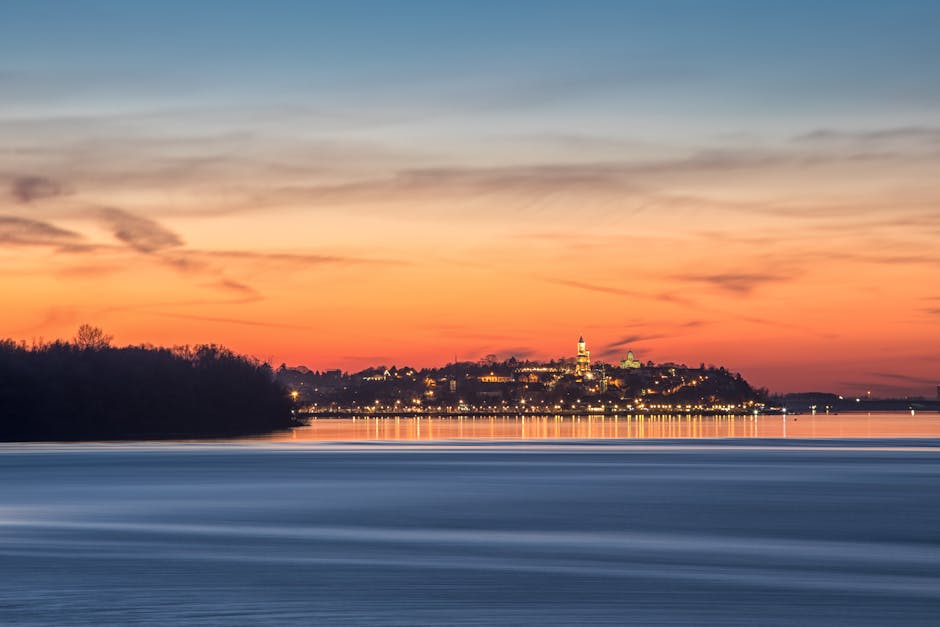
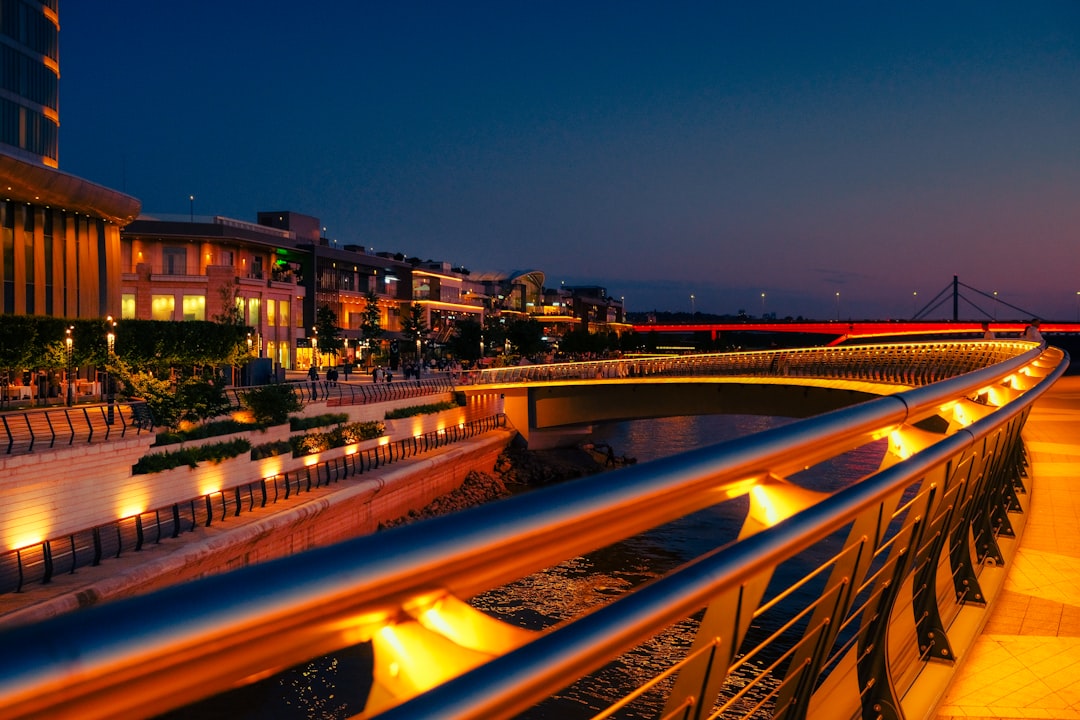
Savamala — Once a gritty industrial district, Savamala has transformed into the coolest neighborhood in Belgrade. It's filled with converted warehouses that now house hipster bars, art galleries, and street food markets. The area is alive with creativity and a punk-rock spirit. Walk along the Sava riverbank, explore the hidden bars, and check out the street art. It's the place to go if you want to see the modern, edgy side of the city.
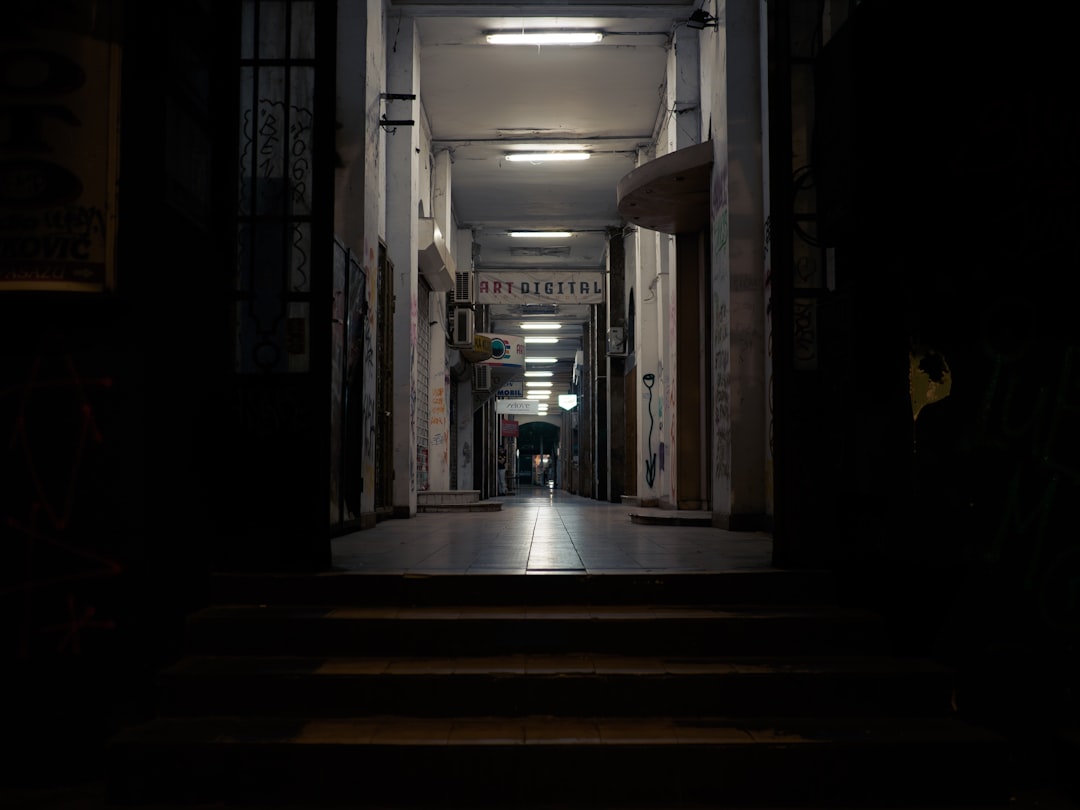
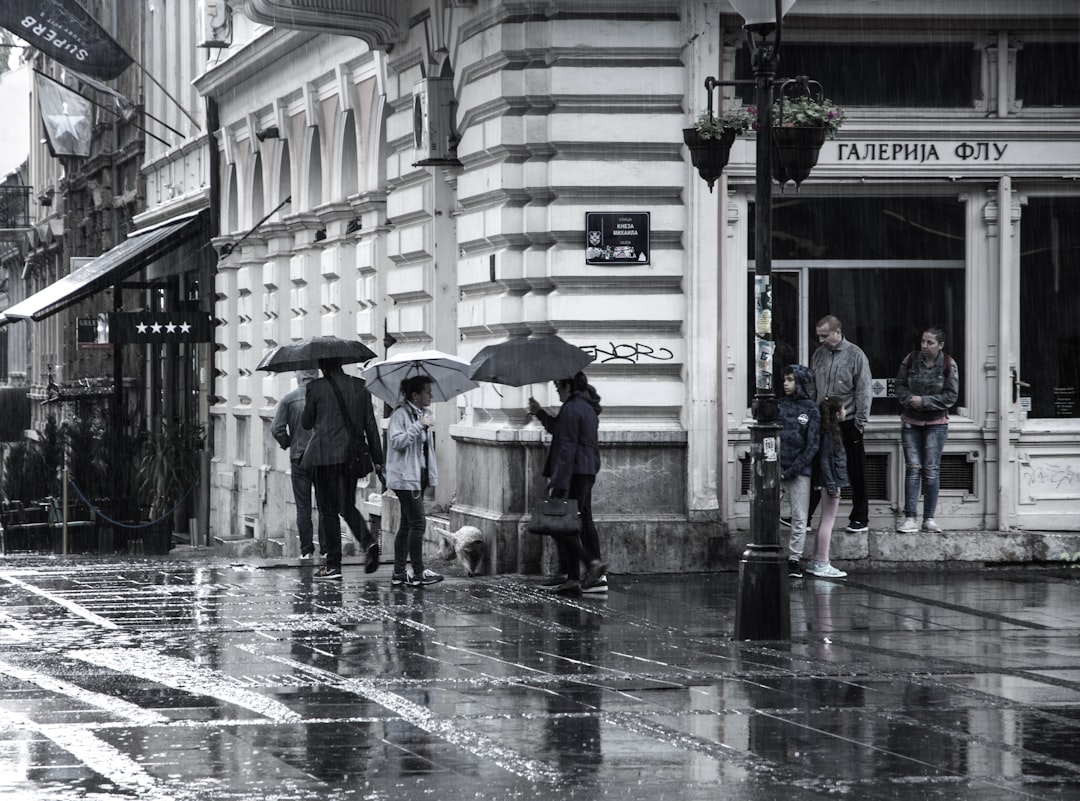
Sktanja Street — The main artery of central Belgrade, Sktanja is a pedestrian-only street that pulses with energy from morning until late at night. Lined with cafes, shops, and historic buildings, it's the perfect place to people-watch. You'll see students, tourists, and locals all mixing here. It's also the starting point for many of the city's trams and buses. Don't miss the Nikola Tesla Museum located on a side street, which offers a fascinating look into the life of the genius inventor.
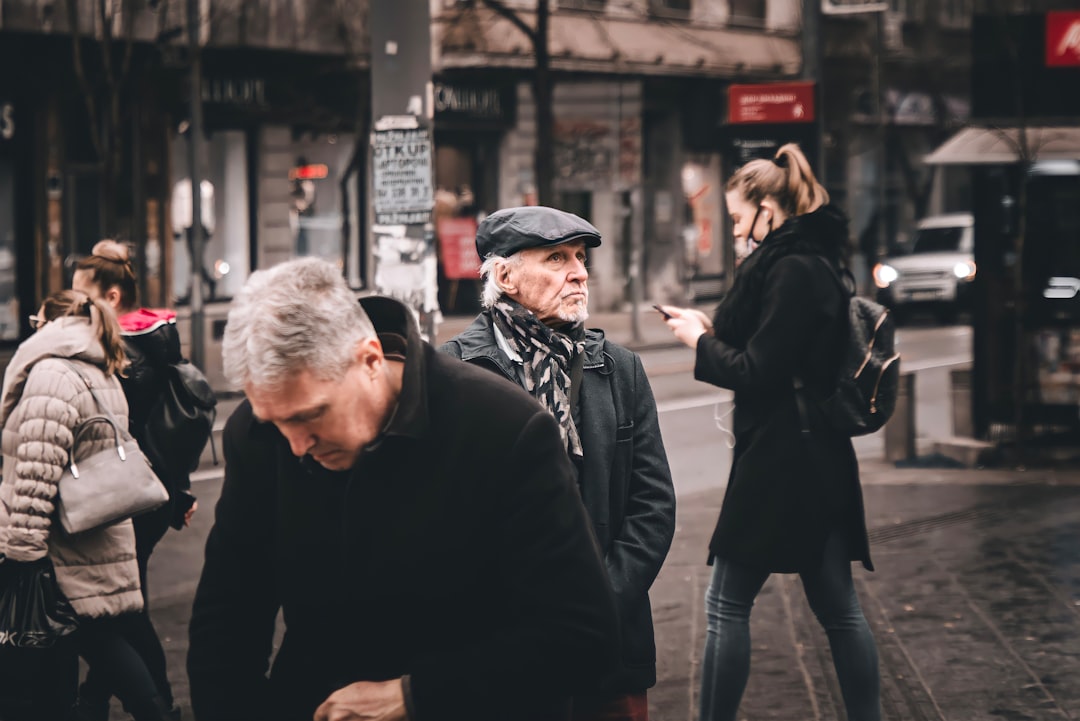
Skadarlija — Known as Belgrade's Montmartre, Skadarlija is a cobblestone street filled with bohemian cafes and restaurants. It's the historic center of the city's artistic community, and you can still feel the bohemian spirit here. Live music plays in the courtyards, and the atmosphere is relaxed and nostalgic. It's a bit touristy, but it's still worth a visit for the ambiance and the traditional Serbian cuisine.
What to Eat & Drink
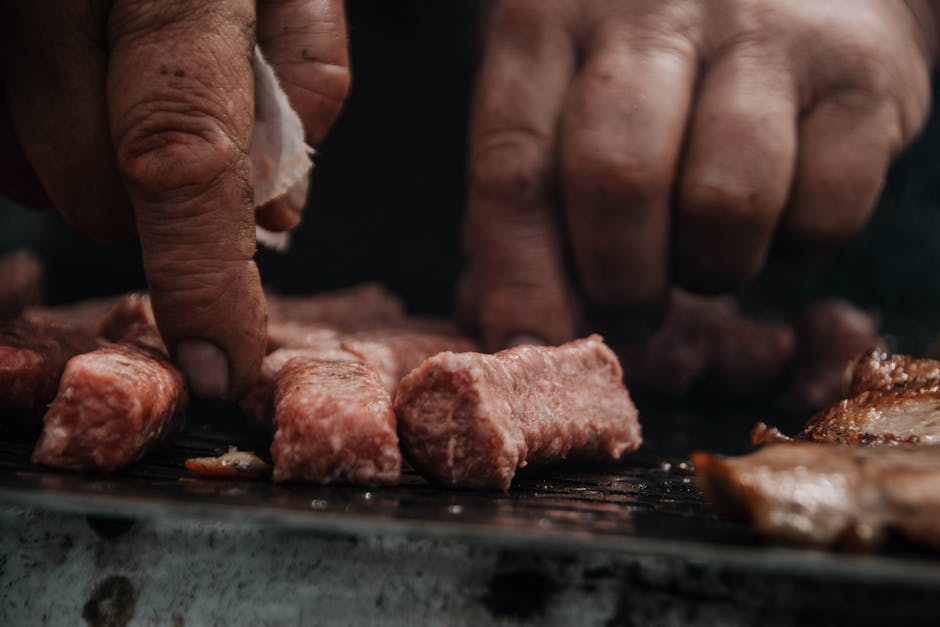
Belgrade's food scene is a hearty mix of Ottoman, Central European, and Balkan influences. You can't leave without trying the local specialties. Ćevapi — small grilled meat sausages served with somun bread and onions — are a must. A plate of 10 ćevapi will cost you around 4-6 EUR. Pljeskavica is a larger, spicier burger that is a national favorite, typically priced at 5-8 EUR. For a lighter option, try Šopska salata, a fresh salad with tomatoes, cucumbers, onions, and kajmak, which costs about 3-4 EUR. Don't forget to try gibanica, a savory cheese pie, for breakfast or a snack, priced at 2-3 EUR.
For budget travelers, street food and take-away options are abundant. You can grab a burek (filled pastry) from a local bakery for 1-2 EUR. Sit-down local restaurants offer meals for 8-15 EUR per person, while mid-range dining will set you back 15-25 EUR. The Dorćol Market is a great place to find fresh produce and local delicacies, and the area around it has many affordable eateries. For a more upscale experience, head to the restaurants in the Dorćol district, which offer modern takes on traditional dishes.

Nightlife
Belgrade's nightlife is legendary, and for good reason. The city doesn't sleep; it just changes venues. The main party district is in the city center, around Sktanja and the adjacent streets. But for a more unique experience, head to the "splavovi" — floating bars and clubs on the Sava and Danube rivers. These barges are transformed into massive nightclubs with international DJs, and the parties go on until dawn. Cover charges vary, but expect to pay around 5-10 EUR for entry, plus drinks.
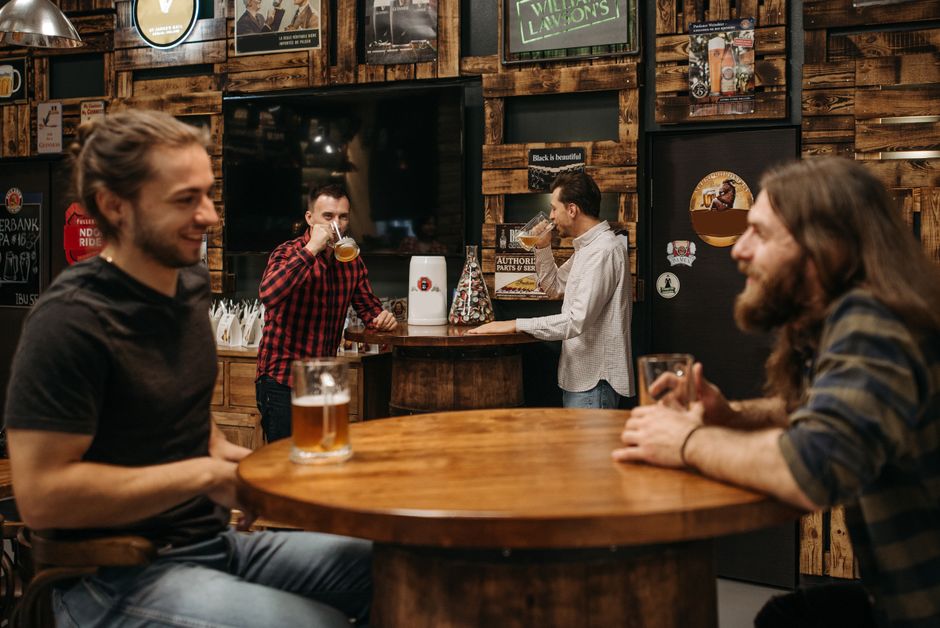
In Savamala, you'll find a more alternative scene. Bars like Whiskey Bar and Belgrade Beer Garden offer a more relaxed atmosphere with craft beers and cocktails. The music here is often indie or rock, and the crowds are more diverse. For a taste of the old school, check out the clubs in the Dorćol district, where you can dance to techno and house until the early hours. The energy is infectious, and you'll find people from all over the world mingling with locals.
Getting There & What to Expect
Belgrade is well-connected by air, rail, and road. The nearest airport is Belgrade Nikola Tesla Airport, which has flights from major European cities. From the airport, you can take a bus or taxi to the city center, which takes about 30-45 minutes. The bus costs around 5 EUR, while a taxi will set you back 15-20 EUR. By train, you can reach Belgrade from other Balkan capitals like Zagreb, Ljubljana, and Sofia, with journey times ranging from 4 to 10 hours. Bus travel is also a popular and affordable option, with tickets starting from 10-20 EUR for regional routes.
Accommodation in Belgrade ranges from budget hostels to luxury hotels. You can find a bed in a hostel for 10-20 EUR per night, while a mid-range hotel will cost around 40-70 EUR per night. The best time to visit is from May to September, when the weather is warm and the outdoor cafes and river clubs are in full swing. However, the city has plenty to offer year-round, with indoor attractions and a vibrant winter nightlife. Expect a city that is vibrant, chaotic, and endlessly fascinating. Come with an open mind and a sense of adventure, and you won't be disappointed.
Search accommodation in Belgrade on Booking.com →
The Last Call
I left Belgrade at dawn, my ears still ringing from the bass of a club in Savamala. The streets were empty, but the city felt alive, breathing in the quiet hours before the sun fully rose. I looked back at the fortress, silhouetted against the gray sky, and felt a strange sense of connection. This city has seen it all — wars, occupations, destruction, and rebirth. And yet, it persists. It laughs in the face of history, dances on the edge of chaos, and welcomes you with open arms. Belgrade isn't just a destination; it's an experience. It's a reminder that life, in all its messy, beautiful complexity, is worth fighting for. And if you can find the energy to party through the night, you might just find a piece of yourself in the confluence of the Danube and the Sava.

Comments