


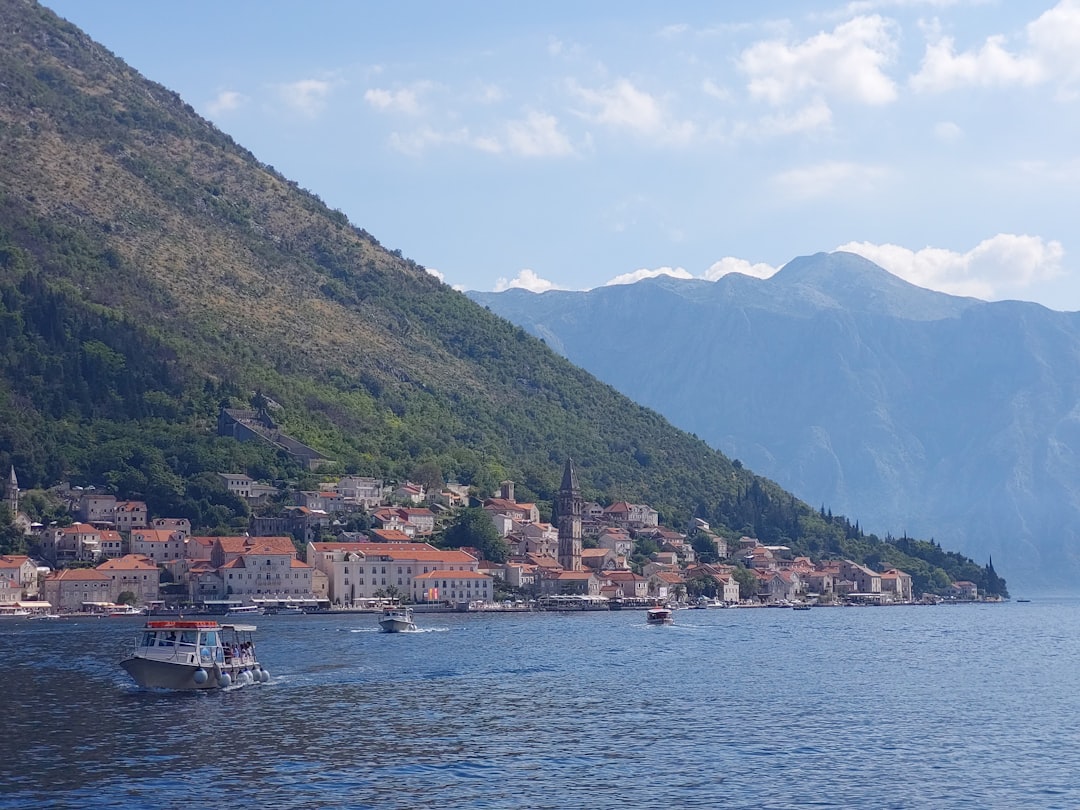
The sea here doesn't smell like the open ocean. It smells of damp limestone, diesel from the ferry, and old money rotting in the summer heat. I stood on the fortress walls of Perast, watching a charter yacht the size of a small apartment building try to squeeze into a harbor designed for wooden fishing skiffs in the 18th century. The captain was screaming into a radio. Below, locals in linen shirts sipped rakija, completely unimpressed. This is the Bay of Kotor, a fjord-like inlet in Montenegro that the tourism boards sell as a romantic escape, but which feels more like a high-stakes chessboard where history, geography, and modern excess are colliding in slow motion.
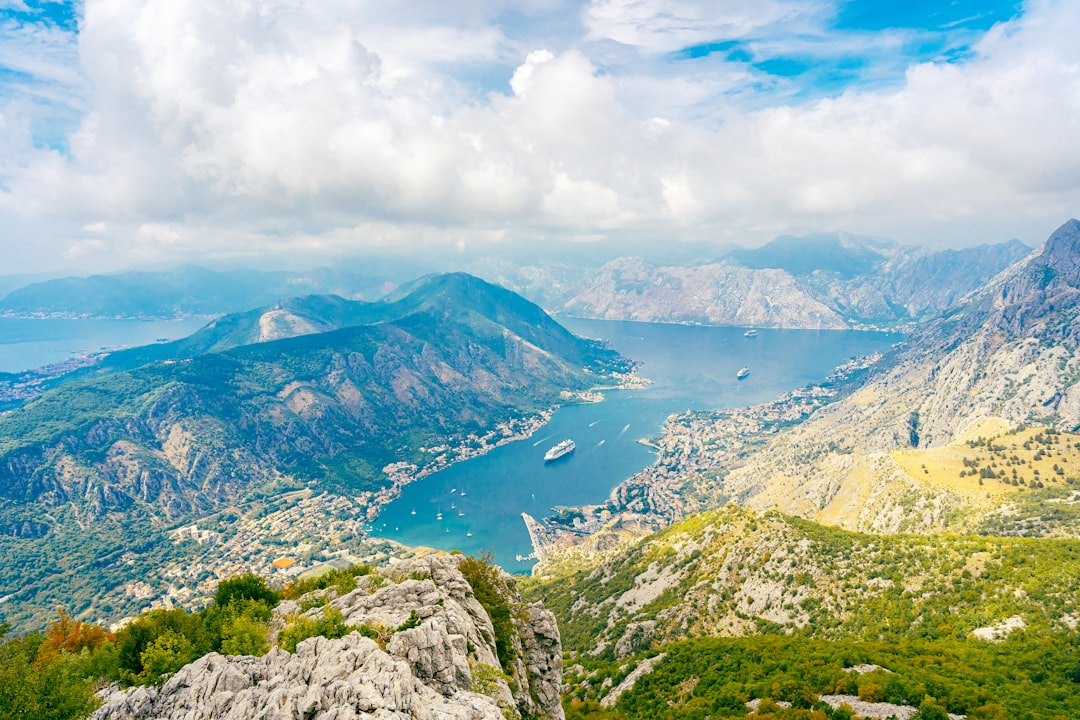
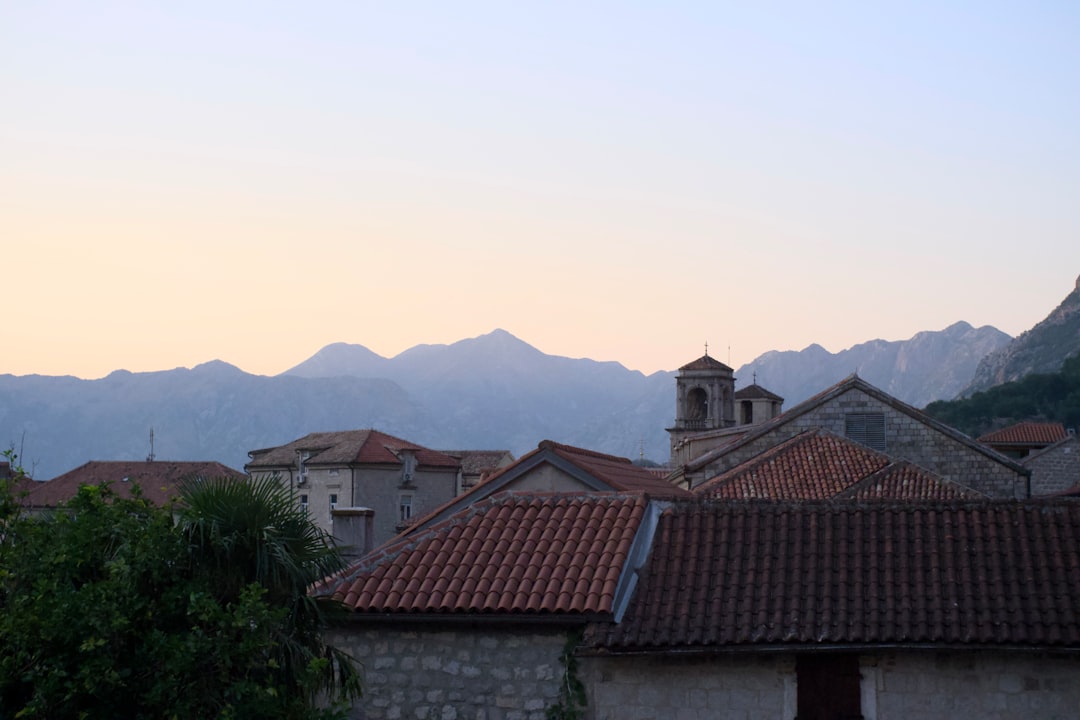
There is no "beaten path" here because the road is a single, winding artery that forces you to confront the landscape head-on. The mountains don't just frame the bay; they crush it. Rising nearly 2,500 meters above sea level, the peaks are so steep they seem to defy gravity, casting long shadows over the medieval towns below. It is intense, claustrophobic, and absolutely mesmerizing. If you come here expecting a relaxing beach holiday, you are in the wrong place. Come for the stone, the history, and the sheer audacity of the terrain.
History & Identity
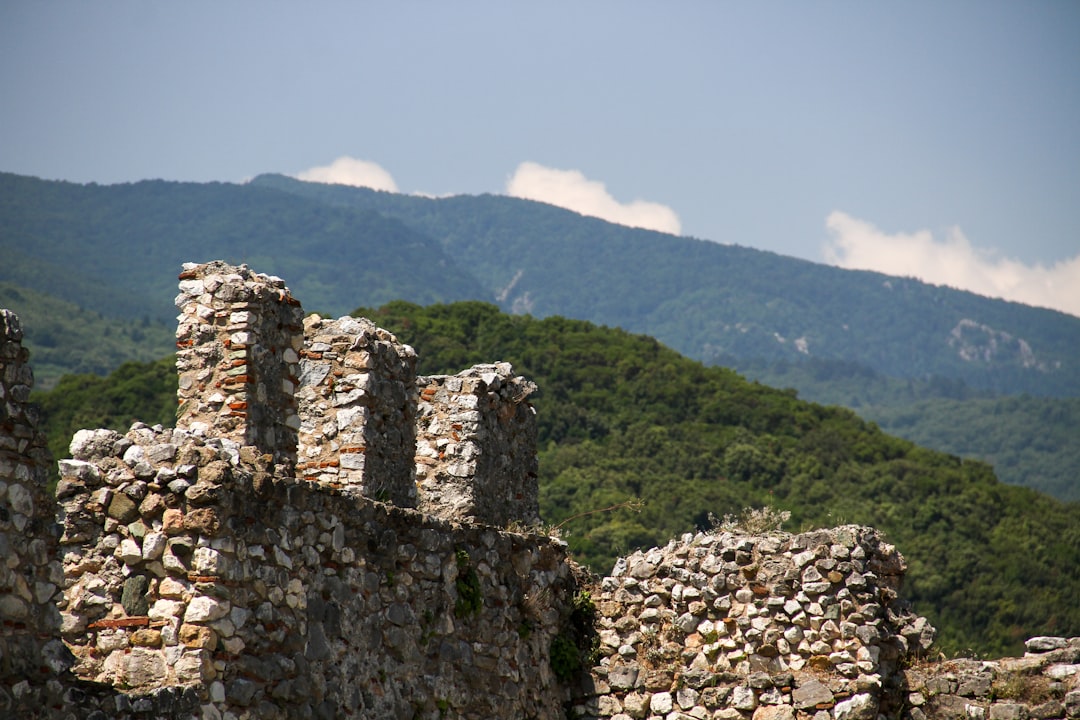
The Bay of Kotor is not a natural accident; it is a geological wound that humans have spent a millennium trying to defend. Historically, this region was the southernmost extension of the Republic of Ragusa, the maritime powerhouse that ruled the Adriatic for centuries. The towns here were built as fortified citadels, designed to withstand sieges from the Ottoman Empire, the Venetians, and the Austro-Hungarians. Every stone wall, every narrow alley, and every fortress tower was a strategic asset. This isn't just pretty architecture; it is military engineering disguised as residential life.
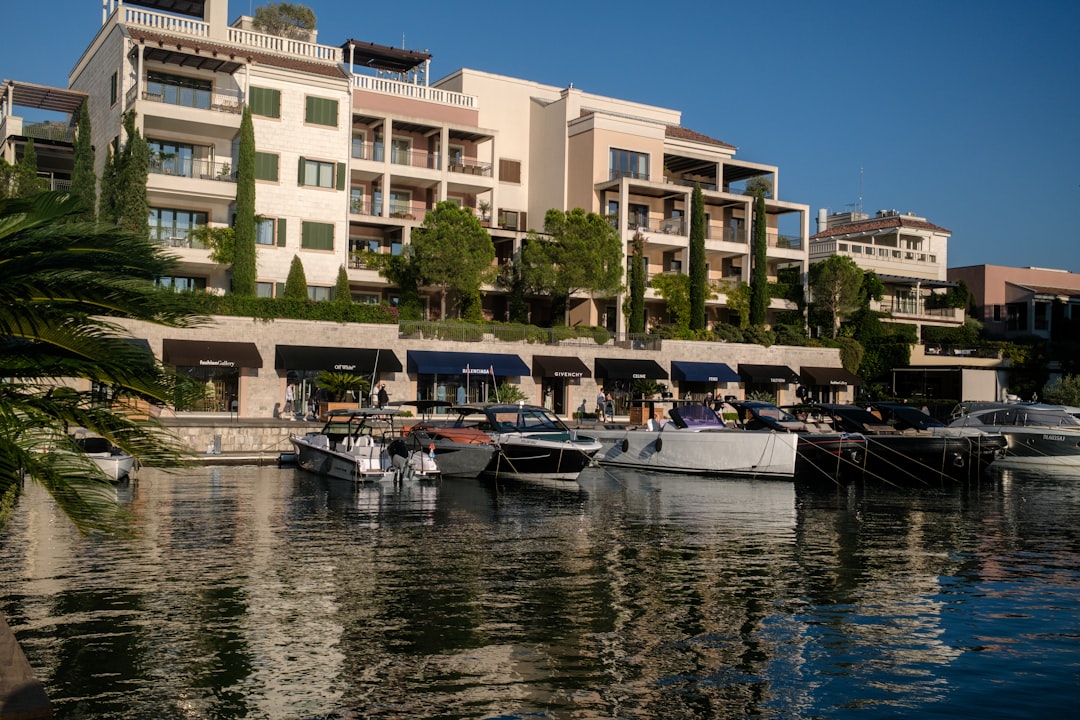
The identity of the bay is split between its three main towns, each with a distinct personality. Kotor is the old capital, dense with Baroque churches and a labyrinth of streets that feel frozen in time. Perast is the aristocratic sibling, where wealthy merchant families built palaces that still stand as private residences or boutique hotels. Tivat is the modern gateway, dominated by the luxury marina that has transformed the bay's economy. The tension between these identities is palpable. You can walk from a 15th-century monastery to a superyacht marina in ten minutes, a juxtaposition that highlights the bay's struggle to preserve its heritage while feeding the global tourism machine.
The region's isolation, protected by the towering Orjen Mountain range, allowed it to develop a unique cultural blend. The architecture is a mix of Venetian Gothic and Ragusan Baroque, while the local dialect and customs reflect centuries of isolation. This isn't just a backdrop for photos; it is a living, breathing entity that has survived wars, earthquakes, and political shifts. The people here are proud, often cynical about the tourists, but deeply attached to their history. You can feel it in the way they walk, in the way they look at the mountains, and in the way they guard their traditions.
Where to Go
Kotor Old Town — The heart of the bay, this fortified medieval town is a UNESCO World Heritage Site. The walls are thick, the streets are narrow, and the heat is intense. The best way to experience it is to climb the Kotor Fortress walls early in the morning, before the crowds arrive. The climb is steep and relentless, but the view from the top is worth every step. Entry to the fortress is 10 EUR, but you can explore the old town for free. The Cathedral of St. Tryphon inside the old town is a masterpiece of Ragusan architecture, with a treasury that holds relics from the Middle Ages.
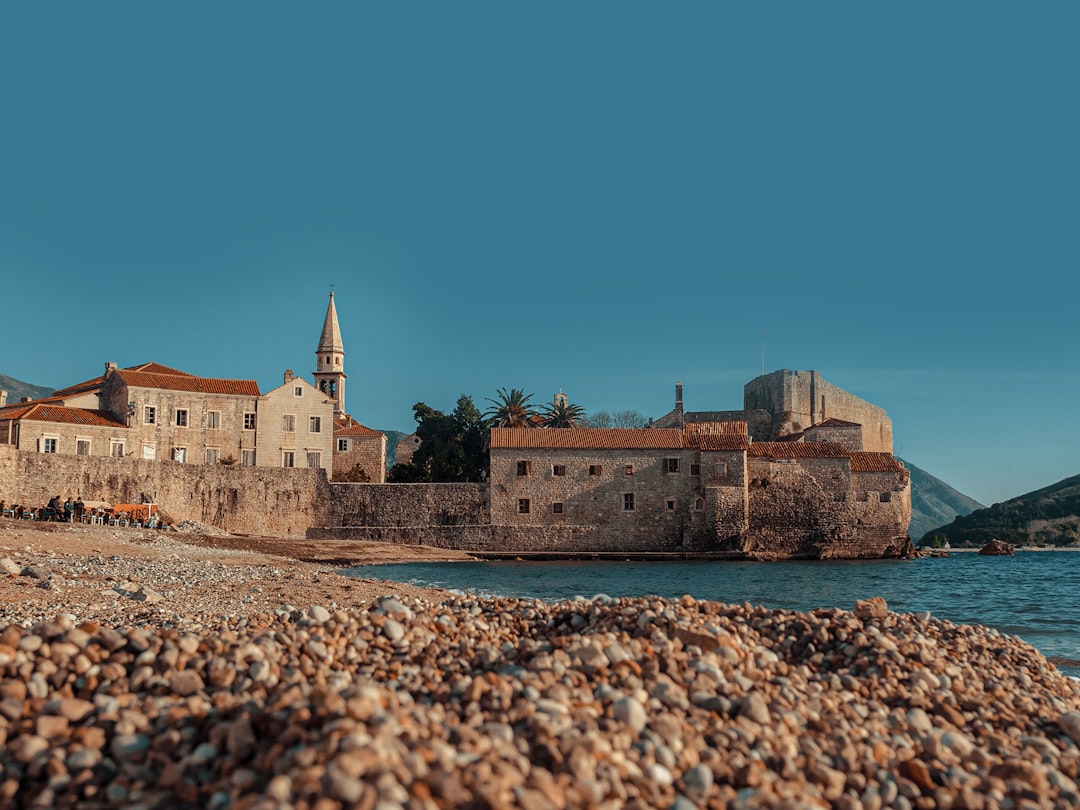
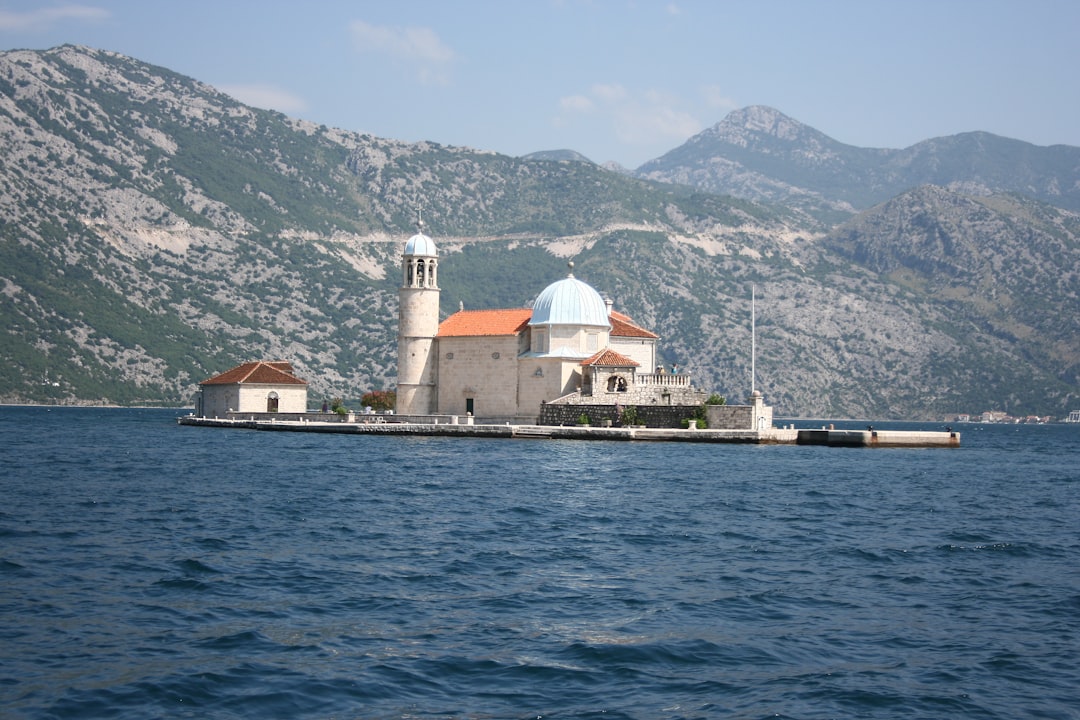
Perast — A smaller, quieter town on the northern shore of the bay, Perast is known for its baroque palaces and its connection to the sea. The town is built on a narrow strip of land between the mountains and the water, with a main street that leads to a small harbor. The highlight is the Our Lady of the Rocks, a man-made island church that sits in the middle of the bay. You can take a boat to the island for a fee of 2 EUR, which is a bargain for the experience. The church is a small but beautiful structure, filled with art and artifacts collected by sailors over the centuries.
Boka Kotorska National Park — The entire bay is protected as a national park, which means you can hike, climb, and explore the surrounding mountains. The trails are well-marked and offer stunning views of the bay and the towns below. The Lovćen National Park is nearby and offers even more dramatic landscapes, including the mausoleum of Njegoš, the Montenegrin poet and ruler. The park is free to enter, but you may need to pay for parking or guided tours. The best time to visit is in the spring or autumn, when the weather is mild and the crowds are smaller.
Tivat Marina — If you want to see the modern face of the bay, go to Tivat. The marina here is one of the largest in the Adriatic, filled with superyachts and luxury boats. It's not for everyone, but it's a fascinating contrast to the medieval towns. The marina has a promenade with cafes and restaurants, and you can take a boat tour of the bay from here. The prices are high, but the views are worth it. It's a reminder that the bay is not just a historical site, but a living, breathing part of the global economy.
Risan — A small town on the southern shore of the bay, Risan is known for its Roman ruins and its industrial past. The Risan Roman Villa is a large complex that dates back to the 3rd century AD, and it's a fascinating glimpse into the region's ancient history. The town also has a small harbor and a few cafes, but it's not a major tourist destination. It's a good place to escape the crowds and see a different side of the bay.
What to Eat & Drink
The food in the Bay of Kotor is a mix of Mediterranean and Balkan influences. The seafood is fresh and affordable, and the local wines are excellent. Here are some must-try dishes:
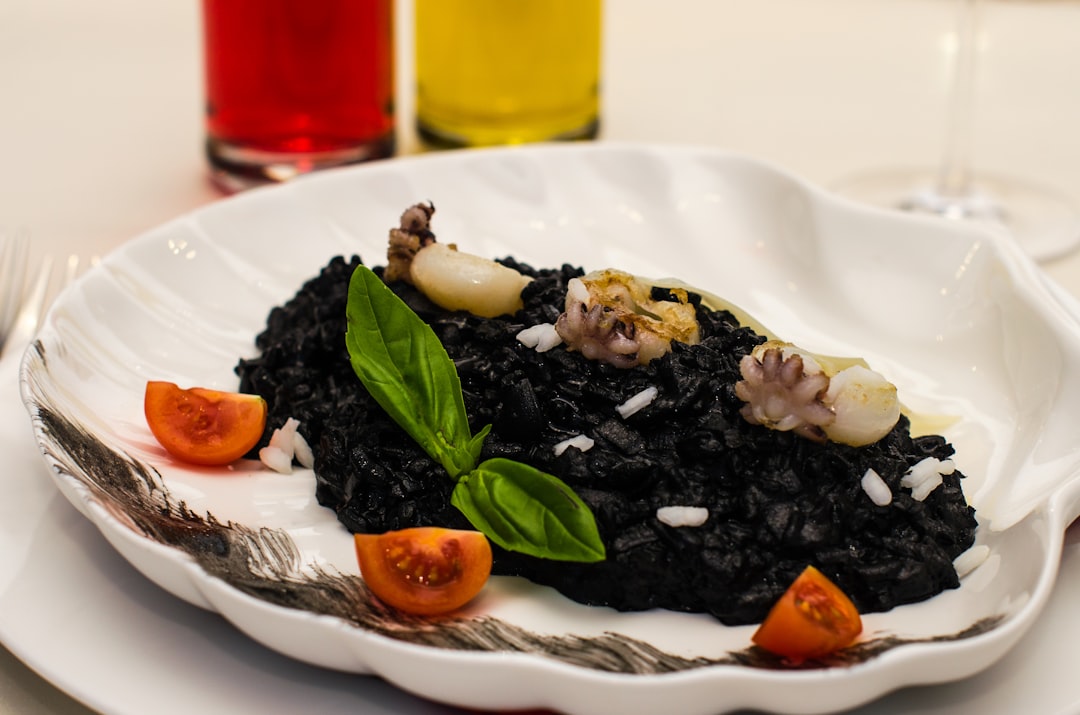
Crni Rižot — Black risotto made with squid ink, this is a local specialty that's both visually striking and delicious. It's served with a side of grilled vegetables and a glass of local wine. Price: 12-15 EUR.
Pršut — A type of cured ham that's similar to prosciutto, pršut is a staple of the local cuisine. It's often served as an appetizer with cheese and bread. Price: 8-10 EUR for a plate.
Peka — A traditional dish of meat and vegetables cooked under a bell-shaped metal lid. It's slow-cooked and tender, and it's a great way to experience the local flavors. Price: 15-20 EUR.
Krta — A local dessert made with walnuts, honey, and wine. It's sweet, sticky, and perfect for a hot summer day. Price: 3-5 EUR.
For budget travelers, there are plenty of street food options. You can find pljeskavica (a type of burger) for 4-6 EUR, and ćevapi (grilled minced meat) for 5-7 EUR. There are also several food courts and markets where you can find cheap and tasty meals. The Kotor Market is a good place to find fresh produce and local specialties.
For mid-range dining, look for restaurants in the old towns of Kotor and Perast. Prices are higher here, but the food is worth it. A typical meal for two will cost 30-50 EUR, including wine. There are also several high-end restaurants in Tivat and Kotor that offer fine dining experiences, but these can cost 100 EUR or more per person.
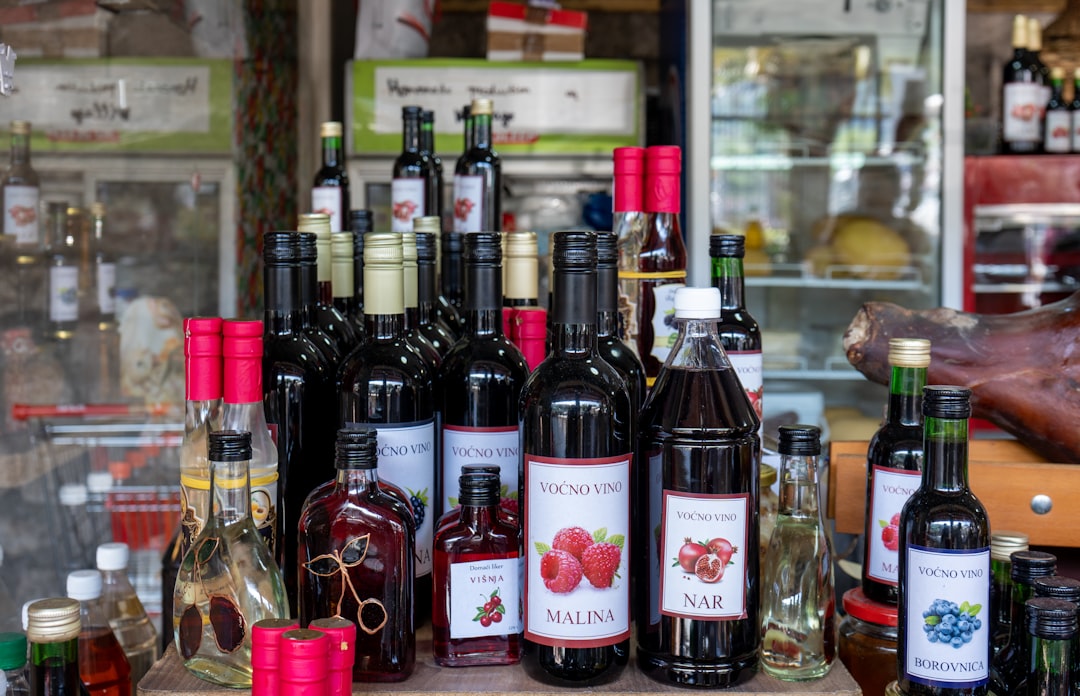
When it comes to drinks, the local wine is excellent. Look for Vranac, a red wine that's produced in the region. It's bold, fruity, and pairs well with the local food. A glass of wine will cost 3-5 EUR in a local bar, and a bottle will cost 10-15 EUR. There are also several craft breweries in the region that produce excellent beers.
Nightlife
The nightlife in the Bay of Kotor is not as vibrant as in other Mediterranean destinations, but it has its own charm. The main nightlife areas are in Kotor and Tivat, where there are several bars and clubs that cater to tourists and locals alike.
In Kotor, the Old Town is the center of nightlife. There are several bars and restaurants that stay open late, and you can find live music and dancing in the streets. The atmosphere is relaxed and friendly, and it's a good place to meet other travelers. Some popular bars include Cafe Bar Porto and Bar Kotor, which offer drinks for 3-5 EUR a glass.
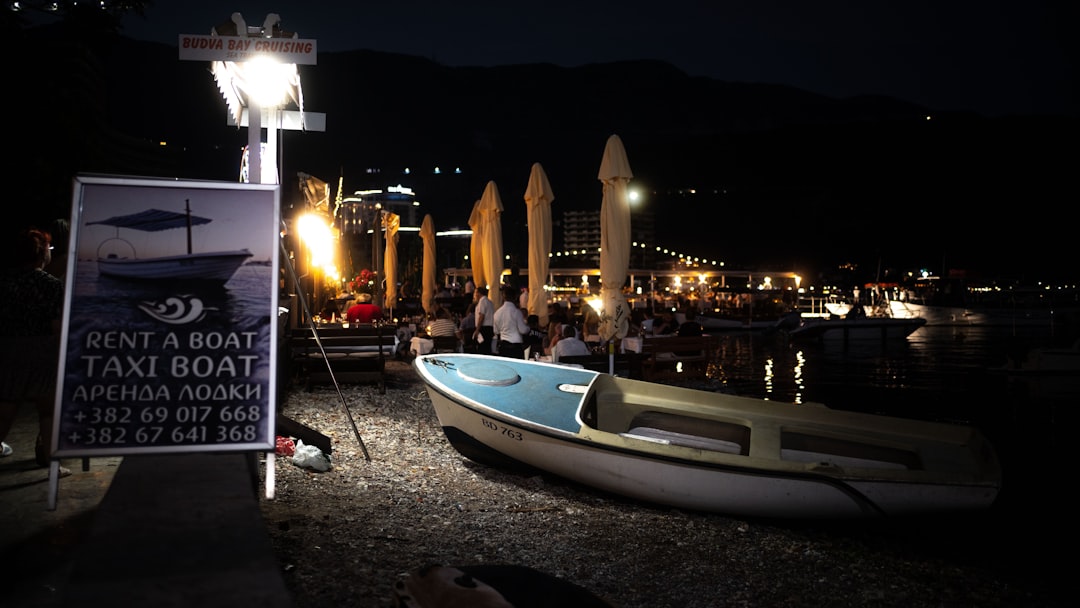
In Tivat, the Marina is the center of nightlife. There are several clubs and bars that cater to a more upscale crowd, and you can find DJs and live music until the early hours. The prices are higher here, but the views are worth it. Some popular clubs include Club Marina and Bar Tivat, which offer drinks for 5-8 EUR a glass.
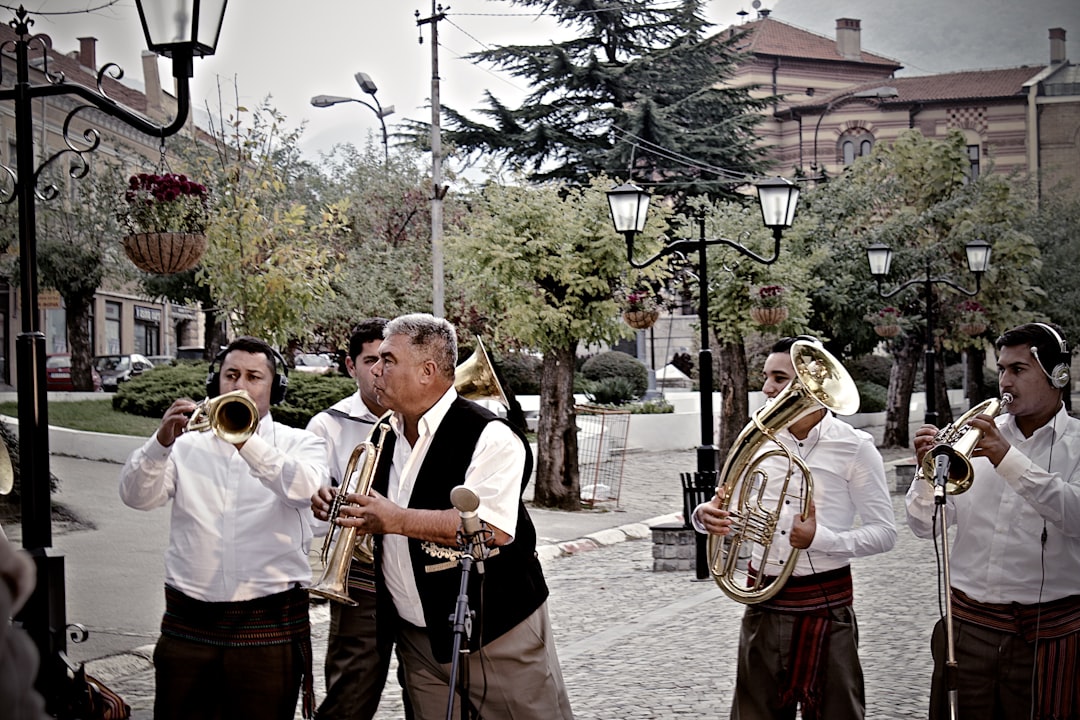
For a more local experience, try the Risan area. There are several small bars and cafes that are popular with locals, and you can find traditional music and dancing. The prices are lower here, and the atmosphere is more relaxed. It's a good place to escape the crowds and experience the local culture.
Getting There & What to Expect
The nearest airport is Tivat Airport, which is about 10 km from the town of Tivat. There are flights from major European cities, but the prices can be high, especially in the summer. You can also fly into Podgorica Airport, which is about 100 km from the bay. From there, you can take a bus or taxi to the bay.
By bus, there are regular services from Budva and Herceg Novi to the bay. The journey takes about 1-2 hours, and the tickets cost 5-10 EUR. By car, the drive from Budva takes about 1 hour, and the drive from Herceg Novi takes about 30 minutes. The roads are narrow and winding, so drive carefully.
Accommodation in the bay ranges from budget hostels to luxury hotels. A budget hostel will cost 20-30 EUR per night, while a mid-range hotel will cost 50-100 EUR per night. Luxury hotels can cost 200 EUR or more per night. The best time to visit is in the spring or autumn, when the weather is mild and the crowds are smaller. In the summer, the bay can be very crowded and hot.
Expect to walk a lot. The streets in the old towns are steep and narrow, and the fortress walls are steep and relentless. Bring comfortable shoes and plenty of water. Also, expect to pay a premium for everything in the summer. Prices for food, drinks, and accommodation are higher in the peak season, so book in advance if possible.
Search accommodation in Kotor on Booking.com →
The Last Gasp of the Fjord
As the sun sets over the bay, the mountains turn a deep, bruised purple, and the water reflects the lights of the boats like shattered glass. I sat on a bench in Perast, watching the yachts bob gently in the harbor, and I realized that this place is not a secret anymore. It's a spectacle. The world has found it, and it's changing fast. But for now, in the quiet hours before dawn, when the tourists are asleep and the only sound is the lap of water against stone, it still feels like a place apart. A place where history is not just written in books, but carved into the very rock beneath your feet. If you come here, don't just take photos. Walk the walls. Taste the wine. Listen to the silence. And try to remember what it was like before the world arrived.
Comments