


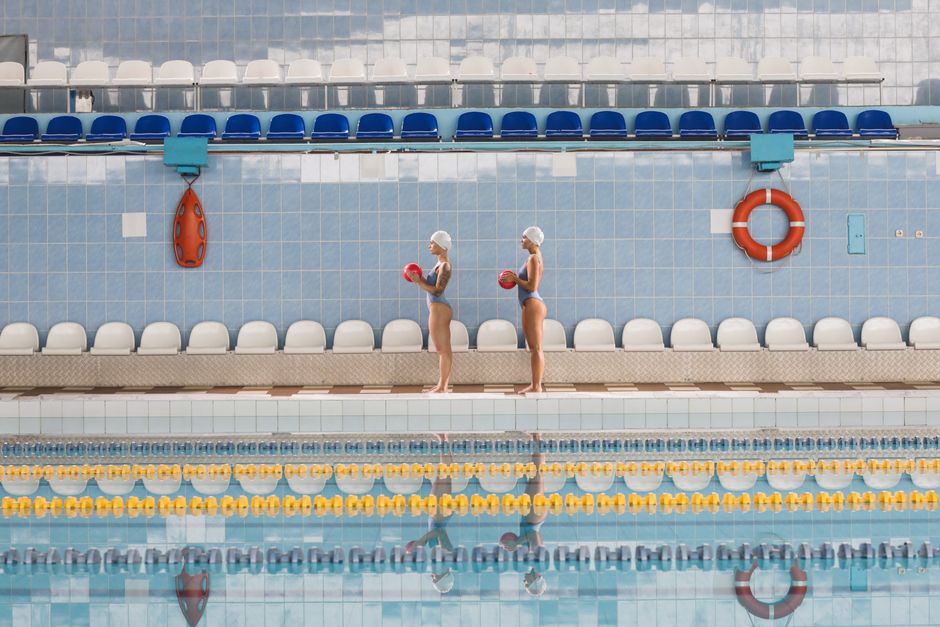
Barcelona has secured its thirteenth LEN Champions League title, cementing its status as the most successful club in European water polo history. The Spanish giants defeated Croatia's Primorje 10-7 in a decisive final held in the capital of Montenegro, Podgorica. This victory extends Barcelona's unprecedented dominance in the sport, adding to a trophy cabinet that already includes twelve previous European crowns. The win is particularly significant for the Balkan region, as the final featured a Croatian powerhouse and took place in Montenegro, highlighting the deep competitive ties between Spanish clubs and Adriatic nations in modern water polo.
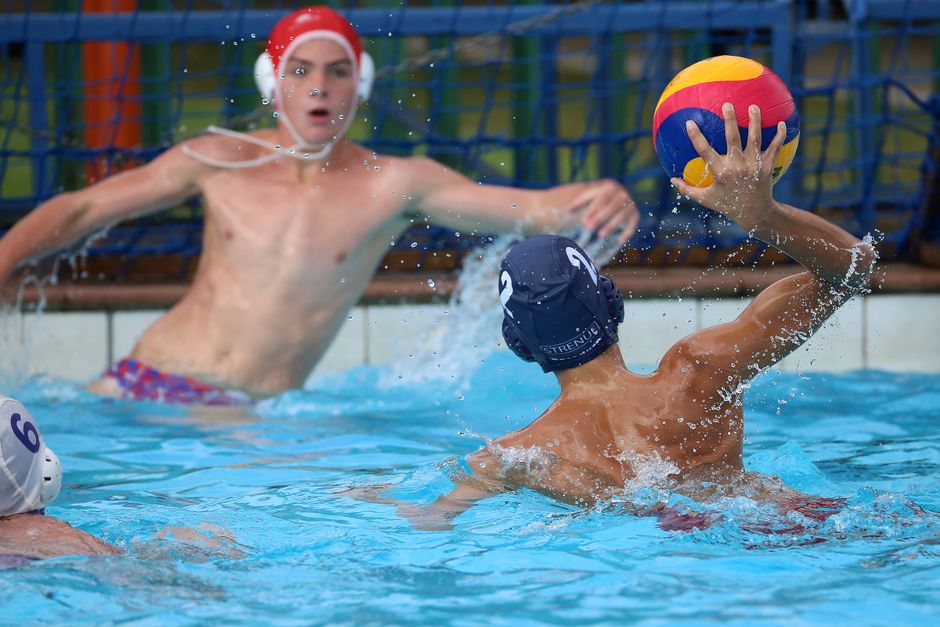
The match itself was a display of tactical precision and physical intensity. Barcelona, coached by Dejan Savić, controlled the tempo from the opening whistle, limiting Primorje's opportunities to build momentum. While the Croatian side fought valiantly, showcasing the high level of talent produced by the Croatian water polo federation, Barcelona's depth and experience proved insurmountable. Key performances from Barcelona's star players ensured that the lead was maintained throughout the second half, resulting in a comprehensive victory that left little doubt about the champion's quality. This result reinforces the narrative that Barcelona is not just a participant in the Champions League, but the benchmark against which all other clubs are measured.
The Continued Reign of the Spanish Giants
Barcelona's journey to this thirteenth title is a testament to their institutional stability and commitment to excellence. Since the inception of the modern Champions League format, the club has consistently attracted top-tier talent from around the globe. Their success is built on a foundation of strategic recruitment and a coaching staff that includes some of the most respected figures in the sport. Dejan Savić, a former Serbian international and Olympic medalist, has played a pivotal role in shaping the team's tactical approach. His leadership has been instrumental in integrating new signings with veteran players, creating a cohesive unit that thrives under pressure.
The club's dominance extends beyond just winning matches; it has influenced the way water polo is played at the elite level. Barcelona's emphasis on speed, technical skill, and defensive organization has set a new standard for European clubs. Other teams are increasingly adopting similar strategies in an attempt to compete, but few have the resources or infrastructure to replicate Barcelona's model. This club's success has also had a significant impact on the sport's popularity in Spain, drawing larger crowds and increased media attention. The thirteenth title is not just a number; it is a symbol of sustained excellence and a testament to the club's ability to adapt and evolve over decades.
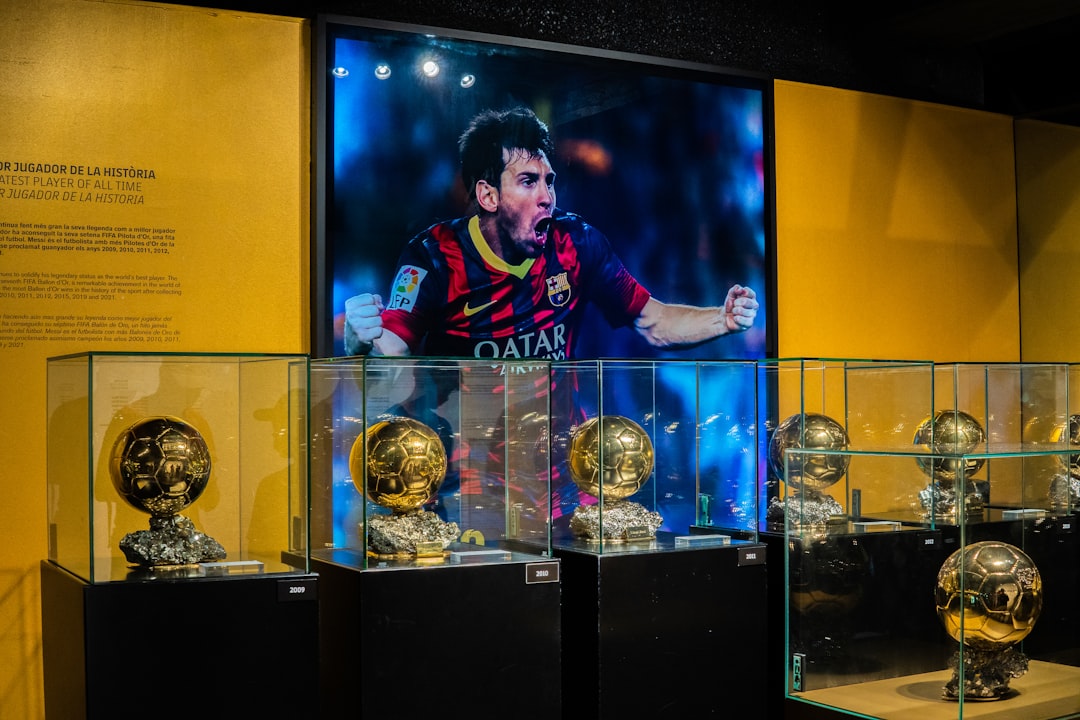
A Strong Showing for Croatian Water Polo
For Primorje, reaching the final was a significant achievement in itself. The Croatian club has been a rising force in European water polo, known for developing young talent and competing with the continent's elite. Their presence in the final underscores the strength of the Croatian water polo system, which has produced numerous Olympic champions and world-class players over the years. Although they fell short in the final, Primorje's performance demonstrated that the gap between them and Barcelona is narrowing. The club's ability to compete at this level is a source of pride for Croatian fans and a sign of the health of domestic leagues in the region.
The Croatian water polo scene has long been a powerhouse in Europe, with clubs like Jug Dubrovnik, Mladost, and Primorje regularly featuring in the latter stages of European competitions. Primorje's run to the final is part of a broader trend of Croatian clubs challenging the traditional hierarchy. The team's resilience and tactical flexibility were evident throughout the tournament, and their ability to push Barcelona to the limit in the final is a credit to their coaching staff and players. This performance will likely serve as motivation for Primorje to return stronger in the coming seasons, aiming to finally dethrone the Spanish giants.
The Balkan Connection and Regional Impact
The final's location in Podgorica, Montenegro, added another layer of significance to the event. Water polo is immensely popular in the Balkans, with countries like Serbia, Croatia, Montenegro, and Greece producing some of the world's best players. Hosting the final in Montenegro provided a platform for local fans to experience top-level water polo firsthand and highlighted the region's passion for the sport. The event also showcased Montenegro's growing role in international sports, as the country continues to invest in infrastructure and host major competitions. The presence of a Croatian finalist and a Serbian coach further emphasized the interconnected nature of Balkan water polo.
Dejan Savić's role as Barcelona's coach is a prime example of the talent flow between the Balkans and Western Europe. Many of the best coaches and players in the sport originate from the region, and their expertise is highly sought after by clubs across Europe. This exchange of knowledge and talent has raised the overall level of competition in the Champions League. For Balkan audiences, the success of their compatriots in leading European clubs is a source of pride and inspiration. The final in Podgorica was a celebration of this shared heritage, bringing together fans and players from across the region to witness a historic moment in water polo.
Looking Ahead: The Future of European Water Polo
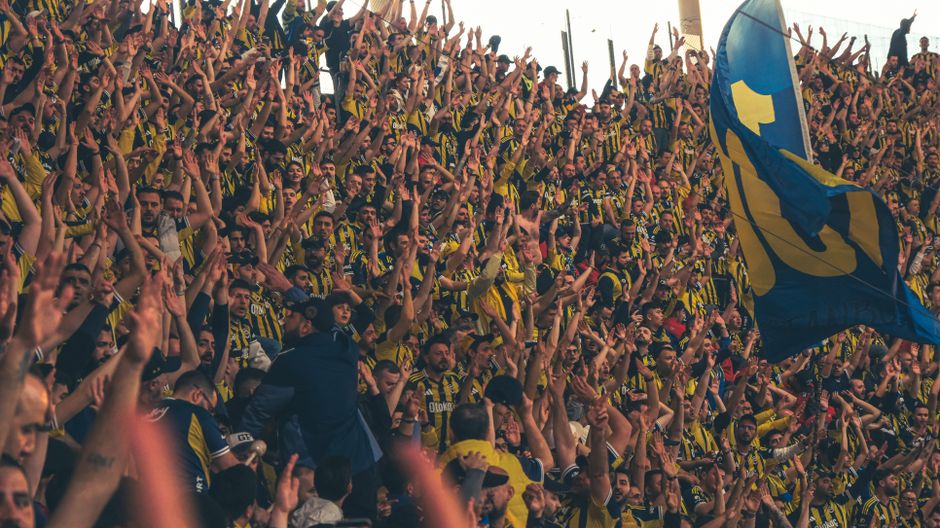
With Barcelona's thirteenth title secured, the question now turns to whether any club can break their stranglehold on the competition. Other European powers, including Italian clubs like Pro Recco and Pro Lido, as well as Hungarian and Greek teams, will be looking to close the gap. The depth of talent in these leagues is considerable, and increased investment and tactical innovation could lead to a more competitive landscape in the coming years. However, Barcelona's infrastructure and brand power make them a formidable opponent for any challenger.
For the Balkan region, the focus will be on continuing to develop talent and supporting clubs in European competitions. The success of Primorje and the influence of coaches like Savić show that the region remains at the heart of the sport. Fans across the Balkans will be watching closely to see if their local clubs can mount a serious challenge to Barcelona's dominance in the next season. The thirteenth title is a milestone, but the competition for future glory is already underway, promising more thrilling matches and high-stakes drama in the years to come.



Comments