



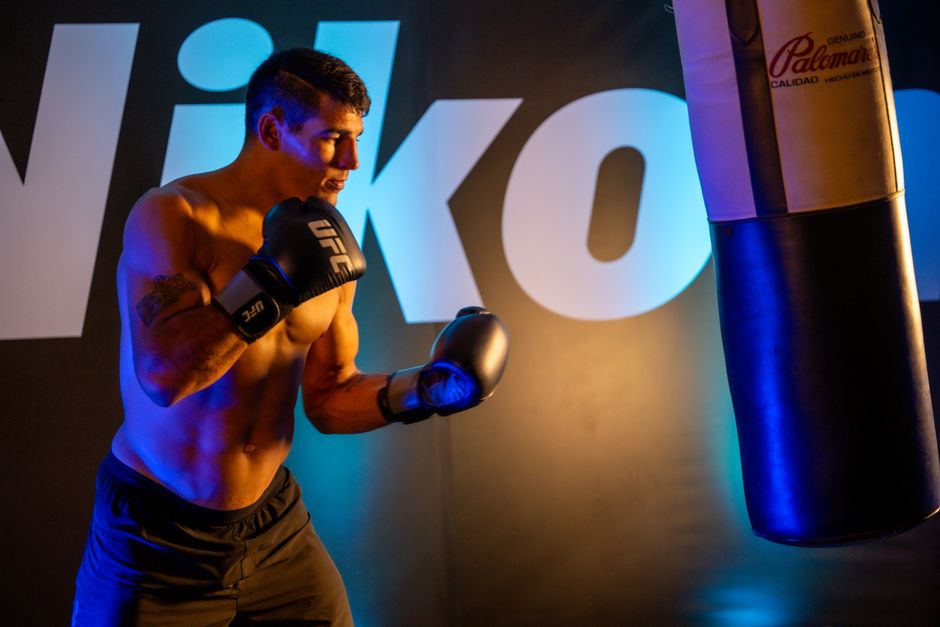
Saul "Canelo" Alvarez, the undisputed heavyweight of global boxing, took center stage in Mexico City to mark the official opening of the 2026 FIFA World Cup. The Mexican champion joined a star-studded lineup including German football legend Jurgen Klopp and soccer icon Karim Benzema, signaling the immense cultural weight placed on the tournament's launch. This high-profile gathering in the capital city underscores Mexico's central role as a co-host for the quadrennial event, blending its rich sporting heritage with the global spectacle of football. For international audiences, particularly those following boxing or football, the appearance of Alvarez highlights the crossover appeal of major sporting events in Latin America.
The ceremony served as a symbolic bridge between the world's most popular sport, football, and the individual combat sports that dominate Mexican culture. Alvarez, widely regarded as one of the greatest boxers of his generation, represents the pinnacle of athletic achievement in Mexico. His presence alongside football figures illustrates the shared passion for sports that unites the region. The event in Mexico City was not merely a formal opening but a celebration of the country's readiness to welcome millions of fans. It set the tone for a tournament that spans three North American nations, with Mexico City acting as a primary hub for key matches and fan zones.
Global Stars Converge in Mexico City
The roster of attendees at the inauguration ceremony reflected the global nature of the 2026 World Cup. Alongside Alvarez, the event featured prominent figures from the football world, including former managers and players who have shaped the modern game. Jurgen Klopp, known for his transformative impact at Liverpool FC and his upcoming tenure with the US Men's National Team, brought a European football perspective to the Mexican stage. This mix of boxing and football celebrities demonstrated the universal language of sports, drawing attention from diverse fan bases across continents. The collaboration between these sports icons aimed to generate excitement and anticipation for the matches to come.
Karim Benzema, the French striker and former Real Madrid star, also graced the event, adding another layer of international prestige. His participation highlighted the tournament's ability to attract top-tier talent regardless of their current active status. These appearances are strategically timed to maximize media coverage and fan engagement in the lead-up to the opening matches. The presence of such high-profile individuals in Mexico City reinforces the city's status as a cultural and sporting capital. It also serves as a reminder of the deep historical ties between European football and Latin American passion, creating a unique atmosphere for the World Cup.
The ceremony itself was a vibrant display of Mexican culture, incorporating traditional music, dance, and visual arts. This cultural showcase provided a backdrop for the sporting dignitaries, emphasizing that the World Cup is as much about cultural exchange as it is about athletic competition. The integration of local traditions with global sporting figures created a memorable opening experience for attendees and viewers worldwide. It set a precedent for how host cities can leverage their cultural assets to enhance the global event. For the Balkan audience, this highlights the importance of cultural presentation in international sports, a lesson applicable to future bidding and hosting efforts in the region.
Canelo Alvarez: Boxing's Global Ambassador
Saul Alvarez, known globally as Canelo, is a Mexican professional boxer who competes in the super middleweight and light heavyweight divisions. He is a lineal, IBF, WBA, WBC, and WBO champion, holding all four major world titles in two weight classes. His career is defined by high-stakes fights against top-tier opponents, generating billions in revenue and drawing massive pay-per-view audiences. Alvarez's fame extends far beyond boxing, making him a household name in Mexico and a respected figure in international sports. His discipline, charisma, and success have made him a role model for young athletes across the Americas and Europe.
Alvarez's connection to the Balkans, while not direct, is felt through the global nature of professional boxing. Fighters from Serbia, Romania, and Bulgaria have competed on the same undercard events as Canelo, sharing the stage with one of the sport's biggest draws. This shared platform allows Balkan athletes to gain exposure to international audiences and promoters. The influence of Canelo's business model and global reach provides a blueprint for how athletes from smaller markets can build international brands. His presence at the World Cup opening signals the respect boxing commands in the global sports hierarchy, encouraging cross-promotion and mutual respect between different sporting disciplines.
The Mexican champion's involvement in the World Cup festivities also reflects the growing trend of sports stars crossing over to support major events. This crossover appeal helps to broaden the fan base for both boxing and football, creating a more inclusive sporting culture. For Balkan fans, who have a strong tradition in both weightlifting, wrestling, and football, seeing a boxer like Canelo celebrate football underscores the unity of the sporting world. It reminds audiences that athletic excellence is recognized and celebrated regardless of the specific sport. This mutual support among athletes fosters a positive global sports environment.
Implications for the 2026 World Cup and Beyond
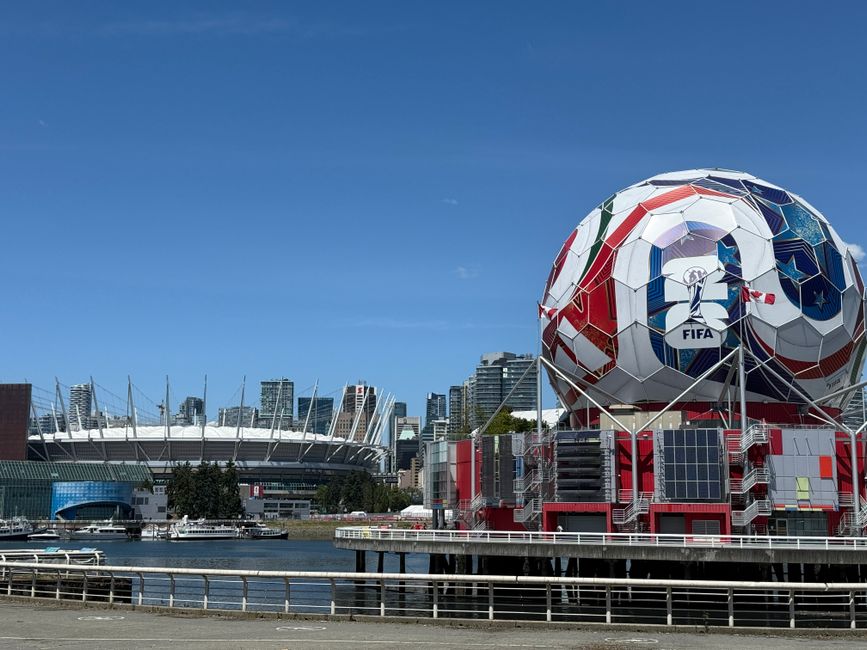
The 2026 FIFA World Cup is the first to feature 48 teams, expanding the tournament's scope and intensity. Mexico's role as a co-host, alongside the United States and Canada, is critical to the event's success. The opening ceremony in Mexico City sets the standard for host cities across North America, emphasizing cultural pride and logistical readiness. The involvement of global stars like Canelo Alvarez helps to drive ticket sales and viewership, ensuring that the tournament achieves its commercial and cultural goals. This high-profile start is expected to sustain momentum throughout the summer, keeping the World Cup in the global spotlight.
For the Balkan region, the 2026 World Cup offers opportunities for fans and media to engage with a major international event. Teams from the Balkans, such as Serbia, Croatia, and Romania, are part of the global football community and will be competing in the qualifiers and potentially the finals. The expanded format increases the chances for these nations to participate, enhancing their visibility on the world stage. The success of the Mexico City opening serves as a model for how Balkan cities can prepare for future international sporting events, focusing on cultural integration and star power. It highlights the importance of presenting a vibrant, welcoming image to attract global attention.
Looking ahead, the impact of the World Cup will extend beyond the final whistle. The infrastructure improvements, cultural exchanges, and economic boosts generated by the event will have lasting effects on the host countries. For athletes like Canelo Alvarez, participating in such events strengthens their brand and connects them with new audiences. The synergy between boxing and football in Mexico City demonstrates the potential for collaboration across sports. As the tournament progresses, fans will watch for standout performances from Balkan teams and the continued influence of global sporting icons. The 2026 World Cup is poised to be a landmark event, and its opening in Mexico City has set a high bar for excellence and celebration.
Comments