



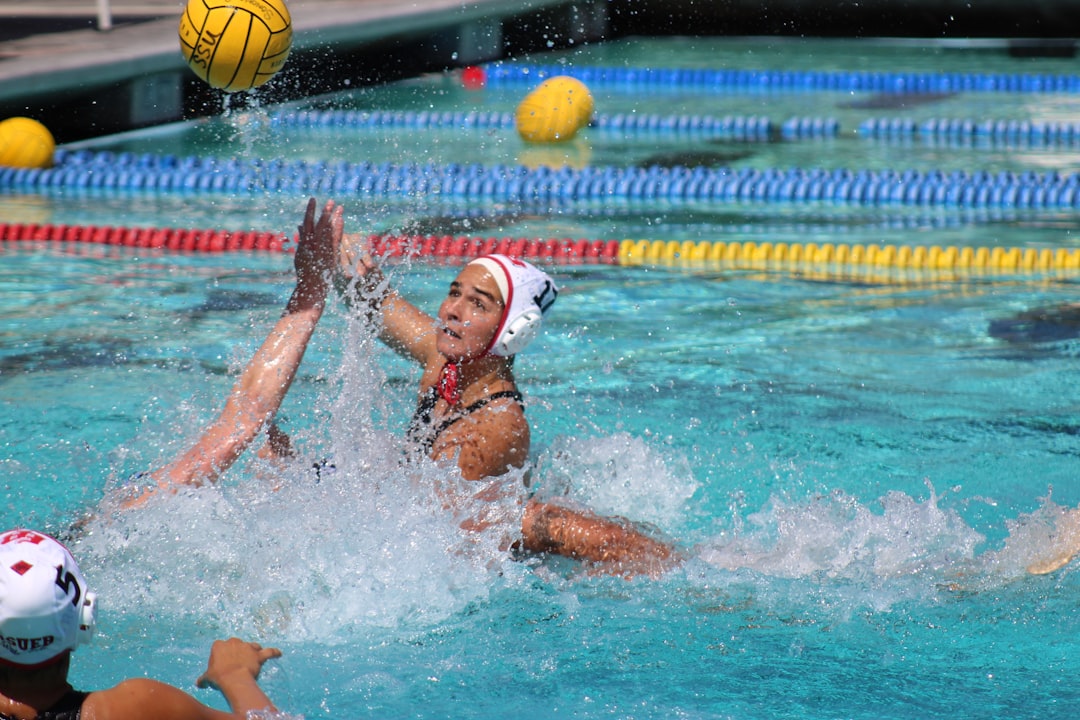
The Women's Water Polo scene in Europe is set for a dramatic conclusion as Olympiacos secures its place in the LEN Champions League final. The Greek powerhouse defeated the Spanish club Mataró 14-12 in a thrilling semi-final encounter, setting up a decisive showdown against the tournament favorites. This result marks a significant milestone for Greek women's sports, highlighting the growing competitiveness and depth of the national program on the international stage. For Balkan audiences, particularly in Greece, this represents a golden opportunity to claim continental glory in a sport where male teams have historically dominated headlines.
The victory was not without its challenges. Mataró, a seasoned European competitor, pushed the red-and-whites to the limit, forcing Olympiacos to demonstrate tactical flexibility and mental resilience. The match, characterized by rapid transitions and high-intensity defense, showcased the evolving technical standards of the water polo discipline. As the final approaches, the focus shifts to how Olympiacos manages the pressure of a do-or-die game against a top-tier opponent. The stakes are high, with the winner securing not only the trophy but also prestige and potential funding advantages for the club.
A Historic Run for Greek Women's Water Polo
Olympiacos has long been a giant in Greek football and basketball, but its recent success in water polo signals a broader athletic renaissance. The club's investment in women's sports has paid dividends, producing a squad capable of competing with the best in Spain and Hungary. This semi-final win is a testament to years of strategic planning and youth development. The team's cohesion and aggressive style of play have become hallmarks of their identity, distinguishing them from more traditional, defensive-minded European clubs.
The significance of this achievement extends beyond the pool. In a region where women's sports often struggle for visibility, Olympiacos' success provides a powerful narrative of empowerment and excellence. It inspires young athletes across Greece and the Balkans to pursue careers in water polo, a sport that demands both physical strength and tactical intelligence. The club's management has emphasized the importance of professionalizing the women's program, ensuring that players receive the same level of support and resources as their male counterparts. This shift is crucial for the long-term sustainability of the sport in the region.
Moreover, the presence of Olympiacos in the final draws attention to the broader ecosystem of Greek sports. It highlights the role of private investment in nurturing talent and creating competitive environments. As the final approaches, expectations are high, but the pressure is also immense. The team must balance the desire for victory with the need to perform under the scrutiny of a continent-wide audience. The upcoming match will be a true test of their character and capability.

The Balkan Angle: Regional Pride and Competition
While the final is a European contest, the Balkan region has a rich history in water polo, particularly in countries like Serbia, Croatia, and Greece. The success of Olympiacos adds another chapter to this narrative, showcasing the region's ability to produce world-class talent. Balkan audiences, known for their passionate support of sports, are rallying behind the Greek team, viewing this as a chance to bring continental glory back to the region. The rivalry between Balkan clubs and Western European powerhouses is a recurring theme in European water polo, making this final a symbolic battle for regional prestige.
The impact of this final extends beyond the immediate participants. It serves as a catalyst for increased interest in women's water polo across the Balkans. Clubs in Serbia, Croatia, and Hungary are taking note of Olympiacos' model, recognizing the potential for growth and commercialization in the women's game. This could lead to more investment in youth academies and professional leagues, fostering a new generation of athletes. The final also provides a platform for Balkan players to showcase their skills on a global stage, potentially attracting interest from top clubs in other continents.
Furthermore, the political and social dynamics of the Balkans often influence sports rivalries. While this final is a sporting contest, it carries undertones of regional pride and competition. The support for Olympiacos is not just about the team but also about representing Greece and the broader Balkan identity in European sports. As the final approaches, the atmosphere is electric, with fans from across the region tuning in to watch their heroes compete. The outcome will have lasting implications for the perception of Balkan women's sports.
Looking Ahead: The Final and Beyond
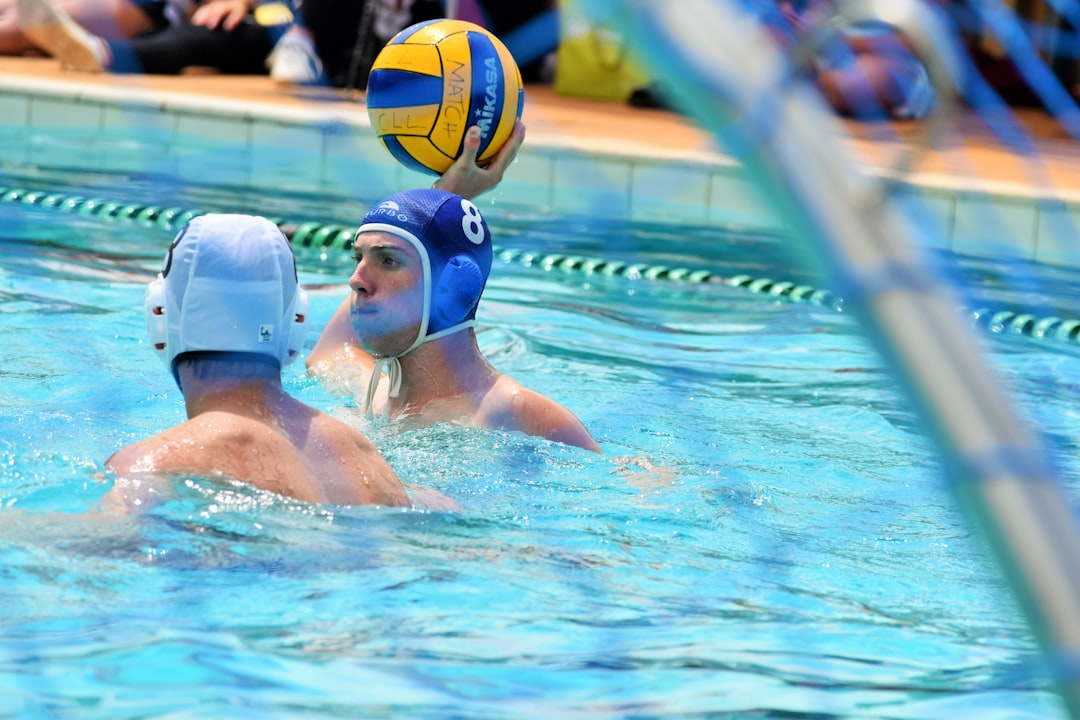
The final promises to be a spectacle of speed, skill, and strategy. Olympiacos will need to replicate their semi-final performance while adapting to the strengths of their opponent. The coaching staff is expected to employ tactical variations to disrupt the opposition's rhythm and capitalize on defensive weaknesses. Key players will be under immense pressure to deliver in critical moments, and the team's ability to handle stress will be the deciding factor. The final is not just a match but a culmination of a season's hard work and dedication.
Beyond the final, the implications for European water polo are significant. A victory for Olympiacos would mark a shift in the balance of power, challenging the dominance of traditional powers like Spain and Hungary. It would also validate the investment in women's sports in Greece, encouraging other clubs and federations to follow suit. The final serves as a benchmark for the future of the sport, highlighting the importance of professionalization and strategic planning. As the sport evolves, the lessons learned from this final will shape the direction of European water polo for years to come.
For fans and stakeholders alike, the final is a must-watch event. It represents the pinnacle of achievement in women's water polo and offers a glimpse into the future of the sport. The outcome will have far-reaching consequences, influencing investment, talent development, and regional pride. As the countdown to the final begins, the anticipation is palpable, with everyone eager to see who will emerge as the champion. The world will be watching, and the Balkan region will be holding its breath.


Comments