



The Turkish Volleyball Federation (TVF) has officially confirmed that the Turkish national men's volleyball team, widely known as "The Masters of the Net," will compete in the **2026 FIVB Volleyball Men's Nations League**. This announcement secures Turkey's place in the premier international annual competition, maintaining the nation's status as a consistent contender in global volleyball. For sports fans across the Balkans, particularly in neighboring Greece and Bulgaria, this confirmation reinforces the intense regional rivalry and competitive depth that defines European volleyball. The Nations League serves as the most significant annual tournament outside of the World Championships and Olympic Games, offering high-stakes matches that determine seeding for future major events.
The decision to include Turkey in the 2026 edition ensures continuity for a program that has consistently performed at the highest level over the past decade. Under the guidance of head coach **Tuğrul Ayer**, the team has built a reputation for resilience and tactical sophistication. This participation is not merely a formality but a strategic necessity for the federation, which aims to qualify for the **2028 Los Angeles Olympics**. The tournament format provides critical ranking points and match experience against top-tier nations such as Poland, Italy, and France. For the Balkan audience, Turkey's involvement guarantees high-quality broadcasts and heightened interest in regional matchups, particularly when playing against historical rivals.

Recent Performance and Strategic Significance
Turkey's volleyball program has undergone a significant transformation in recent years, evolving from a regional power to a genuine medal contender on the world stage. The team's recent performances in the **FIVB Volleyball Nations League** have been marked by strong displays of athleticism and defensive stability. In previous editions, Turkey has consistently reached the final stages, challenging traditional powers like Brazil and Japan. This level of performance has been driven by a blend of experienced veterans and emerging young talent, creating a balanced roster capable of adapting to various playing styles. The federation's investment in youth development and international coaching expertise has paid dividends, resulting in a team that is feared for its speed and attacking prowess.
The confirmation for 2026 is strategically vital for Turkey's Olympic ambitions. The **2028 Los Angeles Games** represent the next major milestone, and the Nations League serves as the primary testing ground for team chemistry and tactical adjustments. Every match in the league contributes to the FIVB world rankings, which influence draw placements and qualification pathways. For a nation with a passionate fanbase and substantial financial backing, maintaining top-tier status is non-negotiable. The team's ability to perform under pressure against elite opponents will be closely monitored by selectors and analysts alike. This period is also crucial for integrating new players who may have emerged from domestic leagues or European clubs, ensuring the squad remains dynamic and competitive.
Furthermore, the Nations League provides an essential platform for player development. Many Turkish stars, such as **Efe İnal** and **Kévin Arévalo**, play for top European clubs, and the national team serves as a focal point for their international careers. The high-intensity environment of the league helps players refine their skills and build the mental toughness required for major tournaments. The federation's focus on data analytics and sports science has also enhanced player performance and injury prevention. This holistic approach ensures that the team remains at the forefront of volleyball innovation, setting a benchmark for other national programs in the region and beyond.
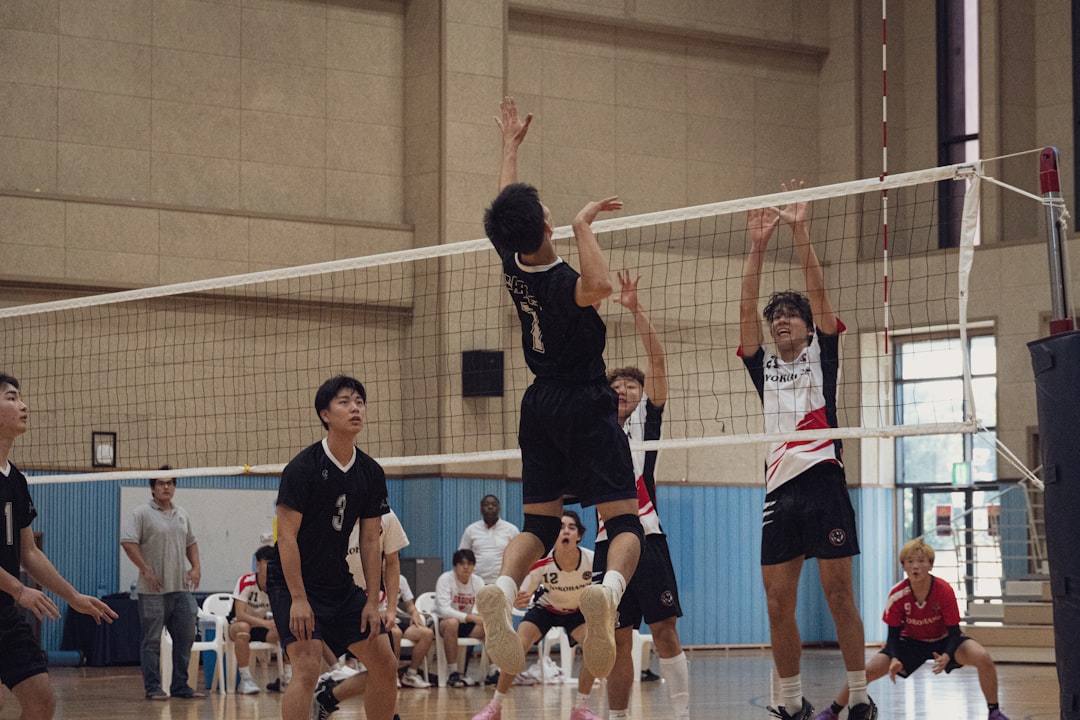
The Balkan Volleyball Landscape and Regional Rivalries
The inclusion of Turkey in the 2026 Nations League intensifies the competitive landscape in the Balkans, where volleyball is a major sport with deep cultural roots. Neighboring countries such as **Greece**, **Bulgaria**, and **Serbia** are also traditional powers in European volleyball. Greece, in particular, has a rich history in the sport, with its national team frequently competing in top-tier international events. The rivalry between Turkey and Greece extends beyond volleyball, encompassing various sports and cultural domains, but on the court, it manifests as a fierce competition for regional supremacy. Matches between these two nations are often high-scoring and emotionally charged, attracting significant viewership and media attention across the region.
Bulgaria also plays a significant role in Balkan volleyball, with its national team boasting a legacy of success in European and world championships. The Bulgarian team's participation in the Nations League or other international competitions creates a three-way dynamic that keeps regional fans engaged. The proximity of these nations fosters a high level of competition, as players often compete against each other in domestic leagues and club competitions. This cross-border interaction raises the overall standard of play, benefiting all involved teams. For fans in the Balkans, the Nations League offers a chance to see their national teams test their skills against one of the region's most formidable opponents, Turkey.
The broader Balkan context is further enriched by the participation of other regional teams in various international tournaments. Countries like **Serbia** and **Croatia** also have strong volleyball traditions, with their teams regularly featuring in European championships. The interconnectedness of these national programs creates a vibrant volleyball ecosystem that drives talent development and tactical innovation. The presence of Turkey in the 2026 Nations League ensures that the Balkan region remains a focal point of global volleyball, with multiple teams contributing to the sport's growth and popularity. This regional strength is a testament to the dedication of coaches, players, and fans who support the sport at all levels.
What to Watch For in 2026
As the 2026 FIVB Volleyball Men's Nations League approaches, several key factors will determine Turkey's success and the broader impact on the tournament. The composition of the final roster will be critical, with coach Tuğrul Ayer needing to balance experience with youthful energy. The integration of new players from domestic and international clubs will be closely watched, as their ability to adapt to the national team's system could prove decisive. Additionally, the team's physical conditioning and injury management will be paramount, given the demanding schedule of the league. Fans and analysts will be keen to see how Turkey adjusts its tactics to counter the evolving strategies of rival nations.
The tournament schedule and draw will also play a significant role in shaping the competition. Turkey's placement in the group stage will influence the difficulty of their initial matches and their path to the final week. Strategic decisions regarding rest and rotation will be essential to ensure peak performance in the decisive stages of the tournament. The support of the home crowd, when matches are played in Turkey, can also provide a significant boost to the team's morale and performance. The federation's efforts to engage fans and promote the sport will likely intensify, creating a vibrant atmosphere around the team's matches.
Looking ahead, the 2026 Nations League is not just a standalone event but a crucial step in Turkey's journey toward the 2028 Los Angeles Olympics. The lessons learned, rankings earned, and confidence built during this period will have lasting implications for the team's future. For Balkan audiences, the tournament offers an opportunity to witness the highest level of international volleyball and to support their regional rivals and allies. The competitive spirit, athletic excellence, and cultural passion that define Balkan volleyball will be on full display, making the 2026 edition a must-watch event for sports enthusiasts across the region and beyond.


Comments