


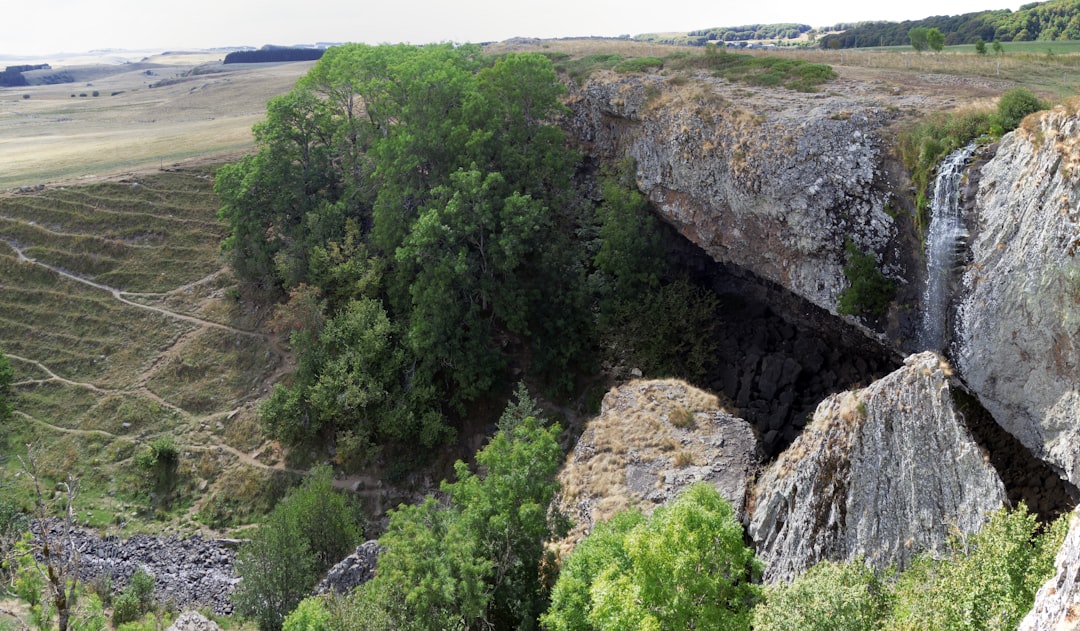
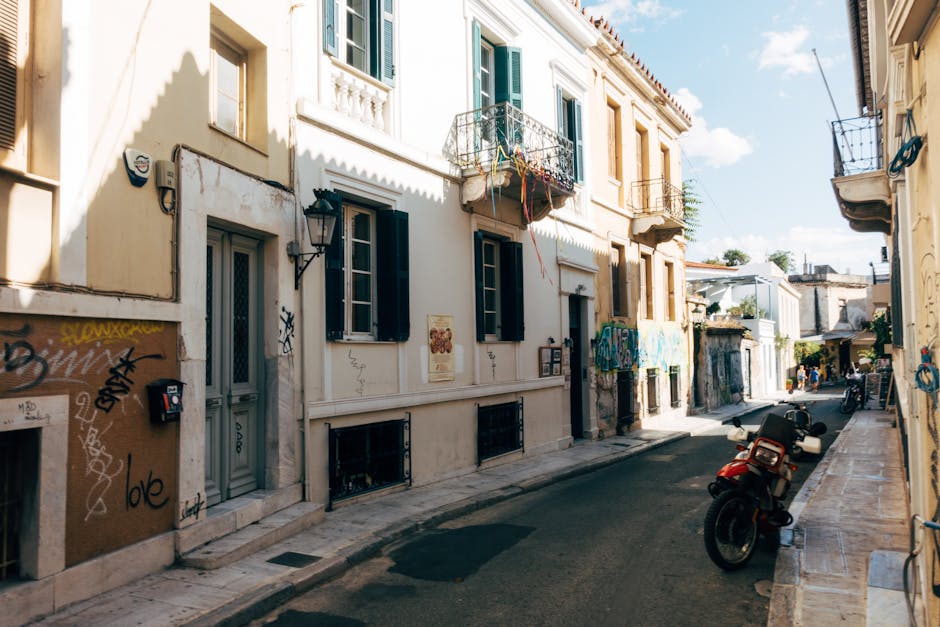
The heat in Athens doesn't just sit on you; it presses down like a physical weight, smelling of exhaust fumes, roasted chestnuts, and old stone. I was standing on a cracked pavement in Exarchia, a neighborhood that feels less like a district and more like a permanent state of revolutionary agitation. Graffiti covers every vertical surface, layer upon layer of political slogans and abstract art. A stray dog with one ear missing eyed me suspiciously while a group of students argued passionately about housing prices in a nearby coffee shop. This is the Athens that doesn't make it into the glossy brochures. It's chaotic, loud, and utterly alive. While the tourists flock to the marble temples, the real city is happening in the shadows of the Acropolis, in the labyrinthine streets where history isn't just preserved—it's lived, fought over, and reinvented daily.
I came here looking for the "hidden" Athens, but I quickly realized that nothing in this city is truly hidden. It's just ignored. You have to look past the guidebooks and the souvenir shops selling plastic olive oil lamps. You have to walk into the alleys where the locals live, eat, and drink. The magic of Athens isn't in its ancient ruins, though they are impressive. It's in the way the modern city has grown around them, creating a strange, beautiful hybrid of the ancient and the contemporary. This is a city that has survived earthquakes, wars, and economic crises, and it has done so with a defiant spirit that you can feel in every corner.
History & Identity
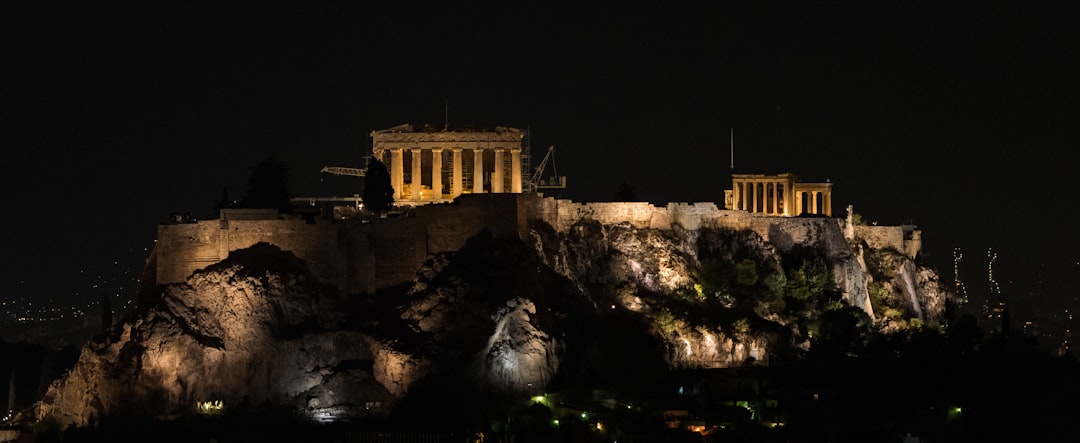
Athens is a city of layers, literally and figuratively. Beneath the modern streets lie the ruins of Byzantine churches, Ottoman mosques, and ancient temples. The city's identity is shaped by this constant dialogue between the past and the present. The Acropolis dominates the skyline, a symbol of classical democracy and artistic achievement. But look closer, and you'll see the scars of history. The Plaka neighborhood, often marketed as the "oldest neighborhood in Athens," is actually a sanitized version of history, filled with tourist traps and neoclassical buildings that were constructed in the 19th century. The real history is found in the neighborhoods that have retained their authentic character.
Exarchia, with its anarchist roots and vibrant street art scene, represents the city's rebellious spirit. It's a place where political activism is part of daily life, and where cafes double as community centers. On the other side of the city, Psirri has transformed from a working-class neighborhood into a hub for art galleries, boutique shops, and trendy restaurants. Yet, even here, you can still find traces of the old Athens, in the form of traditional tavernas and family-run businesses. The city's identity is a complex tapestry, woven from threads of ancient glory, Ottoman occupation, modernization, and contemporary resistance.
Where to Go
Monastiraki Square — This is the beating heart of Athens, a bustling square that has been a marketplace since ancient times. Today, it's a mix of flea markets, souvenir shops, and street performers. The best time to visit is in the early morning or late afternoon, when the crowds thin out and you can actually explore the stalls without being jostled. Entry is free, but expect to spend money on souvenirs or street food. The square is also a great starting point for exploring the surrounding neighborhoods.
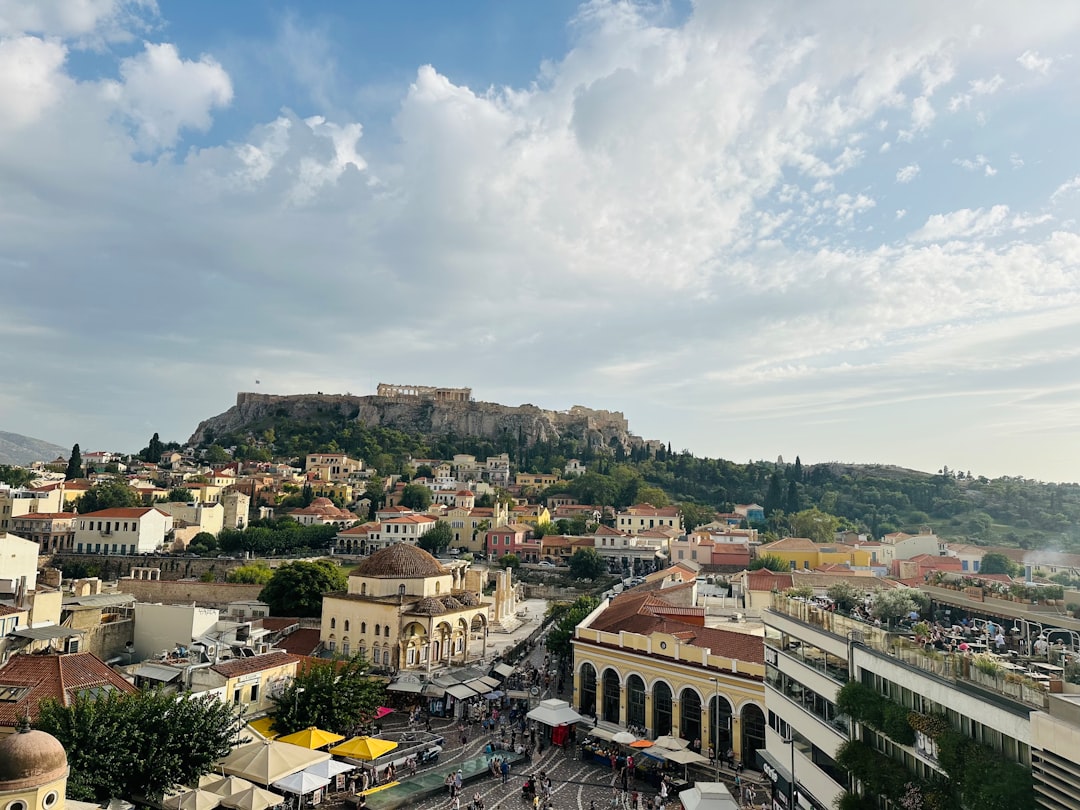
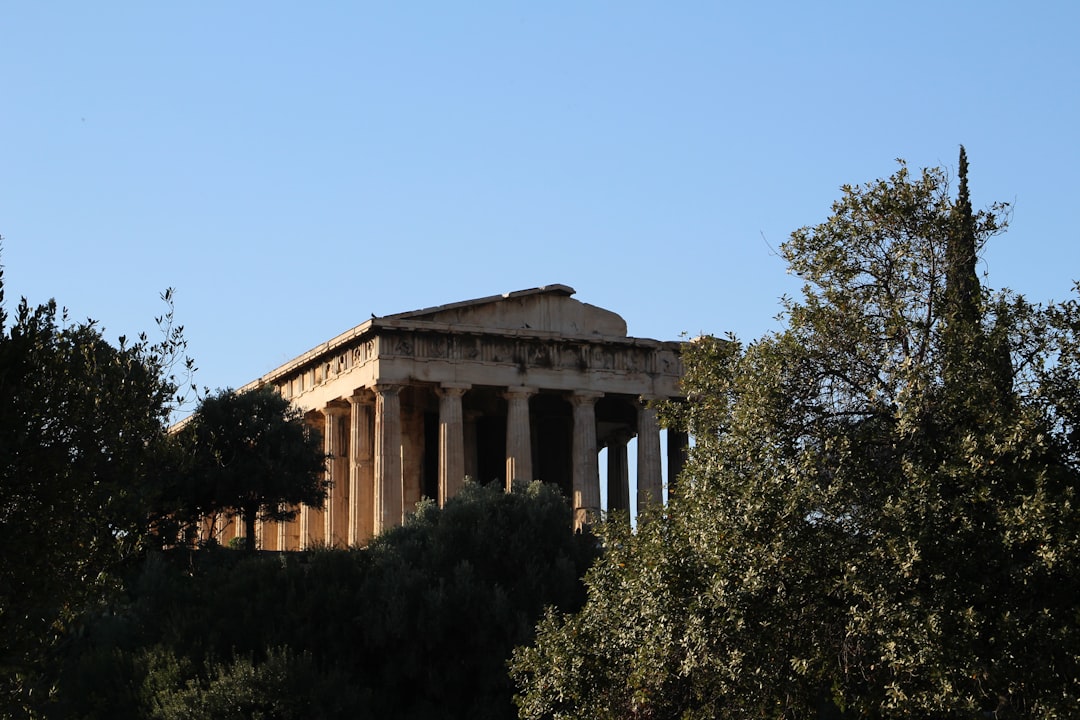
Thissio Neighborhood — Located at the foot of the Acropolis, Thissio is a quieter, more residential area with a bohemian vibe. It's home to the Temple of Hephaestus, one of the best-preserved ancient temples in Athens. The neighborhood is filled with small cafes, wine bars, and independent bookshops. It's a great place to spend an afternoon, wandering the narrow streets and soaking up the atmosphere. The views of the Acropolis from the nearby restaurants are spectacular, especially at sunset.
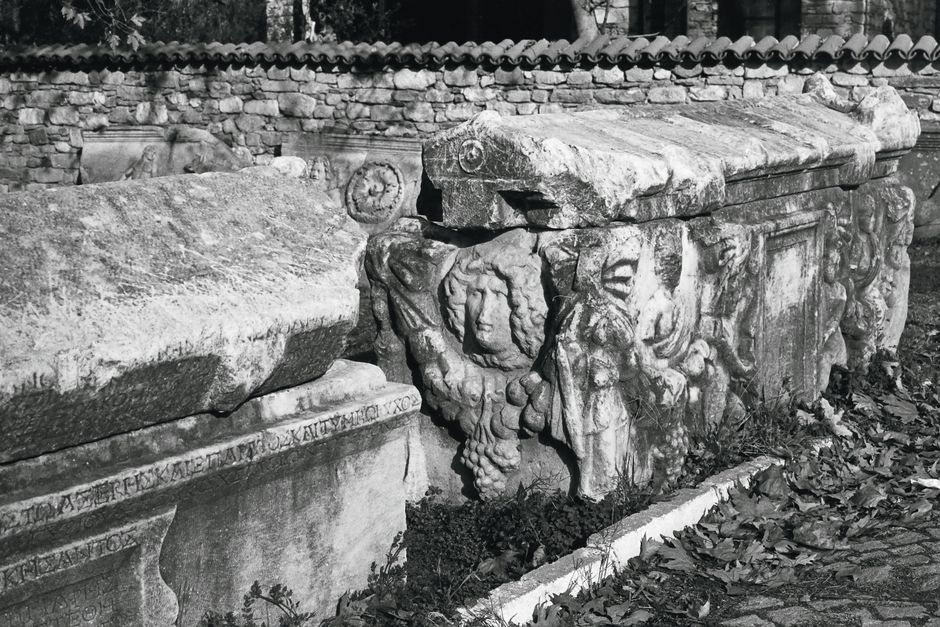
Kerameikos Cemetery — This ancient cemetery is one of the most underrated sites in Athens. Located just outside the city center, it offers a glimpse into the burial practices of ancient Athens. The site is well-preserved, with tombs, sarcophagi, and a museum displaying artifacts found on the site. It's a peaceful place, far removed from the hustle and bustle of the city center. Entry is around 8 EUR, and it's best visited in the morning or late afternoon to avoid the heat.
Exarchia Streets — There is no single attraction here; the attraction is the neighborhood itself. Wander the streets of Exarchia and you'll find a kaleidoscope of street art, political posters, and independent shops. The Exarchia Square is the center of action, with cafes and bars spilling onto the street. It's a place to observe, to listen, and to feel the pulse of the city's underground culture. There's no entry fee, just the cost of a coffee or a beer.
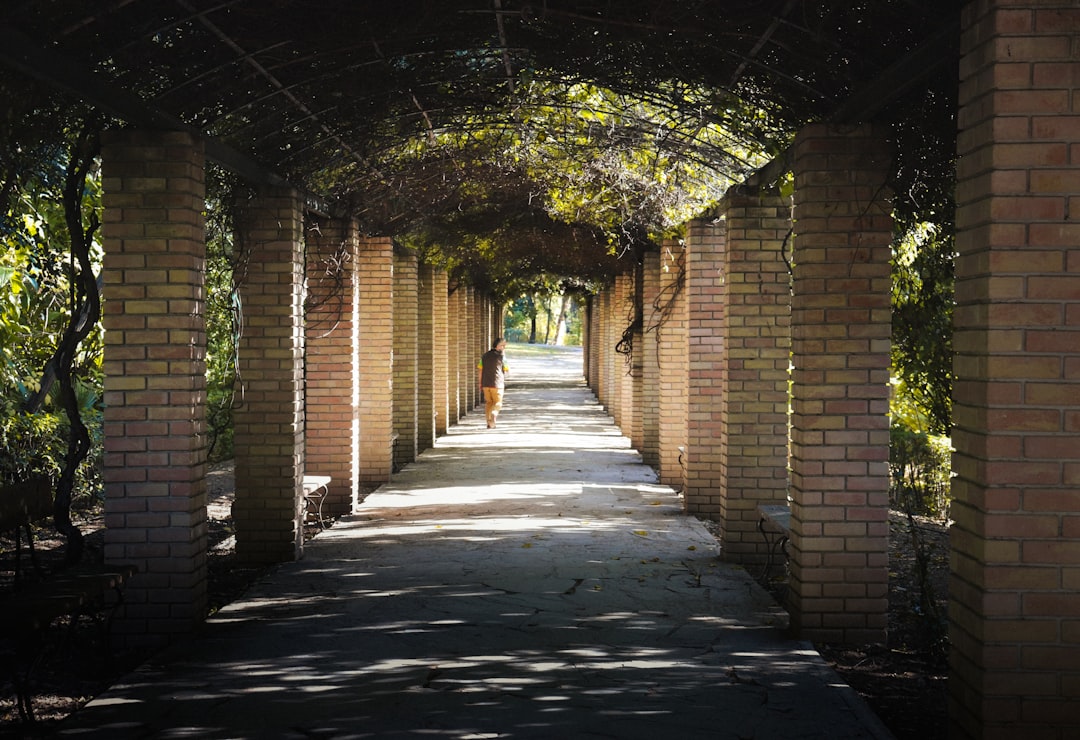
National Garden — A green oasis in the heart of the city, the National Garden is a perfect place to escape the heat and the noise. It's home to the National Zoo of Athens, a small but charming zoo that houses a variety of animals. The garden is also a popular spot for locals to relax, read, or have a picnic. It's free to enter, and it's open from early morning until late evening.
What to Eat & Drink
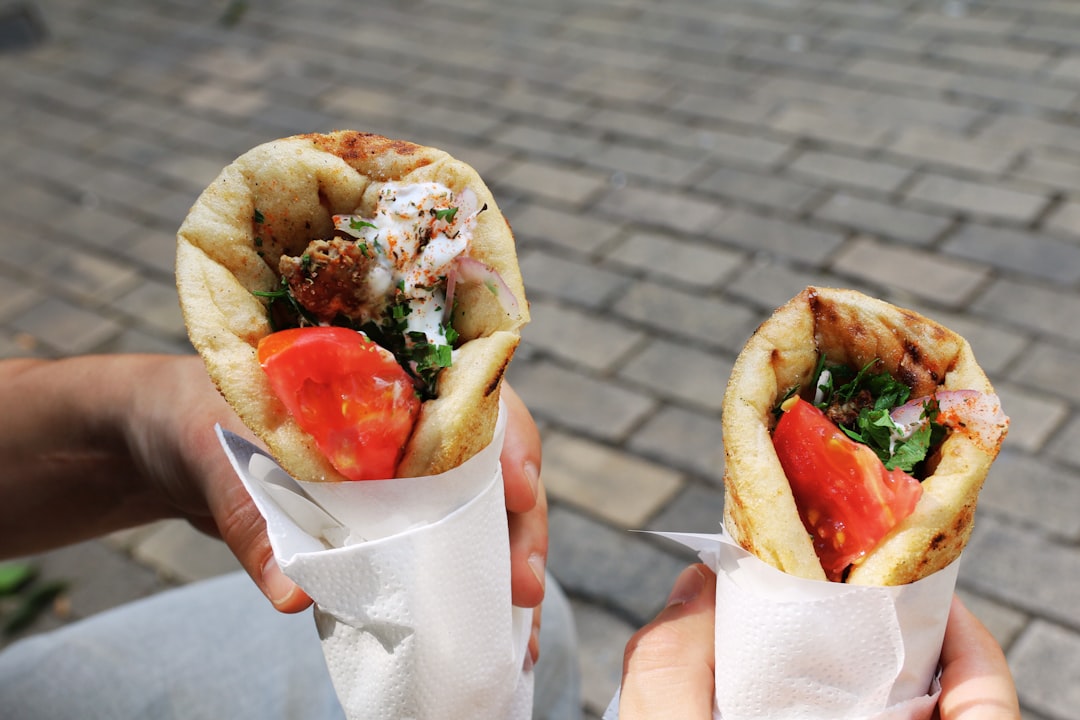
Athens is a food lover's paradise, with a cuisine that reflects its long history and diverse influences. You can't leave without trying gyros (3-5 EUR), a fast-food staple of marinated meat wrapped in pita bread with tomatoes, onions, and tzatziki. For a more substantial meal, head to a traditional taverna for moussaka (10-15 EUR), a layered dish of eggplant, potato, minced meat, and béchamel sauce. Souvlaki (2-4 EUR), skewered meat grilled over charcoal, is another must-try, best eaten straight from the grill with a side of fries. Don't forget to try spanakopita (4-6 EUR), a spinach and feta pie that's perfect for breakfast or a light lunch. And for dessert, loukoumades (3-5 EUR), Greek doughnuts drizzled with honey and cinnamon, are a sweet treat you'll crave for days.
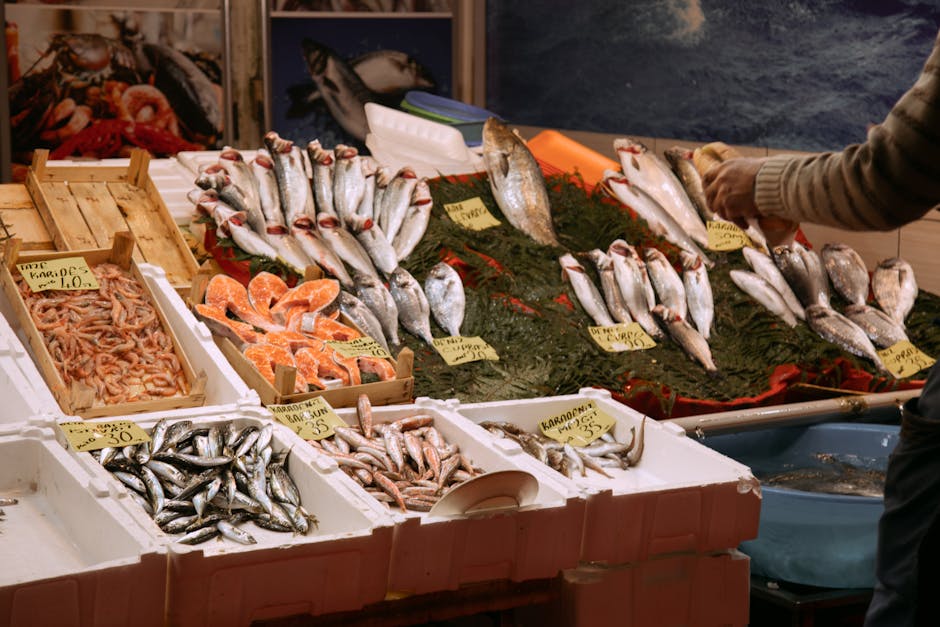
Budget travelers will be happy to know that street food in Athens is incredibly cheap and delicious. You can easily eat for 5-10 EUR per meal if you stick to gyros, souvlaki, and other street food options. Sit-down meals at local tavernas typically cost 15-25 EUR per person, including a drink. Mid-range restaurants, with a more refined atmosphere and menu, will set you back 25-40 EUR per person. For the best food experience, head to the Varvakios Agora, the city's central food market. It's a sensory overload of fresh produce, meat, fish, and spices. While it's not a place to eat, it's a great place to shop for ingredients and soak up the atmosphere.
Nightlife
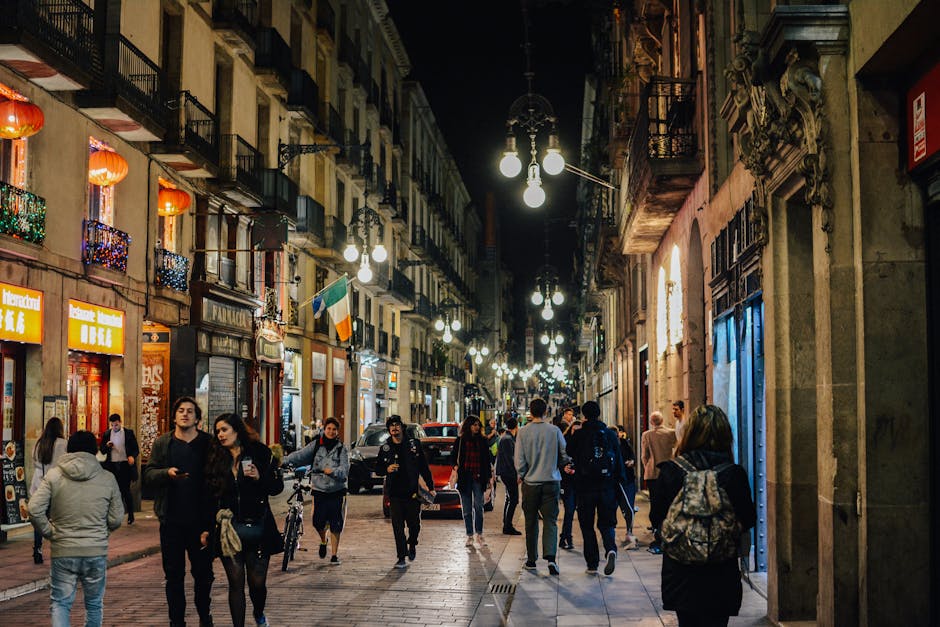
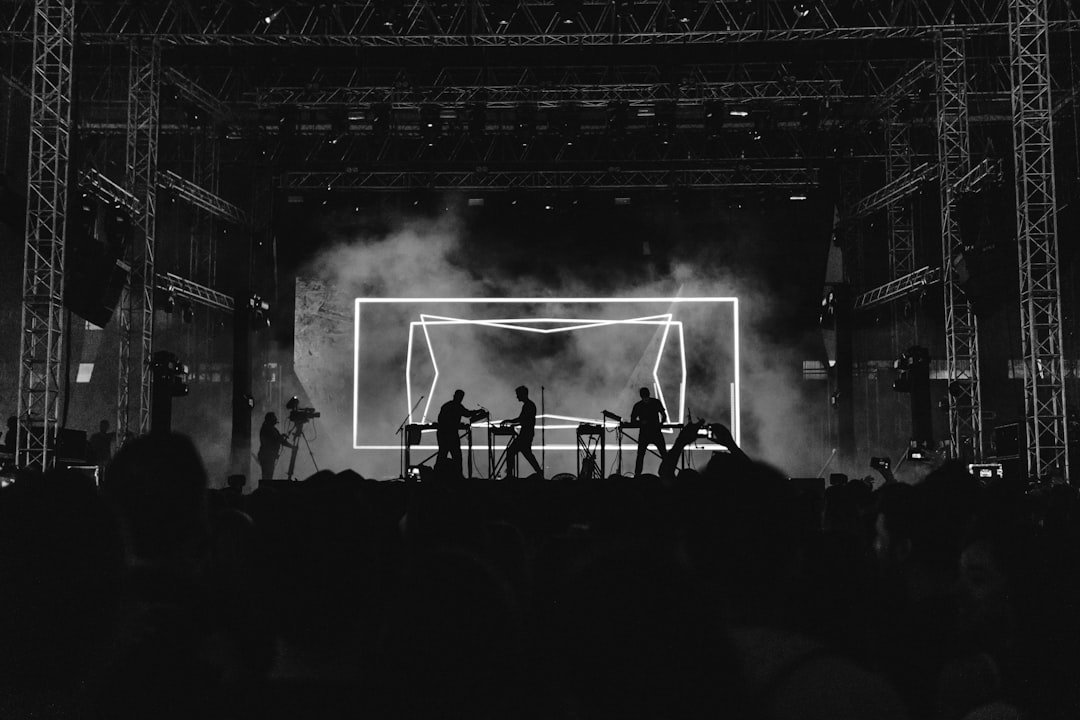
Athens' nightlife is as diverse as its daytime attractions. The main bar and club district is centered around Psirri and the surrounding areas. Psirri is known for its lively atmosphere, with bars and clubs spilling onto the narrow streets. Kipseli is another popular area, with a more upscale vibe and a mix of cocktail bars and live music venues. For a more alternative scene, head to Exarchia, where the bars and clubs are more underground and the music is often electronic or punk. Cover charges vary, but most bars have no cover, and clubs typically charge 5-10 EUR. The best time to go out is from late afternoon until early morning, as Athenians tend to stay out late.
One of the most iconic nightlife experiences in Athens is visiting a rooftop bar with a view of the Acropolis. There are several options, but Roof Bar is one of the most popular. It's located on the roof of the Electra Palace hotel, and the views are breathtaking. The drinks are expensive, but the atmosphere is unmatched. Another great option is A for Athens, a rooftop bar on the roof of the Athens Gate shopping center. It's less crowded than Roof Bar, and the views are just as impressive. For a more authentic experience, head to a traditional ouzeri, a taverna that specializes in ouzo and meze. These places are often family-run, and the atmosphere is warm and welcoming.
Getting There & What to Expect
The nearest airport to Athens is Athens International Airport, located about 20 kilometers east of the city center. From the airport, you can take the metro to the city center for 10 EUR, which takes about 40 minutes. Buses and taxis are also available, but the metro is the most convenient and affordable option. Athens is well-connected to other major Balkan hubs, with flights from cities like Belgrade, Sofia, and Zagreb typically costing 50-150 EUR depending on the airline and season. Buses and trains are also available, but they are slower and less frequent.
Accommodation in Athens ranges from budget hostels to luxury hotels. A bed in a hostel will cost you around 15-30 EUR per night, while a mid-range hotel will set you back 50-100 EUR per night. Luxury hotels can cost 150-300 EUR or more per night. The best time to visit Athens is in the spring (April to June) or fall (September to October), when the weather is mild and the crowds are smaller. Summer is hot and crowded, while winter can be cold and rainy. Athens is a city that rewards exploration, so come with an open mind and a sense of adventure.
Search accommodation in Athens on Booking.com →
The City That Never Sleeps
I left Athens with a full stomach, a head full of impressions, and a heart full of gratitude. It's a city that defies easy categorization, a place where the ancient and the modern collide in a beautiful, chaotic dance. The Acropolis is a symbol of its past, but the streets of Exarchia, Psirri, and Thissio are the pulse of its present. Athens is not just a city to be seen; it's a city to be felt. It's in the taste of the gyros, the sound of the street music, and the sight of the graffiti-covered walls. It's in the way the locals look at you, with a mixture of curiosity and suspicion, and the way the sun sets over the Acropolis, painting the sky in shades of orange and purple. Athens is a city that will stay with you long after you've left, a place that challenges you, surprises you, and ultimately, transforms you. It's not just a destination; it's an experience.

Comments