


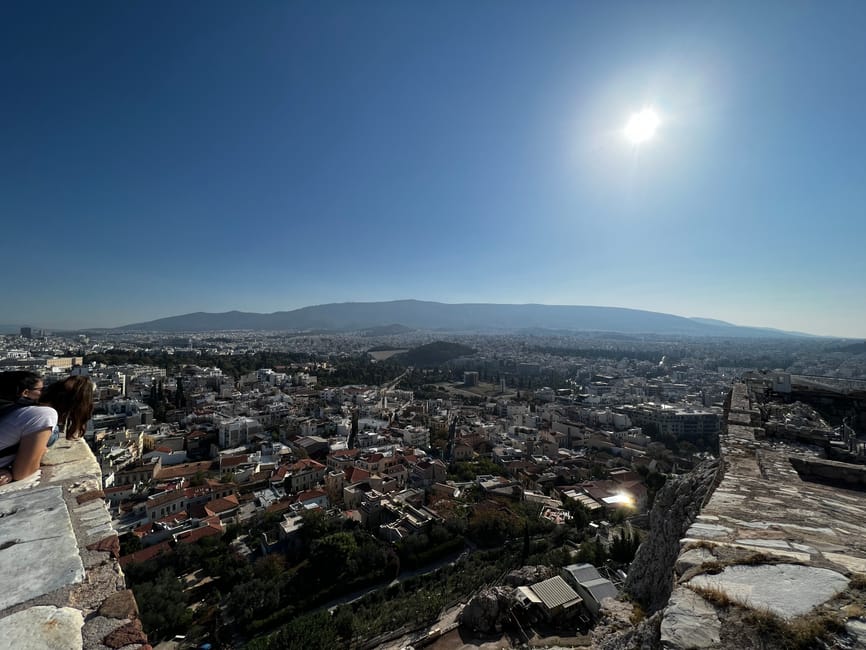
I sat on a cracked concrete step in Exarcheia, watching a group of teenagers debate dialectics in a language that sounded like gravel in a blender. My coffee, a freddo espresso that cost me 2-3 EUR, was sweating onto a flyer protesting the latest government austerity measure. The air smelled of kefalotyri cheese, stale cigarette smoke, and the damp earth rising from the pavement after a rare rain. This isn't the Athens of the postcards with the white-washed columns and the blue-tiled domes. This is the Athens that breathes, sweats, and occasionally screams. The Acropolis Acropolis of Athens looms above, a marble ghost watching over a city that has spent the last century rebuilding itself from the rubble of wars, fires, and economic collapses. I came here to find the grit, not the gloss, and I found it in the narrow alleyways where the past and present collide in a chaotic, beautiful mess.
Forget the tourist traps around Plaka. The real Athens is hidden in plain sight, tucked away in neighborhoods that feel more like small Greek islands or bohemian villages than a European capital. It's in the garages turned into art studios, the abandoned factories now hosting techno raves, and the cliffs where stone houses cling to the rock face like barnacles. This is a city of layers, where every corner tells a story of survival, resistance, and reinvention. If you're looking for a sanitized holiday, go to Santorini. If you want to feel the pulse of a city that refuses to die, come to Athens Athens and get lost in the shadows of the Acropolis.
History & Identity
Athens is not just the cradle of Western civilization; it's the graveyard of empires. The Parthenon Parthenon stands as a testament to the glory of Pericles, but it also bears the scars of the Ottoman occupation, the British looting, and the Greek Civil War. The city's identity is forged in fire. In 1834, it was chosen as the capital of the newly independent Greece, a small, impoverished town of Neocastritai (New Castriotes) who had fled the Morea and the Aegean islands. They built their homes in the shadow of the ancient ruins, creating a juxtaposition that defines the city to this day.
The 20th century brought more trauma. The Great Fire of 1917 destroyed much of the city, leading to the American Committee for the Relief of Greece to design a modern urban plan. Kallimarmaro, the area around the Acropolis, was cleared of medieval buildings to reveal the ancient monuments, creating the Neoclassical boulevards we see today. But the rest of the city remained a labyrinth of narrow streets and dense housing, where the poor and the displaced found refuge. This duality — the grand, open spaces of the ancient center versus the cramped, vibrant neighborhoods of the rest — is the heart of Athens's character.
Then came the 2004 Olympics, which promised to modernize the city but instead accelerated gentrification and displacement. The financial crisis of 2009 hit Athens hard, leading to protests, strikes, and a new wave of activism. Exarcheia became the epicenter of resistance, with its squats, social centers, and anarchist bars. Today, Athens is a city of contradictions: a place where ancient temples sit next to modern high-rises, where luxury boutiques share streets with street art murals, and where the past is constantly being rewritten by the present.
Where to Go
Anafiotika — If you want to escape the city without leaving it, head to the northern slope of the Acropolis. This tiny neighborhood looks like a Cycladic island dropped into the heart of Athens. The white-washed houses with blue doors and windows are built into the rock face, with narrow alleyways that wind up the hill. It was built in the 19th century by stonemasons from the islands of Anafi, Syros, and Andros who were working on the Old Royal Palace (now the Hellenic Parliament). It's a quiet, peaceful place, with cafe tables overlooking the Acropolis and the city below. Entry is free, but it gets crowded in the afternoon. Go early in the morning or late in the evening for the best light and fewest people.
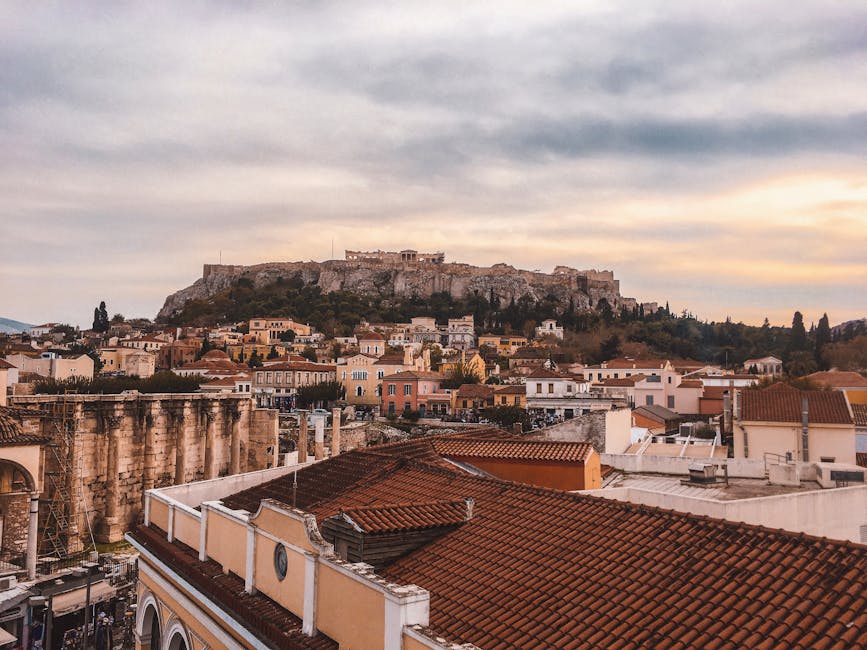
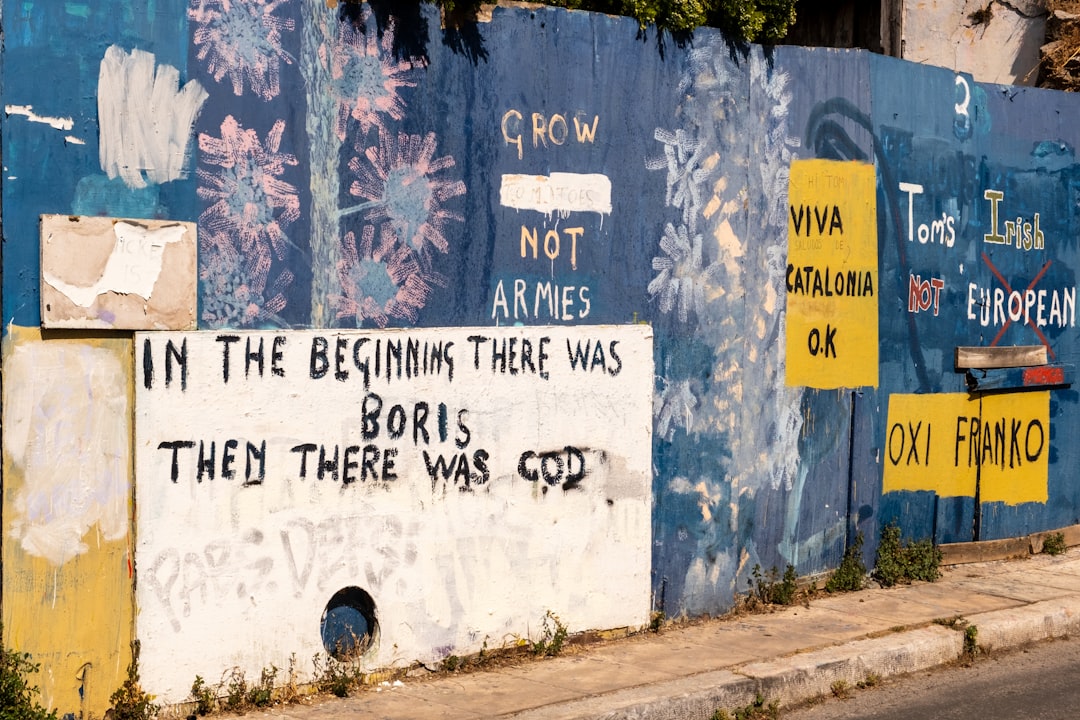
Exarcheia — This is the bohemian heart of Athens, a neighborhood of students, artists, and activists. The streets are filled with independent bookshops, record stores,
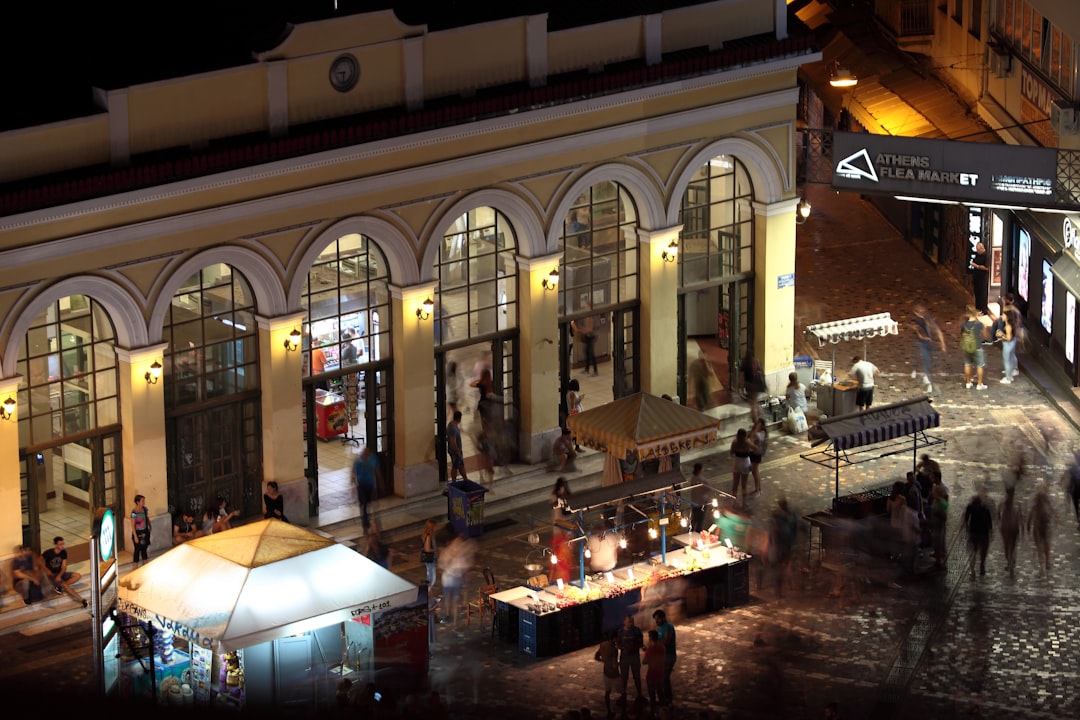
Varvakios Agora — This is the central food market of Athens, a chaotic, sensory overload of meat, fish, vegetables, and spices. The iron roof of the market is a landmark in itself, and the stalls are packed with vendors shouting out their prices. It's a great place to see local life in action, with housewives bargaining for tomatoes and butchers slicing lamb for roast. The smells are intense, with the fish market on one side and the meat market on the other. It's not a place for the faint of heart, but it's a great place to buy fresh ingredients for a picnic or to just soak up the atmosphere. Entry is free, and it's open from early morning until mid-afternoon.
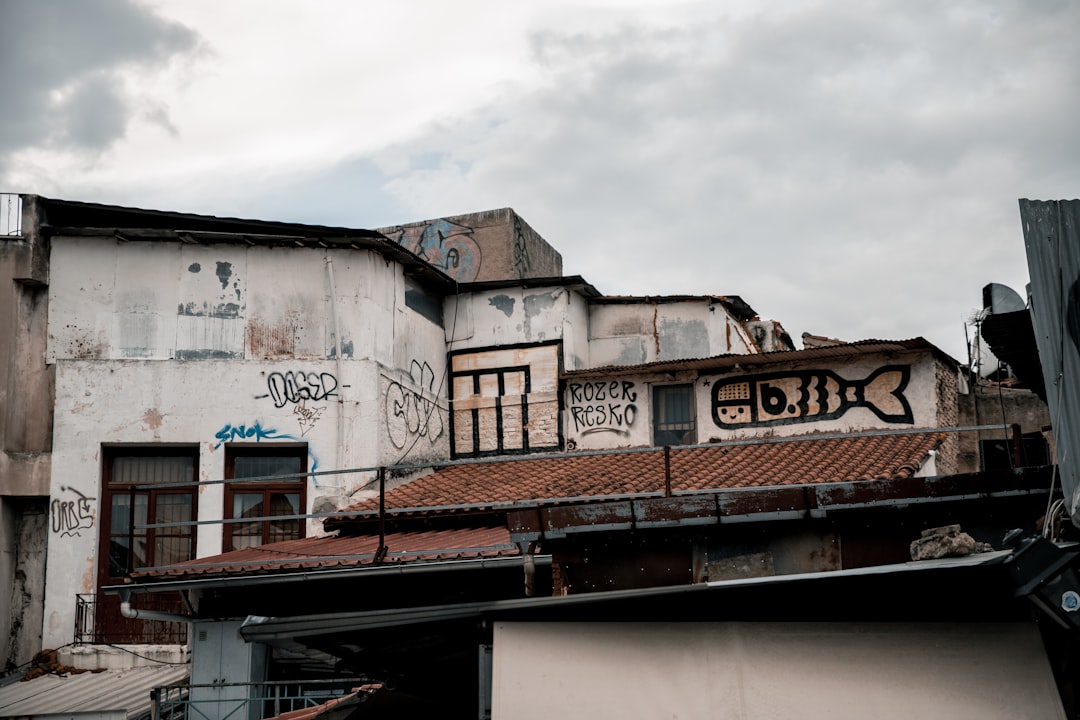
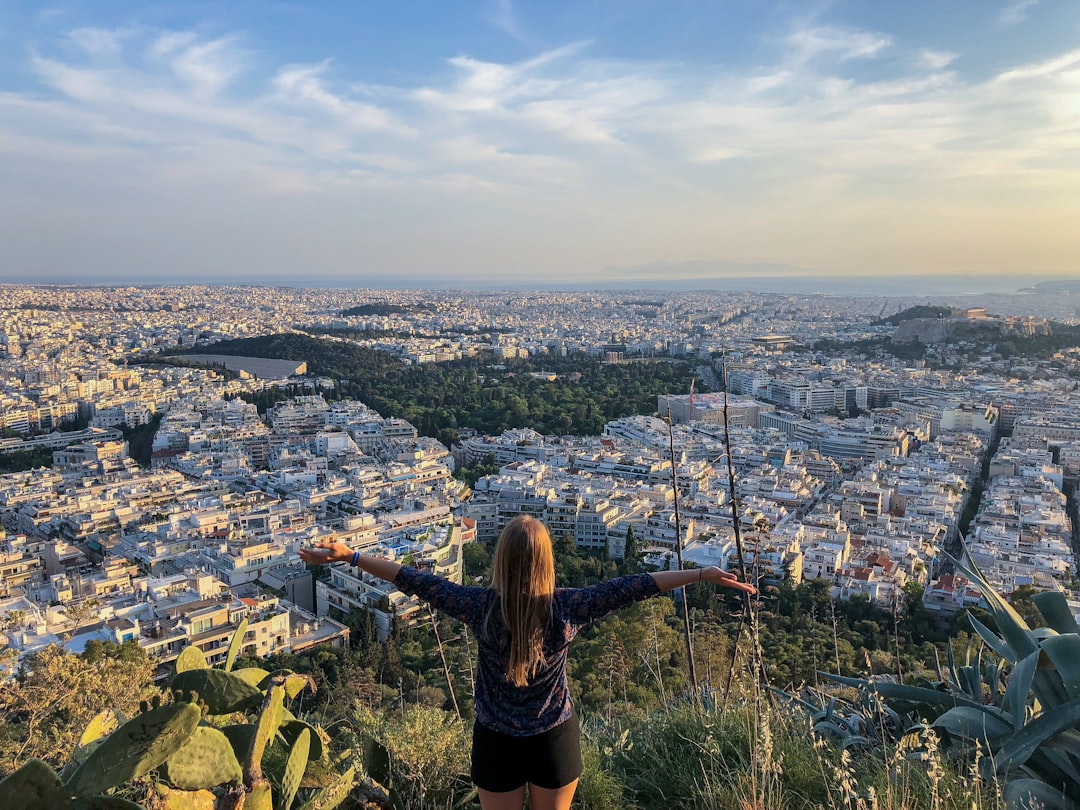
Lycabettus Hill — This is the highest point in Athens, offering panoramic views of the city, the Acropolis, and the Aegean Sea. You can hike up the hill in about 30-45 minutes, or take the funicular for 10-15 EUR round trip. The
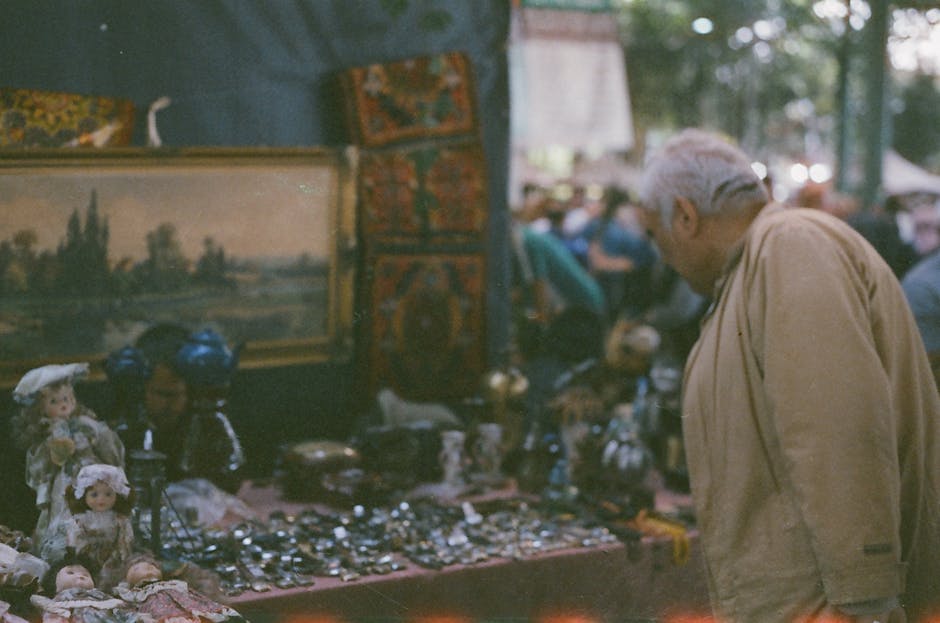
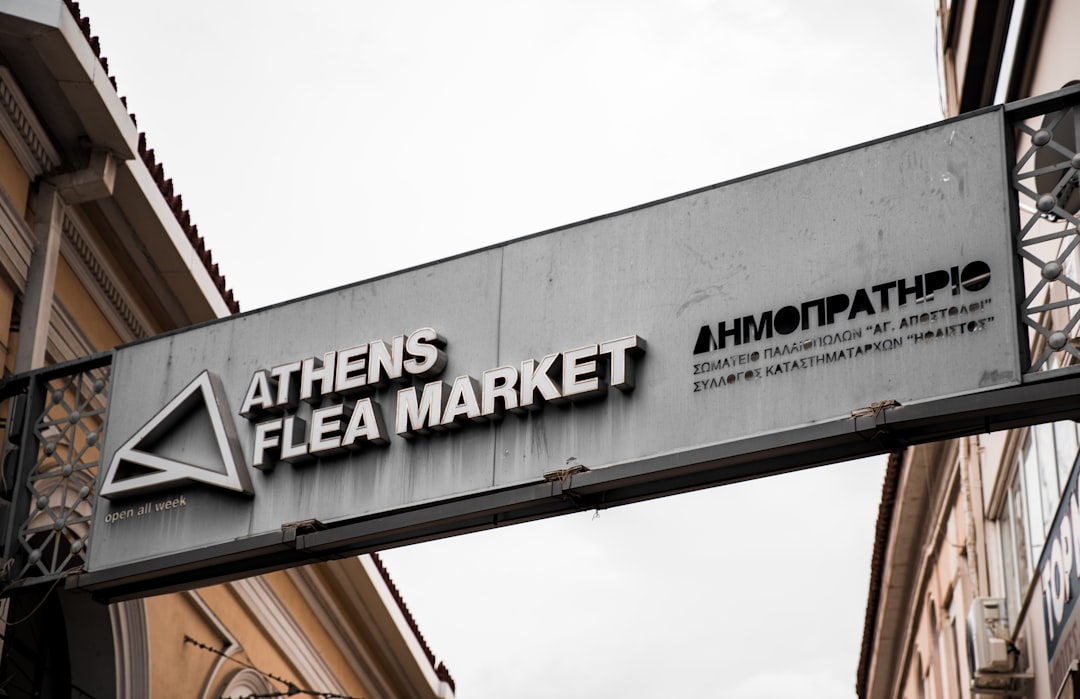
Monastiraki Flea Market — This is the antique market of Athens, a labyrinth of stalls selling antiques, clothes, books, and knick-knacks. It's a great place to bargain for deals, with prices starting at 1-5 EUR for small items. The market is open daily from morning until evening, with the best deals found in the late afternoon. The atmosphere is lively, with street performers, musicians, and food vendors adding to the chaos. It's a bit touristy, but it's a great place to find unique souvenirs and to see local life in action.
What to Eat & Drink
Athens is a foodie's paradise, with a mix of traditional Greek cuisine and modern fusion. The street food scene is unbeatable, with gyros 2-4 EUR and souvlaki 1-3 EUR available everywhere. The gyros is a pita filled with spiced meat, tomatoes, onions, and tzatziki, while the souvlaki is grilled skewers of pork or chicken. For a lighter option, try pita with hummus 3-5 EUR or spanakopita 2-4 EUR, a spinach and feta pie. The local wine is also excellent, with Assyrtiko and Xinomavro being the most popular varieties. A glass of wine costs 2-4 EUR in a bar, while a bottle costs 10-20 EUR in a restaurant.
For a sit-down meal, try moussaka 8-12 EUR, a layered dish of eggplant, potatoes, minced meat, and béchamel sauce. Souvlaki 6-10 EUR is also a popular option, with grilled meat served with pita, salad, and fries. For seafood, try grilled octopus 10-15 EUR or fried calamari 6-10 EUR. The desserts are not to be missed, with galaktoboureko 4-6 EUR, a custard pie with syrup, and loukoumades 2-4 EUR, honey doughnuts, being the most popular choices.
The budget breakdown for Athens is very reasonable. Street food and take-away meals cost 2-5 EUR per person, while sit-down meals at a local restaurant cost 8-15 EUR per person. Mid-range restaurants cost 15-25 EUR per person, while high-end restaurants cost 30-50 EUR per person. The best food streets are Adrianou and Evangelistria in Monastiraki, with gyros and souvlaki shops lining the streets. The Varvakios Agora is also a great place to find fresh and affordable food. For take-away and food court options, the Attiki Metro stations have food courts with local and international options, while the streets of Exarcheia and Psiri are filled with cheap and delicious street food.
Nightlife
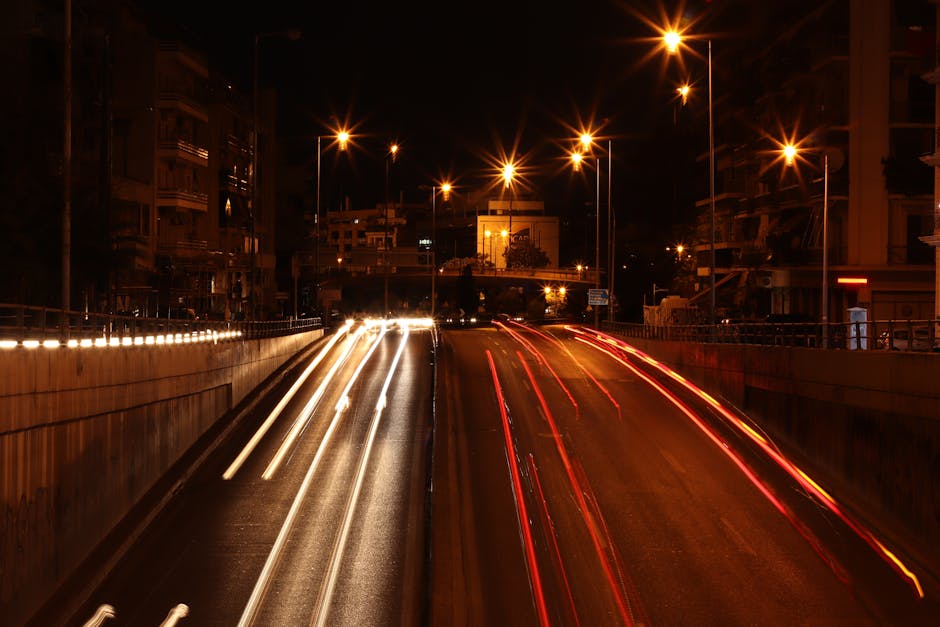
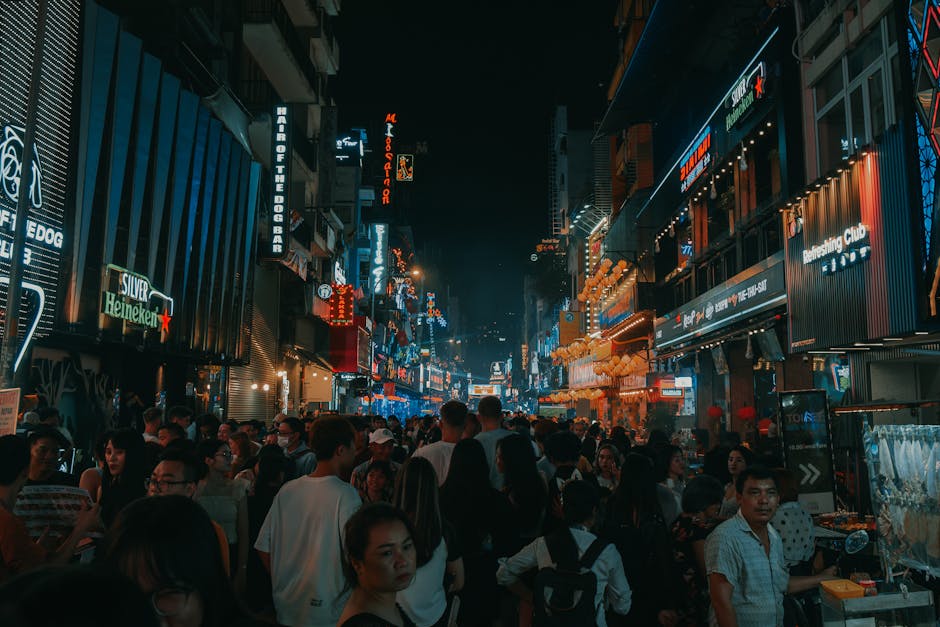
The nightlife in Athens is legendary, with bars and clubs open until dawn. The main bar and club districts are Psiri, Exarcheia, and Gazi. Psiri is known for its traditional tavernas and ouzo bars, with live music and dancing in the streets. Exarcheia is the bohemian heart of the city, with underground clubs, squats, and alternative bars. Gazi is home to the Attikon, a former brewery turned club that hosts international DJs and electronic music events.
Some of the most well-known venues include Stoa in Exarcheia, a legendary bar with live music and political discussions. Terroir in Psiri is a cocktail bar with creative drinks and live jazz. Attikon in Gazi is a mega-club with multiple rooms and world-class DJs. The cover charge at clubs is usually 5-10 EUR, while bars are free to enter. The atmosphere is lively and energetic, with people from all over the world coming to dance and party.
The nightlife in Athens is diverse, with options for every taste. From traditional rebetiko music in Psiri to electronic music in Gazi, there's something for everyone. The bars and clubs are open late, with parties often starting at midnight and going until dawn. The atmosphere is friendly and welcoming, with locals and tourists mixing easily. It's a great place to meet new people and experience the nightlife of Athens.
Getting There & What to Expect
The nearest airport is Athens International Airport (Eleftherios Venizelos), located 20 km east of the city center. Buses run regularly from the airport to the city, with the X95 express bus taking 30-40 minutes to Syntagma Square for 6 EUR. Taxis cost 40-50 EUR and take 20-30 minutes. Trains also run from the airport to the city, with the Proastiakos suburban train taking 35-40 minutes to Syntagma for 10 EUR. Car rentals are available at the airport, with prices starting at 30-50 EUR per day. Buses and trains from major Balkan hubs like Sofia, Bucharest, and Belgrade take 10-15 hours and cost 30-50 EUR.
Accommodation in Athens is affordable, with budget hostels costing 15-30 EUR per night, mid-range hotels costing 50-100 EUR per night, and high-end hotels costing 150-300 EUR per night. Airbnb apartments are also popular, with prices starting at 40-60 EUR per night. The best months to visit Athens are April-May and September-October, when the weather is mild and the crowds are smaller. Summer is hot and crowded, while winter is mild but rainy.
Search accommodation in Athens on Booking.com →
The Ghosts of the City
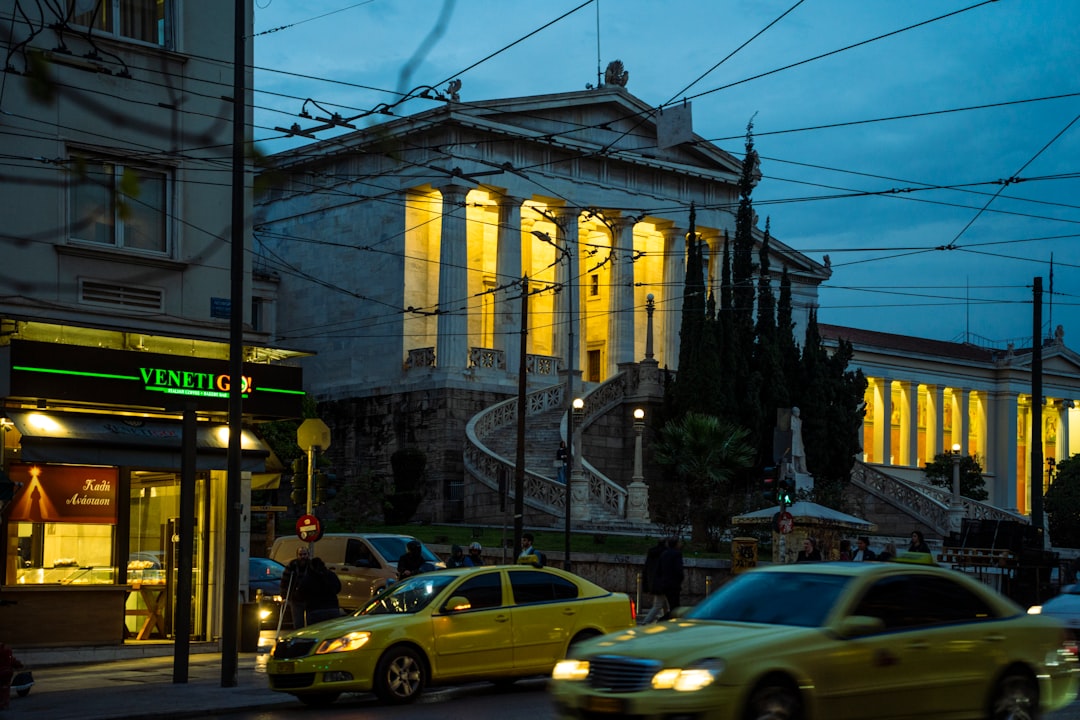
As the sun set over Athens, I walked down Adrianou Street, the lights of the Acropolis glowing gold against the dark sky. The city was alive with sound and movement, with people laughing, arguing, and dancing in the streets. It was a chaotic, messy, beautiful place, where the past and present collided in a constant state of flux. I thought about the ghosts of Anafiotika, the stonemasons who built their homes in the shadow of the Acropolis, and the protesters of Exarcheia, who fought for their rights in the streets. They were all part of the same story, a story of resilience, resistance, and rebirth.
Athens is not a city that rests on its laurels. It's a city that fights, struggles, and survives. It's a city that embraces its past while looking to the future. It's a city that refuses to be defined by others, choosing instead to define itself. And that's what makes it special. It's not just a destination; it's a state of mind. A state of mind that says: we are here, we are alive, and we will not be silenced.
Comments