


A Unique Identity Between Two Worlds
Astypalaia, often referred to as the "Butterfly of the Aegean", holds a distinct place among Greek islands. Its nickname stems from its unusual shape, resembling a butterfly with outstretched wings. Geographically, it sits between the Cyclades and the Dodecanese, effectively bridging the character of both island groups. This unique position grants the island a hybrid identity, blending the whitewashed aesthetic of the Cyclades with the rugged, sun-drenched warmth of the Dodecanese.
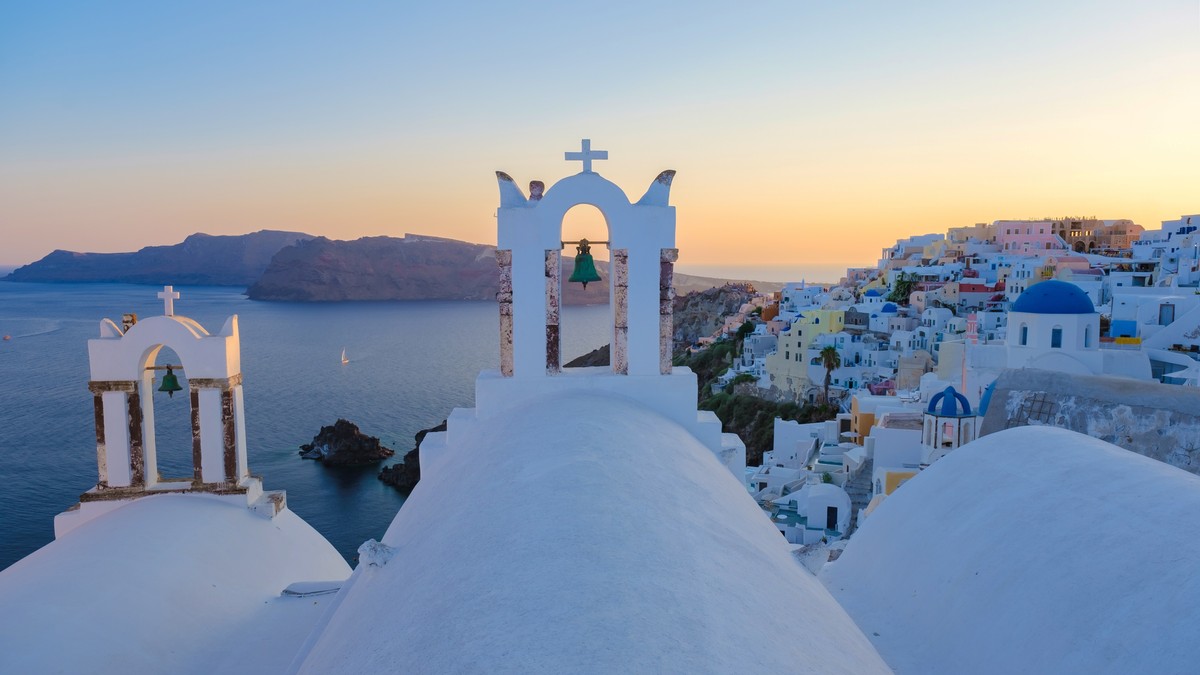
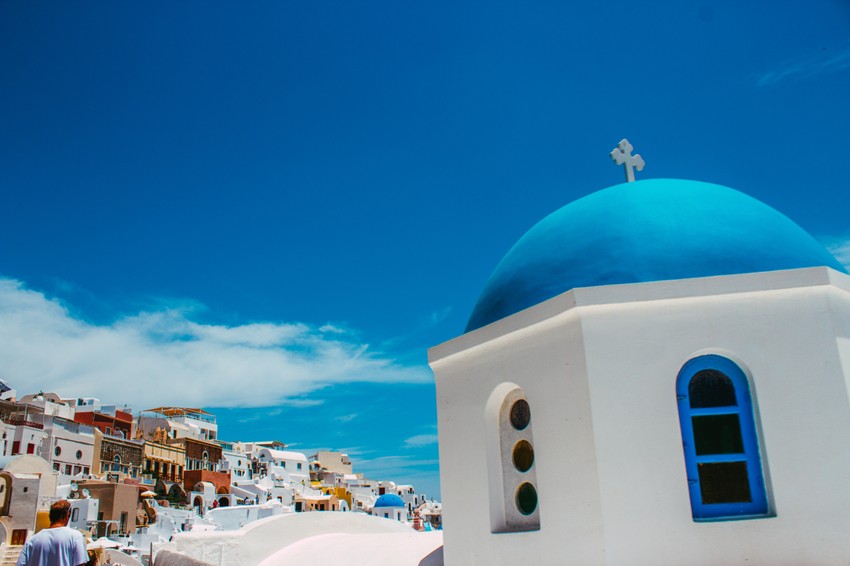
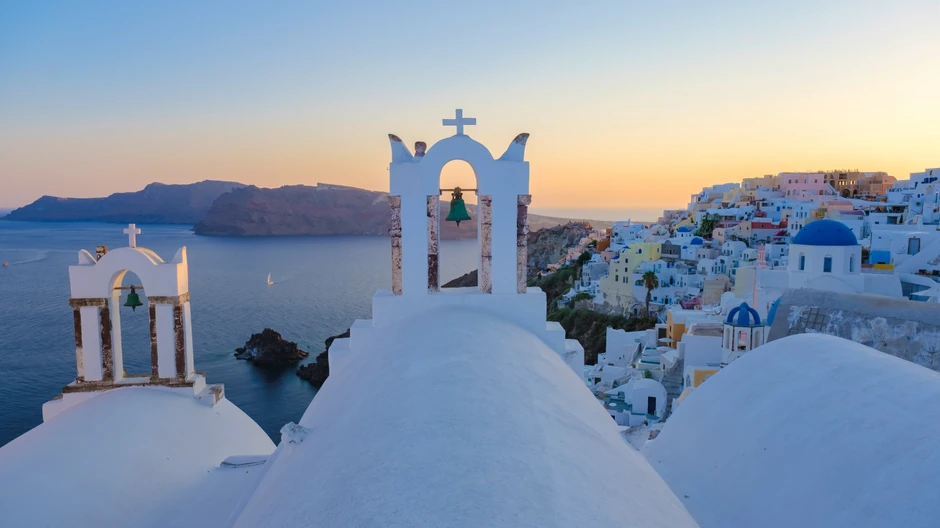
The island's main settlement, Chora, perches dramatically on a hill overlooking the sea. White houses with blue accents, narrow cobblestone streets, and traditional windmills create a classic Greek postcard scene. Dominating the skyline is the 13th-century Venetian Querini Castle, offering panoramic views of the Aegean Sea and neighboring islands.
Escaping the Mass Tourism Crowd
Unlike heavily commercialized destinations such as Santorini or Mykonos, tourism on Astypalaia develops at a slower, more deliberate pace. The island attracts travelers seeking authenticity, tranquility, and a slower lifestyle. Visitors come primarily for the crystal-clear waters, hidden coves, and traditional tavernas. Crucially, they find the ability to explore without the overwhelming crowds that define many popular Greek hotspots.
Beaches like Livadi, Kaminakia, and Vatses are particular highlights. Many are accessible only by boat or via scenic paths through untouched nature. Thanks to its rugged coastline, Astypalaia is a favorite among sailing enthusiasts and boat excursion lovers. Numerous small islets nearby offer opportunities to explore lesser-known corners of the Aegean.
A Laboratory for Green Mobility
In recent years, Astypalaia has emerged as a symbol of sustainable tourism. The Greek government and Volkswagen launched an ambitious project to transform the island into a model of green mobility. Electric vehicles and modern sustainable transport solutions have been introduced, positioning Astypalaia as a living laboratory for the future of Mediterranean tourism.
By combining authentic architecture, rich history, pristine nature, and eco-friendly development, Astypalaia stands out as one of the most compelling destinations for travelers wanting to experience a quieter, more traditional side of Greece. The "Butterfly of the Aegean" continues to draw attention from those seeking an experience far removed from conventional tourist routes.


Astypalaia stvarno zvuči kao oaza mira, fenerbahce navijači bi verovatno voleli tu atmosferu za odmor. Volkswagen projekat je pametan potez, ali se pitam koliko će dugo trajati bez gužvi. ipak, lepše je videti ostrva koja se ne kvare od previše turista...