


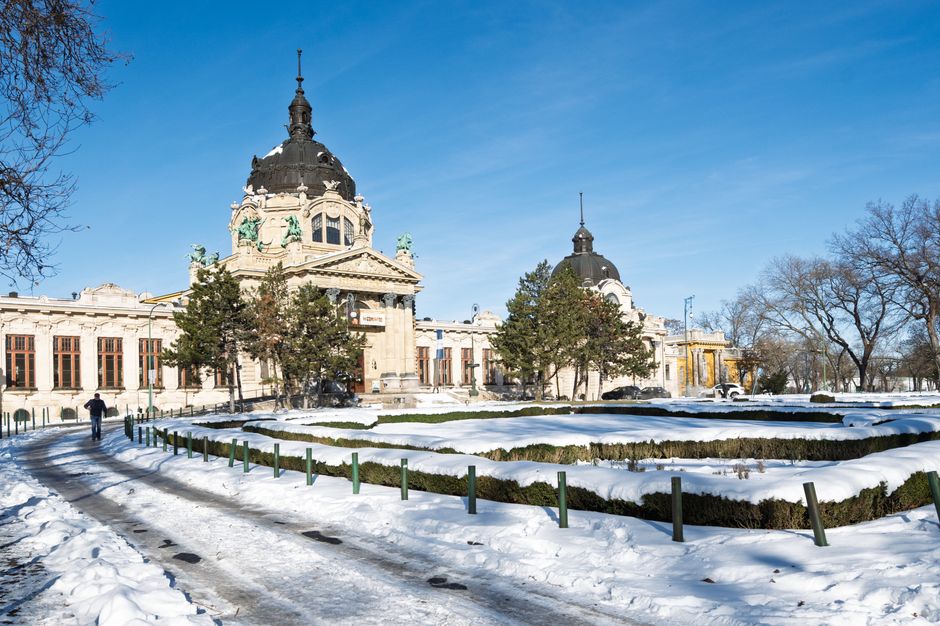
I arrived at the water's edge with the kind of existential dread that only a lukewarm Tuesday afternoon in July can provide. The air smelled of chlorine, sunscreen, and faintly of the Danube's muddy undertow. I was standing at Aquincum Thermal Beach, a place that shouldn't exist in its current form. It is a surreal collision of eras, a concrete oasis built on the ruins of a Roman military camp, sitting in the shadow of a socialist-era apartment block. I waded into the warm water, expecting the pristine, turquoise fantasy of the Mediterranean, but instead found something far more compelling: the gritty, unpolished reality of Budapest's post-industrial leisure culture. This isn't a resort. It's a time machine with a diving board.
The locals here don't come for the views. They come for the heat, the history, and the sheer absurdity of swimming in water that has been pumped from the depths of the Pannonian Basin for two thousand years. I watched a group of teenagers in oversized swim trunks argue about volleyball while an elderly couple in the background sipped wine from paper cups. The juxtaposition is the point. In Budapest, you don't just visit history; you sweat it out.
History & Identity
Before it was a swimming spot for the working class of the 21st century, this patch of earth was the heart of Aquincum, the Roman military camp and civilian town that served as the capital of Pannonia Inferior. The Romans, masters of engineering and leisure, recognized the geothermal potential of the site immediately. They built sophisticated bathhouses, channeling the hot springs into pools that served both hygienic and social functions. The ruins of these baths are not hidden away in a museum; they are literally the foundation upon which the modern thermal beach stands.
When the Roman Empire fell, the site was abandoned, buried under silt and time. It wasn't until the 20th century that the thermal waters were rediscovered and tapped for public use. The current Aquincum Thermal Beach opened its doors in 1980, during the height of the socialist era in Hungary. It was designed as a mass-leisure facility, a place where workers from the nearby industrial zones could relax. The architecture is brutalist by necessity, functional and stark, contrasting sharply with the ornate, baroque bathhouses of downtown Budapest like Rudas or Gellért.
The identity of Aquincum is one of resilience and adaptation. It represents a shift in how Hungarians view thermal culture. While the city center baths cater to tourists and the elite, Aquincum remains a neighborhood institution. It is where the locals go to swim laps, play water polo, and escape the summer heat without the pretension of a spa. The Roman ruins nearby serve as a constant reminder that the desire for hot water is not a modern luxury but an ancient necessity.
Where to Go
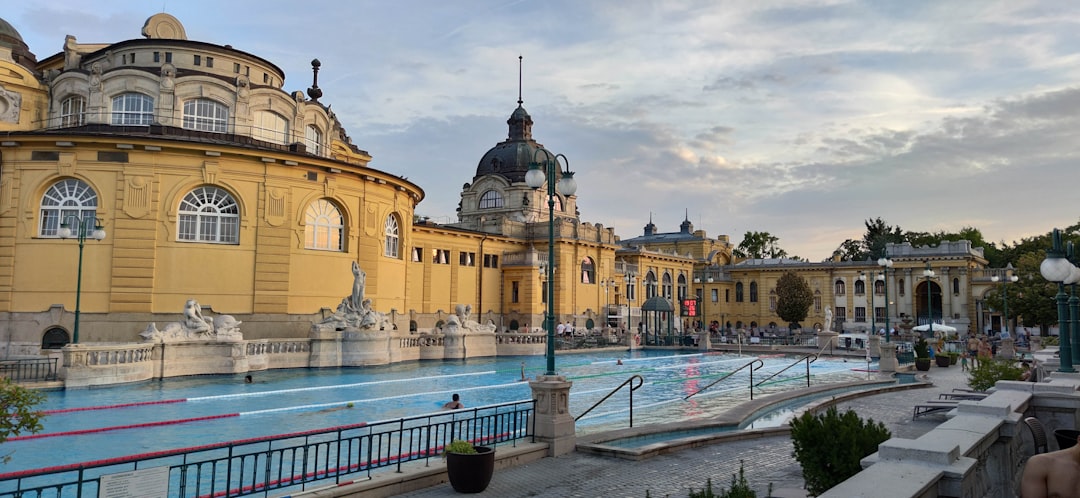
Aquincum Thermal Beach — The main attraction is the complex itself. It features two large outdoor pools, one for lap swimming and one for leisure, both heated by natural thermal water. The water temperature is a comfortable 26-27°C, making it ideal for long swims even in cooler weather. The beach area includes sand and pebble sections, and the diving board is a local favorite. Entry fee is approximately 5-8 EUR. Best visited in the late afternoon when the crowds thin out and the light hits the water just right.
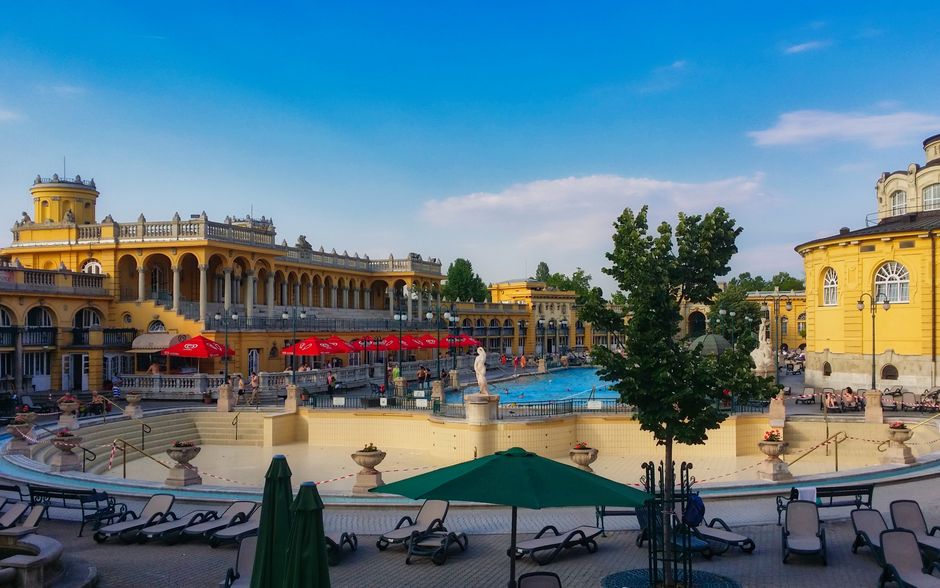
Aquincum Museum — Located just a short walk from the thermal beach, this museum houses the artifacts excavated from the Roman settlement. It's a crucial stop for understanding the context of the site. You'll see mosaics, pottery, and military equipment that tell the story of life on the frontier of the Roman Empire. The museum is well-curated and offers a stark contrast to the leisure vibe of the beach. Entry fee is around 8-10 EUR.
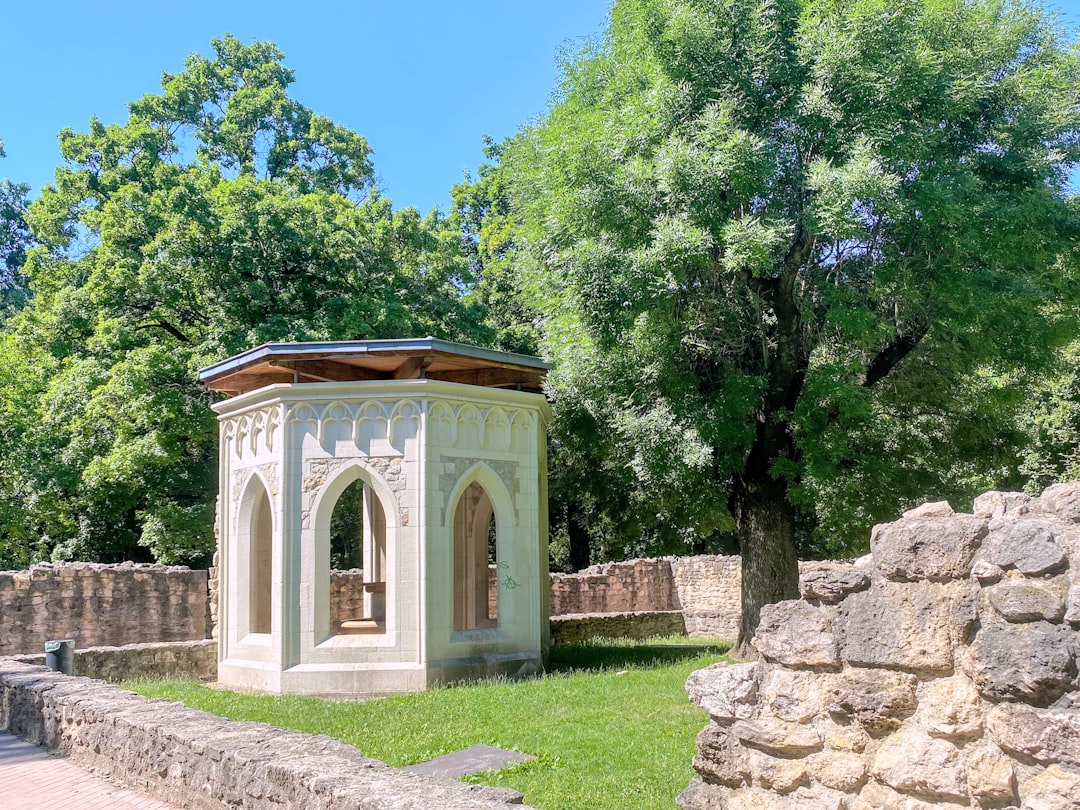
Aquincum Roman Ruins — Scattered around the museum and the thermal beach area are the actual remains of the Roman settlement. Look for the foundations of buildings, walls, and even parts of the bathhouses. These ruins are open-air and free to access, allowing you to walk through history while planning your next swim. It's a powerful experience to touch the stones that have stood for nearly two millennia.
What to Eat & Drink
Eating at Aquincum is a study in Hungarian practicality. You won't find high-end dining here, but you will find honest, filling food that fuels a day of swimming and exploring. The options are limited but effective, focusing on traditional Hungarian staples and quick bites.
- Lángos — A deep-fried dough topped with sour cream and cheese, the ultimate Hungarian street food. Perfect for a quick snack by the pool. Price: 3-5 EUR.
- Goulash Soup — Hearty and warming, this beef and vegetable soup is a staple of Hungarian cuisine. Ideal for lunch before hitting the water. Price: 6-8 EUR.
- Palinka — A strong fruit brandy, often served as a digestif or a quick pick-me-up. Look for apricot or plum flavors. Price: 3-4 EUR.
The thermal beach has a small kiosk that sells snacks, drinks, and basic meals. For a more substantial meal, head to the nearby restaurants in the Óbuda district. The area around the museum has several cafes and bistros that offer a wider range of dishes. Budget travelers can expect to spend 8-12 EUR for a full meal at a local restaurant, while mid-range options range from 15-25 EUR. Street food and take-away options are plentiful, with many vendors selling lángos and kolbász (sausage) in the vicinity.
Nightlife
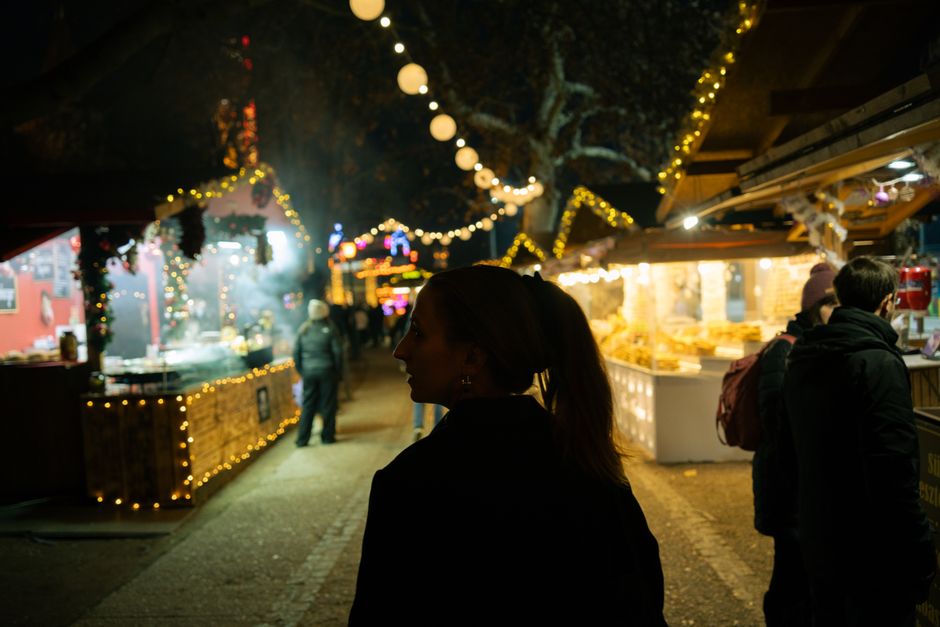
Aquincum is not a nightlife destination. The area is primarily residential and focused on leisure and history. However, the nearby Óbuda district offers a more vibrant evening scene. The streets around the Óbudai Pláza shopping center come alive at night with bars and pubs catering to a younger crowd. The atmosphere is casual and relaxed, with music ranging from indie rock to electronic beats.
For those seeking a more traditional Hungarian experience, head to the Rudas Thermal Bath in the city center. While not in Aquincum, the "Turkish Bath" area of Rudas is famous for its Sunday night open-air party, where bathers drink wine and dance in the steamy air. It's a unique cultural phenomenon that captures the spirit of Budapest's thermal culture. Entry to the night party is around 20-30 EUR.

Getting There & What to Expect
Reaching Aquincum is straightforward. The site is located in the Óbuda district, on the western bank of the Danube. The nearest metro station is Lehel tér on the M4 line, from which you can take a short bus ride or a 15-minute walk. The 111 bus line stops directly at the thermal beach. Travel time from the city center is approximately 20-30 minutes.
Accommodation options in the Óbuda district are limited compared to the city center, but there are several budget-friendly hotels and hostels available. Expect to pay 20-40 EUR for a hostel bed and 50-80 EUR for a mid-range hotel room. For a more authentic experience, consider booking a guesthouse or Airbnb in the neighborhood. The best months to visit are from May to September, when the weather is warm enough for outdoor swimming. However, the thermal water remains comfortable year-round, making it a viable option even in the cooler months.
Search accommodation in Budapest on Booking.com →
The Cold Water Shock
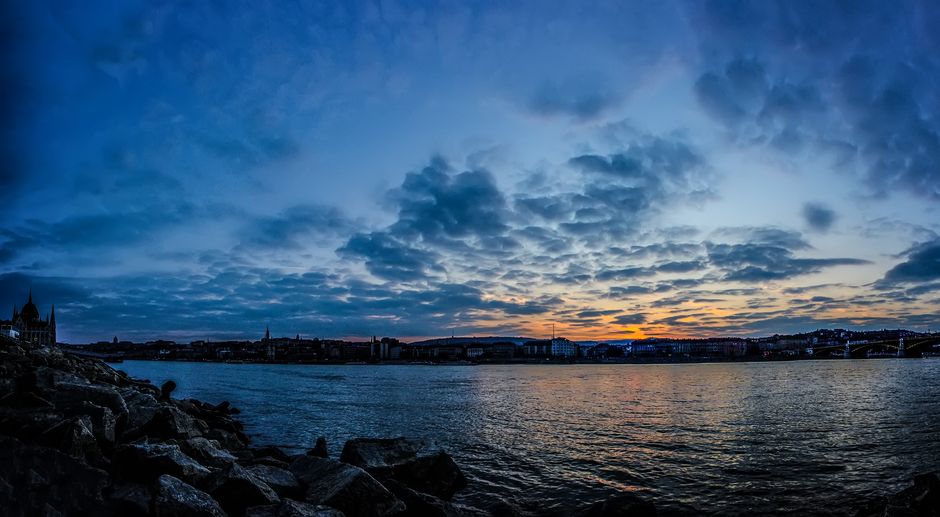
I stepped out of the thermal pool and into the cool evening air, my skin prickling with the sudden temperature change. The sun was setting over the Danube, casting a golden glow on the water. I felt a strange sense of connection to the Romans who had stood on this same spot, seeking relief from the heat and the hardships of frontier life. It was a reminder that some things never change. We still seek warmth, we still seek community, and we still seek a place to escape the pressures of the modern world.
Aquincum Thermal Beach is not a perfect place. It is noisy, crowded, and occasionally grimy. But it is real. It is a place where history is not just displayed but lived. As I walked back towards the metro, my muscles relaxed and my mind clear, I realized that this was the true essence of Budapest. Not the grand palaces or the opera house, but the simple, enduring pleasure of a hot bath in the heart of the city. It was a small moment, but it stayed with me, long after the water had dried from my skin.
Comments