


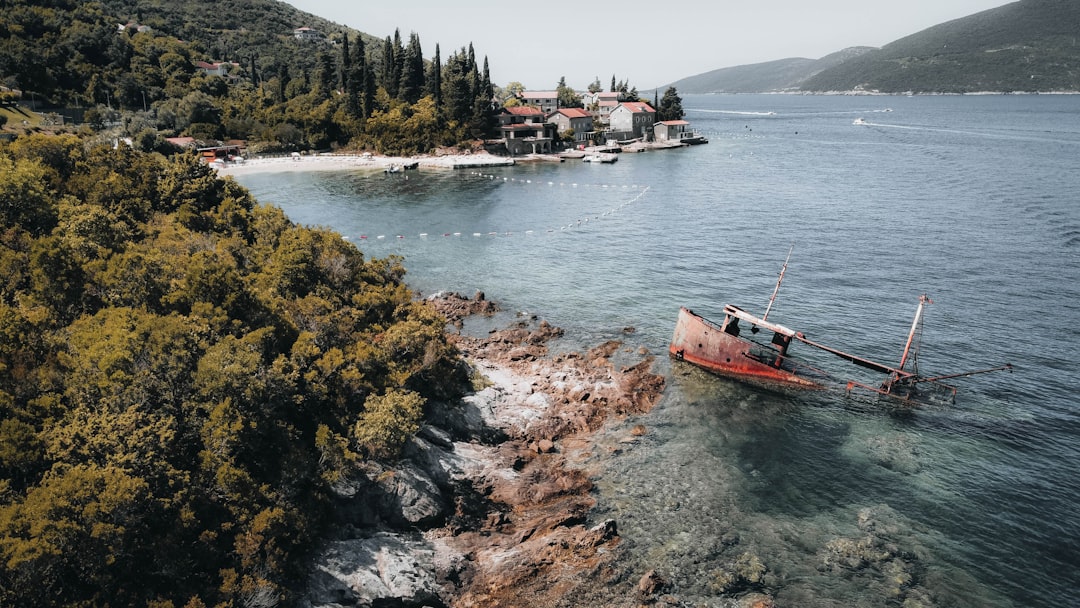
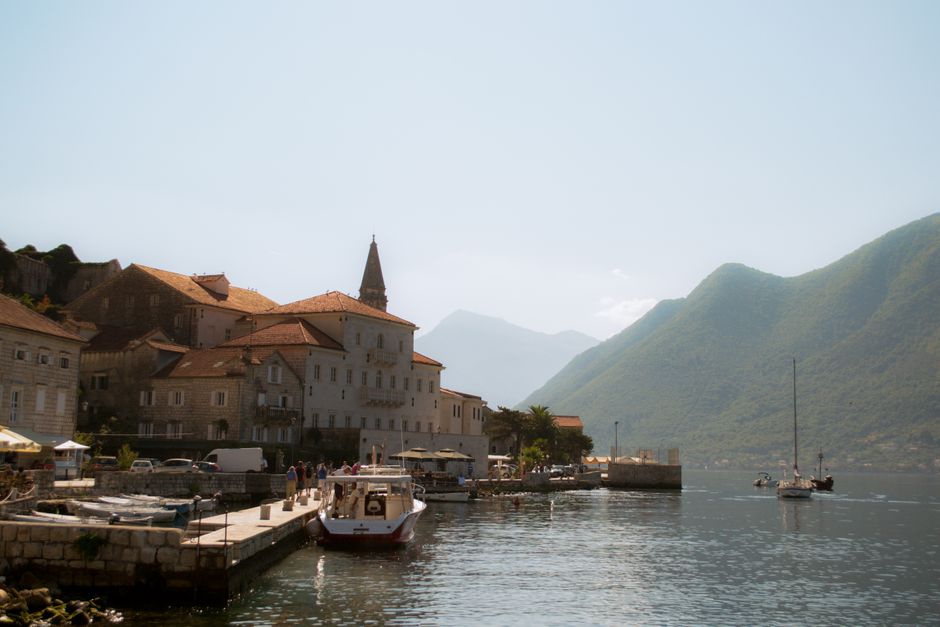
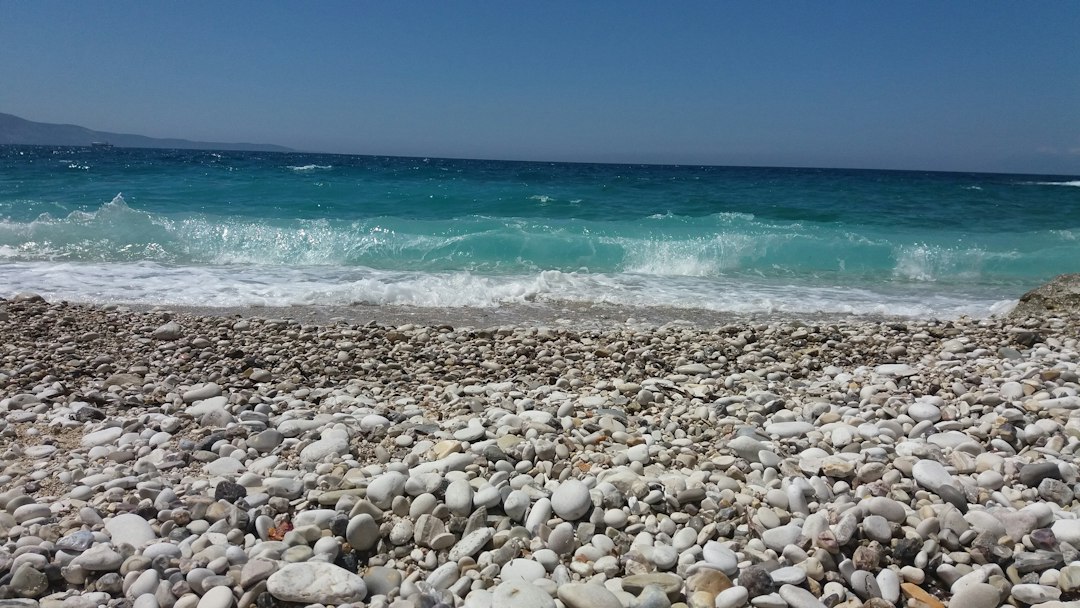
The water in the Bay of Kotor hits you with the force of a cold, hard truth. It is not the warm, tropical slosh of the Mediterranean coast further south. It is Adriatic, deep, and shockingly clear, reflecting the jagged limestone walls that cage the bay like a geological fist. I was standing on the pebbled shore of Perast, watching a luxury yacht cut through the emerald surface, and a local fisherman leaned over his rail to shout about the water quality. He didn't talk about tourism revenue or global rankings. He talked about his grandchildren swimming here. That is the real weight of the Blue Flag certification. It is not just a piece of plastic fluttering on a pole for Instagram clout. It is a promise, enforced by rigorous testing, that the water you are about to submerge yourself in is safe, clean, and free from the invisible threats that plague lesser-managed coastlines across the Balkans.
In a region where environmental regulations can sometimes bend under the pressure of seasonal tourism and industrial runoff, the Blue Flag status in Boka Kotorska is a rare and hard-won badge of honor. It separates the beaches that are merely pretty from those that are genuinely pristine. As a traveler who has waded through questionable waters from the Black Sea to the Aegean, I can tell you that this distinction matters more than the width of the sand or the price of the coffee. Here is why the Blue Flag is the most important thing you need to know before you dive into the Bay of Kotor.
History & Identity
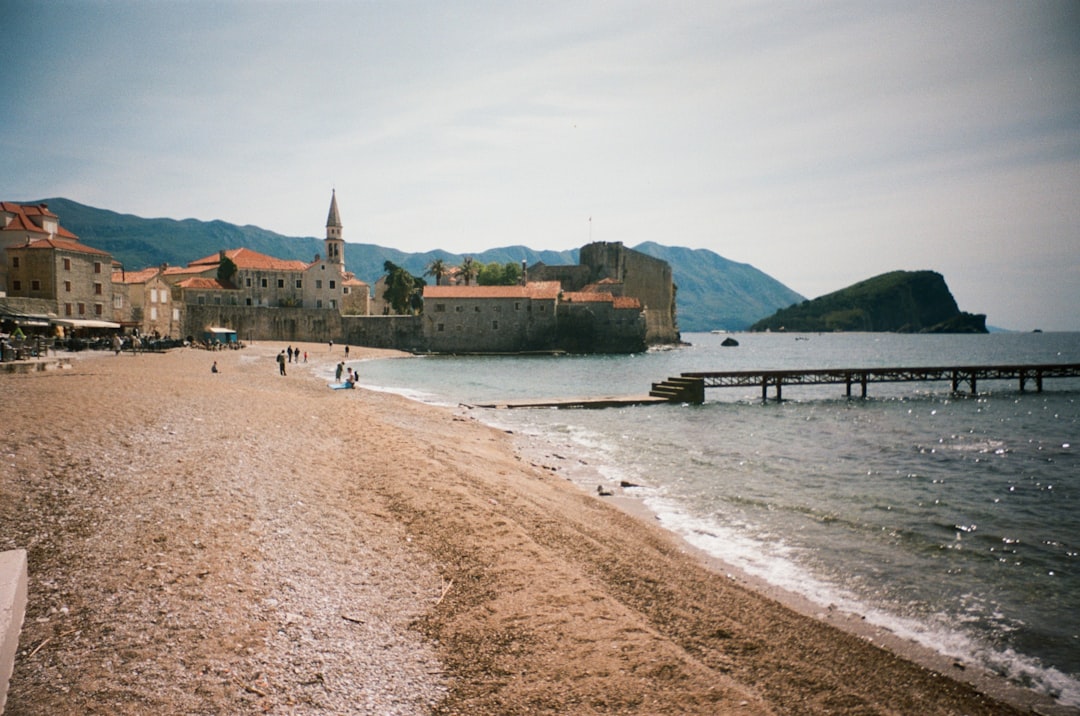
The Bay of Kotor, or Boka Kotorska Boka Kotorska, is not your typical beach destination. It is a fjord-like inlet, a remnant of a submerged river valley, surrounded by the towering peaks of the Dinaric Alps. Historically, this was a fortress, a military stronghold for the Venetians and later the Austro-Hungarians. The towns here, like Kotor Kotor and Tivat Tivat, were built for defense and trade, not for sunbathing. The shoreline is steep, the beaches are often narrow strips of pebbles or concrete terraces, and the water is deep within meters of the shore.
For decades, the environmental pressure on this enclosed body of water was immense. Industrial activity, urban waste, and the sheer volume of tourist traffic in the summer months threatened to turn the bay into a ecological bottleneck. The introduction of the Blue Flag program in the early 2000s was a turning point. It forced local municipalities to upgrade sewage treatment plants, enforce strict waste management protocols, and conduct regular water quality tests. The identity of Boka Kotorska shifted from a purely historical fortress town to a destination where nature and heritage coexist. The Blue Flag became a symbol of this modern stewardship, proving that you can have medieval walls and modern environmental standards in the same postcard view.
Where to Go
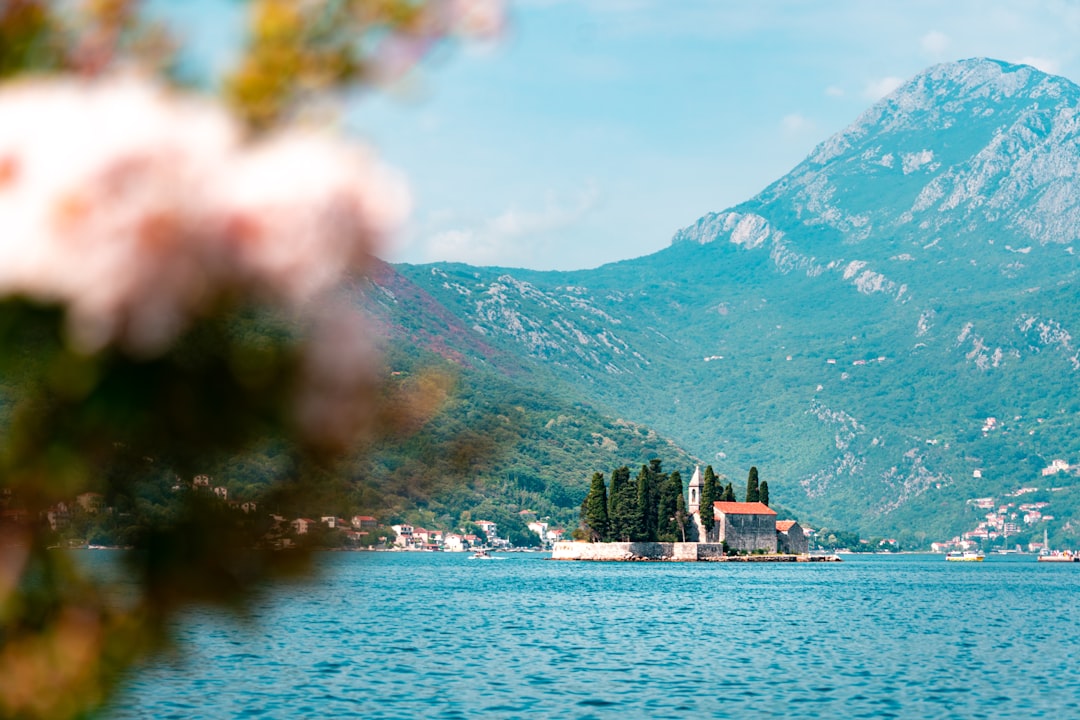
Island of Our Lady of the Rocks — This tiny, man-made island in the bay of Perast is surrounded by crystal-clear waters that hold the Blue Flag standard. While you cannot swim directly from the island itself, the surrounding waters are some of the cleanest in the bay. Take a local boat tour, which costs around 10-15 EUR, and you can jump off the boat in designated safe zones to swim in water that is virtually transparent. The visibility here is exceptional, often exceeding 10 meters, thanks to strict protection of the marine environment.
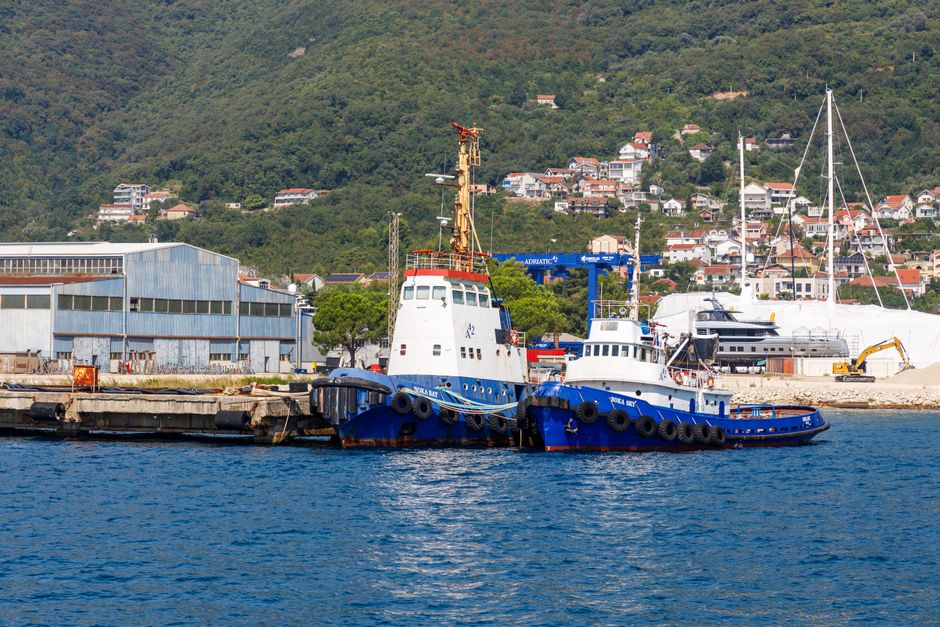
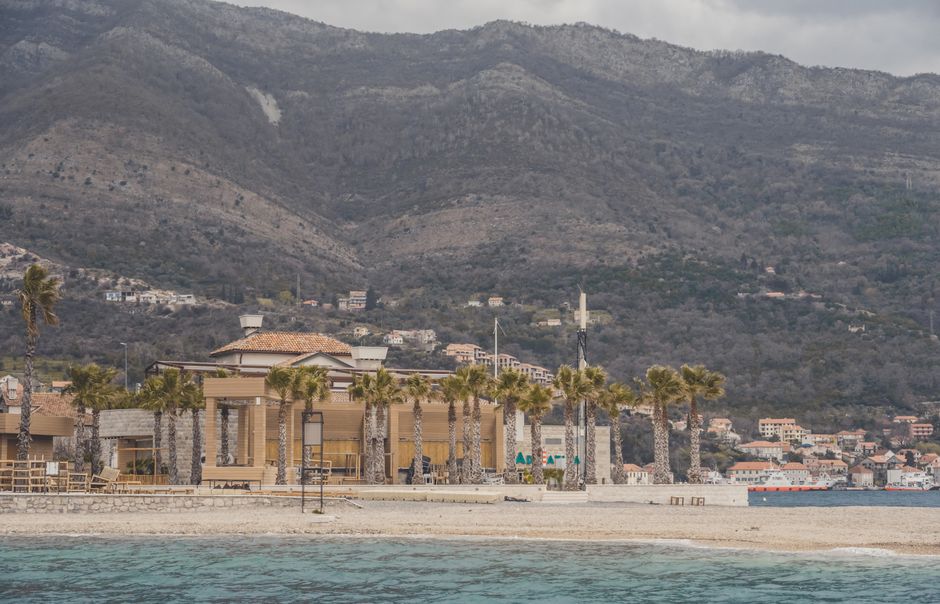
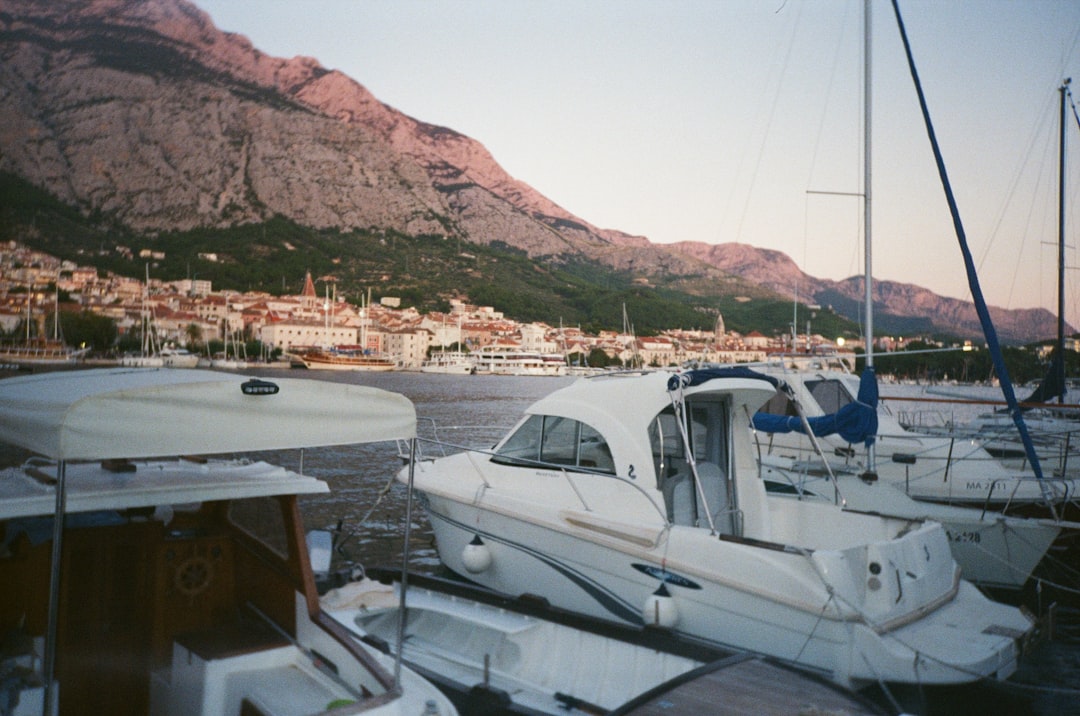
Beach at Tivat Marina — Tivat has transformed from an industrial port into a luxury marina destination, and its beaches reflect that upgrade. The small pebble beach near the marina entrance maintains Blue Flag status due to rigorous cleaning schedules and water monitoring. It is not a wild beach, but it is impeccably maintained. You can rent a sunbed for 5-10 EUR and enjoy water that is tested weekly during the season. The proximity to the marina means you are surrounded by yachts, but the water quality remains top-tier, free from oil slicks or industrial discharge.
Skalina Beach — Located just outside the Old Town of Kotor, Skalina is the main pebble beach for the city. It has held the Blue Flag for years, a testament to the city's commitment to managing waste and water quality despite the high tourist density. The beach is narrow and can get crowded, but the water is consistently clean. Entry is free, but you pay for comfort. Sunbeds and umbrellas cost 10-15 EUR for the day. The view from the water looking back up at the fortress walls is iconic, but the cleanliness of the water is what makes it swimmable.
Žanjice Beach — A short drive from Kotor, this small pebble beach is quieter and often less crowded than Skalina. It consistently earns the Blue Flag due to its lower impact and effective local management. It is a favorite for families because the water is shallow and clean. There are cafes nearby where a meal costs 15-25 EUR, and the beach itself is free to access. The water here is particularly clear because it is slightly further from the main urban centers, yet still benefits from the region's strict environmental protocols.
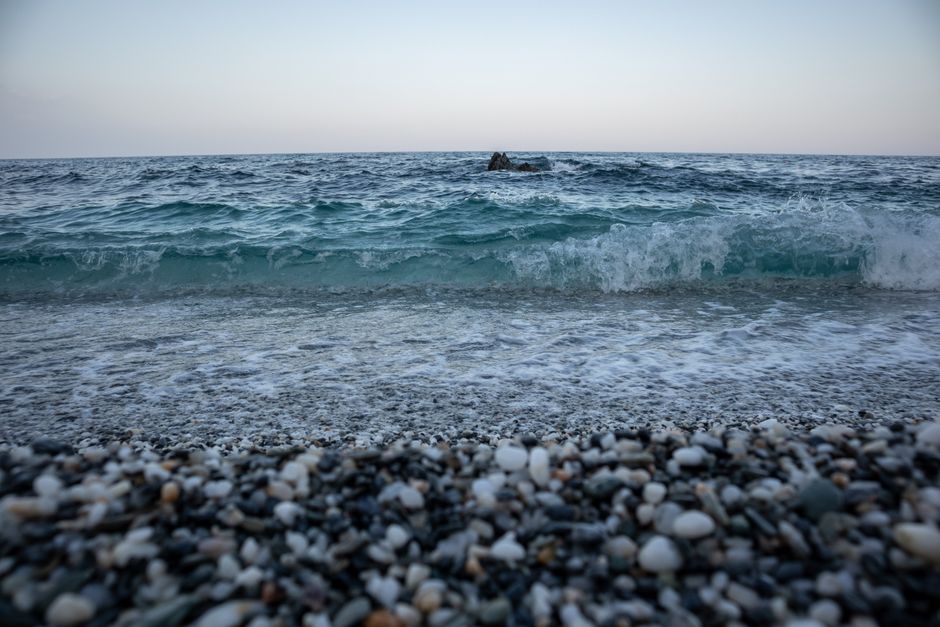
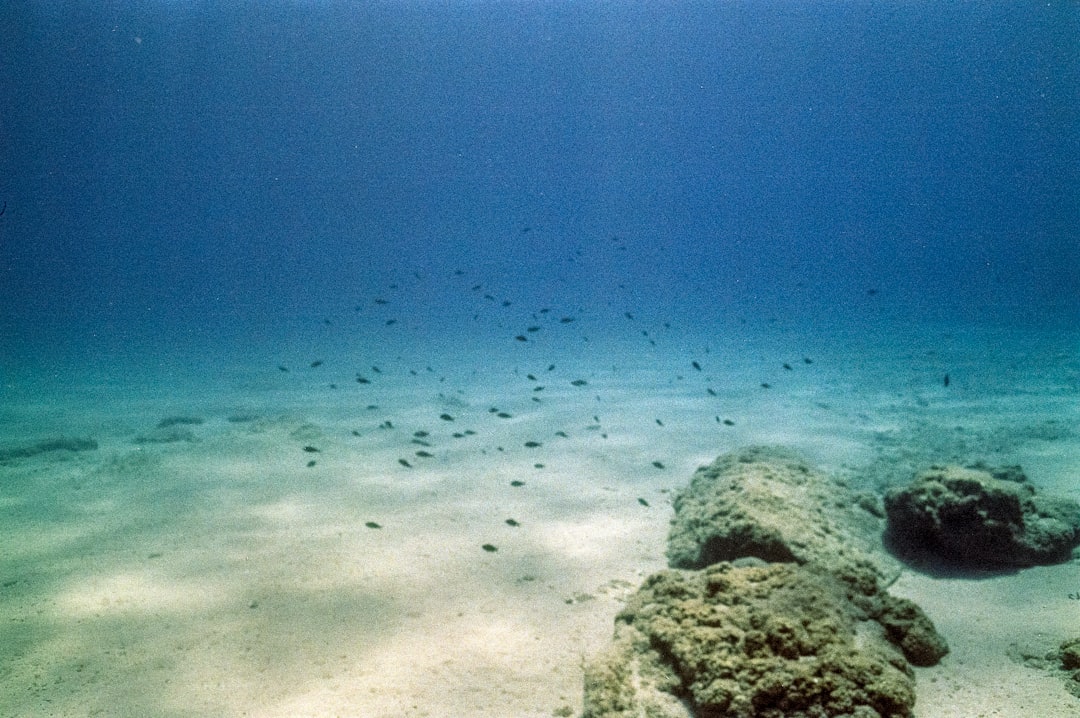
Prčanj Beach — The village of Prčanj, located near the entrance to the bay, has several small beaches that hold Blue Flag status. The water here is influenced by the open Adriatic, making it slightly cooler but exceptionally fresh. The beaches are pebbled and natural, with minimal development. It is a great spot for those who want a more local experience. A coffee and pastry at a nearby cafe will set you back 2-4 EUR, and the swimming is free. The clarity of the water here allows you to see the rocky seabed clearly, a sign of low pollution levels.
What to Eat & Drink
After a swim in the cold, clear waters of Boka Kotorska, you will need fuel. The local cuisine is a blend of Mediterranean and continental influences, with a heavy emphasis on seafood and fresh vegetables. Brodet is the local fish stew, rich with white wine, tomatoes, and various fish caught daily from the bay. A bowl costs 10-15 EUR at a mid-range restaurant. Black risotto made with cuttlefish ink is another staple, offering a dramatic color and a briny flavor that pairs well with the sea air. Expect to pay 12-18 EUR for a generous portion. Pizza is also widely available and of high quality, with wood-fired options costing 8-12 EUR.
Budget travelers can find street food options like pita with cheese or meat for 2-4 EUR, or ice cream from local gelaterias for 3-5 EUR. For a sit-down meal at a local restaurant, budget 15-25 EUR per person for a main course and a drink. Mid-range restaurants with a view of the bay will charge 25-40 EUR per person. The Kotor Old Town is packed with restaurants, but prices rise as you get closer to the main tourist spots. For better value, head to the neighborhoods just outside the old town walls or to smaller villages like Perast or Prčanj.
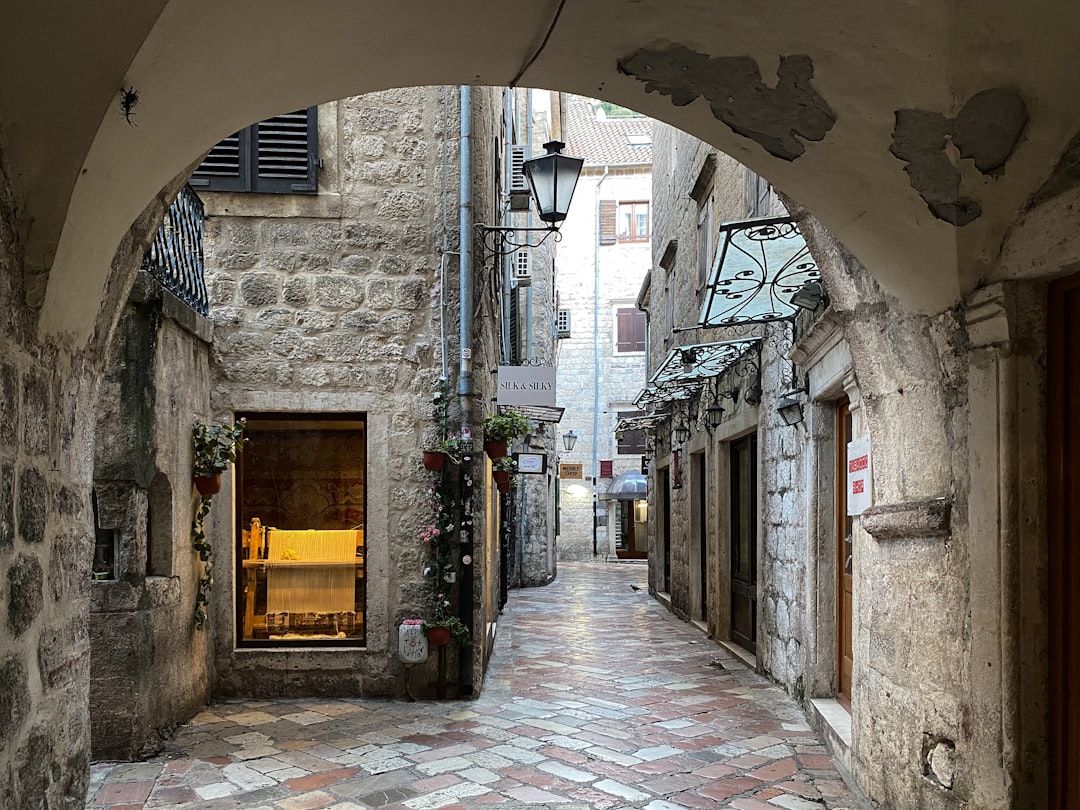
One specific area to explore for food is the Kotor Old Town streets, particularly around the St. Tryphon Cathedral. The narrow alleys are filled with cafes and restaurants serving everything from traditional Montenegrin dishes to international fare. Another good spot is the Tivat Marina area, where high-end restaurants sit alongside more casual cafes. For budget travelers, the local markets in Kotor and Tivat offer fresh produce, cheese, and bread for 5-10 EUR if you want to picnic on the beach.
Nightlife
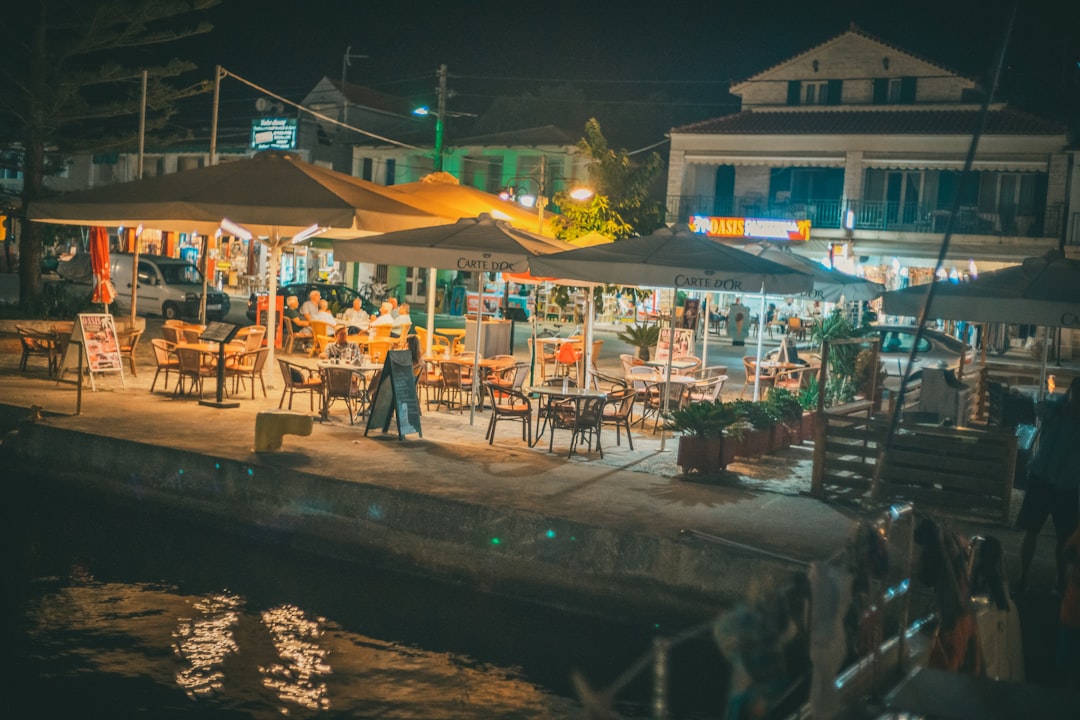
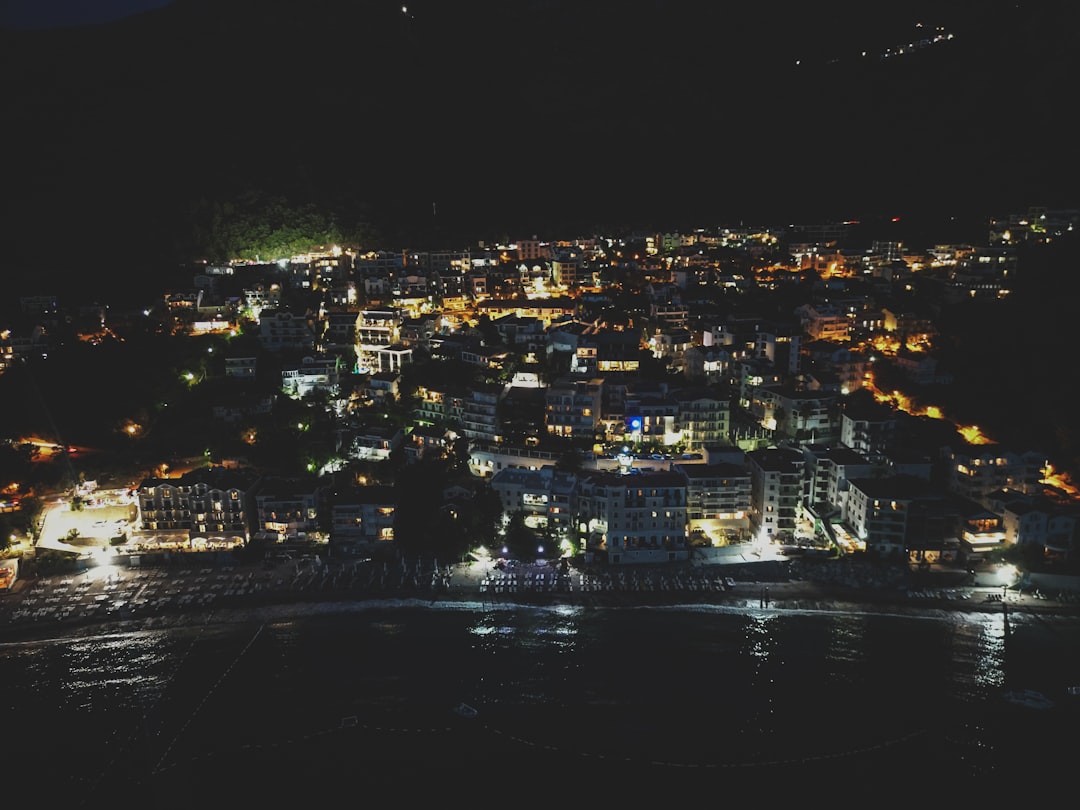
Nightlife in Boka Kotorska is not about wild raves or massive clubs. It is more about relaxed bars, live music, and enjoying the evening breeze with a drink in hand. The main nightlife district is in Kotor Old Town, where the narrow streets come alive with bars and cafes. Bar 17 is a popular spot for cocktails and live music, with a cover charge of 5-10 EUR on busy nights. Ulica is another well-known bar in the old town, offering a relaxed atmosphere and a wide selection of local wines and spirits.
In Tivat, the Marina area offers a more upscale nightlife experience. Yacht Club Tivat is a popular spot for those who want to enjoy drinks with a view of the yachts. The atmosphere is chic and sophisticated, with prices reflecting that. A cocktail here can cost 10-15 EUR. Bar Porto is another option in Tivat, offering a more casual vibe with outdoor seating and live music on weekends. For those who prefer a quieter night, the Perast waterfront has several cafes that stay open late, offering a chance to enjoy the illuminated views of the bay.
The music scene is mostly acoustic or DJ sets playing chill-out music, rather than high-energy dance tracks. This fits the overall vibe of the bay, which is more about relaxation and appreciation of the natural beauty. If you are looking for louder music or clubs, you will need to head to Budva or Ulcinj, which are further south along the coast. But for a night in Boka Kotorska, expect a sophisticated, relaxed experience with stunning views.
Getting There & What to Expect
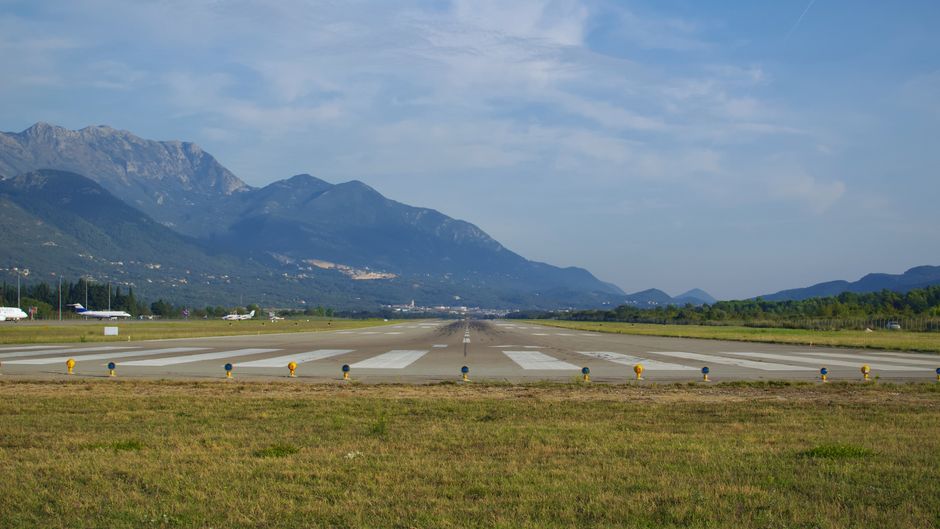
The nearest major airport is Tivat Airport Tivat Airport, which is located just 10 km from the town of Tivat. Flights are available from many European cities, with prices ranging from 50-150 EUR depending on the season and how far in advance you book. From the airport, you can take a taxi to Tivat center for 15-20 EUR or a bus for 3-5 EUR. Podgorica Airport Podgorica Airport is another option, located about 60 km away. Buses run regularly from Podgorica to Kotor and Tivat, taking about 1.5 to 2 hours and costing 10-15 EUR.
Accommodation in Boka Kotorska ranges from budget hostels to luxury hotels. A bed in a hostel costs 20-40 EUR per night, while a mid-range hotel room costs 50-100 EUR per night. Luxury hotels and villas can cost 150-300 EUR or more per night. The best time to visit is from May to June or September to October, when the weather is warm but the crowds are smaller. July and August are peak season, with higher prices and more tourists.
You can expect high standards of cleanliness and water quality at Blue Flag beaches, but also higher prices compared to non-certified spots. The infrastructure is well-maintained, with regular cleaning and waste management. However, the beaches are often small and can get crowded, so arriving early is recommended. The water is cold, so be prepared for a shock if you are used to warmer seas. Overall, Boka Kotorska offers a unique combination of natural beauty, historical charm, and environmental responsibility, making it a worthwhile destination for travelers who value clean and safe swimming environments.
Search accommodation in Tivat on Booking.com →
The Final Dip
I left the bay as the sun dipped behind the fortress walls, casting long shadows over the water. The air was cool, and the scent of salt and pine hung heavy. I thought about the fisherman in Perast, shouting about his grandchildren. That is the core of it. The Blue Flag is not just a marketing tool. It is a lifeline. In a world where our coastlines are increasingly threatened by pollution and neglect, places like Boka Kotorska stand as beacons of what is possible. They prove that we can enjoy the beauty of nature without destroying it. So, when you see that blue flag fluttering in the wind, do not just ignore it. Dive in. The water is clean, and it is worth it.
Comments