


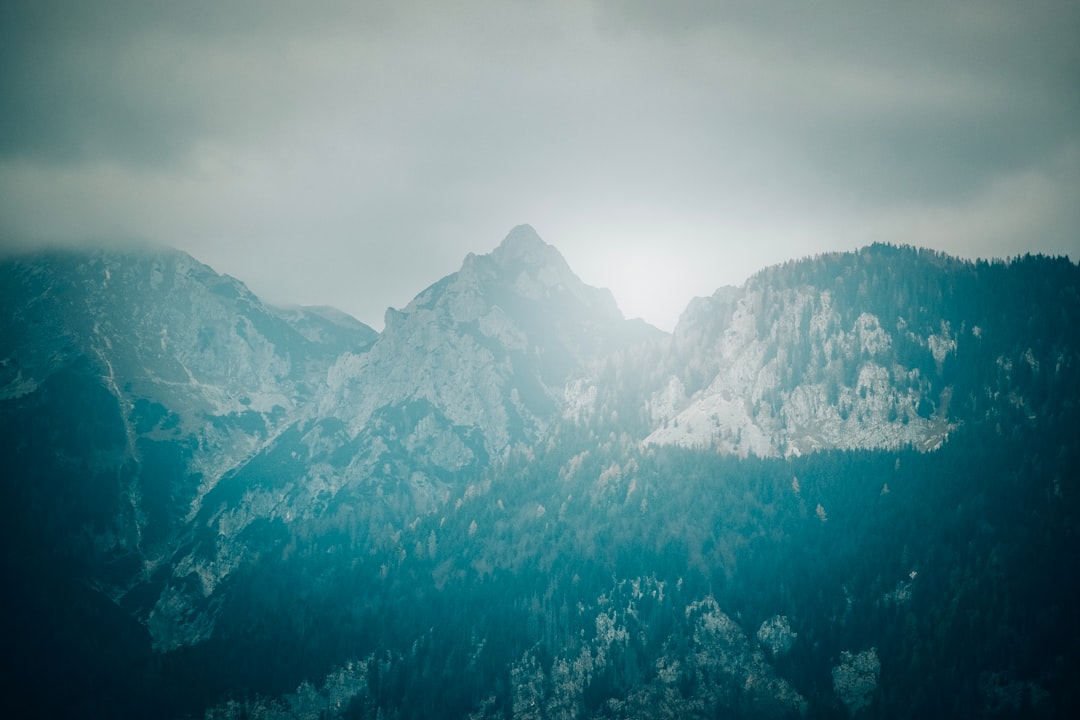
The Green Wall of the Julian Alps
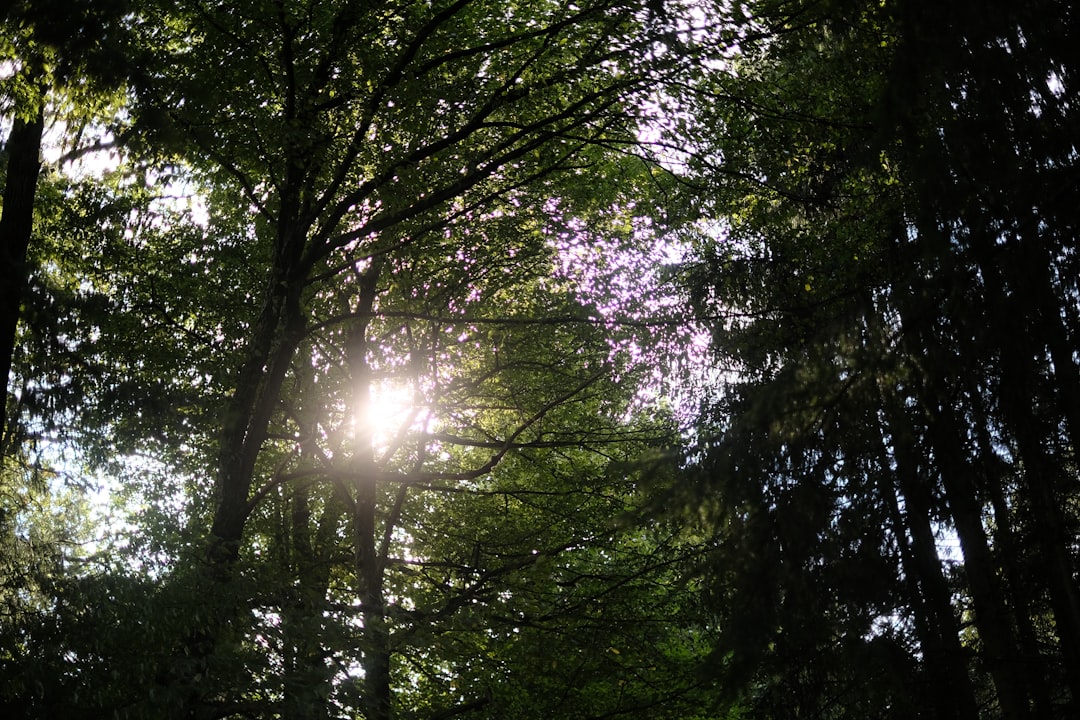
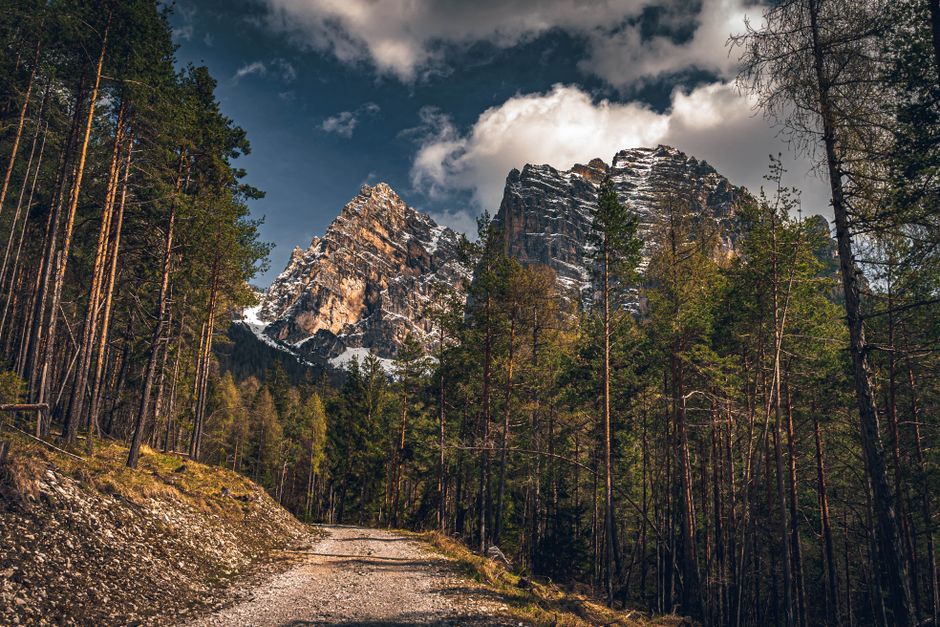
This park is not just a collection of hiking trails; it is a fortress of biodiversity. The landscape is dominated by the Julian Alps, a rugged range that forms the backdrop for almost every viewpoint in the country. But the real story here is the forest. These are primeval stands of beech and fir, some of which are protected as UNESCO World Heritage sites due to their age and lack of human interference. Walking through these woods feels like stepping back a century. The canopy is so thick that midday light filters through in shafts of dusty gold.
The terrain is deceptive. It looks manageable from the valley floor, but the elevation gain is brutal. The trails are often steep, slippery with moss, and marked by red-white-red paint on rocks and trees. Navigation requires attention. One wrong turn off the marked path can lead you into dense underbrush where GPS signals fail. The park rangers here are strict about staying on trails, not out of malice, but because the ecosystem is fragile.
The Peaks That Define the Skyline
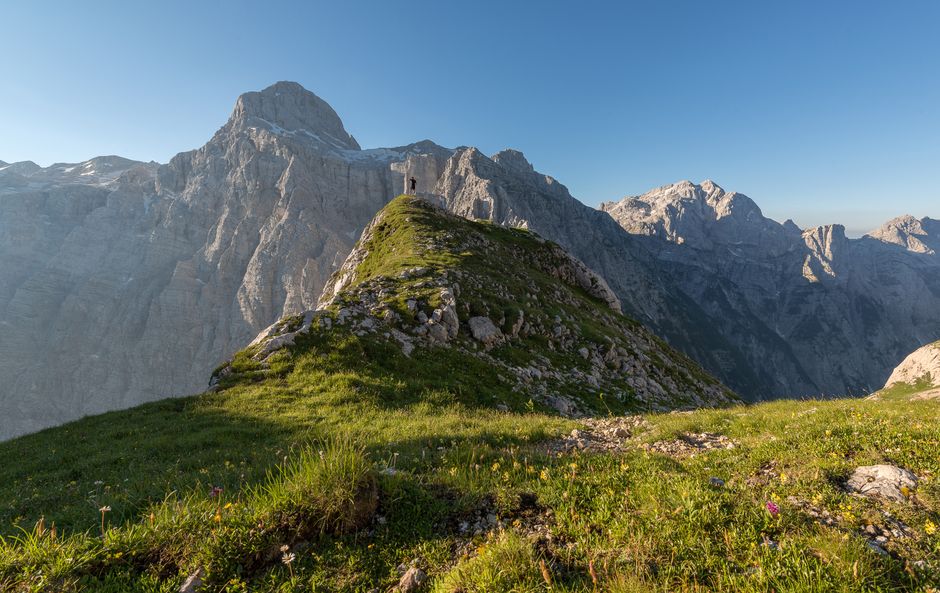
You cannot talk about this park without talking about the namesake. Mount Triglav is the highest peak in Slovenia, standing at 2,864 meters. It is more than a mountain; it is a national symbol, featured on the flag and the coat of arms. Reaching the summit is a serious undertaking, not a casual afternoon stroll. It requires technical climbing skills or at least a strong desire to suffer. Most visitors only see it from a distance, a jagged pyramid piercing the clouds, often shrouded in mist that gives it an almost supernatural presence.
For those who want a taste of the high alpine without the death risk, Mount Jalovec offers a more accessible alternative. It is the second highest peak and provides sweeping views of the entire valley system. The approach is steep, but the reward is a panoramic vista that stretches from the Italian border to the Austrian Karawanks. The air up here is thin and cold, even in summer. You feel small. You feel exposed. The wind howls around the ridges, reminding you that nature is still in charge.
Lakes Like Mirrors in the Stone
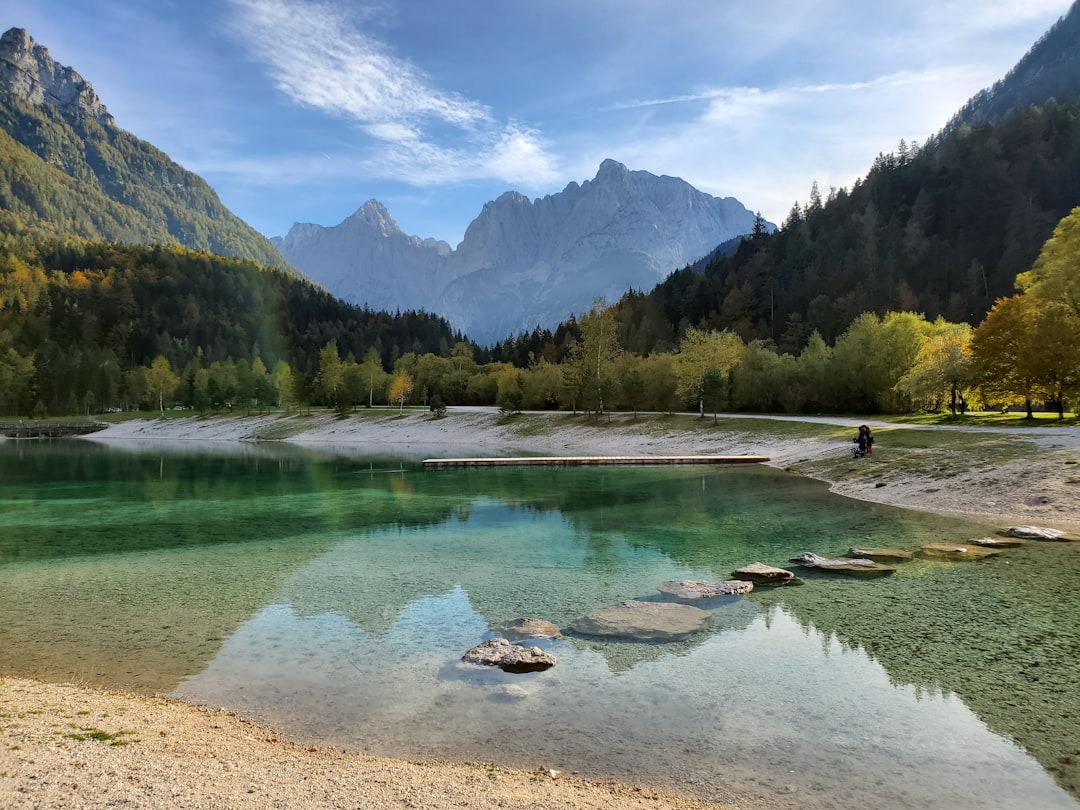
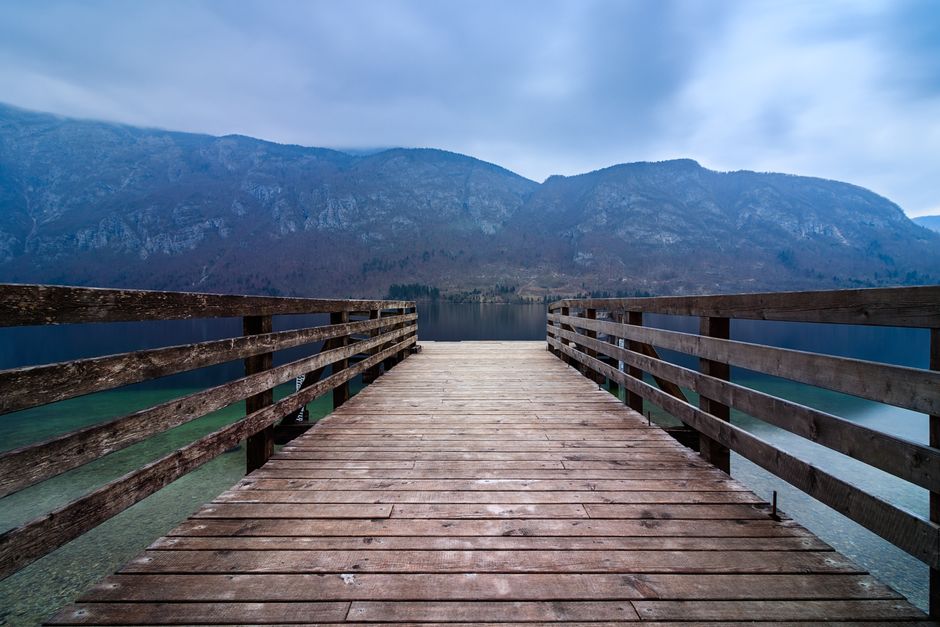
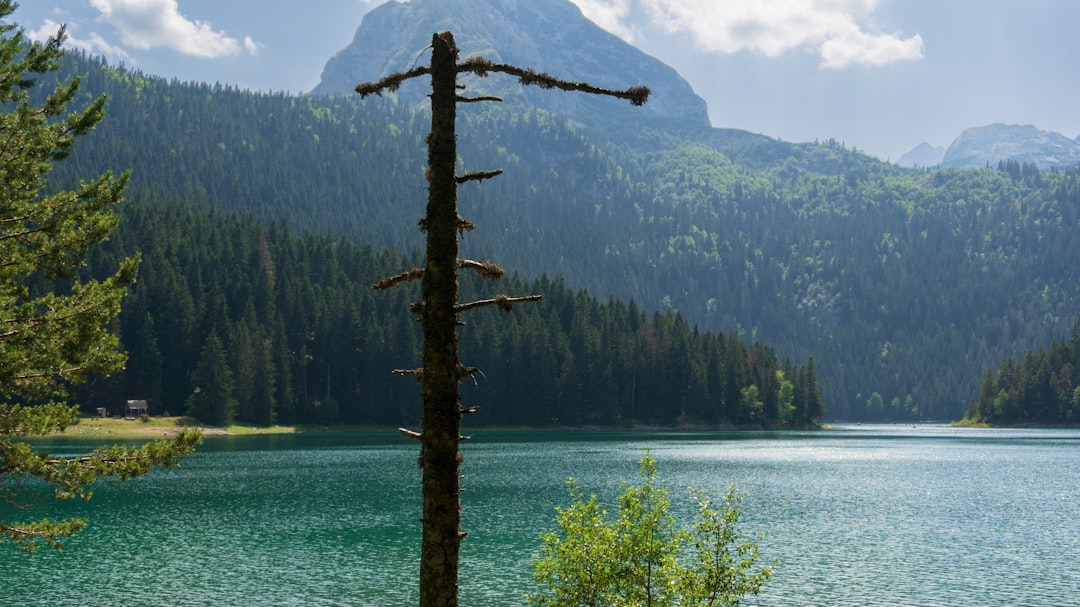
The water in this park is glacially cold and impossibly blue. Lake Bled is the famous one, the one with the castle on the cliff and the island in the middle. It is crowded, commercial, and undeniably beautiful. But if you want the real deal, you head north to Bohinj Lake. It is larger, wilder, and less polished. The water here is a deep turquoise, reflecting the peaks with a clarity that makes you wonder if it’s real. Swimming is possible in July and August, but it will shock your system. The temperature rarely rises above 20 degrees Celsius.
Further up the valley, hidden behind a wall of trees, are the Seven Rila Lakes equivalent of Slovenia: the Alpine Lakes. There are actually more than seven, but the main cluster includes Lake Bohinj and several smaller tarns. Hiking to these lakes is a rite of passage. The trail winds through pine forests and open meadows, ending at a series of terraced lakes that look like spilled jewels. The silence up here is profound. You can hear the crunch of your own boots and the distant call of a chough.
Routes & Trail Info
Route 1: The Triglav Summit via Krma Valley Start at the Krma Valley trailhead. This is the standard approach for serious climbers. Distance: 12 km one-way. Elevation gain: 1,400 m. Duration: 6-8 hours. Difficulty: Experienced. Requires climbing gear and experience. Route 2: Lake Bohinj Circuit Start at the village of Ribčev Laz. This is a loop around the lake with steep climbs. Distance: 18 km round-trip. Elevation gain: 800 m. Duration: 4-5 hours. Difficulty: Intermediate. Good for fit hikers, not recommended for young children. Route 3: The Alpine Lakes Trail Start at the Savica Waterfall parking area. This route connects several high-altitude lakes. Distance: 10 km round-trip. Elevation gain: 600 m. Duration: 3-4 hours. Difficulty: Intermediate. Well-marked but steep sections.
Getting There & What to Expect
The nearest major hub is Ljubljana, about an hour’s drive away. Buses run frequently from Ljubljana to Bohinj and Bled, costing around 5-7 EUR one-way. If you are driving, the roads are narrow and winding. Parking at trailheads can be expensive, often 3-5 EUR for the day. Accommodation ranges from budget hostels in Bohinj at 30-50 EUR per night to mid-range hotels at 80-120 EUR. Expect to pay 10-15 EUR for a meal in a mountain hut, which usually includes soup and a main course. The best time to visit is July and August for clear skies, but expect crowds. September offers fewer people and cooler temperatures.
Search accommodation in Bohinj on Booking.com →
The Weight of the Silence
On my last night, I sat on a bench overlooking the water, watching the fog roll in from the peaks. A dog barked in the distance. A boat engine sputtered and died. The darkness fell fast, heavy and absolute. I realized then that this place does not want to be conquered. It wants to be witnessed. The mountains do not care about your fitness level or your gear. They simply are. And in that indifference, there is a strange comfort. You leave with mud on your boots, blisters on your heels, and a mind that is finally, blessedly, quiet.
Comments