


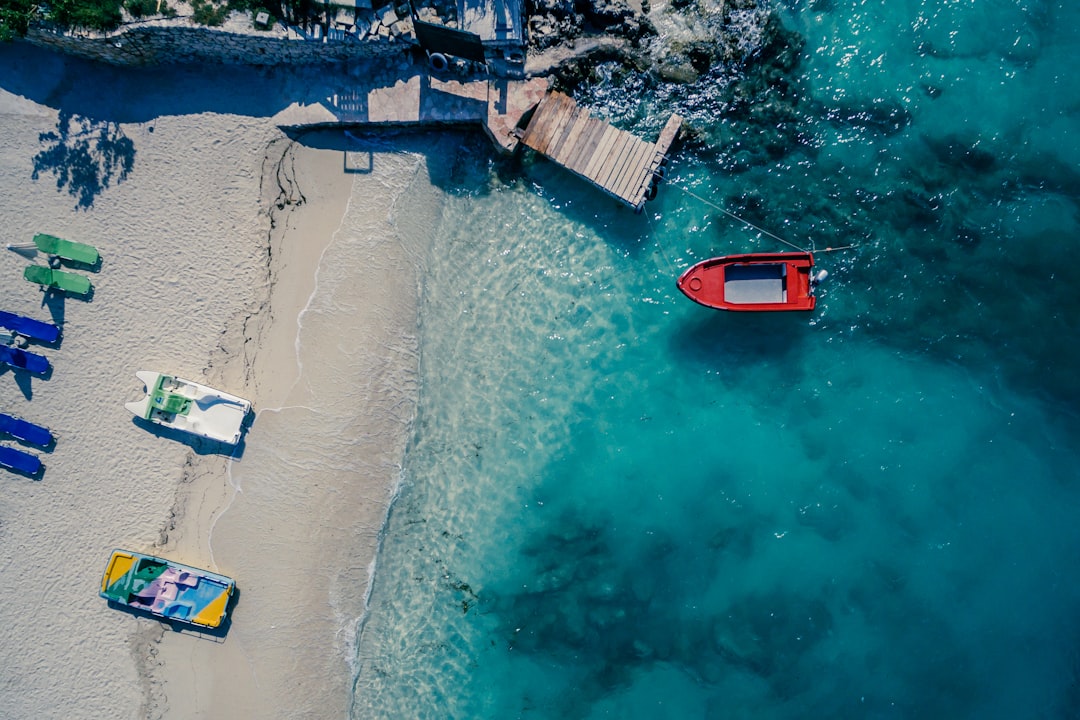
I arrived in Durrës with a suitcase full of skepticism and a browser tab full of "hidden gem" blogs that promised paradise for pennies. The reality hit me the moment I stepped off the bus from Tirana. The air smelled of diesel, frying fish, and cheap sunscreen. A guy in a faded polo shirt tried to sell me a "VIP" beach umbrella for 5 EUR while a seagull fought a tourist for a half-eaten kebab. This isn't the sanitized, all-inclusive resort dream you see on Instagram. This is raw, unpolished, and aggressively alive. The Albanian Riviera isn't a single place; it's a jagged coastline where the Adriatic meets the Ionian, a strip of limestone cliffs, pine forests, and villages that are still figuring out how to handle the sudden influx of European backpackers and yacht owners. I spent ten days chasing the sun from the industrial north down to the ancient south, and let me tell you, the road is as much a part of the journey as the sea.
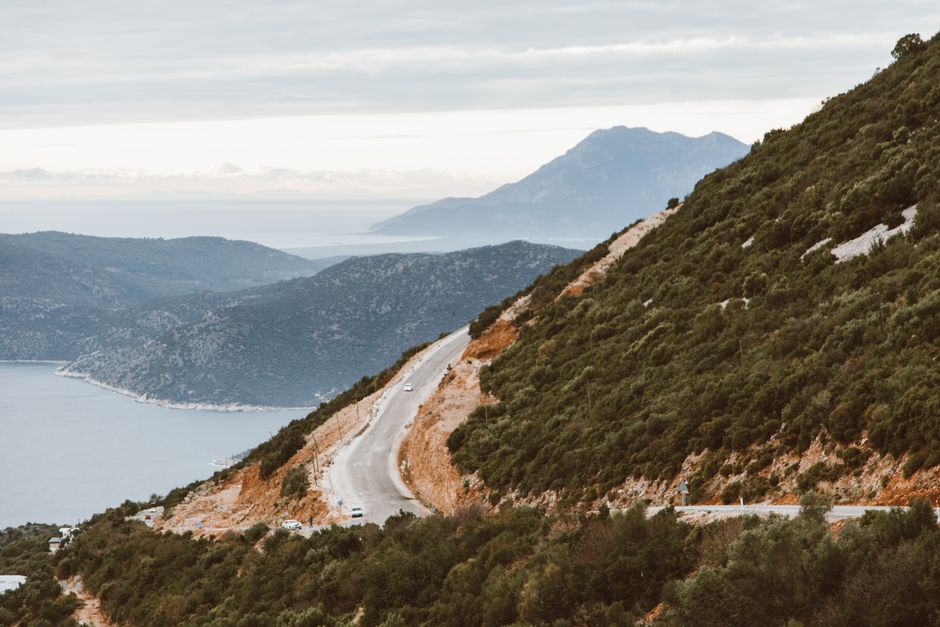
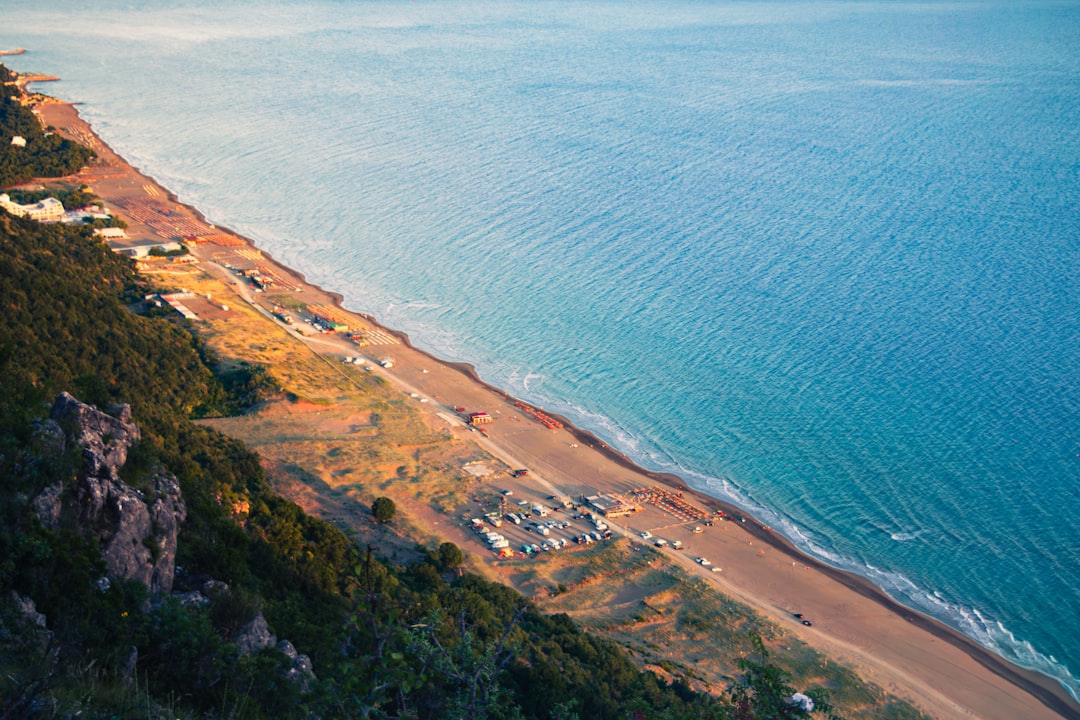
Forget the "off the beaten path" cliché. The path here is a winding, pothole-ridden ribbon of asphalt that clings to cliffs above turquoise water. It's chaotic, loud, and occasionally dangerous, but the payoff is beaches that look like they were stolen from the Greek Isles, minus the crowds and the prices. If you can handle the traffic, the heat, and the occasional language barrier, you'll find some of the best value-for-money coastal travel in the Balkans. Just don't expect silence. Expect life, loud and unapologetic.
History & Identity
The Albanian Riviera's identity is a collision of ancient trade routes and brutal isolation. For centuries, this coast was a crossroads for Greeks, Italians, and Venetians, leaving behind a patchwork of medieval castles and Orthodox monasteries. Then came the communist regime under Enver Hoxha, which sealed the borders and turned the coast into a military no-go zone. Beaches were mined, villages were emptied, and the sea was forbidden. When the regime collapsed in the 1990s, the borders opened, and the world rushed in. The result is a coastline with a unique duality: ancient stone structures sit next to modern, often shoddy, concrete hotels, and a deep-seated hospitality culture meets the chaotic energy of rapid, unregulated tourism.
This history shapes the experience today. You'll find yourself swimming in bays that were once guarded by soldiers, and eating in restaurants that were once military barracks. The locals are fiercely proud of their resilience, and their hospitality is genuine, born from a culture that values connection in a land that was once cut off from the world. The Riviera is not just a beach destination; it's a living museum of Albania's turbulent past, with a future that's being built one beach bar at a time.
Where to Go
Butrint National Park — This is the crown jewel of the Albanian Riviera, a UNESCO World Heritage site that feels like stepping into a time machine. The ruins span Greek, Roman, Byzantine, and Venetian eras, all set within a lush forest and wetland landscape. It's not just a ruin dump; it's an active archaeological site with ongoing excavations. The best time to visit is early morning or late afternoon to avoid the heat and the tour buses. Entry fee is 2 EUR. Don't miss the ancient theater and the baptistery.
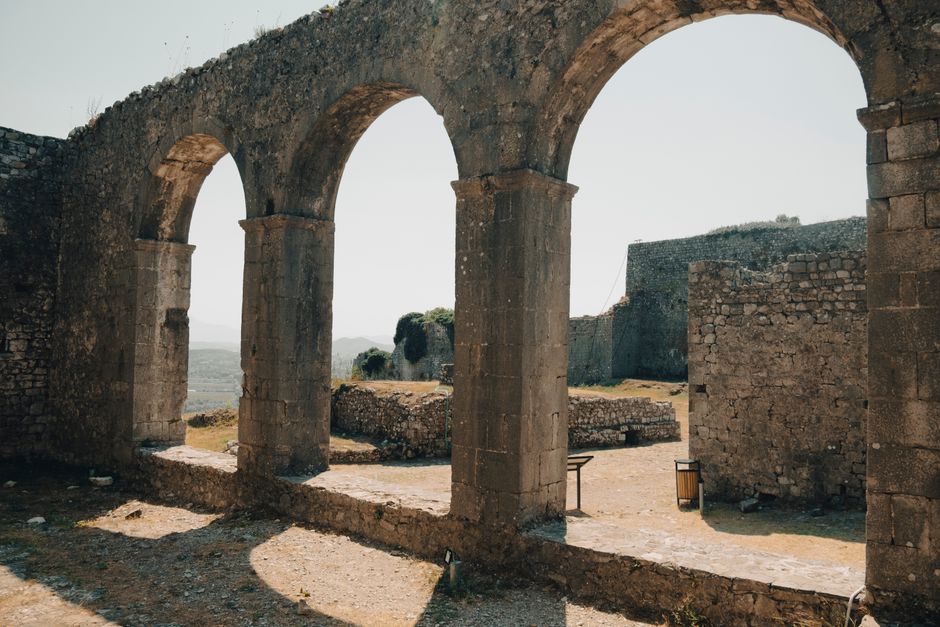
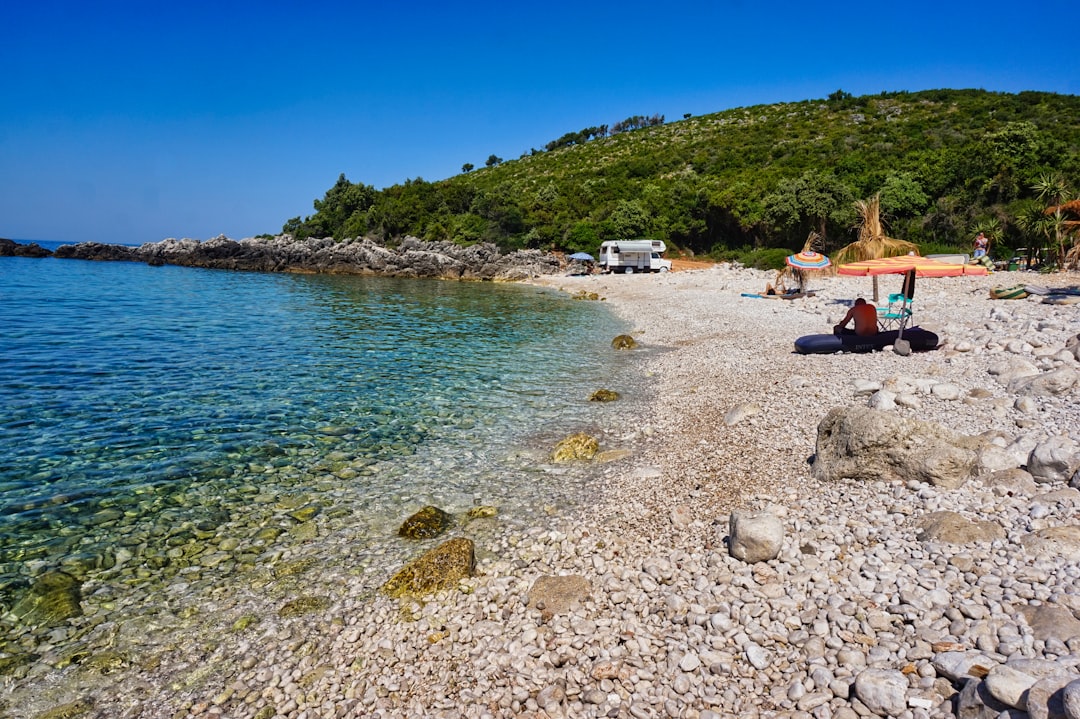
Ksamil Beach — If you want the postcard-perfect view, this is it. Ksamil is famous for its four small islands and crystal-clear, turquoise water. It's also the most touristy and crowded spot on the Riviera. In peak season, it's a circus of vendors and packed beaches, but the water is undeniably stunning. Rent a boat to explore the islands or just find a spot on the main beach. Entry to the beach is free, but sunbeds cost around 10-15 EUR per day. Go early or late to avoid the worst of the crowds.
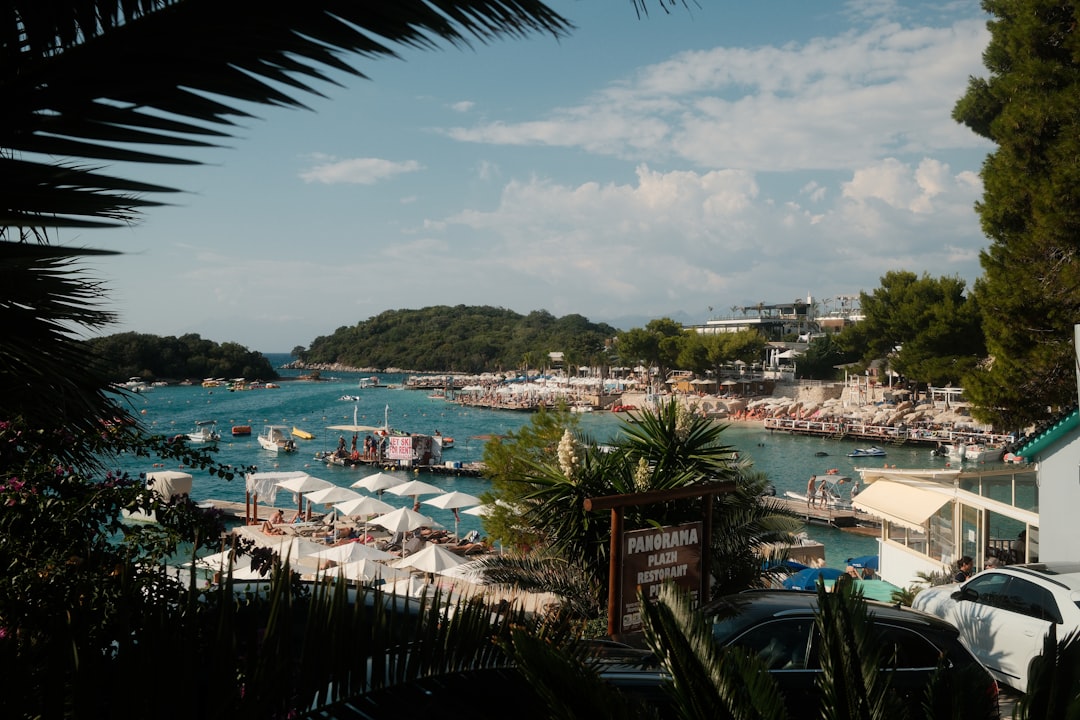
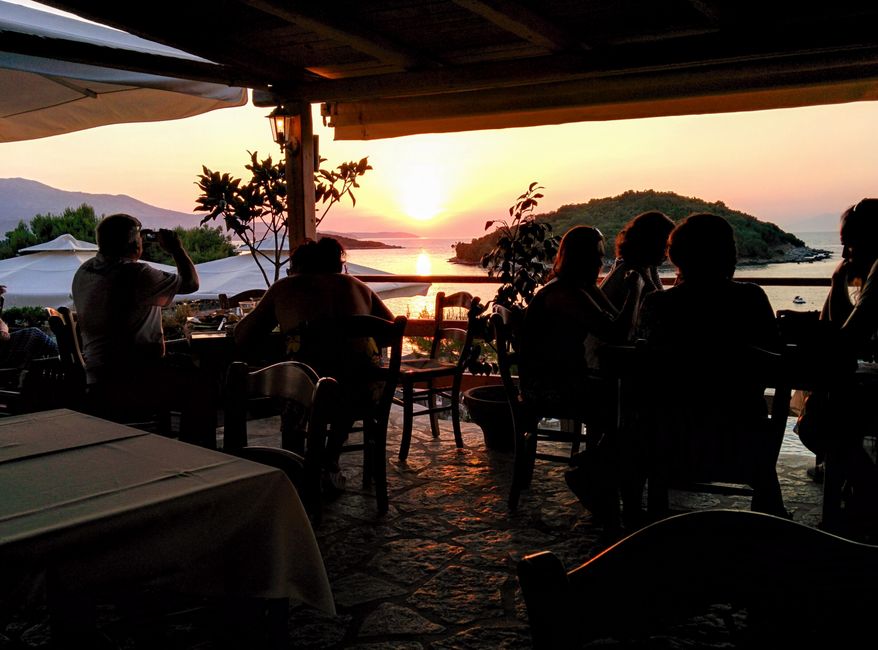
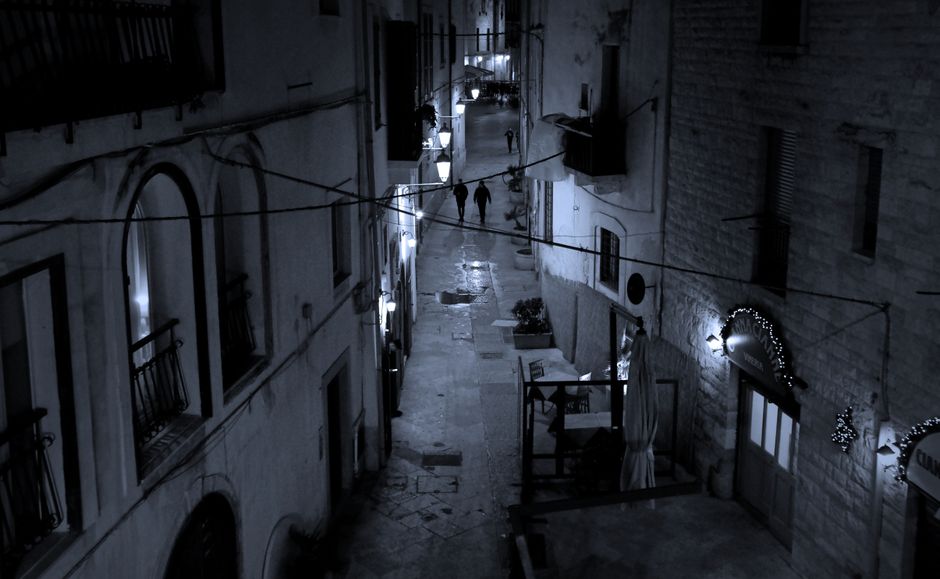
Sarandë Old Town — The main hub of the Riviera, Sarandë is a lively town with a long history. The old town is a maze of narrow streets, colorful buildings, and small cafes. It's the place to go for nightlife, dining, and people-watching. The promenade along the sea is perfect for an evening stroll, and the view of Corfu island across the water is breathtaking, especially at sunset. There's no entry fee, just bring your appetite and your walking shoes.
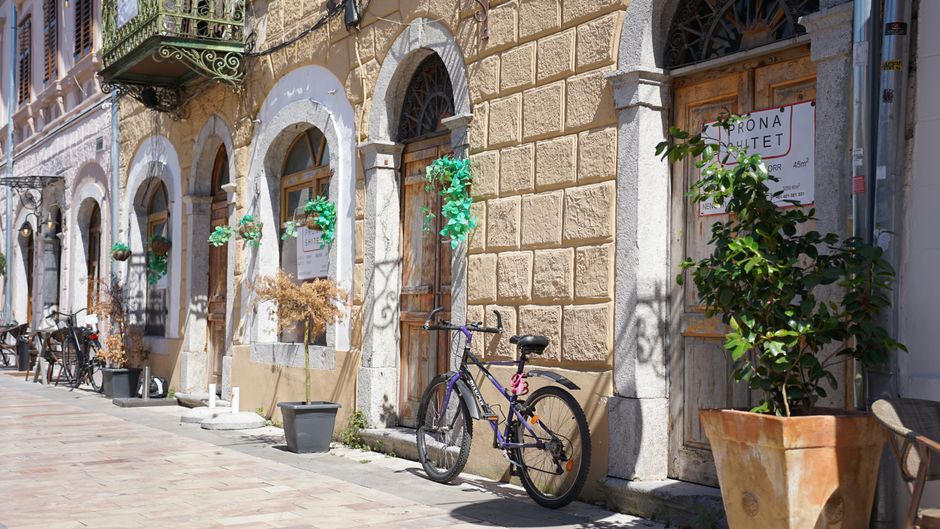
Llogara National Park — This is a must-do for anyone driving the Riviera. The park offers dramatic views of the coast from the Llogara Pass, which sits at 900 meters above sea level. The road is winding and steep, but the views are worth it. There are several hiking trails within the park, including a popular route to the sea. Entry fee is 1 EUR. Bring a jacket, as it can be significantly cooler here than on the beach below.
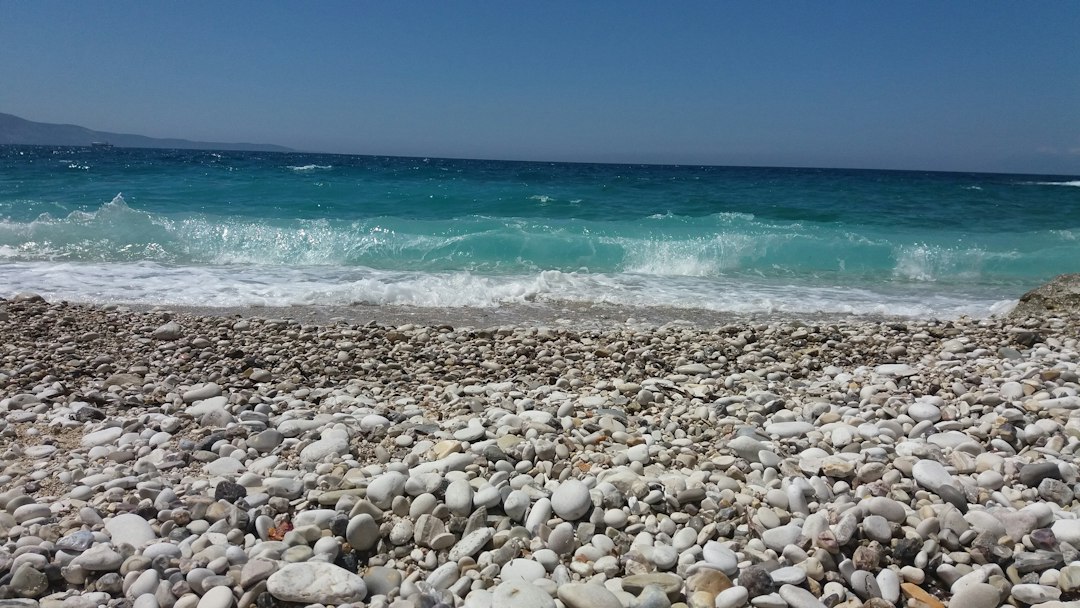
Himara Beach — A more relaxed alternative to Ksamil, Himara Beach is a long stretch of sand and pebbles with clear water. It's less crowded and has a more local feel. The town of Himara itself is perched on a hill above the beach, with a small castle and a charming old quarter. Rent a sunbed for 5-10 EUR or just bring your own towel. It's a great place to unwind after a day of exploring the more touristy spots.
What to Eat & Drink
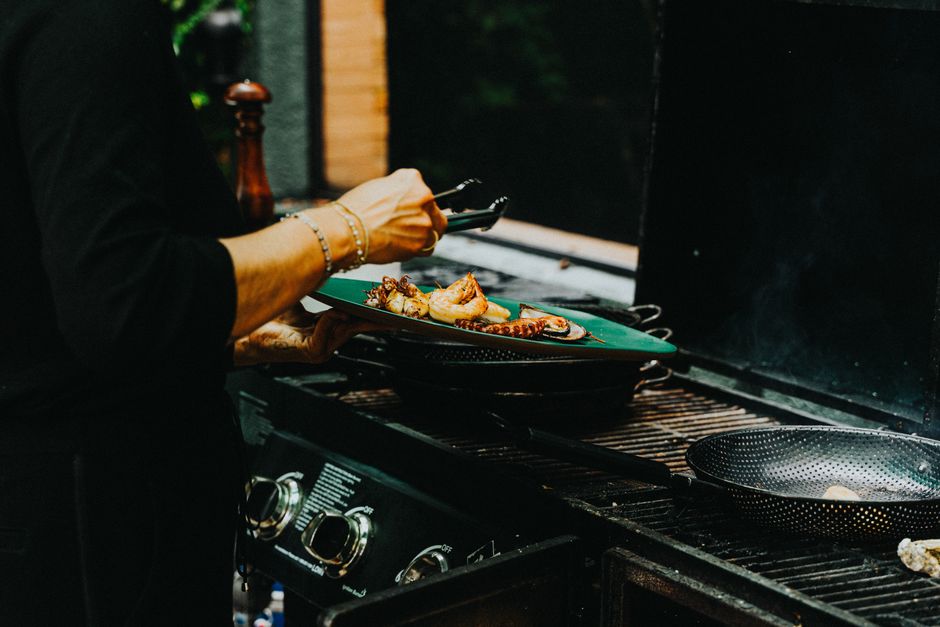
The food on the Riviera is a mix of traditional Albanian and Mediterranean influences, with a heavy emphasis on fresh seafood. Don't expect fine dining; expect flavor, quantity, and value. Here are the must-try dishes:
- Fish Fritura — A plate of fried fish, usually including sardines, anchovies, and small sea bream. Crispy, salty, and best eaten with lemon and bread. 8-12 EUR for a plate.
- Grilled Octopus — Tender, charred, and drizzled with olive oil and lemon. A staple at beachside tavernas. 10-15 EUR per portion.
- Fërgesë — A baked dish with peppers, tomatoes, and cheese, often served with bread. A vegetarian favorite. 5-8 EUR.
- Byrek — A flaky pastry filled with cheese, spinach, or meat. A popular street food. 1-2 EUR per slice.
- Raki — A strong fruit brandy, usually made from grapes or plums. The national drink, best shared with friends. 2-4 EUR per glass.
Budget breakdown: Street food and take-away can be as low as 2-5 EUR per meal. A sit-down local restaurant meal, including a drink, will set you back 8-15 EUR per person. Mid-range restaurants with a sea view and a broader menu will cost 15-25 EUR per person. For the best food scene, head to the seafront in Sarandë or Himara, where you'll find a mix of local tavernas and more upscale restaurants. For budget eaters, the local markets in Durrës and Sarandë are great for fresh produce and cheap take-away options.
Nightlife
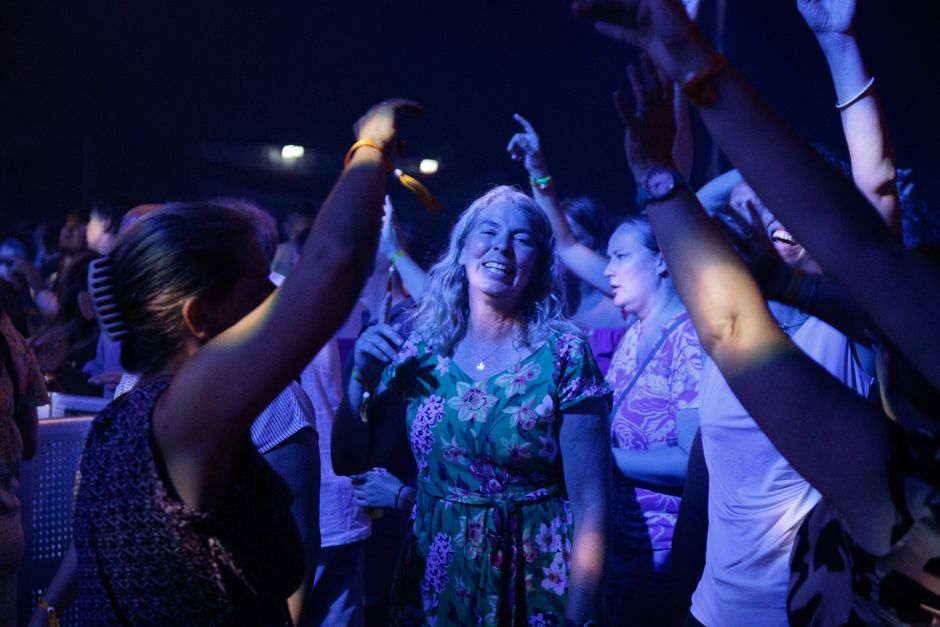
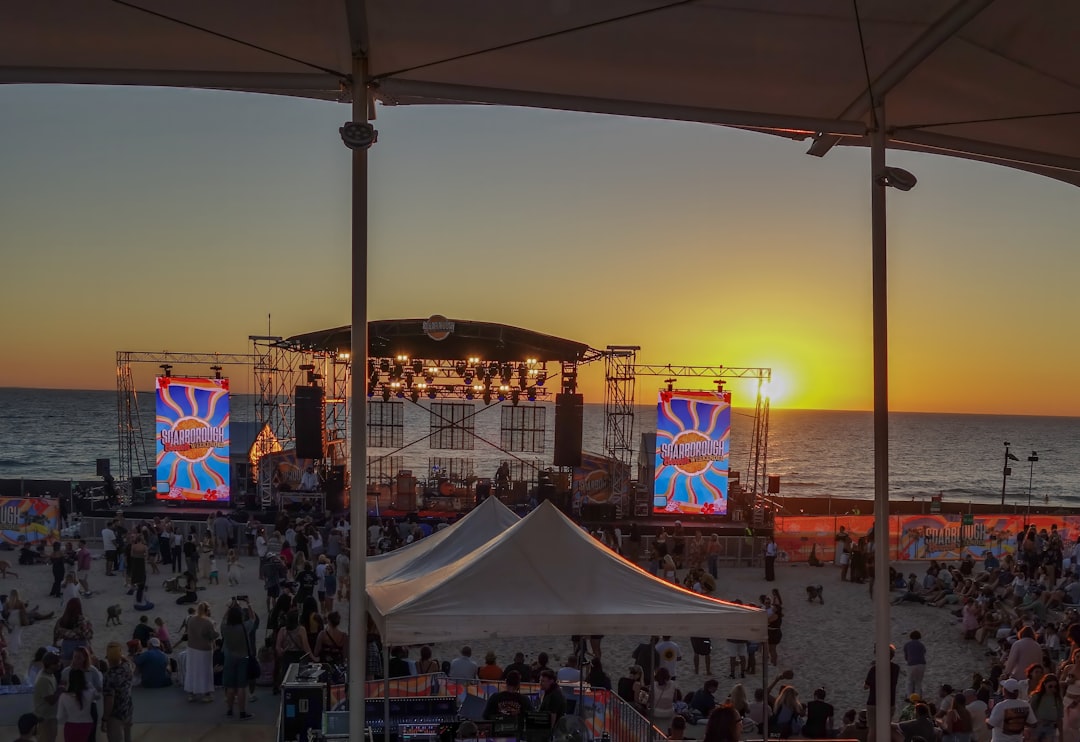
Nightlife on the Riviera is centered around Sarandë and Ksamil, with a mix of beach bars, clubs, and live music venues. The vibe is relaxed and social, with a mix of locals, tourists, and backpackers. Here are a few spots to check out:
- Marina Beach Club, Sarandë — A popular spot with a pool, DJ, and sea views. Expect a mix of electronic and pop music. Cover charge is 5-10 EUR.
- Plaza Beach Bar, Ksamil — A more laid-back option with live music and a good selection of cocktails. No cover charge, but drinks are pricey, around 4-6 EUR per cocktail.
- Old Town Bars, Sarandë — The narrow streets of the old town are lined with small bars and pubs, perfect for a more intimate experience. Prices are lower here, with drinks starting at 2-3 EUR.
The nightlife starts late, around midnight, and goes on until sunrise. Dress code is casual, but smart-casual is recommended for the more upscale clubs. If you're looking for a more local experience, head to the bars in Himara or Gjiri i Kokëzave, where you'll find a more relaxed vibe and lower prices.
Getting There & What to Expect
The nearest airport to the Riviera is Tirana International Airport Nënë Tereza, located about 150 km north of Sarandë. From Tirana, you can take a bus or a private transfer to the Riviera. Buses run regularly from Tirana to Durrës, Vlorë, Sarandë, and Himara, with travel times ranging from 2 to 4 hours and costs between 5-10 EUR. Private transfers are more expensive, around 50-100 EUR for the trip from Tirana to Sarandë.
Once you're on the Riviera, the best way to get around is by car or motorcycle. The roads are winding and often in poor condition, so drive carefully. Renting a car in Tirana or Durrës is a good option, with prices starting at 30-50 EUR per day. Alternatively, you can use the local bus network, which is cheap but infrequent and slow.
Accommodation prices vary widely depending on the season and location. Budget hostels and guesthouses in Sarandë and Ksamil start at 20-40 EUR per night. Mid-range hotels and apartments cost 50-100 EUR per night. Luxury resorts and villas can cost 150-300 EUR or more per night. The best time to visit is from May to October, with July and August being the peak season. If you want to avoid the crowds and the heat, aim for May, June, or September.
Search accommodation in Sarandë on Booking.com →
The Final Stretch: A Gonzo Farewell
I left the Riviera with sand in my shoes, salt in my hair, and a headache that could only be cured by another glass of raki. The place is a mess, but it's a beautiful, chaotic mess. It's not for the faint of heart, but it's for the adventurous soul. The Albanian Riviera is still finding its footing, and that's what makes it so compelling. You're not just visiting a destination; you're witnessing a transformation. The beaches are still wild, the people are still genuine, and the prices are still low. But that won't last forever. So come now, before the world polishes away the edge and sells you a sanitized version of paradise. Come for the sea, stay for the chaos, and leave with a story that no one else will believe.
Comments