


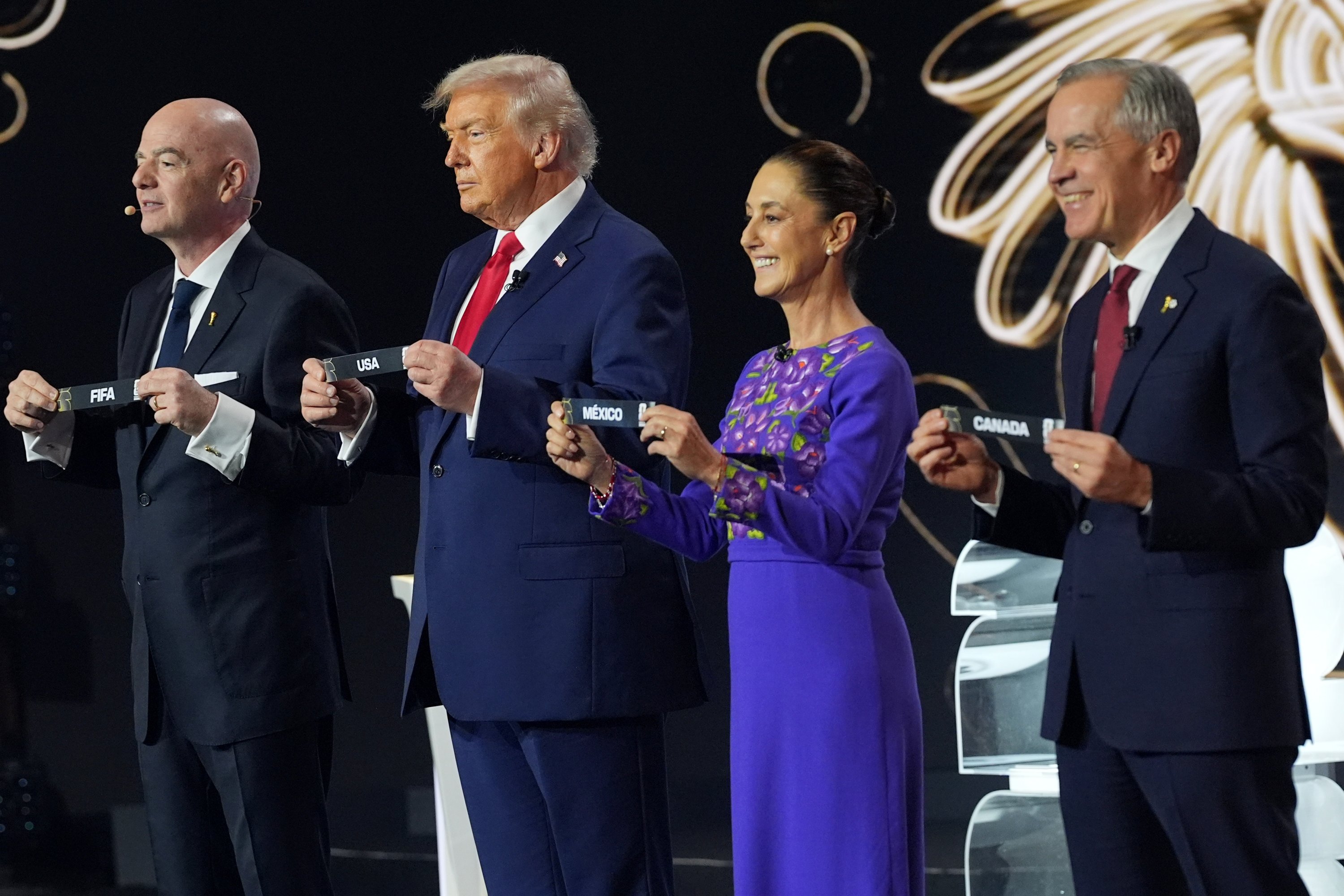
A Historic Tournament Under Political Scrutiny
The 2026 FIFA World Cup is set to kick off on June 11, spreading across the United States, Canada, and Mexico in what promises to be the largest edition of the tournament in history. However, the road to the opening whistle has been paved with controversy rather than pure sporting anticipation. Political tensions, fierce backlash over ticket pricing, and growing concerns regarding player welfare have dominated the global conversation leading up to the finals.
FIFA originally awarded the hosting rights in 2018, selecting the tri-nation bid over Morocco’s proposal. This decision marked a significant shift, establishing the first three-country co-host model and expanding the participant field from 32 to 48 teams. Since the political landscape shifted in 2025, FIFA President Gianni Infantino has maintained a visible presence at the White House, drawing intense scrutiny regarding the organization’s commitment to political neutrality. The awarding of a FIFA Peace Prize to Donald Trump in late 2025 further inflamed critics, particularly as global tensions escalated following military developments in the Middle East.
Pricing Woes and Logistical Hurdles
Beyond the political arena, ticket pricing has emerged as a major flashpoint. FIFA’s implementation of dynamic pricing, combined with high resale fees and shifting ticket categories, has led to accusations of artificial scarcity and inflated costs. Legal challenges have surfaced in parts of the United States, while fans globally express frustration over transparency and affordability. Transport logistics remain another pressing concern, especially in major hubs like New Jersey and Boston, where infrastructure strain and travel costs are expected to test supporters’ patience.
Immigration policies add another layer of uncertainty. Advocacy groups warn that visa restrictions could hinder travel for fans from various nations. Additionally, Iran’s participation has faced questioning amid geopolitical tensions, though FIFA insists the team will compete. With summer heat posing a severe risk, FIFA has mandated three-minute hydration breaks in every match to protect players and spectators alike.
New Rules and Fresh Faces
This tournament introduces a revamped structure with 104 matches and a new round of 32 knockout stage. Four nations will make their World Cup debuts: Cape Verde, Curaçao, Jordan, and Uzbekistan. Curaçao notably becomes the smallest country ever to qualify. On the field, FIFA has tightened rules to improve game flow. Referees can now initiate a five-second countdown for throw-ins and goal kicks, with sanctions for delays. Substitutions must be completed within 10 seconds, or the incoming player waits an additional minute. VAR’s role has also expanded, reviewing corner decisions and overturning second yellow cards if no foul occurred. As France, Spain, England, and defending champions Argentina prepare to compete, these structural changes will define a historic and complex World Cup.
honestly bu 48 takımlık kupa tam bir kaos olacak tbh. özellikle bilet fiyatları ve o yeni kurallar beni şaşırttı. Fenerbahce'de bile böyle karmaşık kurallar yok lol. sıcaklık ve siyaset arası sıkışıp kalan futbolcular için çok zor olacak sanırım...