


The Wait Is Over
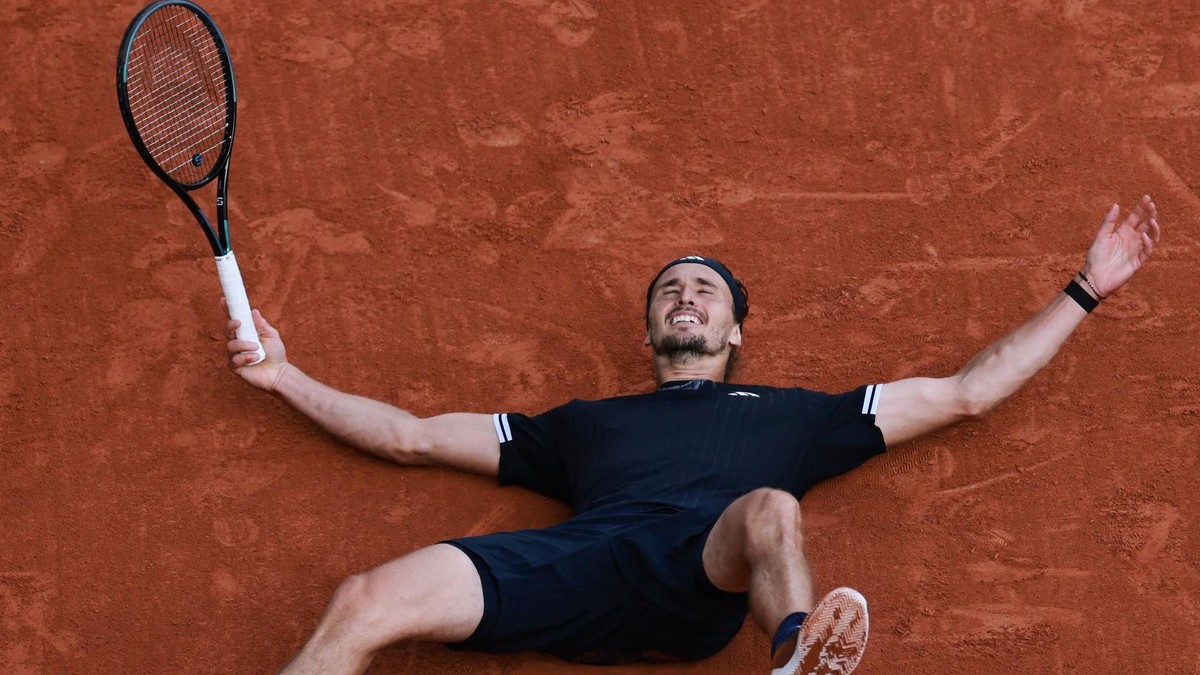
The clay of Paris has spoken, and it chose Alexander Zverev. In a final that tested every ounce of nerve, the German powerhouse dismantled Flavio Cobolli 6-1, 4-6, 6-4, 6-7 (5-7), 6-1 to seize his maiden Grand Slam crown. The scoreboard tells the story of a war, but the emotion tells the truth: this was destiny finally catching up to a man who refused to quit.
Zverev, seeded second, etched his name into history as the first German to win a major title since Boris Becker lifted the trophy at the Australian Open in 1996. For Cobolli, the dream of becoming the first Italian men's singles champion at Roland Garros since 1976 faded in the fifth set, but his fight was noble. Zverev, however, was built for this moment. After suffering three previous Grand Slam final defeats, the relief was palpable. The pressure that once crushed him now fueled his triumph.
From Heartbreak to Heaven
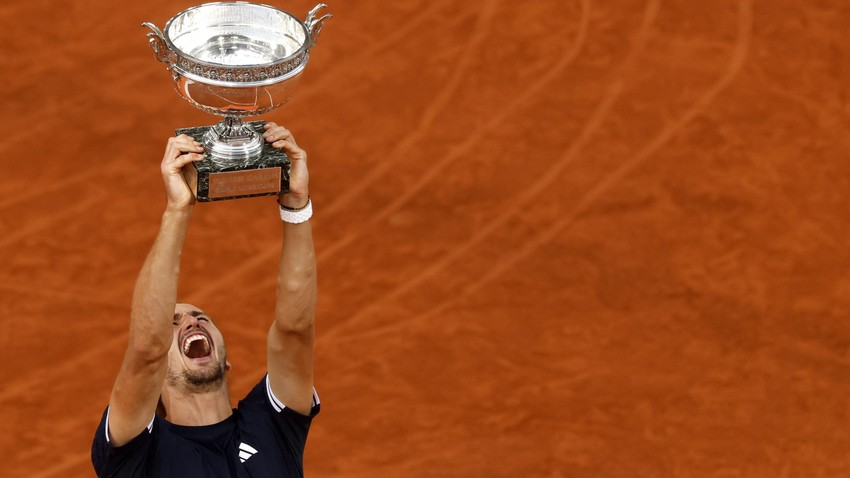
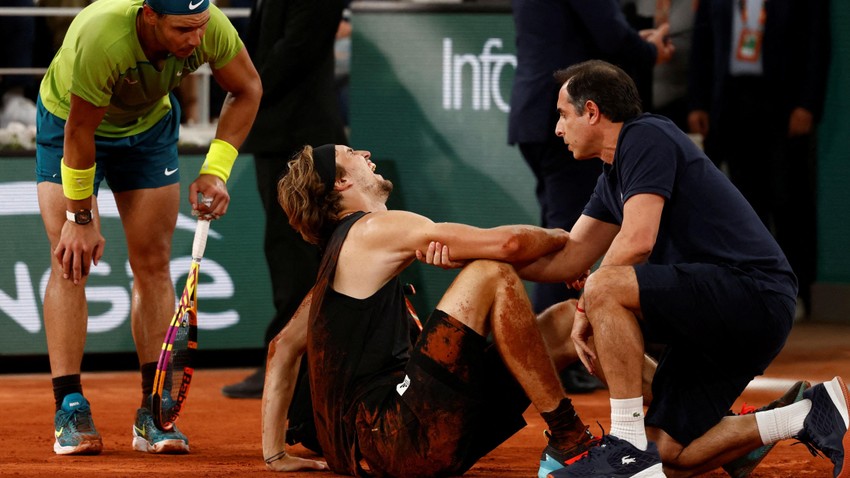
This victory is not just about winning; it is about redemption. Four years ago, on this very court, Zverev lay broken. During the 2022 semi-final against Rafael Nadal, he tore ligaments in his ankle and was carried off Court Philippe-Chatrier on a stretcher. Two years later, he lost the final on this same soil. The pain was etched deep. Today, he walks off that same court as a champion, trophy in hand, tears in his eyes.
Collapsing onto the clay in pure ecstasy, Zverev thanked the crowd, calling Roland Garros the most significant venue of his career—a place of both his deepest lows and highest highs. "Finally, a happy ending," he whispered, the words heavy with years of struggle. The narrative has shifted. The man who was carried out in agony now strides out in glory, proving that resilience is the greatest weapon in tennis. Paris belongs to Zverev.

fenerbahce were miles better this season tbh honestly didn't see that coming lol Djokovic just different class rn...