


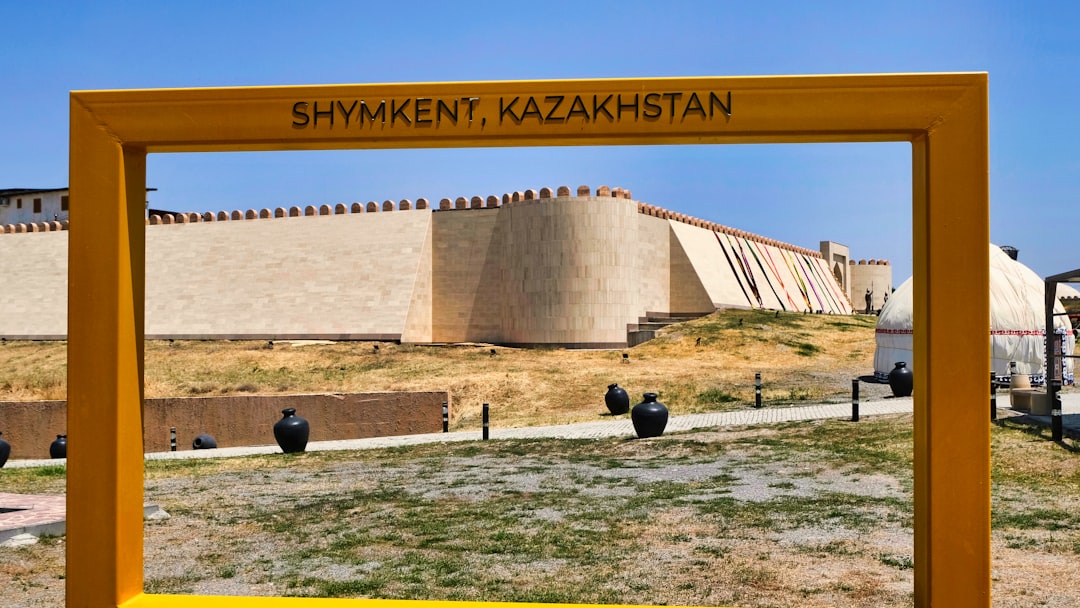
Turkish social media personality and model Zeynep Alkan has become the center of a significant cultural and legal controversy in Turkey, drawing intense attention from both the Balkan region and international audiences. Known for her massive following on platforms like Instagram and her lucrative presence on the subscription-based service OnlyFans, Alkan represents a new wave of digital influencers who have challenged traditional societal norms in conservative societies. The situation escalated dramatically when Turkish authorities issued arrest warrants against several prominent OnlyFans creators, including Alkan, as part of a broader crackdown on content deemed to violate local obscenity laws. This development highlights the growing tension between digital freedom, economic opportunity, and state regulation in the region.
Alkan, born in 1996, rose to prominence not through traditional entertainment channels but via the viral nature of social media algorithms. Her content, which often features fashion, lifestyle, and provocative imagery, resonated with a younger demographic eager for alternative forms of celebrity. However, her sudden legal troubles have sparked a wider debate about the rights of content creators in Turkey. The case is particularly relevant to Balkan audiences, where similar discussions about censorship, online expression, and the monetization of personal brands are increasingly common. As Turkey serves as a cultural bridge between Europe and Asia, the handling of Alkan's case offers a glimpse into how governments in the region are attempting to control the digital narrative.
The OnlyFans Crackdown and Legal Context
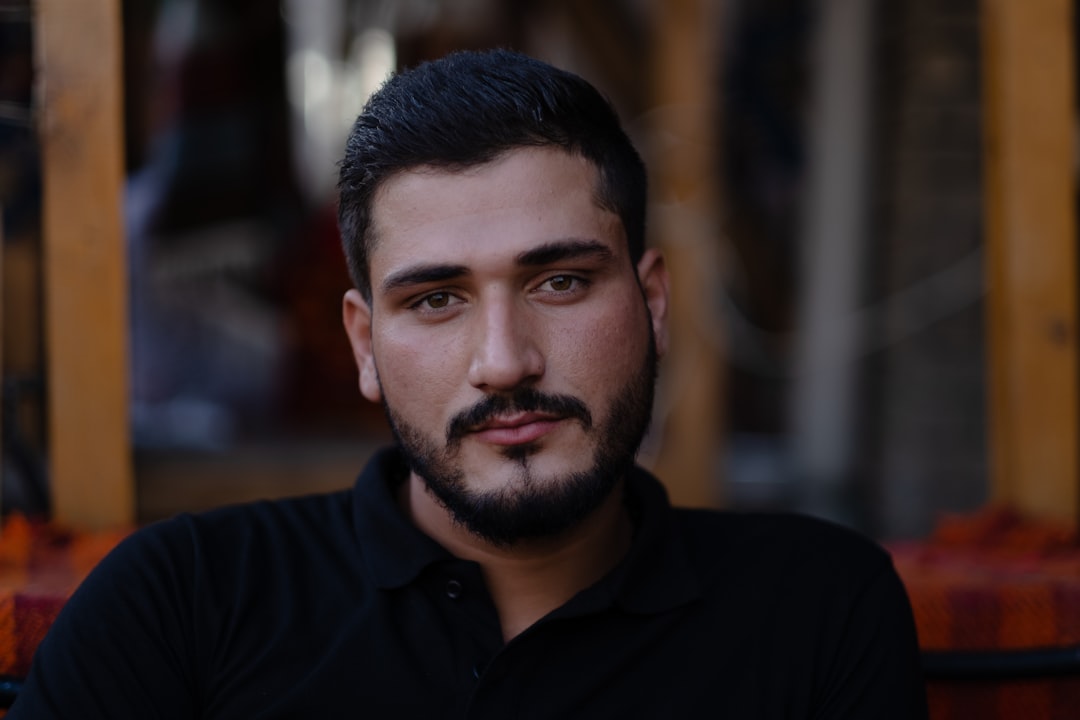
The recent arrest warrants issued by Turkish authorities mark a significant escalation in the government's stance against adult-oriented content online. According to reports from Turkish media outlets like Sözcü, the move targets not just Alkan but a group of influencers who have built careers on platforms that allow user-generated adult content. The legal basis for these actions stems from Turkey's strict laws regarding public decency and the protection of family values, which have been enforced with increasing rigor in recent years. Critics argue that these measures are disproportionately targeted at women and serve to suppress female agency and economic independence.
OnlyFans, a platform that gained global popularity during the pandemic, allows creators to charge subscribers for access to their content. For many Turkish influencers, it became a primary source of income, offering financial independence in a country grappling with high inflation and economic instability. The crackdown raises serious questions about the viability of such digital businesses in Turkey. Legal experts suggest that while the content may be accessible globally, the creators remain subject to Turkish jurisdiction, making them vulnerable to prosecution. This legal ambiguity creates a precarious environment for digital entrepreneurs who rely on international platforms.
The involvement of high-profile figures like Zeynep Alkan has amplified the public discourse. Her arrest warrant has been shared widely across social media, with supporters rallying behind her and critics condemning the government's approach. The case has also drawn attention from international human rights organizations, which have expressed concern over the potential chilling effect on free expression. For Balkan observers, the situation mirrors similar debates in neighboring countries where the balance between moral policing and individual rights is constantly being renegotiated.

Zeynep Alkan: From Influencer to Cultural Flashpoint
Zeynep Alkan's journey from a local model to a national controversy figure illustrates the power of digital media in reshaping celebrity culture. Before her legal troubles, Alkan had cultivated a brand centered on confidence, beauty, and empowerment, attracting millions of followers who admired her boldness. Her success story was seen by many young women as a testament to the possibilities of the digital age, where traditional gatekeepers no longer hold all the power. However, her sudden legal challenges have transformed her image from a symbol of empowerment to a casualty of state regulation.
The public reaction to Alkan's arrest warrant has been polarized. Supporters view her as a victim of a repressive regime that seeks to control women's bodies and choices, while detractors argue that her content violates societal norms and should be curtailed. This polarization reflects deeper societal divisions in Turkey regarding gender roles, sexuality, and the role of the state in private matters. For Balkan audiences, particularly in countries like Serbia, Bosnia, and North Macedonia, where similar conservative values coexist with a growing digital youth culture, Alkan's story resonates on a personal level. It forces a confrontation with the limits of personal freedom in a rapidly changing world.
Alkan's case also highlights the economic realities faced by many young people in Turkey. With the Turkish Lira experiencing significant depreciation, many have turned to digital platforms to earn income in stronger currencies like the US Dollar. The crackdown on OnlyFans creators threatens this lifeline, potentially pushing many into financial hardship. This economic dimension adds another layer of complexity to the debate, as it is not just about morality but also about survival and opportunity in a challenging economic climate.
Regional Implications and Future Outlook
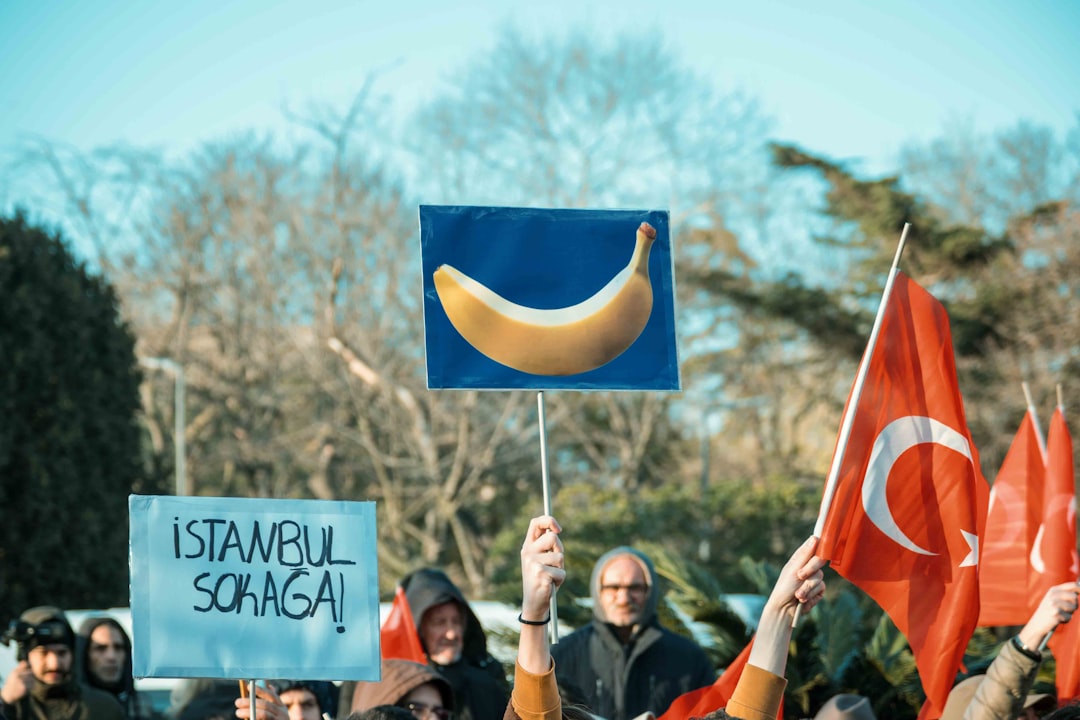
The Zeynep Alkan case is not an isolated incident but part of a broader trend of digital regulation in the Balkans and Turkey. Governments in the region are increasingly concerned about the influence of foreign platforms and the potential for content that challenges national narratives or social norms. This has led to a patchwork of regulations that can be confusing and restrictive for users and creators alike. For example, countries like Croatia and Romania have also grappled with issues related to online content moderation and the rights of digital creators, often balancing EU regulations with local cultural sensitivities.
Looking ahead, the outcome of Alkan's case could set a precedent for how Turkey handles similar situations in the future. If the arrest warrants are executed and convictions secured, it could lead to a wave of self-censorship among Turkish influencers, stifling creativity and limiting economic opportunities. Conversely, if the case is dismissed or results in a legal victory for Alkan, it could embolden others to challenge restrictive laws and advocate for greater digital freedom. The international community, particularly human rights organizations and tech companies, will be watching closely to see how this unfolds.
For Balkan audiences, the story of Zeynep Alkan serves as a cautionary tale and a call to action. It underscores the importance of understanding digital rights and the potential consequences of engaging in online commerce. As the region continues to navigate the complexities of the digital age, cases like Alkan's will likely remain at the forefront of public discourse, shaping the future of online expression and economic opportunity in the Balkans and beyond. Readers should monitor the legal proceedings and the broader policy responses to understand the evolving landscape of digital freedom in the region.


Comments